1/
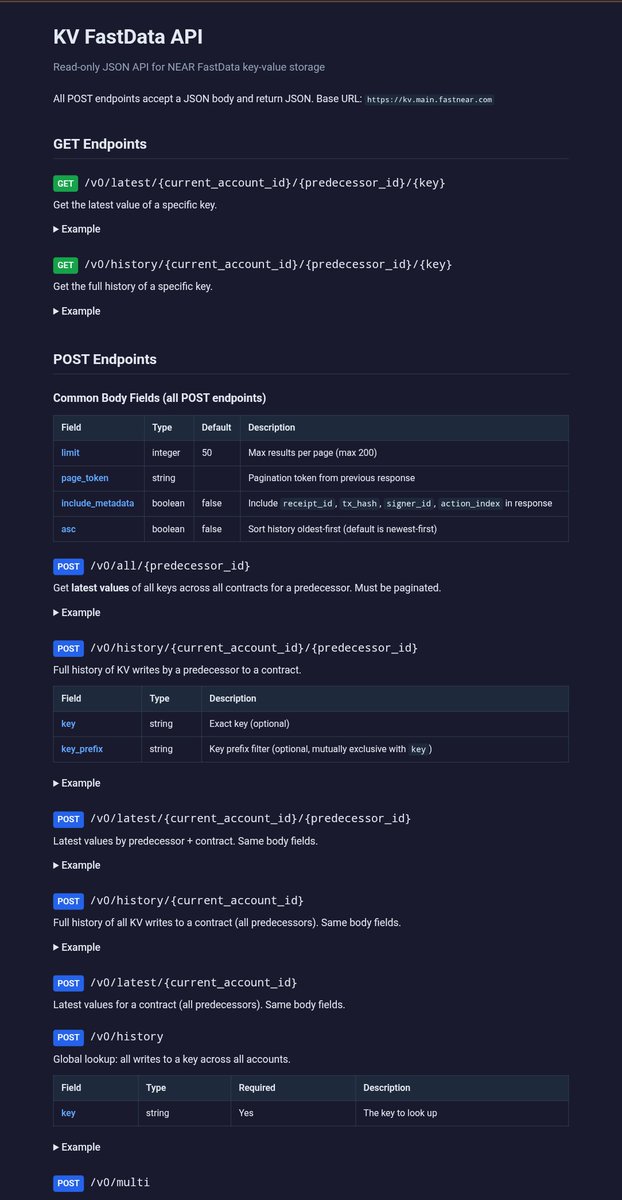
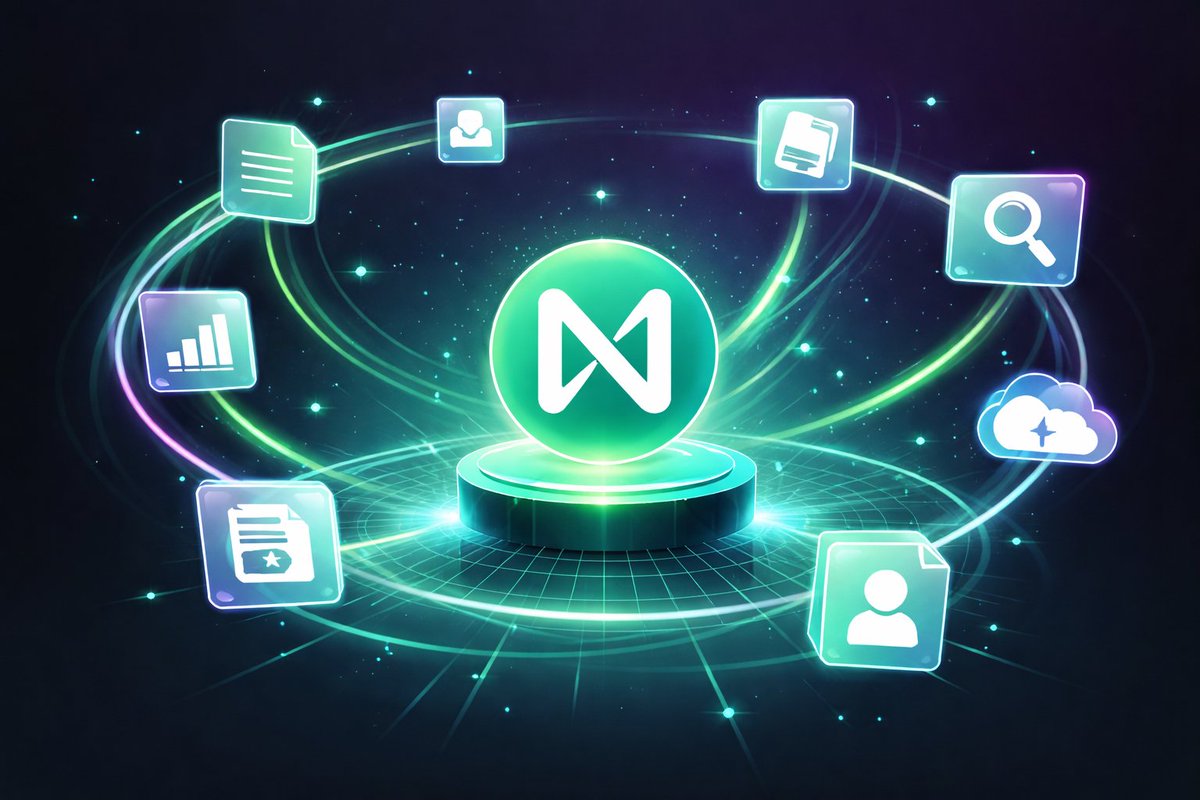
What is KV FastData?
A key-value storage layer on @NEARProtocol
→ Write JSON via transactions
→ Read instantly via API
Think of it as a global on-chain database.
1
4
127
@fast_near is launching KV FastData API today on mainnet and testnet.
This completely changes how apps read and store on-chain data just by using APIs.
No indexers.
No complex infra.
Huge work by @ekuzyakov, @zacodil and @mikedotexe for making a Web2 like experience possible on Web3 and constantly pushing the $NEAR ecosystem forward.
Explained below 👇
7
8
190

Stop missing important calls. Our top-rated signal boosters deliver real results. Shop today! mobilesignalguru.com
📶
#ClearCalls #FastData #MobileLife #MobileSignalGuru

1
2
2

Feb 16
@fast_near thanks for your work on fastfs and fastdata and the newer unrelease unmerged fastkv it enable us build a new possible version of near-social like platform
it has great potential across the near ecosystem!
github.com/NEARBuilders/cybo…
4
58

14 Dec 2025
Countdown to Launch 🚀
dodatafast.com
Fast airtime.
Instant data.
Easy bill payments.
Launching soon. Stay connected.
#DODATAFAST #ComingSoon #TechInNigeria #NaijaBusiness #FastData #AirtimeRecharge #BillPayments #StayConnected

1
3
53

12 Nov 2025
Hirys CT!
Today, i wanna compare @irys_xyz to @onlyarweave, it's so interesting to talk about it!
Irys vs Arweave: Datachain Duel of 2025! Perma-Storage Kings Collide!
Arweave: OG 'pay once forever' ($373M cap, 500TiB archived via Permaweb). Solid for NFTs/AI archives, but $20/GB? Drops data? Slow AF.
Irys: Programmable beast (testnet live, mainnet Q4 '25 - Q1 '26). $2.50/GB EVM execution. Data that thinks.
Core Pitch:
➖Arweave = Immutable archive (Blockweave endowment for 200yr).
➖Irys = Actionable data OS (integrated L1 storage exec for AI/DePIN).
➖Arweave: Fire-and-forget perma (AO rollup for compute).
➖Irys: Multi-ledger flex (day/forever) IrysVM for royalties. From Bundlr bundler to L1 upgrade, Arweave's spiritual successor? #Datachain
Whitepaper Smackdown:
Irys laps Arweave on EVERY metric.
➖Exec: Native IrysVM vs No native (AO trusted rollup)
➖Storage: Hot any term vs Perma-only
➖Latency: Instant (pre-packed) vs Sub-sec/chunk but hrs finalize
➖Cost: $2.50/GB vs $20 rising
➖Reliability: Economic security vs Thousands dropped
Irys: Built for apps. Arweave: Built for history. #IrysWins
Architecture Deep Dive
Arch Wars:
Arweave's DAG Blockweave (gateways for Permaweb access).
Irys: Vertical L1 (16TB partitions, dual lanes for stable data txs).
Irys miners pledge/stake, VDF-pack anti-Sybil, mine via sampling.
Arweave: SPoRA recall on chunks.
Irys diagram: Pledge → Pack → Mine → Promote. Arweave? Simpler, but no ledgers/flex. #BuildOnIrys
Consensus Showdown
Consensus: Arweave SPoRA (probabilistic recall, ~2min blocks, no slashing). Irys PoW/S hybrid (daily full sampling, VDF fair HDD mining).
Irys: Stake for accountability, slash malice, sustainable 8% inflation halves/2yrs.
Arweave: Endowment econ, but risks drops (whitepaper calls it unreliable).
Irys samples EVERY partition/day; Arweave? Random luck. #PoWS
Data Handling & Lifecycle
Storage Flex: Arweave permanent-only (manifest chunks, no terms). Irys multi-ledger magic (Submit 5-epochs → Promote via 10 ingress proofs to forever).
Irys: XOR 10 replicas, hot access via gossip/unpack. Arweave: Whole-net replication, cold retrieval. Partitions: HDD-optimized, proactive capacity. Arweave gateways? Convenient, but no promotion flow. #MultiLedger
Execution Edge
Exec Model: Arweave none native, AO actor rollup (2025 AI models, but trusted/not L1). Irys got IrysVM (EVM w/ PD opcodes).
Irys: Chunk ranges in txs (EIP-2930), gossip/verify, precompile reads, tokenize 1EB datasets on-chain! Arweave: AO computes atop data, but offloads. Whitepaper: PD turns commodity to asset. Irys for royalties/AI verif. #IrysVM
Perf & Reliability Roast
Perf: Irys hardware/physics-limited throughput (200MB/s/partition, instant latency). Arweave single-node bottleneck (sub-sec/chunk, but low parallel hrs txs).
Reliability: Irys very high (econ security, daily sampling, slashing). Arweave unreliable (dropped pieces galore).
2025 testnet: Irys <1s finality; Arweave probabilistic hours. Whitepaper drags Arweave hard, fair? #FastData
Costs, Tokenomics & Use Cases
Econ: Irys USD-pegged ($2.50/GB perm, burns 50% fees, endowment sink). Arweave AR-volatile (~$20/GB rising). $IRYS staking/deflationary vs AR endowment.
Use Cases: Arweave archives/NFTs (Permaweb, AO AI). Irys AI datasets (Hugging Face pilots), DePIN sensors w/ royalties.
Stack: Arweave perma Irys logic = OP. 2025: Irys $18.9M fund, Arweave AO v2. #IRYS
Verdict & CTA
TL;DR:
Arweave = Timeless vault (great for history).
Irys = Living ledger (programmable, cheaper, faster for AI/DePIN future). Mainnet Q4 '25 - Q1 '26, upside moon?
Q: Builder, Arweave perma or Irys smart data for your next app? Reply/poll! RT if yapping.
Testnet live! join the hunt. Stay Hirys 🌊 @irys_xyz @onlyarweave
#StayHirys #Datachain #IRYS #IRySart

9 Nov 2025

Hirys CT!
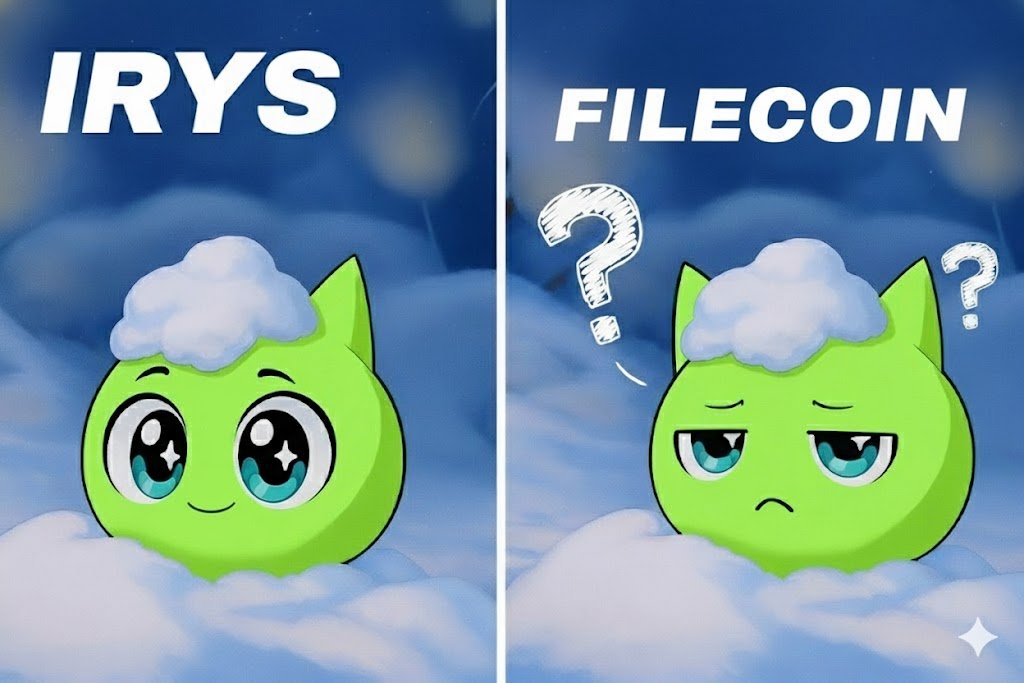
Filecoin: $0.10/GB/month, but cold & slow.
Irys: $2.50/GB permanent programmable via IrysVM.
Hot access, instant latency, AI-first. Who's ready for datachain 2.0?
Comparing @irys_xyz to @Filecoin so interesting to talk about it!
Irys vs Filecoin: A Comprehensive Comparison
As of November 9, 2025, Irys and Filecoin are both datachains tackling decentralized storage, but they diverge sharply in design and ambition. Filecoin, launched in 2020 with a $257M ICO, is a mature storage marketplace (~18 EiB stored, $1.9B market cap) built on IPFS for retrieval, emphasizing temporary "deals" via Proof-of-Replication (PoRep) and Proof-of-Spacetime (PoSt). It's the go-to for enterprise backups and DePIN telemetry, with FVM (Filecoin Virtual Machine) adding limited execution since 2023. Recent updates include Filecoin Station (Q3 2025) for easier node onboarding and integrations with Render for AI compute.
Irys, rebranded from Bundlr in 2024 with $10M Series A funding (CoinFund, Lemniscap), is a programmable L1 datachain (~500 TiB testnet storage, ~$50M TVL) optimized for AI/DePIN with multi-ledger permanence, IrysVM (EVM ), and hybrid PoW/S consensus. Mainnet is slated for Q4 2025 - Q1 2026, with pilots like Hugging Face datasets. Irys positions itself as "data that works," not just sits, enabling on-chain logic for royalties or verification at 1000x lower cost than Ethereum.
They're rivals in storage but complementary: Filecoin for scalable, market-driven rentals and Irys for programmable permanence. Below, a granular breakdown drawing from whitepapers, docs, and 2025 analyses.
1. Core Architecture & Design Philosophy
➖Irys: Vertically integrated L1 with storage (16TB matrix-packed partitions), DA (ingress Merkle proofs), and execution (IrysVM). Multi-ledger flow: Submit (5-epoch verification) → Promote to term/permanent ledgers via 10 proofs. Dual block lanes separate data (stable pricing) from execution txs. Focus: "Programmable Data", data as assets for AI (verifiable datasets with royalties). HDD-optimized for fair mining; proactive capacity pledging scales ahead of demand. 2025 testnet: Handles 100K TPS, EVM-compatible for easy onboarding.
➖Filecoin: Modular storage network atop IPFS, users post "deals" (storage contracts) to miners via a marketplace. Sectors (32GiB chunks) use PoRep for uniqueness and PoSt for ongoing proofs. FVM enables actor-based execution (WASM-like), but data remains "cold" (not natively programmable). Architecture: Lotus (full node), Venus (messaging), Glif (indexing). 2025: Enhanced FVM for AI oracles, but still deal-centric (min 250-day terms). Philosophy: Economic incentives for retrieval, not permanence.
Key Diff: Irys is a unified "data OS" (storage compute in one chain, flexible terms). Filecoin is a "storage economy" (marketplace off-chain retrieval via IPFS). Irys solves AI/DePIN silos; Filecoin excels in bulk, temporary archiving.
2. Consensus Mechanism
➖Irys: Hybrid PoW/S, miners stake $IRYS, pledge partitions, pack with VDF fingerprints (anti-Sybil), mine via efficient sampling (200MB/s reads, 800 256KiB chunks hashed/sec). Daily full scans guarantee reliability; slashing for faults. VDF caps SSD exploits for HDD fairness. Epochs ~1s; economic finality. Inflation: 8% start, halves bi-annually. Ties rewards to useful work (data > capacity partitions).
➖Filecoin: PoSt (ongoing storage proofs) Expected Consensus (EC) for blocks (~30s). Miners prove sectors quarterly via PoSt challenges; PoRep ensures unique copies at sealing. Slashing for non-delivery. 2025: Adaptive difficulty for scalability. Economic security: ~$500M staked, ~5% inflation. Focus: Retrieval incentives over sampling.
Key Diff: Irys's uPoW/S ensures permanent sampling (daily proofs for all data); Filecoin's PoSt is periodic (quarterly, deal-bound). Irys for verifiable permanence; Filecoin for cost-efficient rentals.
3. Data Handling: Storage vs. Deals
➖Irys: Full storage DA, multi-ledger (any term: day/week/month/forever) with XOR redundancy (10 replicas). Hot access (instant via pre-packing); PD txs specify chunk ranges for gossip/validation. Ingress proofs (Merkle roots) before storage; promotion after verification. Gossip mempool for unpacked chunks. 2025: Bundle v2 for Merkleized DataItems.
➖Filecoin: Deal-based storage (temp contracts, min 180 days; auto-renew via FVM actors). Sectors sealed with PoRep; retrieved via IPFS gateways. No native permanence, deals expire, data downloadable/deleted. 2025: Faster sealing (via Filecoin Station), but retrieval ~hours-days. Cold by design; no hot ledgers.
Key Diff: Irys = Flexible, programmable permanence (hot cold pricing). Filecoin = Market-driven rentals (cold, term-bound). Irys for dynamic AI data while Filecoin for bulk archives.
4. Execution Model
➖Irys: Native IrysVM (EVM with PD opcodes), contracts access data as blobs/bundles (MVP: raw bytes; future: structured DataItems). PD txs use EIP-2930 ranges, gossip chunks, execute in precompiles. Simulates gas with unpacked data. Enables: Tokenize datasets, auto-royalties. ~7K chunks/block limit.
➖Filecoin: FVM (actor model, WASM/Rust), programmatic deals, but data is "cold" (no direct access in actors; requires off-chain pulls). Limited to storage logic (auto-renewals). 2025: Better FVM tooling, but no native data programmability.
Key Diff: Irys = Integrated, data-first execution (on-chain manipulation). Filecoin = Storage-focused actors (deals, not apps). Irys unlocks data economies; Filecoin enables basic automation.
5. Performance: Throughput, Latency, Scalability
➖Irys: Throughput: Hardware-limited (~200MB/s/partition; scales with miners). Latency: Instant writes (pre-packed); sub-second PD reads (gossip/unpack). Scalability: Capacity partitions multi-ledger. 2025 testnet: 100K TPS, <1s finality.
➖Filecoin: Throughput: Miner-scaled (avg bandwidth × miners; 100s MB/s). Latency: 6 hrs encode/decode (ZK-friendly); retrieval hours-days via IPFS. Scalability: Horizontal via deals; 2025: 1GB sectors faster sealed.
Key Diff: Irys faster for hot/programmable access (physics-limited but instant). Filecoin scales bulk but lags in real-time (deal overhead).
6. Reliability & Security
➖Irys: High Economic PoW/S (daily sampling, slashing); matrix packing 10 replicas. VDF anti-Sybil; ingress proofs prevent fakes. Risks: Early miner concentration.
➖Filecoin: High PoRep/PoSt (unique ongoing proofs); slashing for faults. IPFS redundancy; 2025: Enhanced fault tolerance. Risks: Deal failures if miners drop.
Key Diff: Both robust, but Irys's sampling ensures permanent verifiability; Filecoin's for contractual uptime. Irys for AI trust while Filecoin for market SLAs.
7. Costs & Economics
➖Irys: USD-pegged: Permanent $2.50/GB; short-term $0.000075/GB/day (min $0.01). 5% fees burned (50% execution). $IRYS: Fees/staking/endowment; deflationary.
➖Filecoin: Deal-based: ~$0.01–0.10/GB/month (rising with demand); FIL-denominated. 2025: Lower via Station efficiency. FIL: ~5% inflation; storage rewards.
Key Diff: Irys cheaper for permanent/programmable while Filecoin for temp bulk.
8. Use Cases & Integrations
➖Irys: AI datasets (royalties, verification); DePIN (sensor tokenization); dApps (dynamic NFTs). 2025: Hugging Face, Arweave anchoring.
➖Filecoin: Enterprise storage (Netflix); DePIN telemetry; AI oracles (Render). 1K integrations.
Key Diff: Irys for active data apps while Filecoin for passive archiving.
9. Tokenomics & Adoption
➖Irys ($IRYS): Fees/staking; 8% inflation decay. TVL ~$50M; testnet active rn
➖Filecoin ($FIL): Storage payments; ~$1.9B cap, 18 EiB stored.
10. Roadmap & Risks
➖Irys: Q4 2025 - Q1 2026 mainnet; PD L2s. Risks: Adoption.
➖Filecoin: V28 upgrades. Risks: Miner churn.
Verdict: Filecoin for proven scale while Irys for programmable future. Stack for AI (Filecoin bulk Irys logic).
TL;DR: Filecoin = Battle-tested bulk storage king (18 EiB empire). Irys = Programmable data rebel (1000x cheaper, hot smart). Filecoin for archives, Irys for AI/DePIN revolutions.
So who's your pick for 2026? Lemme know below and reply why! Stay Hirys 🚀 @irys_xyz @Filecoin
#DatachainWars #Hirys #IRYS #storage #Datachain
13
1
16
313

31 Oct 2025
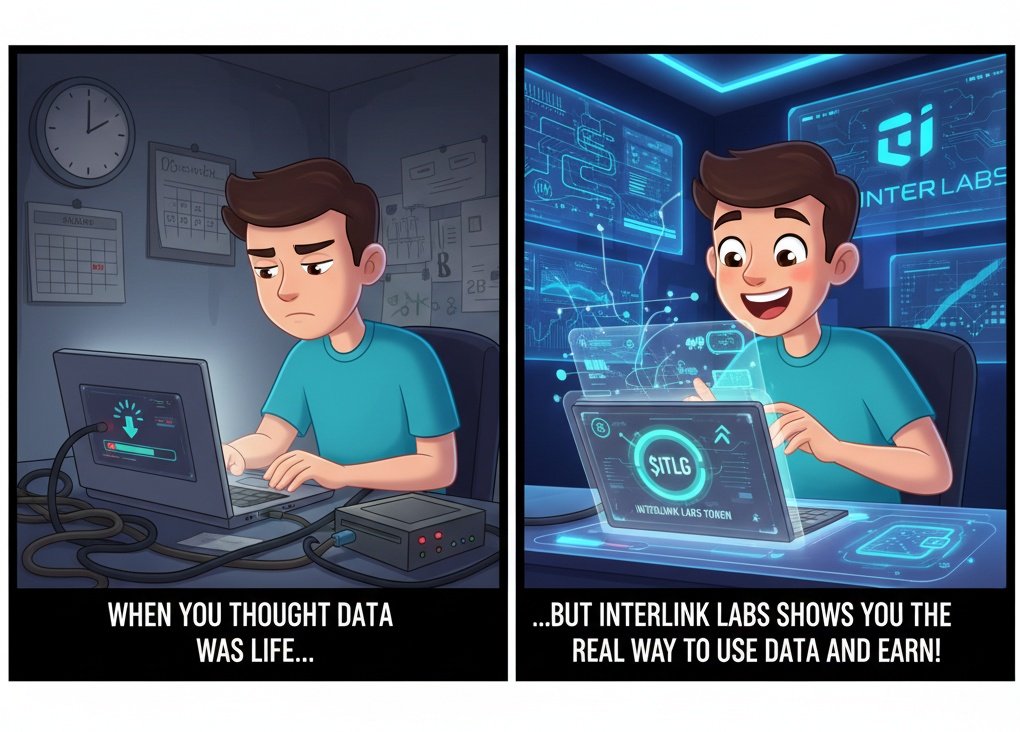
Tired of slow data? Welcome to the world of fast networks and exciting earnings with Interlink Labs ($ITLG)! 🚀 #InterlinkLabs #ITLG #FastData"
#interlink #itlg #itl #itlx
3
8
136

27 Jul 2025
26TB of storage on the go!
Tired of running out of space for your videos, photos, music, and memories?
The Western Digital 26TB Elements Desktop External Hard Drive has got you covered!
Plug-and-play with 625MB/s transfer speed – it's time to archive everything you love without a hitch!
Perfect for:
Content creators
Business owners
Personal archives
👉 Grab yours now
amzn.to/3UsQcQF
#WDStorage #TechUpgrade #ExternalHardDrive #PlugAndPlay #StorageSolutions #DigitalArchiving #FastData #TechEssentials
2
51

16 Jul 2025
Combining Lightning-fast Data Retrieval with Fast Inference …
Sub-second agent responses aren’t a dream — they’re real, reproducible, and scalable.
Lightning delivers structured retrieval at millisecond speed.
Real-time AI is here!
👉 dadostech.com
#AgenticAI #FastData #RealTimeAI #RAG #LLMInfra #StructuredRetrieval
16 Jul 2025

Wow. That’s fast!
That’s crazy fast!
Millisecond data retrieval → Sub-second agent responses.
Lightning is built for real-time AI agents — fast, affordable, and deployable.
See why speed matters: dadostech.com
1
1
3
281

Casual Thread: Let's Check Out Some Cool Projects! ✨
Hey everyone! How's it going? Tonight, let's chat about some interesting projects that are making waves in the digital world. Get ready to learn something new! 😉
1. @LightLinkChain Hassle-Free, Gas-Free Blockchain, Seriously! 🚀
Ever get annoyed by those expensive "gas" fees on the blockchain? Well, LightLink is here to fix that! They're a Layer 2 blockchain that makes transactions gas-free. Just imagine using Web3 apps or playing games without even thinking about those fees. It's perfect for anyone wanting to dive into Web3 without the extra cost!
2. @0G_labs : Data Super Speedsters! 💨
Think of 0G Labs (@0G_labs ) as the turbo engine for data on the blockchain. They're building a foundation that makes data super fast and efficient. Why is this important? Because more and more cool apps need tons of data, and 0G Labs is making sure everything runs smoothly. So, our future apps are going to be lightning fast!
3. @zerobasezk : Keeping Secrets Safe and Scaling Big! 🔐
Ever worry about your data being secure? Well, ZEROBASE is the champion of privacy and security! They've got a way to make computations happen securely, even with private data. This is super important for apps that need extra protection but still need to be accessible to lots of people. Pretty neat, huh?
4. @cookingcityHQ : Seriously Addictive Mobile Cooking Game! 🍳😋
Last but not least, for those of you who love chill but addictive games, there's @cookingcityHQ ! It's a mobile cooking simulation game that's tons of fun. You can be a chef, manage restaurants, cook all sorts of delicious dishes, and serve customers. Guaranteed to help you unwind after a long day!
5.@Liqfinity: Get Ready for Seamless Liquidity! 💧
Here's another exciting one: Liqfinity! This project focuses on providing deep and efficient liquidity for various digital assets. This means they help make crypto markets smoother, more stable, and easier for trading. If you're into trading or investing in digital assets, Liqfinity could be a crucial part of your ecosystem.
So, what do you think? Pretty cool projects, right? Are there any other projects you think are worth checking out? Let's share in the comments! 👇
#CookingCity #MobileGaming #CookingGame #RelaxTime #ZEROBASE #Privacy @elympics_ai #DigitalSecurity @recallnet #Web3Secure #LightLink #Blockchain #Web3 @OpenledgerHQ #GasFree #NoStress @vooi_io #0GLabs #FastData #ModularBlockchain #Web3Innovation #Liqfinity #Liquidity #DeFi #Crypto #Web3Finance

1
54
2,222

3 May 2025
NEAR and AI primitives
What’s live:
⁃TEE agent attestation using smart contracts. It’s a one way interaction, which proves the TEE code is what is expected. Allows to expand compute beyond smart contracts. The most noticeable example is “shade agents” by @proximityfi or verifiable LLM competitions
⁃@near_ai agents. While they are still being deployed towards TEE cloud, they read data from the blockchain and can react to both internal and external events (like twitter). It allows you to build on-chain reactions, e.g. LLM completions from smart contracts using yield-resume
What’s can be built (or in progress):
⁃Fastdata by @fast_near . Ability to store larger blobs of data on Near ledger (up to 1Mb blobs). This data has a signer and the timestamp of inclusion. It’s super cheap to store and add this data, making it a great way for agents to communicate either with each other in decentralized way. The data can proved using a light client.
⁃Light clients. Allows to get the latest block header and verify its validity and authenticity without full chain sync. The proof should be pretty light (hence the name). We consider to create an RFP from the Infrastructure Committee for implementation. It will enable ton of use-cases even outside of AI domain.
⁃Per call payments. Based on payment channels and some extra steps, it’s possible to pay for every API call without much overhead or TX fees. Works somewhat similar to lightning, where the state of the payment is cryptographically proven offchain until the settlement onchain. We are considering building this at @fast_near
⁃API marketplace. Using per call payments, it’s possible to open a new market for APIs, this includes AI and AI agent calls. There a lot of unknowns around trust, but TEE may come handy there. We are considering building this at @fast_near
⁃Onchain TEE cloud. Ability to spawn TEE instances using smart contracts and payments. This may enable automation of new agents and services.
⁃User-owned AI. @ilblackdragon please, tell us how do we get there. Masterplan would suffice.
⁃Knowledge graphs. Organizing data into useful information. See @ASIMOV_Protocol
Please add anything that I’m missing
2 May 2025

Please give me a summary on how NEAR blockchain is connected to AI? Or how AI uses NEAR?
I’m still confused. Bullet points please.
8
9
57
5,208

23 Apr 2025
🔥 RECORD-BREAKING. GAME-CHANGING. UNREAL. 🔥
Ajene Harris just made UFL HISTORY 💥
🏈 102-YARD PICK-SIX
🏁 19.90 MPH Top Speed
⛔ 8 Tackles | 2 PBUs | 1 CLUTCH Moment
With 36 seconds left, Harris snatched a sure TD from Max Duggan, flipped the script, and took it ALL. THE. WAY. BACK.
The longest INT return EVER in the UFL. The game-sealer. The momentum shifter.
Now? He's your Ortho® Defensive Player of the Week.
#ArlingtonRenegades | #UFL | #AjeneHarris | #DefensiveDog | #FASTData | #UFLHistory | #PickSixPerfection 🧱🔒🔥

2
182


11 Apr 2025
🚀 NEAR Dev NEWS #56 is LIVE
Omni Bridge is here—unlocking true multichain with Chain Signatures MPC 🔑
AI agents are solving real-world problems on NEAR 💡
Hackathon recaps, new tools, FastData, and more.
Builders, it’s your time.
👉 Read & subscribe: dev.near.org/newsletter

1
1
7
353

3 Apr 2025
Infrastructure for the agentic future, delivered. FastData on NEAR is bullish AF:
- Ultra-cheap, scalable data layer for AI agents to store verifiable logs, configs, or training data without bloating chain state.
- Ownership-by-default via transaction proofs—agents can securely manage files, key-values, or even P2P messaging.
- Permissionless innovation: Build decentralized social feeds, agent coordination channels, or host static frontends directly on-chain.
- Built-in persistence, censorship resistance, and retrieval APIs.
NEAR’s ledger becomes a programmable data rail.
3 Apr 2025
At @fast_near we have been thinking about using NEAR as a network layer for storing and distributing arbitrary data.
Previous work called NearFS used IPFS format to send data in transaction arguments to effectively put bytes into the ledger without storing them in the state.
We've started to explore storing of any structured data, not only files. Since sending a transaction to NEAR comes with the proof of ownership, we can design a data protocol where you can add, modify and remove key-values. We call it FastData. You can read more about it here: hackmd.io/@gJgX_4T9S4SmTnkE8…
As one of the first application we've build a file-storage with hosting for testnet called FastFS. When sending a fastdata transaction in a specific format, you can add or remove a file with mime type and relative path. That file is then immediately indexed and hosted.
You can try FastFS on testnet now: upload.fastfs.io/
It's simple as:
- Sign In
- Drag and Drop a file
- Click Upload
- Get the URL
For example: ai-test.testnet.fastfs.io/fa…
1
4
28
2,342
3 Apr 2025
It's limited to Near transactions, OnMachine was supposed to be L2. Not sure about Walrus.
But FastData has guarantees of NEAR L1, so it's backed by entire staked NEAR. It's also provable with light clients.
7
168
3 Apr 2025
At @fast_near we have been thinking about using NEAR as a network layer for storing and distributing arbitrary data.
Previous work called NearFS used IPFS format to send data in transaction arguments to effectively put bytes into the ledger without storing them in the state.
We've started to explore storing of any structured data, not only files. Since sending a transaction to NEAR comes with the proof of ownership, we can design a data protocol where you can add, modify and remove key-values. We call it FastData. You can read more about it here: hackmd.io/@gJgX_4T9S4SmTnkE8…
As one of the first application we've build a file-storage with hosting for testnet called FastFS. When sending a fastdata transaction in a specific format, you can add or remove a file with mime type and relative path. That file is then immediately indexed and hosted.
You can try FastFS on testnet now: upload.fastfs.io/
It's simple as:
- Sign In
- Drag and Drop a file
- Click Upload
- Get the URL
For example: ai-test.testnet.fastfs.io/fa…
10
9
52
4,680

19 Feb 2025
🔥 If speed is your thing, you won’t want to miss the talk from this NEW SPEAKER!
Please welcome Federico Lorenzi, Staff Software Engineer at @TigerBeetleDB , who will break down "TigerBeetle's Multiversion Binaries"—diving into how they tweak the ELF file format for smooth, deterministic upgrades in a distributed system.
jonthebeach.com/speakers/?sp…
#DistributedSystems #FastData #BigData

ALT Federico Lorenzi from Tigerbeetle will speak at JOTB25
3
11
1,067