atticus ☼ retweeted

14h
#gego where astrophysics major nerdjo who’s the smartest in his classes, frets over which digimon shirt he should pair with his cute digimon panties (they’re pretty, okay?), is also tokyo university’s top…cheerleader?
Jun 13

gego college au with cheerleader gojo coach geto. walk with me ok?
13
35
668
12,409

Synesthesia, but it’s me being able to feel John’s fingers dancing across frets and strings as I listen to him play.
A literal heatwave.
Am I nervous or did I drink too much coffee?
15

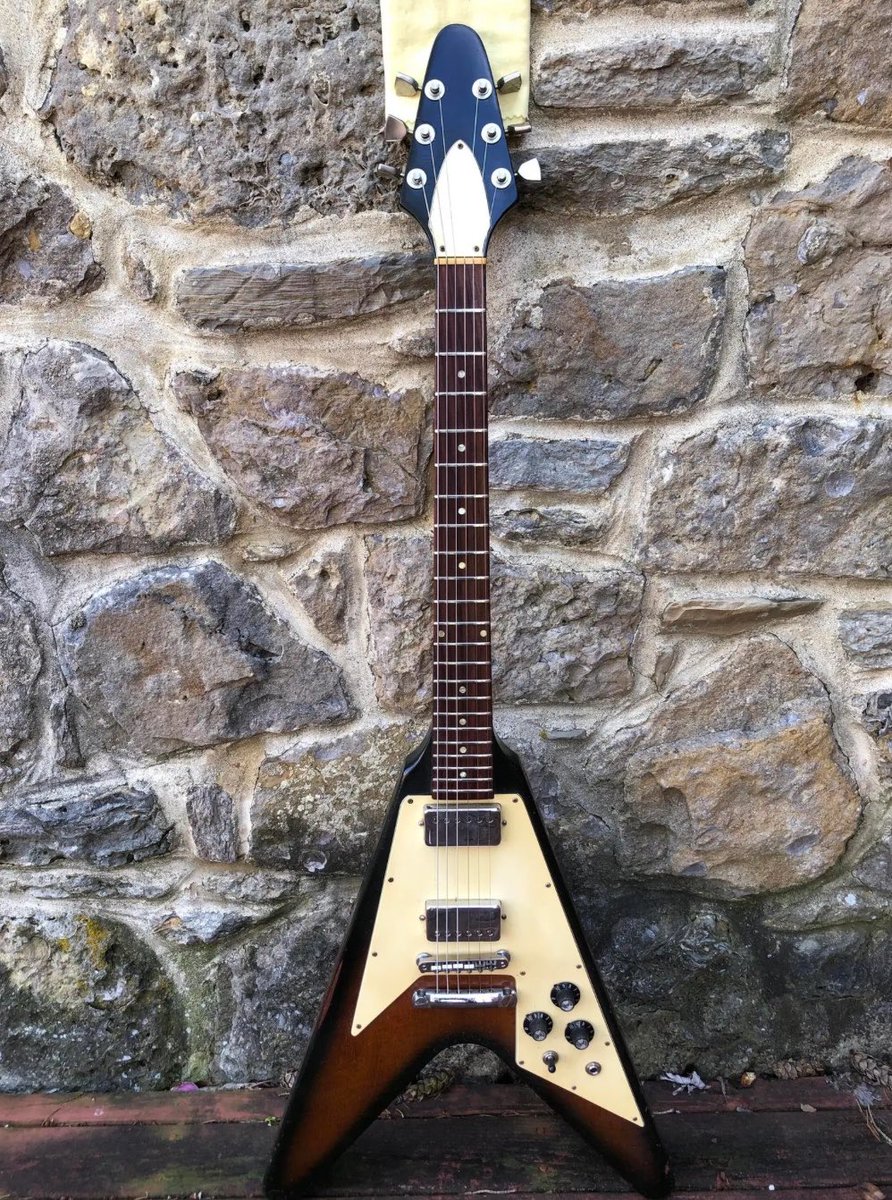
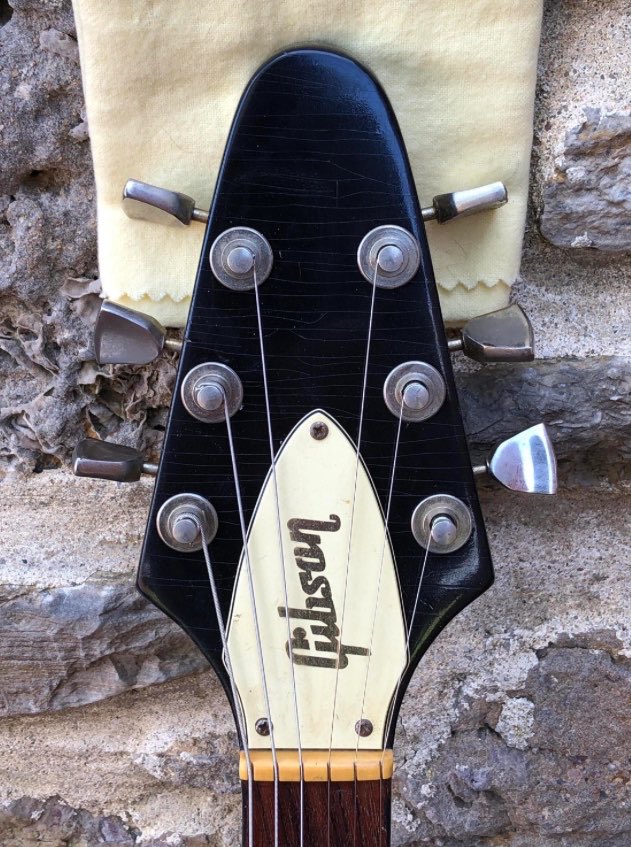
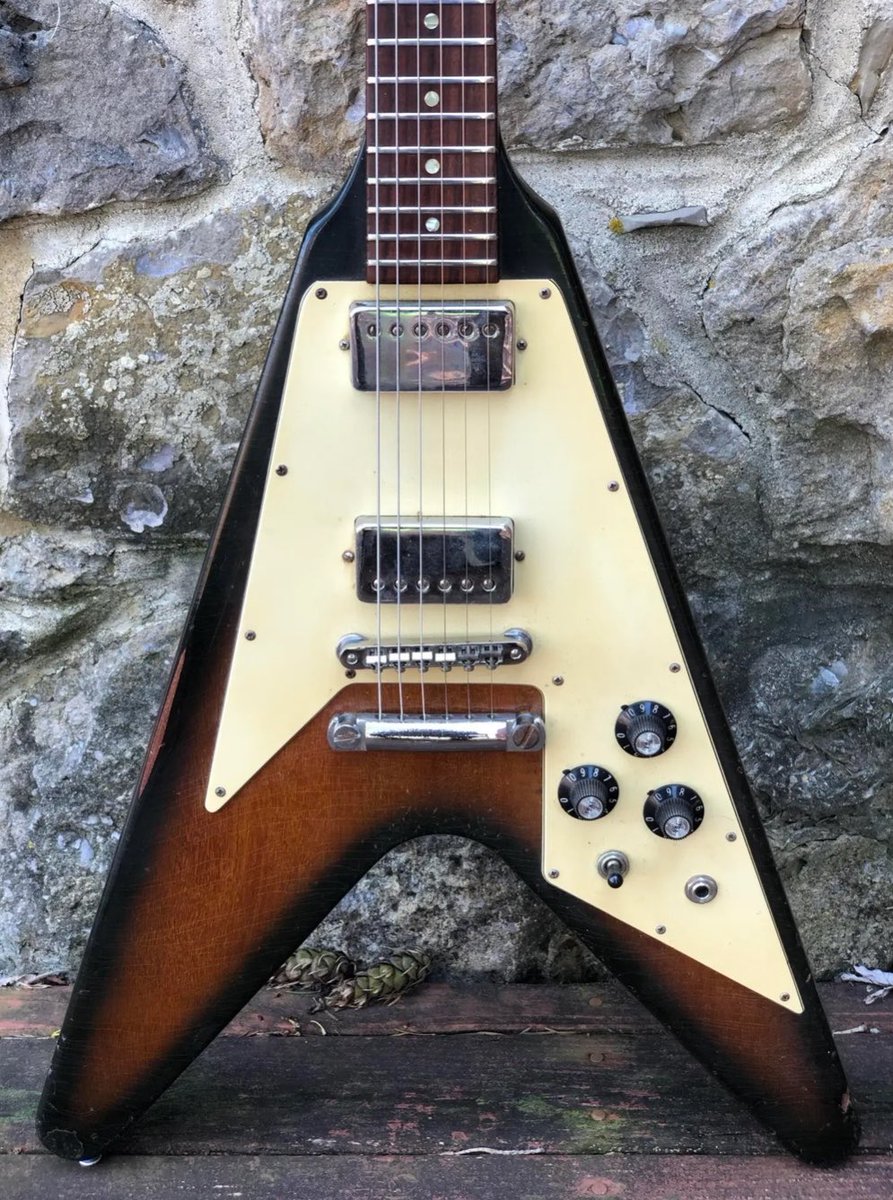
1975 USA Gibson Flying V Sunburst, solid mahogany body with set mahogany neck and rosewood fingerboard, 22 frets with dot inlays, large white pickguard and Norlin-era headstock, equipped with an original Gibson patent-number sticker humbuckers in the neck and bridge, Tune-O-Matic bridge with stopbar tailpiece, two volume controls, one master tone and three-way toggle switch in the triangular layout unique to the 1975–1981 Flying V, nickel hardware with Kluson-style tulip tuners, built by Gibson Kalamazoo factory, Kalamazoo, Michigan, USA
sweetwater.com/used/listings…
1
32
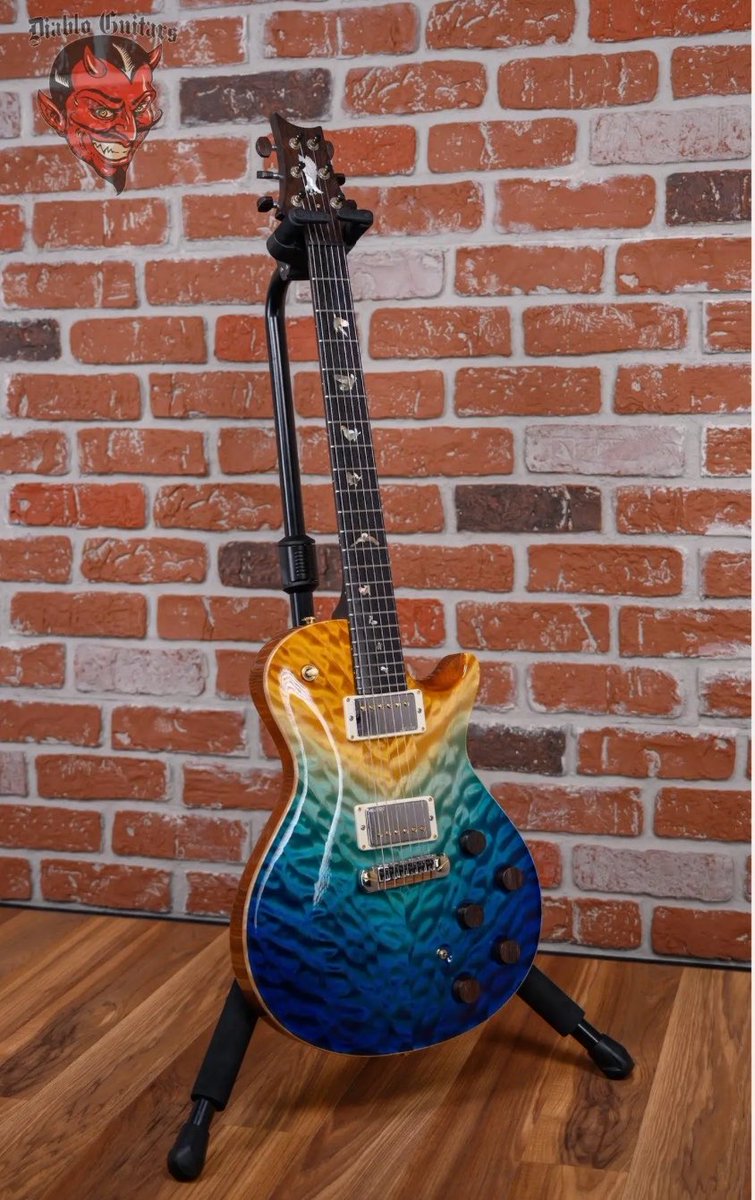
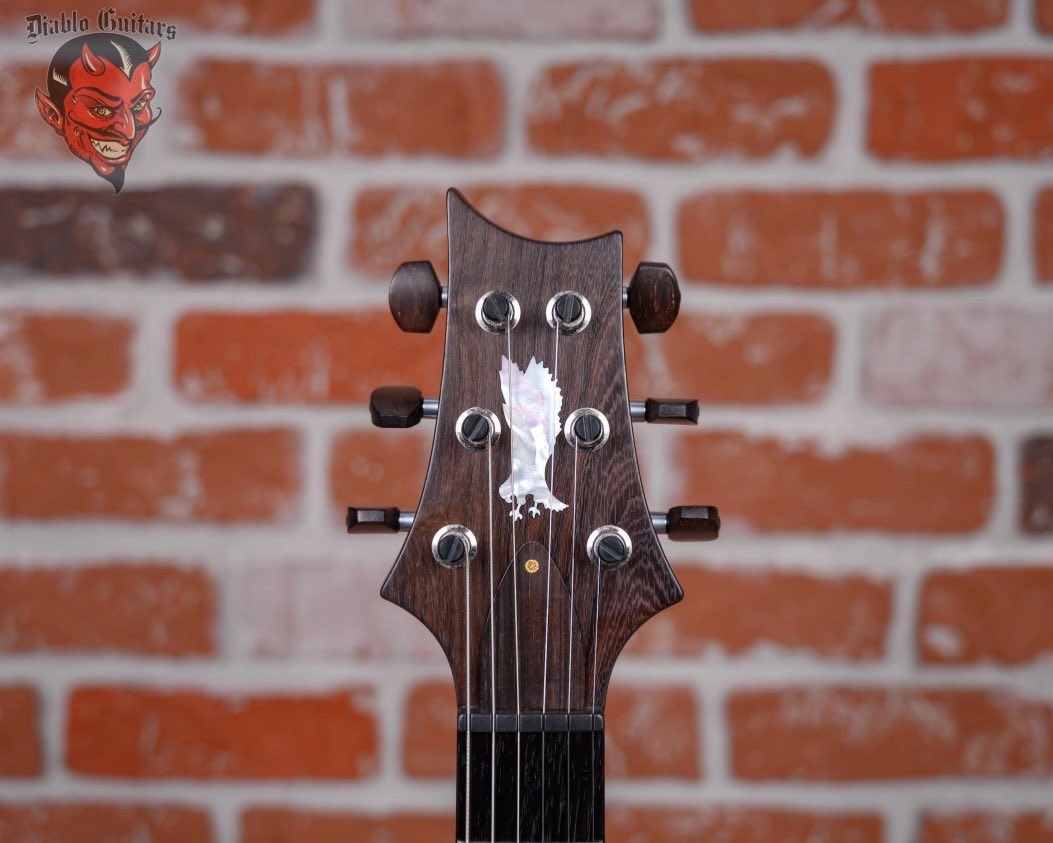
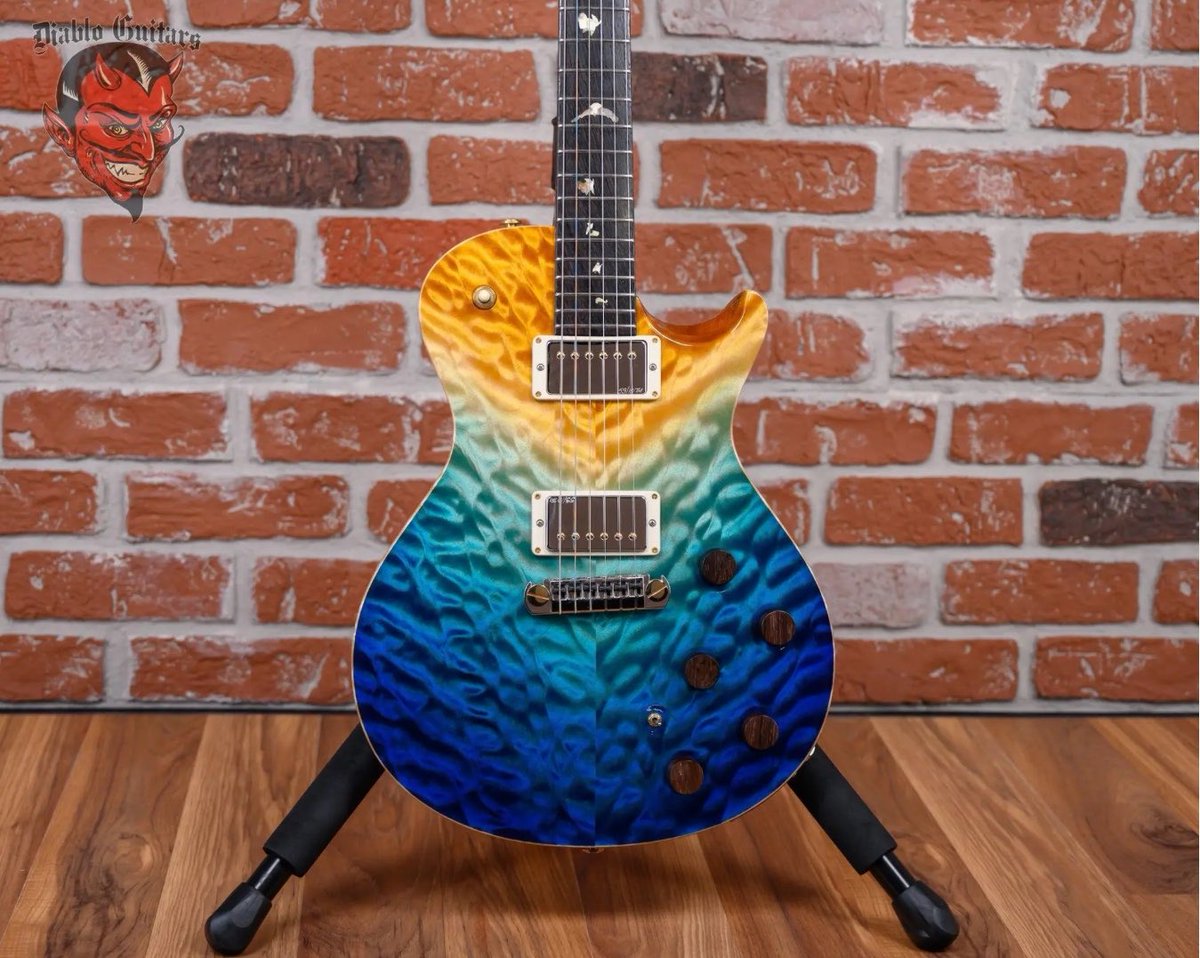
2013 USA PRS Private Stock #4336 Singlecut with Piezo, Beach Fade, high-gloss nitro solid mahogany Singlecut body with natural-bound quilted maple top, Brazilian rosewood neck, Brazilian rosewood fingerboard and Brazilian rosewood headstock veneer with Private Stock eagle, 22 medium-jumbo frets, 25-inch scale, Wide Fat neck profile, PRS 53/10 humbuckers in neck and bridge, PRS adjustable stoptail bridge with Graph Tech piezo saddles, 2 volume, 2 tone, piezo volume, 3-way pickup toggle and 3-way piezo/magnetic/mix mini-toggle, nickel/gold PRS Phase III locking tuners with Brazilian rosewood buttons, Brazilian rosewood knobs, serial number 13 202116, Private Stock #4336 dated 28.06.13, built by PRS Private Stock, Stevensville, Maryland, USA
sweetwater.com/used/listings…
29

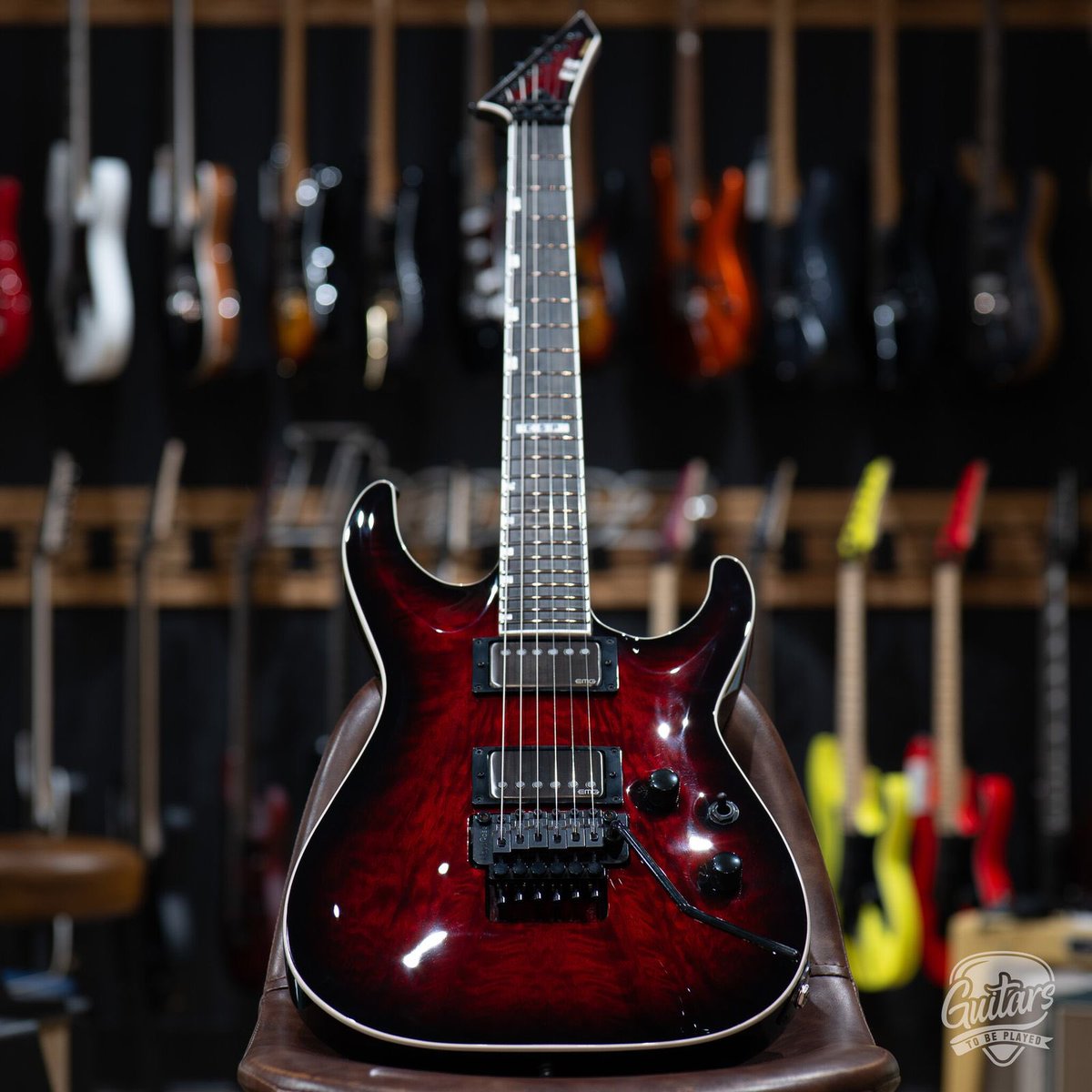
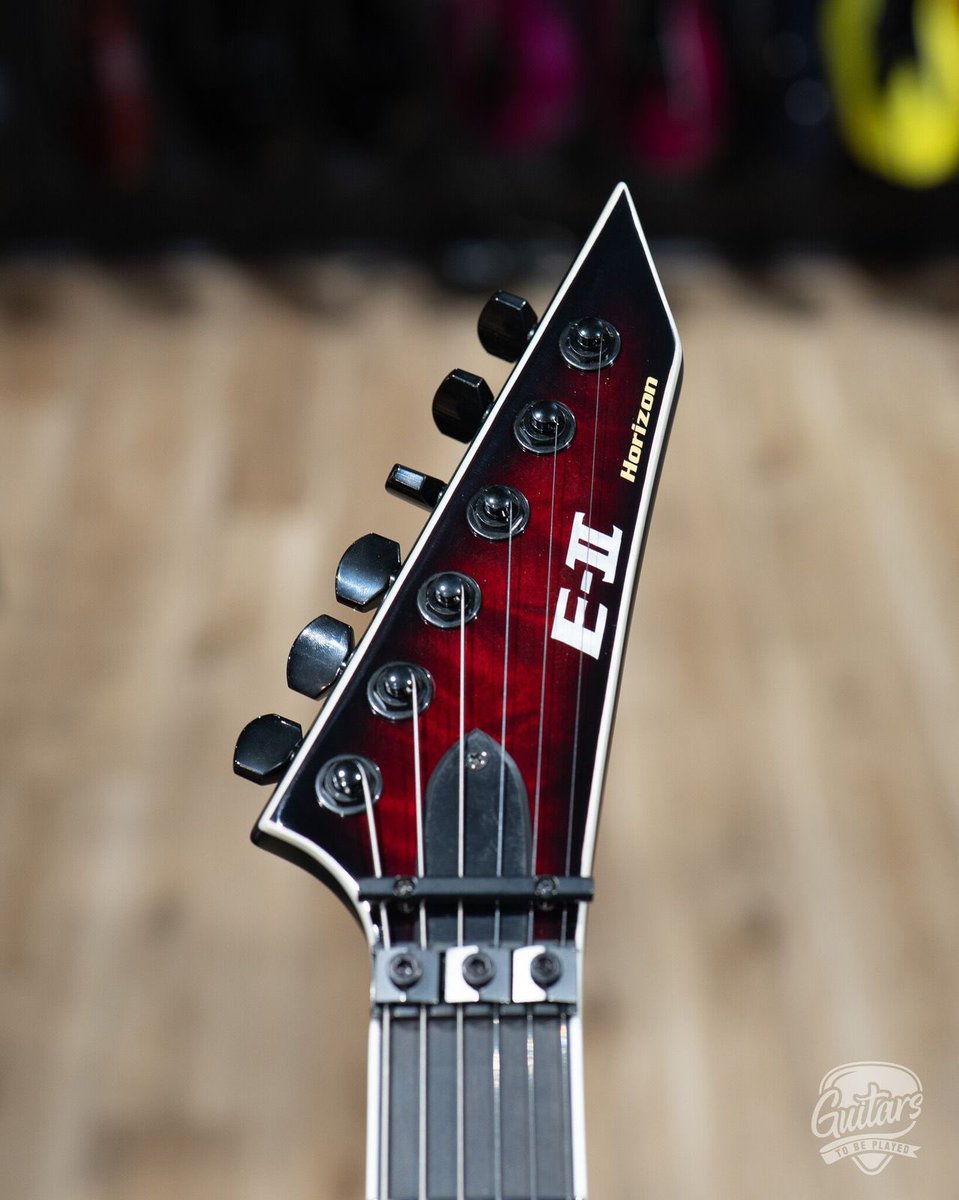
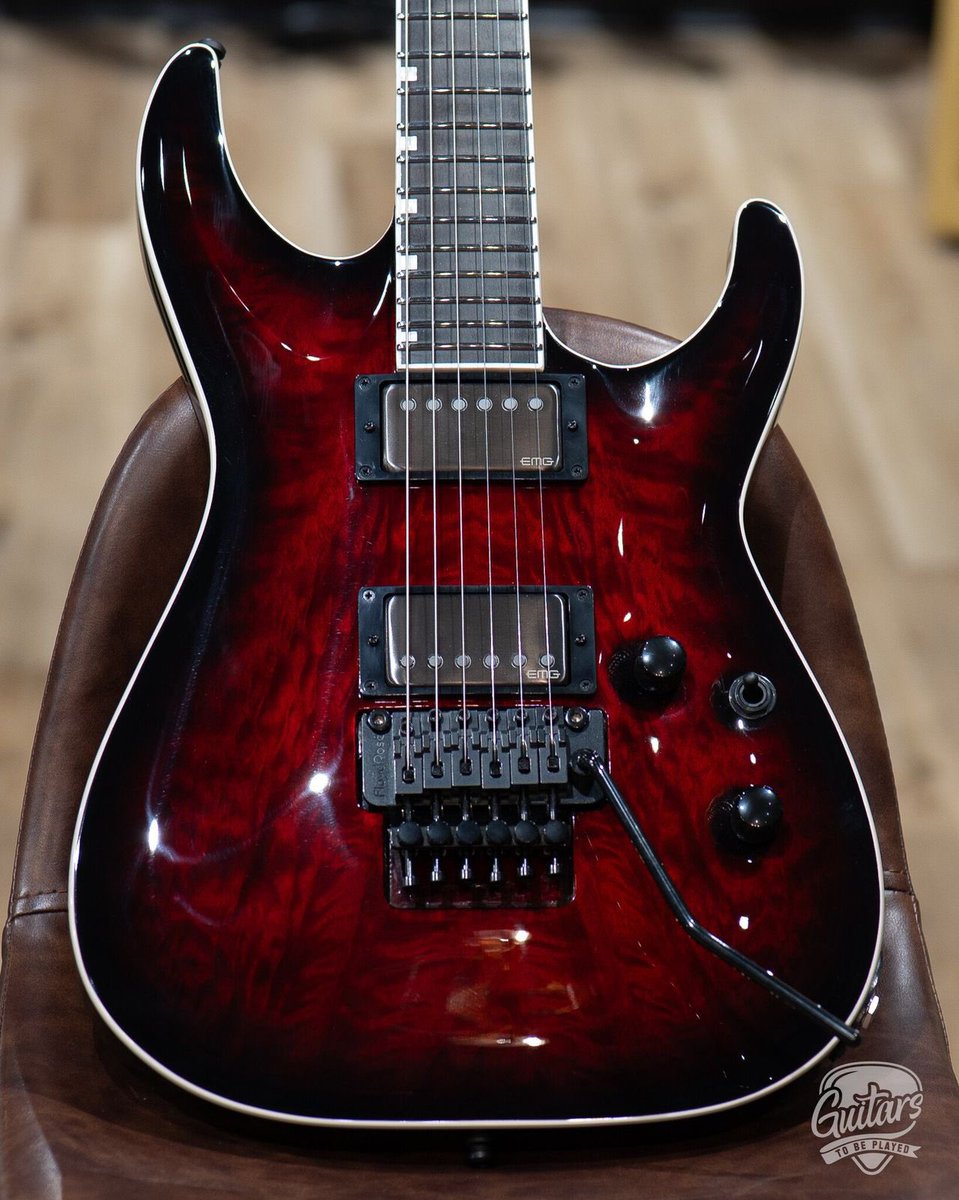
2025 Japan ESP E-II Horizon FR-II See Thru Black Cherry Sunburst, neck-thru construction with a mahogany body and arched quilted maple top, three-piece maple neck with ebony fingerboard, 24 extra-jumbo stainless steel frets, offset block inlays, Floyd Rose Original double-locking tremolo and Gotoh locking tuners, equipped with an EMG 66TW active humbucker in the neck position with brushed black chrome cover and push-pull coil split, and an EMG 57TW active humbucker in the bridge position with brushed black chrome cover and push-pull coil split, electronics layout of volume push-pull, tone push-pull and three-way toggle switch, serial number ES9556243, built by ESP Tokyo factory, Tokyo, Japan
reverb.com/item/96619525-esp…
6
136

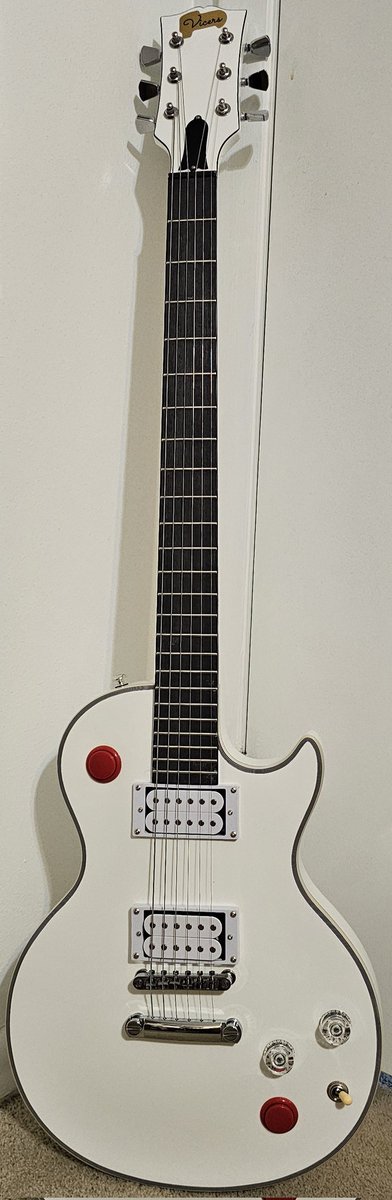
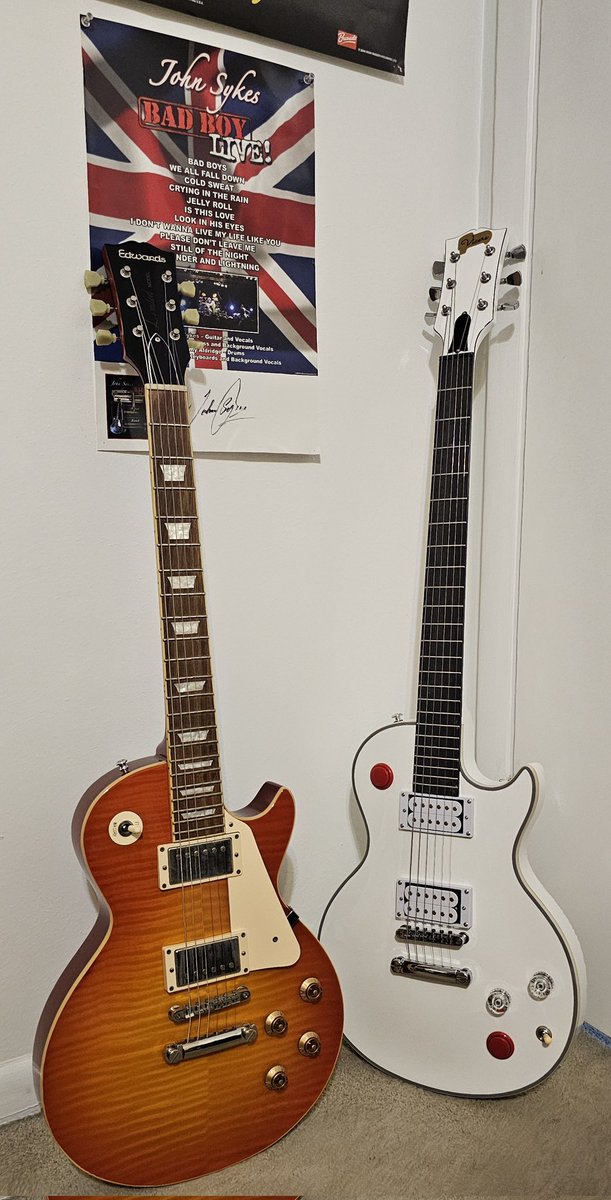
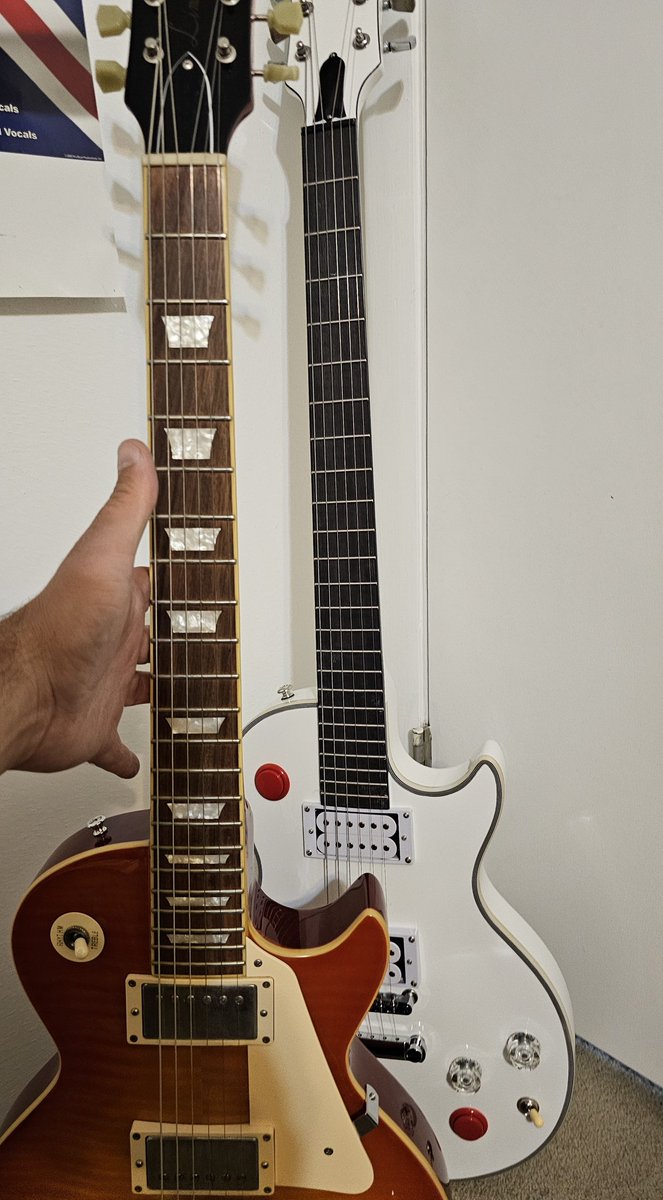
My Buckethead Baritone Les Paul came in. It is a true Baritone. $202 bucks on Ebay, 27" scale length from Nut to Bridge and 24 frets. Very very good quality for the money. I've got two Guitar Madness High Output Ceramic Humbuckers I'm going to put into this that closely mimic the Gibson 500T and 496R ceramic pickups in the original guitar. I'll eventually toss in some bigger CTS potentiometers and use my new jar of conductive shielding paint on the interior of the electronics cavities, but initially I'm only going to toss in the better Humbuckers.
2
3
11
148


Δεν σε αφήνω κλόουν!!
A.G. KRASSANAKIS: MUSICAL INSTRUMENTS (INVENTORS. TECHNIQUE, TYPES ETC.)
continued here on page 83:
...of the chasiklidon, of the apokliron” nor did it come from the Outi that the refugees from Smyrna brought to Greece, but it is a musical instrument that evidently originated from the #ancient Greek
#Pandoura – #Tamboura and moreover has existed in Greece already since the era of the great struggle of 1821 – it was one of the instruments of the struggle.
▪️Simply put, it is one of the musical instruments that became known during the period of the Ottoman Empire from the Greeks of Asia Minor, as we will see below, and which, after the Asia Minor Catastrophe of Hellenism, flourished more than the other musical instruments in Greece, with the result that it caused the envy of the others.
Many verses of our folk songs from the period of Turkish rule refer to the Mpouzouki:
“...Nterbisis was playing in the middle of the pazari
playing the mpouzouki, playing the tamboura loudly...”
“...Come down tamboura,
come down and you, mpouzouki...”
Likewise, the Macedonian fighter of 1821 Nikolaos Kasomoulis refers in his Stratistika Enthymimata to:
“..I was playing the so-called mpouzouki, Christos was playing the tamboura with two strings, Spyros Mylos the flauto, others, other accompanying instruments, mpoulygaria and reimpania. Georgoulas Palaiogiannis (sergeant of the chiliarchia) played many sweet baglamas, the Palaiokostas the bouzouki and others (of the chiliarchia captains, officers) the lioukgaria and iketelia. Following them, their much larger joy was sung by the “Greek fellow-soldiers of theirs”.”
▪️The name Mpouzouki (Turkish Bozuk) does not derive from “bozuk Ntouzén”, as some claim, but from Bozuk Tabur = the mpouzouriasmenos or otherwise mpouzasmenos (in Cretan) = the one with the broken tamboura, which is also called baglar Tabur = the mpaylamas, or the mpaylamades, mpaylontes with broken frets or otherwise taota, mperntedes.
More specifically, the name “Tzouras” (Turkish Cura) derives from Cura Tabur/Sazi = the very small mpaylamas or Sazi.
The word cura in Arabic-Turkish means small quantity, the small piece of the same material that has remained in a stringed instrument before it is broken or after it has been cut before it is completed.
▪️The name Mpaylamas (Turkish Baglama) derives from baglar Tabur/Sazi = the bound one, the one with broken frets Tabur/Sazi, otherwise Bozuk Tabur = the mpouzouriasmenos or otherwise mpouzasmenos (in Cretan) = the one with the broken tamboura.
The word Baglar – baglamak in Turkish means bound. The name Mpaylamas is #connected with the #Greek #word #mpaylarimos and means the Turkish Baglar – baglamak which means binding, with hands – feet, alive.
2
22

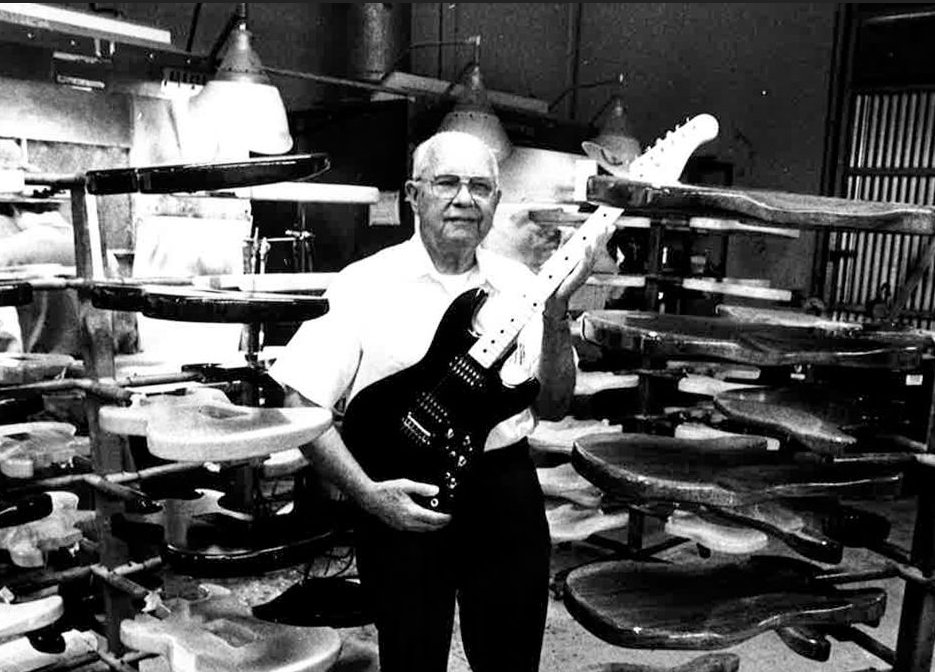
It was 1954. Rock 'n' roll hadn't even happened yet. But in a small workshop in California, Leo Fender, George Fullerton, and Freddie Tavares were about to change music forever.
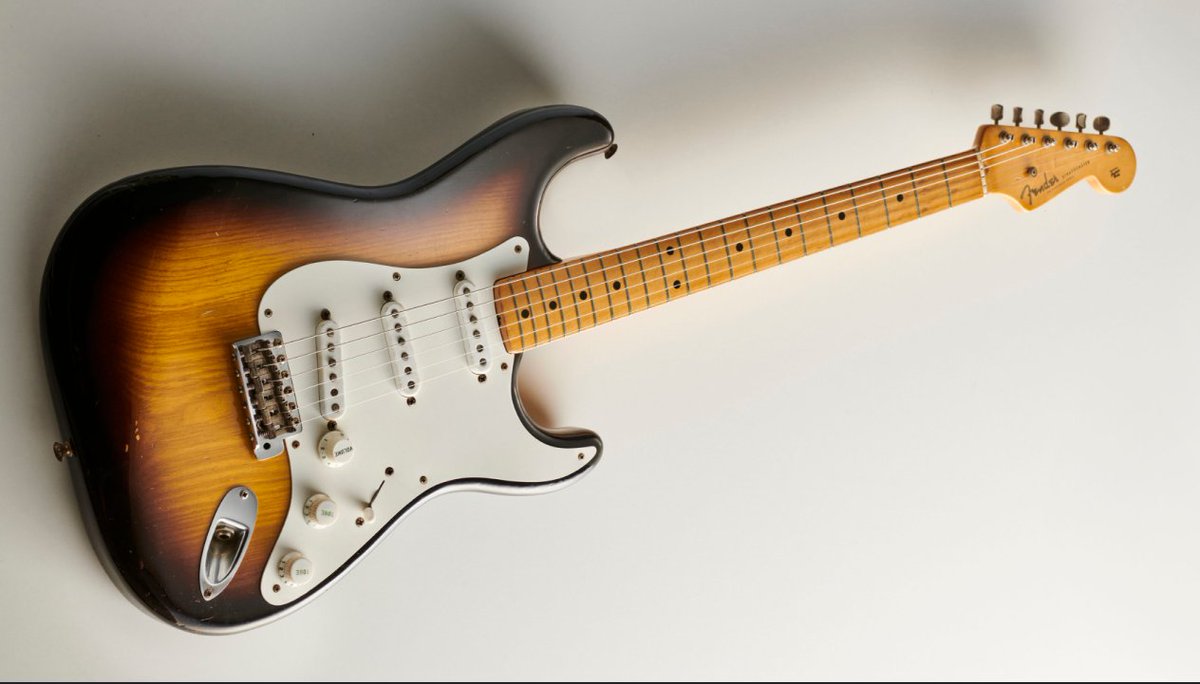
They called it the Stratocaster. The name was a last‑minute invention — a marketing man named Don Randall came up with it, and Leo Fender liked it enough to rename his new guitar on the spot.
What made it different? A double-cutaway body that gave players access to the highest frets. Three pickups instead of two. And a revolutionary tremolo system that could bend notes up and down. The Strat wasn't just a guitar; it was a canvas.
Then came the players. Buddy Holly made it look cool. Jimi Hendrix played it upside down and set it on fire. Eric Clapton, Jeff Beck, David Gilmour, Stevie Ray Vaughan — each took the same basic tool and found a completely different voice.
Over 70 years later, the Stratocaster is still in production. Not because it's a museum piece, but because it's the most adaptable guitar ever built. One shape. Infinite sounds. 🎸✨
#FenderStratocaster #GuitarHistory
24


pb retweeted

Miss today’s live show Eh? No frets #ECSI has the frozen pond covered & no cross checking allowed🚨Grab your ear buds & enjoy the #podcast with Andrew McInnis @WagerTalk @McInnispicks


📣 New Podcast! "CANES DONT STAAL_ capture Stanley Cup" on @Spreaker spreaker.com/episode/canes-d…
1
2
113