
Translator and interpreter. Irremediable musician and wordnerd.
Joined August 2020
- Tweets 11,718
- Following 289
- Followers 183
- Likes 46,751
73 Photos and videos
Tereze Svilane retweeted

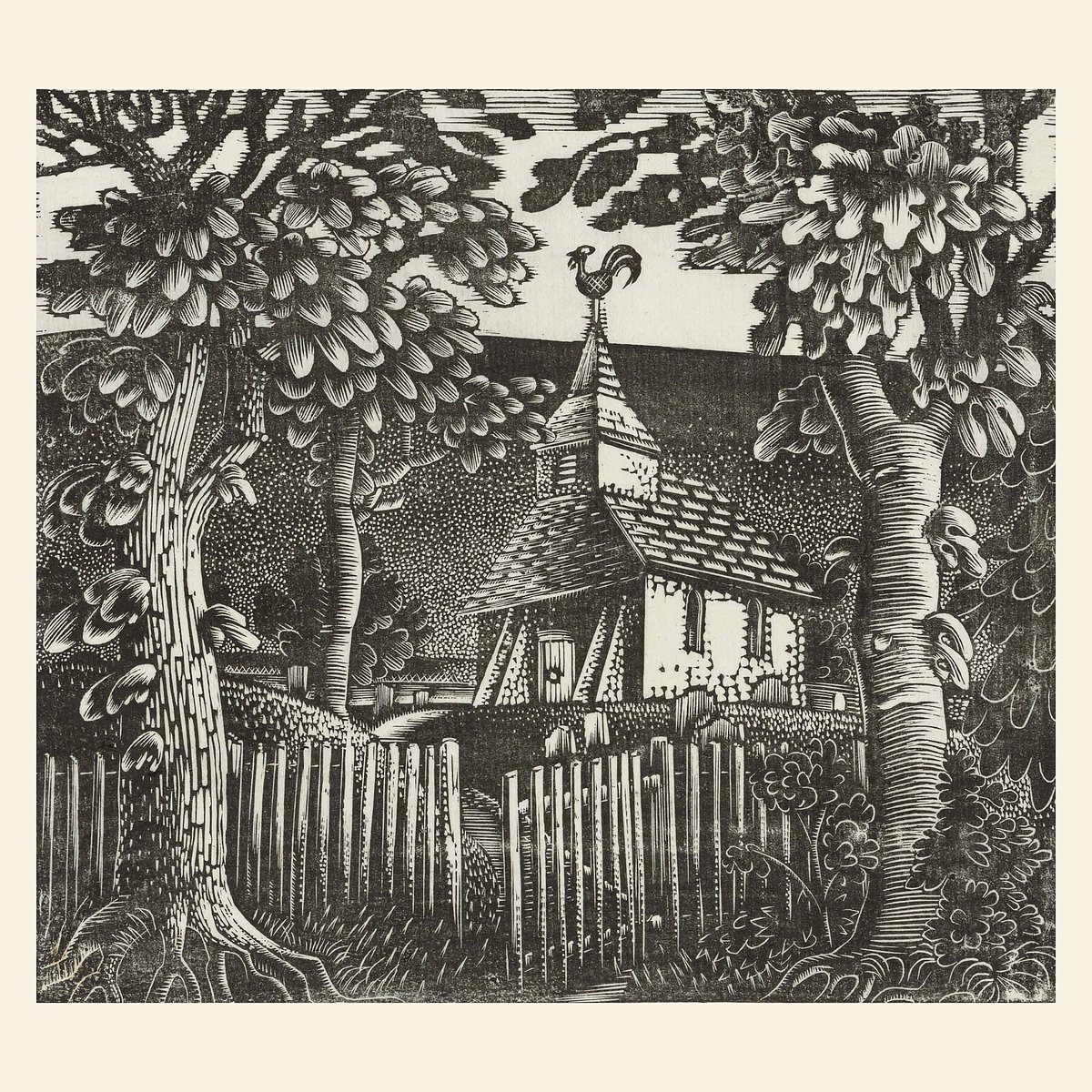
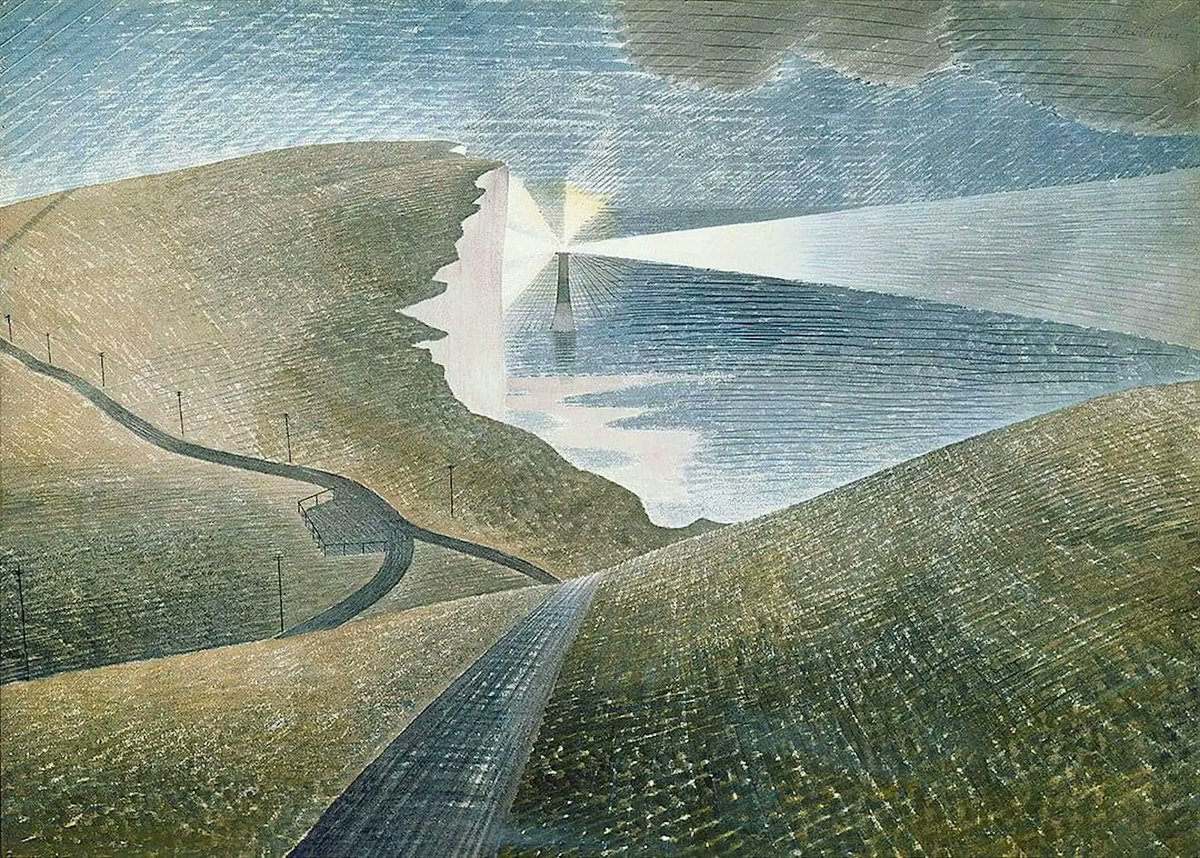
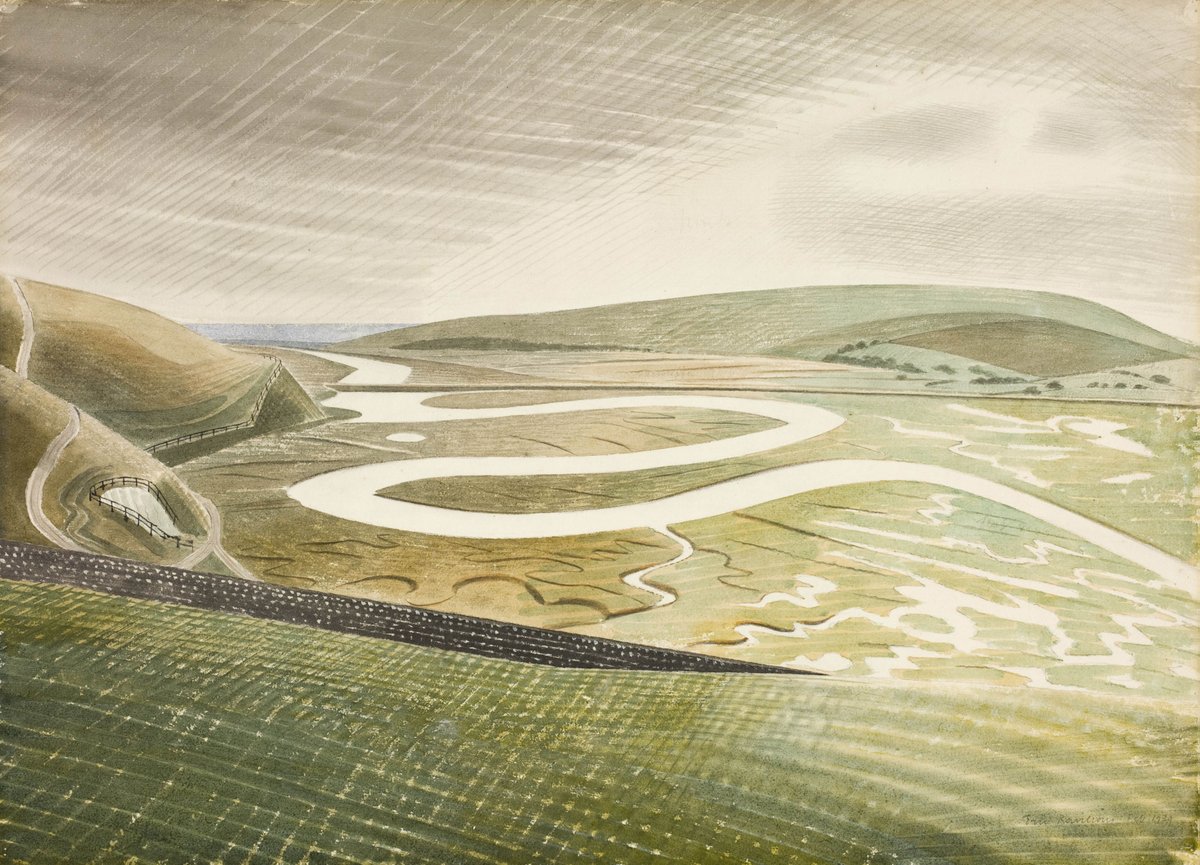
Today is #SussexDay - Ravilious was born in London but Sussex was his heartland and his work depicts that essential essence of the landscape of Sussex and the Downs.
8
131
724
9,081


Tereze Svilane retweeted
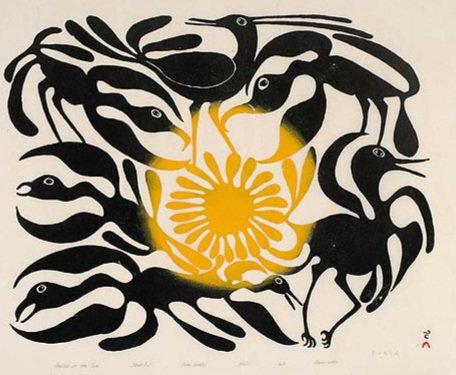
The Arrival of the Sun, 1962 by Kenojuak Ashevak, artist of Inuit heritage born on Baffin Island #womensart #CanadianArtistsWeek
3
253
963
12,106
Tereze Svilane retweeted

“Now summer is in flower, and nature’s hum
Is never silent round her sultry bloom;”
— from ‘June’ by John Clare (1793–1864)
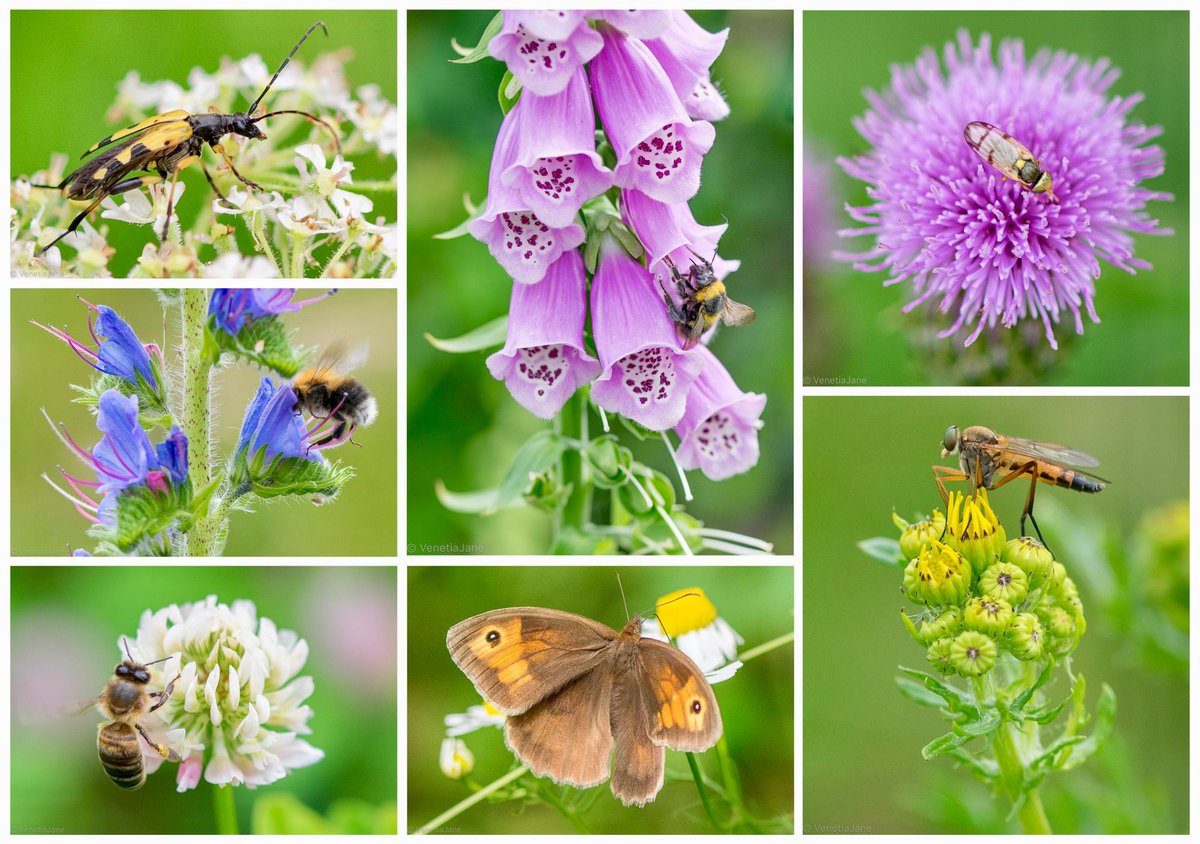
ALT Collage of summer wildflowers alive with pollinating insects. A longhorn beetle rests on white hogweed; a bumblebee feeds inside pink foxglove bells; a hoverfly visits a purple creeping thistle; another hoverfly perches on yellow ragwort; a bee gathers nectar from blue viper’s bugloss; a honeybee forages on alsike clover; and a meadow brown butterfly rests among mayweed flowers, celebrating the richness and diversity of midsummer wildlife.
15
114
465
3,590
Tereze Svilane retweeted

Jun 12
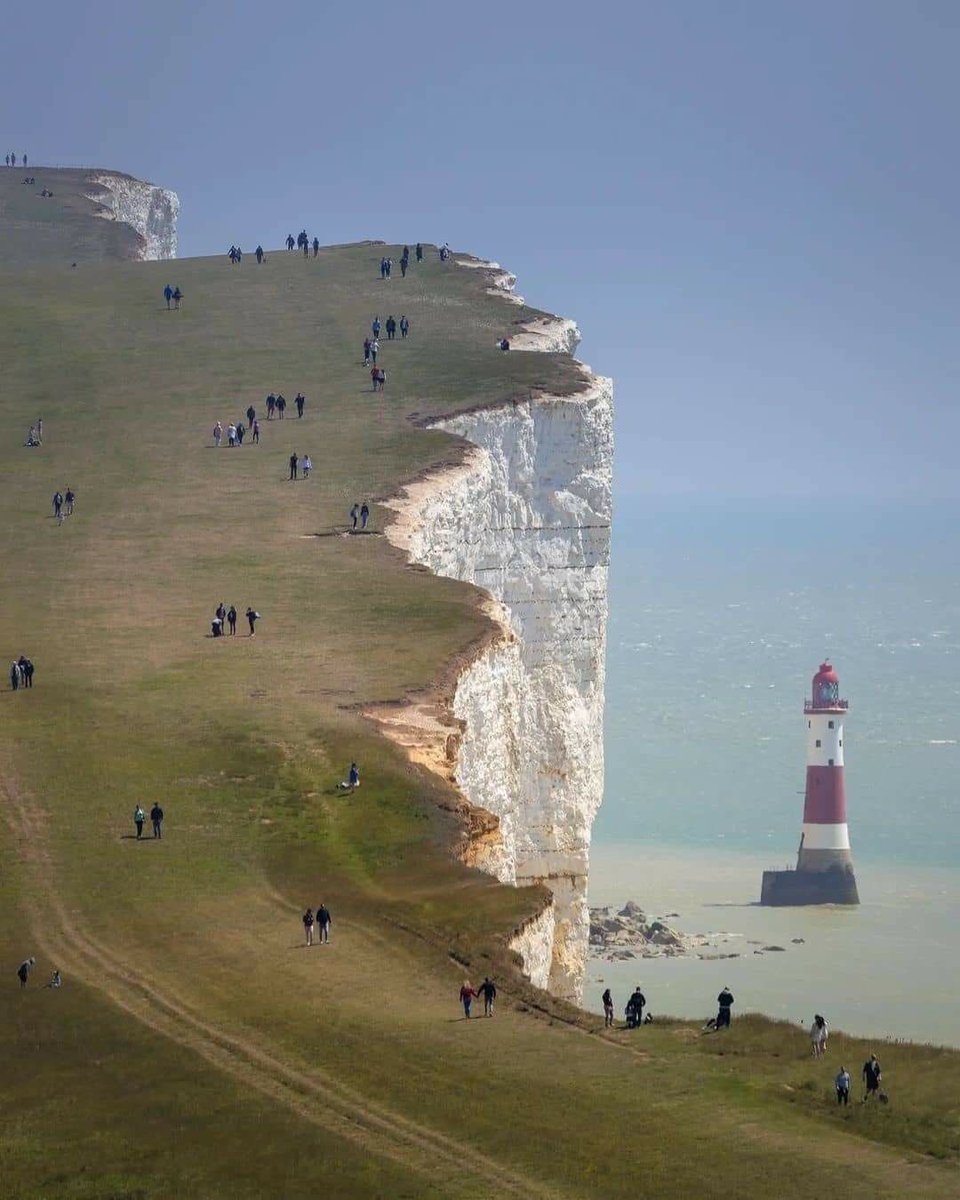
Photograph
But my goodness what a photographer
Eastbourne , East Sussex
Ian Brierley photographer.
Facebook for more.
54
577
4,153
64,011
Tereze Svilane retweeted

Jun 3
And here is Dan the Bulldog among the water weeds, beside the River Wye in Bishops Meadow, Hereford. He's by Saul Sheldon, one of the Cathedral stonemasons. You can read about the statue and how Dan the Bulldog emerged unharmed, an inspiration for Elgar: bbc.co.uk/news/articles/c5y2…
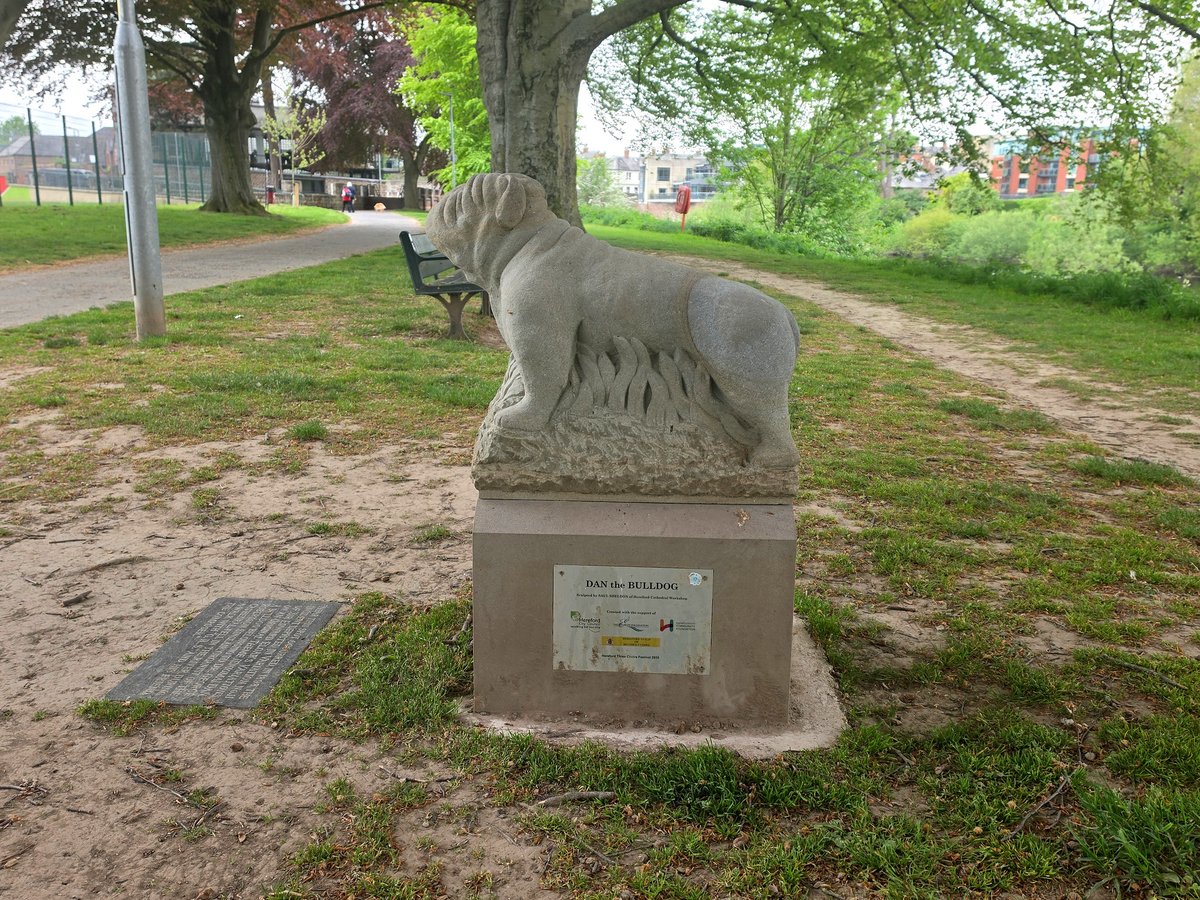
Jun 2

3/3 A plaque beside the River Wye in Bishop's Meadows, Hereford, marks the spot where Dan the bulldog fell in the river, inspiring the 11th of Elgar's Enigma Variations.
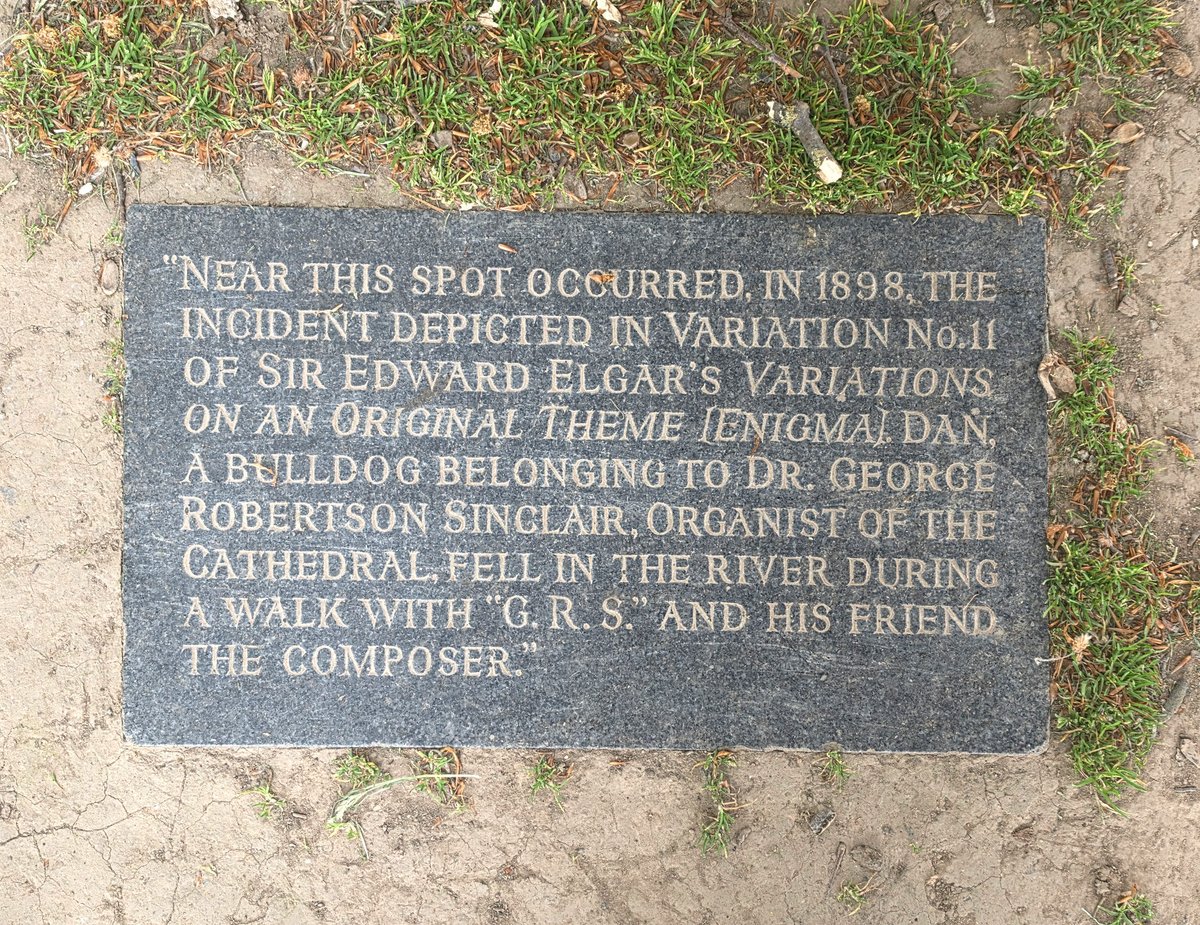
2
12
65
2,048
Tereze Svilane retweeted

Jun 3
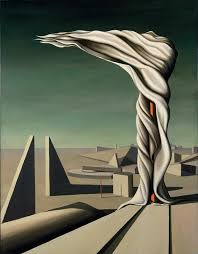
I saw three cities, 1944
by Surrealist Kay Sage.
Her work has notably not been as recognised as that of her much more celebrated husband, fellow Surrealist Yves Tanguy #WomensArt #SurrealistArtWeek
3
84
397
7,252
Tereze Svilane retweeted

Wild thyme, an iconic species of well-managed chalk grassland, is the food plant of choice for both common blue and large blue butterflies, providing sustenance for larvae.
On warm days, scent of the plant will fill the air, providing a herby fragrance.
📸: Anne Bostwick
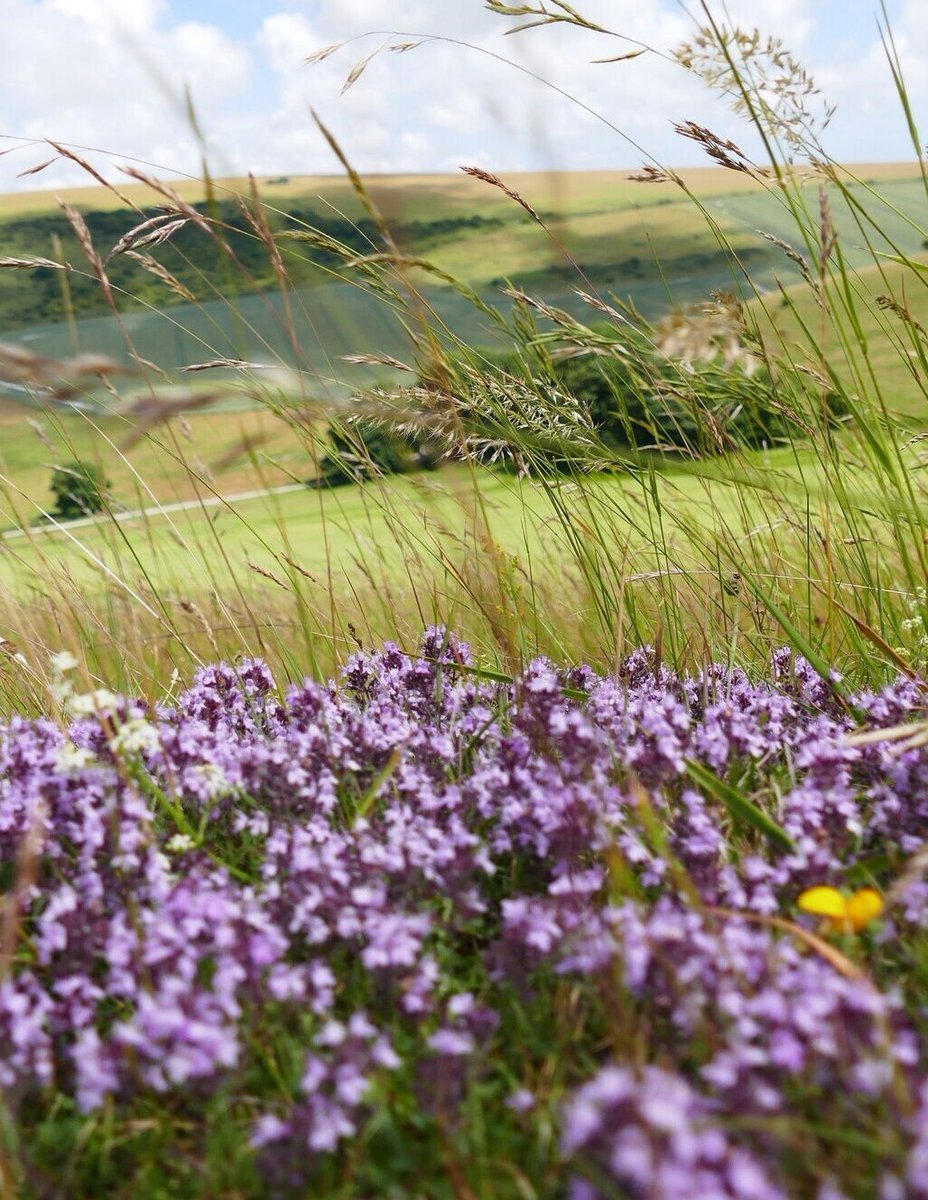
ALT Vibrant Wild Thyme on path from Woodingdean to Balsam with green hills in the background.
1
23
110
1,282
Tereze Svilane retweeted

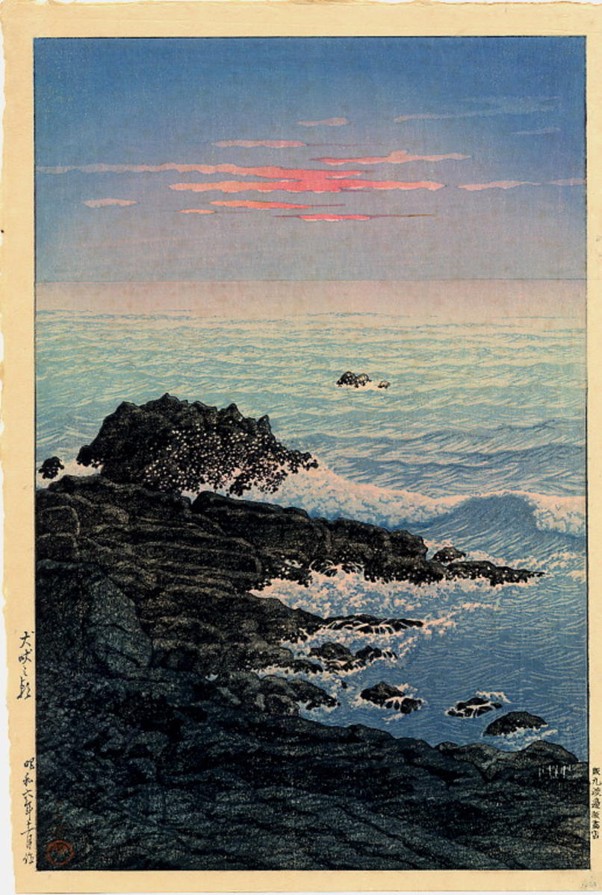
Japanese National Living Treasure Kawase Hasui’s woodblock print of waves crashing on the rocky coast below a soft dawn sky (Morning at Cape Inubo, 1931)
1
86
381
6,652
Tereze Svilane retweeted

Zabaglione: silky, light, and perfectly Italian.
Zabaglione paired with a shot of espresso is pure dolce magic: warm, airy, and just the right balance of rich and bold. 🇮🇹☕🍮

1
8
93
1,558
Tereze Svilane retweeted

May 26
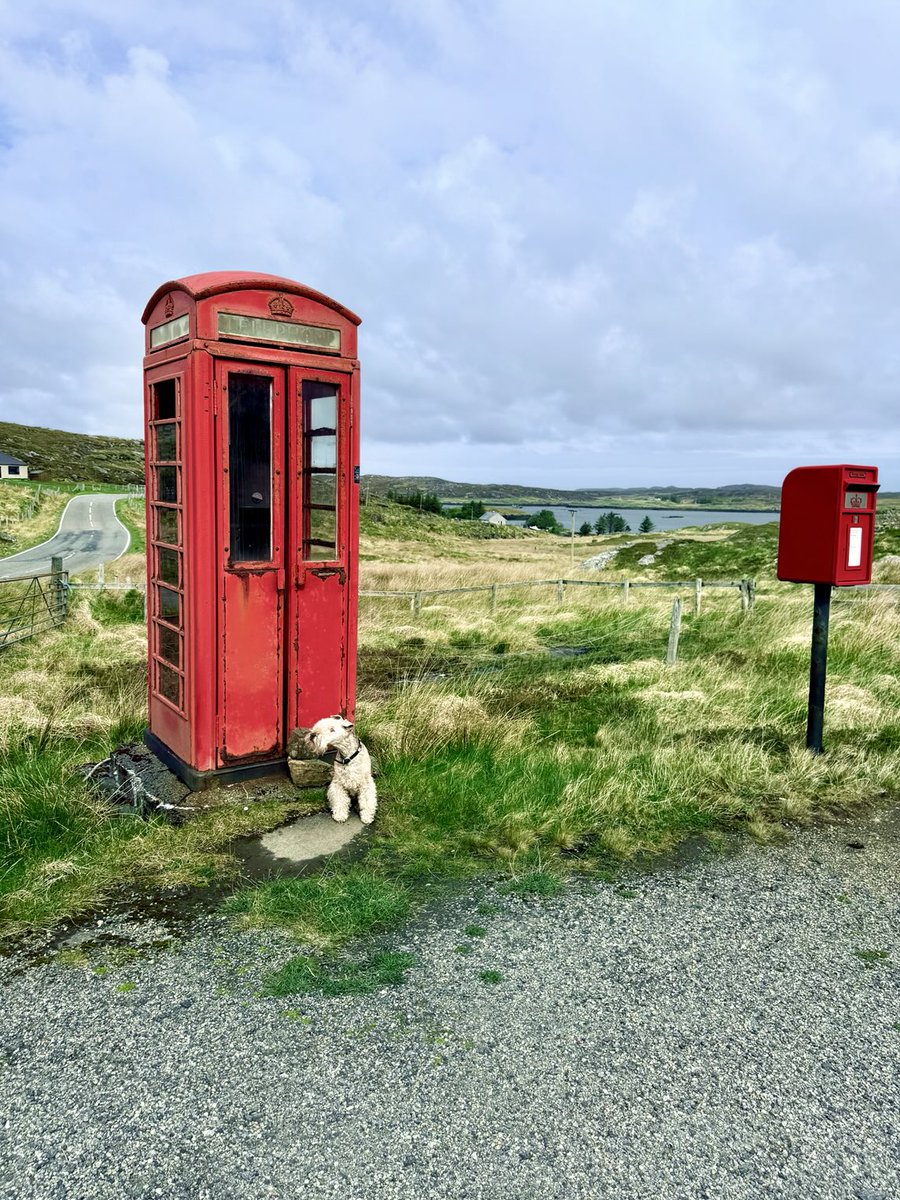
The Dog and the Telephone Box ❤️
49
65
1,014
4,768
Tereze Svilane retweeted

6
22
101
1,962
Tereze Svilane retweeted

May 25
We forget that none of this had to exist — that we weren’t owed mountains and music by the universe. And maybe we have to forget — or we would be too stupefied with gratitude for every raindrop and every eyelash to get through the daily tasks punctuating the unbidden wonder of our lives. But it is good, every once in a while, to let ourselves be stupefied by gratitude, to cast upon ourselves a spell against indifference by moving through the world with an inner bow at every littlest thing that prevailed over the odds of otherwise in order to exist. themarginalian.org/2024/12/1…
1
36
112
6,477
Tereze Svilane retweeted

May 25
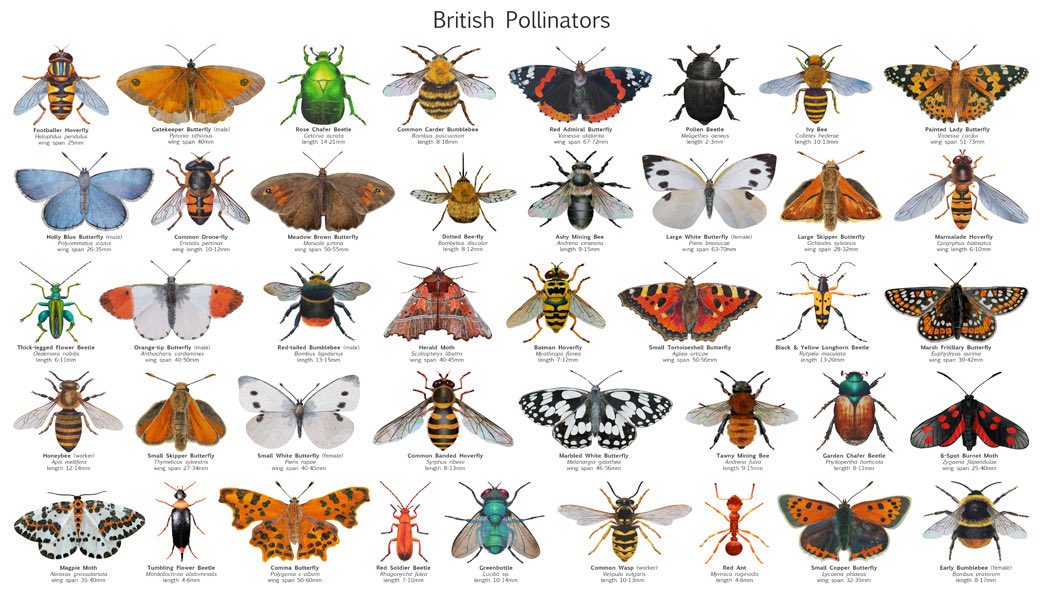
British pollinators. What a workforce ! Without this amazing team there would be no gardens or food for that matter. We must do our best to look after them, teach our kids they are friends and build habitats to show them how loved they really are.
40
821
2,042
44,218
Tereze Svilane retweeted

May 22
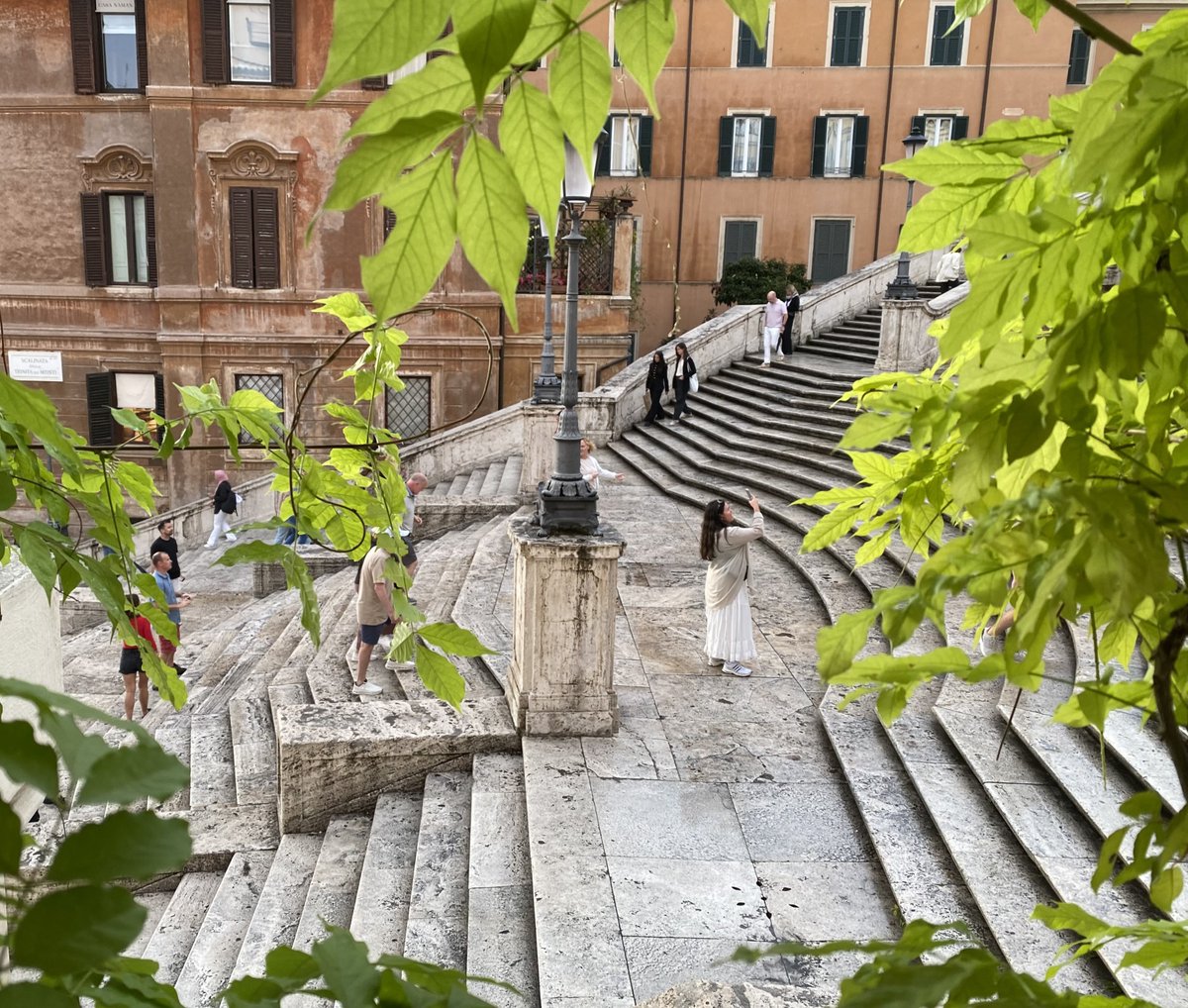
The Spanish Steps in Rome
3
28
302
3,846
Tereze Svilane retweeted

May 19
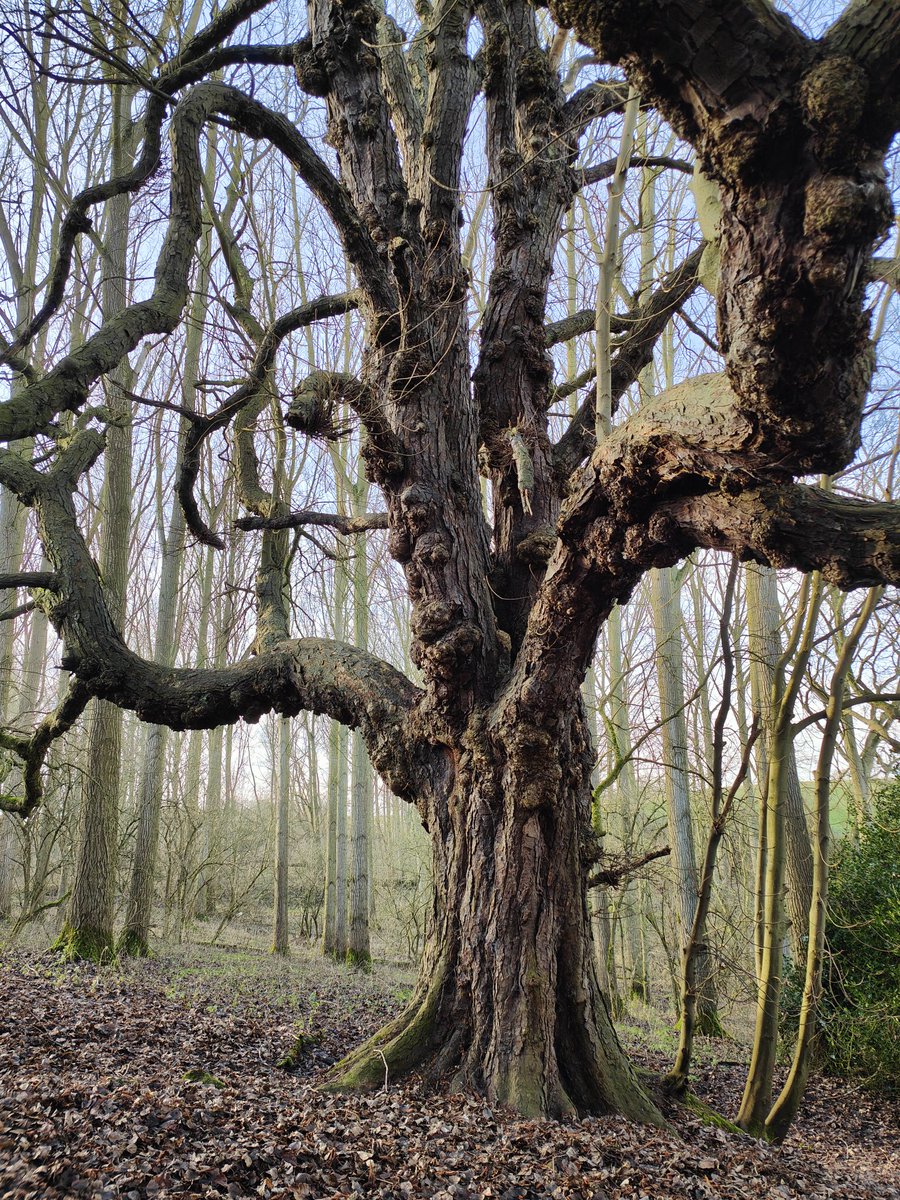
Just seconds before he
grabbed me!
Wormingford, Essex.
#ThicktrunkTuesday
8
19
187
1,135
Tereze Svilane retweeted

May 18
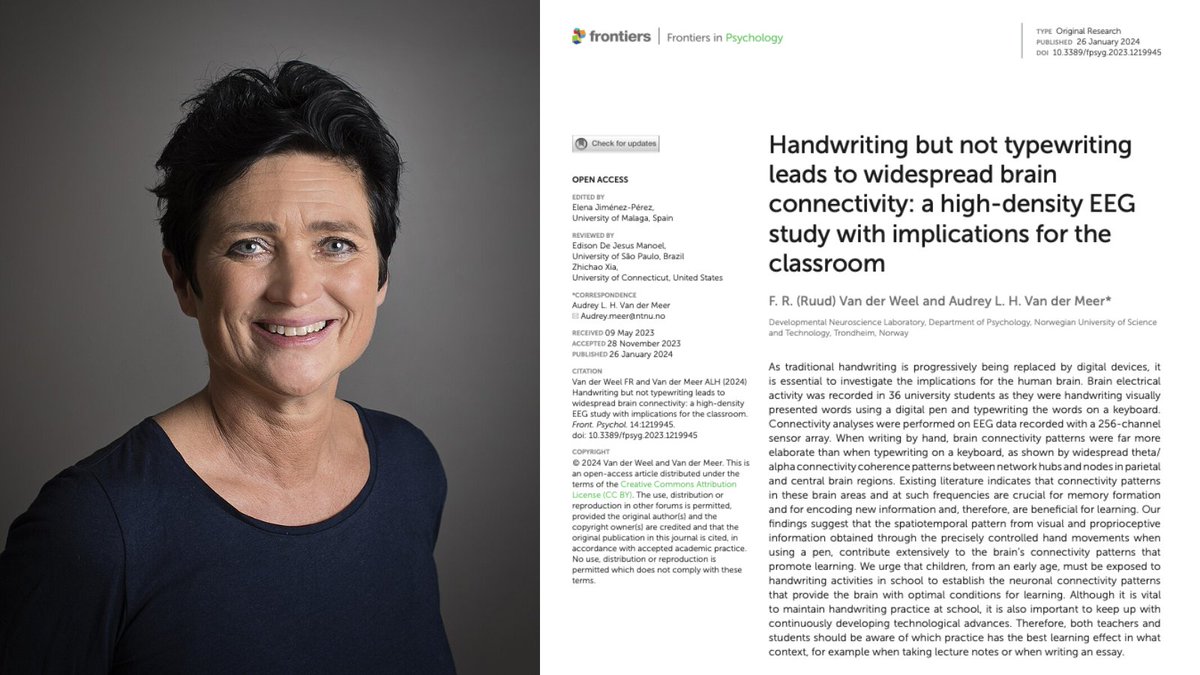
A Norwegian neuroscientist spent 20 years proving that the act of writing by hand changes the human brain in ways typing physically cannot, and almost nobody outside her field has read the paper.
Her name is Audrey van der Meer.
She runs a brain research lab in Trondheim, and the paper that closed the argument was published in 2024 in a journal called Frontiers in Psychology. The finding is brutal enough that it should have changed every classroom on Earth.
The experiment was simple. She recruited 36 university students and put each one in a cap with 256 sensors pressed against their scalp to record brain activity. Words flashed on a screen one at a time.
Sometimes the students wrote the word by hand on a touchscreen using a digital pen, and sometimes they typed the same word on a keyboard. Every neural response was recorded for the full five seconds the word stayed on screen.
Then her team looked at the part of the data most researchers had ignored for years, which is how different parts of the brain were communicating with each other during the task.
When the students wrote by hand, the brain lit up everywhere at once.
The regions responsible for memory, sensory integration, and the encoding of new information were all firing together in a coordinated pattern that spread across the entire cortex. The whole network was awake and connected.
When the same students typed the same word, that pattern collapsed almost completely.
Most of the brain went quiet, and the connections between regions that had been alive seconds earlier were nowhere to be found on the EEG.
Same word, same brain, same person, and two completely different neurological events.
The reason turned out to be something nobody had really paid attention to before her work. Writing by hand is not one motion but a sequence of thousands of tiny micro-movements coordinated with your eyes in real time, where each letter is a different shape that requires the brain to solve a slightly different spatial problem.
Your fingers, wrist, vision, and the parts of your brain that track position in space are all working together to produce one letter, then the next, then the next.
Typing throws all of that away. Every key on a keyboard requires the exact same finger motion regardless of which letter you are pressing, which means the brain has almost nothing to integrate and almost no problem to solve.
Van der Meer said it plainly in her interviews.
Pressing the same key with the same finger over and over does not stimulate the brain in any meaningful way, and she pointed out something that should scare every parent who handed their kid an iPad.
Children who learn to read and write on tablets often cannot tell letters like b and d apart, because they have never physically felt with their bodies what it takes to actually produce those letters on a page.
A decade before her, two researchers at Princeton ran the same fight using a completely different method and ended up at the same answer. Pam Mueller and Daniel Oppenheimer tested 327 students across three experiments, where half took notes on laptops with the internet disabled and half took notes by hand, before testing everyone on what they actually understood from the lectures they had watched.
The handwriting group won by a wide margin on every question that required real understanding rather than surface recall.
The reason was hiding in the transcripts of what the two groups had actually written down.
The laptop students typed almost word for word, capturing more total content but processing almost none of it as they went, while the handwriting students physically could not write fast enough to transcribe a lecture in real time, which forced them to listen carefully, decide what actually mattered, and put it in their own words on the page.
That single act of choosing what to keep was the learning itself, and the keyboard had quietly skipped the choosing and skipped the learning along with it.
Two studies. Two countries. Same answer.
Handwriting makes the brain work. Typing lets it coast.
Every note you have ever typed instead of written went into your brain through a thinner pipe. Every meeting, every book highlight, every idea you captured on your phone instead of on paper was processed at half depth.
You did not forget those things because your memory is bad. You forgot them because typing never woke the part of the brain that would have made them stick.
The fix is the thing your grandmother already knew.
Pick up a pen. Write the thing down. The slower road is the faster one.
2,473
44,646
120,851
10,372,269
Tereze Svilane retweeted

May 17
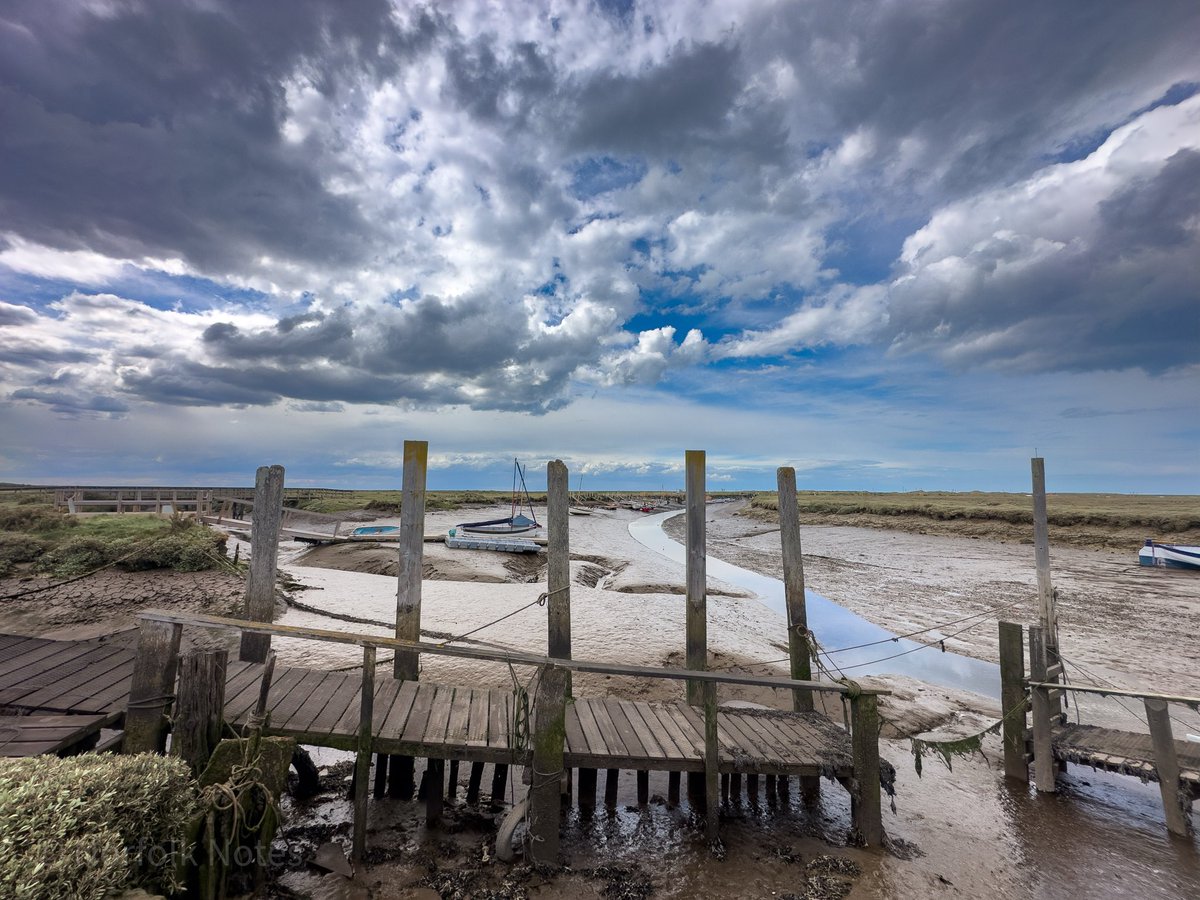
Morston under a fabulous Norfolk sky this afternoon. The pressure is changing every few minutes it seems - magnificent headache weather.
18
37
421
3,758
Tereze Svilane retweeted
May 14
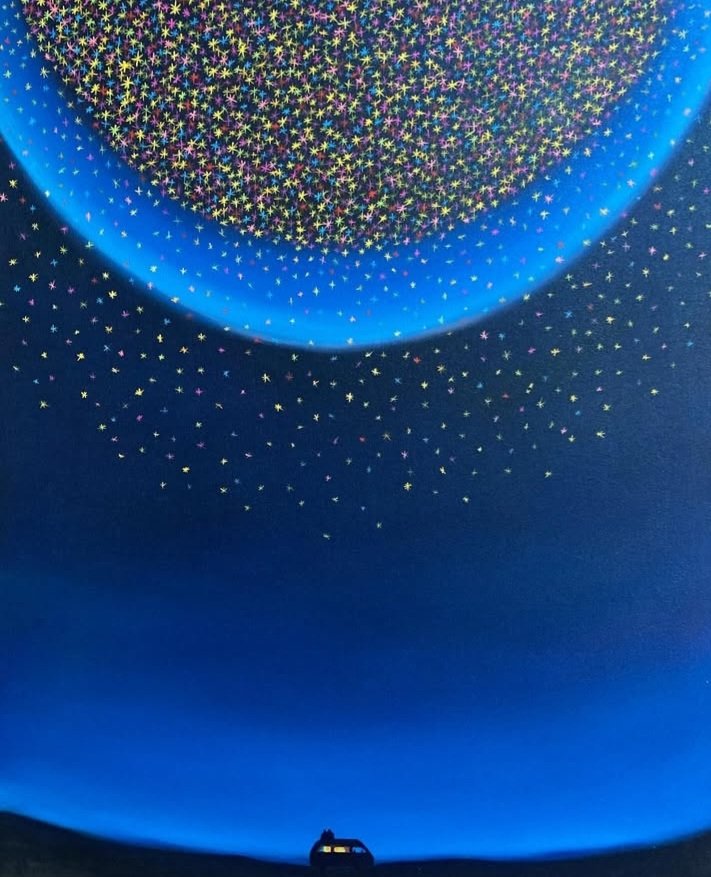
'The night the sky showered us with stars" by Sarah Morgan, contemporary artist and printmaker #WomensArt
5
225
876
13,125
Tereze Svilane retweeted

Can we now have a Health Secretary who is not bought and paid for by private health care providers, who knows the unique value of doctors, and is willing to work with @theBMA?
@Keir_Starmer

63
542
1,308
14,171