
There’s an organic alternative to this which is even more effective at reducing methane emissions from cattle flatulence:
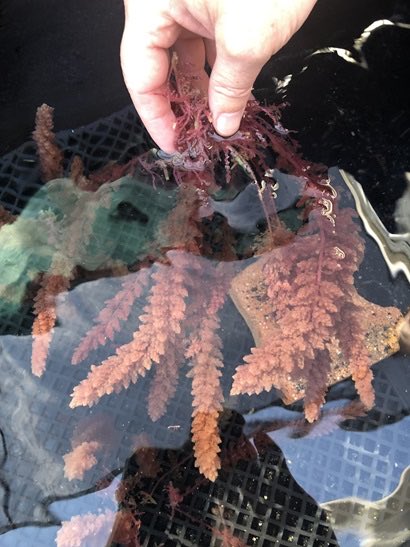
A seaweed called
Asparagopsis taxiformis branded as FutureFeed.
So, no need to get in a tizzy, just go for the healthy alternative, like anything else.
1
1
5
445


Feb 2
We are proud to join industry leaders, compliance experts, and DoD supply chain professionals at this year's Southwest Regional CMMC Implementation Conference on March 18–19 at SMU in Dallas, TX!
This two-day, immersive event zeroes in on the latest Cybersecurity Maturity Model Certification (CMMC) insights, practical compliance strategies, and real-world implementation guidance- all crucial as DoD requirements continue to evolve. Attendees will benefit from impactful keynotes, candid panel discussions, and opportunities to connect with peers and industry experts.
Whether you’re a defense contractor, MSP, security practitioner, or compliance leader, this conference is your chance to sharpen your CMMC readiness, and we’re thrilled to be part of the conversation!
👉 Learn more and register here: smu.edu/cape/programs/custom…
Late Registration starts February 19th!
Brought to you by DTC Global, FutureFeed, and Southern Methodist University
#CICSouthwest #CMMC #Cybersecurity #Compliance #DefenseIndustrialBase

1
2
134

15 Apr 2025
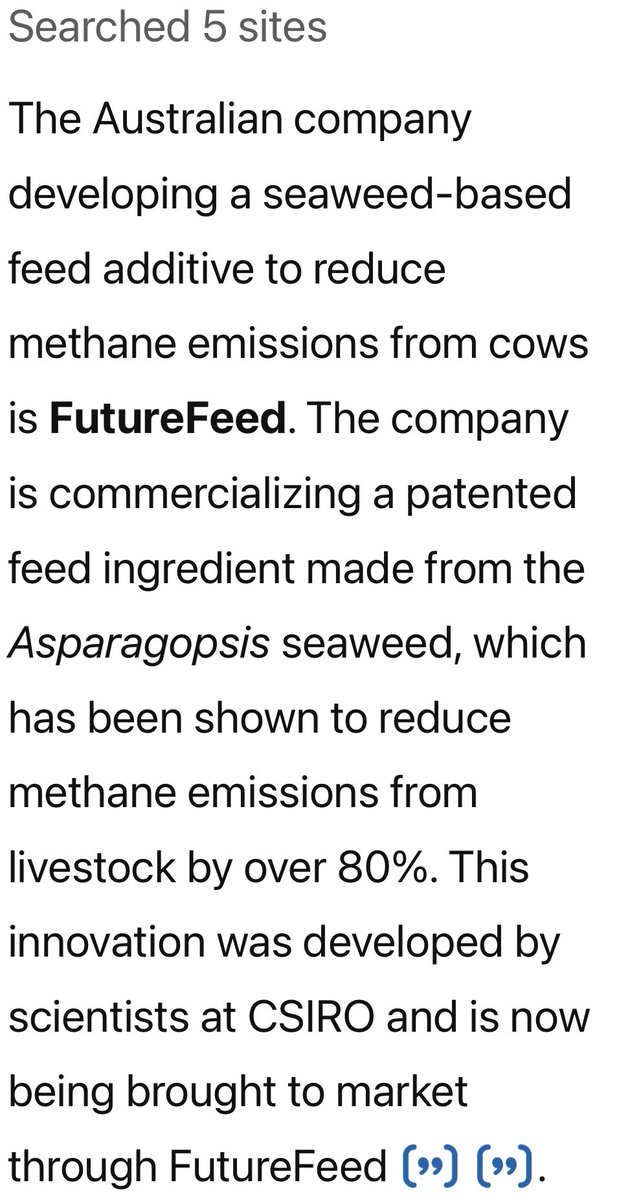
They found a genus - Asparagopsis Australian native red seaweed. The addition of a small amount to regular feed can according to CSIRO research reduce methane production by up to 95% and potentially increase production. Called futurefeed been commercially available since 2022.
2
56

16 Jan 2025
👍 worth to LLM prompt Bovaer, it’s kinda interesting. Gates competing Rumin8 too. More interesting is FutureFeed an Australian company developing an even more successful product from a specific type of seaweed, at least it’s natural !
10
25 Dec 2024
for interest, an alternative product being developed by Aust. Co. FutureFeed using seaweed, looks kinda interesting. Andrew FORREST invested in it.
future-feed.com/
1
14


4 Dec 2024
What happened to Australia's CSIRO, Meat & Livestock Australia & James Cook University jointly developed seaweed based cattle food product FutureFeed? Cows actually seem to enjoy it. I'd prefer seaweed eating cattle than Frankenstein chem dosed cattle
csiro.au/en/research/animals…
1
1
37

30 Nov 2024
Horrific
Was just reading about the developer of Bovaer, Mark van Nieuwland. They've taken this product world wide
CSIRO were in competition developing something similar "FutureFeed" in the last decade.
So it's used for Beef & Dairy
2
8
222

28 Nov 2024
•How it works
Red seaweed from the Asparagopsis genus contains bromoform, which inhibits an enzyme that microbes use to produce methane gas.
•How much it reduces emissions
In trials, feeding cows less than 1% of their diet as Asparagopsis reduced methane production by:
◦Up to 98%: According to trials
◦Up to 97%: According to Cornell CALS
◦Up to 82%: According to researchers at the University of California, Davis
•Who's involved
◦CSIRO: Developed a patented feed ingredient called FutureFeed that uses Asparagopsis
◦CH4 Global: Grows Asparagopsis in patented vessels on land
◦Sea Forest: An Australian startup that aims to mitigate the impact of livestock emissions
However, there are some challenges and potential risks to using seaweed to reduce methane emissions, including:
•Bromoform stability
Bromoform's stability declines over time, which can reduce its effectiveness.
•Iodine transfer
Iodine and bromoform can transfer to milk, which could lead to thyroid problems in humans, especially young children.
•Animal health
A Murdoch University review found that Asparagopsis may cause inflammation, hemorrhaging, and ulceration in cows' stomachs. Cows may also refuse to eat feed with higher concentrations of Asparagopsis.
•Long-term effects
The long-term effects of feeding seaweed to cows are unknown.
19 Nov 2024

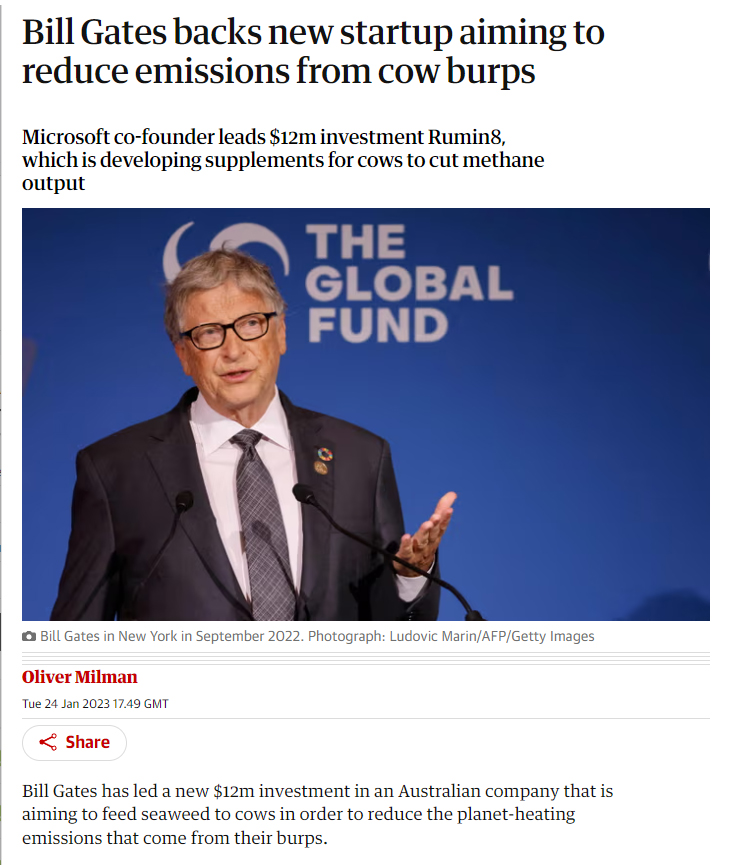
Now Bill Gates wants to "feed seaweed to cows in order to reduce the planet-heating emissions that come from their burps". 🤡
1
3
182

16 Oct 2024
カギケノリのメタン削減以外の効果として、生産性の向上についてデータが得られたようです。300頭の牛を使った実験で、飼料効率が7.4%向上し、飼料コストが$0.35/日・頭削減されたとのこと。
New Asparagopsis feedlot study proves productivity gains — FutureFeed future-feed.com/futurefeed-b…
1
3
19
1,548

.@futurepoem is seeking donations to help publish important new books, keep its submissions open to new writers, sustain its community-led editorial model, and provide free access to a diverse range of authors and artists through Futurefeed. buff.ly/47R8LTw
2
2
410

20 Jul 2023
If you're not already, I would definitely visit Investible's climate team/the greenhouse climate space/ the brilliant @tommcquillen . greenhouse.tech/. For algae related stuff, Prof Peter Ralph is the man. Then of course the Climate Salad folks and Uluu/FutureFeed.
2
81

🌳🌎 OpenESG is a sustainability platform that helps investors, suppliers and consumers identify sustainable business practices through data.
💡🐂 Tip: FutureFeed helps reduce 80% of methane from cows!
#OpenESG #OpenESGScore #Sustainability #AI #EURegulation #Infrastructure
1
1
100

17 Jun 2023
Thank you to Ariel Yelen at futurefeed and everyone at futurepoem for the opportunity to share some thoughts on the "These Days of Candy" playlist. This is the first of a two-part post. It was a joy to revisit this music.🙌🏾tIttIt . .
14 Jun 2023

Manuel Paul López's @mplopez75 reflections on how a playlist took flight, "A Luciérnaga’s Playlist," is up today on futurefeed! LINK IN BIO 🎶🎶🎧
#futurefeed #thesedaysofcandy #noemipress #letraslatinas

1
3
551

14 Jun 2023
Manuel Paul López's @mplopez75 reflections on how a playlist took flight, "A Luciérnaga’s Playlist," is up today on futurefeed! LINK IN BIO 🎶🎶🎧
#futurefeed #thesedaysofcandy #noemipress #letraslatinas
1
2
998
5 Jun 2023
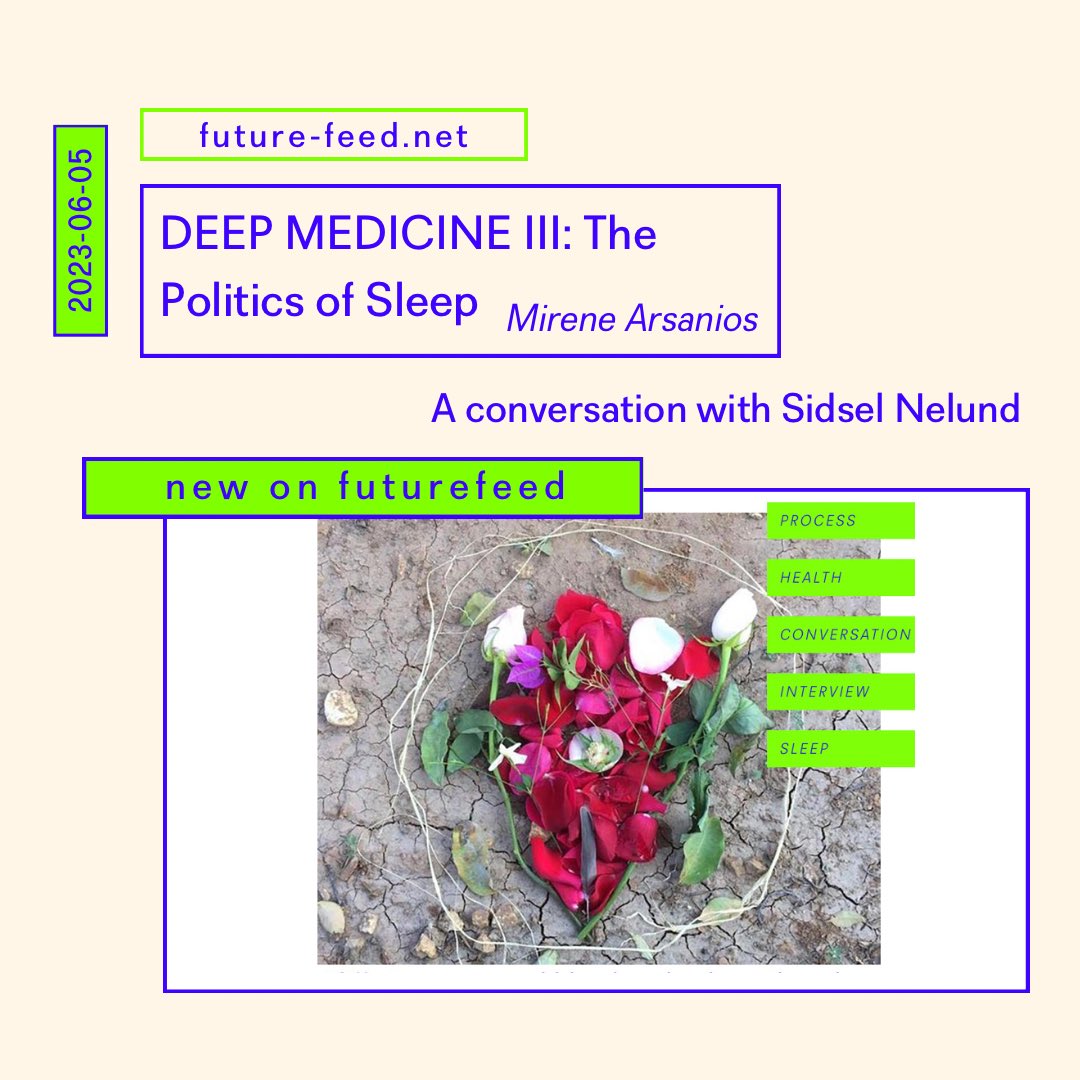
Mirene Arsanios's final post for future-feed is up today! Don't miss @mirene_arsanios in conversation with Sidsel Nelund— DEEP MEDICINE: The Politics of Sleep. future-feed.net/deep-medicin…
💤💤💤 #futurefeed #onsleep #poetry #process #interview
2
269
31 May 2023
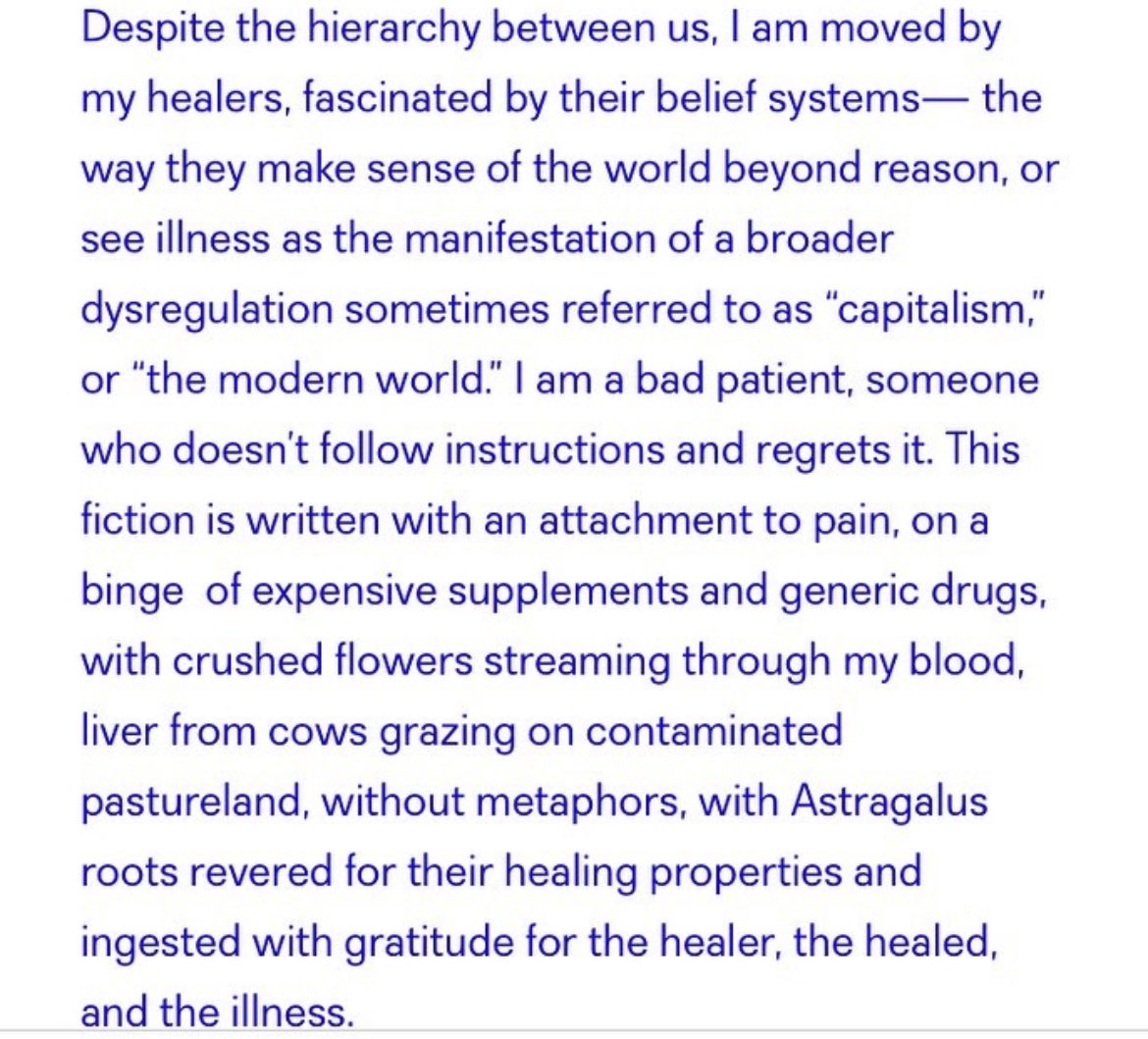
UP NOW on Futurefeed: Part 2 of @mirene_arsanios DEEP MEDICINE, notes on writing while attempting to heal pain symptoms with supplements, medicines, and healing rituals from clashing traditions. Read now at future-feed.net/deep-medicin… #futurefeed #poetry #smallpress

2
225

31 May 2023
The Future of Tech at Computex 2023! 🔥
⬇️
futurfeed.net/top-4-exciting…
#Taiwan #technology #tech #technologies #shows #pcgaming #gadgets #innovation #futuristic #events #Revelation #Announcement #TechNews #future #innovative #innovations #UPDATE #NewsUpdate #LatestNews #futurefeed

ALT Computex 2023- Taiwan's Biggest PC Event.
3
29

19 Apr 2023
FutureFeed holds the patent for reducing methane emissions using a variety of red seaweed. Asparagopsis, as the algae is known, produces a bioactive chemical called bromoform which inhibits methane production in ruminant animals like cows.
1
2
38