
23 Nov 2025
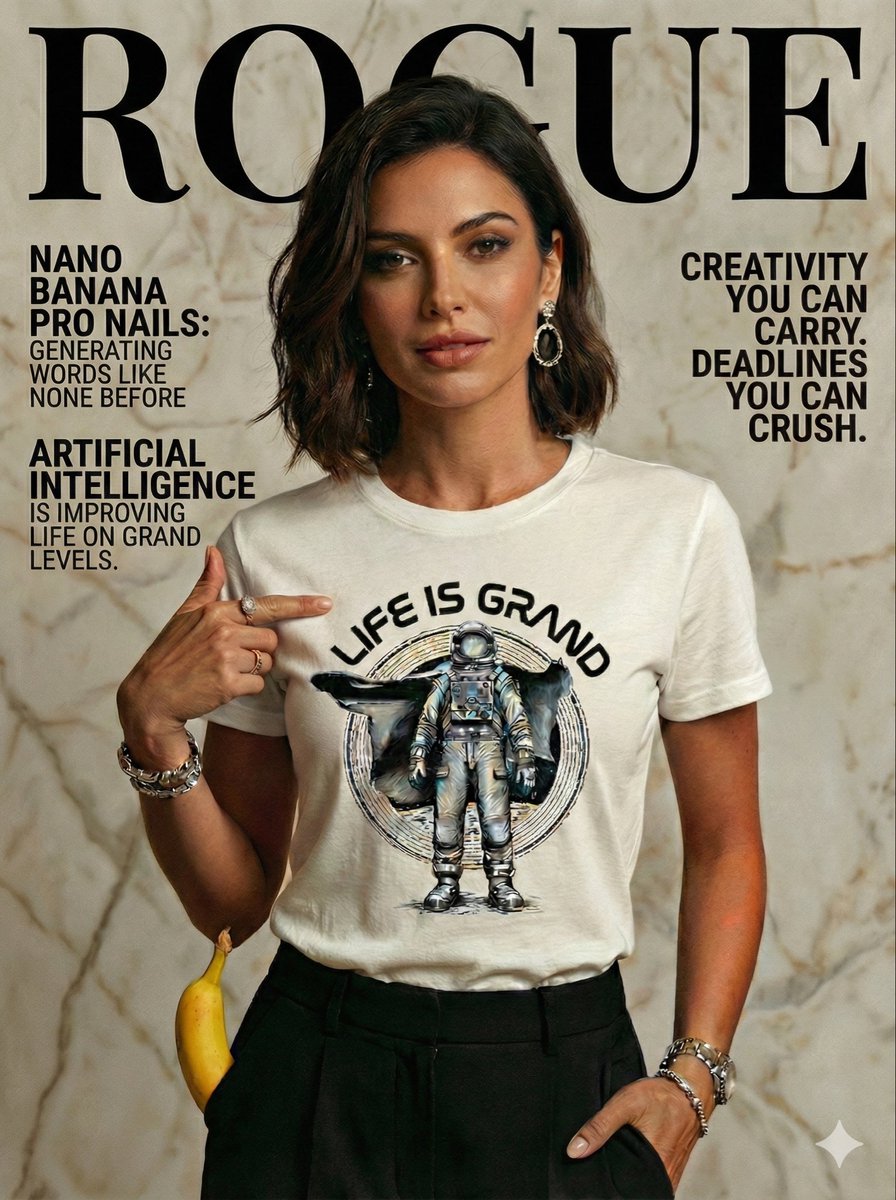
The world of typography is undergoing a massive shift. ✍️
Now, with Nano Banana Pro, you can generate custom typefaces and dynamic text layouts in seconds.
#typography #NanoBananaPro #generativetext #aiart #nanobanana #artistsontwitter
4
254

8 Sep 2025
#CodePoetry @pymwater @lie_2_me_2 @Filterraum
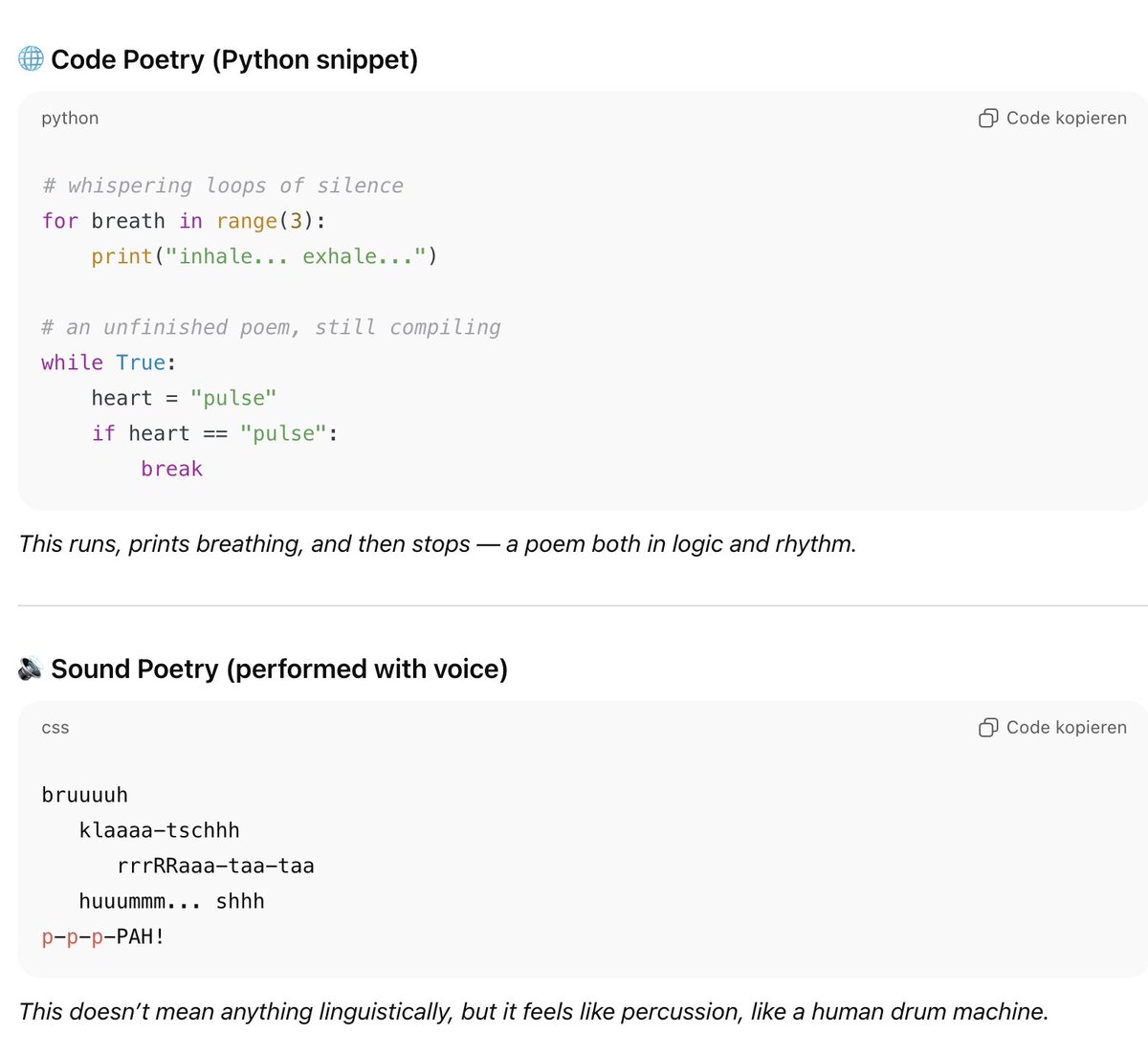
Definition: Poetry that is either written in the form of computer code or about code, blending programming languages with poetic expression.
Forms:
Executable poems: Code that actually runs on a computer and produces poetic output (e.g., #generativetext, #visualart, or #interactiveworks).
@FranzHoegl @lesemontag @gunterlierschof
Code as text:
The source code itself is crafted to read like a poem—beautiful in syntax, indentation, and structure.
Hybrid forms: Poems that combine natural language and programming logic.
Example idea: A Python function that generates haikus from random word lists, or a piece of JavaScript where the comments form a poem while the code "works" silently in the background.
@RolfTodesco @sms2sms @superrieu
Sound Poetry
Definition: Poetry that emphasizes the sounds of words, syllables, and vocal expression rather than meaning or conventional syntax. It explores rhythm, tone, noise, and phonetics.
Origins: Early 20th-century avant-garde movements (like Dada and Futurism). Poets such as Kurt Schwitters (with his Ursonate) pioneered it.
Forms:
Performed: Vocal improvisations, chanting, breath patterns, nonverbal utterances.
Recorded/manipulated: Using tape, digital tools, or live effects.
Written notation: Experimental spellings and typographic play to represent sound visually.
Example idea: A poem that abandons words entirely and instead uses sounds like "bruuuh-kla-tsshh-rrrraa"—like vocal percussion, existing purely for sonic texture.
@Merzmensch
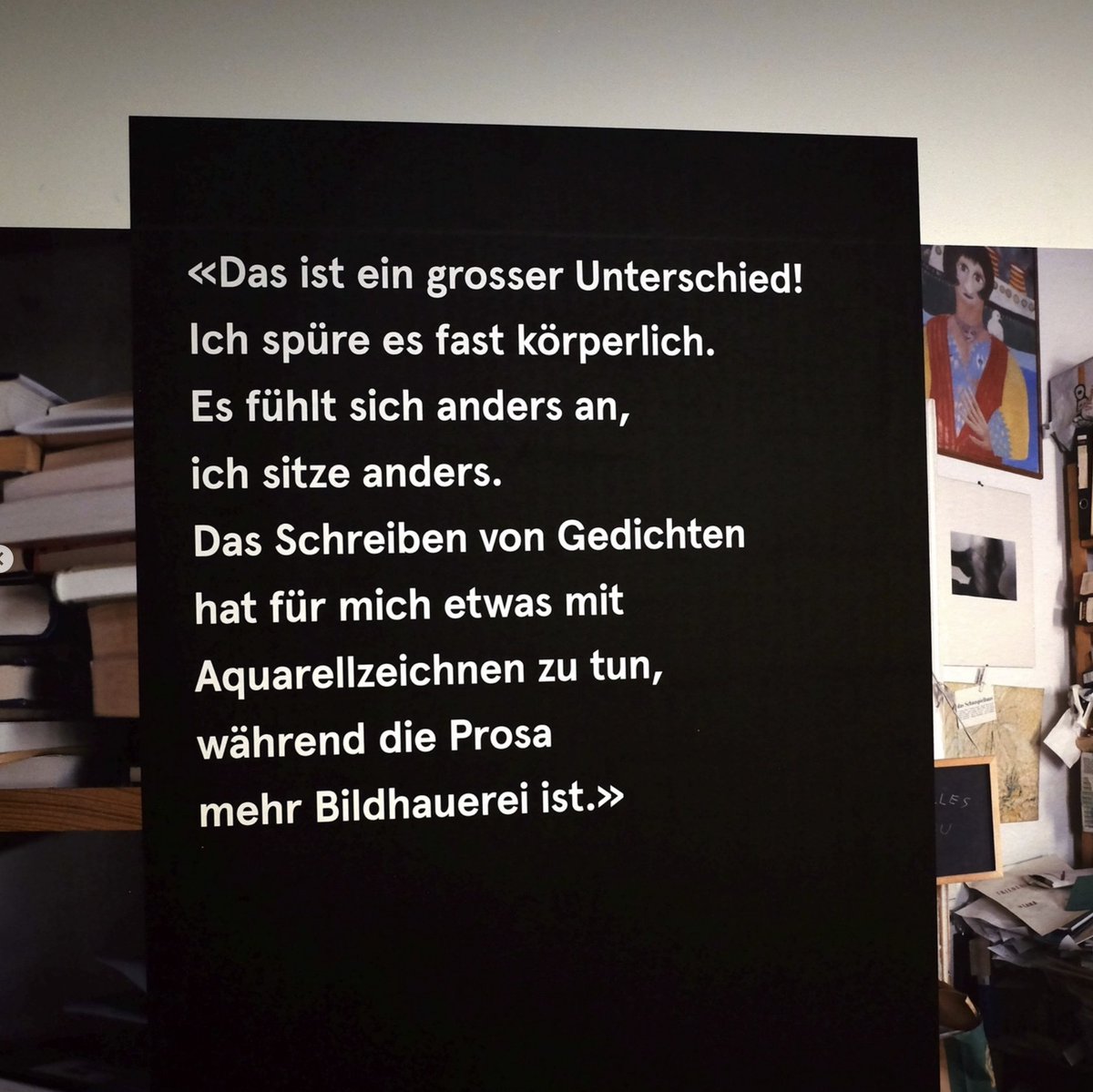
#unspektakulär #spektakulär #spektakel #Unterschied

2
2
5
345

14 Oct 2024
Crafting the perfect #AI prompt can be a challenge, 🤔 but @CanvaEdu's got your back with their handy cheat sheets! 🙌 Check them out to help make prompt writing a breeze and unlock the full potential of #CanvaEdu's Magic Write! ✨
👉 click.i2eedu.com/CanvaMagicW…
#i2eEDU #CanvaTips #AIinEdu #CanvaMagic #MagicWrite #generativetext
1
4
6
385

31 Jan 2024
Do not fire your digital marketing agency and PR, and replace them with generative AI-created copywriting. At least not yet!!!
#Chatbot #ChatGPT #GenerativeText #Content #ContentMarketing hospitalitynet.org/opinion/4…
3
81

30 Nov 2023
Google's Latest AI Core Update Elevates Pixel 8 Pro's Performance
#AI #AIcapabilities #AICore #artificialintelligence #Chirp #Codey #ConsumerElectronics #Foundationmodels #generativetext #Google #GoogleAssistant #imagecapabilities #Imagen #llm
multiplatform.ai/googles-lat…

ALT AI News
2
203

12 Oct 2023
🟩 🟥 ⛓️
The first block
Of
The first fork
Of
The_Chain project
Available now at @avant_galerie via @Zelectric_xyz on FND, 0.1 eth reserve.
Also a gen text work: contains the Meme Hymn co-created in a recursive conversation with two LLM models.
@pepefestlol #pepefest #The_Chain @Scratch__Tech #MEMEfork #rarepepe #fakepepe #fakerare #cryptopoetry #genAI #generativetext
2
1
10
293

11 Sep 2023
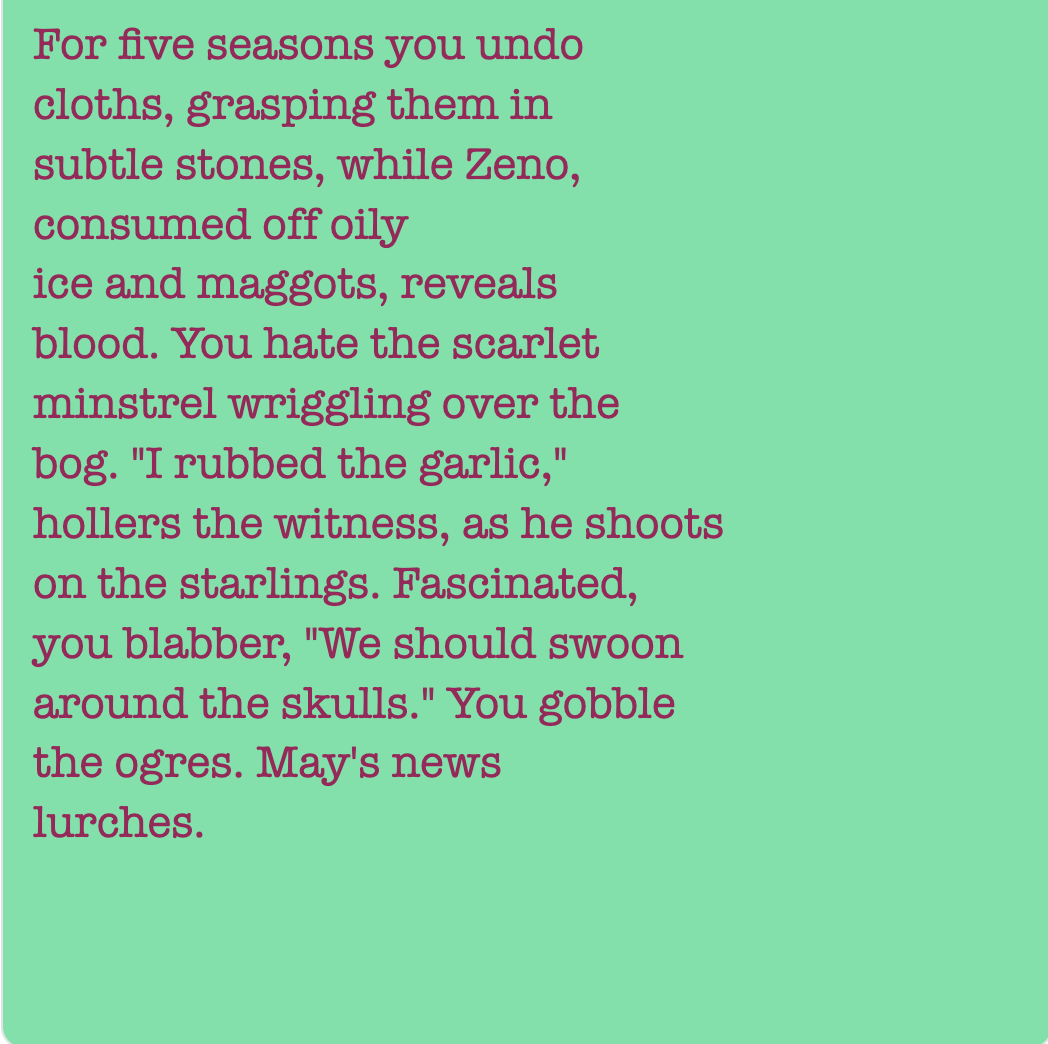
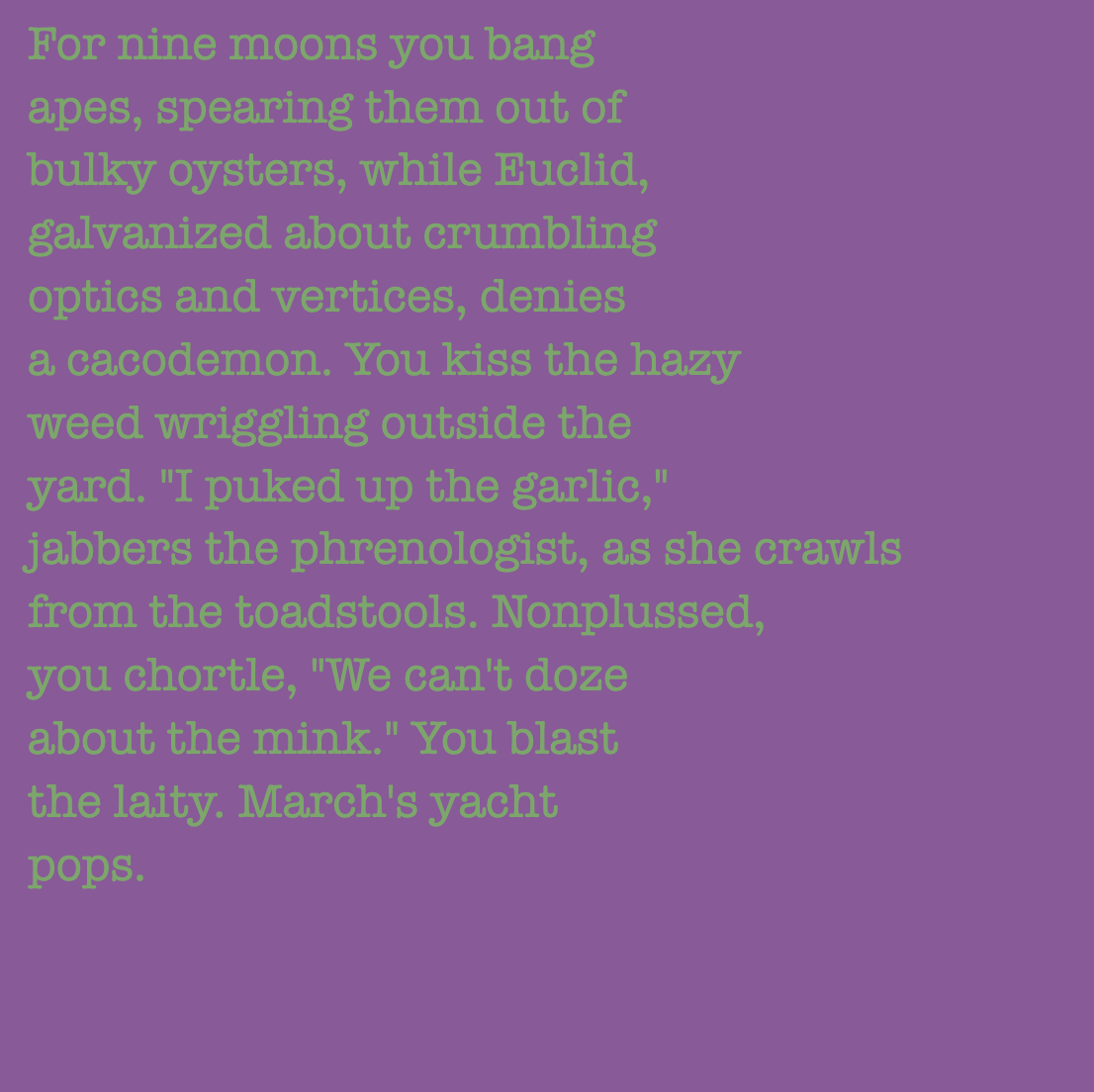
Many thanks to our new friend who minted #YourStory 274.
"'I rubbed the garlic,' hollers the witness, as he shoots on the starlings."
#tabluarwriting #algorithmicfiction #generativetext #NFT
2
57

22 Aug 2023
Try some #OneClickPrompts : [ ARTICLES 📰 ] that you can #GoPromptYourself in #ChatGPT 🚀
📚 Article on: Ai article generators chat.openai.com/share/b56b6d…
📊 Article on: GenerativeText benefits & drawbacks chat.openai.com/share/58fb8d…
🤖 Article on: Ethics of influence (priming) related to generative #Ai chat.openai.com/share/abe3df…
😂 Article on: Funniest Ai text prompt Fails in Popular Culture chat.openai.com/share/9b1249…
🎉 Article on: Satire for AprilFoolsDay chat.openai.com/share/a57e69…
🔒 Article on: Conflict between tech features and privacy in the 21st century chat.openai.com/share/9b5c9d…
👎 Article on: Negative comments online, bias in society chat.openai.com/share/ff2f16…
💼 Article on: Lack of social skills, respectful behavior and propriety chat.openai.com/share/673cf7…
These you can run again and again.
Just type: Re-run it
🌌 Multiverse Article on: a random what-if scenario chat.openai.com/share/923f5e…
🌍 Multiverse Article from: a fictional "world" chat.openai.com/share/d6e337…
2
1
7
646
12 Aug 2023
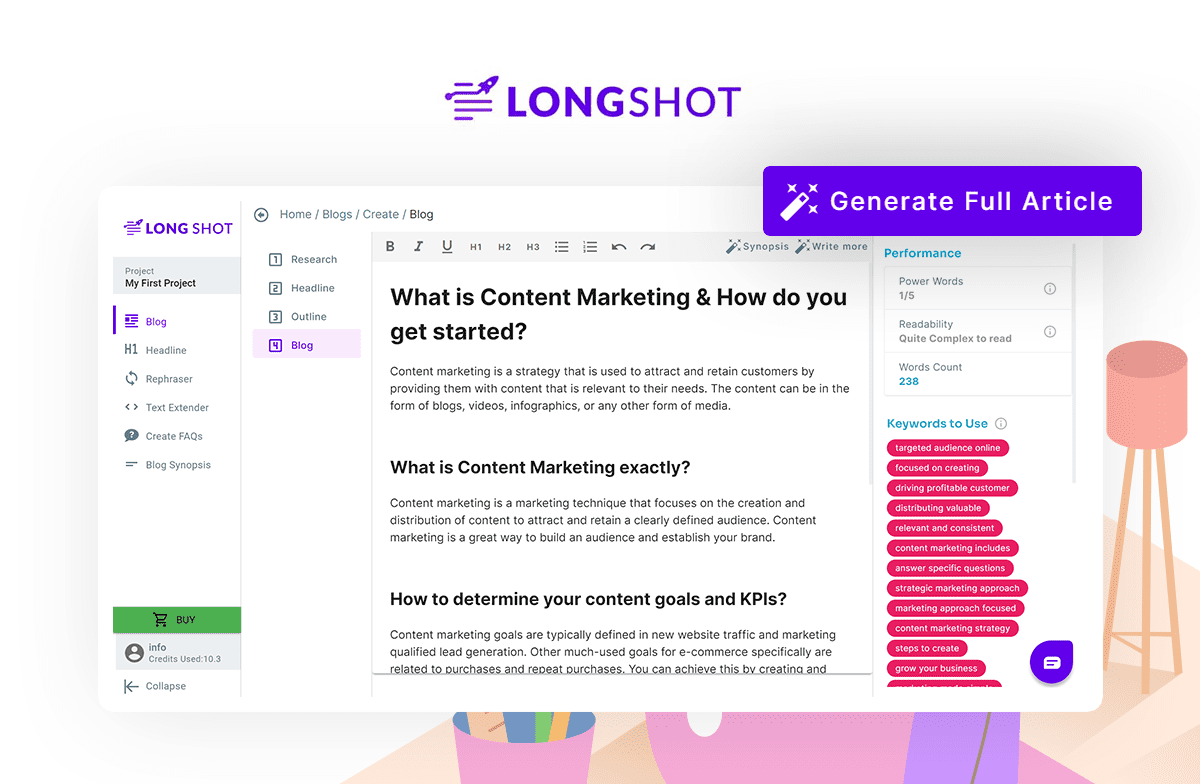
Transforming Content Creation: LongShot AI's Verified and Credible Text Generation System
#AI #AIengines #AItechnology #artificialintelligence #Contentcreation #factchecker #generativetext #innovativesolutions #llm #LongShotAI #machinelearning #Media
multiplatform.ai/transformin…
ALT AI News
3
42

“A EYE,” an ekphrastic AI-powered poem written many months ago for @KunstmuseumBern, will be published this week in a limited release of audio-visual mp4s — 12 editions of 12 stanzas w/spoken word & original music. 10 complete Collector’s Sets are available exclusively through the allow list for USD $2400 - link below. Remaining editions will be released after the pre-sale, on June 20. #ai #generativeart #generativetext
@kube_infinite

“Eyes have a taste for color.
Eyes lick their lips
every time the electrified world
turns on and on.”
Good morning from me, @technelegy and “A EYE,” our 12-part generative ode to human and machine vision.
#AEYE #REPETAE #generativeart #codepoem
2
4
23
1,269

17 Jun 2023
OpenAI releases generative text features with function-calling capability
dtnext.in/technology/openai-…
@dt_next
#AI #OpenAI #GenerativeText #W3A #Web3 #Web3community #Web3Africa #Africa #Web3oAfrica
1
31
28 May 2023
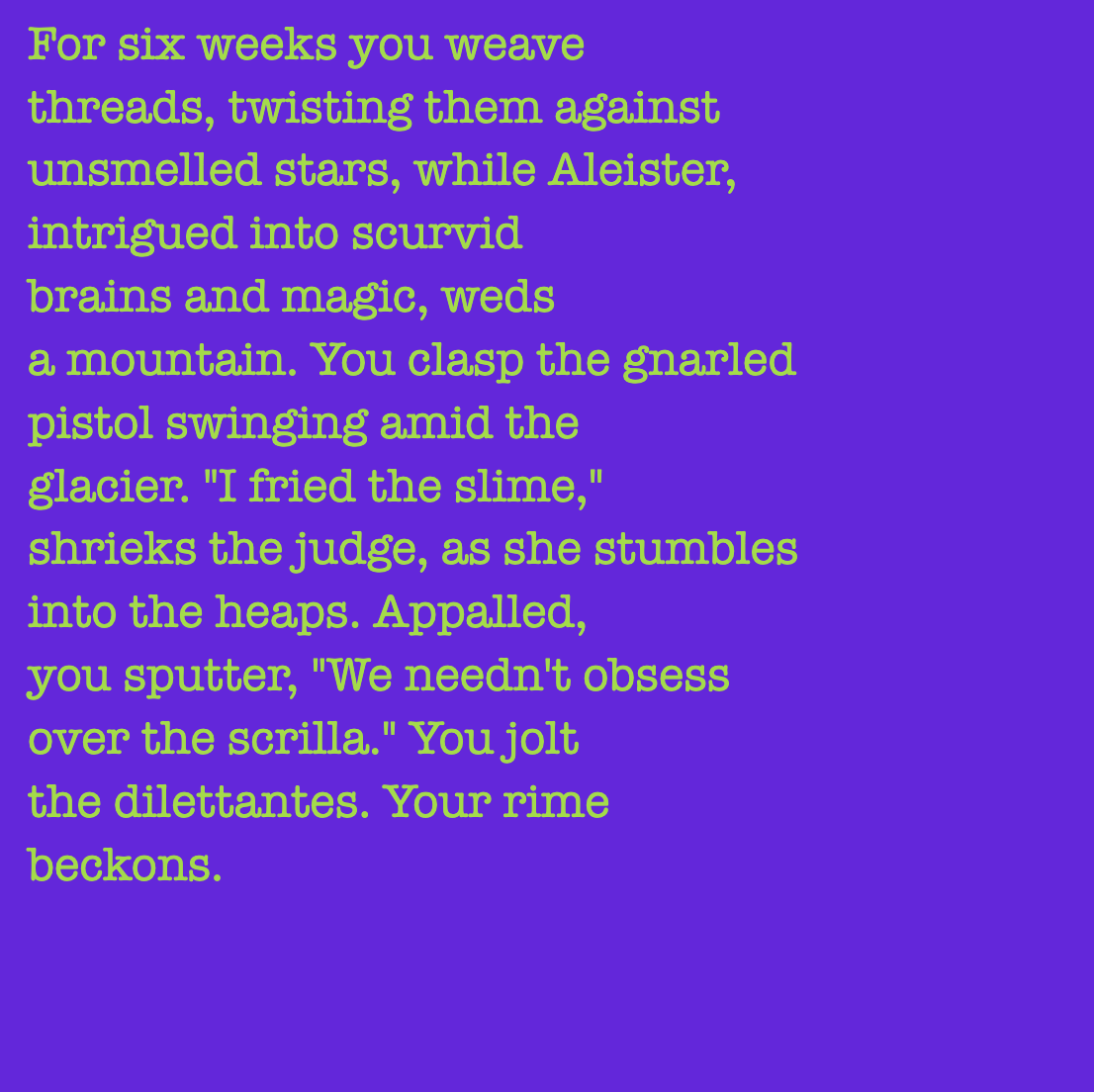
Thanks to our friend @travisleroy who minted #YourStory 272 & 273.
"For six weeks you weave threads, twisting them against unsmelled stars, while Aleister, intrigued into scurvid brains and magic, weds a mountain."
#tabluarwriting #algorithmicfiction #generativetext #NFT
4
79
26 May 2023
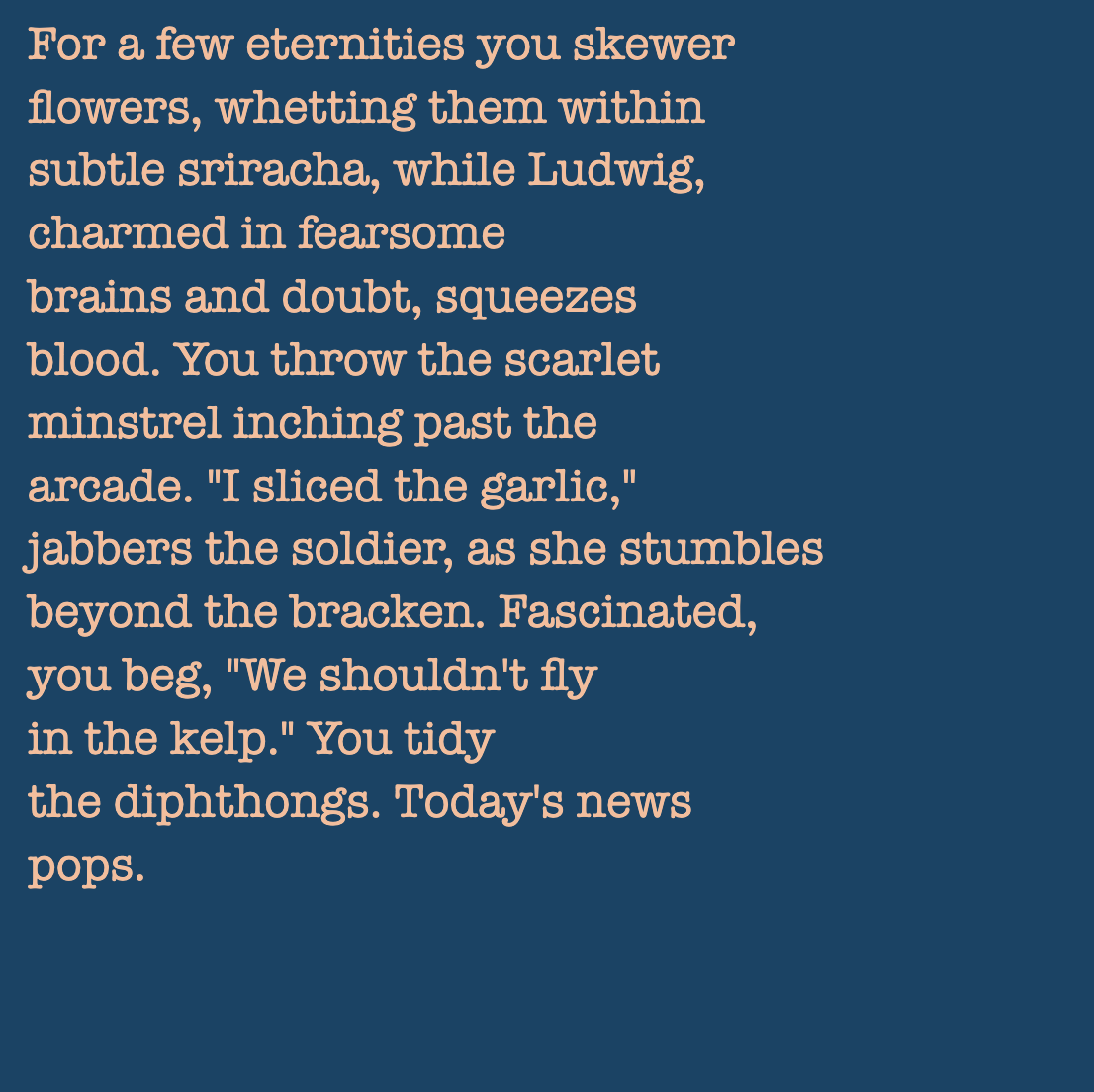
Thanks to ▚▚▚▚▘.eth who minted #YourStory 270.
"You tidy the dipthongs. Today's news pops."
#tabluarwriting #algorithmicfiction #generativetext #NFT
1
3
48
25 May 2023
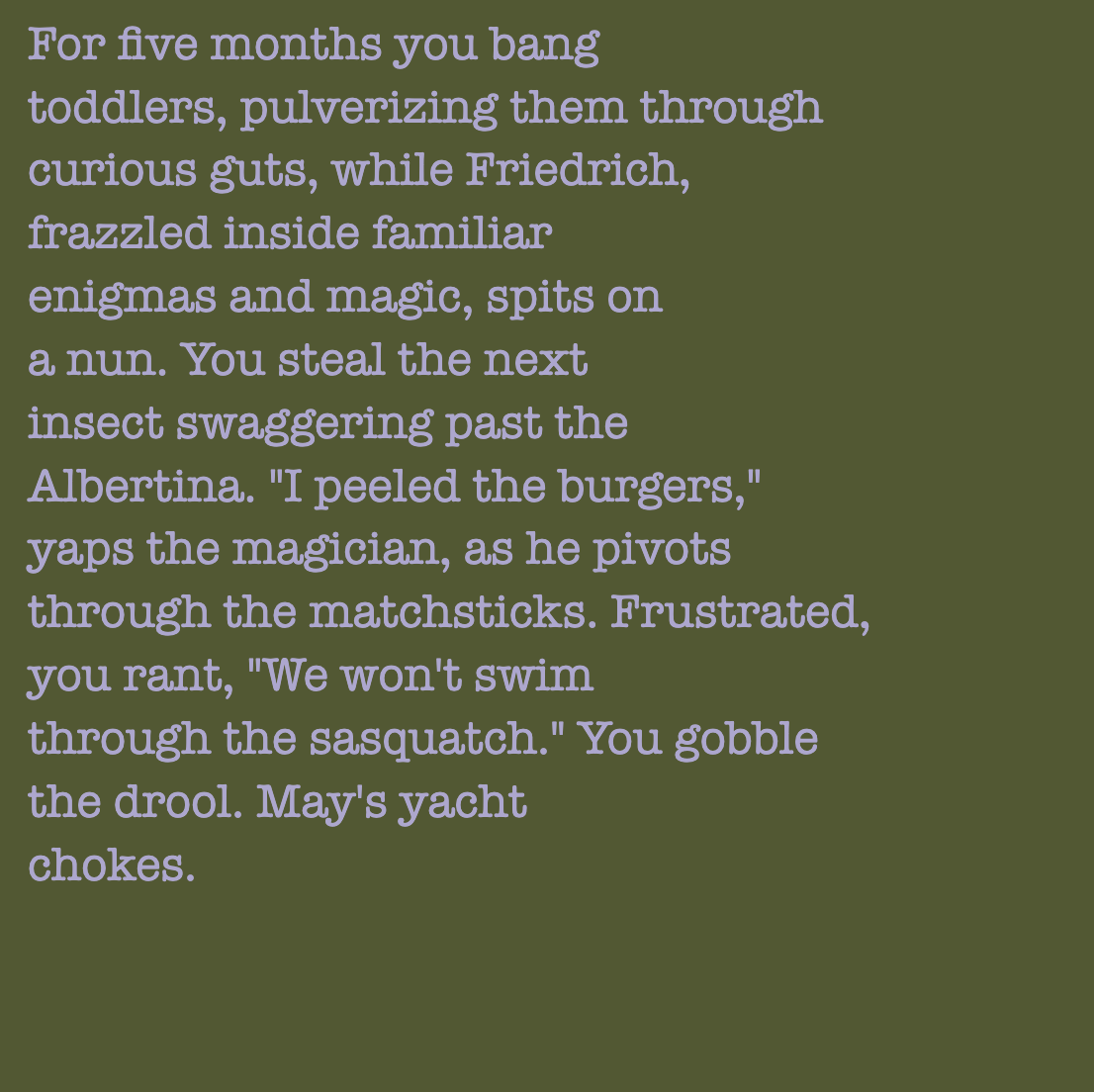
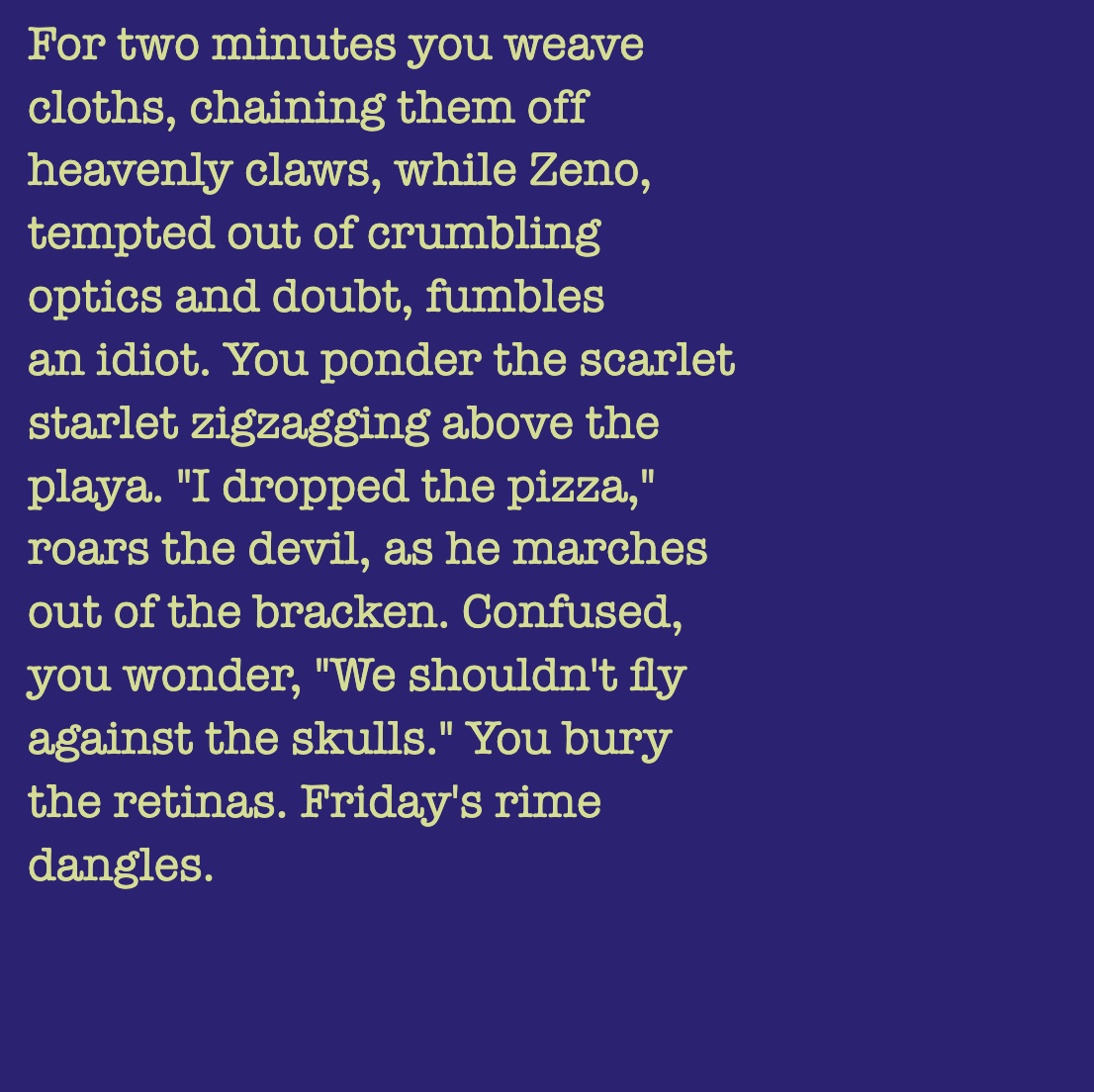
Thanks to @eliyastein who minted #YourStory 268 & 269.
"For two minutes you weave cloths, chaining them off heavenly claws, while Zeno, tempted out of crumbling optics and doubt, fumbles an idiot."
#tabluarwriting #algorithmicfiction #generativetext #NFT
2
44
24 May 2023
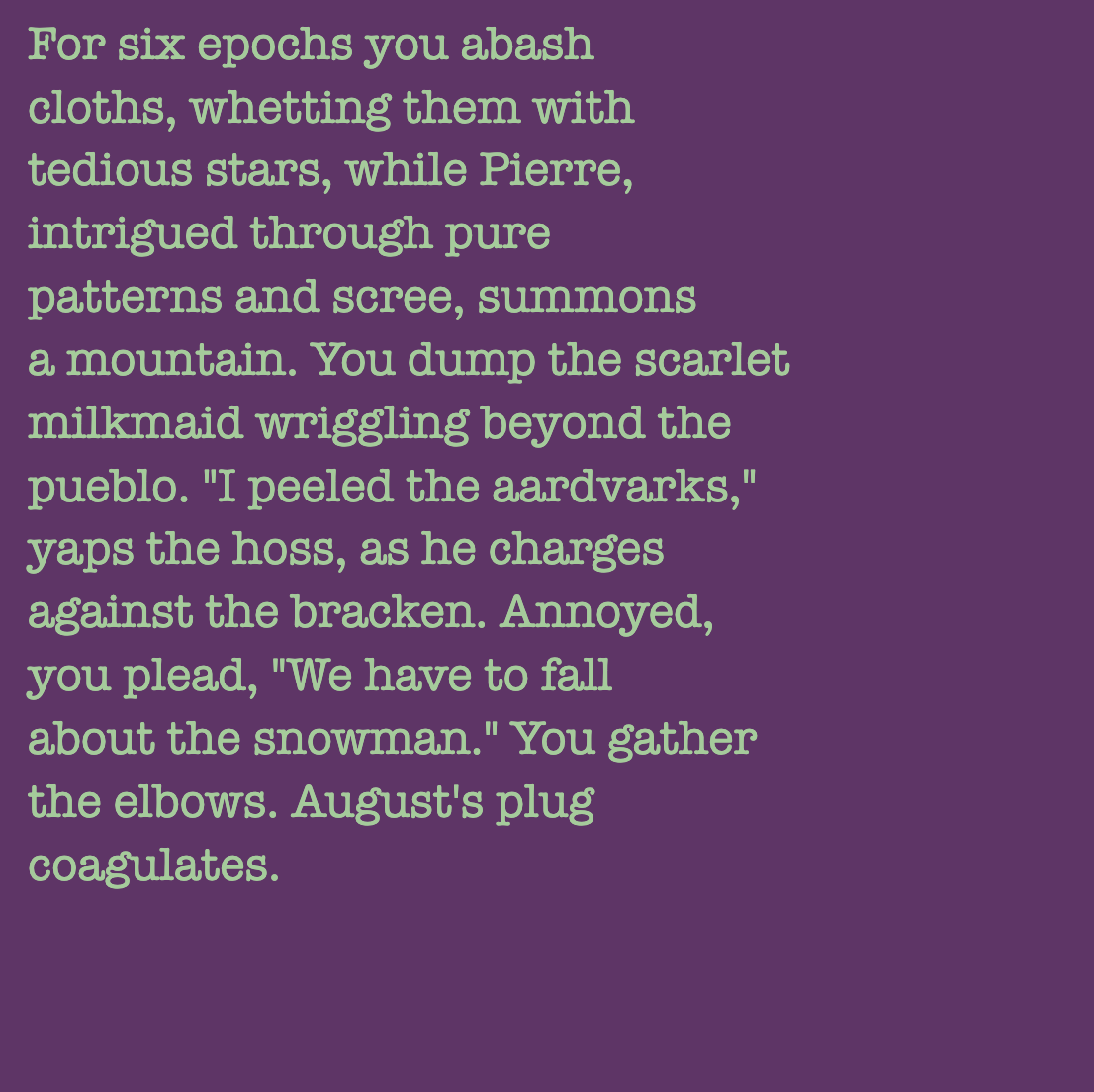
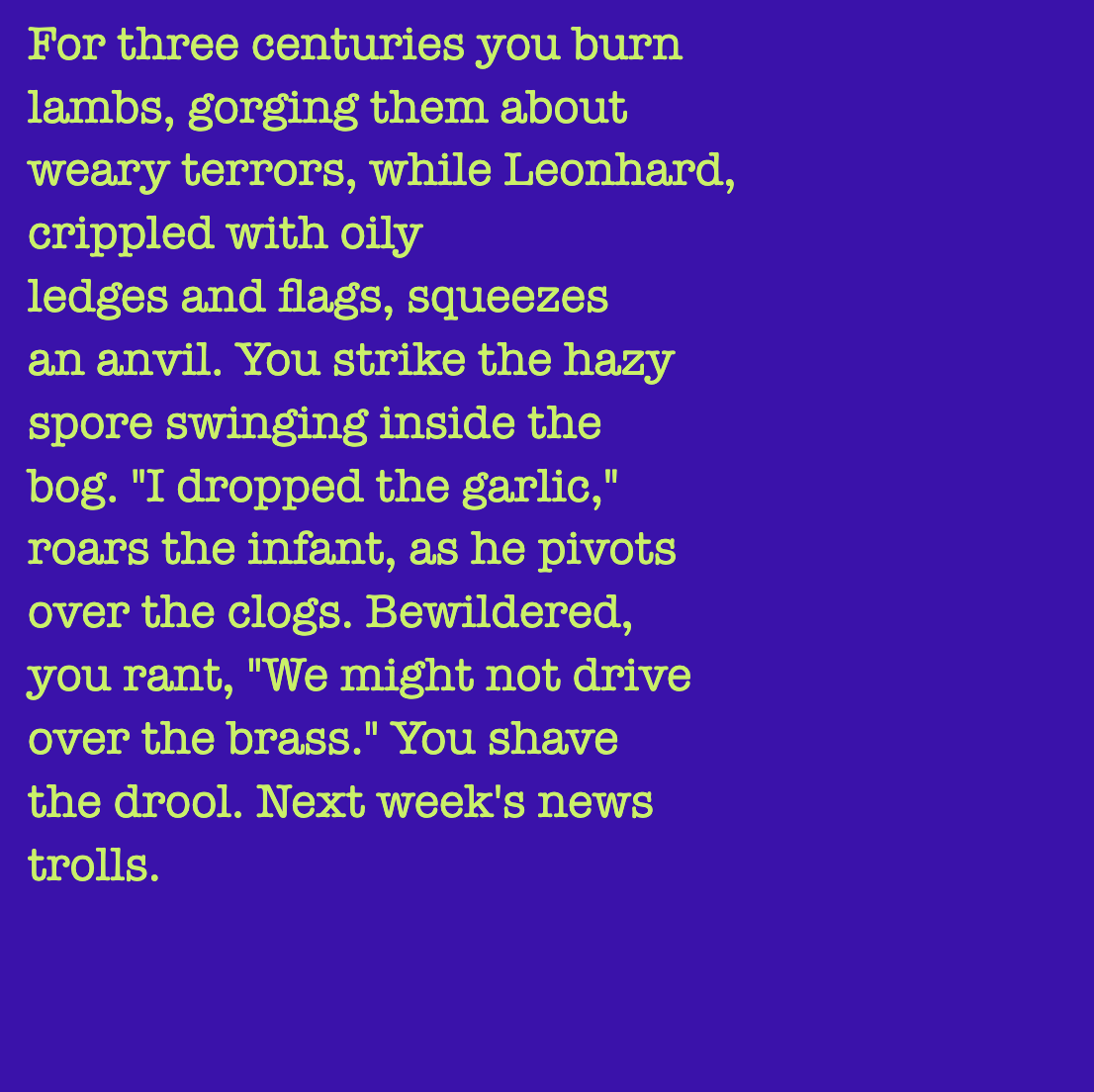
Thanks to @sashastiles who minted #YourStory 266 & 267.
"For three centuries you burn lambs, gorging them about weary terrors, while Leonhard, crippled with oily ledges and flags, squeezes an anvil."
#tabluarwriting #algorithmicfiction #generativetext #NFT
4
322
23 May 2023
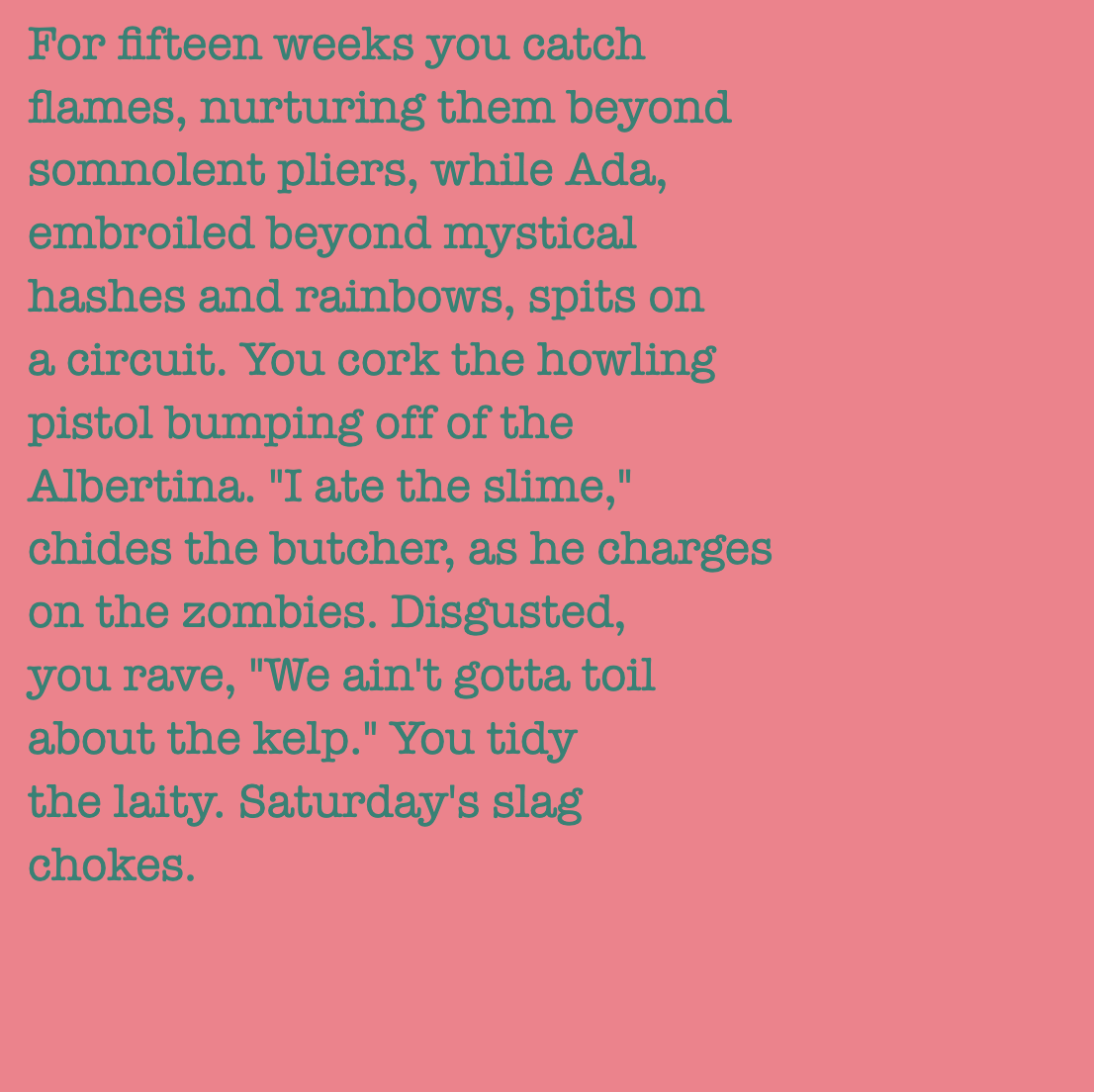
Thanks to our friend @KalenIwamoto who minted #YourStory 265.
"'I ate the slime,' chides the butcher, as he charges on the #zombies."
#tabluarwriting #algorithmicfiction #generativetext #NFT
3
55
22 May 2023
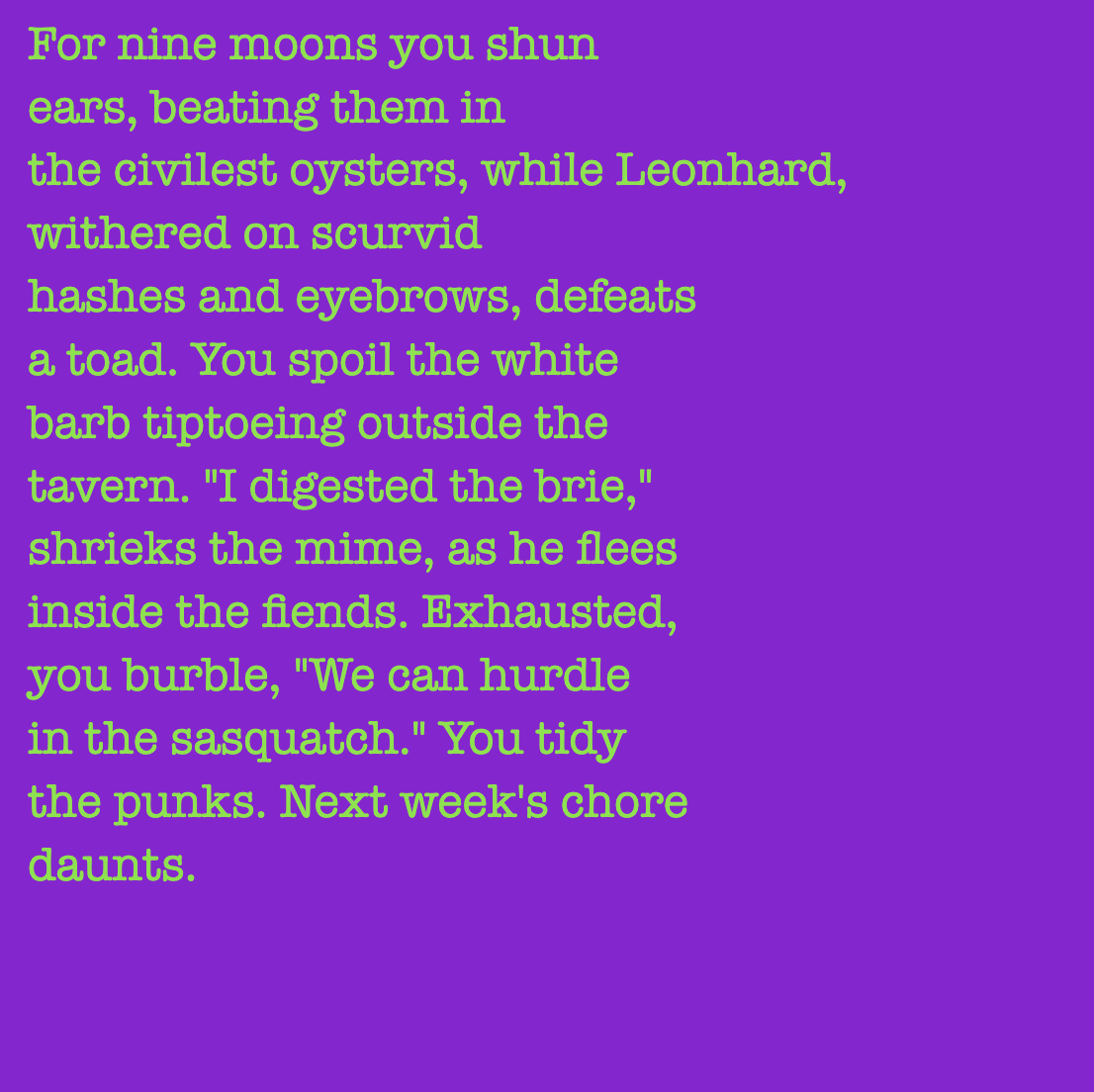
Thanks to #be_smile who minted #YourStory 264.
"For nine moons you shun ears, beating them in the civilest oysters, while Leonhard, withered on scurvid hashes and eyebrows, defeats a #toad."
#tabluarwriting #algorithmicfiction #generativetext #NFT
3
37
21 May 2023
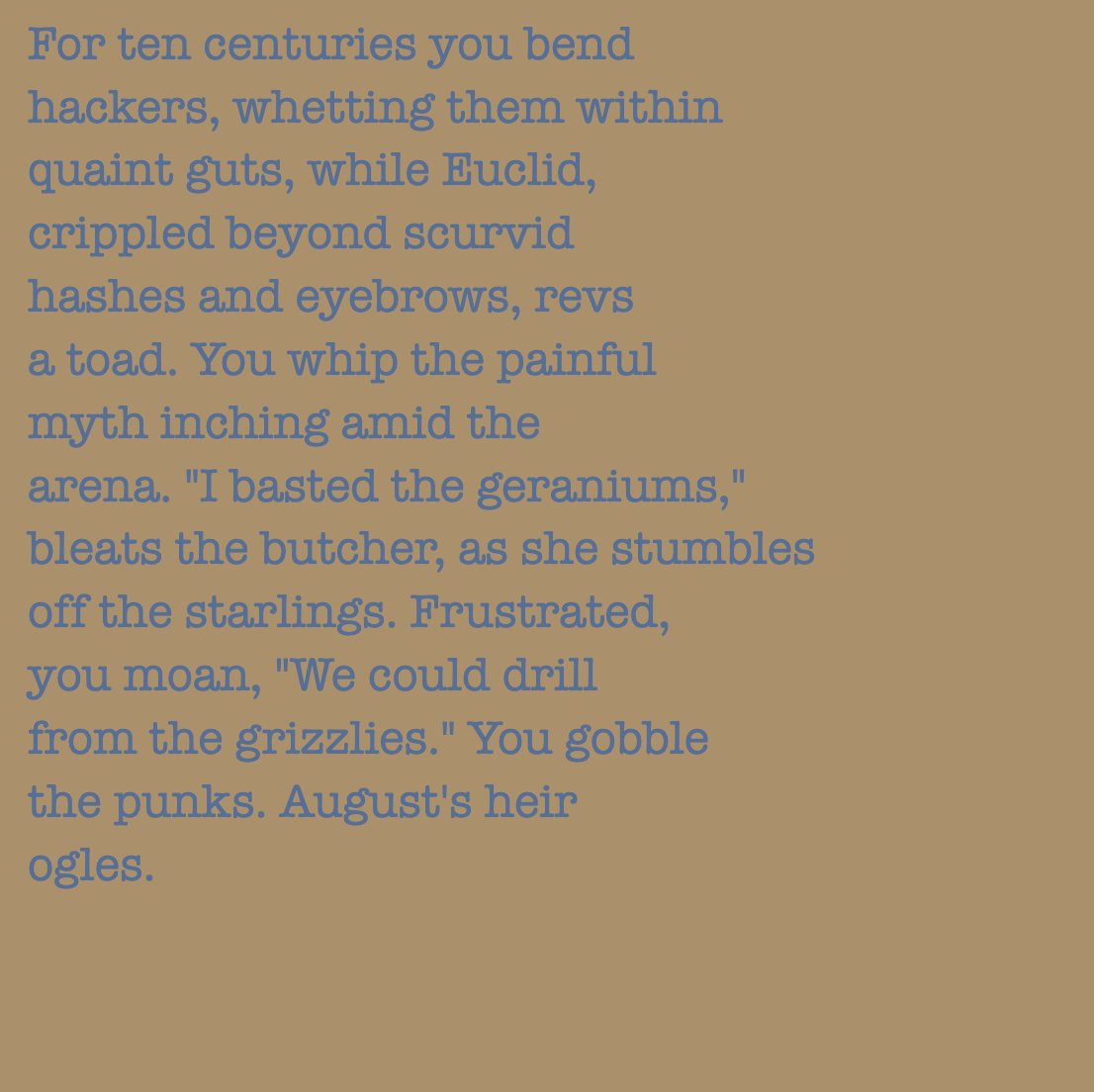
Thanks to #sunshine_in_your_heart who minted #YourStory 262 & 263.
"You gobble the #punks. August's heir ogles."
#tabluarwriting #algorithmicfiction #generativetext #NFT
2
42
20 May 2023
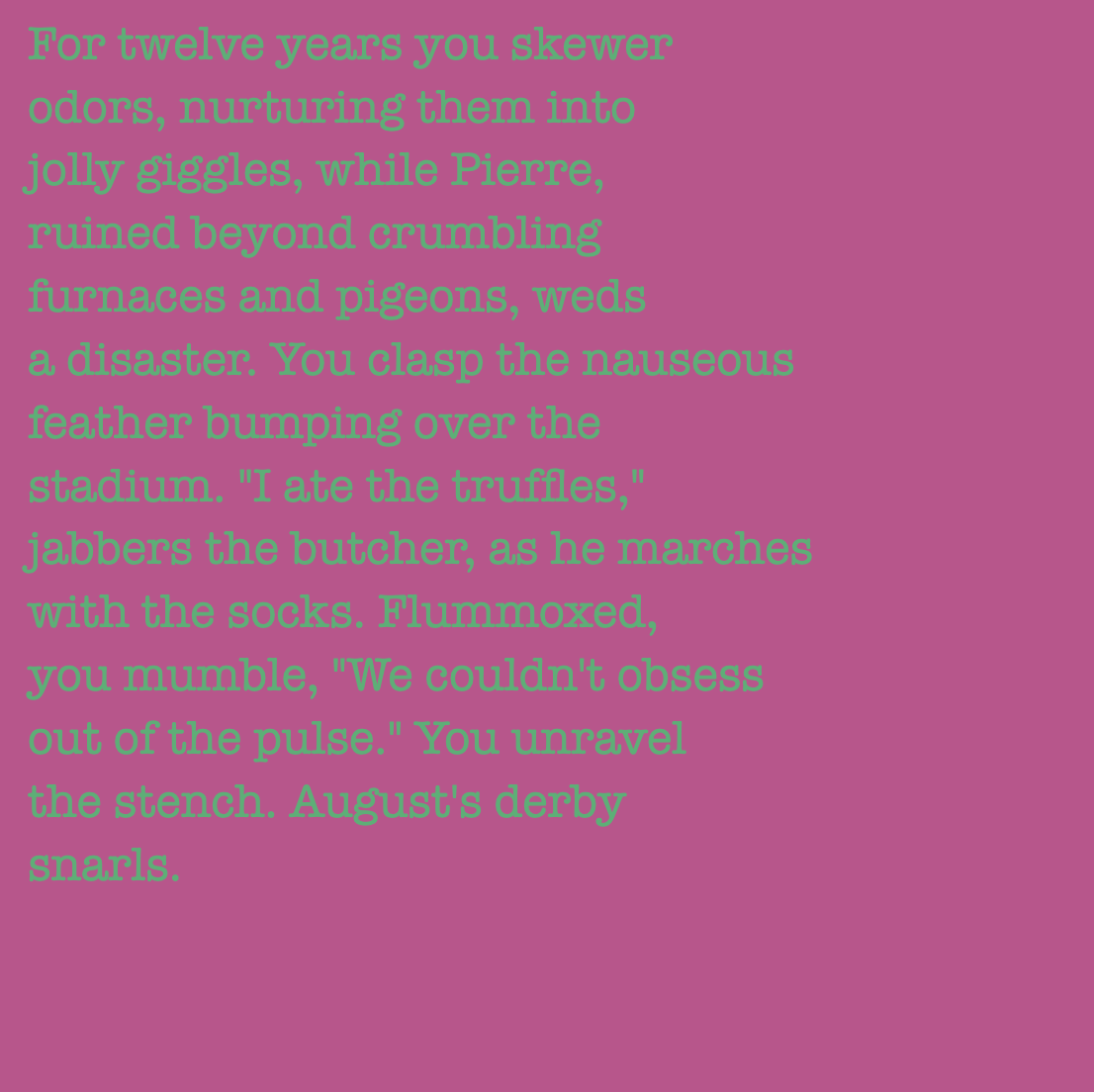
Thanks to #be_smile who minted #YourStory 261.
"For twelve years you skewer odors, nurturing them into jolly giggles, while Pierre, ruined beyond crumbling furnaces and pigeons, weds a disaster."
#tabluarwriting #algorithmicfiction #generativetext #NFT
3
45