
AKSES & FASILITAS (SUPER LENGKAP!)
5 menit ke Tol JORR TB Simatupang
5 menit ke RSUD Pasar MInggu, RS Fatmawati, RS Marinir, RS Mayapada & Siloam
10 menit ke Citos, MRT, RS Fatmawati
20 menit ke Al-Azhar, HighScope
20 menit ke Pondok Indah Mall (PIM)
1
17

Jun 11
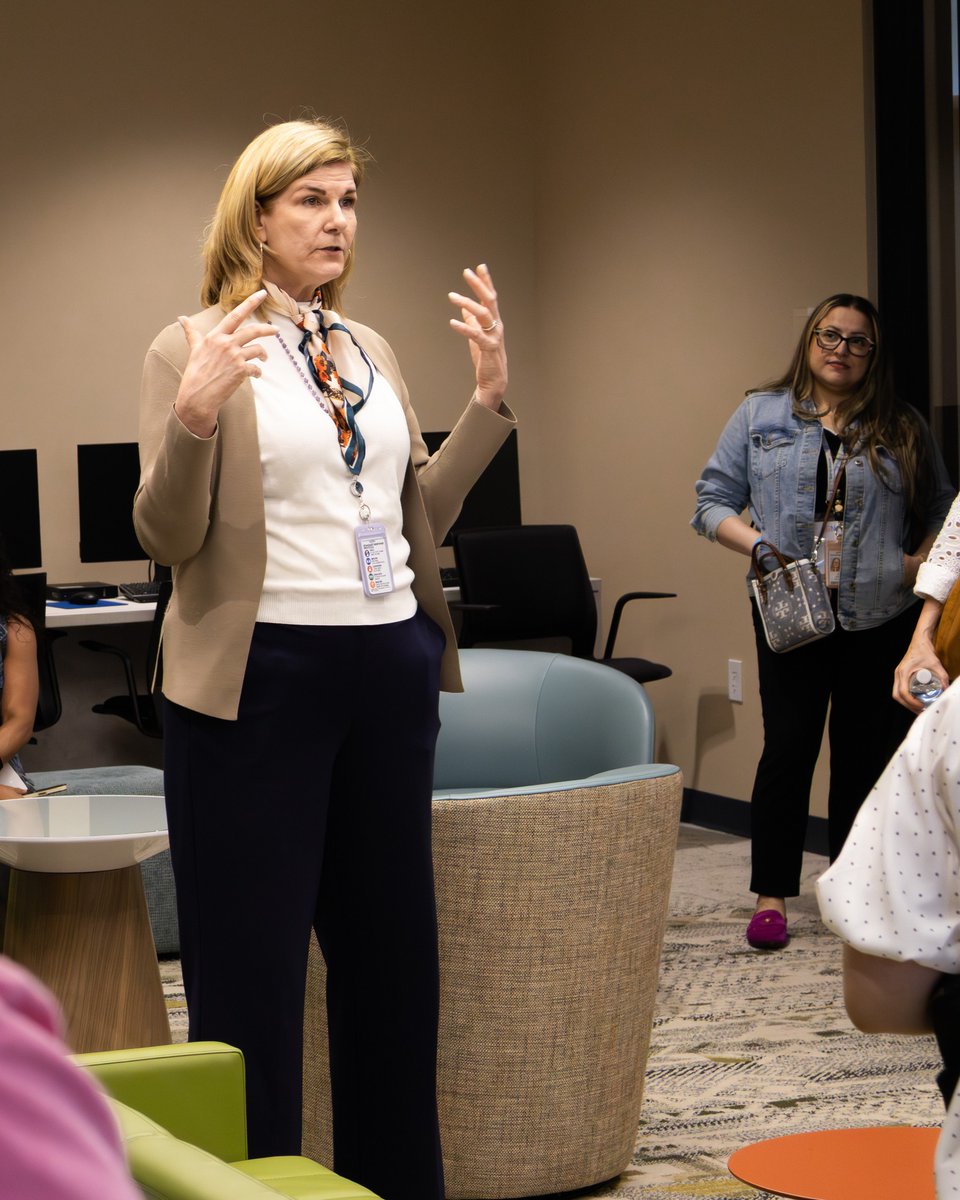
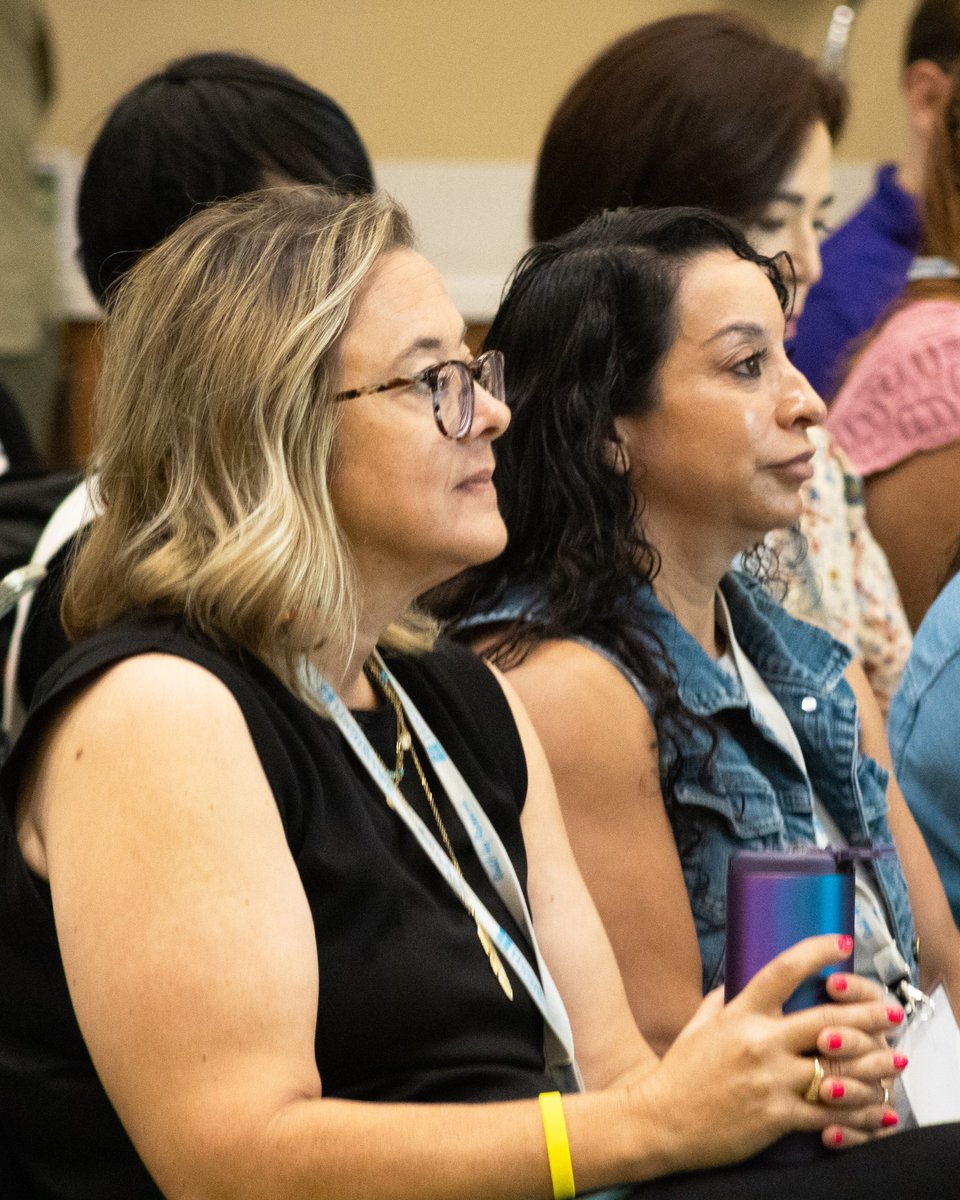
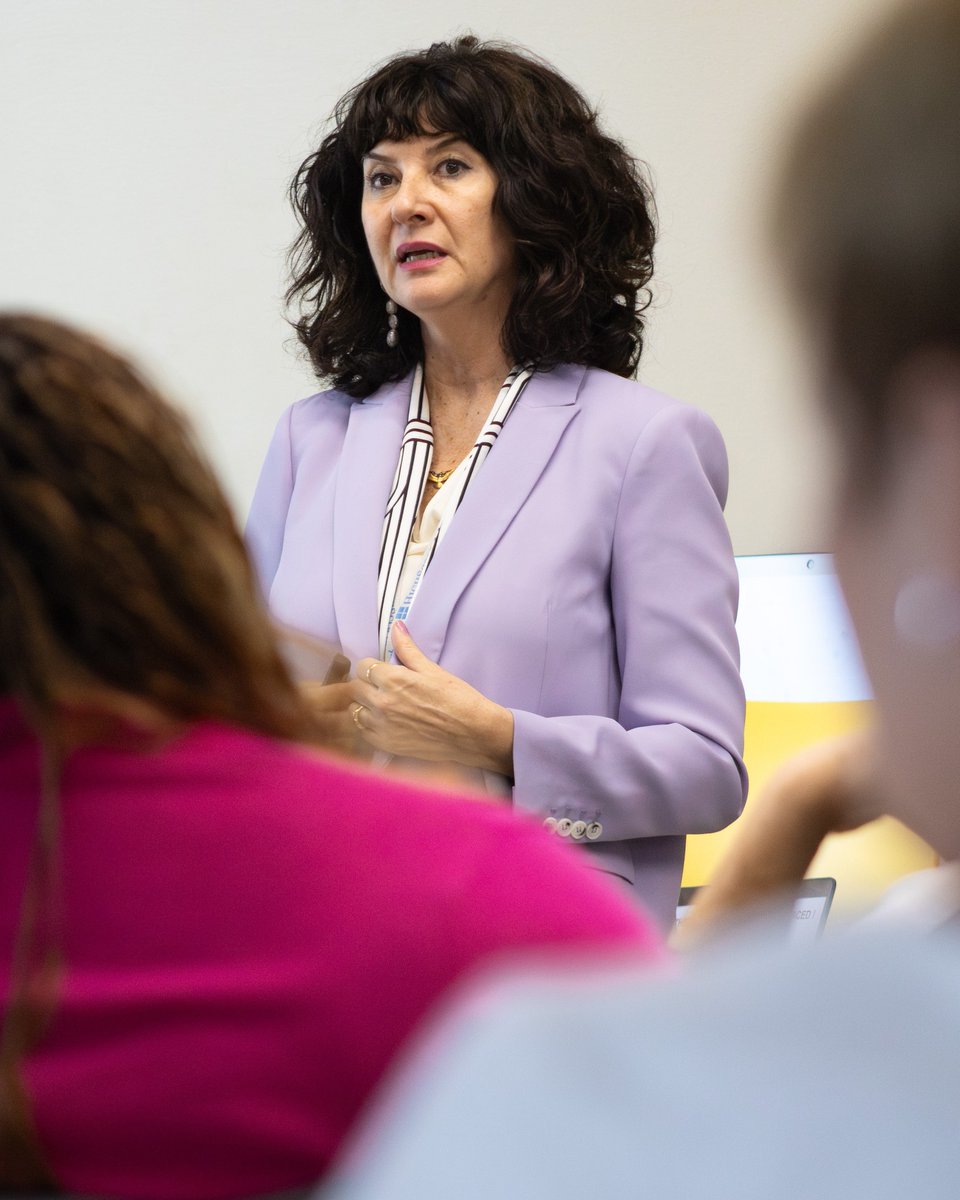
We were proud to open our doors for the HighScope IGNITE Leadership Conference at our South Center! ✨ Welcoming early learning leaders for a gathering centered on shared purpose allows #Prek4SA to be a part of the important work happening behind the scenes.
📸: @HighScopeUS

1
1
42

Ever wonder how #MVCDC helps children learn and grow?
We believe that play‑based learning is a powerful tool for early development. Through the HighScope curriculum, children engage in hands‑on experiences that strengthen problem‑solving and encourage thoughtful decision‑making.

1

Jun 6
🚨 Di Indonesia, anak 2 tahun bisa membaca dianggap jenius. Padahal bisa jadi itu gejala salah kaprah pendidikan yang kita rayakan bersama-sama.
Banyak orang tua bangga anaknya sudah bisa calistung sejak dini. Bahkan rela keluar biaya besar untuk bimbel membaca, menulis, dan berhitung bagi anak prasekolah.
Masalahnya: riset internasional justru memberi peringatan serius.
Sebastian Suggate menunjukkan keunggulan membaca dini sering tidak bertahan lama.
David P. Weikart melalui HighScope memperingatkan bahaya direct instruction terlalu dini bagi perkembangan sosial-emosional.
David Elkind menyebutnya fenomena The Hurried Child: anak dipaksa dewasa sebelum waktunya.
Pasi Sahlberg menunjukkan Finlandia tidak tergesa-gesa mengajarkan membaca formal sebelum anak matang.
Rebecca Marcon menemukan pendekatan akademik terlalu dini tidak lebih unggul dibanding pendekatan berbasis bermain dan perkembangan anak.
Yang dibutuhkan anak usia dini bukan drilling huruf dan angka, tetapi bahasa, cerita, dialog, bermain, imajinasi, emosi yang sehat, dan rasa ingin tahu.
Kita sedang salah membaca kecerdasan.
Anak kecil yang cepat calistung belum tentu lebih cerdas. Bisa jadi ia hanya lebih cepat dipaksa.
Baca artikelnya:
jurnas.com/artikel/1659872/v…
#Calistung #PendidikanAnakUsiaDini #PAUD #LiterasiAnak #DigitalStorytelling #VoxPointIndonesia #SebastianSuggate #DavidElkind #PasiSahlberg #RebeccaMarcon #HighScope #PendidikanIndonesia
5
18
56
1,141

Jun 3
Cucunya Beliau, Antarina S.F. Amir, bikin sekolah malah maju tuh: Highscope
2
3
411

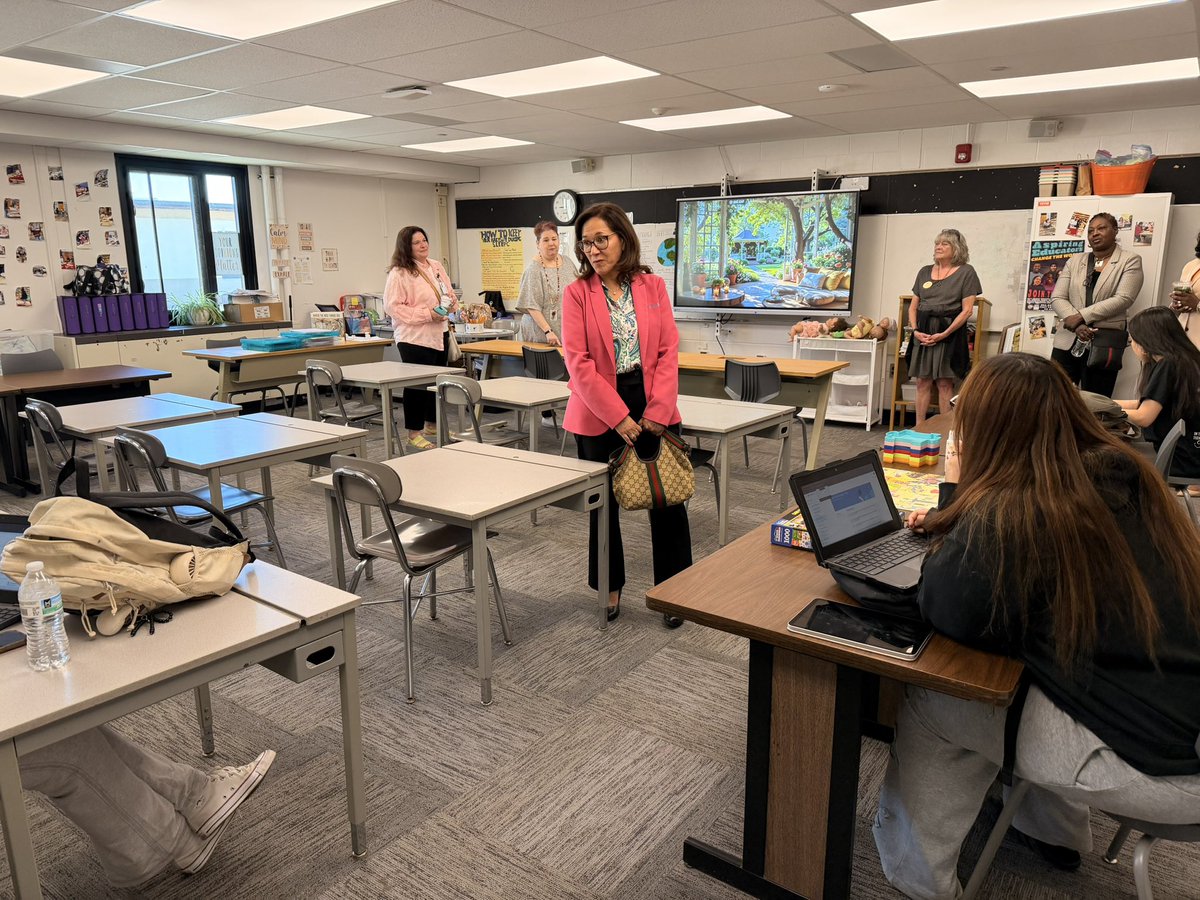
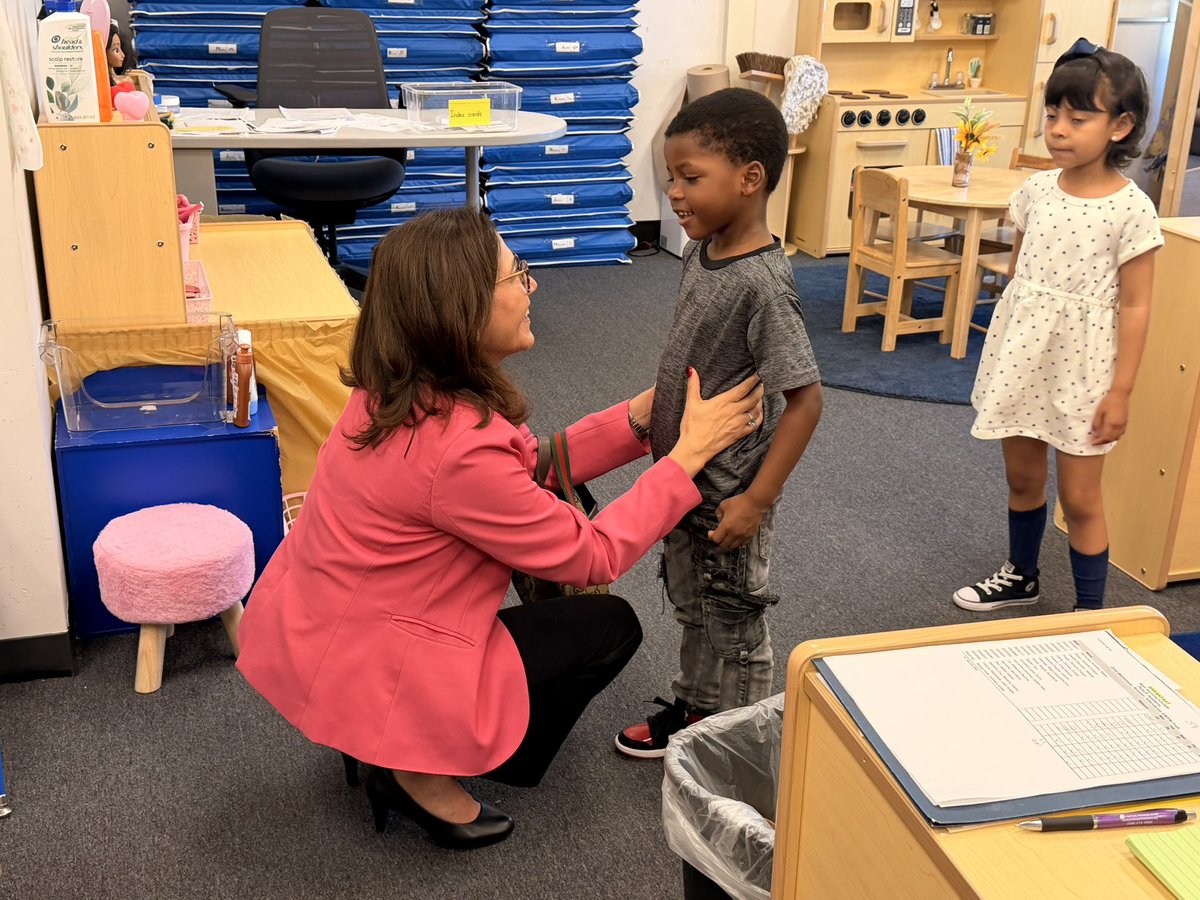
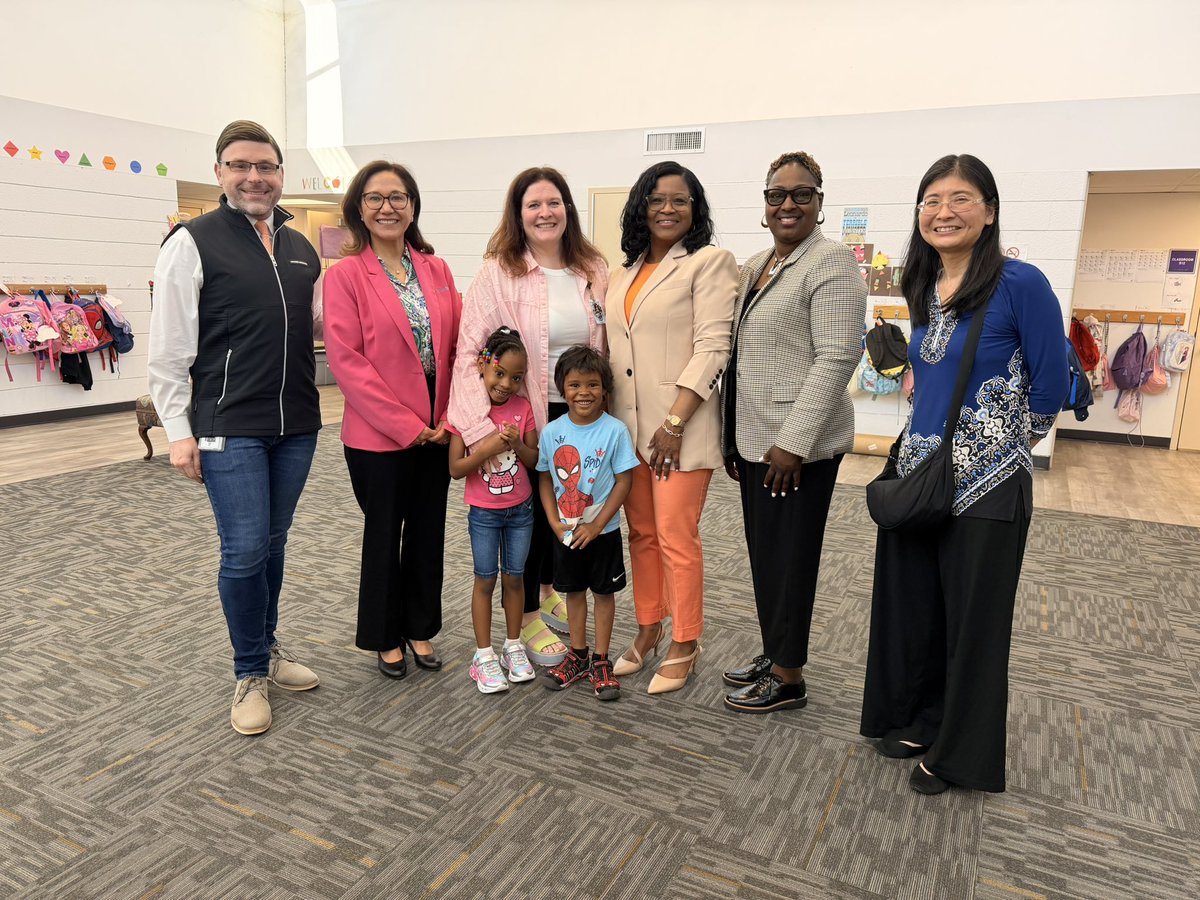
Today, we had the opportunity to host Dr. Alejandra Barraza, President & CEO of @HighScopeUS International, based in Ypsilanti. HighScope is an internationally recognized early childhood education curriculum, which is used all over the world, including at PEACE Academy in the district.
Dr. Barraza met with some of the students in the Early Childhood Education program in partnership with Oakland University at Pontiac High School before dropping in on some classrooms over at PEACE Academy!
We are so thankful to Dr. Barraza and her team at HighScope for their partnership, and we look forward to continuing to build up our early childhood education programming, whether is continuing to support our “Little Phoenix”, or our next generation of early childhood teachers as part of our CTE Program! @PontiacSchools
76

May 25
bingung banget mau sekolahin anak di sampoerna academy atau highscope
1
3
398

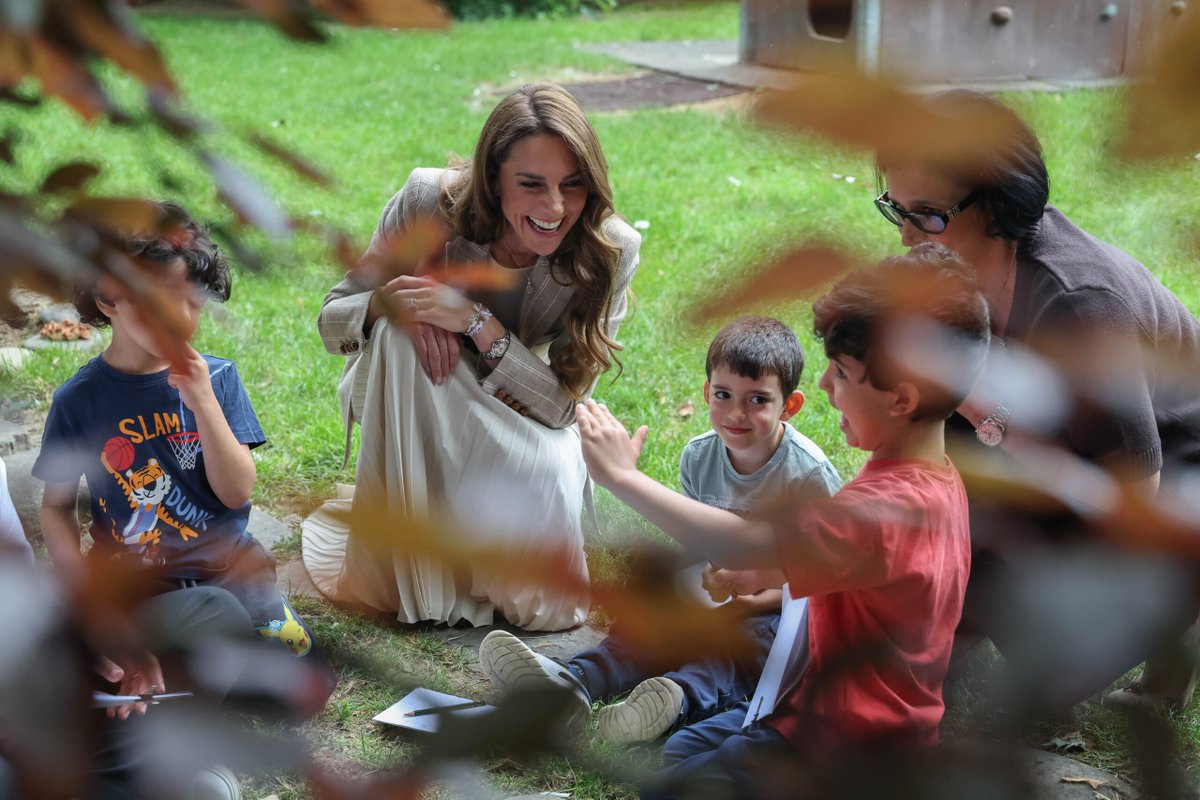
There are some fabulous education systems that exist for EC: Montessori, Reggio Emilia, HighScope & Waldorf/Steiner. The lack of large-scale, randomised controlled trials has left a significant gap in rigorous empirical data across different early childhood education approaches.
1
17
87
1,137


Canada's HighScope Curriculum in early childhood education is based on the same principle. We pioneered H/S in childcare centres 15 years ago. But China took a step further.
2
4
102


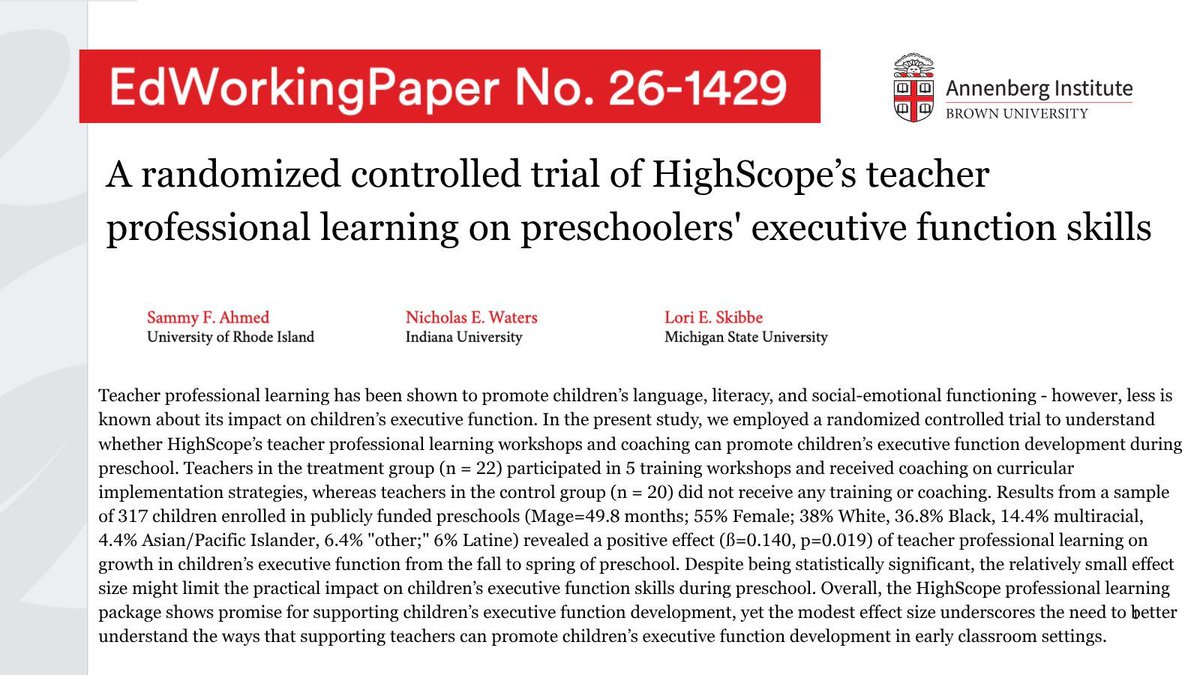
📢 #EdWorkingPapers: In a randomized controlled trial of 317 preschoolers, @sammy_f_ahmed & colleagues find that HighScope training and coaching for teachers led to small but statistically significant gains in executive function.
📄 edworkingpapers.com/ai26-142…
1
214

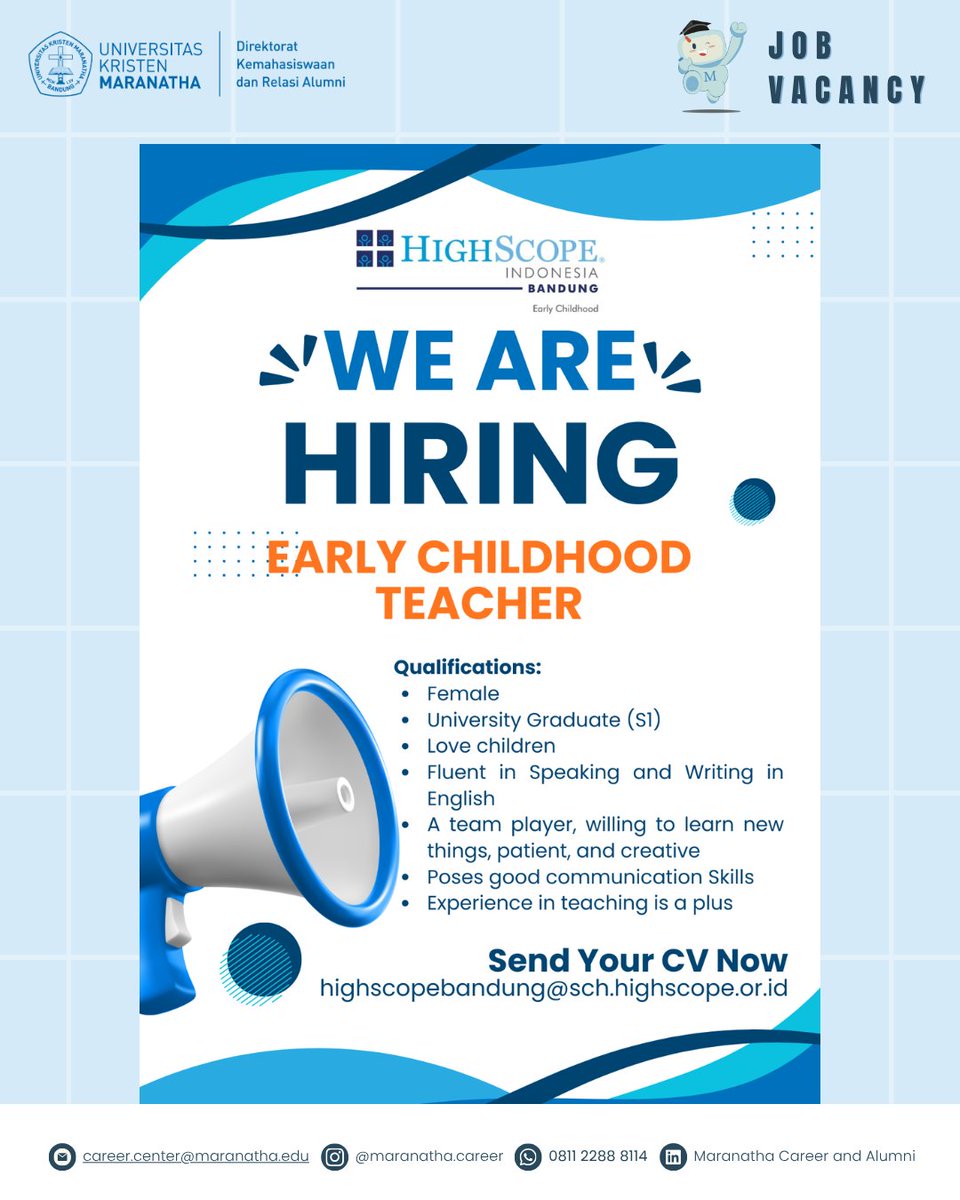
[JOB VACANCY - Sekolah HighScope Bandung]
Early Childhood Teacher
Send your CV to highscopebandung@sch.highscope.or.id
Untuk informasi lowongan kerja, follow sosial media kami
@maranatha.career
#alumnimaranatha #lowonganpekerjaan #lokerterbaru #jobvacancy #hiring
109


May 2
Pernah dengar kalau salah seorang cucunya Ki Hajar Dewantara adalah founder sekolah HighScope di Indonesia ya, memang tidak melanjutkan warisan Taman Siswa.
2
380

Randomised Controlled Trials and Long-Term Cohort Studies:
García, Heckman & Ronda (2023) — Journal of Political Economy / NBER WP. HighScope Perry Preschool Project (1962–1967, follow-up to age 54). Documented lasting cognitive gains through age 54, improved marriage stability, higher earnings, reduced criminal behaviour, and intergenerational transmission of benefits to participants' own children.
Campbell et al. (2014) — Science. Abecedarian Project (intensive intervention from birth to age 5, follow-up to mid-30s). Participants showed substantially lower rates of hypertension and metabolic syndrome in their mid-30s. No males in the treatment group exhibited metabolic syndrome. Health benefits persisted three decades after the intervention ended.
Campbell et al. (2012). Abecedarian Project (age 30 follow-up). Treated participants had significantly more years of education, higher employment rates (30% higher for males), lower rates of crime and welfare use, fewer teen pregnancies, and better social-emotional adjustment.
Reynolds et al. (2011) — Science. Chicago Child-Parent Centers (school-based preschool, sustained to age 9, follow-up to age ~28–30, n > 1,400). Effects on educational attainment, socioeconomic status, job skills, health insurance coverage, and reduced substance abuse, crime, and incarceration persisted into the third decade of life.
Reynolds et al. (2018) — JAMA Pediatrics. Chicago Child-Parent Centers extended model (preschool to third grade). 4–6 years of participation associated with 48% higher postsecondary degree completion at midlife (age 35), with linear gains by duration and strongest benefits for disadvantaged households.
Ou & Reynolds (2005). Chicago Child-Parent Centers (age 22 follow-up). Participation predicted educational attainment via cognitive advantage, family support, and school continuity pathways.
Varshney et al. (2022). Chicago Child-Parent Centers (age 37 follow-up). Participation linked to significantly lower rates of adverse adult health outcomes including smoking and diabetes.
Bustamante et al. (2022) — Child Development. NICHD Study of Early Child Care and Youth Development. More months of high-quality early childhood education reduced income-based disparities in college graduation and wages at age 26, with the largest benefits for low-income children.
McCoy et al. (2017) — Educational Researcher. Meta-analysis of 22 high-quality early childhood education studies (1960–2016). Statistically significant reductions in special-education placement and grade retention, and increases in high-school graduation, with effects often larger or stable at longer follow-up.
Population-Level and Natural Experiment Evidence:
Sigfúsdóttir et al. & Planet Youth evaluations (1998–2024). Icelandic Prevention Model (national community policy on parenting, leisure, school, and norms). Over 20 years of data: 50 to 70% sustained reductions in youth substance abuse, improved mental health and positive behaviours at population level, holding through adolescence into young adulthood.
Hayre et al. (2025). Sure Start UK (national area-based early-years policy). Reductions in hospitalisations, accidental injury, and obesity prevalence persisting into older childhood and adolescence.
Carneiro et al. (2025). Sure Start UK. Improvements in GCSE attainment, school behaviour, and reduced special-educational-needs support persisting into adolescence, with estimated lifetime earnings gains exceeding programme costs.
Ansari et al. (2018). Large-scale US preschool persistence study (ECLS-K cohort). Attendees showed consistently better achievement-test performance from age 5 through early adolescence.
Dietrichson et al. (2018). Systematic review of 26 natural-experiment studies on universal preschool programmes across Europe. Average beneficial effects on school progression, years of schooling, employment, and earnings into adulthood.
National Policy Natural Experiments:
Finland Comprehensive School Reform (1970s onward). Delayed tracking and unified comprehensive schooling. Upper-secondary completion rose from ~30% to over 80%. Health disparities and adult mortality fell. PISA leadership sustained across generations.
Sweden Universal Childcare Reform (1975 onward). Free or subsidised preschool for ages 1 to 6. Reduced mental disorders in primary school, especially for low-income children. Population-level gains in health, school progression, and reduced SES and gender gaps persist into adulthood.
UK Raising of School Leaving Age, RoSLA (1972). Compulsory schooling extended from 15 to 16. Natural experiment data shows 0.3% drop in property crime per extra year of schooling, improved adult health and mortality, and raised earnings, with effects persisting decades later.
National Iodine Fortification / Salt Iodisation (US 1920s onward). Large-scale public health policy in iodine-deficient regions raised population IQ by up to 15 points in natural experiments across the US and Switzerland. Prevents mild deficiency that limits full intellectual potential at population scale.
US Clean Air Act / Lead Abatement (1975–1985 leaded gasoline phase-out). 81% drop in blood lead levels. Linked to a 56% decline in violent crime between 1992 and 2002. Associated with better cognitive outcomes, health, and sustained reductions in criminal behaviour persisting into adulthood.
All evidence that sustained environmental investment changes outcomes at scale, not just at the margins, and not just temporarily.
Cope.
1
1
130


Apr 27
Pois nessa parte eu TIRO a highscope justamente por ser ambiente fechado. Muito melhor a visão com a mira natural do rifle.
41