
Feb 28
How to Create Custom Interface in Houdini #houdini #houdinitutorial #tut... youtu.be/imijsD3A1yQ?si=RiWQ… via @YouTube

1
9
375

30 Sep 2025
new tutorial link on bio
#houdini #houdinitutorial #redshift #3d #artwork #render #digitalart #digitalvideo #c4d
6
299

28 Jul 2025
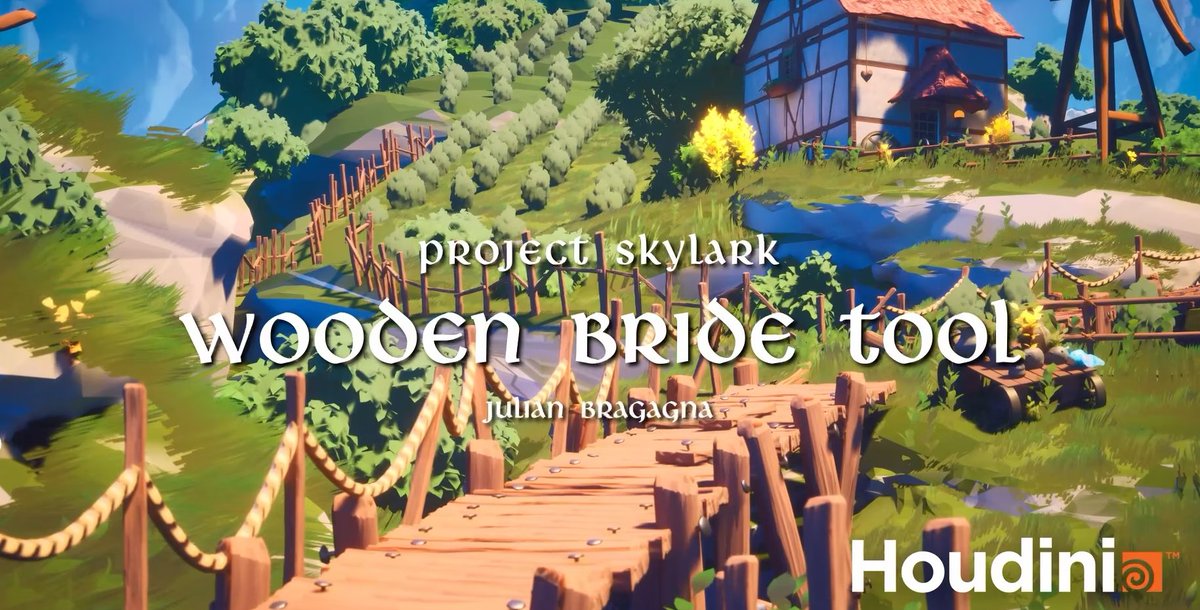
Breakdown and tutorial on the Houdini and Unreal Engine 5. Project Skylark:
sidefx.com/learn-main-menu/t…
#houdinitutorial #unrealenginetutorial #houdini #UnrealEngine5 #UnrealEngine
2
86
26 Jun 2025
🚀 Game dev efficiency boost!
wingfox.com/c/9248_112673_49…
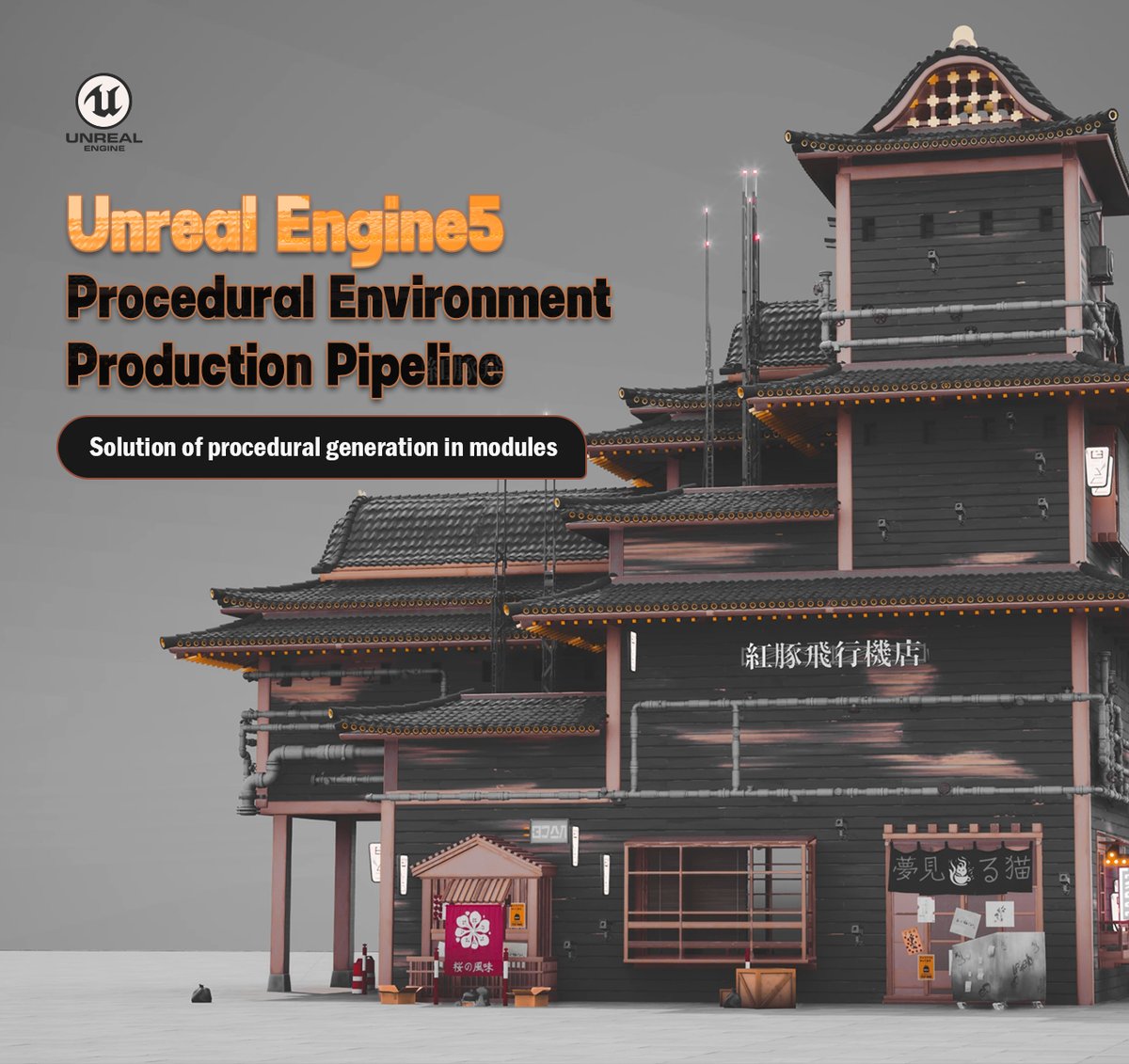
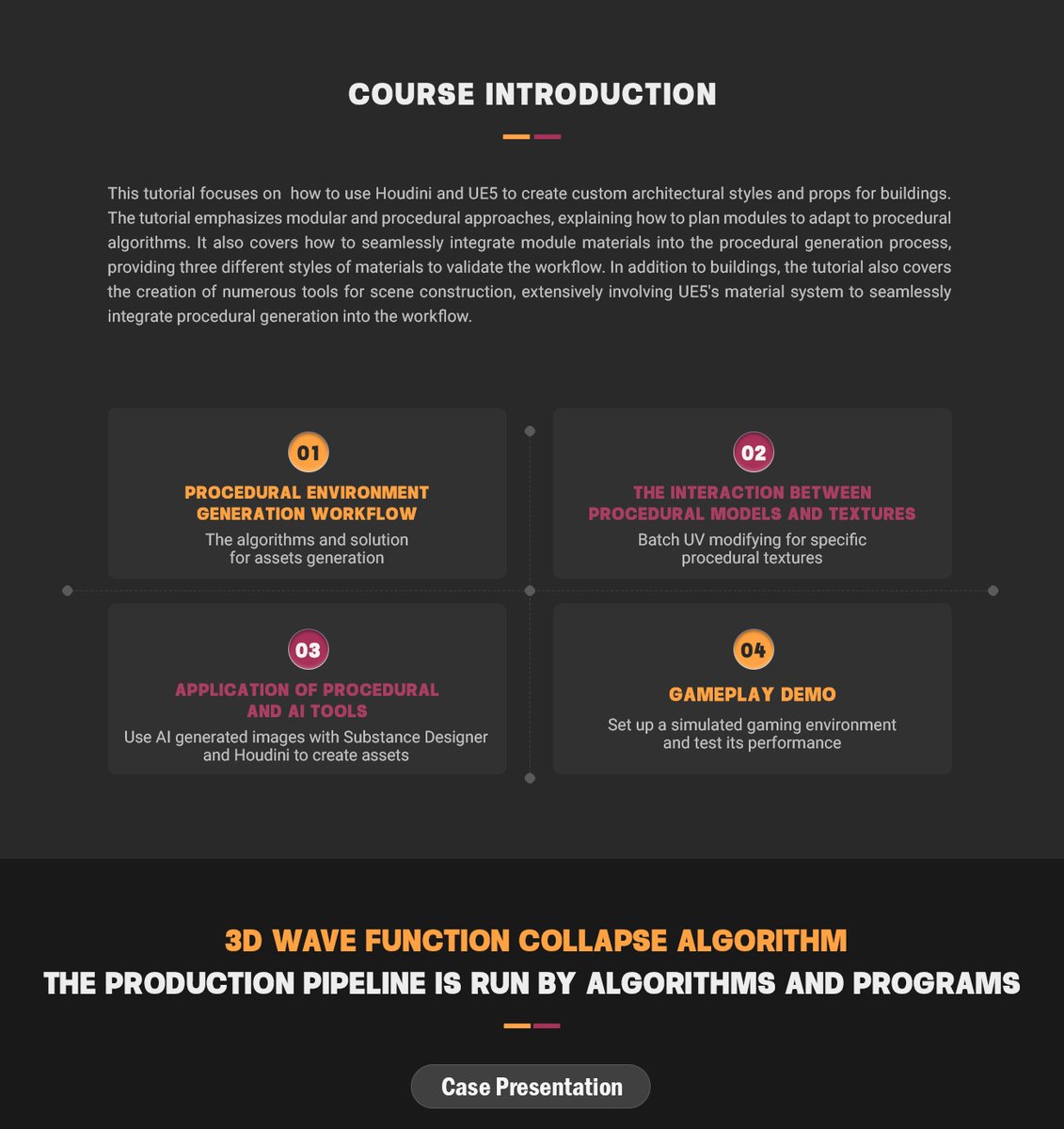
UE5 and Houdini procedural pipeline—Houdini workflows, 3D wave-function collapse, AI tools.
Crush repetitive tasks.
#GameDev #UE5 #proceduralmodeling #ue5utorial #houdinitutorial
2
106
19 Jun 2025
Houdini fx beginner tutorial:
Optimizing Sand Shader in Render View
#houdinitutorial #houdinivfx #houdinifxtutorials
3
106

20 Nov 2024
Houdiniメモ帳 2024.11.20
node:Pyro Source Spread
#Houdini #Houdinimemo #houdinifx #art #cg #cgi #arnold #render #3d #3dart #motiongraphics #love3d #houdinitutorial #3danimation #3Dリソースメモ #Houdiniメモ帳
🧠🧠👁️👀
youtube.com/watch?v=jXGRlK1p…
1
32
1,056
18 Nov 2024
Houdiniメモ帳 2024.11.18 - Dog RUN(Box style)
#Houdini #Houdinimemo
#houdinifx #art #cg #cgi #arnold #render #3d #3dart #motiongraphics #love3d #dog #animal #houdinitutorial #3danimation
#3Dリソースメモ #Houdiniメモ帳
1
3
31
1,940

8 Nov 2024
Tutorial (breakdown)’ish 😁
1. Setup fluid with two densities with the higher density being the top half of the fluid.
2. Simulate with a few added pop forces “if” necessary.
3. Cull a percentage of the Flip points on each density and instance random scale small bubbles.
4. Cull a percentage of the center point of the FLIP sim and instance randomized vellum spheres. Option two is instance random vellum spheres across the sim and simulate a resting state pushing the vellum spheres to the mid point of the fluids and then using that as the start point of the main sim.
5. Test various vellum properties to get your bubbles looking right as you advect the resting vellum sim with the velocities from either both or a single density of the FLIP sim.
6. Enclose the simulation in a box so that you can use redshift to render the bubbles correctly.
7. Rasterize the FLIP sim on top and render that as a volume in redshift.
8. Lots of comping in Nuke and finish!
I hope that helps you get started! ☺️ Happy proceduralism!
#Tutorial #Learning #HoudiniTutorial #Bubbles #Houdini #VFX #HoudiniFX #CGI #3dAnimation #ProceduralArt
1
15
176
5,982

29 Aug 2024
youtube.com/watch?v=FoiIWs8c… Houdini 20.5 COPs 3D vector to UV stamp TUTorial. hip file #houdini #houdinifx #houdini205 #houdiniCOPs #houdinitutorial
1
6
443

1
6
149

10 Aug 2023
🌊 Dive into the world of water explosions with Andrii Zamorskyi! Master #FLIP simulations & more. Chat with the creator on CGCircuit Discord! bit.ly/43TRAhL
#3Dart #HoudiniTutorial #DigitalArt #Flipfluid #ExplosionSimulation #LargeScaleExplosion #NuclearBlast #VFX
1
3
8
1,414

28 Apr 2023
One of my best particles simulation projects, are you looking to master particle simulations like a pro? Visit @rma.fire on Instagram and take your skills to the next level
#particlessimulation #tutorials #houdinitraining #houdinitutorial #3dart #3d #vfxartist #digitalartist
1
1
7
197
31 Mar 2023
I can not decide! All our products are created and designed in the best way to cover all the needs of our subscribers, visit our website and discover everything you can learn, link in bio!!! 💪🏻🐯⚡✨
#tutorials #houdinitutorial #3dmodellingtutorial #vfxtutorial #vfxartist #3d
19
1,865
23 Mar 2023
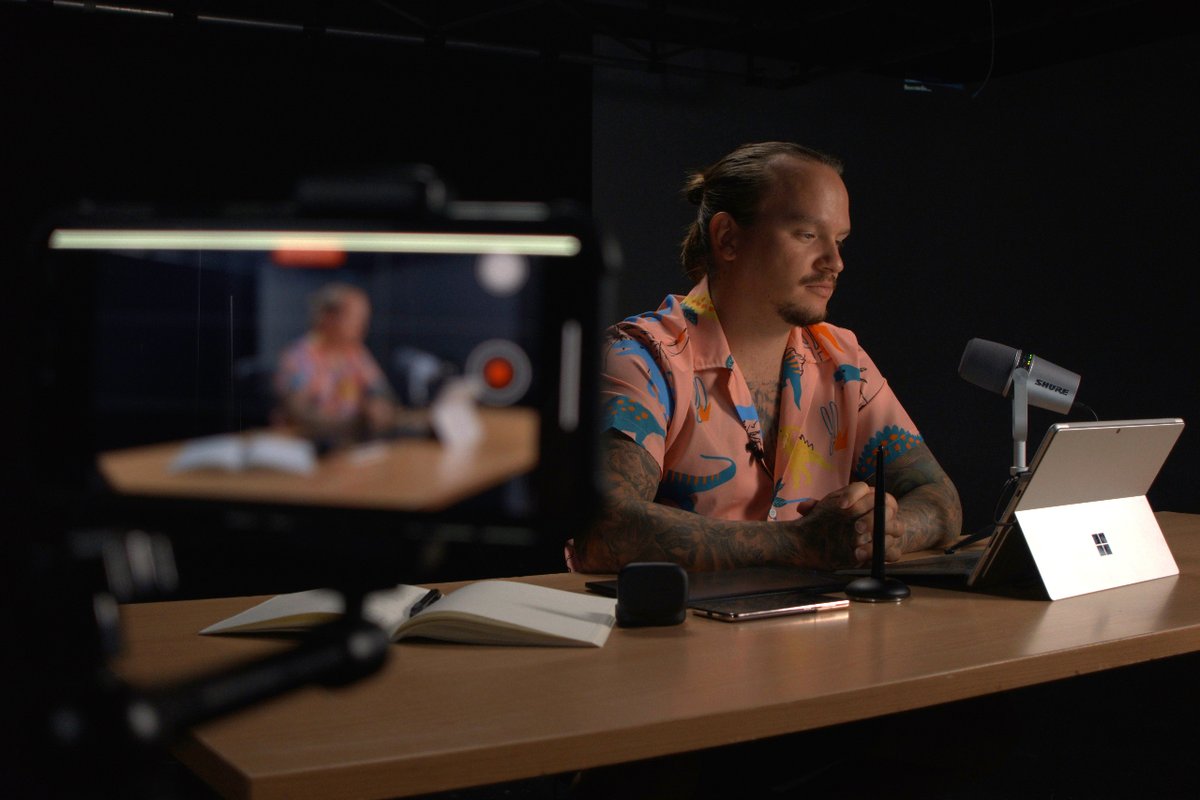
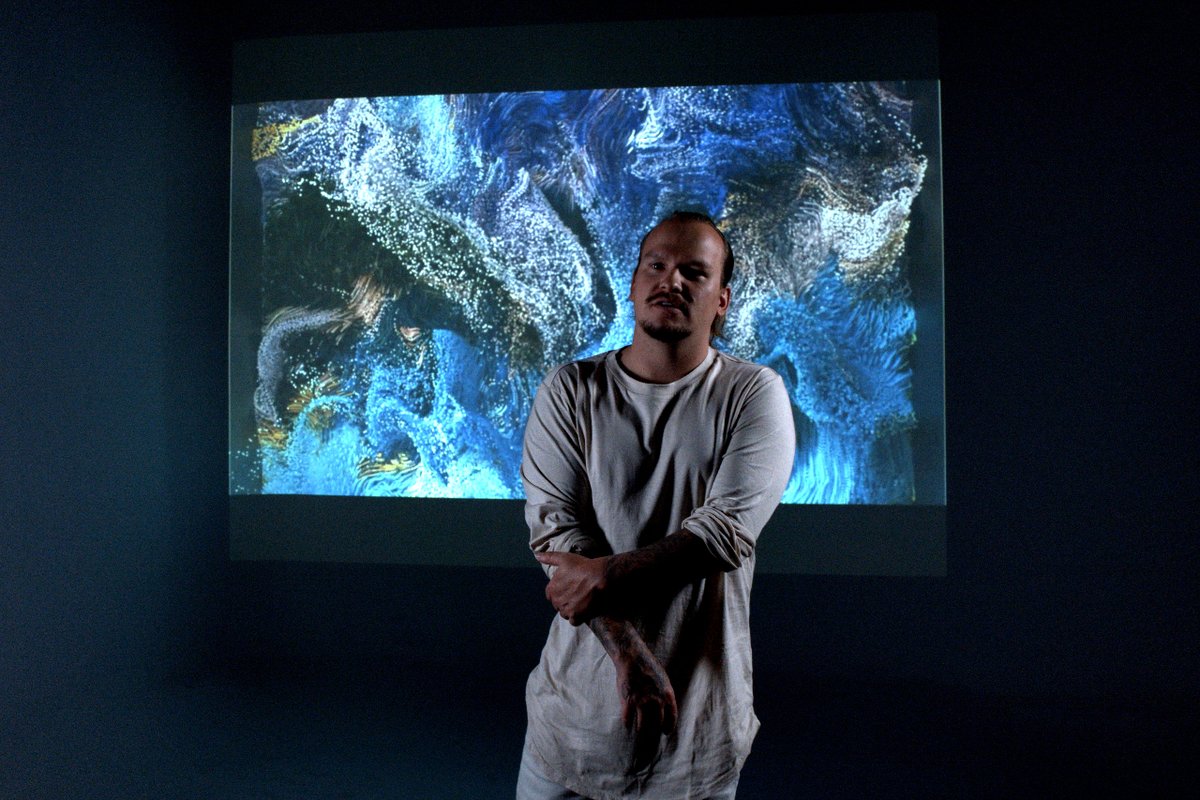
A small photoshot in the middle of something super important, you will soon know what it is about, @rma.fire get ready! 🐯🔥✨
.
#sandparticles #3dparticles #particlessimulations #3dart #3d #vfxartist #digitalartist #artoftheday #houdini #houdinitutorial #houdinitraining

1
6
344
30 Jan 2023
Liquid simulation in Houdini, realistic chocolate, smooth, shiny, you can almost taste it, go to @rma.fire on Instagram to learn how to do this and much more!🐯✌🏻
#rmafire #tutorials #houdini #houdinitraining #houdinitutorial #vfxartist #graphicmotions #3d #3dartist
1
3
244
27 Jan 2023
Great things come from hard work and perseverance, Success is no accident. It is hard work, perseverance, learning, studying, sacrifice and most of all, love of what you are doing or learning to do🔥 #houdinitutorial #3dmodellingtutorial #vfxartist #3d #3dartist #nftartist #free
4
197

13 Jan 2023
Pete here delivering another sweet, particle sim. Great work, Pete! Check out the course, intro to Houdini FX: rebelway.net/intro-to-houdin…
#vfxartit #vfxstudio #vfxschool #houdinitutorial
2
10
243
14,523
5 Jan 2023
In our previews tutorial, we covered how to texture boolean fractured geo. In this tutorial, ill show you how to apply different uvs to the inside and the outside pieces. #rmafire #tutorials #freetutorial #houdini #houdinitraining #houdinitutorial #3dmodellingtutorial #vfx
2
172
7 Dec 2022
Int his tutorial ill show you how the opacity works in redshift. The opacity can be used to drive the invisibility of a material. This can control the amount of opacity you can have making parts of the geo if not all, invisible. #houdini #vfxtutorial #houdinitutorial #3dart
3
30 Nov 2022
NEW TUTORIAL ALERT! This morning, we launched a brand new tutorial that you will not want to miss. In this video tutorial, Andrew Sutherland will show you how to create an explosion in Houdini using Karma. Check it out now! youtu.be/OHK-G42PejY
#vfxbreakdown #houdinitutorial
4
22