
3/ Deuterium is not inherently a toxin — it is a structural tool that belongs in your connective tissue, not your nanomotors.
Deuterium has a deliberate, dual role in human biology.
According to Boros, the body continuously separates and distributes hydrogen and deuterium into different biological compartments.
Because deuterium bonds are up to 15 times harder to break than regular hydrogen bonds, the body actively concentrates deuterium into structural proteins — bone collagen, ligaments, cartilage — specifically within the amino acids proline and hydroxyproline.
Where you need strength and durability, deuterium delivers it.
Biology confirms this.
Dr. Roman Zubarev's group found that proline and hydroxyproline within grey seal connective tissue contained deuterium concentrations exceeding 300 ppm — roughly double the concentration found in the surrounding seawater.
A seal diving hundreds of meters into the ocean while evading predators places enormous mechanical demands on its connective tissue.
Stronger bonds are exactly what those structures need.
The problem is not deuterium itself.
The problem is location.
When deuterium stays in structural tissue — bone, collagen, cartilage — it is an asset.
When it spills into the fast-moving parts of the cell — the ATP synthase nanomotors spinning at thousands of rotations per minute — its mass physically breaks the machinery.
For structural proteins, deuterium may be useful.
For rotating nanomotors, it becomes a liability.
The challenge is not eliminating deuterium entirely.
The challenge is keeping it in the right place.
And much of human metabolism appears organized around exactly that task.
1
1
7
736
Barinder Singh retweeted

Collagen is a type of protein.
It’s a source of amino acids such as glycine, proline and hydroxyproline.
Just as whey is for muscles, collagen is for :
• Joints health
• Tendons
• Ligaments
• Connective tissues
• Skin elasticity & hair
Collagen doesn’t support primary functions like energy production or muscle repair..
Instead it acts as a building block for collagen-rich tissues in your body.
You can take a collagen supplement or consume paya soup/bone broth as well.

Of all these, collagen surprised me. What’s the main benefit you’ve noticed? I’ve always wondered whether a high-protein diet plus adequate vitamin C covers most people’s needs.
3
2
14
999

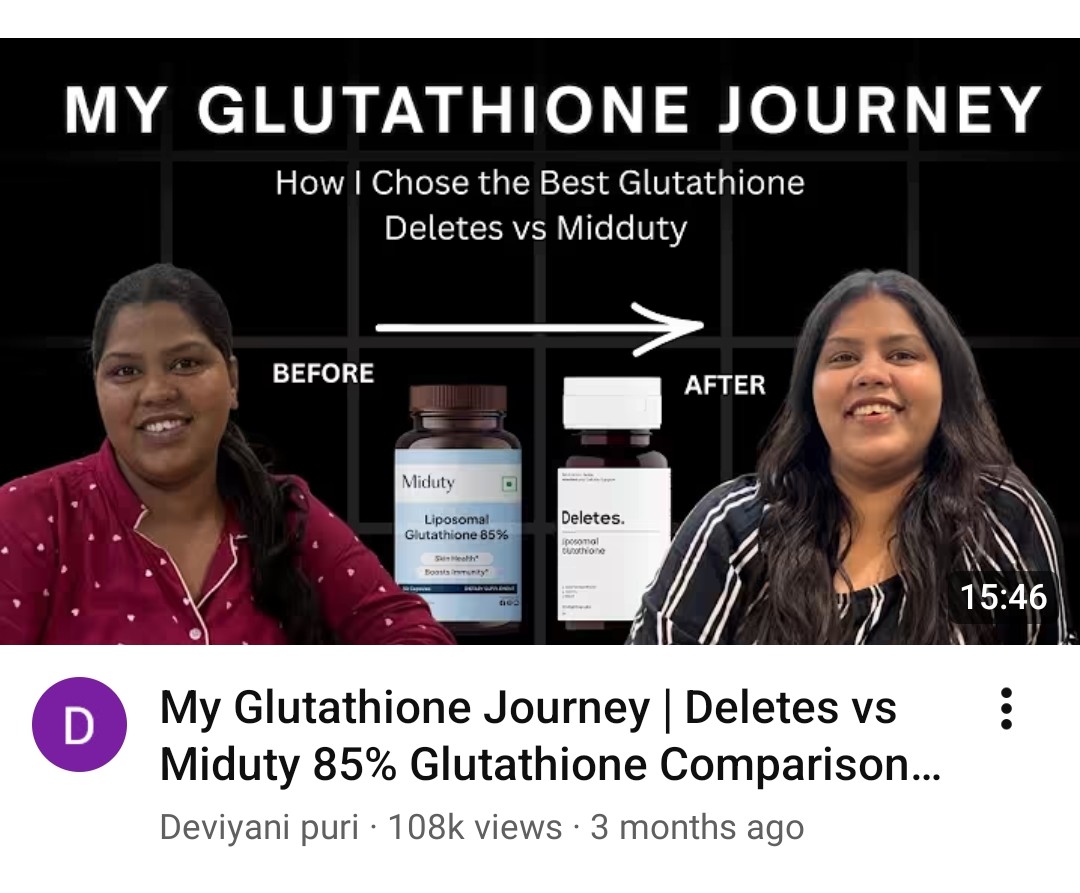
Please STOP using Glutathione.
Love the skin colour you're born with.
Pigmentation is a real issue which can be solved by niacinamide and Vit C supplements (oral is MORE effective than topical).
Glutathione is released by the body as a defensive reaction when something harms your cells.
In some animal studies glutathione has been shown that large doses of Glutathione can be carcinogenic to the liver by starting free radical reactions instead of stopping it.
Instead of Glutathione supplements just take high dose Glycine. It will safely boost endogenous Glutathione to the extent your body needs it.
Glycine Vit C is also very good for the skin and help boost collagen production.
Collagen is literally made up of Glycine, Proline and Hydroxyproline. Vit C stimulates it's production as well.
2
8
28
1,083

Well-made bone broth: gelatin, glycine, proline, hydroxyproline, calcium, phosphorus, magnesium.
Knuckle-rich bones 1 tbsp vinegar 4–6 hour simmer = ~6–10g collagen peptides per 500ml serving.
5

Some people took the “balance muscle meat with gelatin” idea and turned it into “muscle meat is the problem.” That was not the point.
The point was never to replace steak with collagen powder/gelatin gummies/broths.
The point was that modern people eat a lot of lean muscle meat and almost no connective tissue, skin, tendons, broth, or gelatin so they get a lot of methionine with very little glycine.
That is where collagen helps.
Muscle meat is methionine-rich.
Collagen is glycine-rich.
They balance each other.
But collagen/gelatin by itself is not complete protein.
It is very low in methionine, tryptophan, and cysteine. It is also low in several essential amino acids needed to actually build tissue.
And this matters because methionine is not just some “bad meat amino acid.”
You need methionine for methylation, creatine, carnitine, phosphatidylcholine, CoQ10, and every new protein your body builds.
You need cysteine for glutathione, taurine, bile acid conjugation, sulfur metabolism, hair, skin, nails, and antioxidant defense.
You need leucine to trigger muscle protein synthesis.
Collagen gives you glycine, proline, and hydroxyproline.
That is valuable.
But it does not give you the full anabolic signal. So enjoy the broth but don’t forget to eat your steak.
13
325

Jun 15
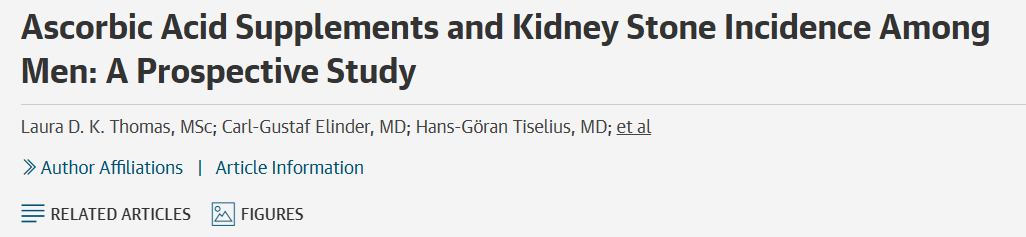
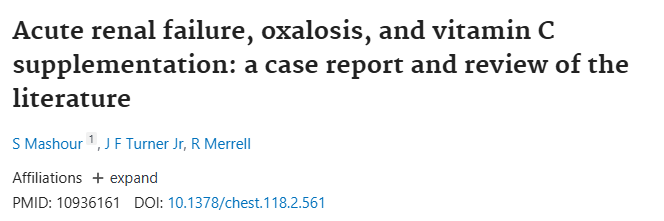
Key factors disrupting oxalate metabolism:
-Genetic mutations: AGXT (PH1), GRHPR (PH2), or HOGA1 (PH3) mutations impair glyoxylate metabolism, increasing oxalate production.Note: PH2 and PH3 are rarer than PH1. Glycine seems to increase oxalates more in PH1 and hydroxyproline more in PH2 and PH3.
-Vitamin B6 Deficiency: Reduces AGT activity, increasing glyoxylate-to-oxalate conversion.
-Microbial Dysbiosis: Loss of Oxalobacter formigenes or overgrowth of Candida increases oxalate absorption.
-Fat Malabsorption: Non-absorbed fatty acids bind calcium, leaving free oxalates for absorption.
-Heavy Metals: Cadmium may enhance vitamin C oxidation to oxalate.
1
3
116
Jun 15
Key notes/pathways on oxalate metabolism:
1. Endogenous synthesis:
-Glycine: Metabolized by D-amino oxidase (DAO) and glutamate-glyoxylate aminotransferase (GGAT) to glyoxylate, contributing <5–16% of urinary oxalate.
-Hydroxyproline: From collagen turnover (240–420 mg/day), metabolized in mitochondria by 4-hydroxyproline dehydrogenase (HYPDH) to glyoxylate, contributing 5–20% of urinary oxalate and 20–50% of glycolate.
-Vitamin C: Oxidized to oxalate, contributing 30–50% of endogenous oxalate. High doses (>1,000 mg/day) increase this significantly.
-Oxaloacetate: Hydrolyzed to oxalate in the Krebs cycle.
1
3
134
Jun 15
Key notes:
1. Cooking: Boiling reduces oxalate content by 30–75% by leaching into water, which should be discarded. Juicing concentrates oxalates.
2. Extracts/Oils: Most plant extracts (blackseed oil, curcumin, silymarin) are low in oxalates unless specified.
3. Animal Products: Meats, dairy, and eggs are generally low oxalate, except for liver and gelatine/collagen-based products, which contribute due to their hydroxyproline content.
1
4
147
Jun 15
Now, below is a list of foods and their oxalate content (general list to be uware of):
-Very high oxalate (>200 mg/100 g):
Spinach, rhubarb, Swiss chard, beet greens, chocolate, cocoa powder, chia seeds, poppy seeds, carob, pomegranate, sweet potato.
-High oxalate (100–200 mg/100 g):
Almonds, peanuts, sesame seeds, soybeans, navy beans, blackberries, raspberries, green/yellow peppers, black/green/white tea, turmeric, cinnamon, plantain, taro, wheat, quinoa, buckwheat, amaranth, starfruit, dandelion greens, okra, parsley.
-Moderate oxalate (10–100 mg/100 g):
Carrots, celery, green beans, potatoes, avocado, banana, kale, kiwi, beets, artichoke, cassava, tomato, dates , figs, flaxseed, kombucha, animal liver, collagen/gelatin (due to hydroxyproline).
-Low oxalate (<10 mg/100 g):
Apples, apricots, bananas, broccoli, Brussels sprouts, cantaloupe, grapes, pineapple, strawberries, oranges, white/yellow onions, rice, stevia, corn starch, garbanzo beans, mung beans.
1
4
236
Jun 15
Oxalates are both consumed in the diet (80–120 mg/day in a typical Western diet) and produced endogenously as a byproduct of metabolism.
Endogenous production accounts for 10–20% of urinary oxalate, primarily from the metabolism of vitamin C, amino acids such as glycine and hydroxyproline and other precursors like oxaloacetate in the Krebs cycle.
Additionally, certain fungi such as Aspergillus, Penicillium and Candida produce oxalates, contributing to the body’s oxalate load in dysbiosis.
1
3
196

Jun 14
Please Don't.
The ad shown below—actually placed by GoogleAds on our website until we took it down within hours—recommends an unsafe and likely harmful use for gelatin in a home vegetable garden.🌿
Gelatin is a food ingredient commonly derived from collagen taken from animal body parts, consisting of amino acids, including glycine, proline, and hydroxyproline.🌿
GrownByYou has blocked misleading ads before, including machine (A.I.) written and image ads. Our site is A.I.-free. We never use A.I. to develop content, photos, or videos.🌿
Exploitive advertisers mislead the unwary with a long list of unsuitable and potentially dangerous additives for gardens.🌿
This message is posted as both a warning and as a public service to protect our users and community.🌿
🔗grownbyyou.com
#safetywarning #healthyfood #AI #foodsafety #organicgardening

1
2
74

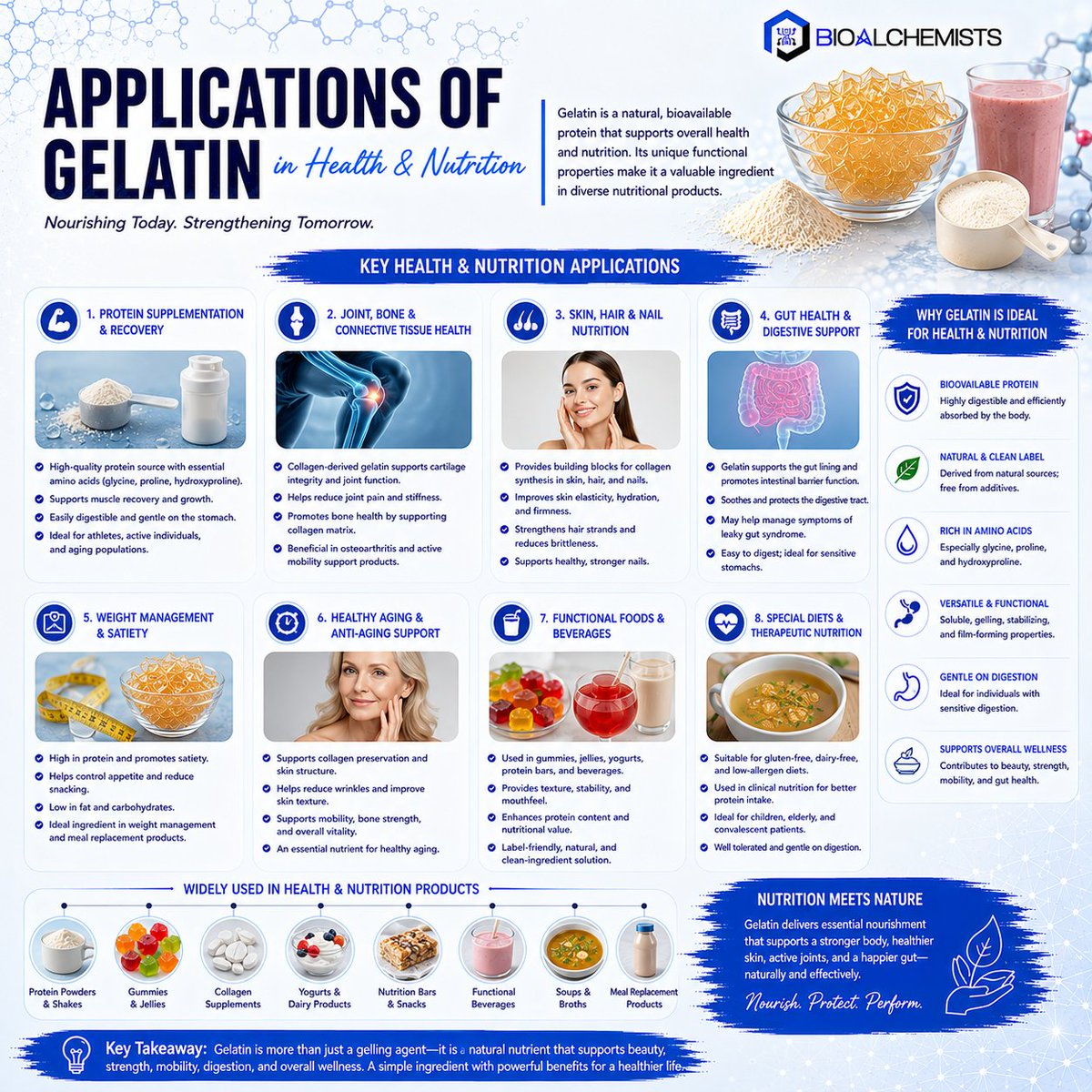
Gelatin is more than a gelling agent.
Rich in glycine, proline, and hydroxyproline, it supports joint health, skin wellness, digestion, recovery, and functional nutrition.
#Gelatin #Nutrition #Collagen #FunctionalFoods #Wellness 💪🦴✨
8

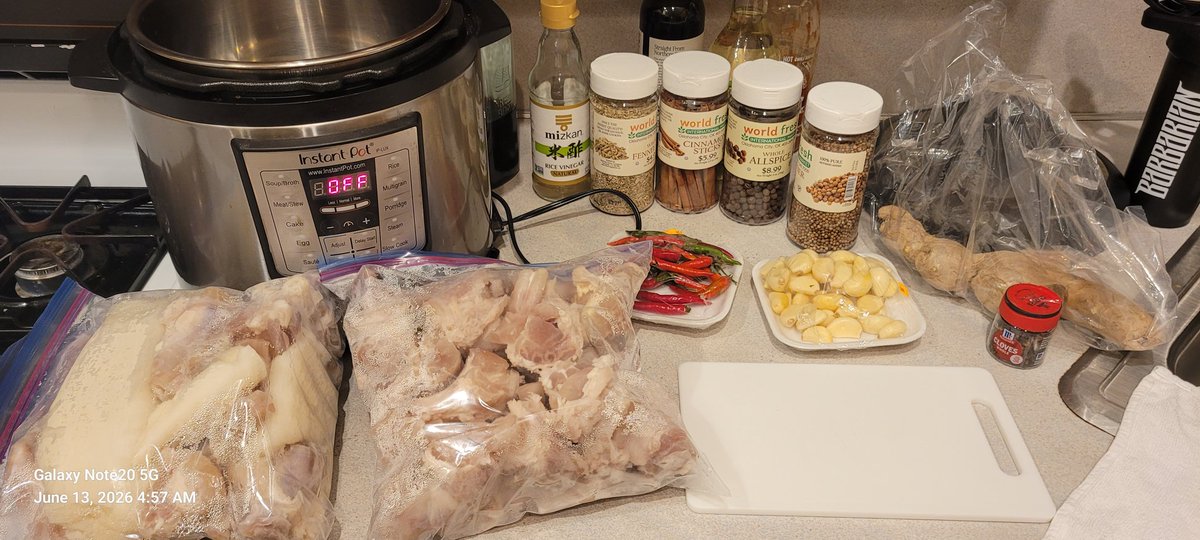
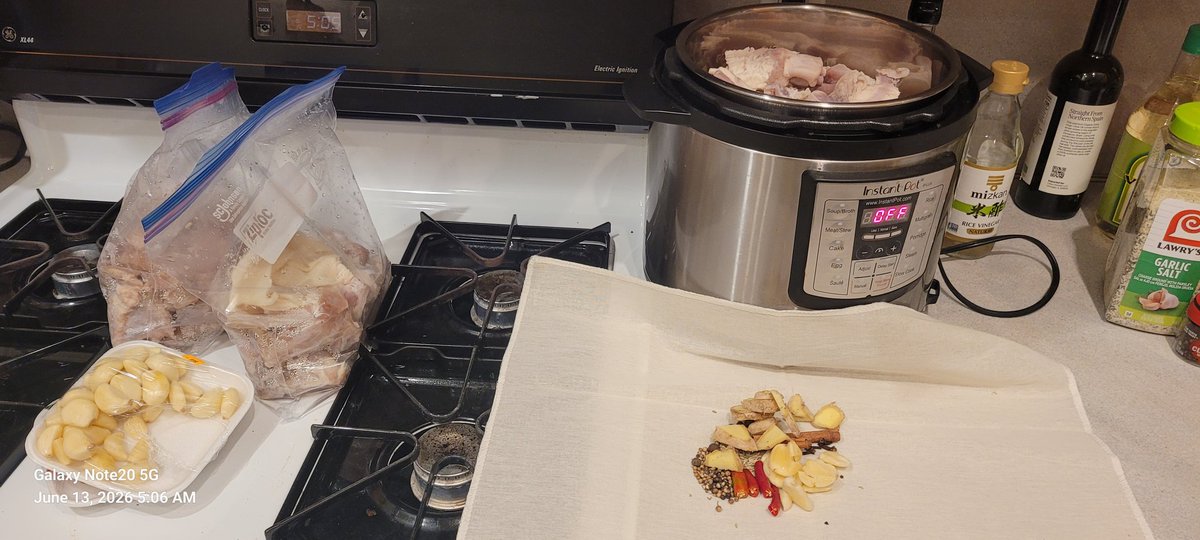
Synthesizing merican-made peptides in my kitchen
Kidding. Stupid dumbasses
More like
American-peptides-derived-from-food
Cooking beef tendon and tripe
Gives you collagen-Derived Hyp (hydroxyproline, O)-containing peptides, tendon ACE-inhibitory peptides, imidazole peptides, and elastin-derived peptides:
Single letter amino acid sequences:
PO, OG, GPO, POG, VGPV, GPRGF, GPR, GF, SPLPPPE, EGPQGPPGPVG, PGLIGARGPPGP, βAH, βA-1MH, GLGPGVG, and PY
5
3
60
3,236

Jun 12
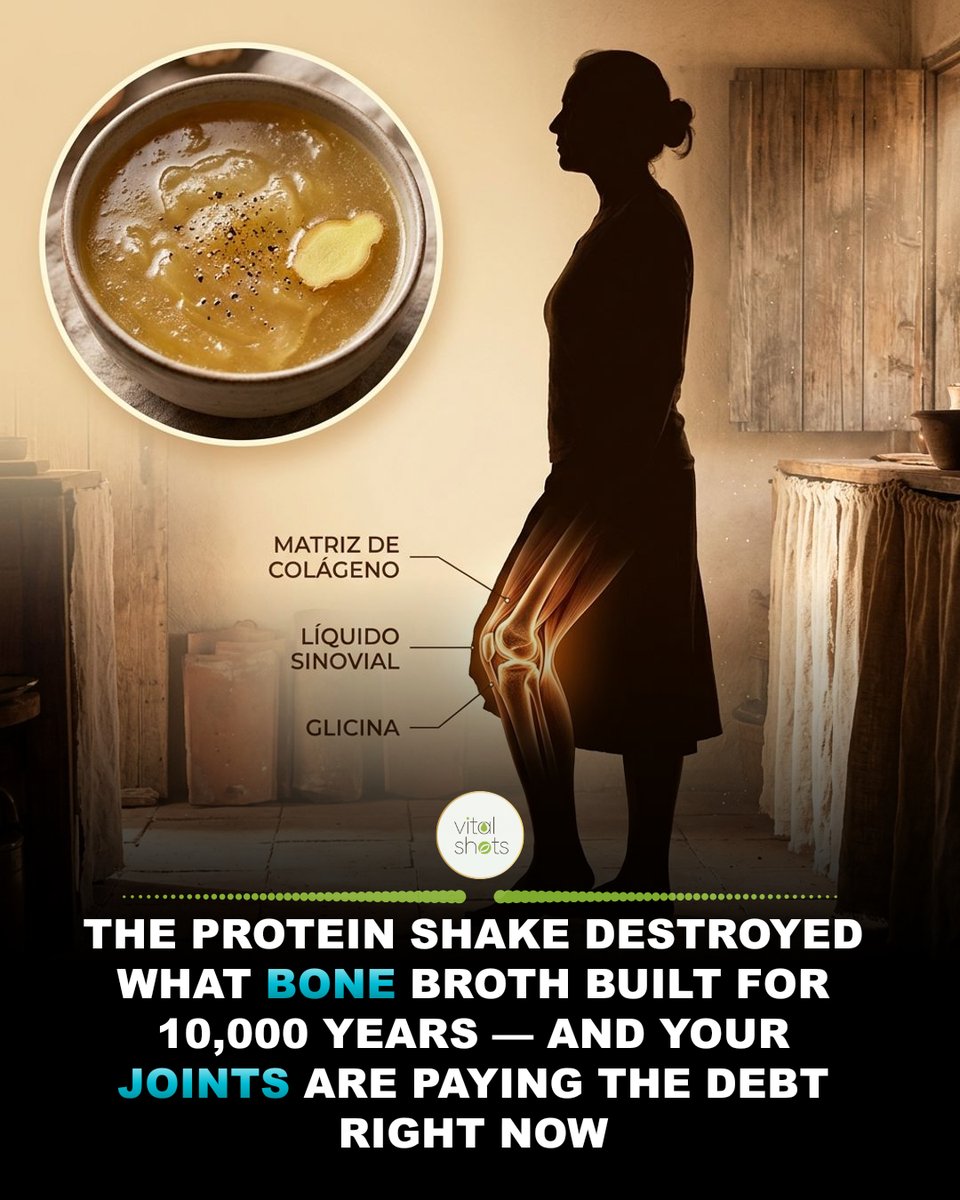
Your ancestors didn't have protein shakes, yet they outlasted every modern athlete today.
Picture a tribe trekking across frozen tundras or scorched plains, carrying nothing but what they could hunt. They didn't discard the carcass after the meat was gone. They understood something we've forgotten in our sterile, plastic-wrapped world: the true life force is locked inside the marrow and the connective tissue. They simmered bones for days over low embers, creating a thick, gelatinous elixir that served as their primary weapon against the elements. This wasn't just food; it was a biological insurance policy for their knees, their skin, and their gut lining. While we reach for neon-colored energy drinks and synthetic powders that spike our insulin and crash our adrenals, they were fueling their cellular machinery with the very building blocks of life. This ancient wisdom provided a level of physical resilience that modern science is only now starting to quantify, proving that the most advanced technology is often the oldest. We are going to reclaim that edge.
The magic isn't just collagen. It is the specific ratio of amino acids like glycine, proline, and hydroxyproline that act as a biological scaffolding for your body. When you simmer bones properly, you are performing a low-heat extraction of glycosaminoglycans—molecules like hyaluronic acid and chondroitin sulfate. These aren't just fancy words on a supplement bottle; they are the grease for your joints and the glue for your intestinal wall. Most people think they have bad knees, but what they actually have is a structural drought. Modern diets are muscle-meat heavy, which is high in methionine. Without the glycine found in bone broth to balance it out, you end up with systemic inflammation and accelerated aging of the connective tissues. By reintroducing this golden liquid, you are essentially sending a specialized repair crew to your joints to patch up the micro-tears and replenish the synovial fluid that keeps you moving without friction or pain.
Start with four pounds of grass-fed beef marrow bones or knuckle bones—the joints are where the collagen lives. Roast them in the oven at 400 degrees for exactly twenty minutes until they are deeply browned and fragrant; this caramelization is crucial for flavor and mineral release. Transfer the hot bones into a heavy ceramic slow cooker or a thick-bottomed stockpot. Cover them with cold, filtered water—never hot—and add two tablespoons of raw apple cider vinegar. Let them soak in the cold water for thirty minutes before turning on the heat; the acidity breaks down the bone matrix to pull out the minerals. Bring it to a bare simmer, never a rolling boil, as high heat damages the delicate proteins. You should see only one or two bubbles breaking the surface every few seconds. Keep it at this low temperature for a full twenty-four hours. Every six hours, skim off the gray foam that rises to the top—those are impurities you do not want in your system. After a full day, strain the liquid through a fine-mesh sieve and let it cool until a thick layer of fat solidifies on top.
When you pull it from the fridge, it should not look like soup; it should look like jello. If it jiggles, you have succeeded in extracting the gelatin. Drink one warm mug every morning on an empty stomach. By day four, you will notice your digestion feels quiet—no bloating, no urgency. By week three, that nagging ache in your lower back or knees usually begins to fade into a dull hum. The number one error that ruins everything: using bones from factory-farmed animals. Those bones store heavy metals and toxins that leach into your broth, turning your medicine into a slow-acting poison. Stick to the source, respect the process, and reclaim the structural integrity that is your birthright. You are not just eating; you are rebuilding your foundation from the marrow up. This is how you build a body that lasts.
🌰 The bio-available food: One cup of homemade bone broth seasoned with a pinch of Celtic sea salt and cracked black pepper. Consume it warm at least 20 minutes before your first meal to coat the stomach lining and trigger gastric juices. This prep work ensures that the amino acids are absorbed immediately rather than sitting behind other undigested foods.
🌿 The natural protocol: Add a teaspoon of fresh ginger juice and a squeeze of lemon to your broth during the final heating process. Do not boil the juice; just stir it in at the end to preserve the active enzymes and gingerol. This combination acts as a synergistic anti-inflammatory boost that specifically targets joint swelling and oxidative stress in the gut.
💊 Vital Shot boost: A concentrated dose of hydrolyzed bovine collagen peptides mixed into your morning broth or a glass of room temperature water. Ensure the powder is stirred vigorously until completely transparent to guarantee the peptides are fully dissolved for immediate bypass into the bloodstream. This provides the specific amino acid sequence needed to signal the body to ramp up its own internal collagen production during the morning peak metabolic window.
📚 Bone marrow and connective tissue provide essential amino acids and minerals necessary for musculoskeletal repair and gut mucosal integrity.
#vitalshotsen #bonebroth #biohacking #ancestralhealth #collagen #jointhealth
1
120


Beef organs are rich in B-vitamins, iron, copper, vitamin A, vitamin K2, choline, CoQ10 & more. They are truly nature’s multivitamins.
Beef protein contains the important amino acids found in collagen (like glycine & hydroxyproline) that are often lacking in the modern diet. 🥩
1
1
22

Jun 11
This is why quality matters.
Bone broth is not just “hot soup.” Good bone broth provides amino acids like glycine, proline, and hydroxyproline, which are tied to collagen formation and connective tissue support.
Simple food. Real function.
Jun 10

Something I started doing about 10 years ago that I credit more than most people expect?
Drinking bone broth regularly.
📈 Bone broth is rich in glycine, proline, and hydroxyproline.
These are the amino acids your body uses to build collagen in your gut lining, joints, and skin.
✅ One to two cups daily. Quality matters. Look for bones from grass-fed or pasture-raised animals.
This is ancestral nutrition backed by modern biochemistry. It works. 🙏🏻
33
Jun 11
Number 12: If it's a trend, be cautious about it.
It's a tool to be used under a specific context at best.
Turning temporary extremes into permanent lifestyles is quite common but false as many find out.
The people with the worst health issues are the ones who follow dietary trends.
One day they are keto, then vegan, three months later they go carnivore, then they go high carb and so on.
BUT, the fundamental principles of nutrition, DO NOT, change every single month.
All of us suggest eating whole, tasty and nutrient dense foods and implementing more dietary restrictions based on a specific context if needed.
Anyone who does not do this has a borderline or actual eating disorder.
The carnivore diet for example is just a tool and if you react awful to it there's a good reason and you need to stop being dogmatic about it.
Examples:
-You can't retain electrolytes without well, some type of carbs
-Overconsumption of tryptophan and NOT being in ketosis can increase quinolinic acid a lot (makes you insane)
-You don't get enough iodine (unless you eat the thyroid gland frequently)
-If you have a slow COMT and hop on carnivore, you will 100% be driven insane
-Your gut microbiome is starving for its food (prebiotics)
-You don't get enough biotin, CoQ10 and molybdenum for all that sulfur
-You can't consume enough copper without gunning down a profound amount of retinol (and usually you don't get enough taurine, E and iodine to stabilize it)
-Given the fact that you don't get any vitamin C, you need a dumb amount of collagen and thus you will 100% max on hydroxyproline which is problematic for plenty of people.
-Chronic low carb dieting suppresses thyroid hormones
BUT, on the flipside if you react TREMENDOUSLY to it, there's also a good reason (insulin resistance, profound gut dysbiosis etc).
Number 13: It's sustainable.
As you can tell, i won't advise you to go on and add calorie-free syrups in everything, but your diet has to be sustainable.
Mindblowing, i know.
1
1
295