
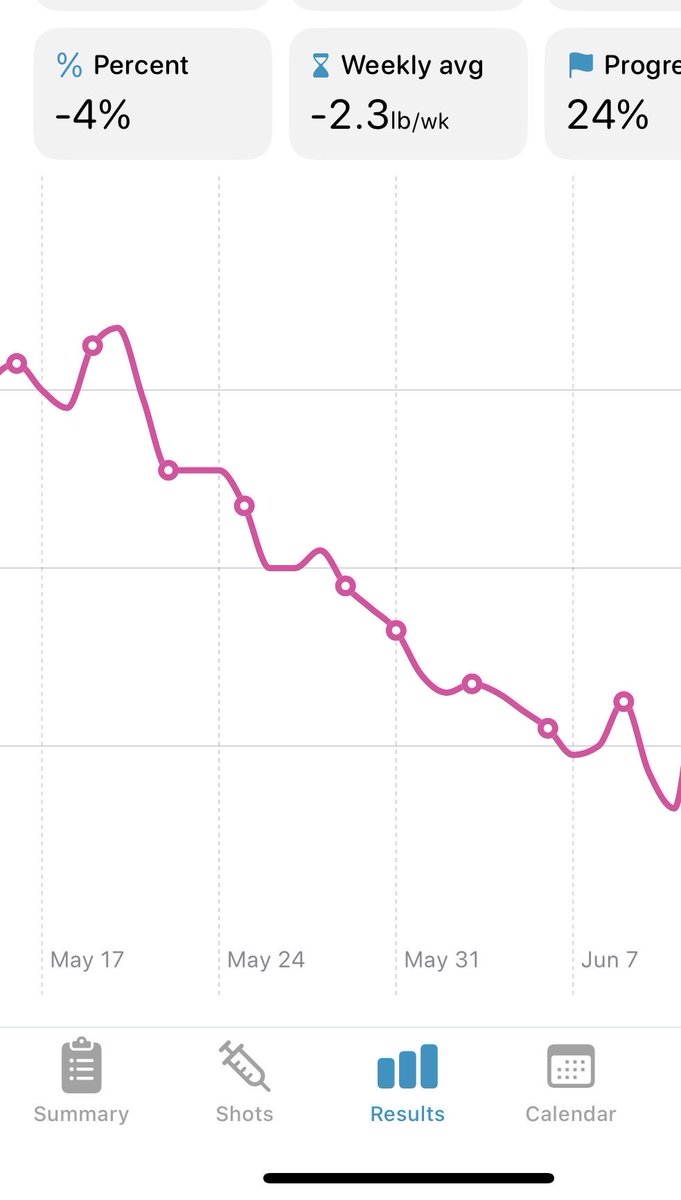
For the past few weeks my metabolism has seemed jacked, almost to the point of being uncomfortable. This isn’t just in head as my weight loss which is normally a stubborn 0.5 lb a week for this past year is at 2.3lb per week now. When I came out of the hospital with long covid both my testosterone and thyroid were both low. I have a sneaky suspicion I’m somehow briefly going hyperthyroid here based on recent events and the medication I was on. I added a full thyroid panel to tomorrow’s full pre-airport labs to see what it looks like. But I’m more curious than ever what’s going on with my mitochondria when I get some recent data back in this time frame (sadly four to six weeks away).
1
57

My tests showed extremely hyperthyroid about 8 months ago. Started MCAS meds and now it’s returned to normal, even though I still have loads of symptoms.
2
1
5

She looks like she has thyroid disease, her bulging eyes gives Grave's disease. Psych drugs work for women in post-partum hypothyroidism. It doesn't work for hyperthyroid and leads to worse psychosis. She should have been given carbimazole, and maybe steroids if it's autoimmune
19

Absolutely sir! Diffuse goiter lid lag hyperthyroid features point strongly toward Graves’ disease.
2
27

I’m heading from work to the pharmacy to pick up my heart & hyperthyroid meds which has been out of stock due to the depreciation of the rupiah. x.com/i/broadcasts/1kJzDDqNV…
10
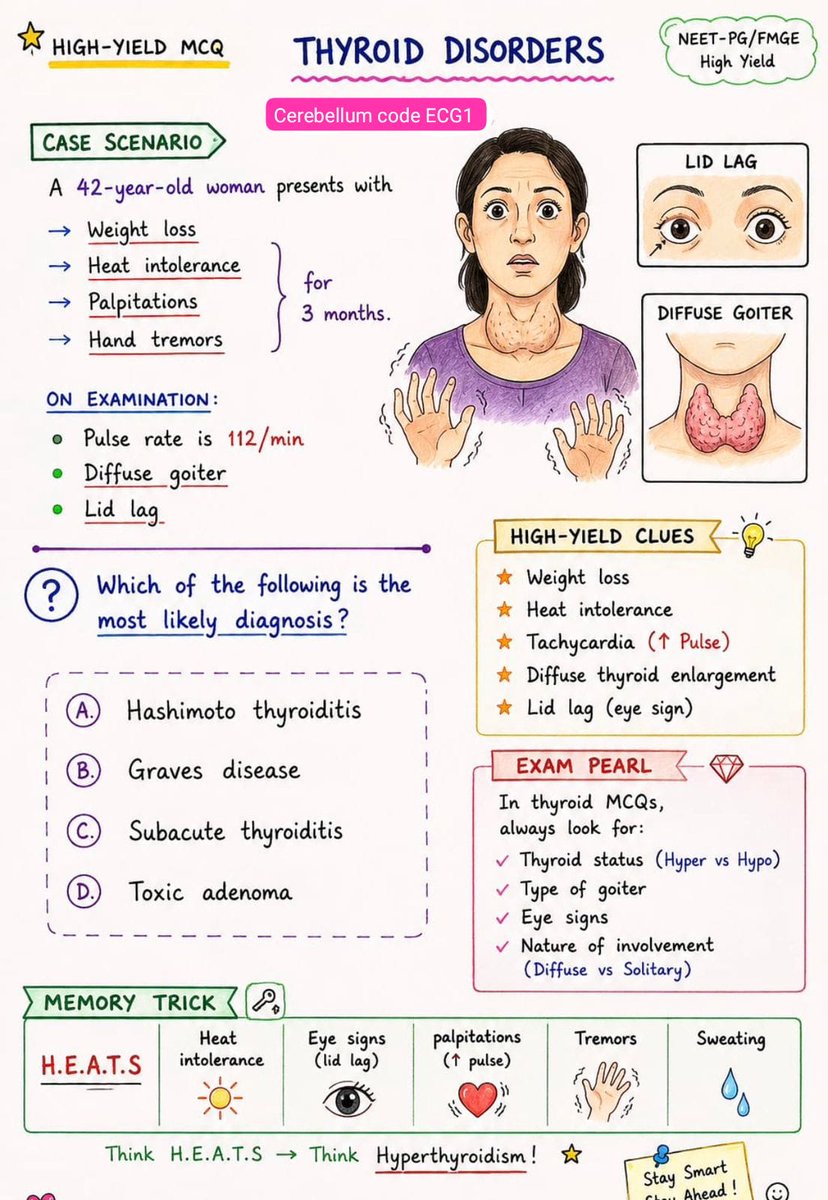
#Thyroid #MCQ Challenge 🚨
A 42-year-old woman presents with:
✅ Weight loss
✅ Heat intolerance
✅ Palpitations
✅ Hand tremors
On examination:
🔹 Pulse rate: 112/min
🔹 Diffuse goiter
🔹 Lid lag
❓ What is the most likely diagnosis?
A. Hashimoto thyroiditis
B. Graves disease
C. Subacute thyroiditis
D. Toxic adenoma
💡 High-yield clues: • Hyperthyroid symptoms
• Diffuse thyroid enlargement
• Eye signs (lid lag)
• Tachycardia
📚 Exam Pearl:
Diffuse goiter eye signs hyperthyroidism = Think Graves disease
👇 Drop your answer in the comments before checking the explanation!
#NEETPG #INICET #Thyroid #GravesDisease #Endocrinology #MedicalMCQ #MedEd #Medx26 #MedicalStudent #HighYieldMCQ #MBBS #MedicineQuiz
4
4
10
564

Jun 13
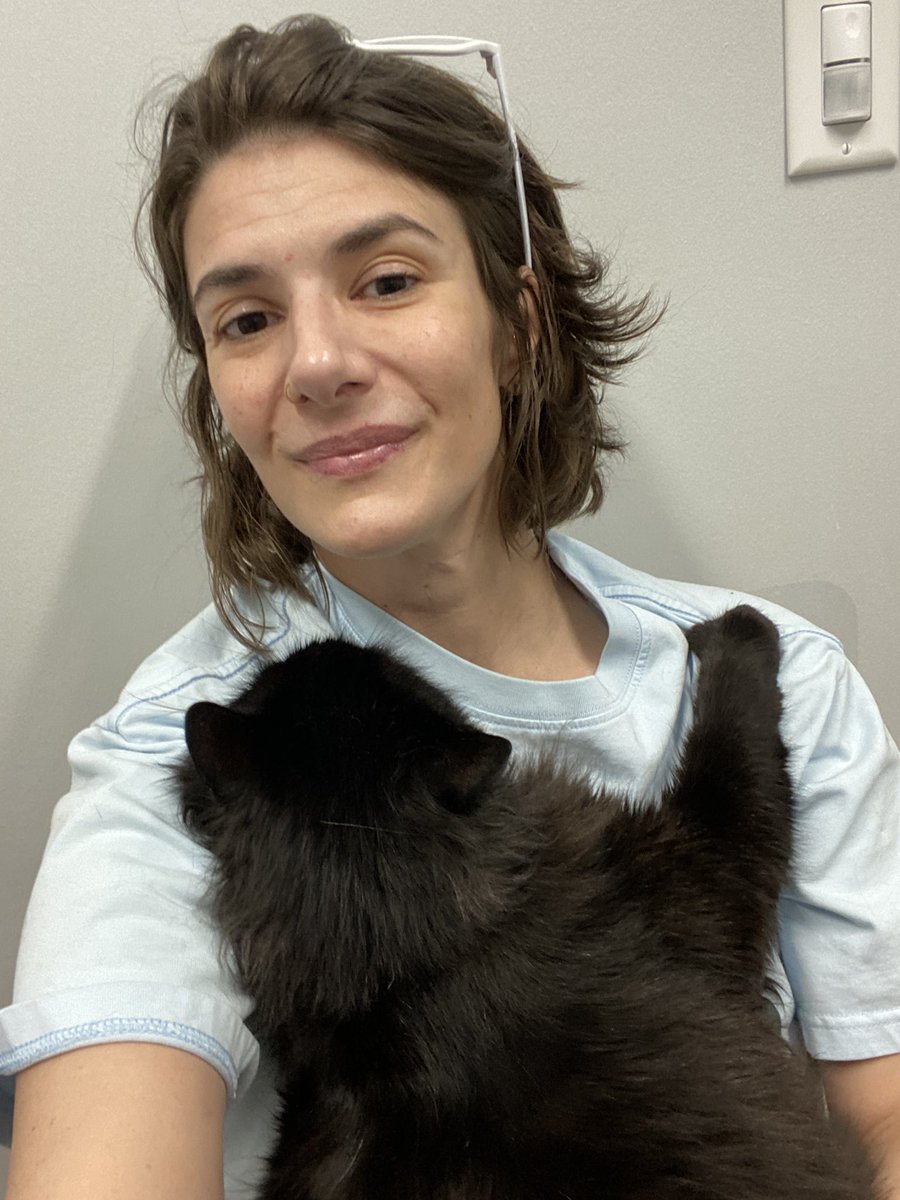
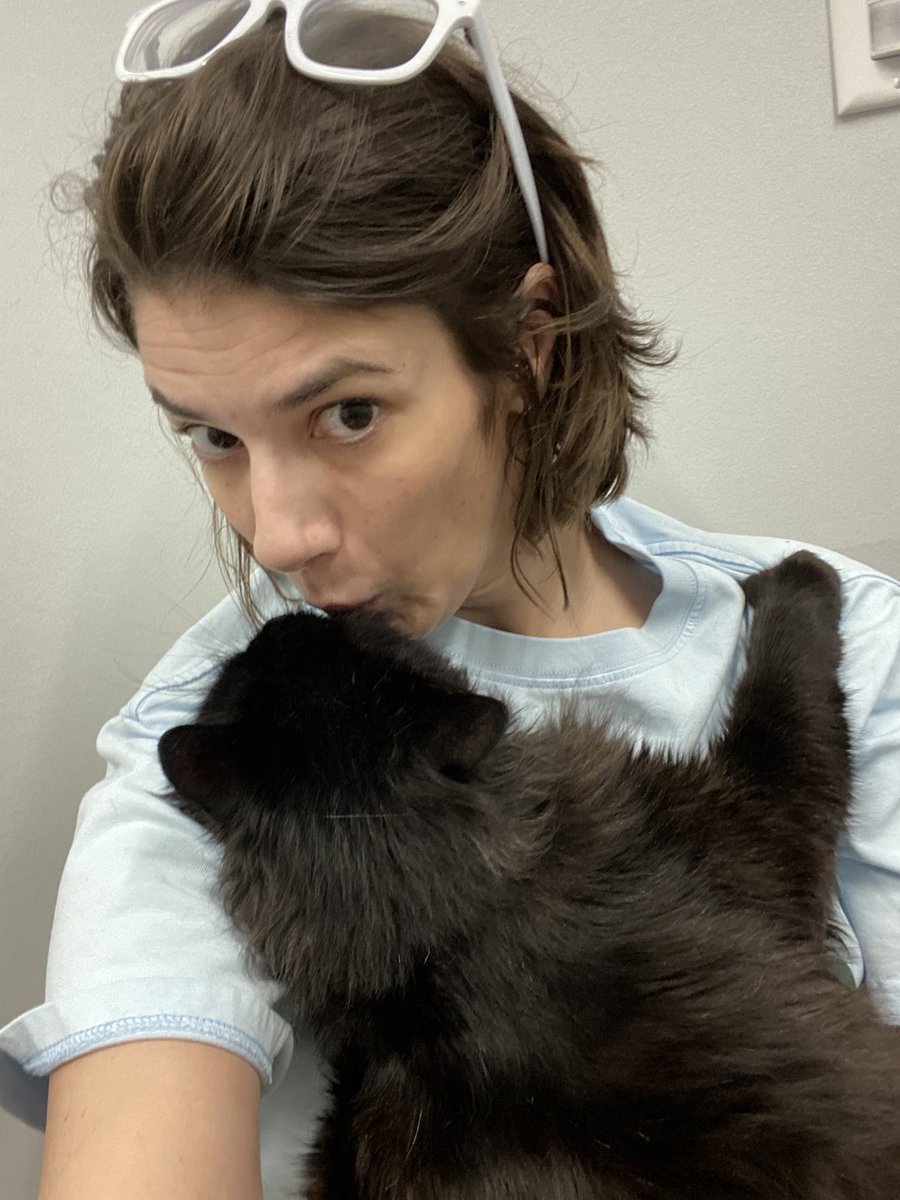
I didn’t get to report that Ignatius J had his annual checkup recently. He’s 13 years young, still excitedly taking his hyperthyroid pill twice daily 💊 and did t move or make a sound for his entire exam. He’s a such a good little man 😌
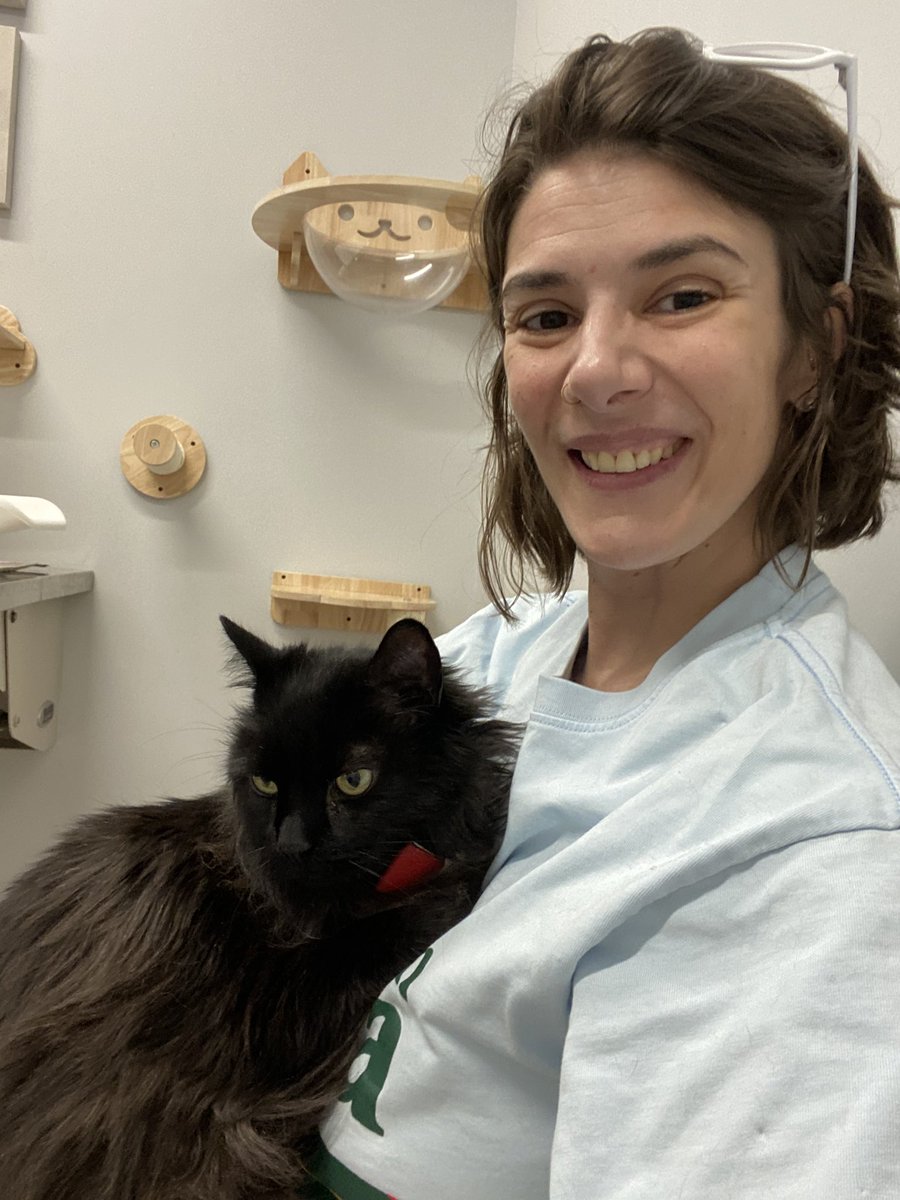
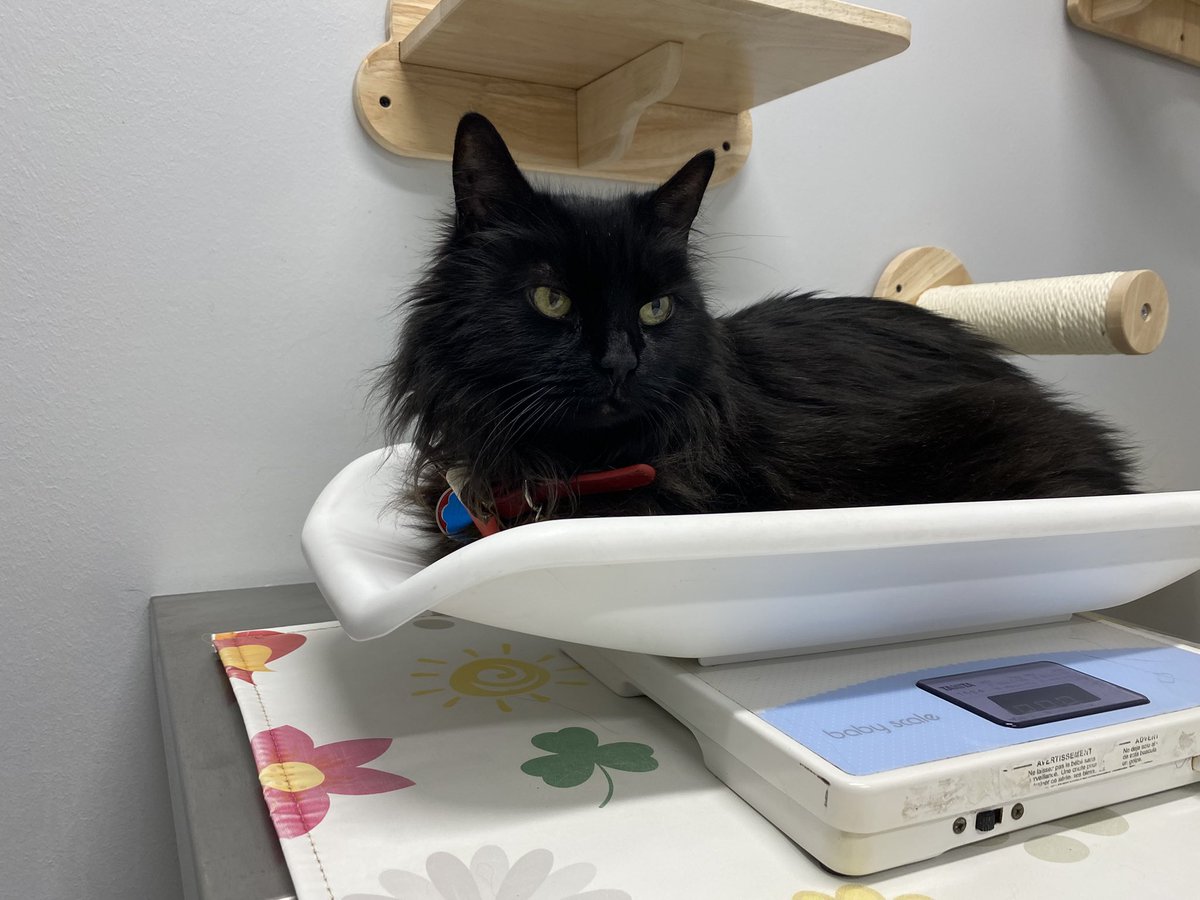
2
1
76
746

Jun 13
That’s amazing 👏 but unsurprising. The body& nature know what to do.
I healed my hyperthyroid last year with herbs & diet. Chronic Stress has been, & is the root of my ailments.
1
1
11

Jun 13
With hyperthyroid already affecting my heart and repeated untreated infections in two wisdom teeth, its absolutely no wonder I felt like shit and that could have killed me.
Onwards and upwards 🙏
2
41






lmao fr i went 2 the hospital recently n they told me my heart rate is 2 high n vitamin deficiency n hyperthyroid n my metabolism is rlly high & 2 fix it but all im thinking is um if my health issues r keeping me skinny then idk if i wanna get better 🤧👹
1
2
365
Piyush retweeted

Jun 9
5/
Contraindication pearl:
Uncontrolled Graves disease must be medically stabilized first.
A hyperthyroid patient is not just “higher risk.”
They can become a thyroid storm patient.
6/
Anatomy that matters:
1
1
1
32

Jun 12
Heat intolerance in the ‘agitated’ hypothyroid patient...
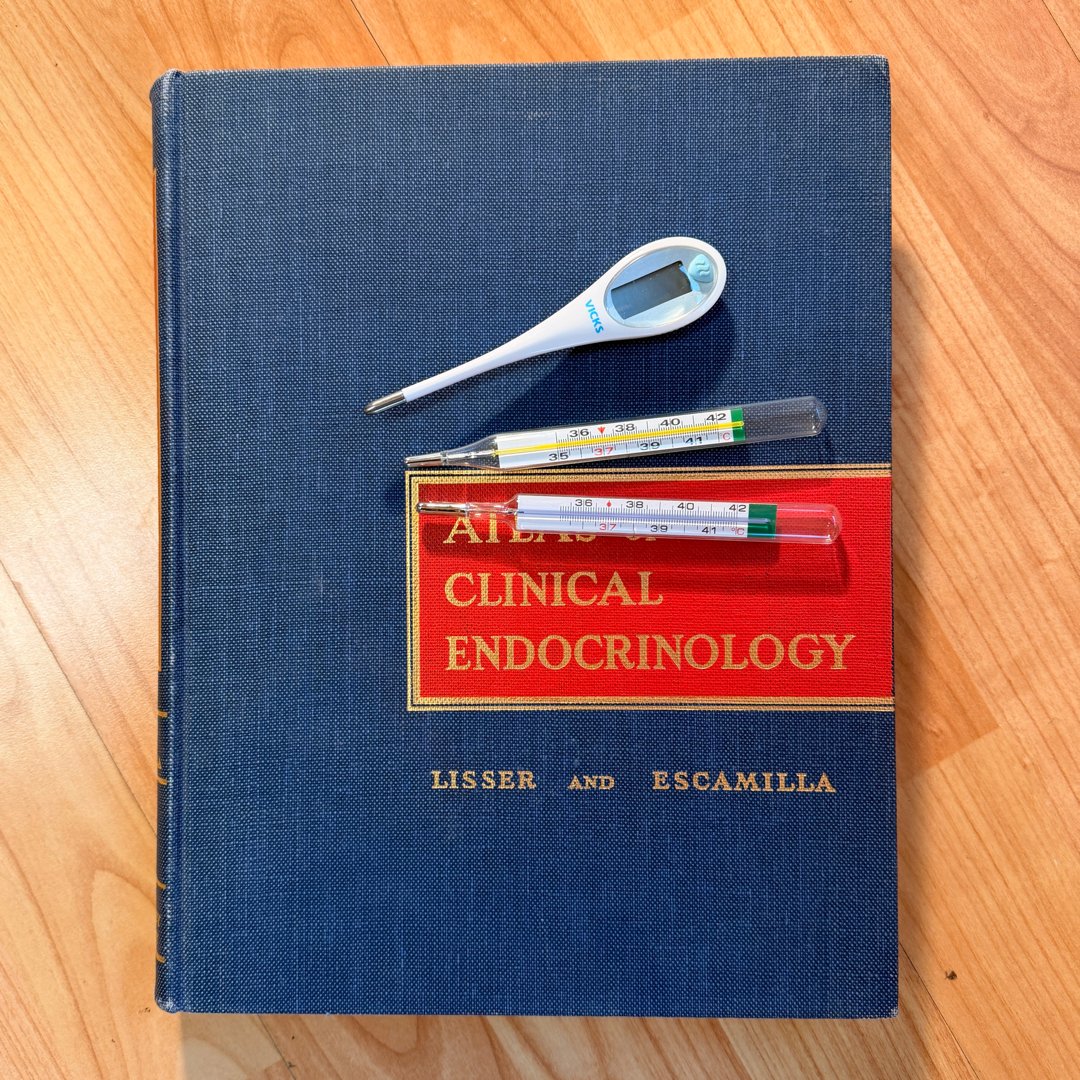
“A 64-year-old woman was initially seen complaining of notable intolerance to hot weather, nervousness, emotional irritability, crying spells, and insomnia. She had been treated intermittently for a thyroid disorder with desiccated thyroid, 130 mg/day, for 30 years. She had finished the thyroid tablets eight weeks earlier while attending her sister's funeral...
Levothyroxine sodium administration, 25 ug/day, was begun during the initial two weeks and was increased by 25 mg/day every two to three weeks... By the fourth month of therapy, then receiving levothyroxine sodium, 100 ug/day, she felt well. The depression, nervousness, and irritability had disappeared...
She may be considered the "agitated" hypothyroid counterpart of the "apathetic" hyperthyroid state.”
Ray Peat was asked about this on a radio call-in show.
“I’m on PubMed, where they did a study about hypothyroidism, heat intolerance, and anxiety. And I ask because I have that, and I've never heard about it before. And I wondered if Dr. Heat had anything to say about that. Because I do wake up with a low temperature in the morning, but I'm very sensitive to heat and I become overheated very quickly.
[Ray] Have you checked your temperature during the times when you're feeling overheated?
Yeah, it usually doesn't seem that high. I mean, it's never usually more than 99.
[Ray] If you're really hypothyroid and have, say, a 97-degree temperature when you wake up, it's important to keep taking your temperature and pulse rate during the day to see what the effect of food and activity is on both your temperature and pulse rate. Lots of people who have discomfort in the heat have very high nitric oxide production, which causes vasodilation and reddening of the skin, but that lowers core temperature. So to understand what's happening metabolically, you should check your temperature before and after those experiences of heat intolerance.”
Ref: Agitation and Heat Intolerance in Hypothyroidism

4
9
63
4,989

Jun 12
Yea hyperthyroid can kill you if not dealt with whereas hypo turns you into a hibernating bear. Having had both problems due to not having a thyroid at all and issues with medicines, I’d rather be hypo any day. Literally having afib because of too much thyroid is scary.
2
61

Jun 12
After overheating for years because I was hyperthyroid to the point of giving myself a couple bouts of afib I’ve come to enjoy being cold and feeling like nothing is moving inside tbh.
2
29
3,712

Jun 11
Thanks! I have to take her to the vet soon. She has hyperthyroid. Gotta get it checked. I worry about her so much!
1
3
50

That is terrible I’m so sorry. There must be something that endo can do for you. After treating my B12 deficiency, my meds started giving me symptoms of hyperthyroid (I’m hypo)
1
118

Jun 11
I’m glad you found something that’s useful for you. Thanks for sharing. Unfortunately because I have Grave’s disease and had a thyroidectomy Ashwaganda doesn’t agree well with me. B-vitamins usually don’t work either. I’ve taken magnesium glycinate every day for 2 1/2 years. It helps me. Sometimes I’ll take l-theanine if I feel jittery or hyperthyroid.
1
52