
UPDATE: As of 5:05 PM, June 16, 2026.
1. 29 Trains / 116 LRVs
2. 40-60 kph safe speed
3. 3.55 minutes interval
Ingat po sa biyahe, KasamBiyahe!

E sequence,Rairara song , interval ,massa massa movie motham lo bagunai
Jun 15

E scene challa bagutudi 1vs 21 edey range movie unte ok heroine running avasaram ah @BuchiBabuSana
#peddi @AlwaysRamCharan
MR SHEYMAN retweeted

An unfortunate 1st half for Darwin Nunez. Replaced at the interval having made just three passes in the first 45 minutes.
84
34
1,065
136,214
Demon👿 retweeted

The interval block that sent the entire theatre into big cheers!
#Verappa - Video song from #Karuppu out now.
▶️ youtu.be/L5Z-1JlL5ss
A @SaiAbhyankkar Musical 🎶
Sung by @Arivubeing 🎙️
Lyrics by @arunn_srini ✍️
The ONE @Suriya_offl's mega blockbuster.
A feast by @RJ_Balaji and team.
A @dop_gkvishnu Visuals.
#KaruppuBlockbuster #VeeraBhadrudu @trishtrashers @prabhu_sr #Indrans @natty_nataraj #Swasika @SshivadaOffcl #SupreethReddy #AnaghaMayaRavi #VikramMor @kalaivananoffl #ArunVenjaramoodu @PraveenRaja_Off @PenMovies @PharsFilm @SakthiFilmFctry @ZeeTamil @thinkmusicindia @KaruppuMovie @DreamWarriorpic
20
716
2,126
33,105

🚨 ALERT - €/$ EUR-USD
SHORT confirmed by the Adverse model
📍 Trigger: 1.1648
📊 Adverse Interval: 1.1569–1.1650
Bearish bias confirmed by Adverse Interval analysis.
#EURUSD #Forex #AdverseSignal #Trading
#research #notfinancialadvice
1
Madesh_20 retweeted

Comparison level🤡🤡
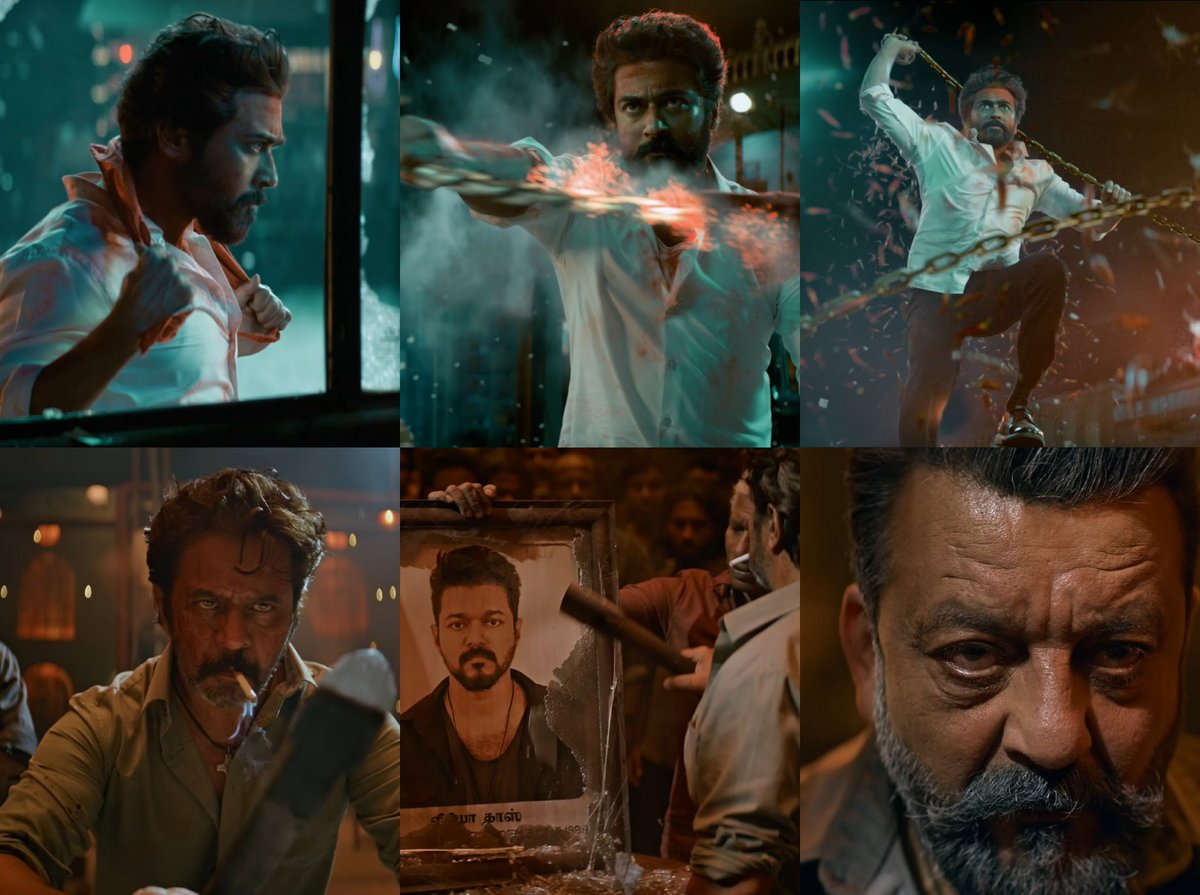
Leo das photo frame ku equal aagum da Karuppu whole interval

Karuppu Interval >>>> Leo Interval by miles
It only took Suriya a simple kerchief-to-chain transition to do what Vijay, Arjun and Sanjay Dutt were trying to do with all of those cars, factory, axe, glass, cigarettes etc etc 🔥🔥🔥🔥
5
50
376
5,905
Suriya Sanjay❤️🔥⚡ retweeted

Karuppu Interval >>>> Leo Interval by miles
It only took Suriya a simple kerchief-to-chain transition to do what Vijay, Arjun and Sanjay Dutt were trying to do with all of those cars, factory, axe, glass, cigarettes etc etc 🔥🔥🔥🔥
36
56
361
28,742
Bhargav Kadali retweeted

Downloaded #Karuppu movie, trimmed only the interval scene, and deleted the rest
6
109
1,501
20,888


Nic sto retweeted

Jun 12
NEW! Interval Edge Training ⏰
IWC: iwantclips.com/store/174442/…
C4S: clips4sale.com/studio/122965…
LF: loyalfans.com/theevadevil/vi…
14
62
383
12,868
Targaryen ⚔️ retweeted

Leo Interval 🥵🔥>>>>>>>> Suriya Pee Interval 🤡
Go**a **mma Nu Oru Interval #Leo
Pee Kutta Kudhiya Interval #Karuppu
#JanaNayagan
 Ꮇʀ Ꭻᴅ ᴱᵈⁱᵗˢ 🧊
Karuppu Interval >>>> Leo Interval by miles
It only took Suriya a simple kerchief-to-chain transition to do what Vijay, Arjun and Sanjay Dutt were trying to do with all of those cars, factory, axe, glass, cigarettes etc etc 🔥🔥🔥🔥
4
27
196
4,478

Heii! Took a mirror hahaha! Ur works more! 😍
Di samsung bisa pake hyperlapse dan set ke star trails. Kalo mau manual juga bisa pake interval shoot lalu di stacking. Itu fotoku gak sempurna karena pas tengah" tripod, HP dan kameraku beberapa kali jatuh kena angin 😭😭
Huweeee 🫠🫠
21
kikku_prapthirasthuu retweeted

Papam forced ruddudu 🤣
Interval block petukoni kuda m dairyam tho estaro ilanti tweets🤡

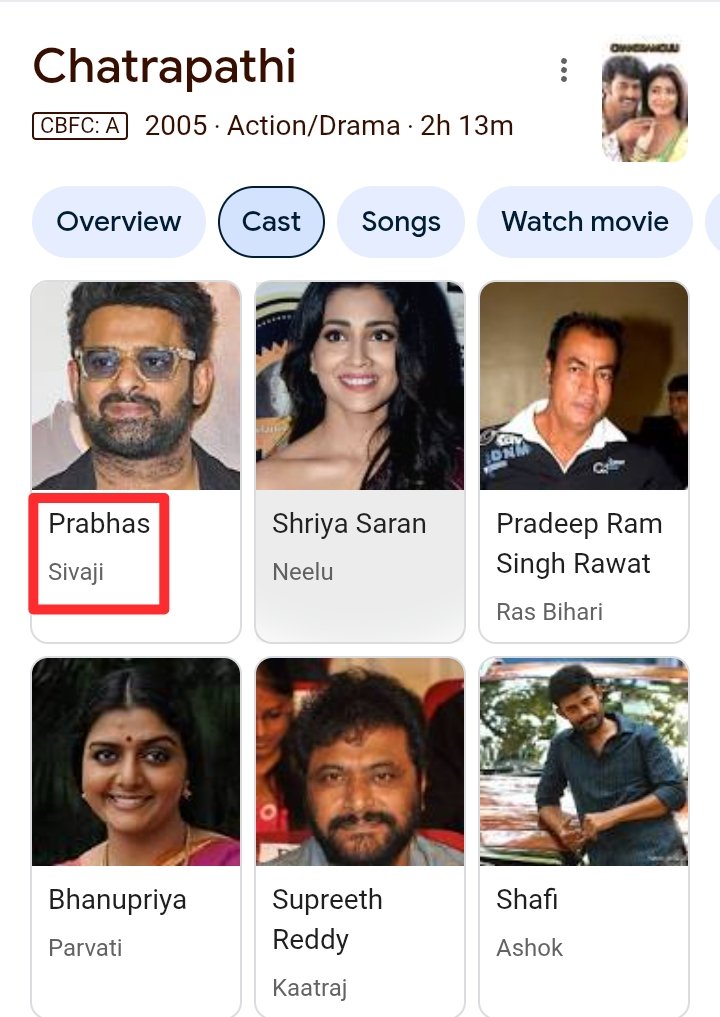
Chatrapathi Lo Pebby Gaadi Character Name - Sivaji
Pebby Gaadi Movies Lo Character Names Koodaa Teliyani LaPBour Gaallu Meeru Meekendukuraa?
Maryada Ramanna, Eega, Bahubali(Ante... Comedian Sunil, VFX Tho Chesina Eega Elaano Craze Leni Pebby Gaadu Koodaa Alaane) Ani SSR Uddesyam.
15
154
2,977

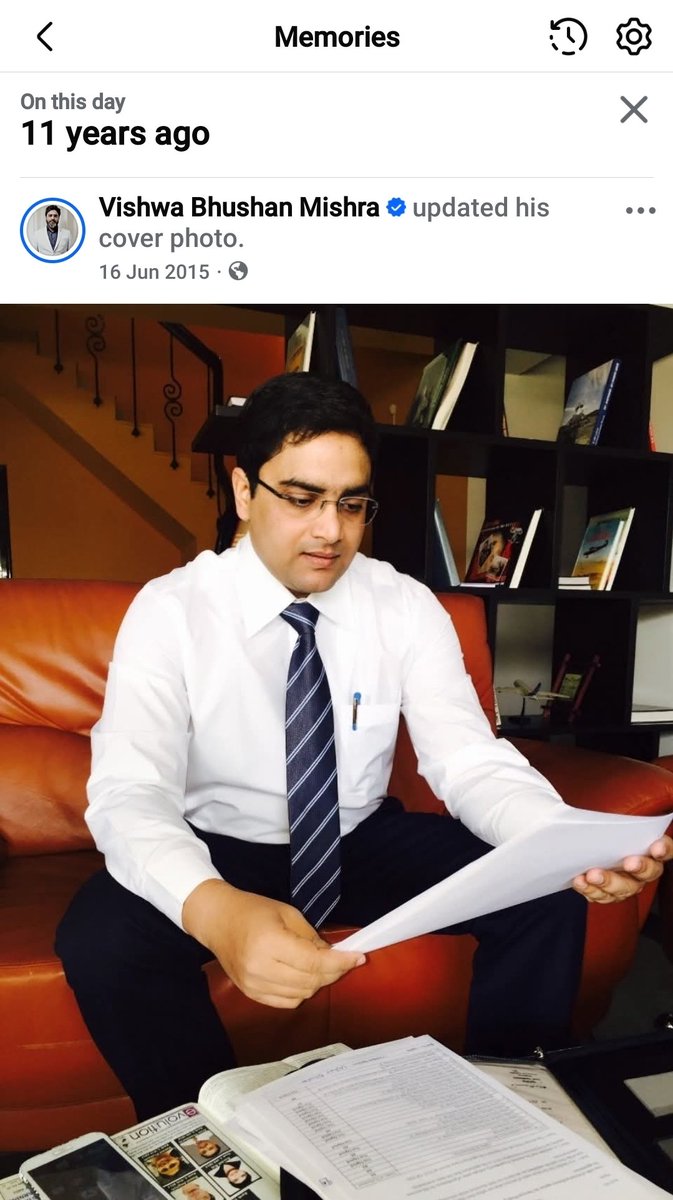
Nostalgia may be regarded as one of the quiet privileges of an aging mind. As the years pass, memories of the past increasingly take on the character of cherished relics—fragments of experience revisited not merely through recollection, but with a reflective appreciation shaped by distance and perspective. Human understanding, insofar as it operates within the boundaries of perceptible reality, appears to interpret both life and its surroundings through the lens of a single fundamental measure: time.
Yet time itself remains among the most profound and elusive concepts contemplated by human consciousness. Much of our understanding and measurement of time is grounded in the regular movements of celestial bodies. The rising and setting of the sun, the phases of the moon, and the continual motion of stars and planets across the sky have deeply influenced humanity’s perception of a world in constant motion and, consequently, of time as a phenomenon that progresses. This invites an intriguing question: if such recurring celestial patterns had never existed, would the human mind have developed any conception of time at all?
If there were no awareness of time, what role would memory serve? Memory may be understood as the preservation of experience across a perceived temporal interval. Without memory, could there remain any meaningful distinction between pleasure and pain? These experiences derive significance not solely from immediate sensation, but also from their persistence in remembrance and anticipation. If both memory and temporal awareness were absent, how would an individual perceive existence itself?
At this point, the enduring philosophical question of Being emerges. Within the limits of human cognition, pleasure and pain may be viewed not as entirely independent realities, but as experiences shaped by the perception of time. They are intertwined with remembrance, expectation, and duration. From this perspective, to transcend time—or to stand beyond its influence—is to become free from the dualities of pleasure and pain. Such transcendence suggests a condition of profound peace, understood not as an emotion, but as a state of being unaffected by temporal change.
This enduring yet difficult-to-define condition may be understood as one in which awareness extends beyond time, pleasure, pain, and even conventional notions of existence. It lies beyond the categories imposed by the senses and beyond the distinctions constructed by the mind. What remains cannot readily be described as an object of perception, for it is not a discrete entity among other entities. Rather, it is that which eludes direct perception while quietly underlying every act of perceiving.
Thus, the inquiry finds resolution not through intellectual analysis alone, but through the recognition of that which transcends all forms of apprehension—the unconditioned reality that neither appears nor disappears, neither remembers nor forgets, and neither exists nor ceases to exist in the manner ordinarily understood through sensory experience. It is the mystery that lies beyond time and, consequently, beyond all that time makes possible.
– From "Being Shiva" by @AuthorVishwa
6
19
Tamil Cine Pulse retweeted

#Karuppu Veerapa Full version song link
@SaiAbhyankkar mirattal Interval Block Goosebumps moments🤩
m.youtube.com/watch?v=L5Z-1J…
1
1
59