
20 Sep 2025
An Interactive AI Agent for Adaptive Modeling of RNA Region-Ligand Interactions via LLM-Generated Machine Learning Workflows
1. A novel new framework called RLAgent has been introduced, offering a novel approach to modeling RNA-ligand interactions at the region level rather than focusing solely on binding sites. This method provides higher resolution and more flexible modeling, which is crucial for understanding complex RNA segments that may contain multiple or diffuse binding motifs.
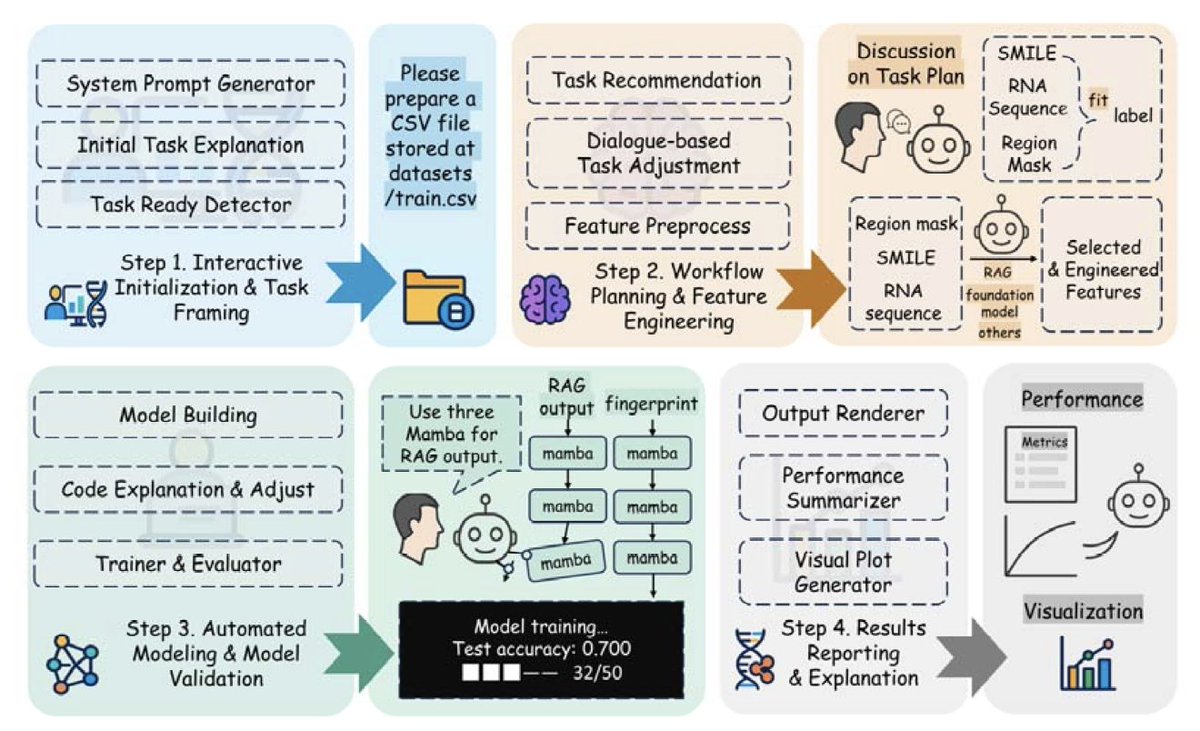
2. RLAgent reframes the RNA-ligand prediction workflow as a dialogue-driven process, allowing users to interactively configure modeling preferences through a natural language interface without writing code. This lowers technical barriers and enhances reproducibility, making RNA-ligand prediction more accessible for both computational and experimental biologists.
3. The framework integrates large language model (LLM) capabilities with optional retrieval-augmented generation (RAG), automated debugging mechanisms, and optional RNA foundation model-based feature encoding. It forms a coherent, end-to-end pipeline that supports various model types, from classical machine learning models like Random Forest and XGBoost to deep learning architectures such as LSTM and Transformer.
4. RLAgent’s robustness was tested with different LLM backends, revealing that larger-scale LLMs like GPT-4o and DeepSeek-R1:70B are significantly more reliable for domain-specific code generation. This finding provides practical guidance for selecting LLM backends in future agent-based systems.
5. An ablation study highlighted the importance of query validation and debugging in RLAgent’s workflow. While single-pass code generation achieved high conformity, it came at the cost of significantly longer runtimes. The standard interactive workflow balanced accuracy and efficiency effectively.
6. In terms of performance, deep architectures like the Transformer and Mamba achieved the highest AUC and F1-scores. However, classical learners such as XGBoost and Random Forest also performed competitively, demonstrating RLAgent’s architecture-agnostic capabilities.
7. A case study demonstrated RLAgent’s interactive modeling capabilities using the Mamba model. The entire process, from feature encoding to model evaluation, was driven by natural language commands, showcasing the framework’s user-friendly experience and potential for real-world biomedical research.
8. Despite its contributions, RLAgent has limitations, including a relatively small training dataset and potential overfitting risks. Future versions may support multi-resolution prediction and could serve as a general-purpose interface for human-AI collaborative hypothesis generation in RNA-targeted therapeutics.
📜Paper: biorxiv.org/content/10.1101/…
#RNA #LigandInteractions #AI #MachineLearning #ComputationalBiology #InteractiveModeling #LLM #DeepLearning
1
4
1,189

14 Aug 2024
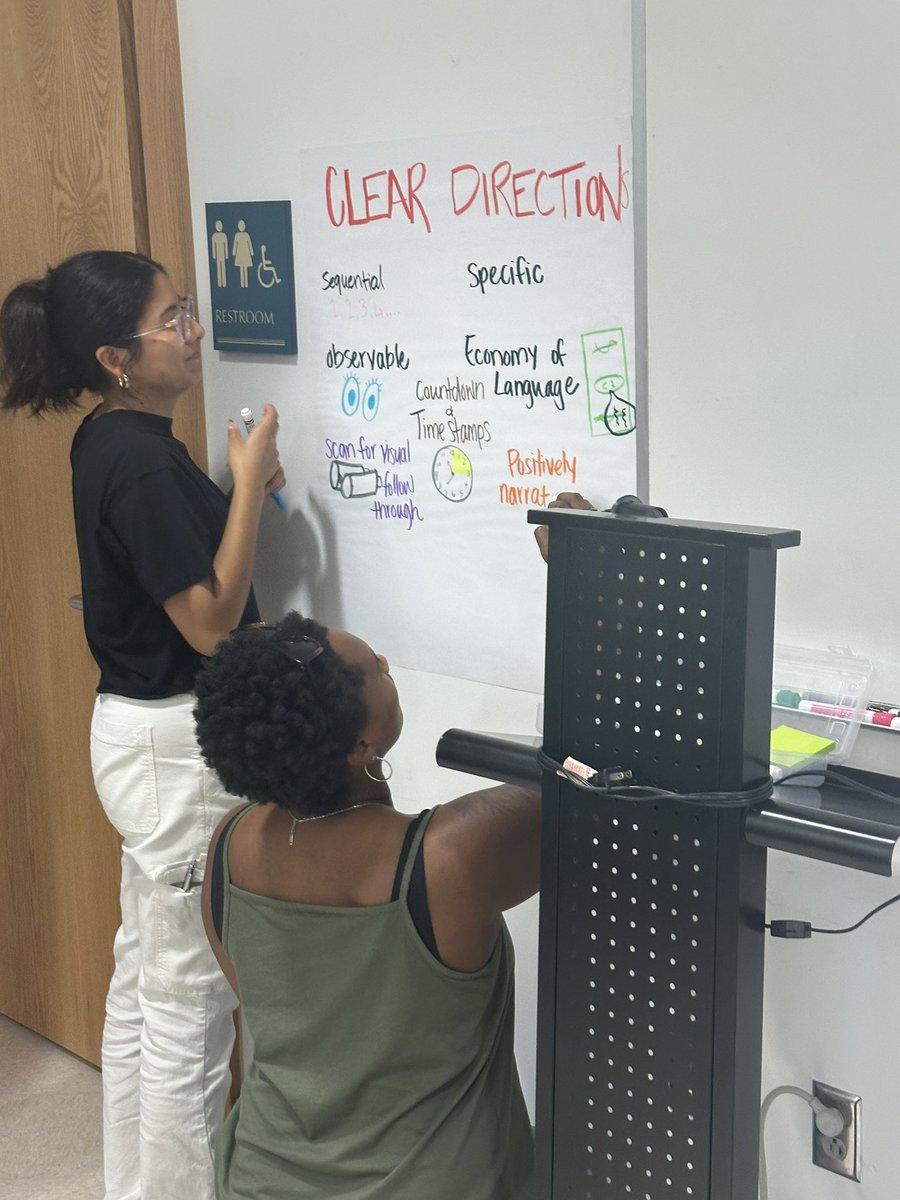
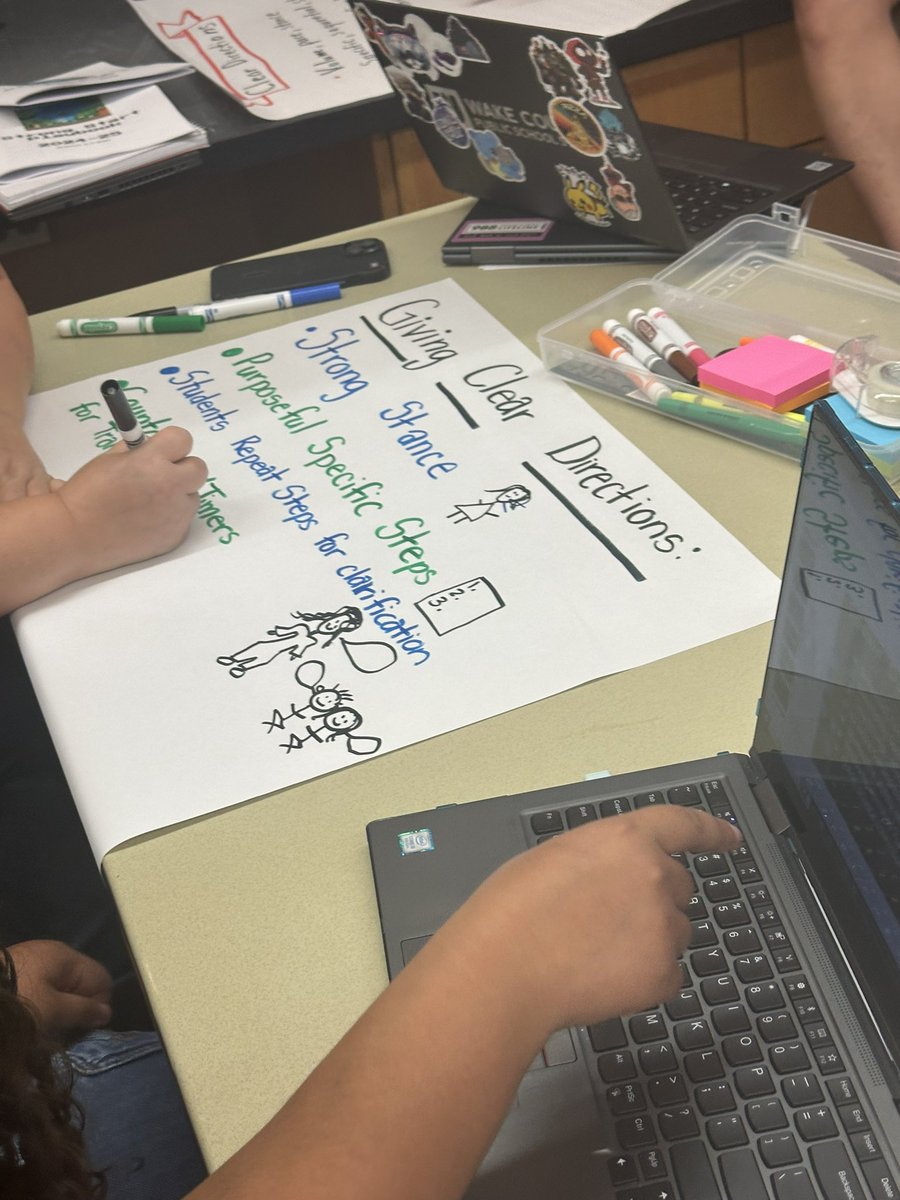
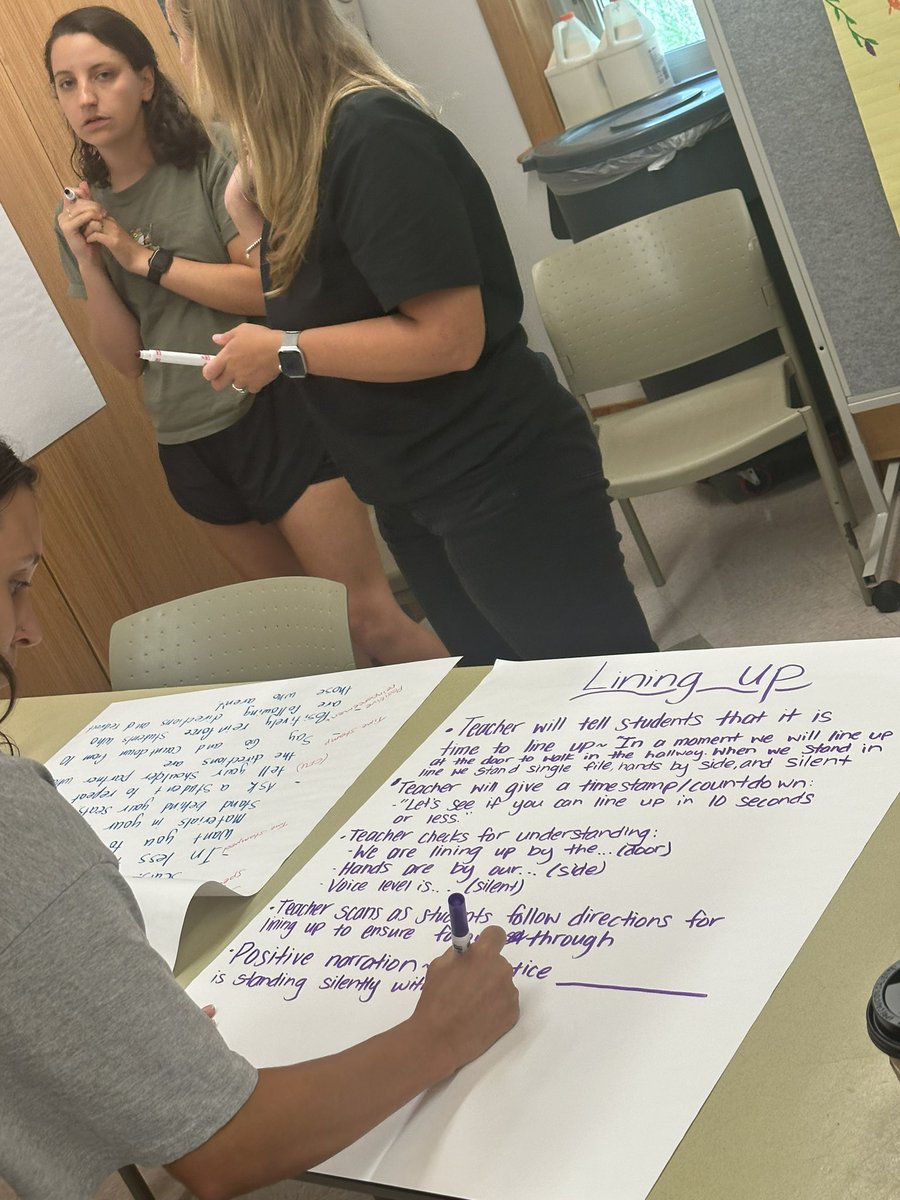
The SIP Summer Retreat was all about preparing for the new year! These co-created anchor charts are here to support our teachers! #ClearDirection #InteractiveModeling @MECME_School @jpachec1 @AldridgeMECME We are Ready Y’all!
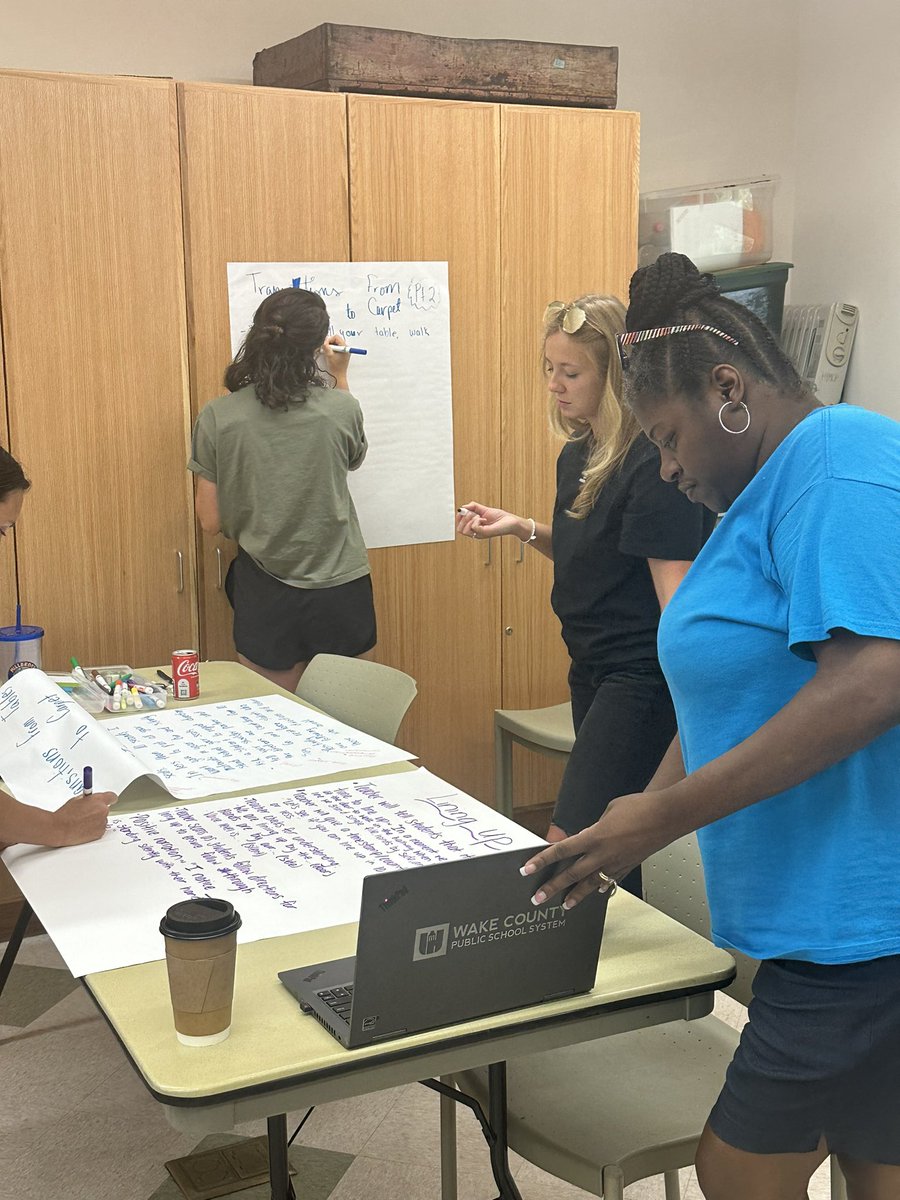
13
468

30 Nov 2023
Love all of the professional learning and laughing that is occurring at White Oaks! @Sansone39 @WhiteOaksDragon @dnwillia2 @PGIVBCPS #teachearlanguage #interactivemodeling #morningmeeting
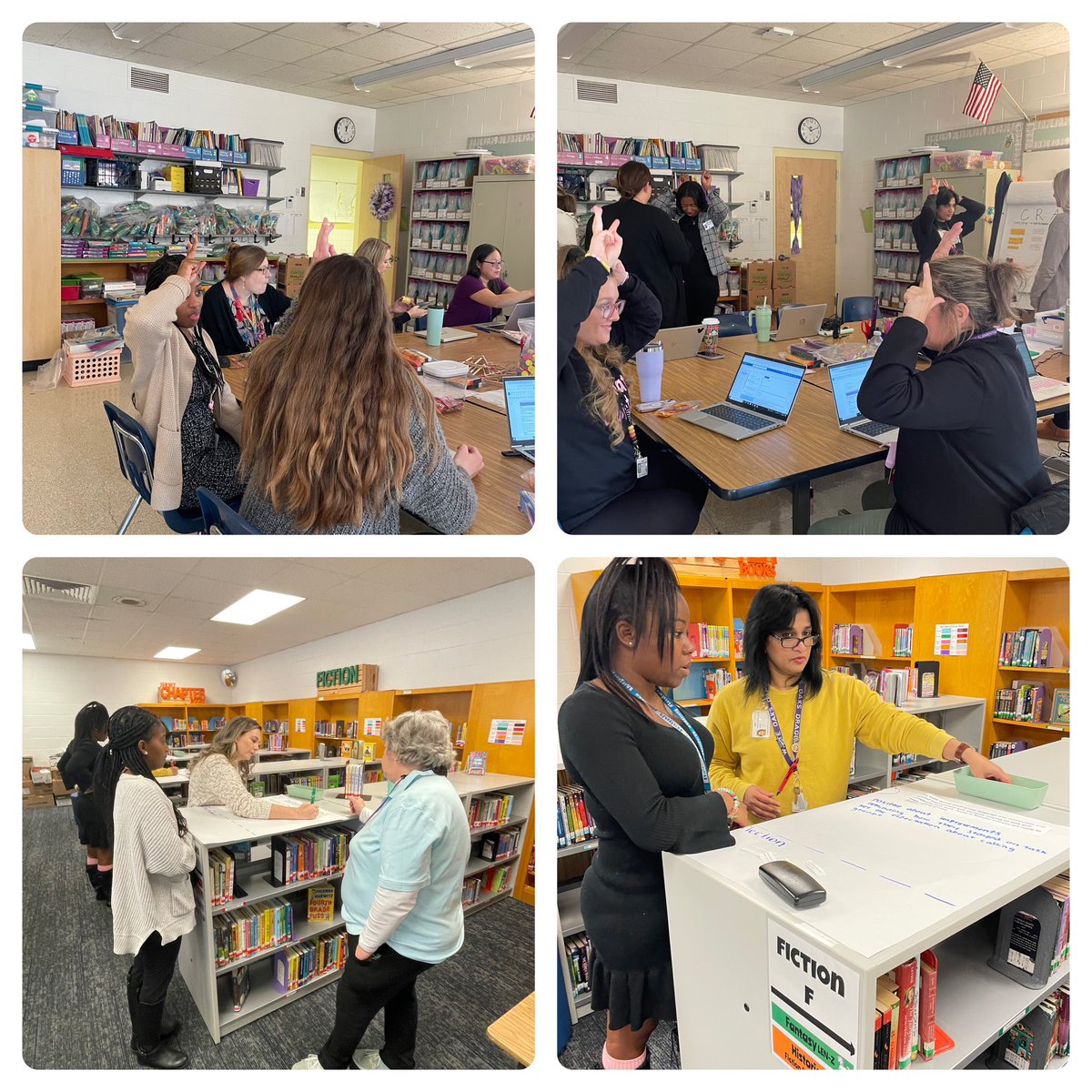
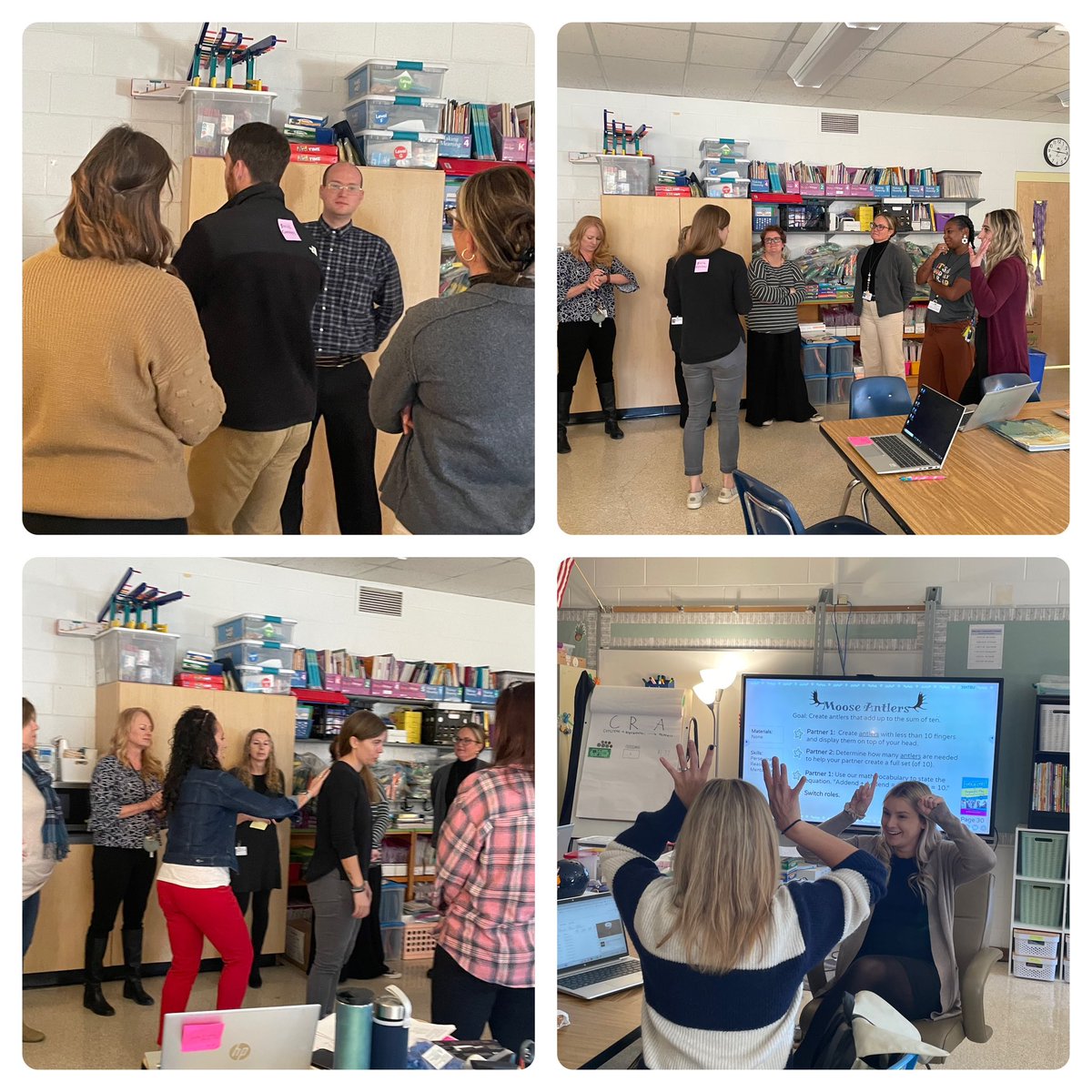
6
1,287

21 Sep 2022
In Morning Meeting, Ss shared when they may need to press pause & get their mind ready to be their best. We used #interactivemodeling to practice what it looks like, sounds like, and feels like. Thanks for having me @dicksjt @MrsAmieSwitzer #KindnessStartsWithME #CometWellness
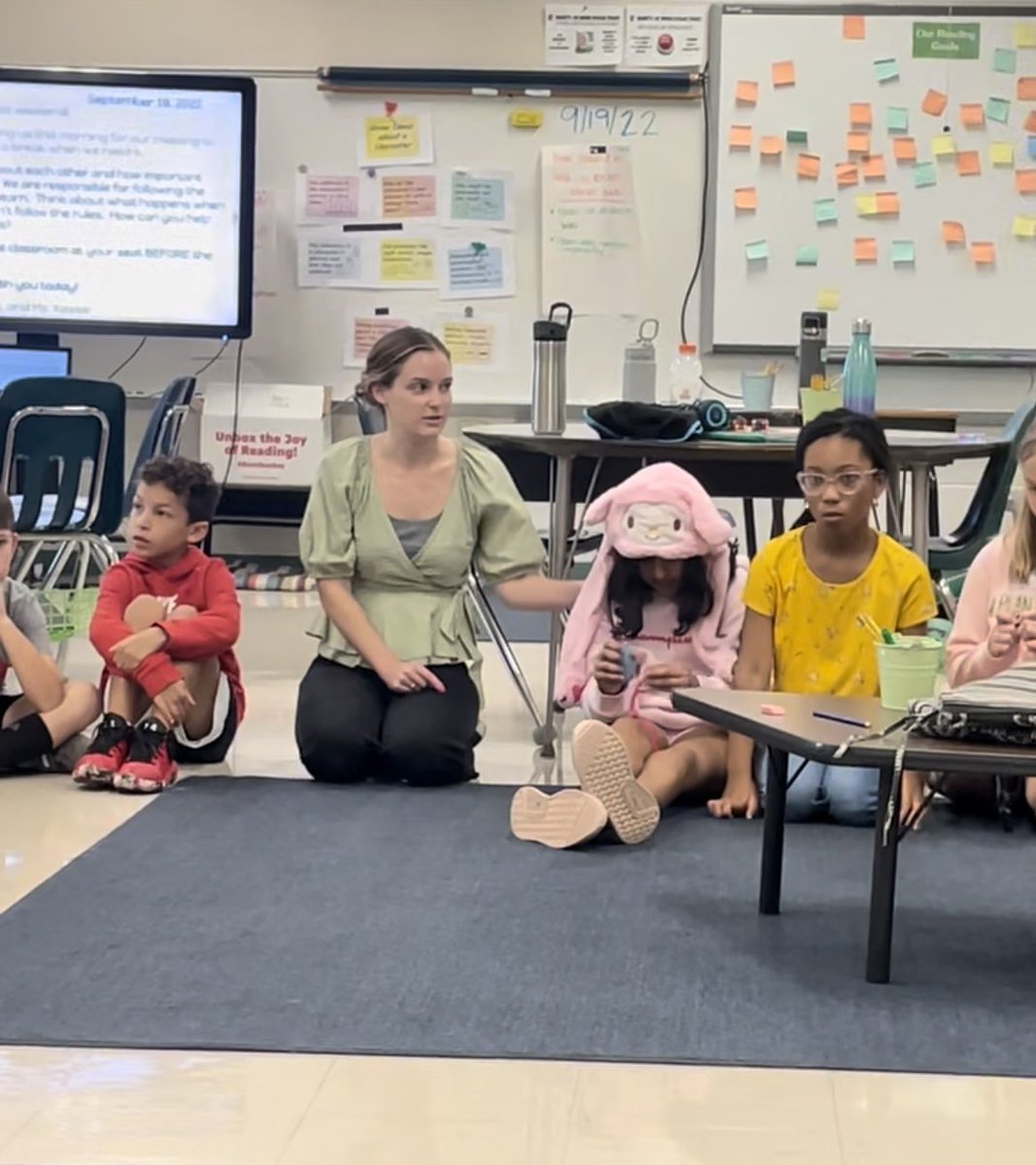
2
11

1 Sep 2022
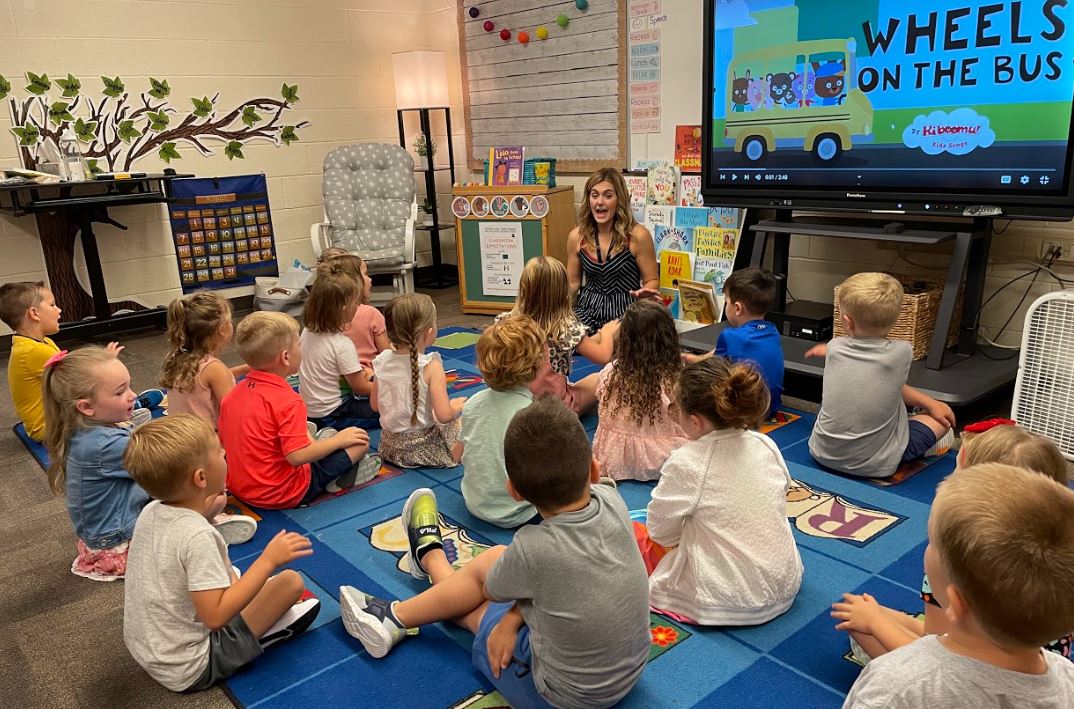
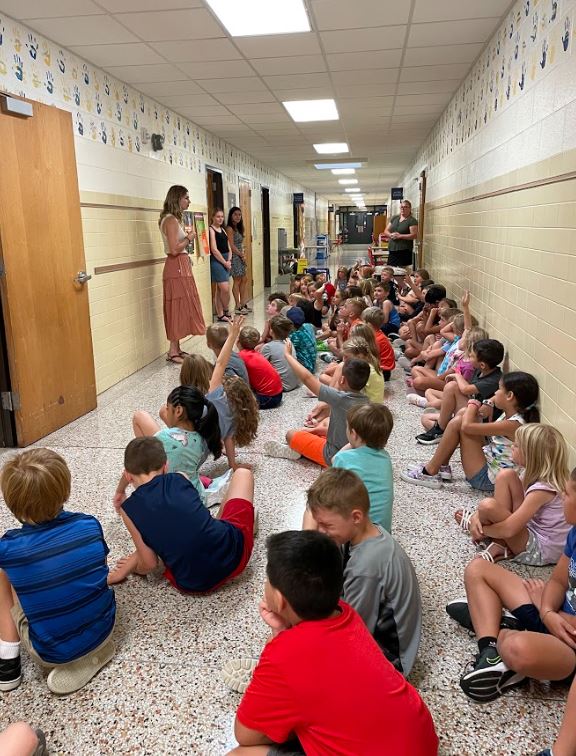
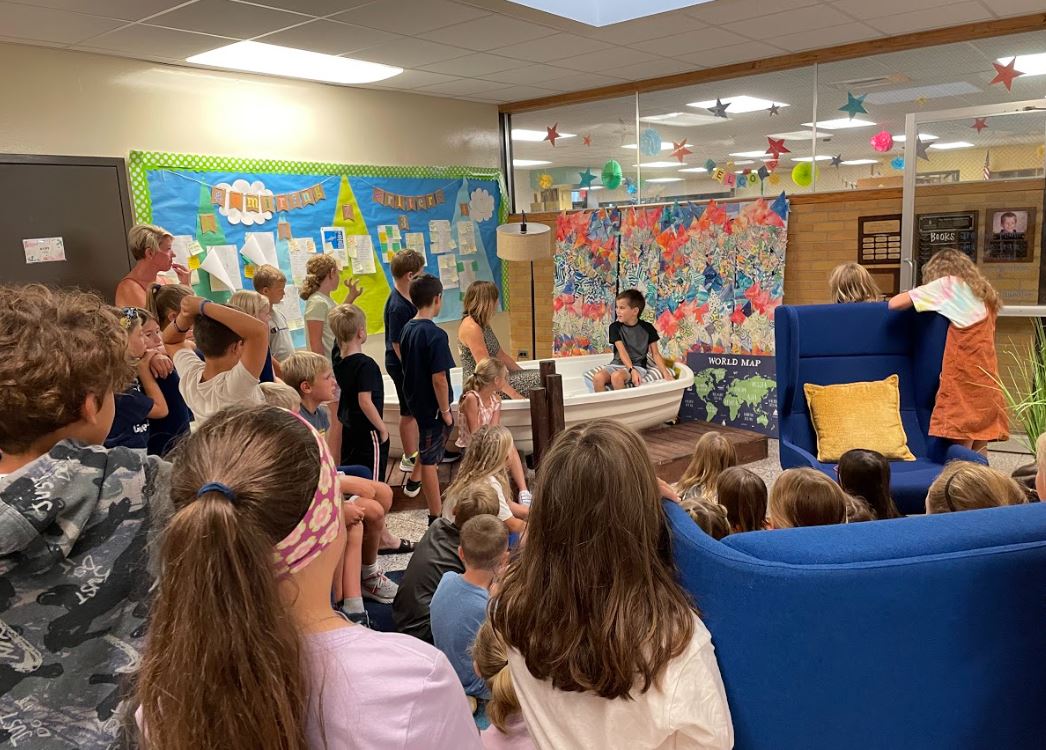
Training our team in positive behavior expectations! It's part of what makes us SCORE (safe, caring, on-task, responsible, everyday!) @ghschools #howwedolife #teampeach #bettertogether #interactivemodeling
4

27 Aug 2022
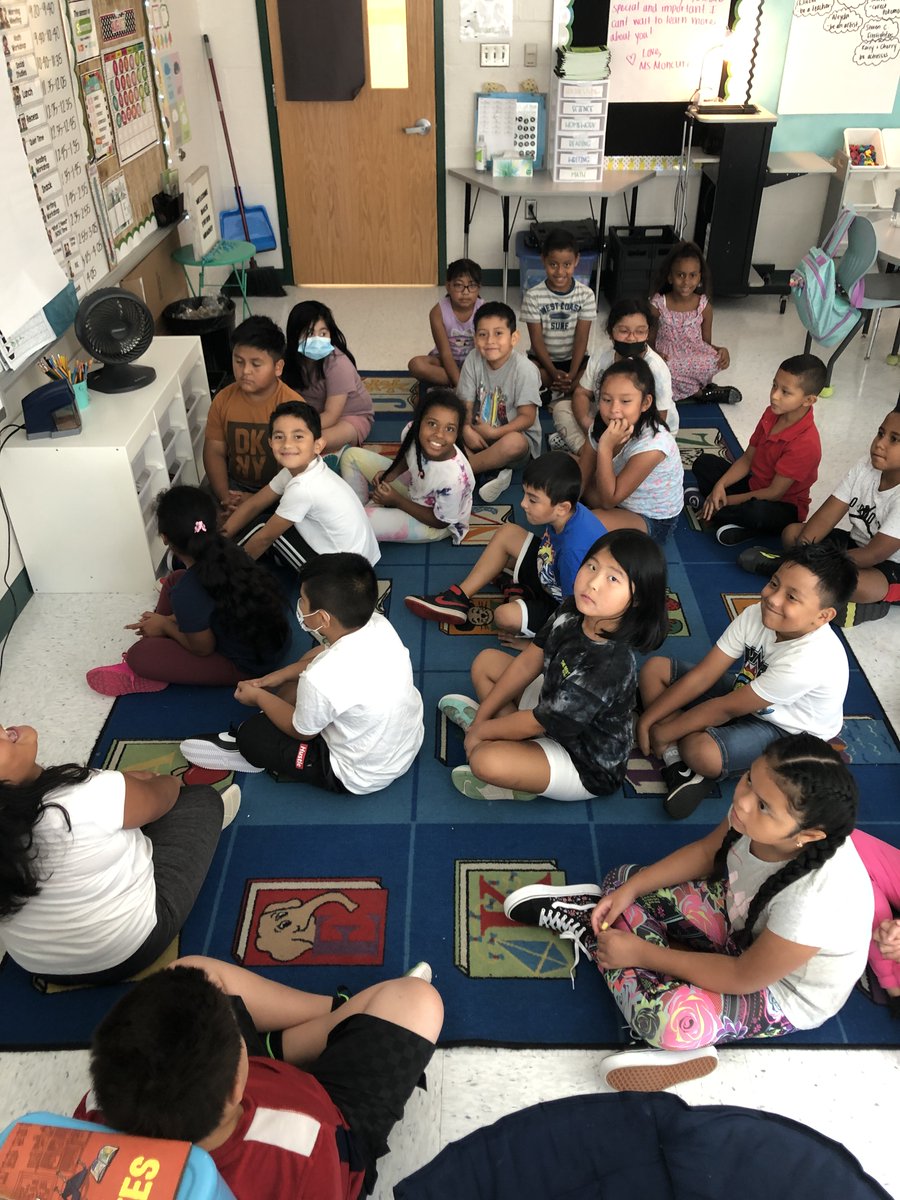
We LOVE interactive modeling! Check out our "ready to learn" carpet spots - listening ears, eyes on the speaker, brains ready to learn! 👍🏽👀 #ResponsiveClassroom #interactivemodeling #GrahamFam @GrahamRoadES
2
5

19 Aug 2022
19 Aug 2022

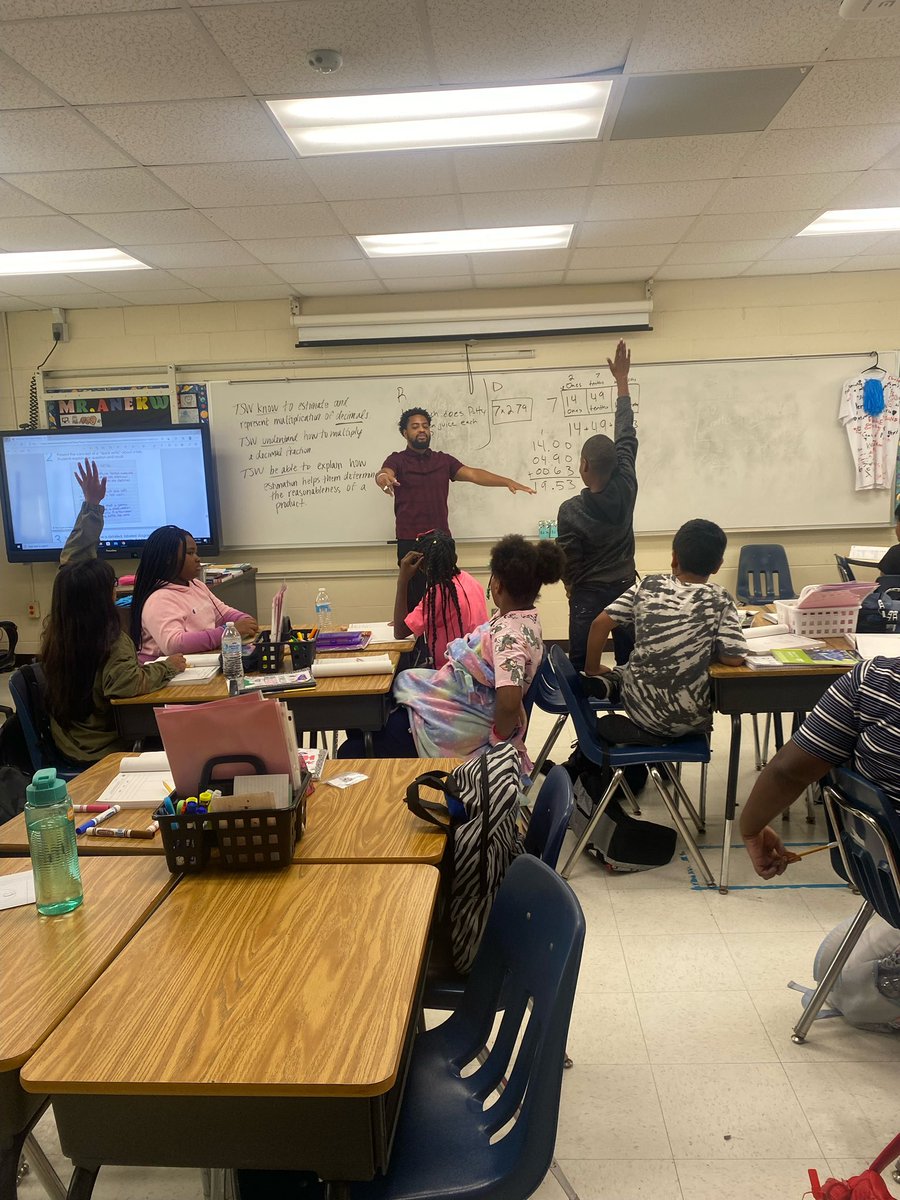
This morning I had the opportunity to visit Mr. Anekwe’s class to model a math lesson. This afternoon, he delivered! Way to go Mr. A @SmithES_AISD 👏🏼👏🏼👏🏼 #AldineConnected #AboveAndBeyond #MathCoach @eureka_math
6

16 Aug 2022
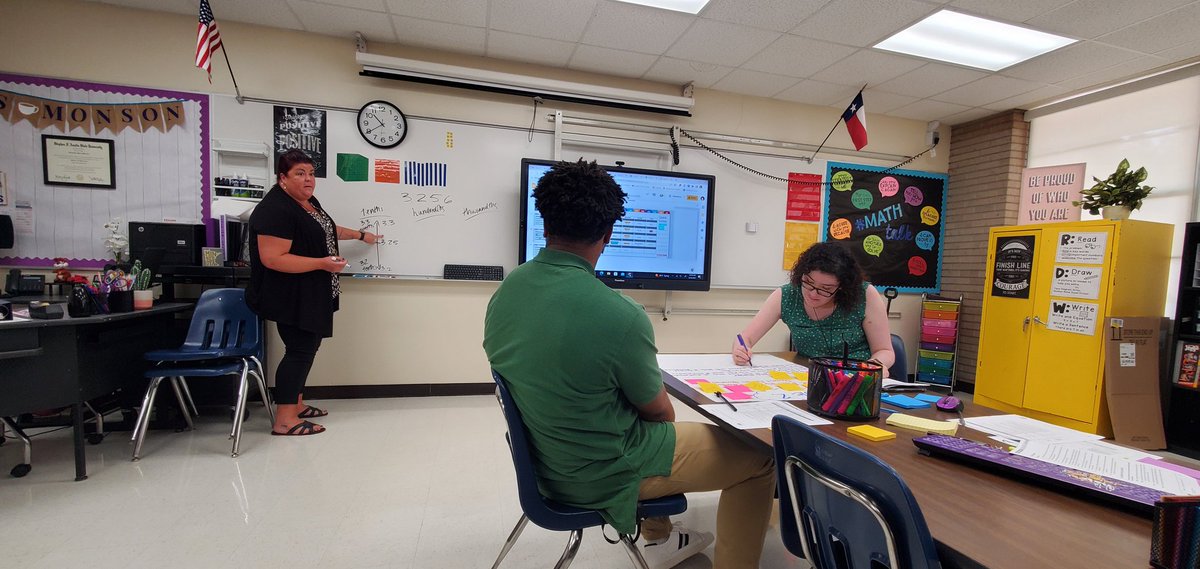
Our Math IS @cmmonson1 is in the zone during 5th grade CBPL! #showingnotjusttelling #interactivemodeling #aboveandbeyond
8

29 Jul 2022
Establishing a predictable closing routine helps calm students and prepares them for the next part of their school day. Using the steps of #interactivemodeling to teach lining up engages students in actively practicing what this procedure should look like and sound like. #physed
1
5

18 Mar 2022
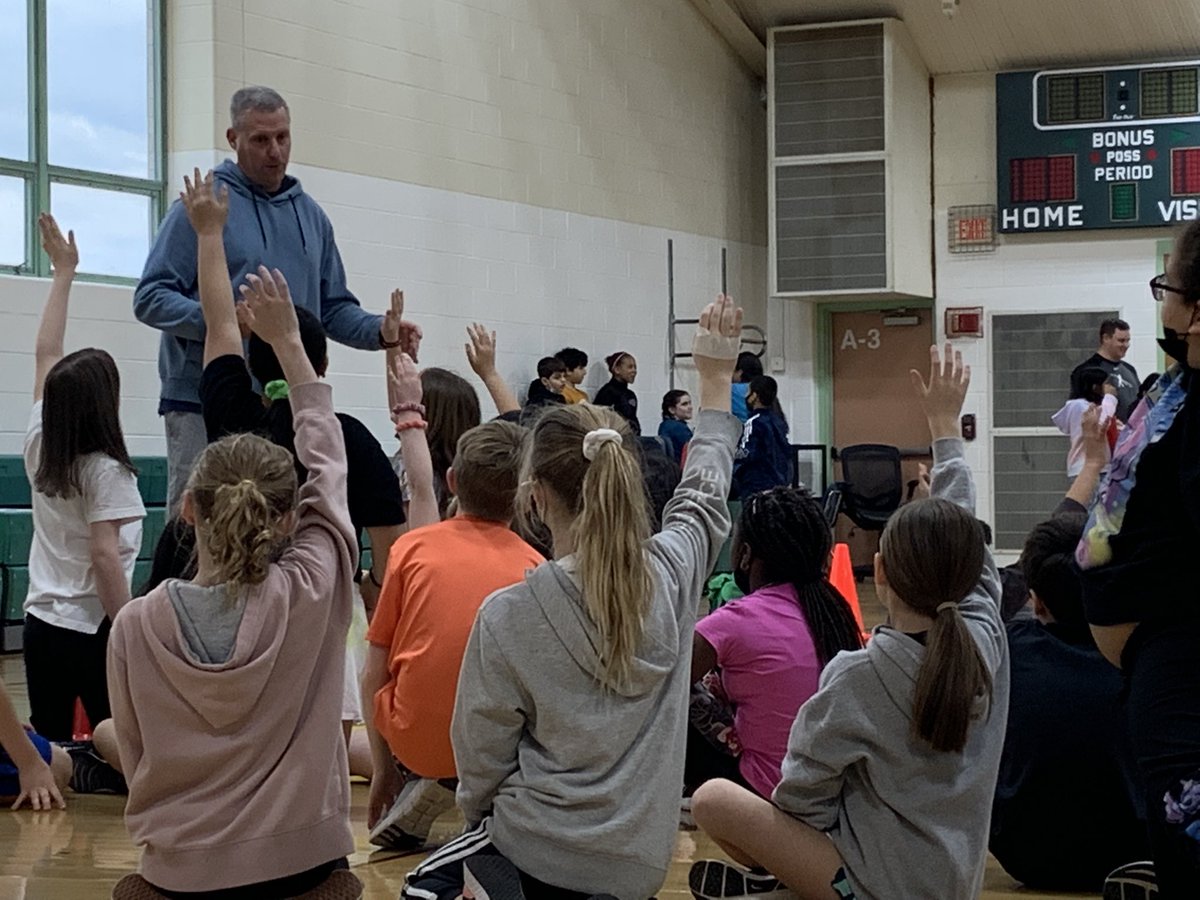
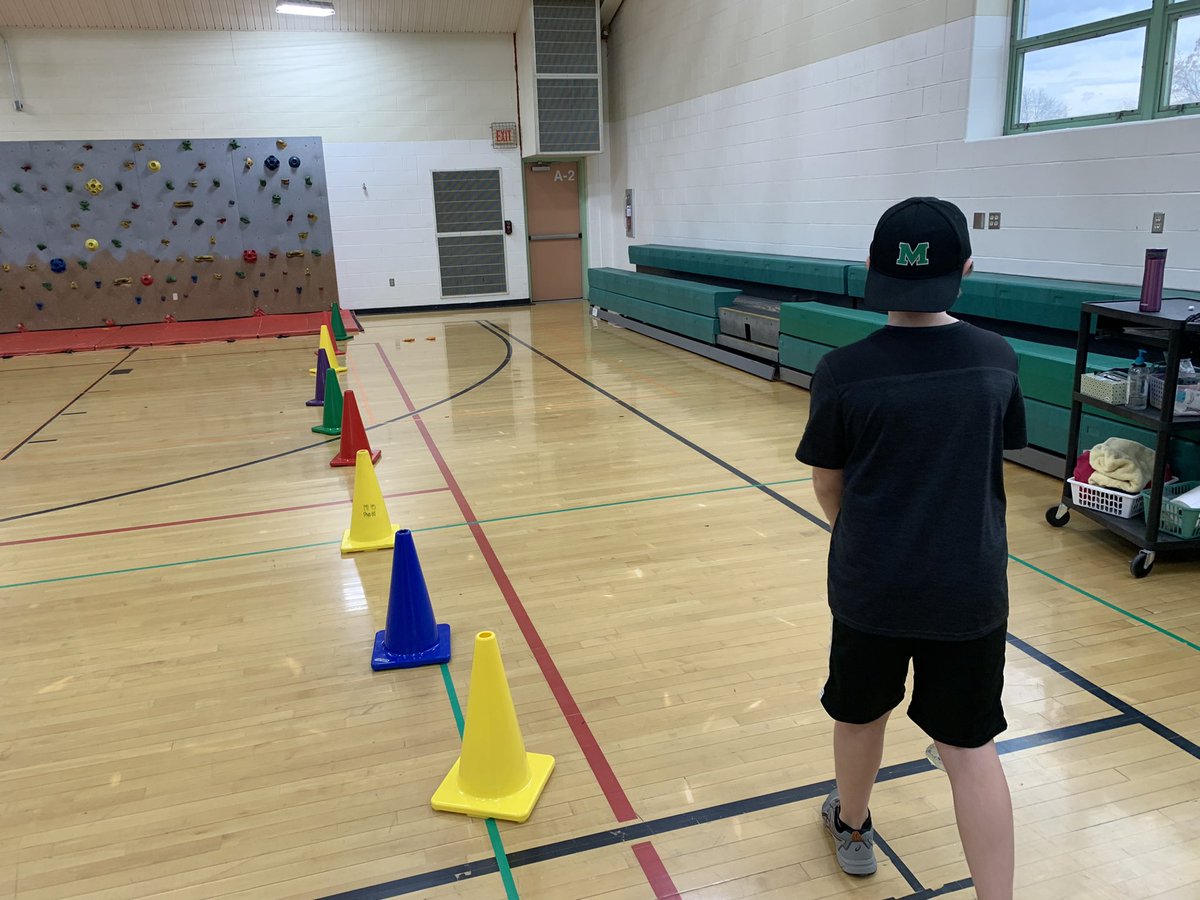
These #MasonElementary Comets are ready to beat their previous times on their shuttle runs. Thank you @AndyWilson14PE for using their excitement for the lesson to engage them. #interactivemodeling #KindnessStartsWithME
1
9

7 Oct 2021
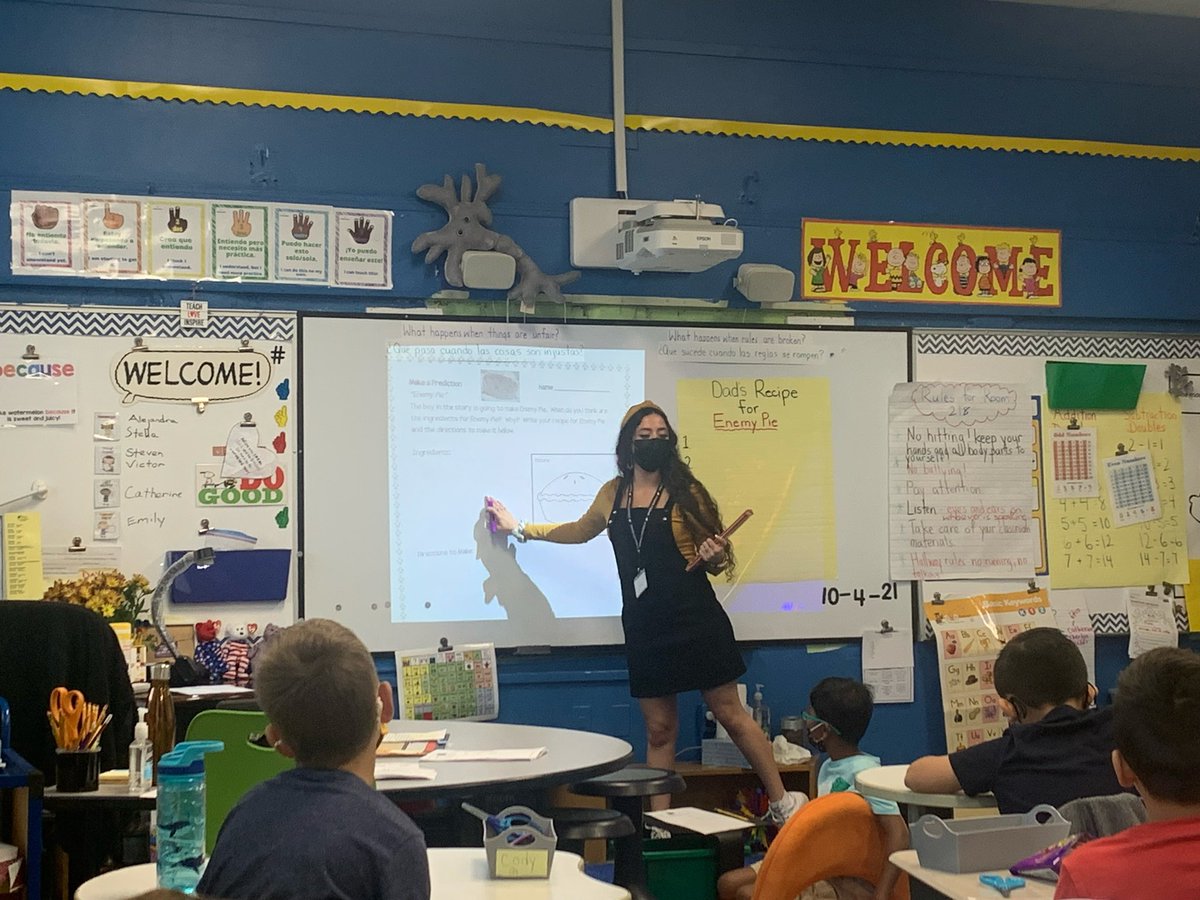
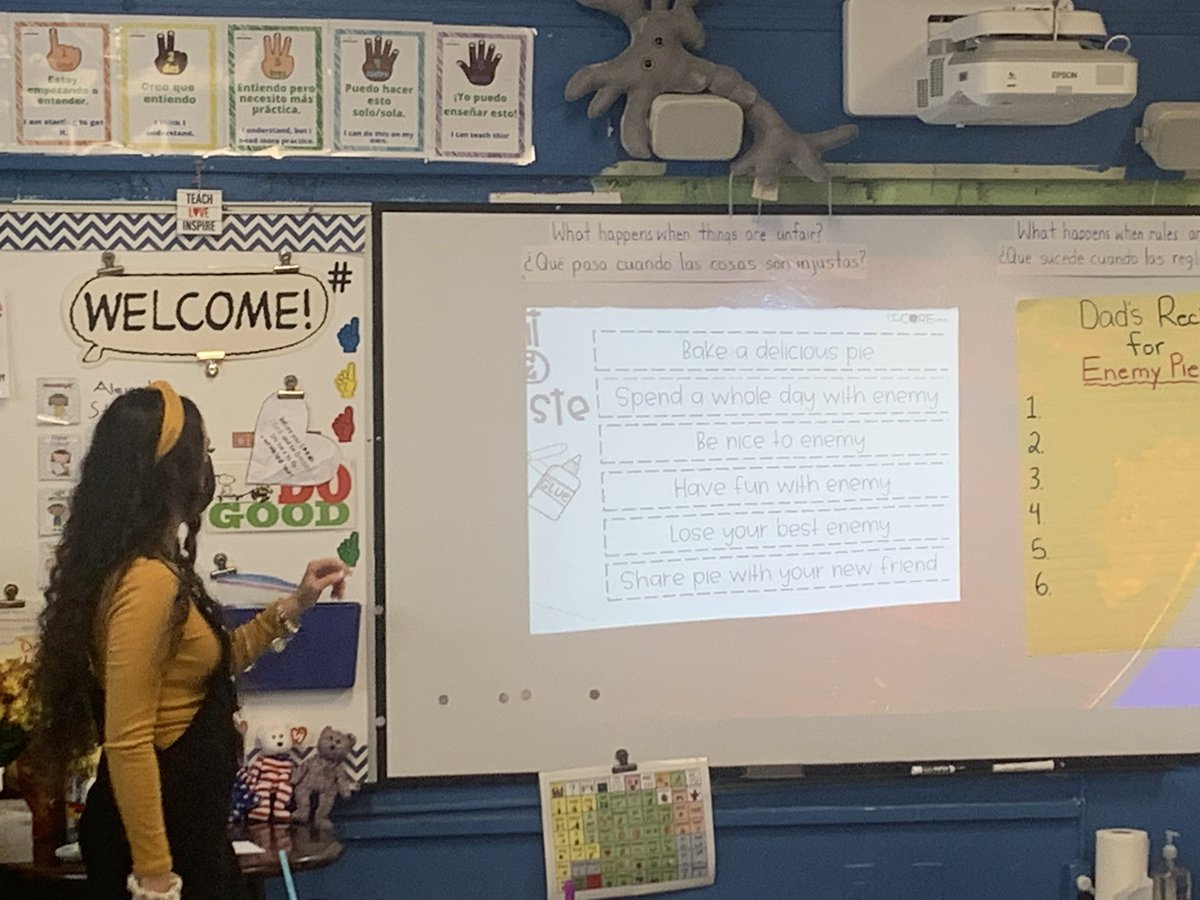
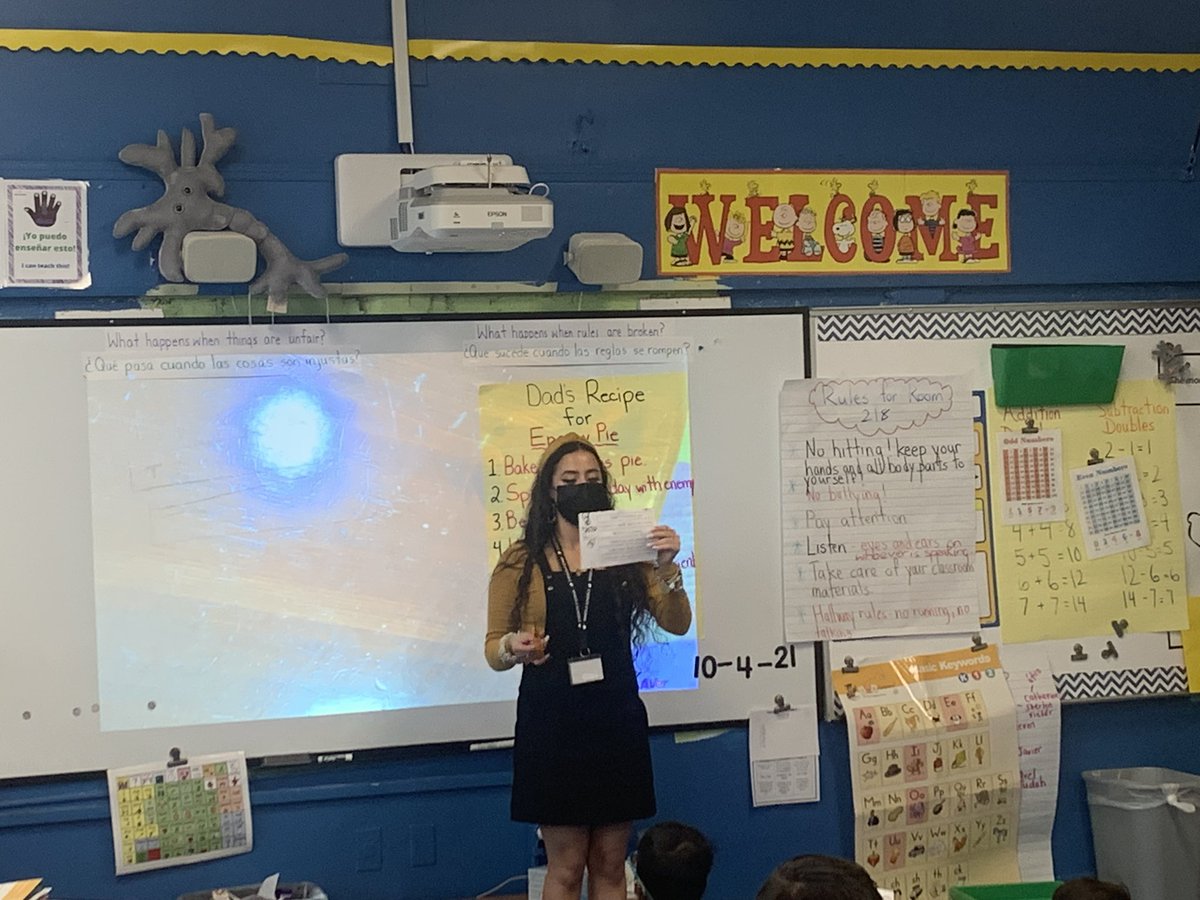
Some pictures courtesy of the best supervisor in the world @McMaryJean from the “Enemy Pie” (my new favorite book) lesson on my birthday! #MineolaProud #EnemyPie #InteractiveModeling #Literacy #SEL @mrs_ekloff @valerie_sunjka @Hampton_Street @AdelphiU
13

17 Sep 2021
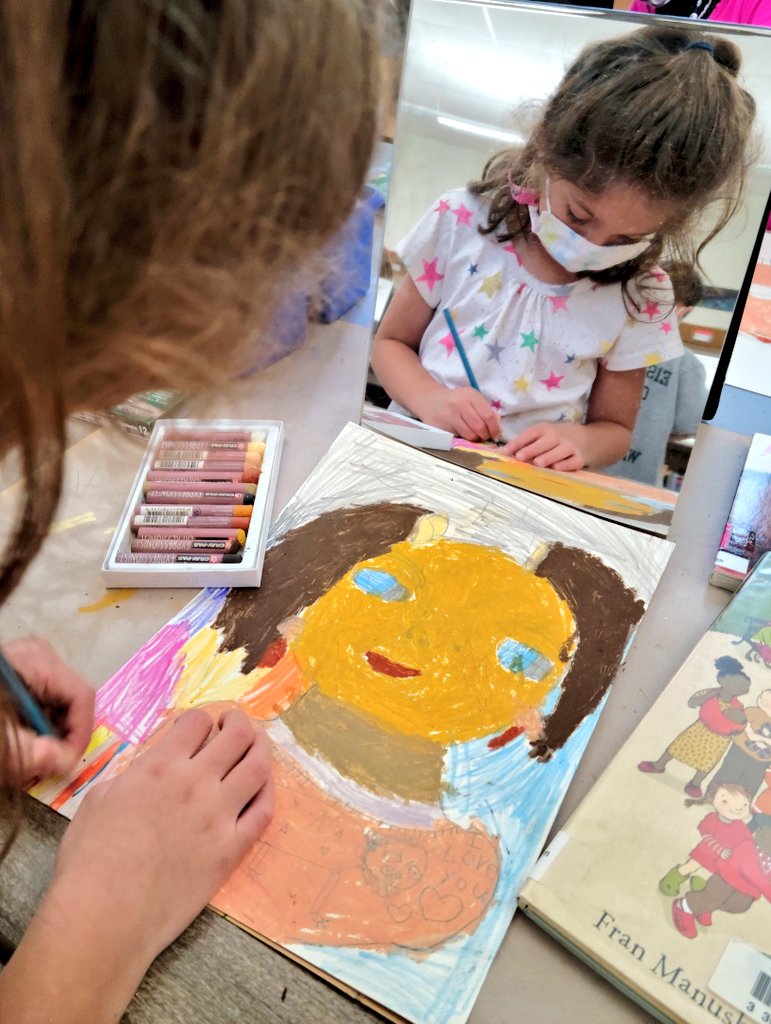
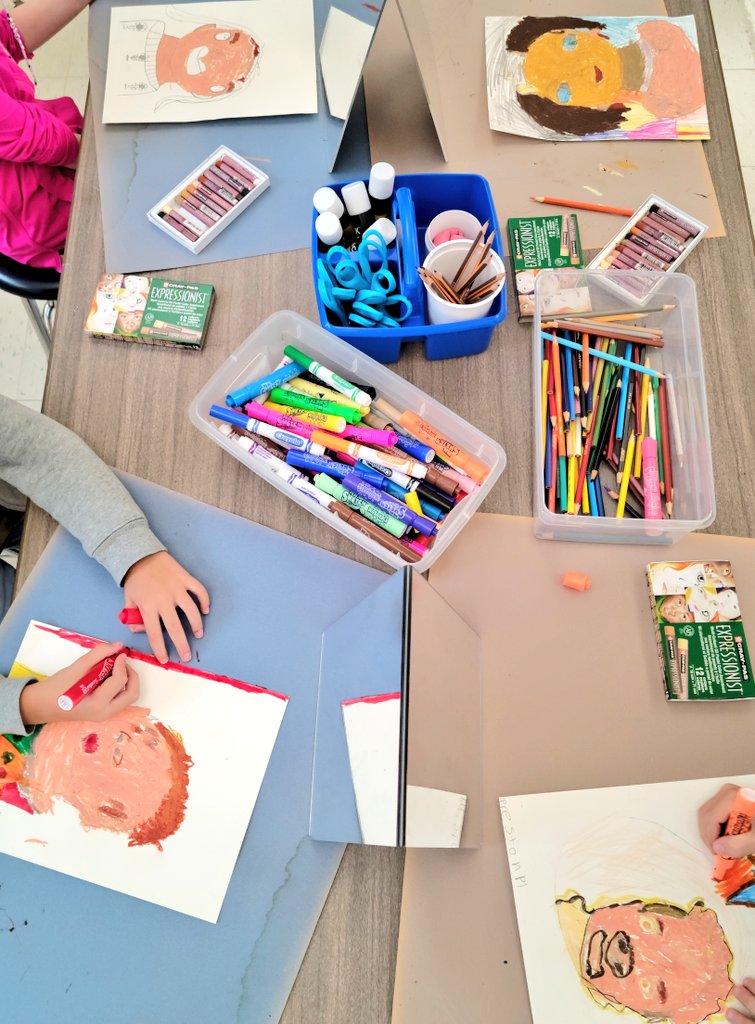
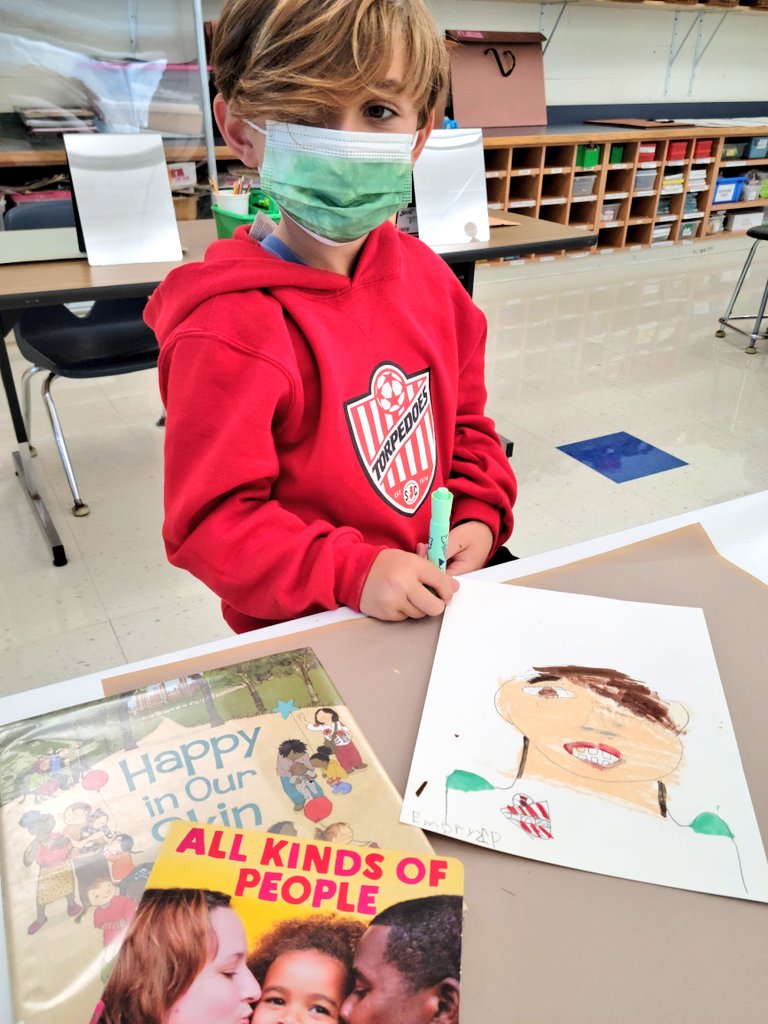
@misspetela class creating self-portraits. #academicchoice provided through a variety of mediums - oil pastel, crayons, markers and colored pencils. We are learning to care for our materials using #interactivemodeling #responsiveclassroom @WPSSicomac
2
4

3 Mar 2020
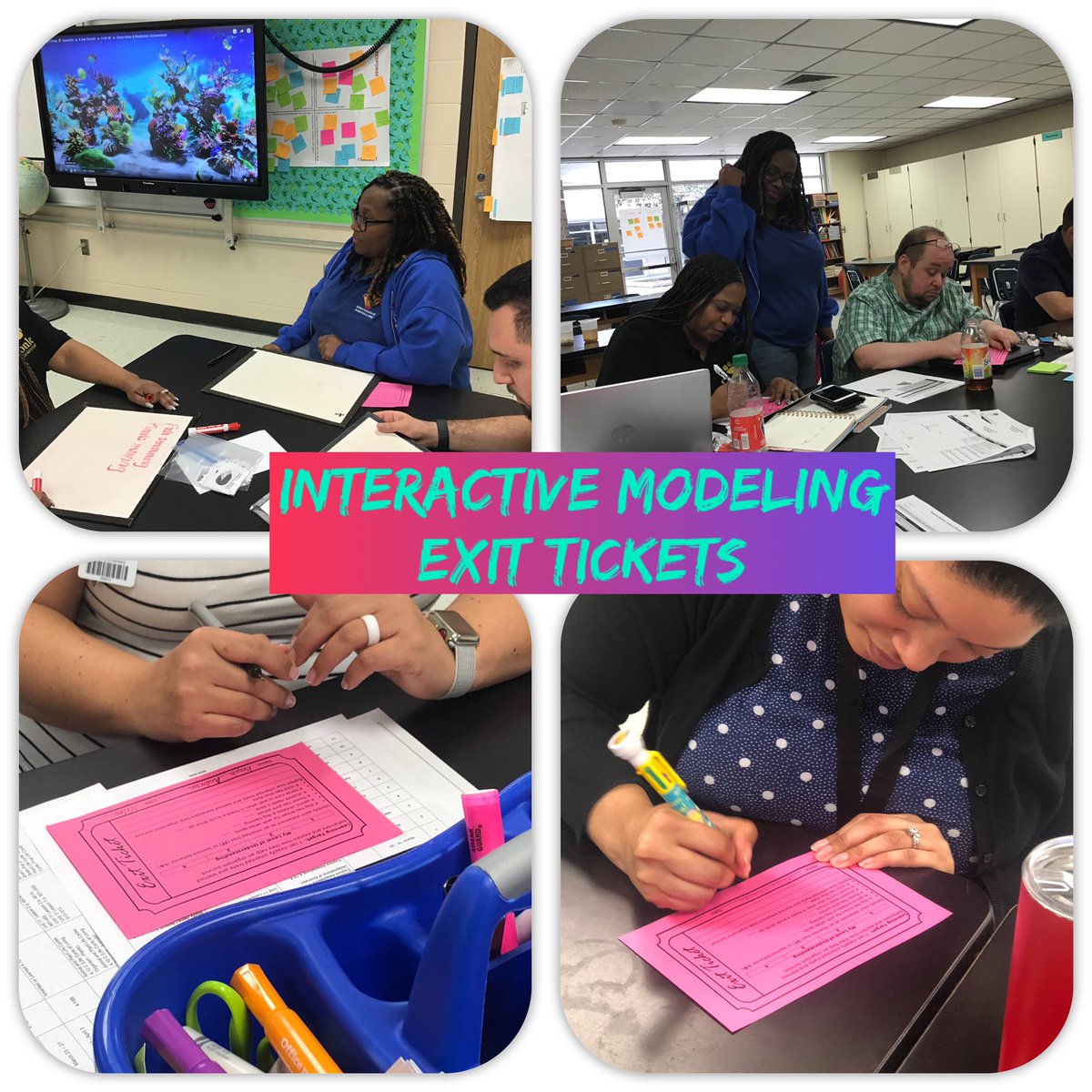
Team 6 - Interactive Modeling using Exit Tickets. @STARS_902 @DunnES_AISD @ParkerESAldine @ConleyES_AISD #WorkingOnTheWork #TeachersLearnToo #InteractiveModeling
5

26 Jan 2020
Meditation or deep-breathing techniques, stretches, and tactile grounding techniques like standing with their back pressed against a wall are all useful skills that can be taught through #interactivemodeling. #seeingthegoodinstudents #SEL #teachthemtheskills #refocus
10
25
2 Jan 2020
Teaching and modeling procedures and routines. bit.ly/2ZKadF9 #backtoschool #interactivemodeling #classroomskills #socialskills #SEL
12
33
30 Dec 2019
6
26
27 Oct 2019
Always modeling. #ResponsiveClassroom #SocialEmotionalLearning #interactivemodeling #theyarewatching #constantmodeler
31
113
23 Oct 2019
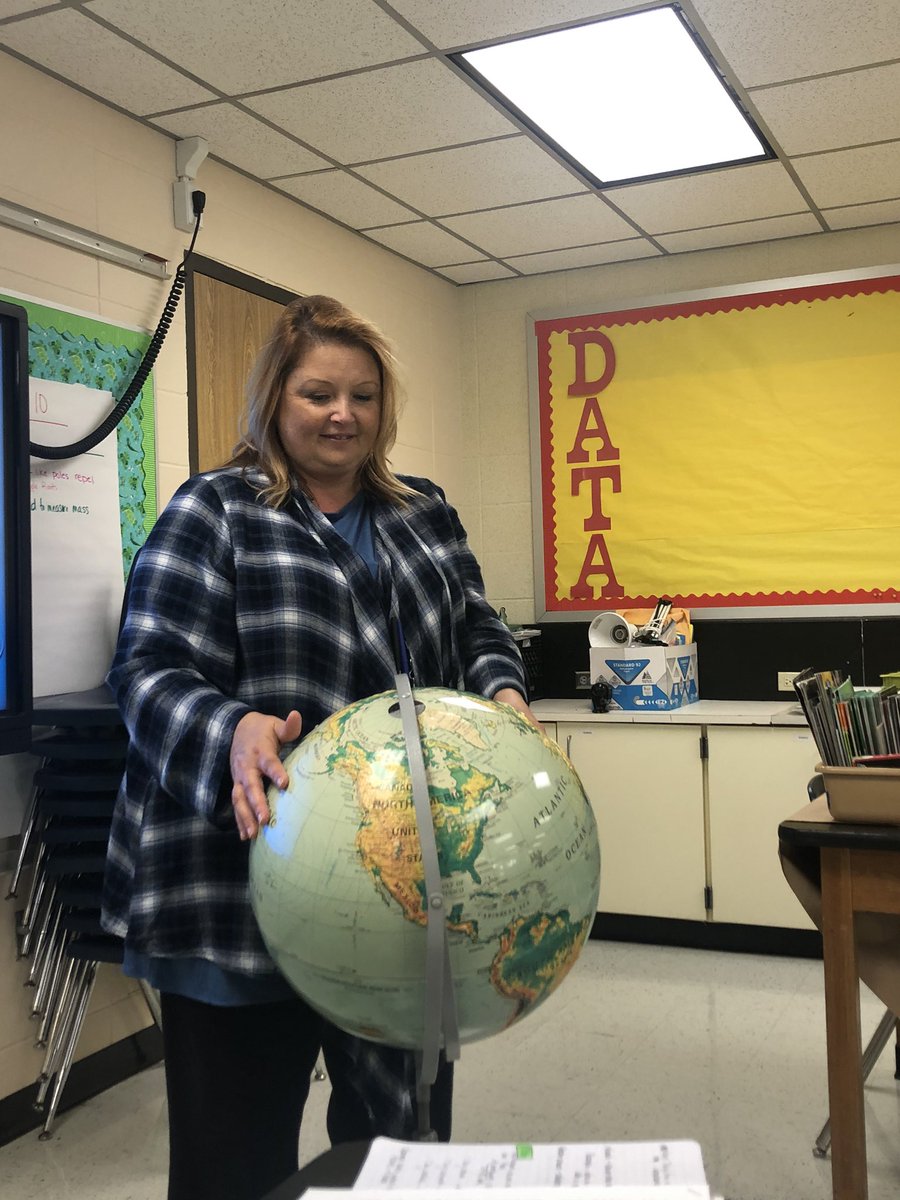
Thank You to @hjsmithreads for volunteering to do #InteractiveModeling for us in Collaborative Planning Pull-Outs yesterday. @ParkerESAldine @dunnbears @ConleyES_AISD @CalvertCougars @STARS_902 #CampComeback #Allin4Aldine
1
2
22 Oct 2019
Learn how to teach the skills needed for successful group work to prevent bullying: bit.ly/2VpUzgj
#AntiBullyingMonth #preventbullying #buildcommunity #ResponsiveClassroom #ModelBehavior #InteractiveModeling #kindclassrooms #SocialEmotionalLearning
9
16

2 Oct 2019
Mix and Mingle!!!
#vvsdproud
#VVSDlearns #RCH #teacherslearning
#interactivemodeling #ResponsiveClassroom
@EdTechBing @VVSD365U @responsiveclass @VVSDPeace
2
3