
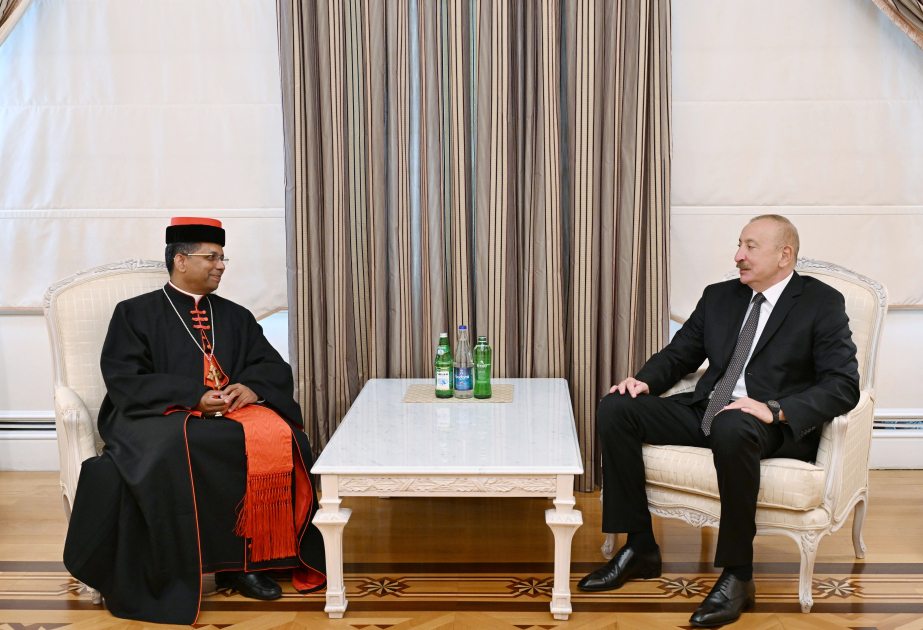
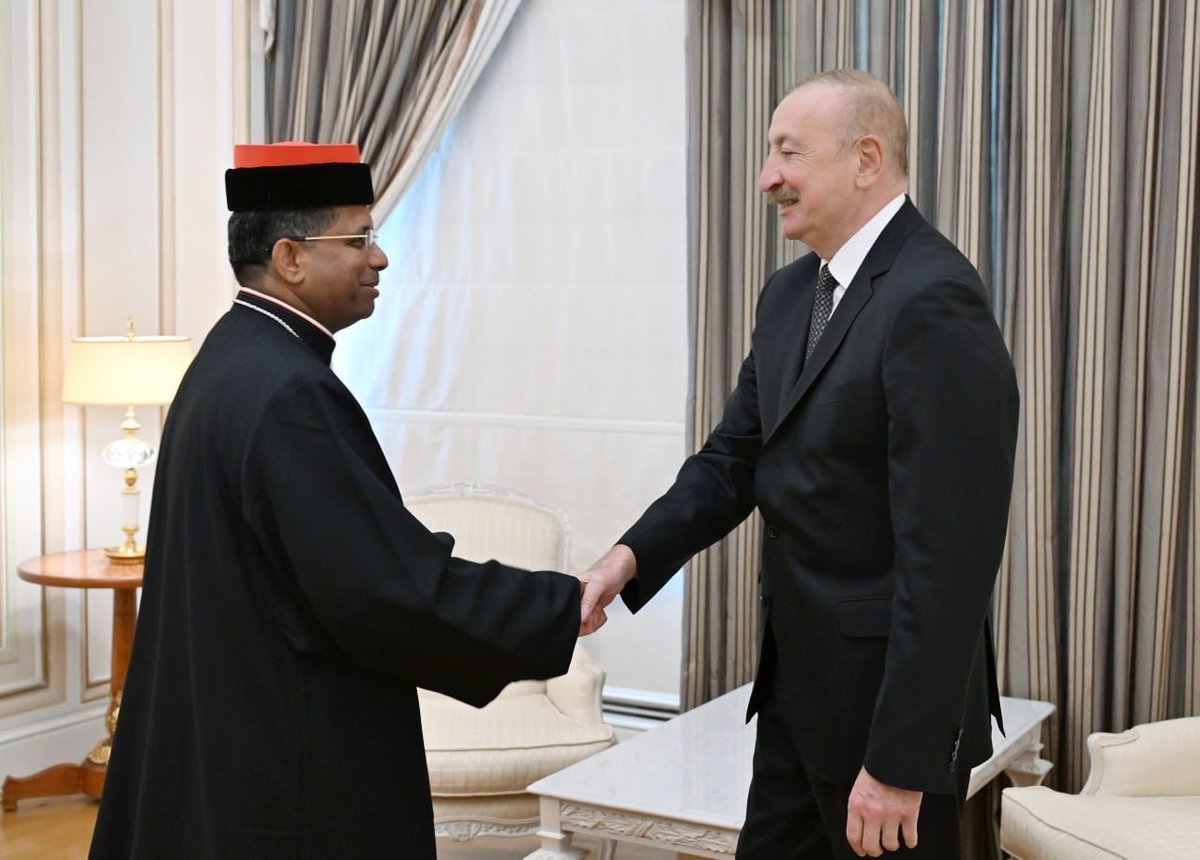
President Ilham Aliyev received Prefect of the Dicastery for Interreligious Dialogue of the Holy See VIDEO azertag.az/en/xeber/presiden…
9
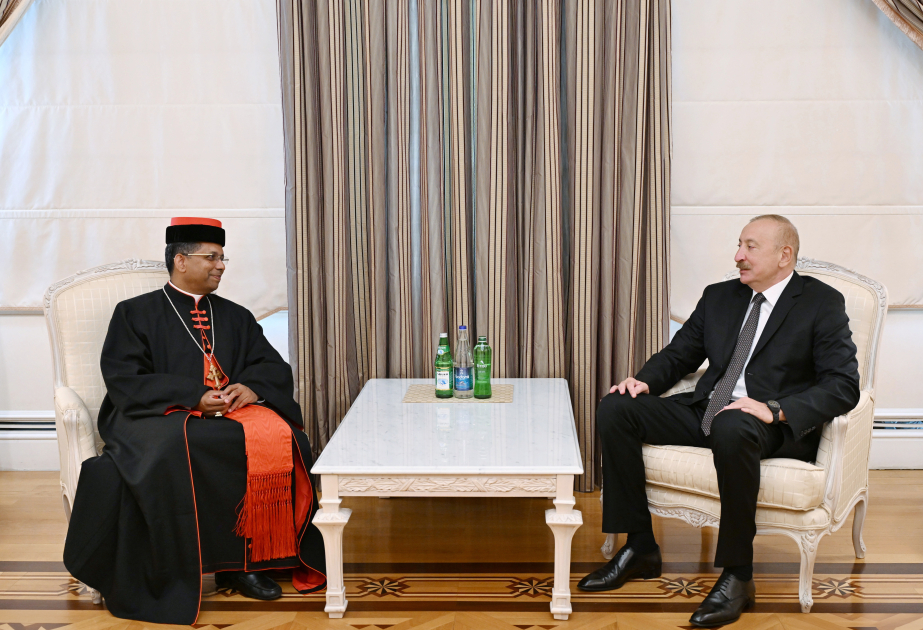
President Ilham Aliyev received Prefect of the Dicastery for Interreligious Dialogue of the Holy See azertag.az/en/xeber/presiden…
1
66

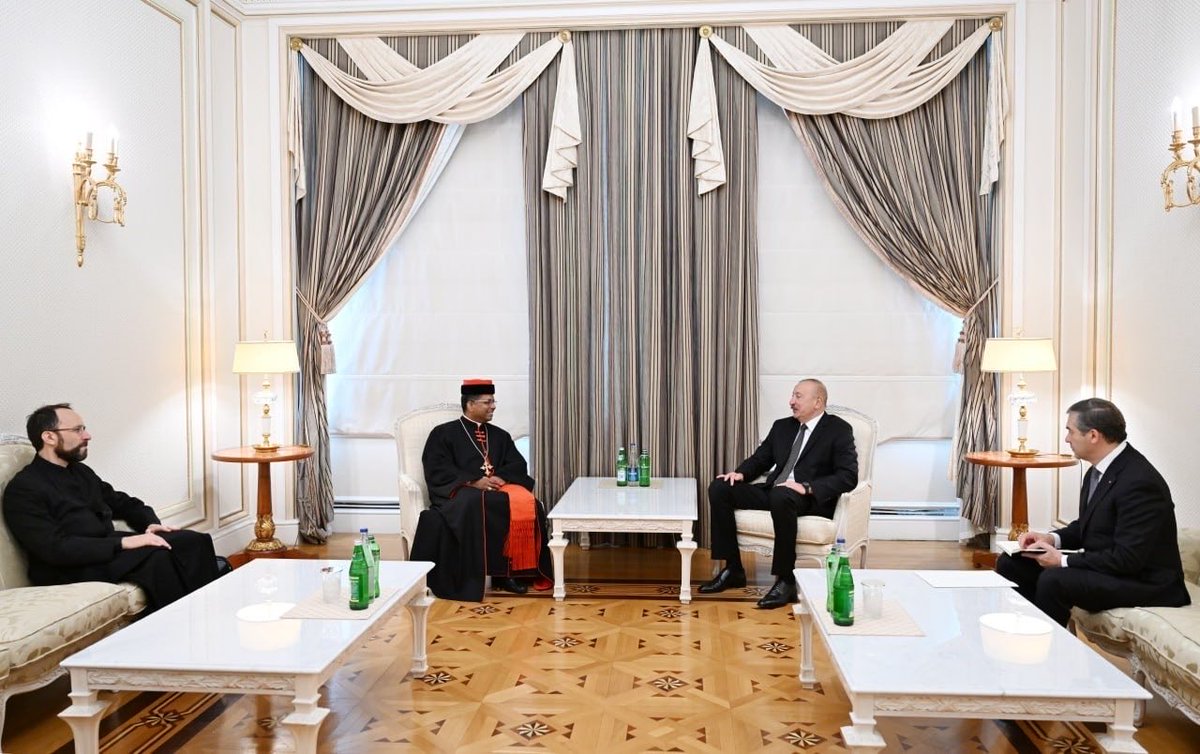
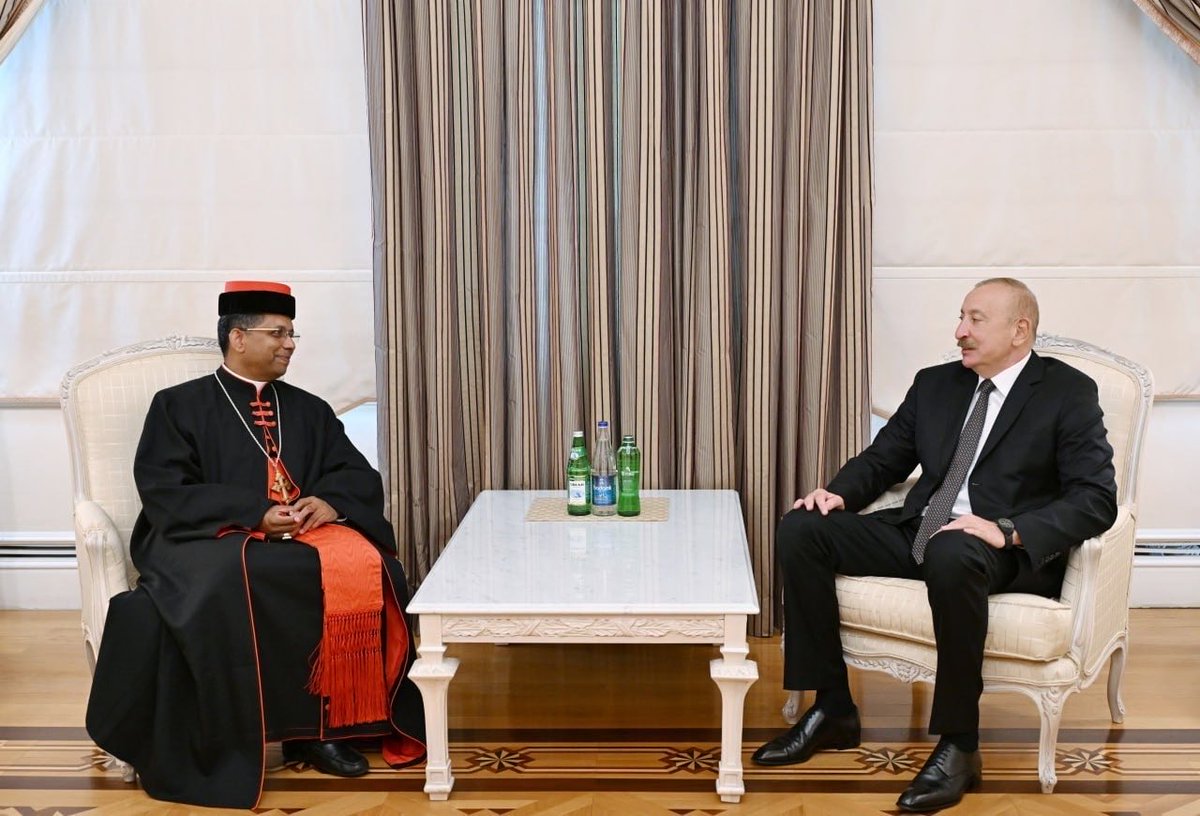
🇦🇿🇻🇦 President of the Republic of Azerbaijan Ilham Aliyev received Prefect of the Dicastery for Interreligious Dialogue of the Holy See, George Jacob Koovakad, on June 16, in discussions that underscored the steady expansion of bilateral relations and Azerbaijan’s growing role in promoting global interfaith dialogue.
During the meeting, both sides emphasised the successful development of relations between Azerbaijan and the Holy See, highlighting the importance of reciprocal visits at various levels in advancing cooperation, Caliber.Az reports, citing the presidential website.
In this context, the significance of George Jacob Koovakad’s planned visit to Azerbaijan’s regions was noted.
Read more on Caliber.az/en
#Caliber #Azerbaijan #President #IlhamAliyev #HolySee #InterfaithDialogue
44


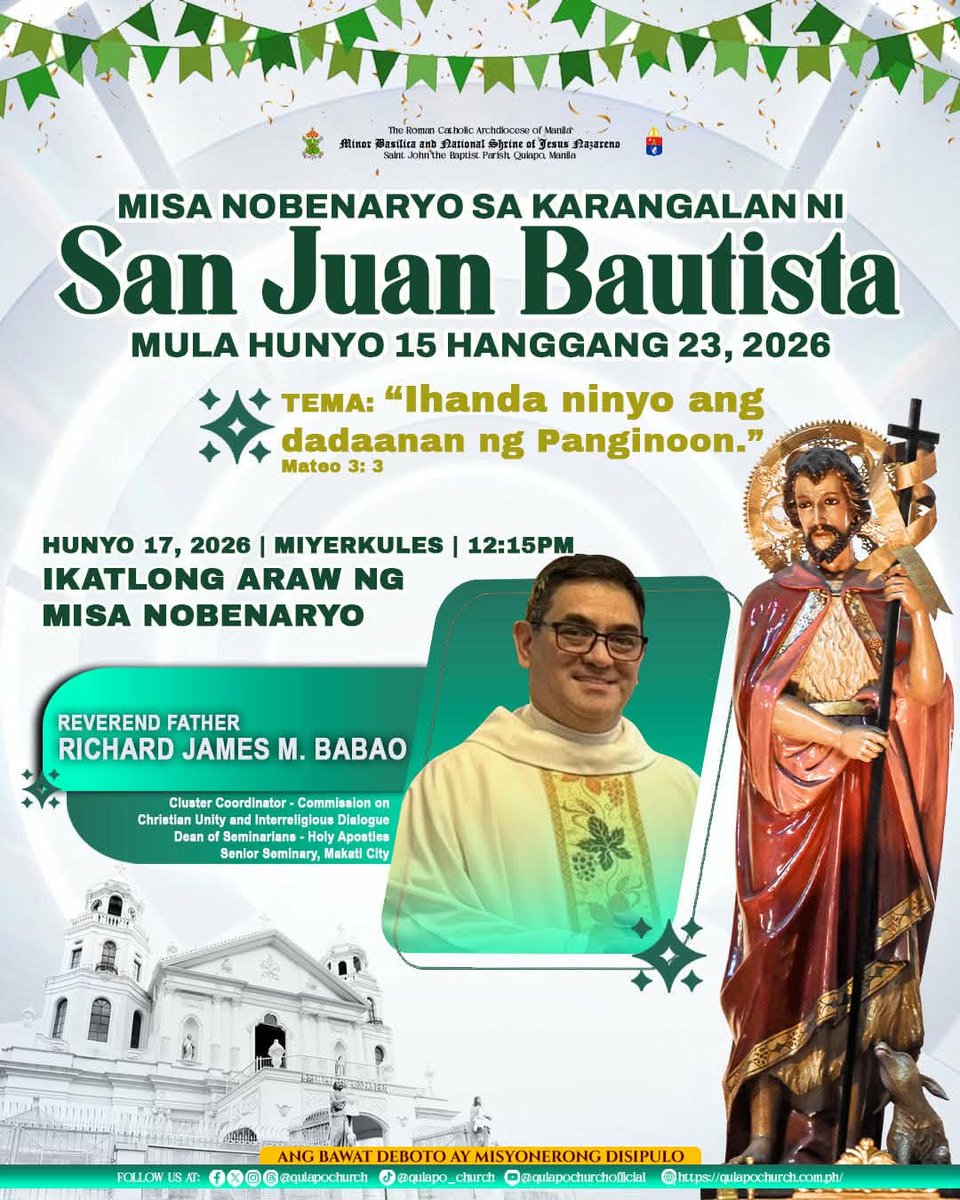
17 Hunyo 2026 I MISA NOBENARYO SA
KARANGALAN NI SAN JUAN BAUTISTA
*11:00am Novena kay San Juan Bautista *12:15pm
Banal na Misa
Tema: "Ihanda ninyo ang dadaanan ng Panginoon."
Mateo 3:3
Mga Ka-Deboto! Sa Ikatlong Araw ng Misa Nobenaryo
sa Karangalan ni San Juan Bautista, ang Punong
Tagapagdiwang natin ay si RDO. PD. RICHARD JAMES
M. BABAO, Cluster Coordinator - Commission on
Christian Unity and Interreligious Dialogue and Dean of
Seminarians, Holy Apostles Senior Seminary, Makati
City.
Nawa tayo ay maki-isa at makibahagi sa pagbibigay ng
papuri at pasasalamat sa Diyos sa patnubay ng ating
Patron, San Juan Bautista!
Viva San Juan Bautista!
#QuiapoChurch #SanJuanBautista
#MinorBasilicaAndNationalShrineOfJesusNazareno
#QuiapoChurch #SanJuanBautista
#VivaSanJuanBautista
5
33

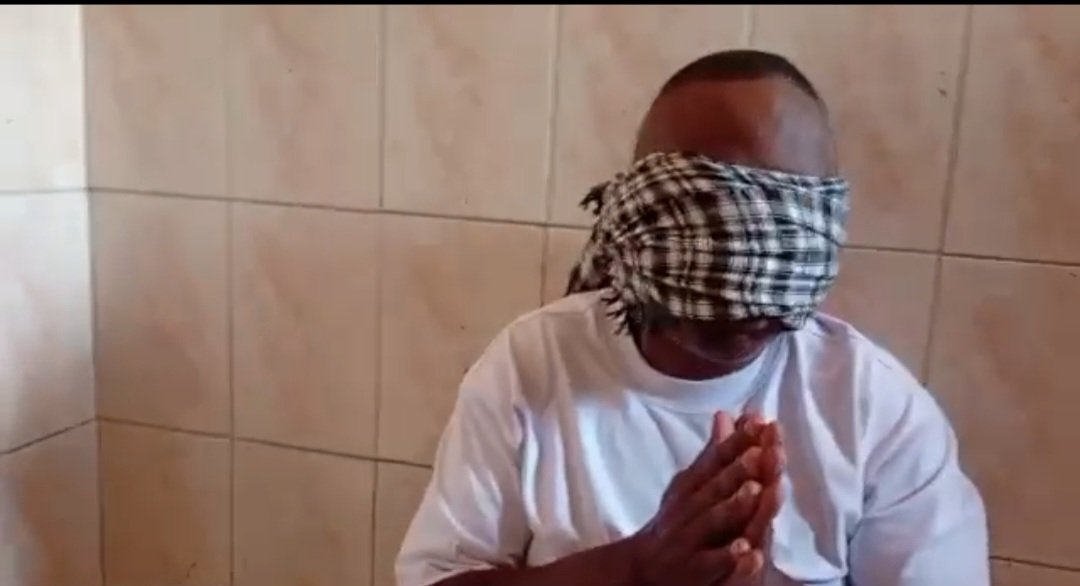
Has the Katikkiro @cpmayiga seen this Son of Buganda getting abused? Where's the Interreligious council to speak against the rampant abuses against Ugandans? Is the souless Mugalu fearing for his 'children'?

42

Following the Money: The Systemic Drivers of Enduring Conflict
In analyzing the Israeli government’s apparent addiction to war, as incisively highlighted by the Haaretz editorial board, it is essential to examine the deeper structural forces at play, particularly in the broader Arab-Israeli context. To truly comprehend such conflicts, one must “follow the money.” Primary beneficiaries have long included actors engaged in the arms trade and the perpetuation of instability—elements of the military-industrial complex that thrive amid prolonged tensions.
Historical patterns reveal external incitement of military and religious leaders, enabling significant gains in regional influence, notably by the United States following the 1973 October War. As Israel’s seventh president, Ezer Weizman, observed, certain European immigrants occasionally perceived all Arabs as inherent enemies, a view that has influenced longstanding dynamics.
Unrestrained capitalism and the fusion of corporate and state interests further intensify these challenges, concentrating wealth among a few while the broader population endures the human and economic costs. An excessive focus on surface symptoms—individual leaders or groups such as Hamas, which emerged through democratic elections in Gaza—obscures these systemic roots. Recent military deployments, including an aircraft carrier positioned near Israel and Palestinian coasts, warrant careful scrutiny of underlying motives and their risk of undermining interreligious coexistence and regional stability.
📌 True security arises not from perpetual conflict, but from addressing these economic and historical undercurrents with wisdom and restraint.
A Government Addicted to War, Blind to Its Limits haaretz.com/opinion/editoria…
1
142

Gang rape is a very old Israeli tradition. It is even so popular that it has been adopted by Hamas. An interreligious tradition, approved by the rabbi, and therefore by God.
2
39
Teólogas Españolas retweeted

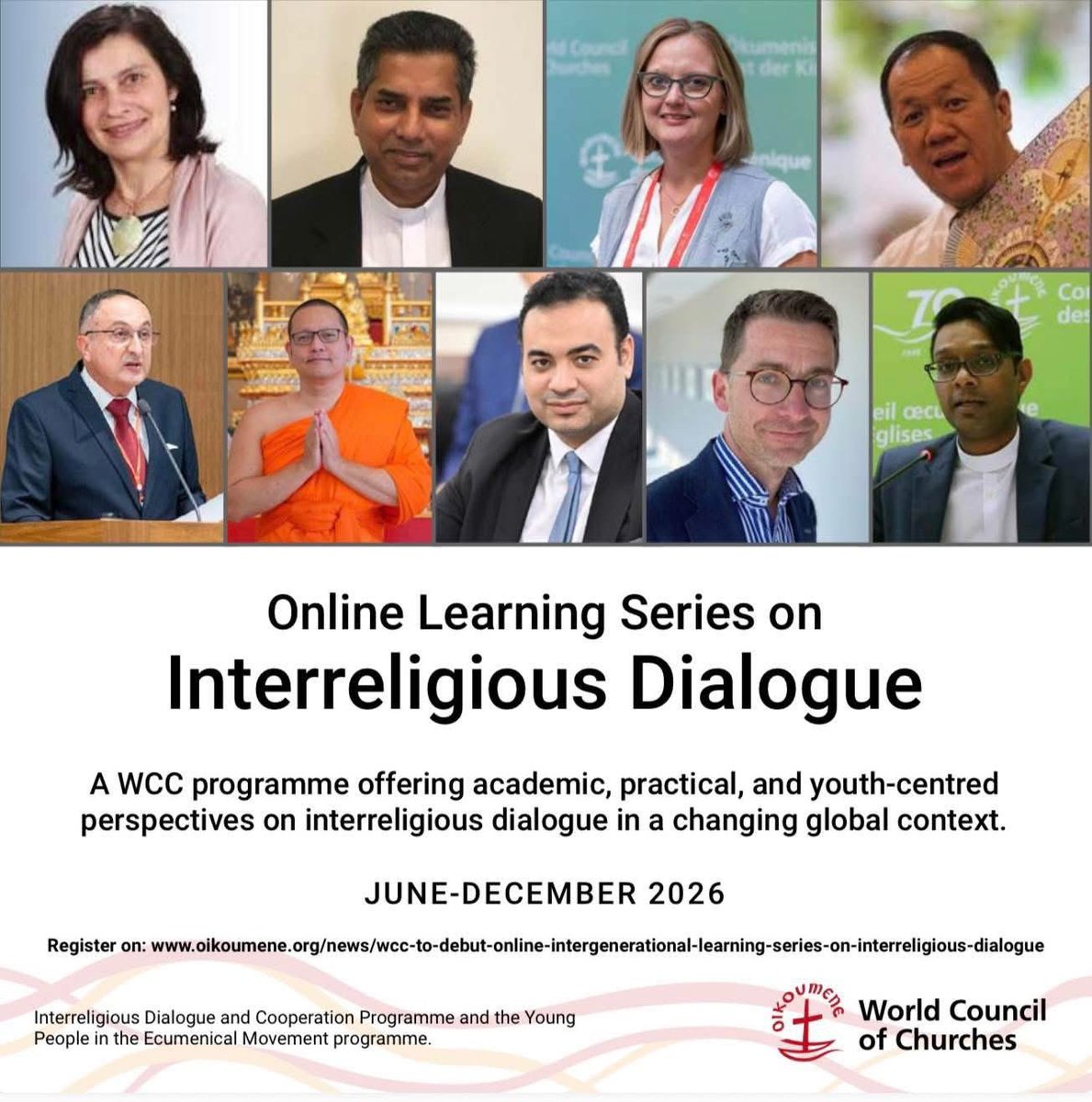
🌍 New online intergenerational course on interreligious dialogue by the World Council of Churches
🗓️ 22 June 2026 | 14:00–15:15 CEST
📖 “Seeing Interreligious Dialogue through a Buddhist Lens”
💻 Global | Interactive
🔗 oikoumene.org/news/wcc-to-de…

4
3
231

The age thing is based. Interreligious love doesn’t make sense of course. Why would you accept someone you love suffering eternal damnation? Doesn’t sound like true love to me.
1
331
Waseem A. Sayed, PhD retweeted

Ahmadiyya Malta Celebrates Eid-Al-Adha with a Message of Peace and Friendship
#eid2026 #interfaith #interreligious #peace #harmony #loveforAll #compassion #solidarity #humanity
ahmadiyyamalta.org/2026/06/1…
3
5
37

15h
Mam, it's my only account 😭
Was chatting with some senior mam.
Mam, people in interreligious union don't believe in all these until things got really bad.Only then they want others to burn hand for them
1
12
15h
Mam, with due respect I respect what you believe but the people are exploiting you
When things don't work like they wanted in interreligious union then they start communalising things
1
15

Interreligious marriages cannot work. They are made to work. It creates suffering .
8

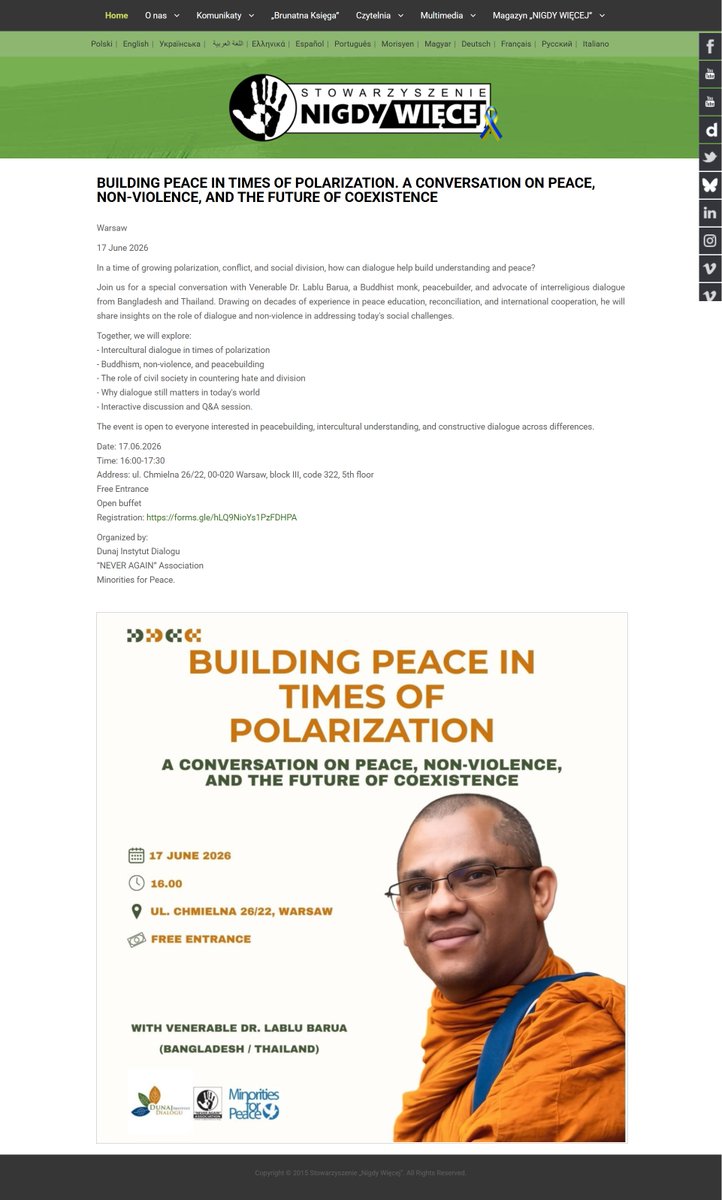
Join us for a special conversation with Venerable Dr. Lablu Barua, a Buddhist monk, peacebuilder, and advocate of interreligious dialogue from Bangladesh and Thailand.
Organized by:
@DunajDialog
“NEVER AGAIN” Association
Minorities for Peace.
nigdywiecej.org/232-english/…
1
4
58

These girls now a days hell bent on destroying their as well as their families' lives ,Irrespective of religion they should understand interreligious marriages in india are taboo that too in this environment. Murdering her was a wrong move, it will only destroy boy's life
65