
Invest in your future. Learn, lead, and connect globally.
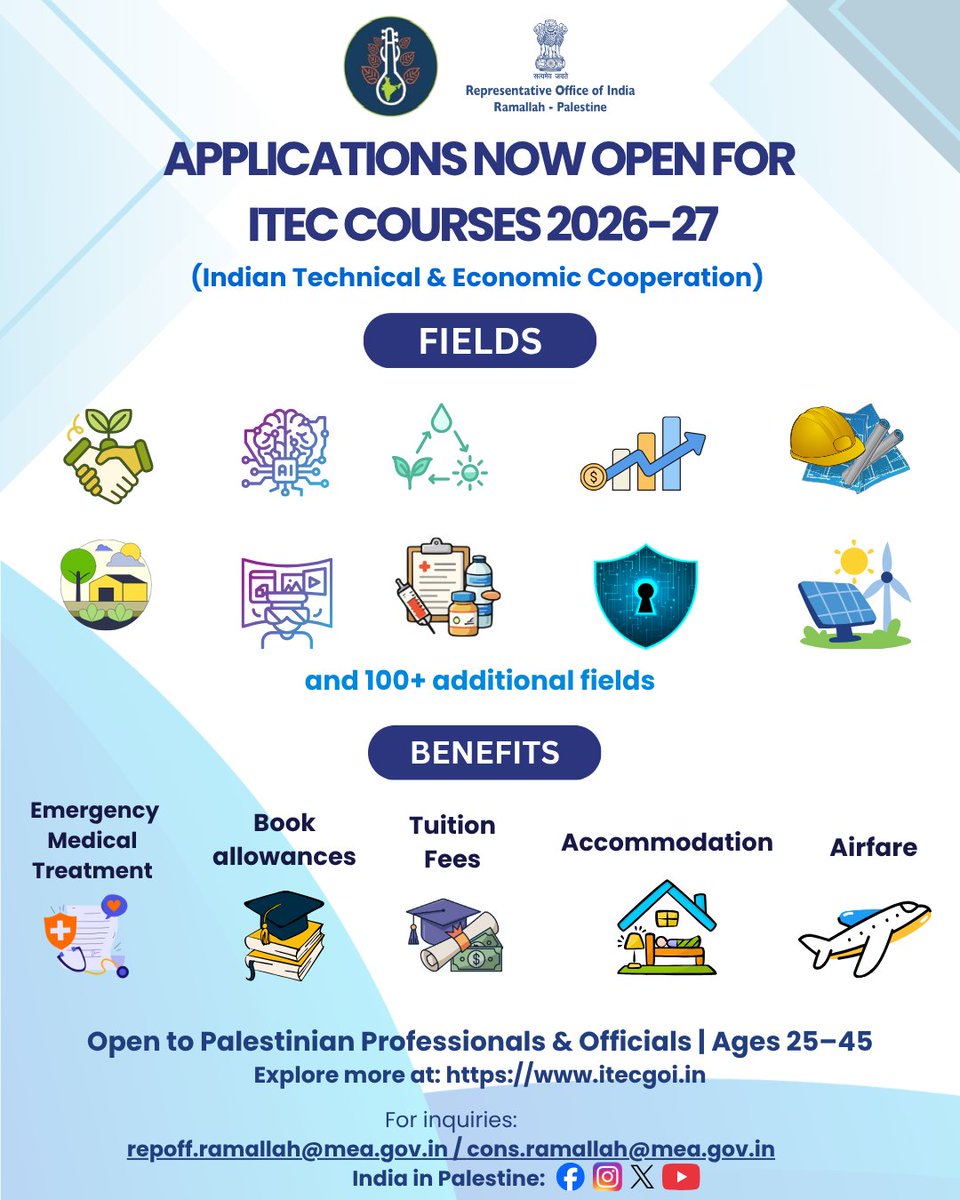
Applications for the 2026–27 ITEC Programme are now open for Palestinian professionals and officials.
With fully funded training opportunities in AI, sustainability, healthcare, cybersecurity, infrastructure, governance, and 100 fields, ITEC continues to build bridges of knowledge and partnership between India and Palestine.
Explore courses and apply: itecgoi.in
استثمر في مستقبلك. تعلّم، قد، وتواصل عالمياً.
تم فتح باب التقديم لبرنامجITEC لعام ٢٠٢٦ -٢٠٢٧ أمام المهنيين والمسؤولين الفلسطينيين.
من خلال فرص تدريب ممولة بالكامل في مجالات الذكاء الاصطناعي، الاستدامة، الرعاية الصحية، الأمن السيبراني، البنية التحتية، الحوكمة، وأكثر من 100 مجال، يواصل برنامج ITEC بناء جسور المعرفة والشراكة بين الهند وفلسطين.
للاطلاع على الدورات والتقديم:
itecgoi.in
#ITEC #IndiaPalestine #LearningWithoutBorders #CapacityBuilding
@MEAIndia
@IndianDiplomacy
@ITECnetwork
@GoI_MeitY
@mtitps
@palestinetv95
@MaanNetwork
@MaanNewsAgency
@WAFANewsEnglish
1
2
94

15 Dec 2025
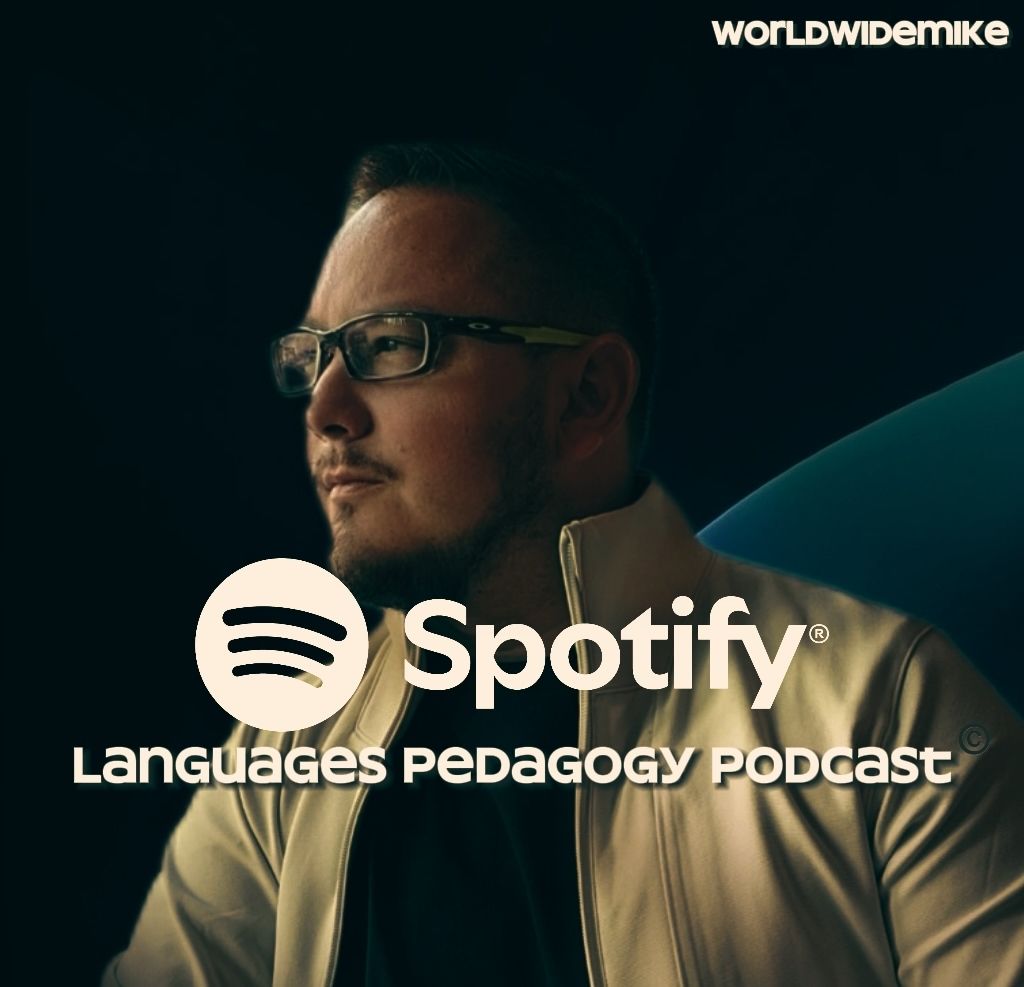
Language is more than grammar. Teaching is more than techniques.
If you care about language learning, pedagogy, identity, and real communication in a globalized world, this podcast is for you.
On the Languages Pedagogy Podcast, I explore what truly matters in language education—effective teaching practices, learning myths worth challenging, research-backed insights, and real conversations that push our profession forward.
Each episode is designed to inform, question, and inspire educators and learners who want depth, not shortcuts.
🎧 Follow, subscribe, and support the show
Your rating and review help this podcast reach more teachers and learners worldwide.
Available on Spotify, Apple Podcasts, Amazon Music, YouTube, Castbox, and GoodPods.
Join the journey. Learn deeply. Teach better.
🔹 Spotify – open.spotify.com/show/3JdBd7…
🔹 Apple Podcasts – podcasts.apple.com/ec/podcas…
🔹 Amazon Music – music.amazon.com/podcasts/93…
🔹 YouTube – youtube.com/@mikellerena?si=…
🔹 Castbox – castbox.fm/channel/Languages…
🔹 GoodPods – goodpods.com/podcasts/langua…
#languagespedagogypodcast #languageteaching #languagelearning #eltcommunity #tesol
#educationpodcast #teacherlife #teachbetter #learningwithoutborders
#multilingualism #teacheridentity #lifelonglearning #globaleducation
3
15

16 Nov 2025
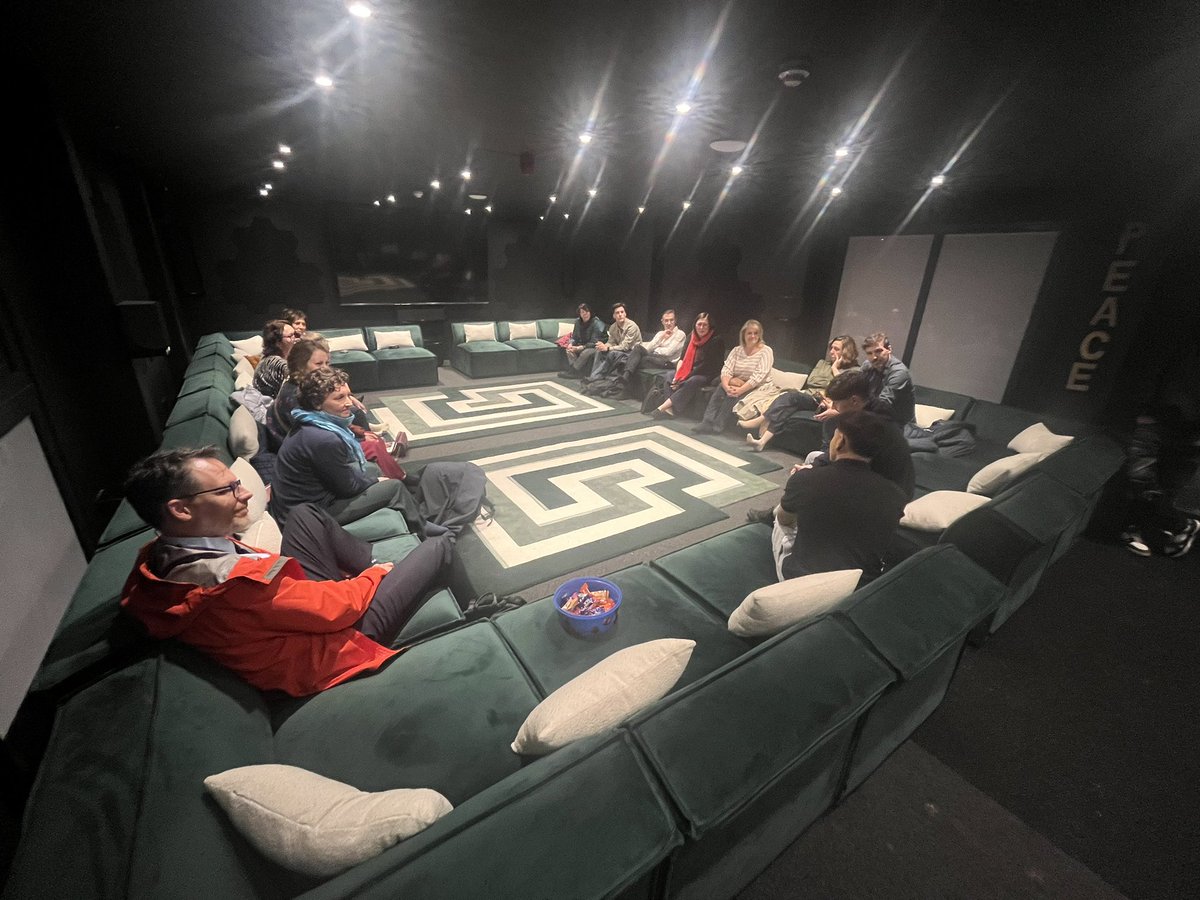
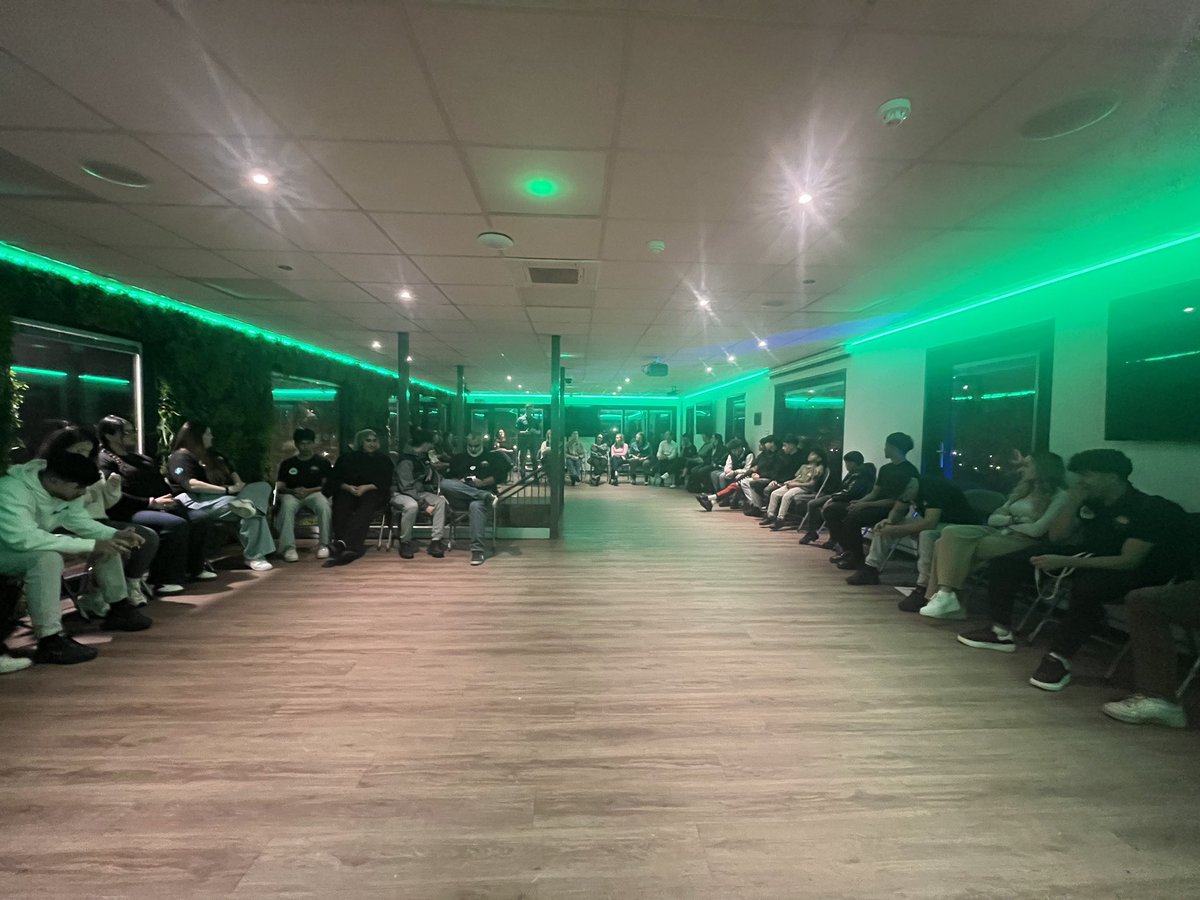
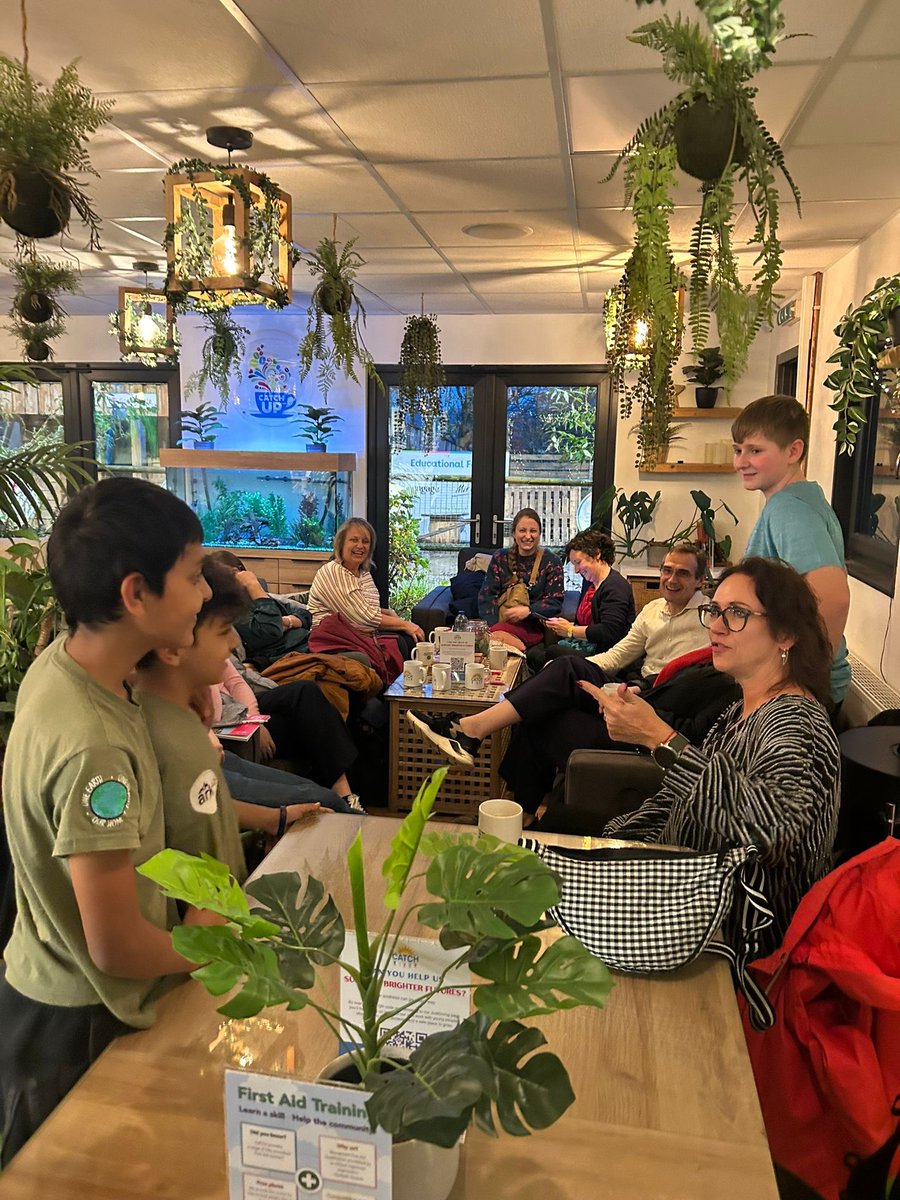
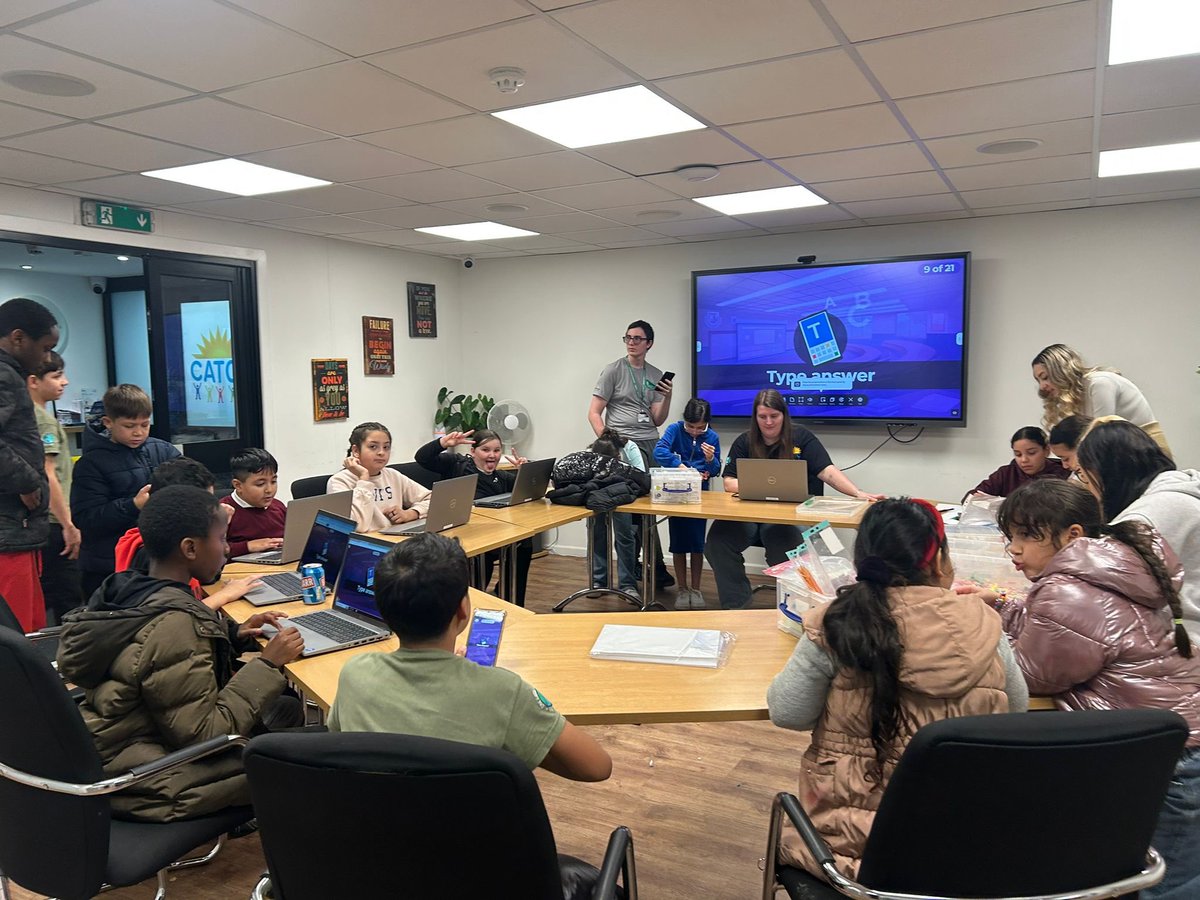
This week, we had the privilege of welcoming colleagues from Belgium as part of the Leeds Learning Alliance’s Relational Restorative Practice Immersion Week. 🌍✨
Our visitors — all education professionals — came to see how we create inclusive, engaging and collaborative spaces at CATCH, with powerful conversations taking place with our young volunteers.
The Leeds Learning Alliance continues to show what’s possible when organisations come together with a shared purpose. 🤝 Their commitment to creating environments where everyone feels valued and supported is something we’re proud to be a part of.
Bringing people together, across borders and backgrounds, matters. It strengthens our practice, widens our perspective and reminds us that the challenges we face — and the solutions we create — are shared. When we learn together, we grow together. 🌱💫
A huge thank you to our Belgian guests for their warmth, curiosity and openness. And thank you to the Leeds Learning Alliance for championing collaboration that truly changes lives.
Here’s to more shared learning, more connected communities and more futures built on understanding and hope. 💙🤍
#LeedsLearningAlliance #RestorativePractice
#RelationalPractice
#ImmersionWeek
#LearningWithoutBorders
3
5
403

15 Jun 2025
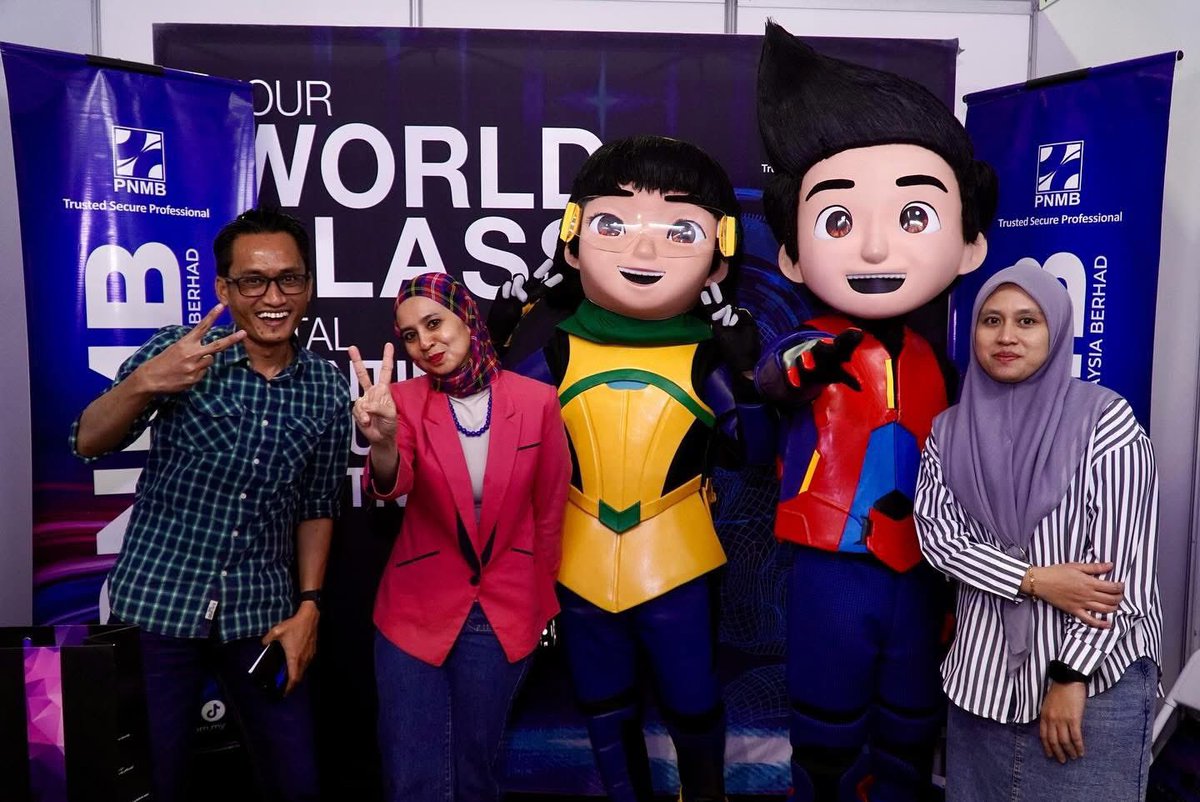
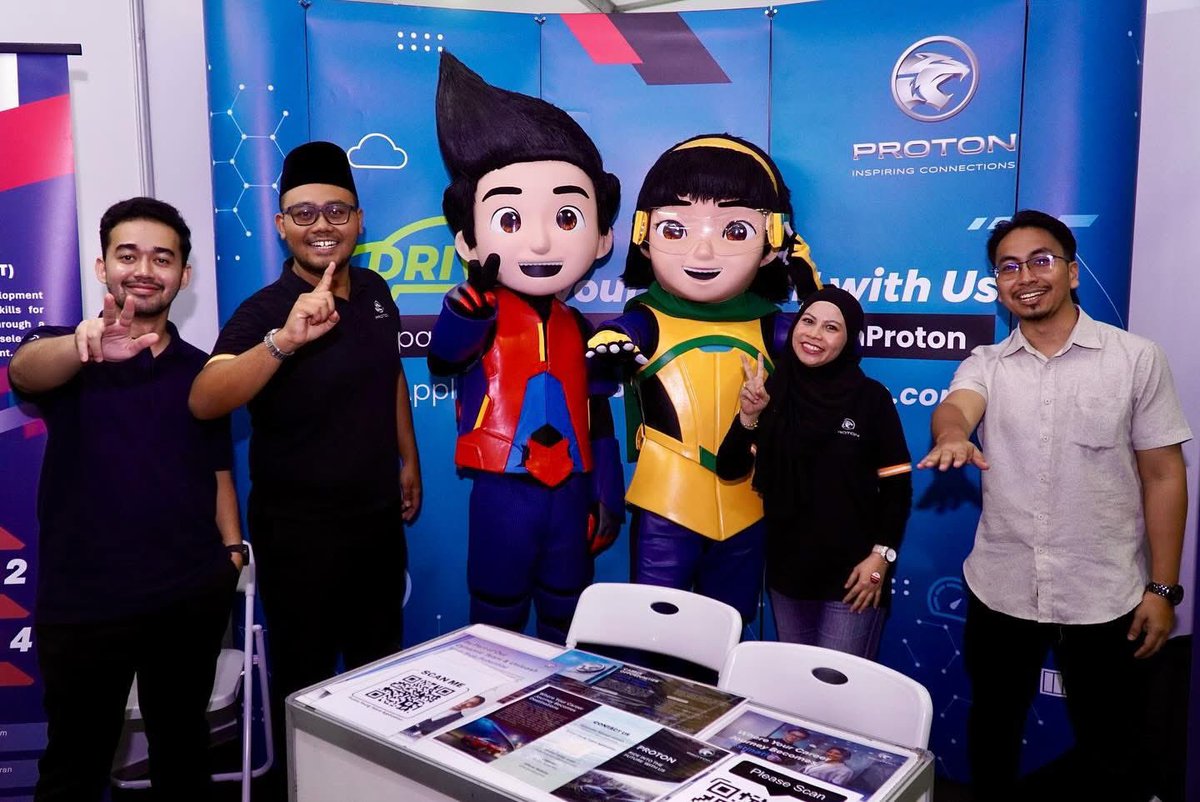
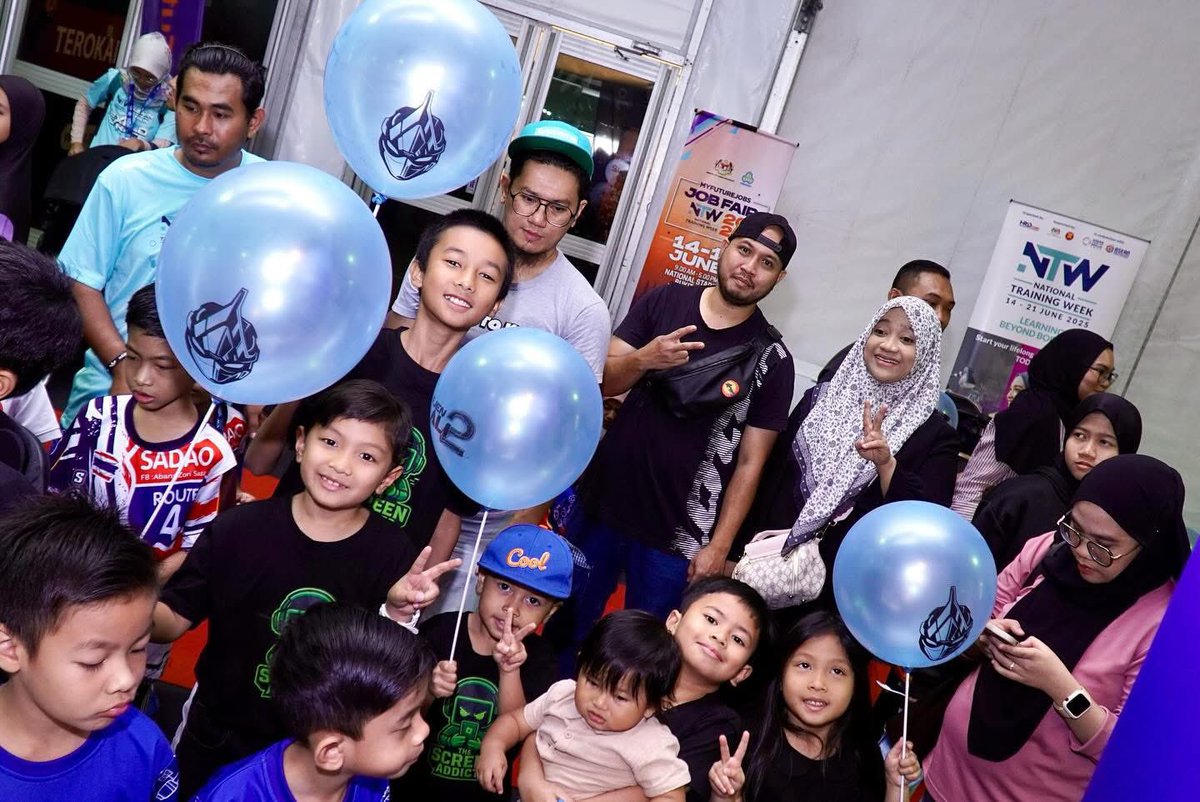
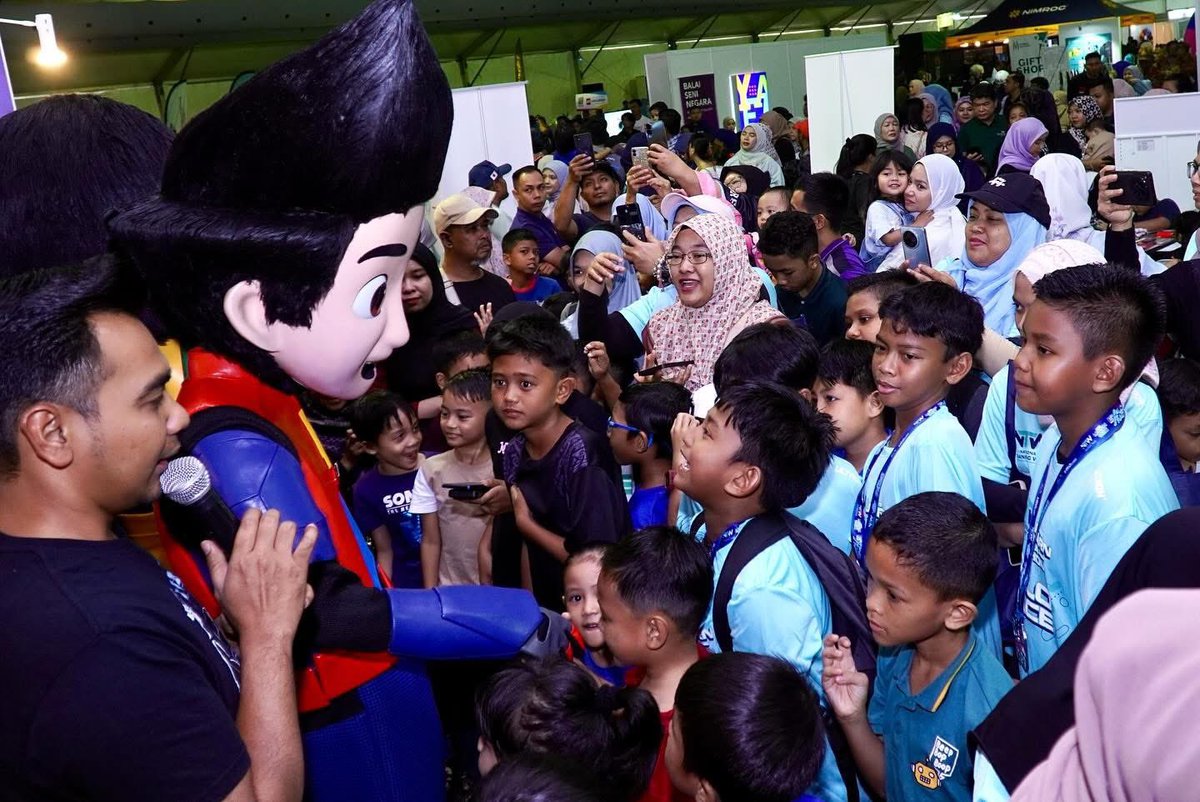
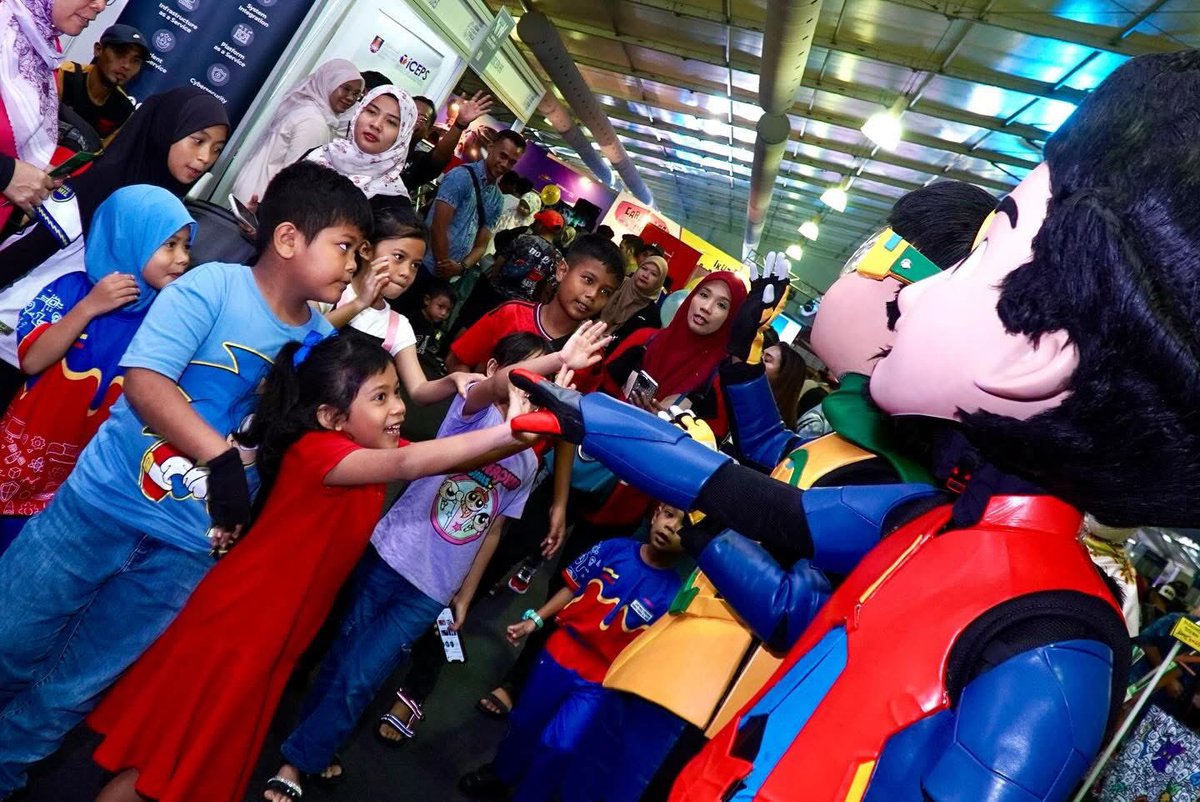
POV: Ejen Ali & Ejen Alicia menyantuni booth corporate di NTW 2025. Rakyat dan Ejen Ali berpisah tiada ❤️
Ejen Ali pun turun padang untuk National Training Week 2025! 🔍🎉
Booth Ejen Ali jadi tumpuan ramai — bukan budak-budak je excited, mak ayah pun join sekali! Siapa sangka belajar boleh jadi se-fun ni?
Dari AI Station ke aktiviti interaktif bersama maskot Ejen Ali, memang tak cukup masa nak explore semua. Yang penting, ilmu & pengalaman dikongsi dengan cara paling engaging! 💥 @hrdcorp_
📍Stadium Nasional Bukit Jalil
📅 14–15 Jun 2025
#EjenAli #EATM2 #NTW2025 #TV3Malaysia #LearningWithoutBorders #TontonUpdate #NationalTrainingWeek


1
7
19
1,253
15 Jun 2025
Korang masih ada peluang lagi datang ke NTW untuk berjumpa dengan @ejen_ali & Ejen Alicia! ❤️
Ejen Ali pun turun padang untuk National Training Week 2025! 🔍🎉
Booth Ejen Ali jadi tumpuan ramai — bukan budak-budak je excited, mak ayah pun join sekali! Siapa sangka belajar boleh jadi se-fun ni?
Dari AI Station ke aktiviti interaktif bersama maskot Ejen Ali, memang tak cukup masa nak explore semua. Yang penting, ilmu & pengalaman dikongsi dengan cara paling engaging! 💥 @hrdcorp_
📍Stadium Nasional Bukit Jalil
📅 14–15 Jun 2025
#EjenAli #EATM2 #NTW2025 #TV3Malaysia #LearningWithoutBorders #TontonUpdate #NationalTrainingWeek

1
6
20
1,289
14 Jun 2025
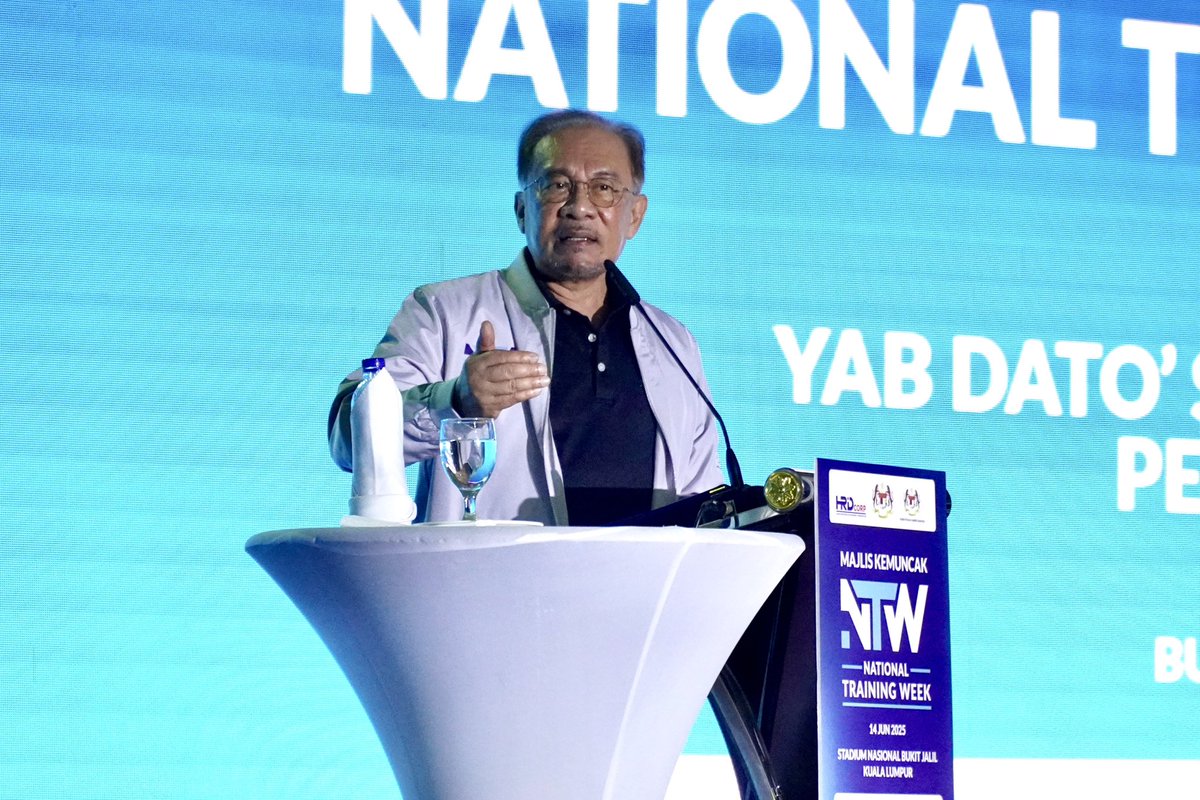
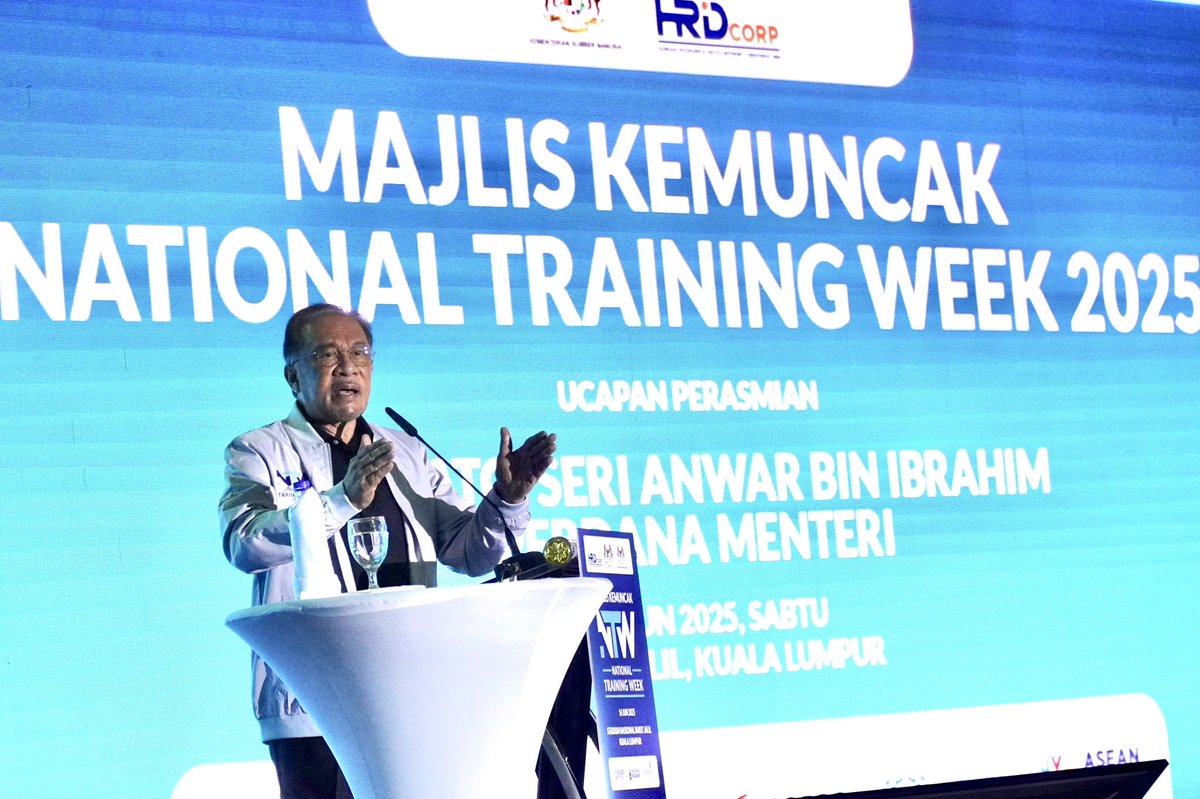
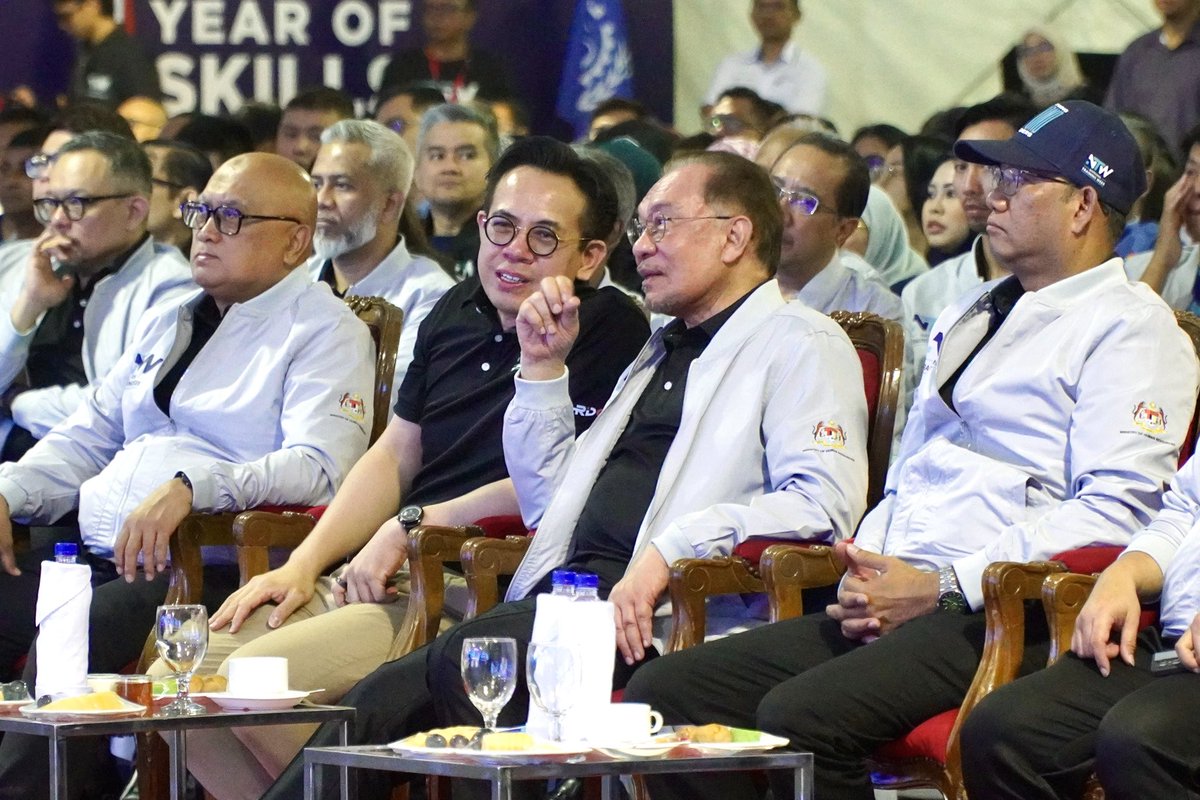
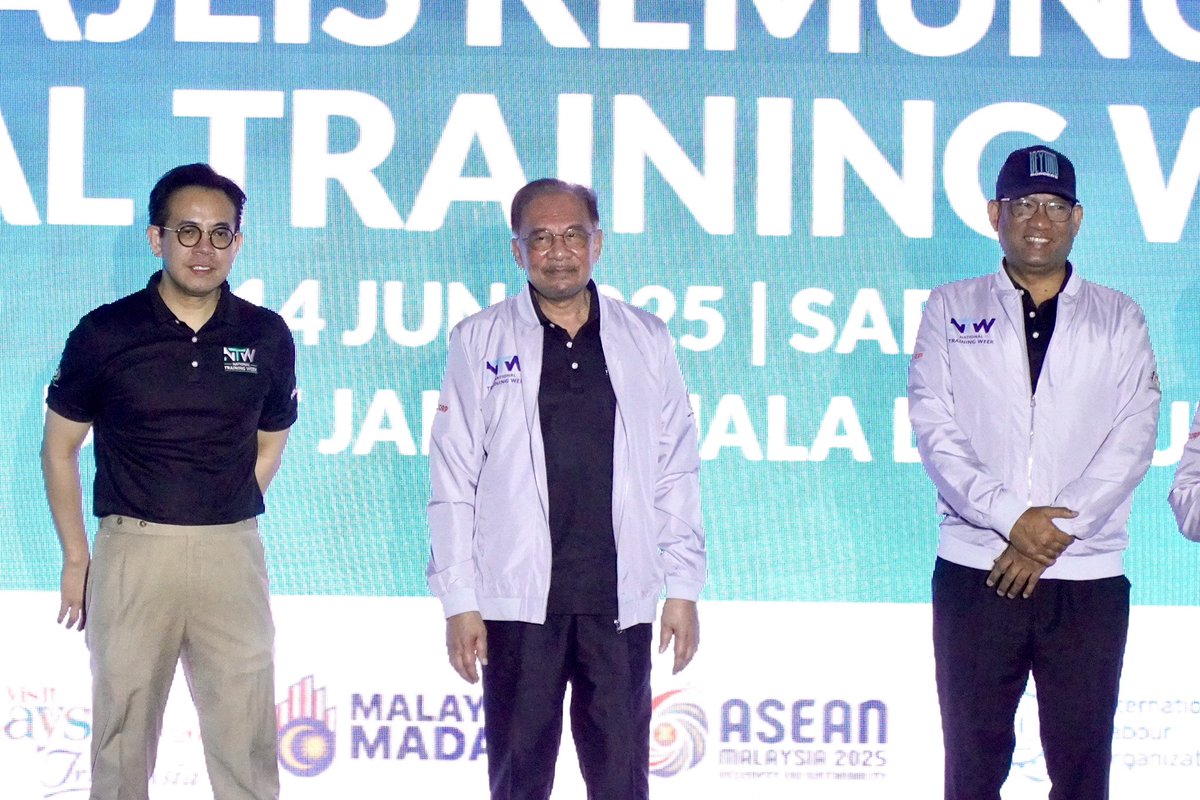
Stadium Bukit Jalil hari ni memang meriah habis! 🎉
Orang ramai membanjiri lokasi National Training Week 2025 untuk sertai pelbagai aktiviti menarik – dari bengkel AI, muzik, skateboard, sampailah ke booth pameran interaktif.
Suasana sangat happening & penuh semangat belajar! 🔥
📍Masuk PERCUMA
📸 Jangan lupa singgah booth Tonton & TV3!
@hrdcorp_
#NTW2025 #TV3Malaysia #LearningWithoutBorders #JomDaftar
1
1
1
640
13 Jun 2025
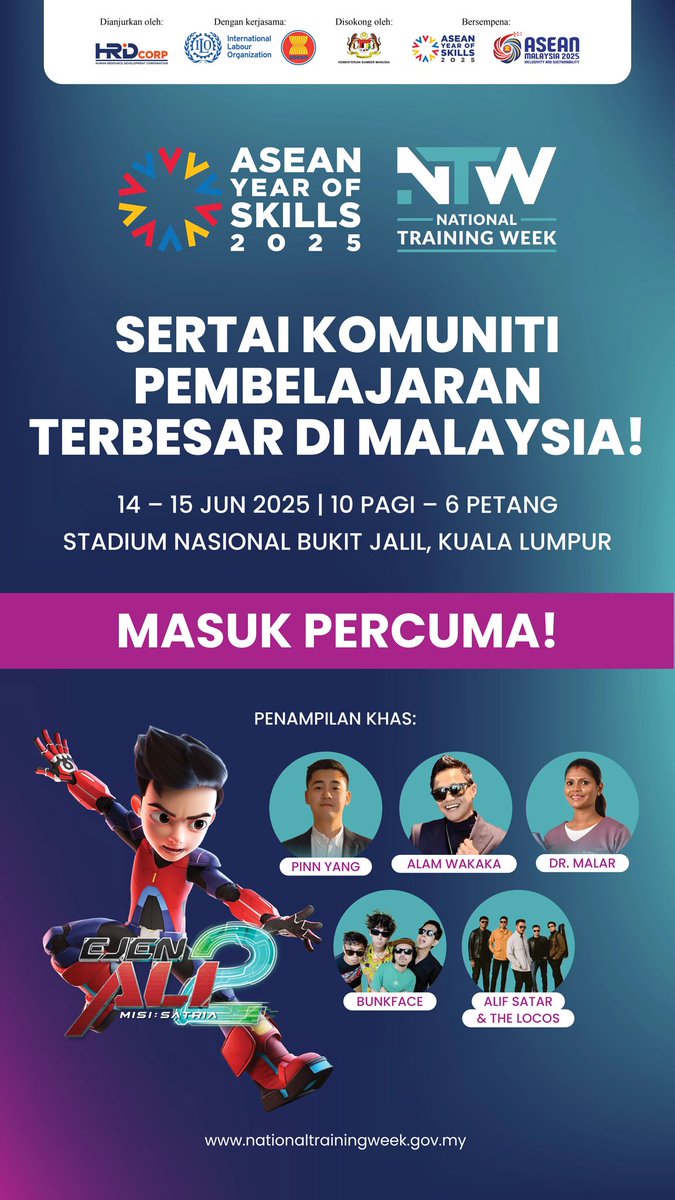
🎓🇲🇾 Jom ke National Training Week 2025! 🚀
Hujung minggu ni, Stadium Nasional Bukit Jalil akan jadi lokasi himpunan aktiviti PERCUMA untuk semua — dari dewasa ke anak muda! 😍
📅 14-15 Jun 2025
⏰ 10 pagi - 6 petang
Antara yang menarik:
🤖 AI Workshop
🎵 Kelas Muzik
🛹 Klinik Skateboard
📚 Big Bad Wolf Books
🎤 Konsert: Bunkface & Alif Satar & The Locos
👩⚕️ Penampilan: Dr Malar, Alam Wakaka, Ejen Ali & ramai lagi!
🍍 Makan buah-buahan tempatan sambil asah skil baru!
✅ Masuk PERCUMA!
✅ Daftar & join komuniti pembelajaran terbesar Malaysia:
👉 nationaltrainingweek.gov.my
Jom ajak kawan, family & anak-anak — banyak aktiviti hands-on & happening! 🫶
@hrdcorp_
#NTW2025 #NationalTrainingWeek #LearningWithoutBorders #JomDaftar #StadiumNasionalBukitJalil #TV3Malaysia #HRDCorp
2
727

I salute the brave students of #LUMs fr standing up against corrupt, fascist generals of #RogueMilitary
@LifeAtLUMS @PTIofficial @InsafPK @salmanAraja
@MahrangBaloch_ @ImranKhanPTI
#AsimMunir #IslamabadMassacre #APSMassacre #MissingPersons #LearningWithoutBorders #WarOnTerror
1
4
419

21 Nov 2024
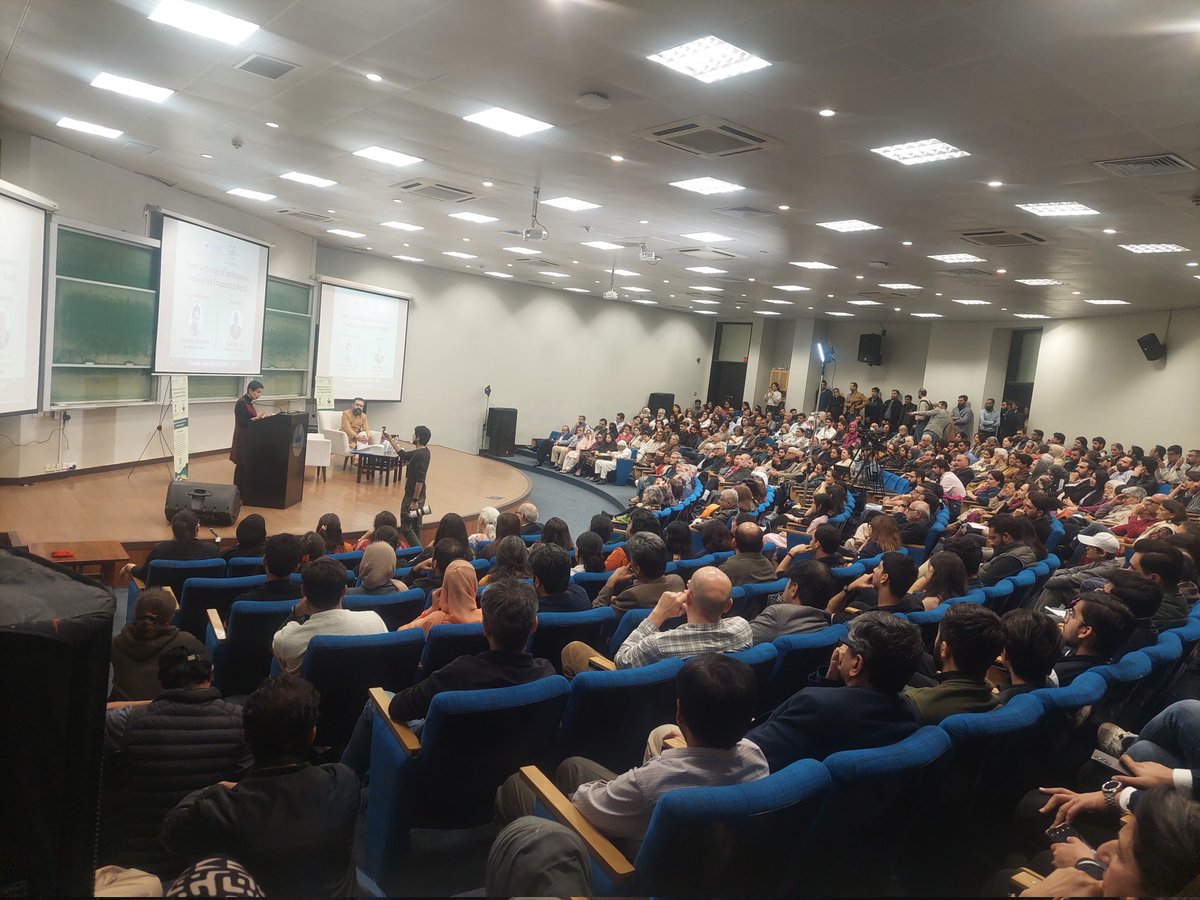
A beautiful talk by @AzraRazaMD ‘Poetry in the Age of Anthropocene: Healing in a Fragmented World’ House full! Many goosebump moments. Pessimism of intellect, grounded in grim reality...but meeting the challenge with
Optimism of will.
#LearningWithoutBorders @LifeAtLUMS
2
56
21 Nov 2024
A beautiful talk by @AzraRazaMD ‘Poetry in the Age of Anthropocene: Healing in a Fragmented World’ House full! Many goosebump moments. Pessimism of intellect, grounded in grim reality...but meeting the challenge with
Optimism of will.
#LearningWithoutBorders @LifeAtLUMS
2
49

28 Sep 2024
Global Educational Access: Empowering Learning Through Blockchain
Introduction
Education is a fundamental pillar of personal and societal development. However, access to quality education remains a significant challenge for millions around the world, particularly in developing regions. Barriers such as economic constraints, lack of resources, and social inequalities often prevent individuals from obtaining the education they need to thrive. In this context, blockchain technology emerges as a transformative solution, offering the potential to democratize educational access and empower learners globally. This article explores how blockchain can facilitate equitable educational opportunities, reduce disparities, and enhance the learning experience for individuals worldwide.
The Current State of Educational Access
Despite the advancements in technology and communication, educational inequality persists on a global scale. The World Bank reports that over 260 million children and youth are out of school, while many who are enrolled do not receive quality education. Key factors contributing to this situation include:
Economic Barriers: In many regions, families struggle to afford educational expenses, including tuition, books, and transportation. As a result, children may drop out of school to contribute to the household income.
Geographical Disparities: Rural and remote areas often lack educational infrastructure, qualified teachers, and access to resources. Students in these regions face significant challenges in pursuing their education.
Gender Inequality: In some cultures, girls are less likely to receive an education due to societal norms and expectations. This gender disparity further exacerbates economic inequalities and limits opportunities for women.
Quality of Education: Even when educational institutions are available, the quality of education can vary widely. Overcrowded classrooms, outdated curricula, and unqualified teachers hinder students’ learning experiences.
To address these challenges, innovative solutions are required to create a more equitable educational landscape. Blockchain technology has the potential to reshape the way education is delivered and accessed, ensuring that learners everywhere can benefit from quality educational resources.
How Blockchain Can Transform Education
Blockchain technology, characterized by its decentralized, transparent, and secure nature, offers several key advantages for enhancing global educational access:
Decentralized Access to Educational Materials: Blockchain enables the creation of decentralized platforms where educational resources can be shared and accessed freely. By removing barriers to entry, learners can access high-quality materials, such as textbooks, lectures, and online courses, from anywhere in the world. This democratization of information empowers individuals to take charge of their education.
Secure and Verifiable Certifications: One of the most significant benefits of blockchain in education is its ability to securely store and verify educational credentials. Traditional certification processes are often plagued by issues of fraud and inefficiency. With blockchain, credentials can be issued digitally, ensuring their authenticity and allowing employers and institutions to easily verify qualifications. This feature not only enhances trust but also streamlines the hiring process.
Cost Reduction: By leveraging blockchain technology, educational institutions can minimize administrative costs associated with record-keeping, certification, and verification processes. These savings can be redirected to improve educational resources, making education more affordable and accessible for students.
Global Collaboration and Resource Sharing: Blockchain facilitates collaboration among educational institutions, governments, and nonprofit organizations, enabling them to share resources, research, and best practices. This global network can help address educational disparities and promote innovative solutions to common challenges.
Empowering Learners: Blockchain allows learners to take control of their educational journeys. Through decentralized platforms, individuals can curate their own portfolios, track their learning experiences, and showcase their skills to potential employers or educational institutions. This personalized approach fosters engagement and motivation, as learners can tailor their education to meet their specific needs and aspirations.
Real-World Applications of Blockchain in Education
Numerous initiatives and organizations are already exploring the potential of blockchain to enhance educational access and quality:
Open Educational Resources (OER): Platforms such as OER Commons and Khan Academy provide free access to educational materials. By integrating blockchain technology, these platforms could ensure the provenance of materials, allowing users to trust the quality and authenticity of the resources they access.
Blockchain-Based Certification: Companies like Accredible and Learning Machine are leveraging blockchain to issue secure, verifiable digital certificates. These platforms allow individuals to share their credentials easily, enhancing their employability and facilitating lifelong learning.
Skill Development and Online Learning: Several blockchain-based platforms, such as Coursera and EdX, offer courses in high-demand fields like technology and business. By providing access to these resources, individuals in underserved regions can enhance their skills and improve their economic prospects.
Decentralized Autonomous Organizations (DAOs): DAOs can be used to manage educational initiatives, where members collectively make decisions regarding curriculum development, resource allocation, and governance. This decentralized model encourages active participation and accountability among stakeholders.
Collaborative Research and Development: Universities and research institutions can utilize blockchain to facilitate collaborative research initiatives. By sharing data and resources transparently, institutions can accelerate innovation and address global challenges more effectively.
Addressing Challenges and Considerations
While the potential of blockchain in education is vast, several challenges must be addressed to ensure its successful implementation:
Digital Divide: Access to the internet and digital devices remains a significant barrier for many individuals, particularly in developing regions. To maximize the impact of blockchain in education, efforts must be made to bridge this digital divide by providing affordable access to technology.
Quality Assurance: As educational materials become more decentralized, maintaining quality and credibility is crucial. Establishing standards and guidelines for content creation and verification will be necessary to ensure the reliability of educational resources.
Regulatory Frameworks: The integration of blockchain in education may face regulatory challenges. Policymakers must work to create supportive frameworks that enable the use of blockchain technology while protecting students’ rights and ensuring data privacy.
Awareness and Training: Educators and learners need training and support to effectively use blockchain technology in education. Raising awareness about its benefits and applications is essential for widespread adoption and acceptance.
Data Privacy and Security: While blockchain is inherently secure, the risk of cyber attacks and data breaches remains a concern. Educational institutions must implement robust security measures to protect sensitive information and ensure the integrity of their systems.
The Future of Educational Access with Blockchain
As we look to the future, the role of blockchain in education is likely to expand significantly. Several trends may shape this evolution:
Personalized Learning Experiences: As blockchain technology matures, we may see a shift towards more personalized learning experiences that cater to individual needs and preferences. Adaptive learning platforms could leverage blockchain data to tailor educational pathways for each learner.
Increased Collaboration: The future of education may involve greater collaboration between educational institutions, businesses, and communities. By working together, stakeholders can develop innovative programs that address local needs and challenges.
Lifelong Learning: As the job market evolves, the importance of lifelong learning will continue to grow. Blockchain can support this shift by providing a framework for individuals to continuously update their skills and qualifications, ensuring they remain competitive in a rapidly changing world.
Global Learning Communities: Blockchain can facilitate the creation of global learning communities where individuals from diverse backgrounds can connect, collaborate, and share knowledge. These communities can foster cultural exchange and broaden perspectives, enriching the learning experience for all participants.
Enhanced Data Analytics: The integration of blockchain with data analytics tools can provide valuable insights into learning patterns and outcomes. Educators can leverage this information to improve instructional methods and enhance student support services.
Conclusion
Blockchain technology has the potential to revolutionize global educational access, providing equitable opportunities for individuals regardless of their location or socio-economic status. By enabling decentralized access to educational materials, secure certifications, and personalized learning experiences, blockchain can help bridge the educational gap and empower learners around the world.
As we move forward, it is essential to address the challenges and barriers that may hinder the effective implementation of blockchain in education. Through collaboration among educators, technologists, and policymakers, we can harness the power of blockchain to create a more inclusive and equitable educational landscape.
In this vision of the future, every individual has the opportunity to learn, grow, and contribute to their communities, ultimately fostering a more knowledgeable and capable global society. By embracing the transformative potential of blockchain, we can pave the way for a brighter future in education—one that empowers all learners to achieve their full potential.
#Blockchain
#EducationForAll
#GlobalEducation
#EdTech
#AccessToEducation
#DigitalLearning
#EqualOpportunities
#EducationInnovation
#OnlineLearning
#LifelongLearning
#EmpowermentThroughEducation
#LearningWithoutBorders
#OpenEducationalResources
#BlockchainInEducation
#SkillDevelopment
#FutureOfEducation
#DecentralizedEducation
#QualityEducation
#EducationEquity
#DigitalCredentials
#EdTechRevolution
#EducationTechnology
#StudentEmpowerment
#CollaborationInEducation
#GlobalLearning
#EducationalInequality
#InnovativeLearning
#EdTechForGood
#BlockchainForGood
#EmpowerLearners
#DigitalEducation
#FutureSkills
#InclusiveEducation
#DataPrivacyInEducation
#RemoteLearning
#EducationAccess
#EdTechCommunity
#TechForEducation
#TransformingEducation
#PersonalizedLearning
#Credentialing
#BlockchainCertification
#OpenAccessEducation
#SustainableEducation
#GlobalCollaboration
#DigitalTransformation
#EducationReform
#CommunityLearning
#InnovativeSolutions
#EducationMatters
4
30

21 Aug 2024
Never miss a class again❗
Access recorded classes and learn when you want to, anywhere you want!✔
Go to getaclass.co.uk today and get started.
.
.
#learningwithoutborders #learnfromhome #getaclass #onlinelearning #elearning #recordedclasses #education #getaclassuk
5
33

23 Apr 2024
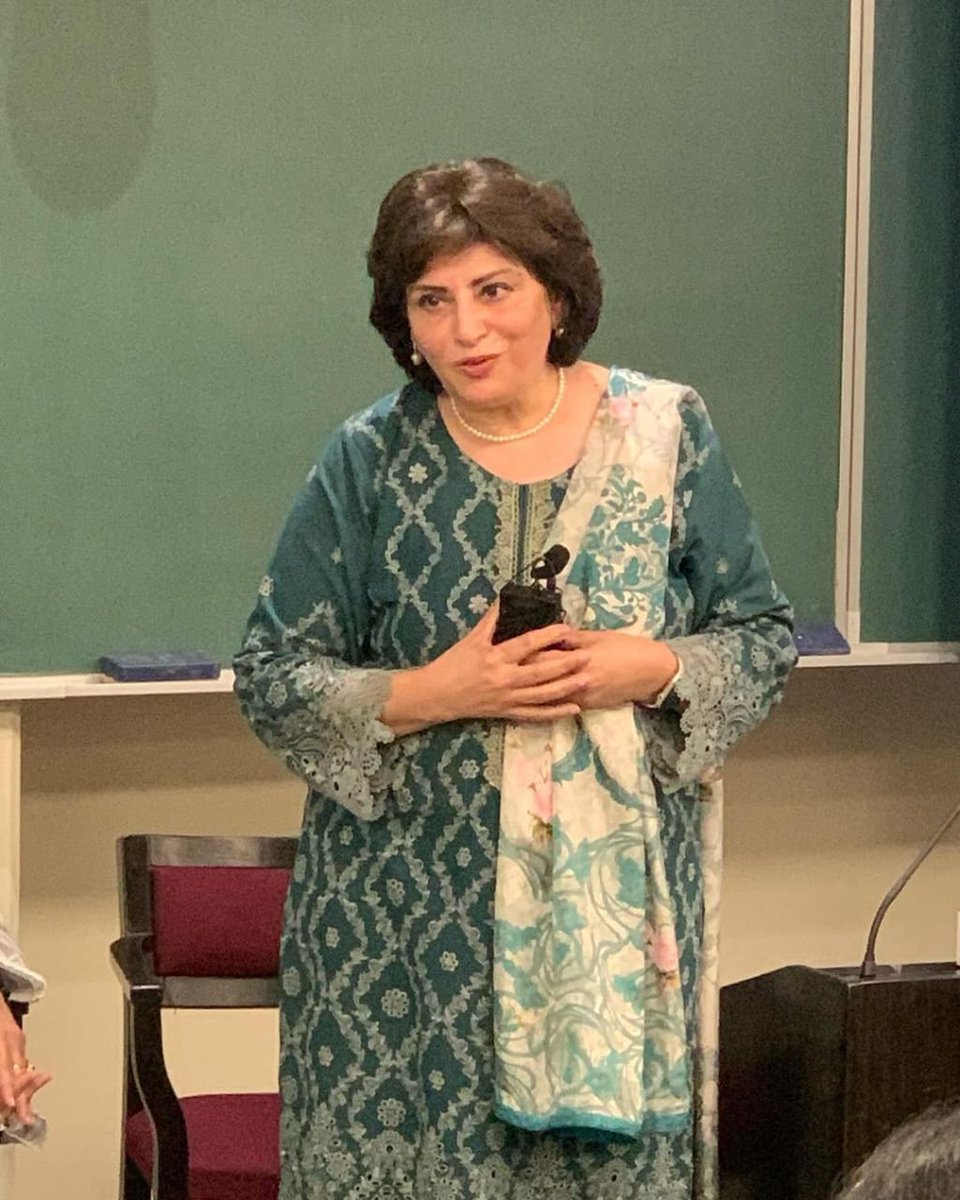
In her closing remarks, Dr. Tayyaba Tamim, Dean, @LUMS_SOE, shared how the school is committed to transforming Pakistan's education landscape by nurturing professionals to rethink, reimagine, and reform the sector.
#LearningWithoutBorders
3
1
14
14,025
23 Apr 2024
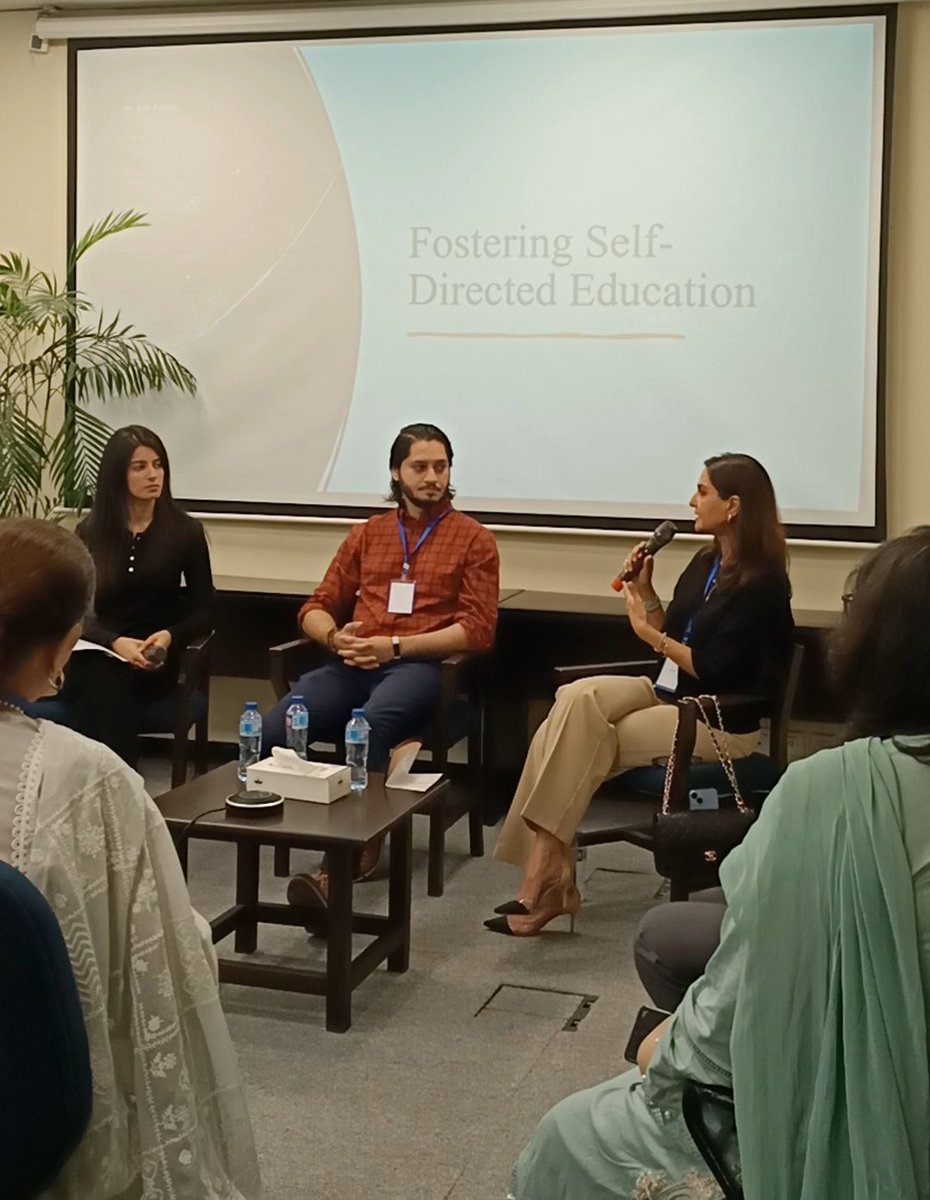
The panel discussion, "Fostering Self-directed Education" focused on how to help students become emotionally independent and resilient learners in today's changing educational environment.
#LearningWithoutBorders
5
1,677
23 Apr 2024
Dr. Agha Ali Raza, Assistant Professor at LUMS, highlights the positive impact of Artificial Intelligence (AI), sharing that AI and technology have the potential to provide universal access to knowledge and education.
#LearningWithoutBorders
3
1,461
23 Apr 2024
Richard Geary, Founder & Director of Programmes at FESF, shares that the biggest challenge for individuals with disabilities is accessibility and by ensuring accessibility, we empower them.
#LearningWithoutBorders
2
921
23 Apr 2024
Kicking off the Practicum Showcase Conference 2024 at the Syed Ahsan Ali & Syed Maratib Ali School of Education at LUMS!
#LearningWithoutBorders
4
726

1 Apr 2024
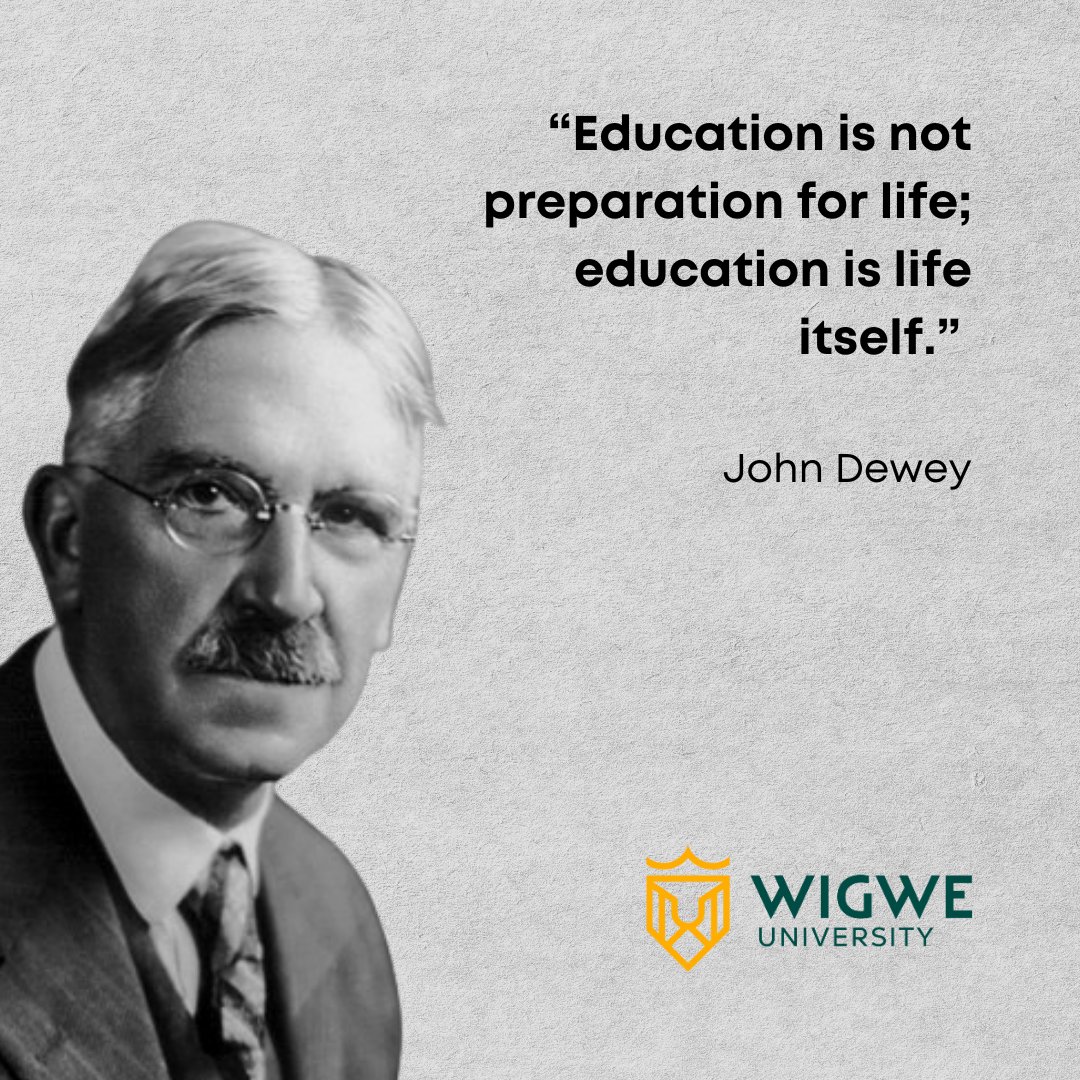
John Dewey said: "Education is not preparation for life; education is life itself." Learning every day, everywhere, is the real gold. ✨
#wigweuniversity
#wethefearless
#lifelonglearner
#LearningWithoutBorders
2
351
23 Feb 2024
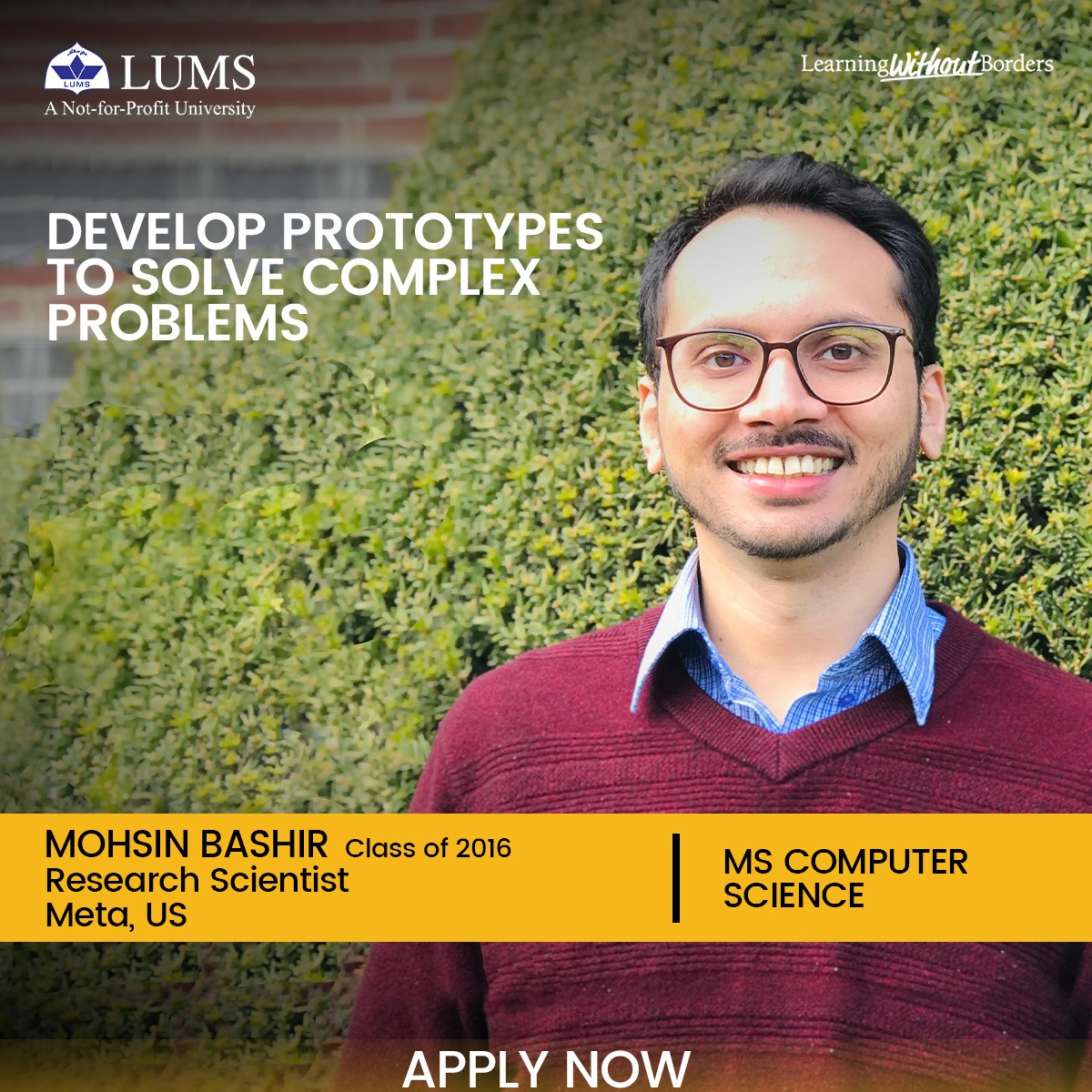
The MS Computer Science graduates from @sbasselums have secured prestigious positions in top tech companies & academia, showcasing the unparalleled opportunities awaiting you. Apply now to advance your career in technology!
bit.ly/41gZhNI
#LearningWithoutBorders
2
3
12
3,025
23 Feb 2024
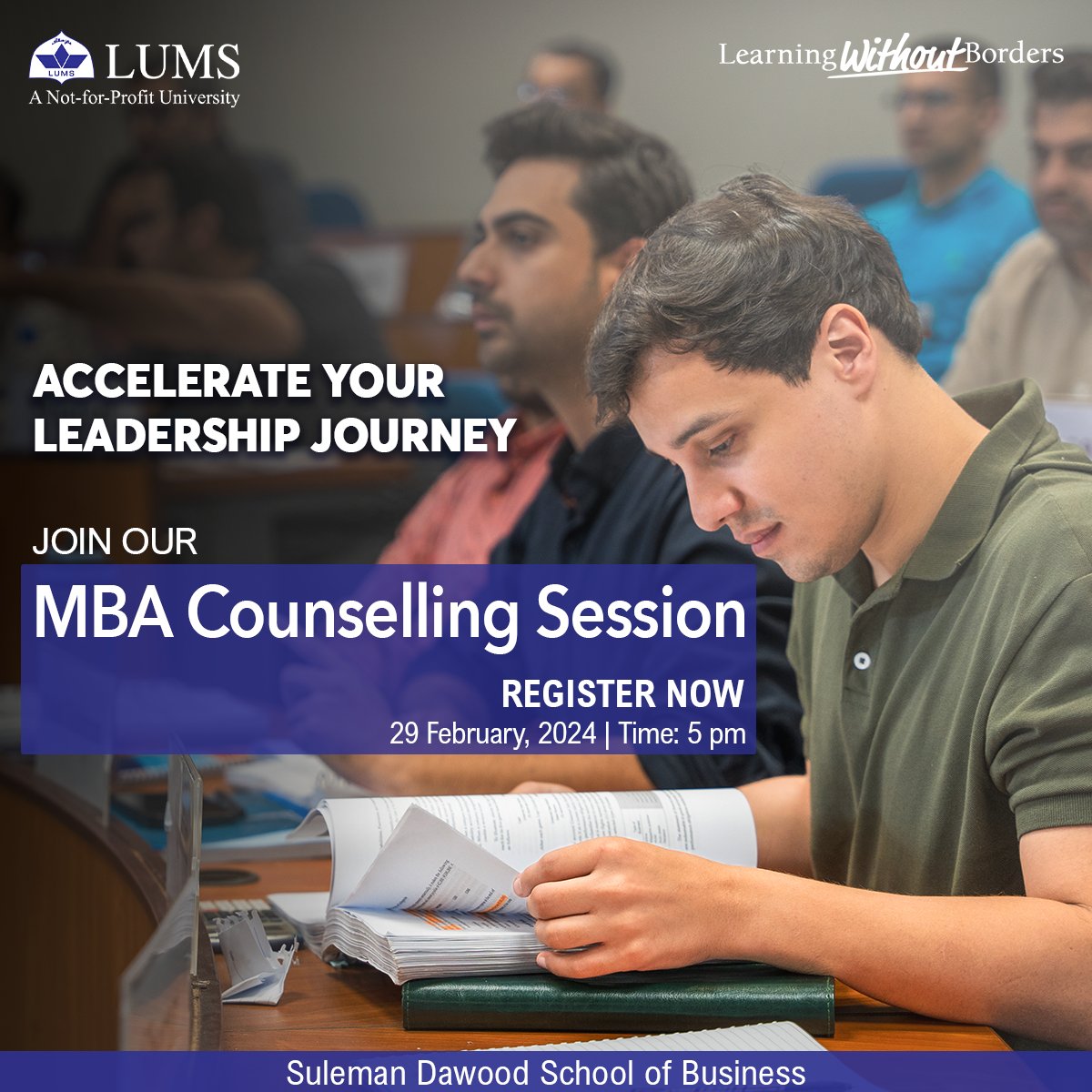
Join the online MBA counselling session, hosted by the @SDSB_LUMS, to gain insights into the programme and receive valuable guidance from the SDSB faculty.
Register now: bit.ly/3wsSzue
#LearningWithoutBorders
2
7
1,945