

🪡 CONTINUED 👇🏻
Exodus places ʼāsīph within the triad of annual pilgrim feasts commanded at Sinai. Alongside the Feast of Unleavened Bread and the Feast of Weeks, the Feast of Ingathering marked “the end of the year, when you gather your harvest from the field” (Exodus 23:16). It fell in the seventh month (Tishri), parallel to the later‐named Feast of Tabernacles (Leviticus 23:34). By requiring male Israelites to appear before the Lord at the sanctuary (Exodus 34:23), the feast welded agricultural gratitude to covenant renewal.
Seasonal Timing: Corresponding to the fruit and late‐grain harvests, ʼāsīph closed the farming cycle that began with Passover barley and Pentecost wheat.
Pilgrimage: Worshipers traveled to the chosen place, acknowledging the Lord as the true Landowner who safeguarded their borders while they were absent (Exodus 34:24).
Joyful Celebration: Deuteronomy 16:13–15 underscores rejoicing, inclusion of servants, foreigners, orphans, and widows, making ʼāsīph a social leveler and foretaste of kingdom fellowship.
Divine Provision: The ingathering testified that “the land will yield its produce and you will eat your fill” (Leviticus 26:5), reinforcing trust in God rather than agricultural skill alone.
Covenant Memory: Coming at year’s end, the feast invited retrospective gratitude and renewed dedication for the coming cycle.
Rest and Release: Linked to sabbatical patterns—weekly Sabbath, seventh‐month festivals, seventh‐year fallow—the festival highlighted rest as a gift.
Joy in the Presence of God: The command to rejoice (Deuteronomy 16:14) roots festive gladness in communion with the Lord, not mere abundance.
Final Harvest Motif: Prophets employ harvest imagery for the eschatological gathering of Israel and the nations (Isaiah 27:12; Joel 3:13). The Feast of Ingathering foreshadows the consummate “harvest at the end of the age” (Matthew 13:39).
WE ARE THERE!!!!!!
Universal Worship: Zechariah envisions nations ascending annually to Jerusalem “to celebrate the Feast of Tabernacles” (Zechariah 14:16), projecting ʼāsīph toward global homage to the Messianic King.
Messianic Fulfillment: The Gospel of John places Jesus’ proclamation of living water during the Feast of Tabernacles (John 7:37–39), presenting Him as the source of the Spirit for the ultimate ingathering.
THE POURING OUT OF HIS HOLY SPIRIT ON ALL FLESH AND MULTI-BILLION SOUL HARVEST!!!!
Though occurring only twice in the Hebrew text, ʼāsīph encapsulates an expansive theology of harvest, joy, covenant fidelity, and future hope. From Sinai’s fields to the New Jerusalem’s multitudes, the “ingathering” continues to summon God’s people to grateful worship and anticipatory mission.
GREEK 614 SPEAKS ABOUT THE REVEALING OF HEARTS ♥️, THE EXPOSURE OF EVIL AND EVERYTHING HIDDEN & THE REVEALING OF TRUTH!
614. apokruphos ἀπόκρυφος
Meaning: Hidden, concealed
The verb ἀποκρύπτω describes deliberate hiding or concealing, never as an end in itself but always in tension with the certainty that God will eventually uncover what He chooses. Scripture holds concealment and disclosure in a divinely ordered sequence: first the hiddenness that tests hearts, then the unveiling that glorifies Christ and judges motives.
Mark 4:22 “For there is nothing hidden that will not be revealed, and nothing concealed that will not be brought to light.”
Luke 8:17 “For there is nothing hidden that will not be revealed, and nothing concealed that will not be made known and brought to light.”
Colossians 2:3 “…in whom are hidden all the treasures of wisdom and knowledge.”
These three settings allow the word to serve two complementary emphases: kingdom exposure of secret things (Mark and Luke) and the rich concealment of divine wisdom in Christ (Colossians).
CONTINUED 👇🏻
1
40

I agree An it’s funny how age is a great leveler of thinks. Anyway you’re beautiful to me.
2
10
Gardenmasters Landscaping S.A retweeted

Jun 10
Generally in the field of landscaping, this leveler tool is incredibly a phenomenon. It’s highly great in soil planning.
1
6
1,072

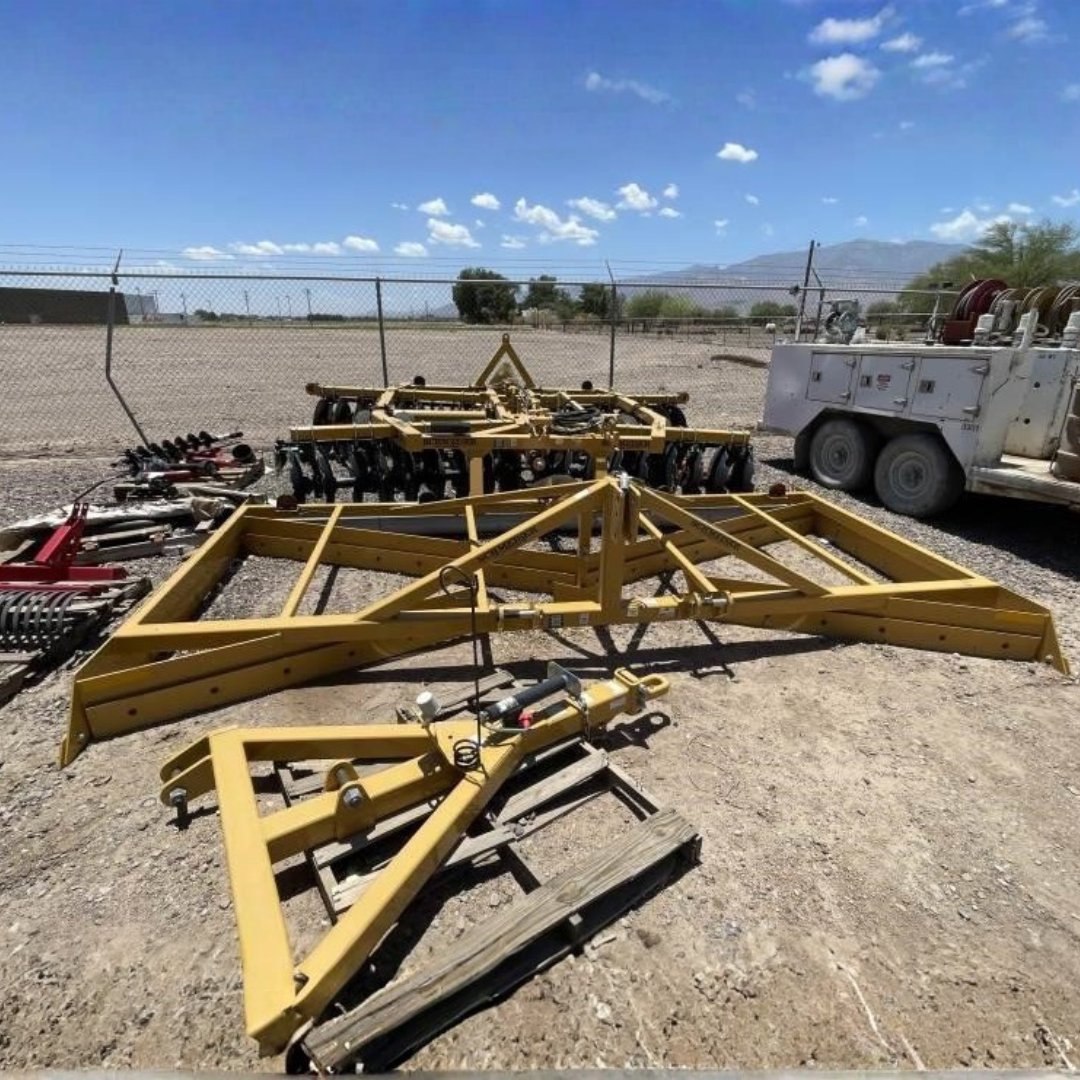
2022 Schmeiser VBL-15R V-Blade Leveler For Sale on #SpecialtyCropEquipment!
15’ working width for leveling and smoothing orchard floors.
ow.ly/tePQ50Z8W1f
#VBladeLeveler #AgMachinery


He fit be one dirty boy , someone that is probably jobless, but social media na leveler
14

Wizkid should come and prove Tommy Lee on Twitter wrong ?
Internet na leveler fr .
1
49


🇧🇪 Romelu Lukaku: Belgium's Greatest Goalscorer
Romelu Lukaku has cemented his place as one of the greatest players in Belgian football history. Since making his debut for Belgium in 2010 at just 16 years old, the powerful striker has gone on to become the country's all-time leading goalscorer.
Lukaku broke Belgium's long-standing scoring record in 2017, surpassing legends Bernard Voorhoof and Paul Van Himst, who had both scored 30 goals for the national team. Since then, he has continued to extend his record, putting himself far ahead of every other Belgian goalscorer.
Known for his strength, pace, and clinical finishing, Lukaku has been the focal point of Belgium's "Golden Generation," leading the line in multiple FIFA World Cups and UEFA European Championships. His goals have played a crucial role in Belgium's rise as one of the world's top football nations over the last decade.
Came on and just scored the leveler for Belgium in less than 10 sec instant impact 👏🏽
1
3
7
97


Social media is indeed a leveler. Is it HE Ob that you opened your mouth to call “yeye man”?
It says a lot about your upbringing
38

I looked at the comments and it’s funny how the internet is such a leveler,calling people who are richer than you broke because of online bants will forever be weird to me 😂😂😂🤭
Jun 14

Its been days and im still shocked. So you mean to tell me if I see another woman’s bag and I compliment it. Im materialistic? Like Kola what are you saying?😭
39


Absolutely fantastic album, gentlemen. "Leveler" is in serious trouble of being replaced as my #1 ABR album.
27


Jovan retweeted

Do you agree that social media is the great leveler?
2
1
4
57

Atleast you could have check my DP before using the word ‘kid’. Can’t blame you less. Social media is a leveler.
We still saying the same thing and meanwhile being an ex-minister doesn’t stop her from going to NASS and make the change. They should trying to be correct everytime
2
18

and beyond the purchasing power adjustment, what is "wealth"? Does it include "debt"? and what about the future because gov't debt is a great leveler?
45