
Jun 10
King John believed gemstones held magical powers that could protect rulers and shape their destiny.
#KingJohn #MedievalHistory #AncientWisdom #Gemstones #RoyalTreasures #LostKnowledge #AncientMysteries #HistoryFacts #ForgottenHistory
Read more:ancient-origins.net/why-king…
5
22
1,682
Jamie retweeted
#AncientOrigins #LostKnowledge #AncientMysteries #ForgottenHistory #AncientCivilizations
Read more:ancientoriginsunleashed.com/…
1
2
3
1,267

@DangerousThinkg
We used to cool buildings with physics, not electricity.
Turbine ventilators — simple, quiet, gone.
North America’s heating up. Maybe the old ways weren’t dumb.
@KennethFCrowe1
#LostKnowledge #PracticalAmerica #Summer2026 #ComeAndTakeIt
1
4
53
4,928

May 24
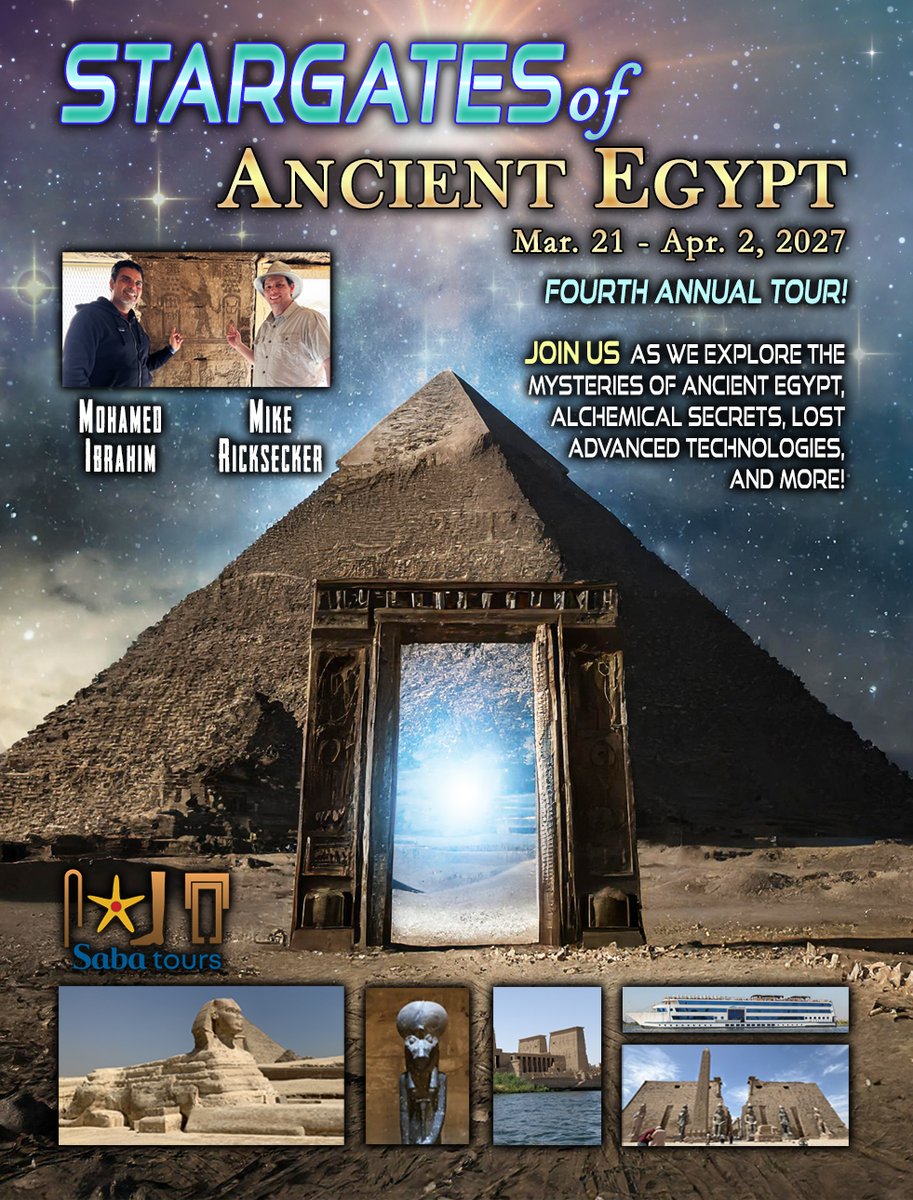
JOIN US for the next Stargates of Ancient Egypt tour! Experience a 12-day odyssey through #Egypt exploring pyramids, ancient temples, #lostknowledge, and more! #tour #travel Discover more at: sabatours.wetravel.com/trips…
1
2
197


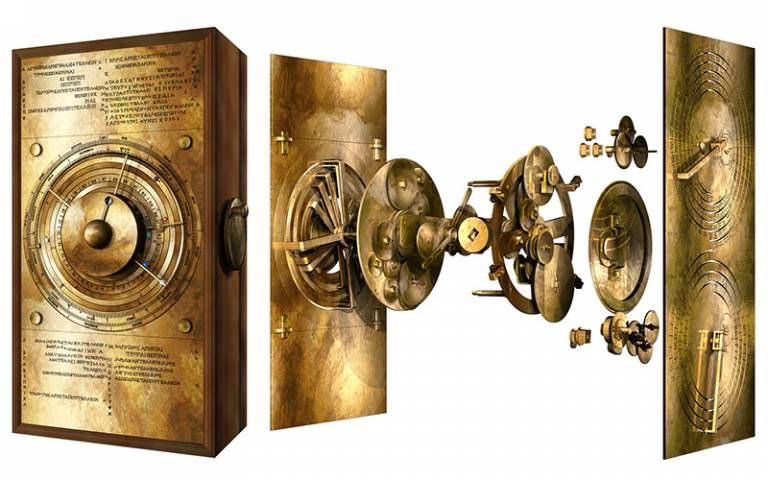
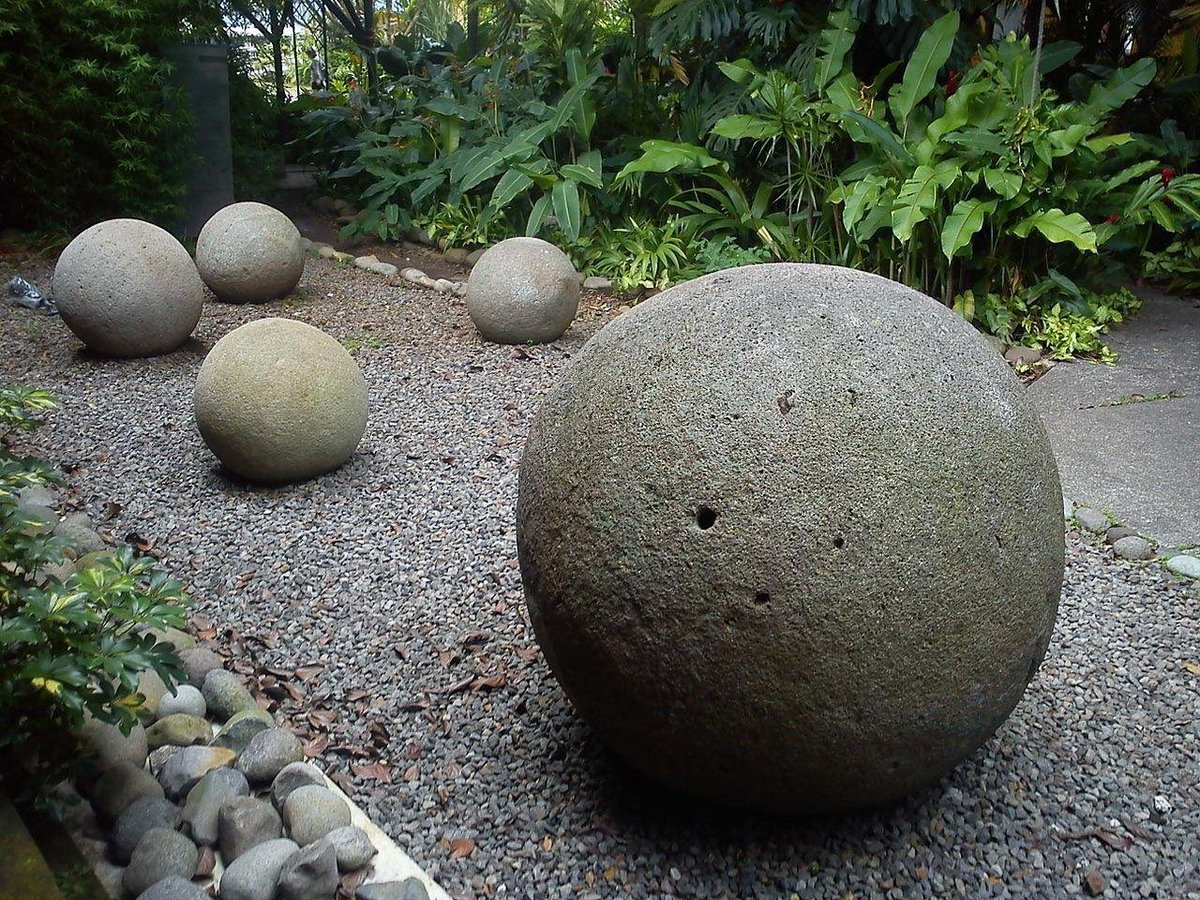
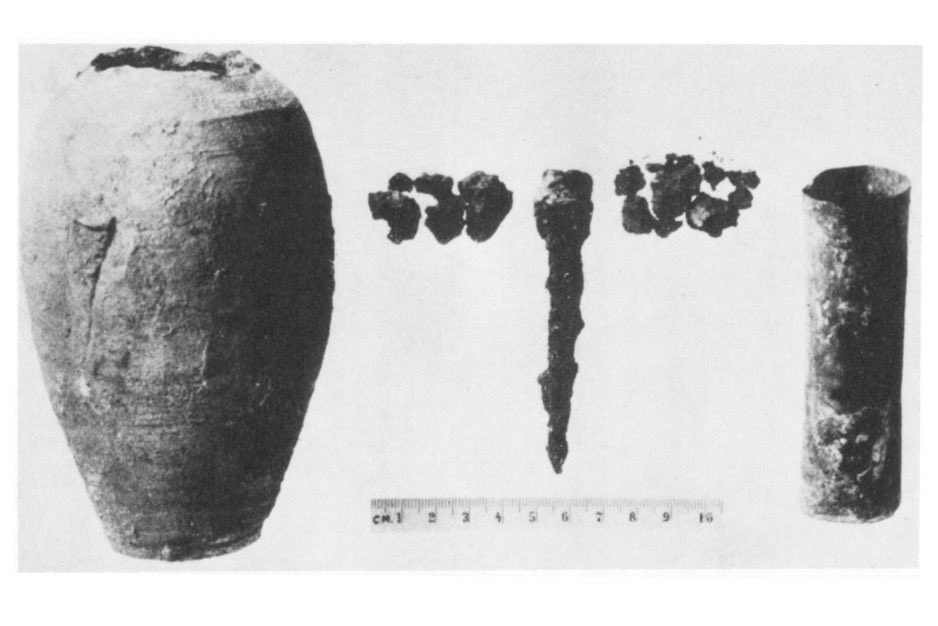
Ancient human ingenuity created remarkable objects that continue to fascinate us today. These include the intricate Antikythera Mechanism with its geared design, the precisely shaped stone spheres of Costa Rica, the Baghdad Battery artifacts, the detailed Piri Reis Map, and the vast Sajama Lines in Bolivia. Each one reflects the capabilities and knowledge of past civilizations.
🧩⚙️🗺️🔋🪨
#AncientHistory #Archaeology #HistoricalArtifacts #HumanIngenuity #AncientEngineering #LostKnowledge #HistoryLovers #DidYouKnow

3
2
15
495

The Sayhuite Monolith in Peru holds over 200 intricate carvings. Was it an engineering model, a sacred object, or something else entirely we still don’t understand?
#AncientMystery #Inca #Archaeology #Peru #LostKnowledge
Read more:historicmysteries.com/archae…
1
2
7
285

Mar 30
📺
“ Celtic Elementals The Devil’s Quoits and The Rollright Stones.
Whispers carried on the wind… stones older than memory… and stories that refuse to sleep.
Welcome to Celtic Elementals — where earth, air, fire, and water still echo through ancient landscapes.
Today, we journey into the heart of Oxfordshire, to two mysterious sites steeped in myth and quiet power: The Devil’s Quoits and The Rollright Stones.
Circles of stone. Legends of transformation. And a lingering sense that something… is still watching.
Step closer. Listen carefully.
The land remembers.
This will be my last video for a while, going into hospital next week for major surgery, Please like and subscribe and help keep my channel growing. Thank you your support means the world to me. “
🔗
youtu.be/-XrqSTT2SJI?is=Ebv6…
Hi 👋 Greyman. I’m sending you a big hug and keeping my fingers crossed for you 🤞. You need to recover well and soon—the crop circle season 🌾⭕️ is coming! The new crop circles that will appear in the coming months need to be documented with your professionalism and passion, so they can be preserved over time. Every small documentary you create will last forever, as a testament for future generations.
#CelticElementals #CropCircles #AncientMysteries #Megaliths #SacredSites #StoneCircles #DevilsQuoits #RollrightStones #Oxfordshire #AncientHistory #Mystery #HiddenHistory #Archaeology #Folklore #Celtic #EarthAirFireWater #SpiritualPlaces #EnergySites #AncientEnergy #MythAndLegend #Unexplained #Paranormal #UFO #HighStrangeness #Documentary #HistoryChannel #AncientWorld #MysticalPlaces #NatureMysteries #LostKnowledge #Greyman
@spiritstem_
1
2
197

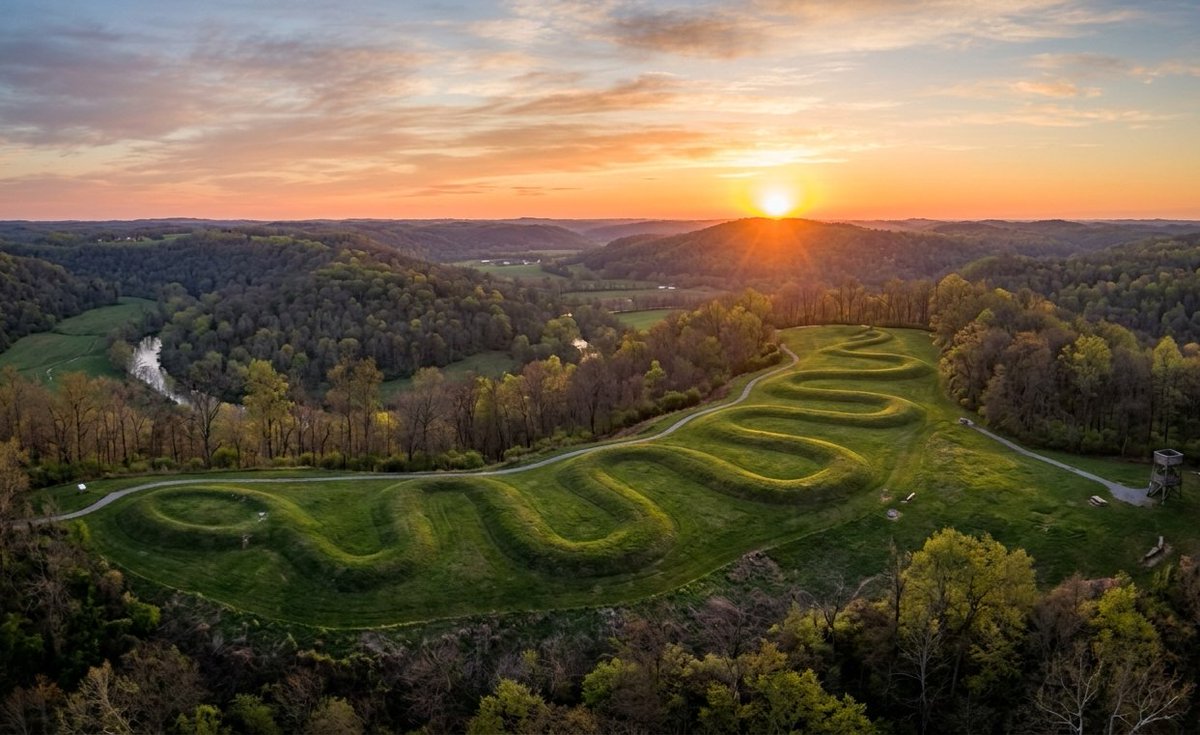
Serpent Mound, Ohio: a 1,300 ft coiled serpent eating an egg (or maybe it's the sun?), sitting on an old meteor crater rim. 🐍🥚
Built by "primitive" ancestors? Nah, think again. 🤔
The alignments are wild: The serpent's head points right to the summer solstice sunset—the sun drops right through its open jaws and across the oval. The longest day ends perfectly aligned. ☀️🎯
Those three big eastward curves in the body? They "point" to where the sun rises for the summer solstice, winter solstice, and the equinoxes (due east in spring/autumn). 🌅🌍
Tomorrow's spring equinox sunrise hits that due-east spot—imagine being there as the sun rises, aligned with the serpent's coils. 🌄✨
This isn't just some random dirt pile. It's deliberate cosmic engineering: tracking solar cycles, lunar standstills (some even say the curves are moonrise markers), maybe even warnings hidden in the earth. 🔭🌕
You can see it from above, it's survived resets while other stuff got wiped out. Like Chichen Itza's equinox serpent shadow, it's screaming advanced observation—but mainstream still calls it basic. 🤯🏛️
With tomorrow's equinox here, the mound's alignments feel alive again. 🌟
What knowledge did they guard? Cycles of time? Cataclysms? Or something deeper? What do YOU see in Serpent Mound's design—calendar, temple, warning? 🐍🗓️⚠️
Theories below Let's unpack this before history buries it more.
#SerpentMound #EquinoxAlignment #SummerSolstice #AncientAstronomy #LostKnowledge #OhioEarthworks #AncientAmerica #CelestialAlignments
1
2
127
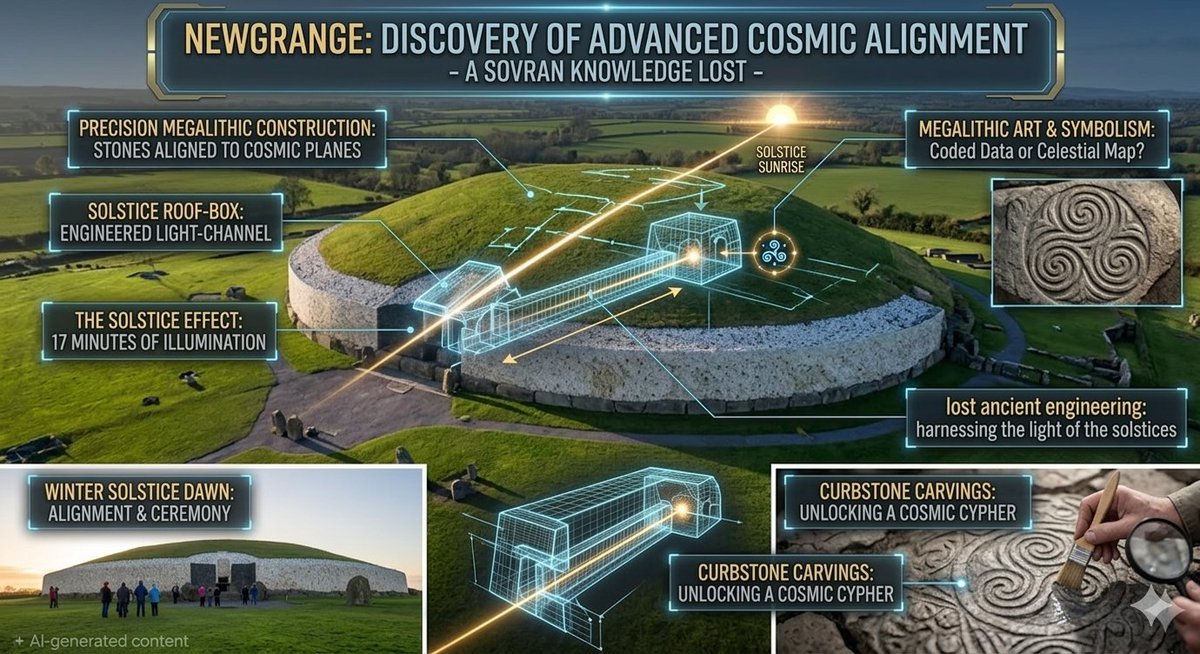
St. Patrick's Day reminder: the emerald isle's own ancient sites—like Newgrange (older than the pyramids )—align with solstices in ways that still baffle modern minds. ☘️🤔
These aren't coincidences; they're echoes of knowledge we’ve partially lost. 🤫🌌
In a world racing toward AI & space, maybe the real frontier is remembering what our ancestors already mastered about harmony with the cosmos. 🧘♀️✨
What ancient site do you think holds the biggest unsolved secret? 🗺️❓
#AncientMysteries #AlternateHistory #LostKnowledge #Newgrange
1
2
3
220
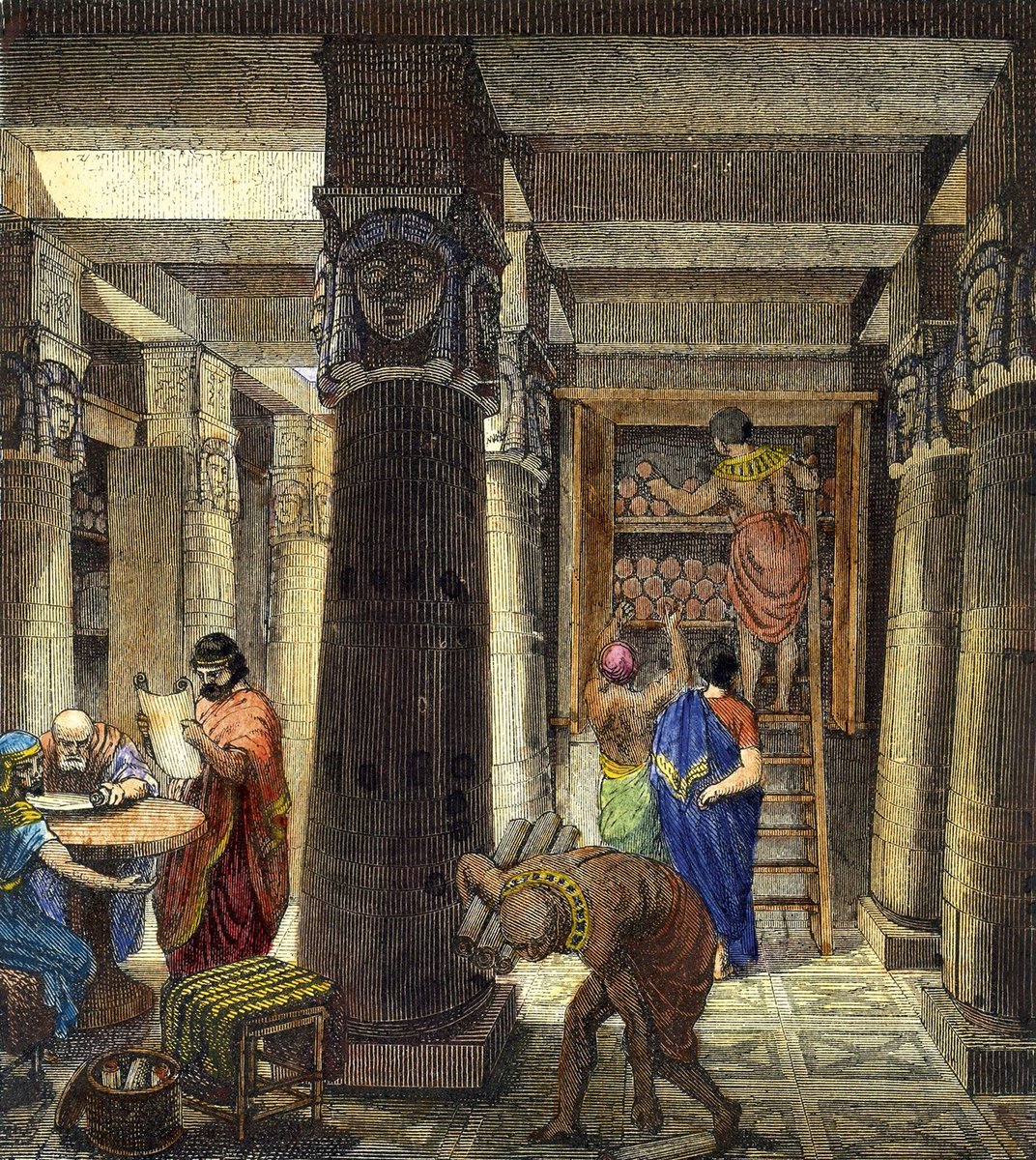
It’s a common misconception that the Library of Alexandria's fires wiped out everything. In reality, it was a slower demise. 💀 While the fires were devastating, a huge number of scrolls were lost to the slow, relentless decay of papyrus. The organic material just couldn't last forever without continuous care and recopying, a preservation effort that eventually faded away. This gradual loss was just as significant as any single inferno. #LibraryOfAlexandria #History #Science #Preservation #Papyrus #LostKnowledge
1
2
68

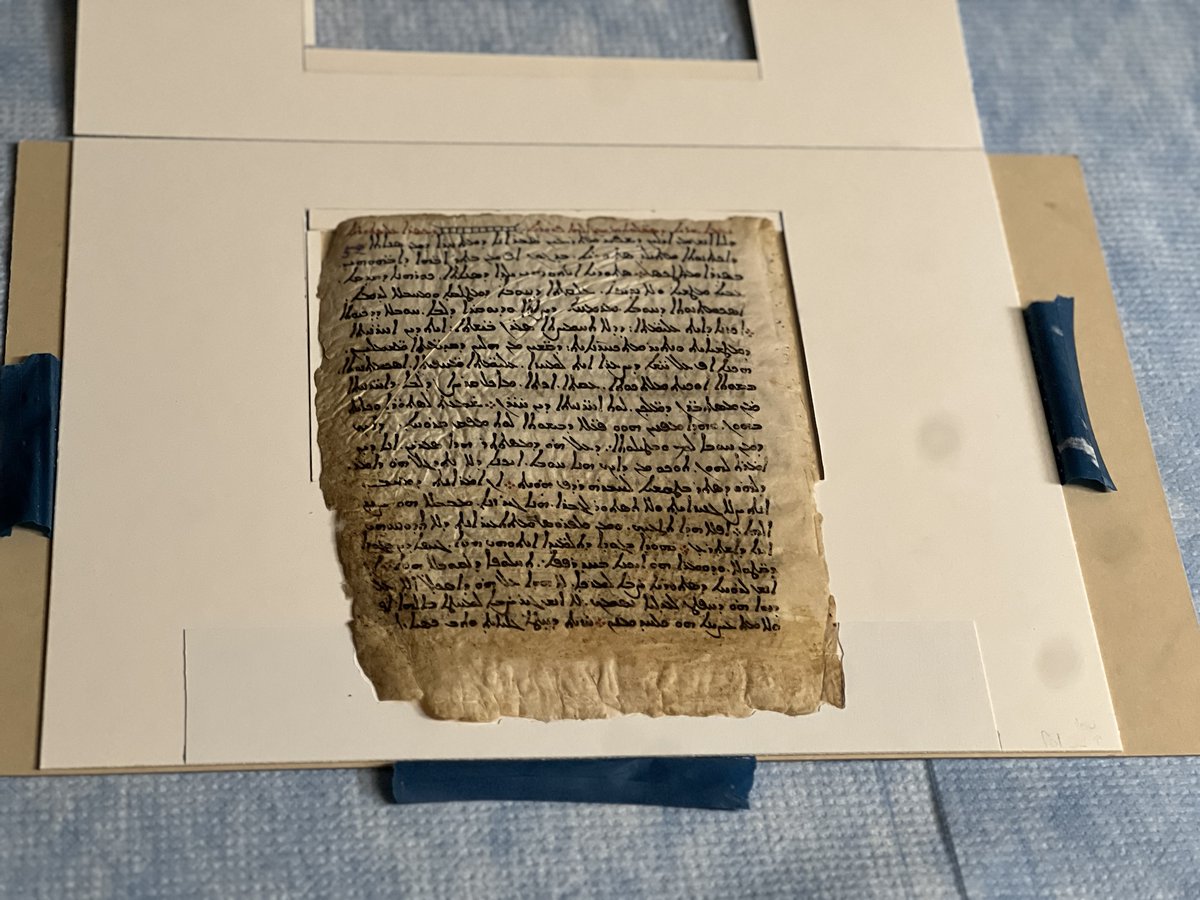
O Pergaminho Milenar que Reconta a História das Estrelas
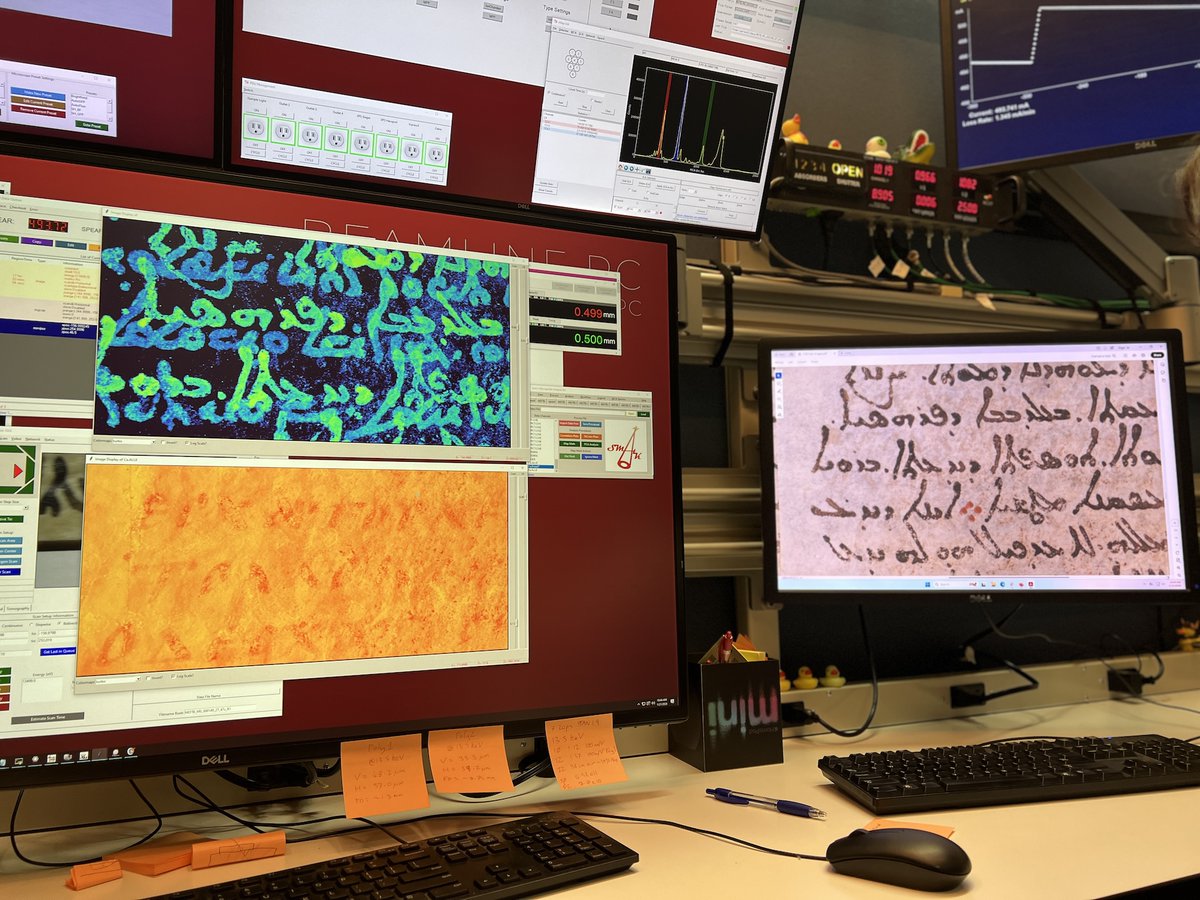
Prepare-se para uma viagem no tempo que redefine a história da astronomia! 🚀🌌 Imagine um mapa estelar milenar, considerado perdido por séculos, que agora ressurge para reescrever o que sabemos sobre o cosmos. ✨
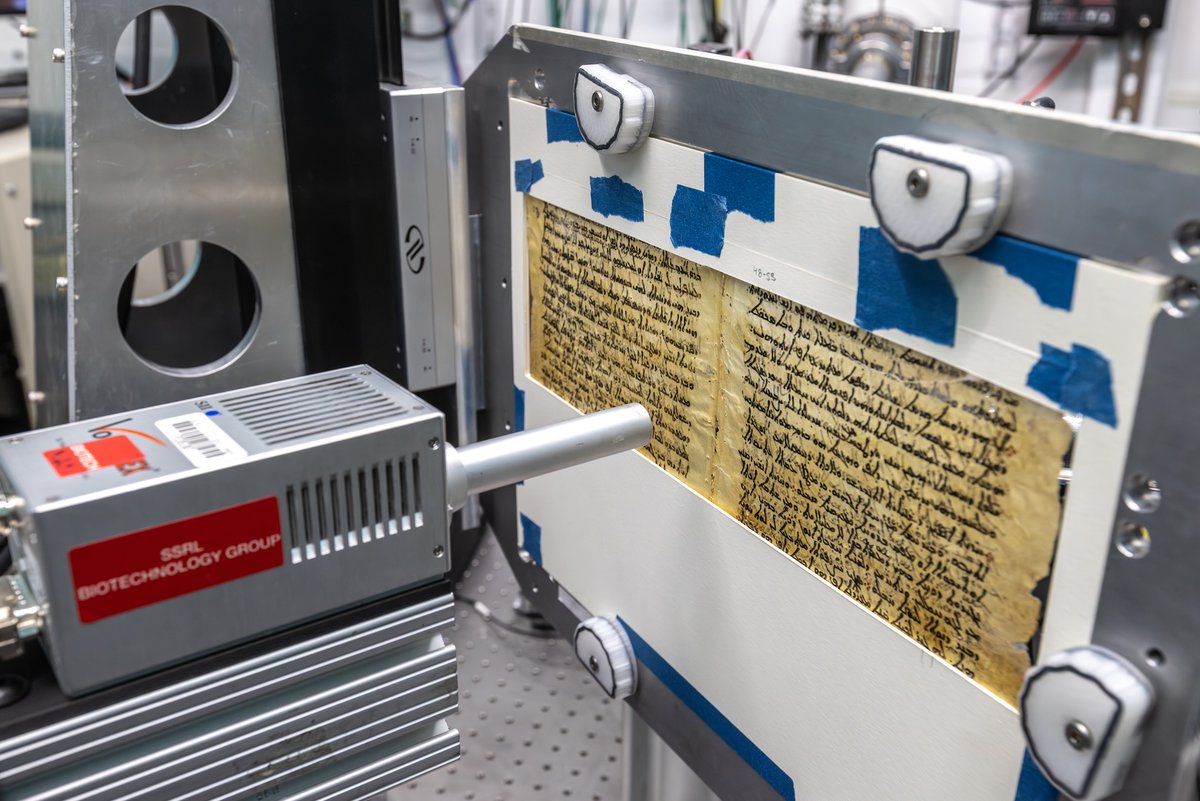
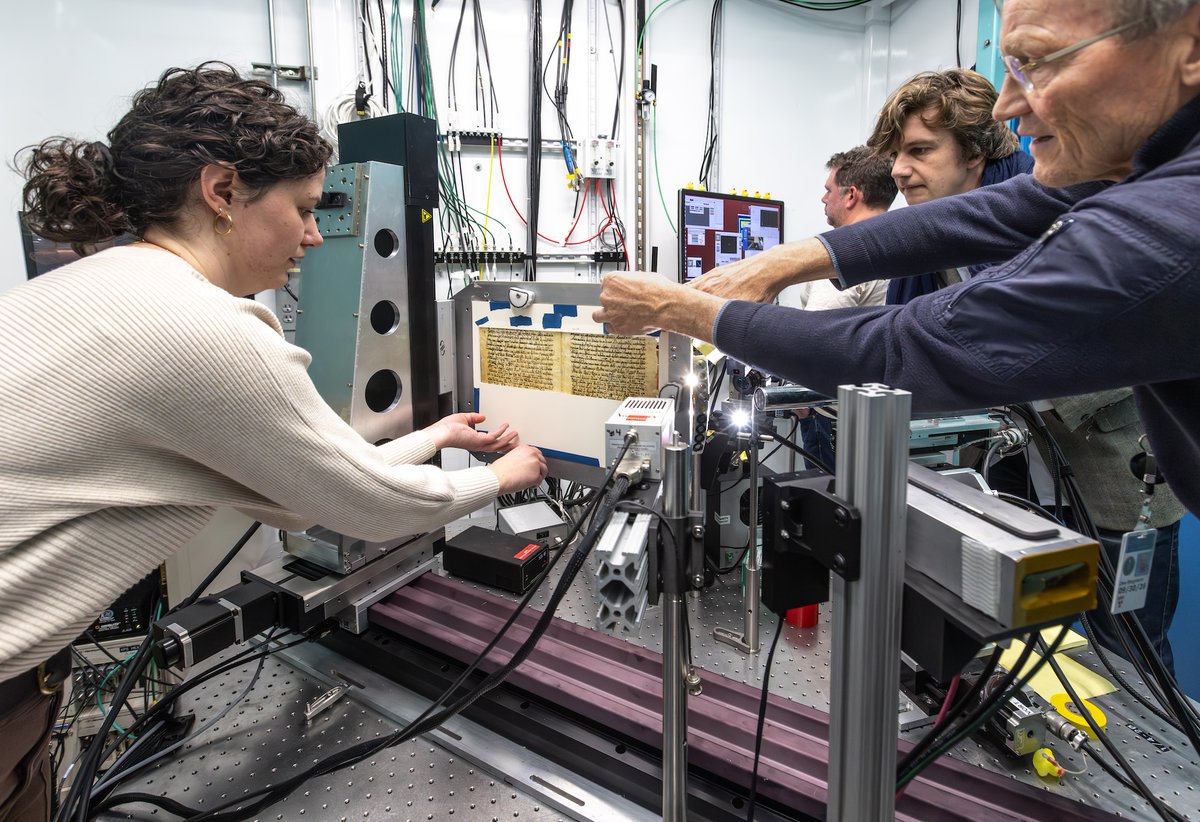
Este não é apenas um achado arqueológico; é um diálogo fascinante entre o pai da astronomia, Hiparco, e a ciência do século XXI. 🔬📡 Graças à tecnologia de raios-X de ponta, um pergaminho antigo, um palimpsesto, está revelando os segredos de um tempo em que a humanidade começou a desvendar os mistérios do céu noturno com uma precisão surpreendente. 🔭⭐
É uma colisão espetacular entre o passado mais remoto e a inovação tecnológica, abrindo uma janela para a mente dos primeiros astrônomos e o momento em que a ciência, como a conhecemos, começou a tomar forma. 💡🌍
Não perca a chance de mergulhar nesta descoberta épica que está mudando nossa compreensão das estrelas e da história humana. Clique no link na bio e explore como este pergaminho está recountando a história das estrelas! 💫📖
POST NOVO NO BLOG!!!
O Pergaminho Milenar que Reconta a História das Estrelas - cosmonewsnow.com/artigo/o-pe…
#AstronomiaAntiga #DescobertaCientifica #PergaminhoEstelar #Hiparco #Arqueologia #Ciencia #HistoriaDaAstronomia #StarMap #AncientAstronomy #XRayTechnology #Cosmos #Universo #LostKnowledge #Paleografia #Inovacao #Descobrimento #CienciaHistorica #HistoryOfScience #SpaceExploration #ScienceNews #HiddenTreasures #MilestonesInScience #StarGazing #Rediscovery
2
12
132
7,103

Feb 25
#TartariaVault
Your Ancestors Never Paid Taxes
Until 1913 - Then They Made It a Crime
youtu.be/qHAM7os9OsY?si=2yjt…
In 1913, the United States ratified a constitutional amendment that did something no federal law had ever done before: it claimed a permanent, legally enforced portion of every American's labor. Within six years, a nationwide enforcement bureaucracy — with investigators, auditors, criminal referral authority, and purpose-built offices from Boston to San Francisco — had materialized with a speed that institutional history struggles to explain.
Your ancestors kept everything they earned. Then, in a single year, that ended. And then they made it a crime to live the way your grandparents had lived.
This investigation traces the architecture of that transformation — the 1913 pivot, the suspicious coordination between the income tax amendment and the Federal Reserve Act, the enforcement machinery that appeared to exist before it was needed, and the global pattern of identical mechanisms spreading simultaneously across rival nations with no documented coordination. It examines what was erased from the cultural memory: the pre-1913 world where keeping your wages was not radical, it was just Tuesday. It asks why the criminalization followed such a precise and consistent blueprint. And it interrogates the bureaucratic infrastructure — the real buildings, the real documents, the special agents units — that materialized fully formed around a law that was supposedly improvised.
The deeper the record is examined, the harder it becomes to accept that the income tax was simply progressive reform. The evidence suggests it was architecture. Designed. Planned. And built for something larger than anyone publicly acknowledged at the time.
The material on this channel presents exploratory interpretations of history and imaginative speculation, conveyed through narrative storytelling rather than precise historical documentation. Viewpoints and visual representations are dramatized or intentionally constructed to support alternative narrative exploration. Visual elements may at times be created using automated or generative tools. The content shared should not be considered factual.
#hiddenhistory #oldworld #incometax #1913 #federalreserve #lostfreedom #alternativehistory #taxhistory #lostknowledge
🐉🐲🐉
#smgz #sgapuz_MAGA
#DragonLadyArcher
#FireDragonLadyArcher
#Animo #AnimoLaSalle
#GeneralMinion
#HOARevolution
#GodsSoulCatchers
#WarriorsForChrist
#HeavensArmy
#PeopleOfGOD
#Watchmen
#Remnant
#Chosen
#ChosenRising
#ChosenByGod
#ChosenOnes
#Christian
#ChristianMotivation
#PrayForRevival
#RevivalFire
#AGreatAwakening
#BattleBelongsToGod
#GodAlwaysWins
#GloryToGod
#WalkWithGod
#EveryGiantWillFall
#BreakEveryChains
#SetTheCaptivesFree
2
30

Feb 16
[ARCHEOLOGY]
1/5: One hill in southeastern Turkey holds the secret that upended everything we knew about the birth of civilization.
2/5: Göbekli Tepe. Erected around 9600 BC by hunter-gatherers who left no written record, only these massive T-shaped pillars arranged in rings. The oldest monumental structures on Earth, by far. doi.org/10.1017/S0003598X000…
3/5: They built it before they planted the first crops. Ritual centers drew people together, creating the demand for surplus food. Agriculture followed the temples, not the reverse.
4/5: The carvings—foxes, lions, scorpions in high relief—show a shared symbolic language across tribes. This was the dawn of complex culture, driven by awe, not mere survival.
5/5: The past rewrites the rules. What we build always starts with what we revere. Hunt down one fact from our deep history this week. What site or find shifts how you see the present? Reply with it. #Archeology #HumanOrigins #LostKnowledge
3
42

Feb 9
Medieval monks scraped and wrote over a priceless ancient Greek star catalog... but modern science is bringing it back from the shadows! 🌌🔍
Using a powerful particle accelerator (synchrotron X-rays at SLAC National Lab), researchers are revealing Hipparchus' lost 2nd-century BC star map—the earliest precise coordinates of stars visible to the naked eye, hidden for centuries in a palimpsest Codex Climaci Rescriptus from St. Catherine’s Monastery. 📜✨
This isn't just history—it's the dawn of scientific astronomy being uncovered layer by layer with cutting-edge tech! Mind-blowing how the past and future collide. 🤯
What ancient secrets do you think are still waiting to be revealed? Drop your thoughts below! 👇
#History #Astronomy #Science #Hipparchus #AncientGreece #Space #Archaeology #ParticleAccelerator #LostKnowledge
(Source: Smithsonian Magazine & recent SLAC updates) smithsonianmag.com/smart-new…

Revealing ancient star maps 🌌
This centuries old manuscript hides what may be the oldest-known map of the stars. X-ray beams from our synchrotron at SLAC are helping uncover the long-erased and overwritten star map by scanning for trace metals left behind by the original inks.
2
29

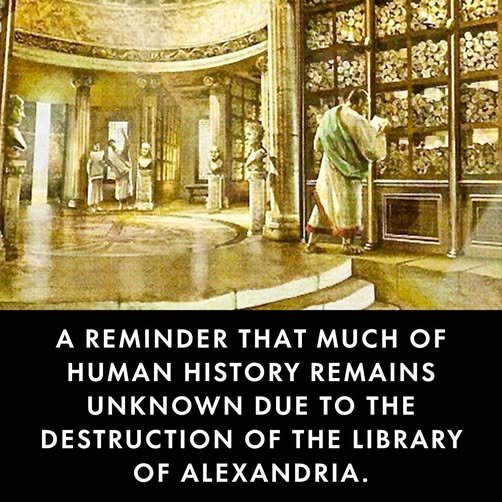
The Destruction of the Library of Alexandria and the Myth of Lost Knowledge
The destruction of the Library of Alexandria is often described as one of the greatest cultural losses in human history. Founded in the early 3rd century BCE, the library was intended to collect all known knowledge of the ancient world, housing hundreds of thousands of scrolls covering science, mathematics, philosophy, medicine, astronomy, literature, and geography.
Contrary to popular belief, there was no single catastrophic burning that instantly erased all its contents. Instead, the library declined over several centuries due to multiple events, including fires during Roman conflicts, political instability, funding cuts, religious shifts, and changing intellectual priorities. By late antiquity, the institution had largely ceased to function as a center of scholarship.
The widely repeated claim that “90 percent of history is lost” is not supported by historical evidence and remains a metaphor rather than a measurable fact. While an immense number of ancient works have indeed disappeared, historians cannot quantify how much knowledge was lost, nor can the destruction of the Library of Alexandria alone account for it. Many texts survived through copies preserved elsewhere, while others vanished gradually due to neglect, language loss, or the fragility of writing materials such as papyrus.
Despite these nuances, the Library of Alexandria endures as a powerful symbol of the vulnerability of human knowledge. Its story reminds us that intellectual achievements depend not only on discovery but also on preservation, transmission, and continued cultural support.
Sources:
Canfora, Luciano. The Vanished Library. University of California Press, 1990.
MacLeod, Roy (ed.). The Library of Alexandria: Centre of Learning in the Ancient World. I.B. Tauris, 2000.
via The Investigative
Image: Egypt Tours Portal
#fblifestyle #LibraryOfAlexandria #LostKnowledge #CulturalHeritage
9
24
343

5/7
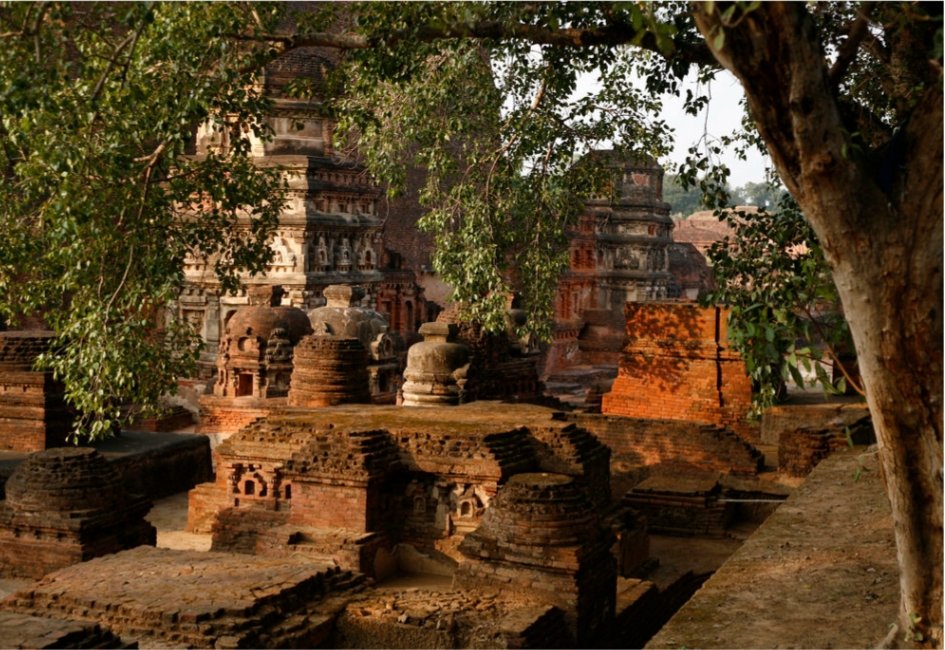
तिब्बती इतिहासकार तारानाथ (16-17वीं सदी) ने स्पष्ट लिखा कि "तुर्कों" ने नालंदा को जलाया।
पुरातत्व में उस दौर के आग के निशान मिले।
फिर भी स्कॉलर्स डिबेट करते हैं:
क्या सिर्फ हमला था या आंतरिक कारण (बौद्ध धर्म का कमजोर होना, patronage की कमी, धार्मिक बदलाव) भी थे?
कोई एक वजह नहीं। इससे बिहार-बंगाल में बौद्ध संस्थान लगभग खत्म हो गए।
कई विद्वान तिब्बत भाग गए, ज्ञान बचाकर ले गए।
(सोर्स: Taranatha's History of Buddhism & archaeological reports)
#IndianHistory #LostKnowledge
1
3
18

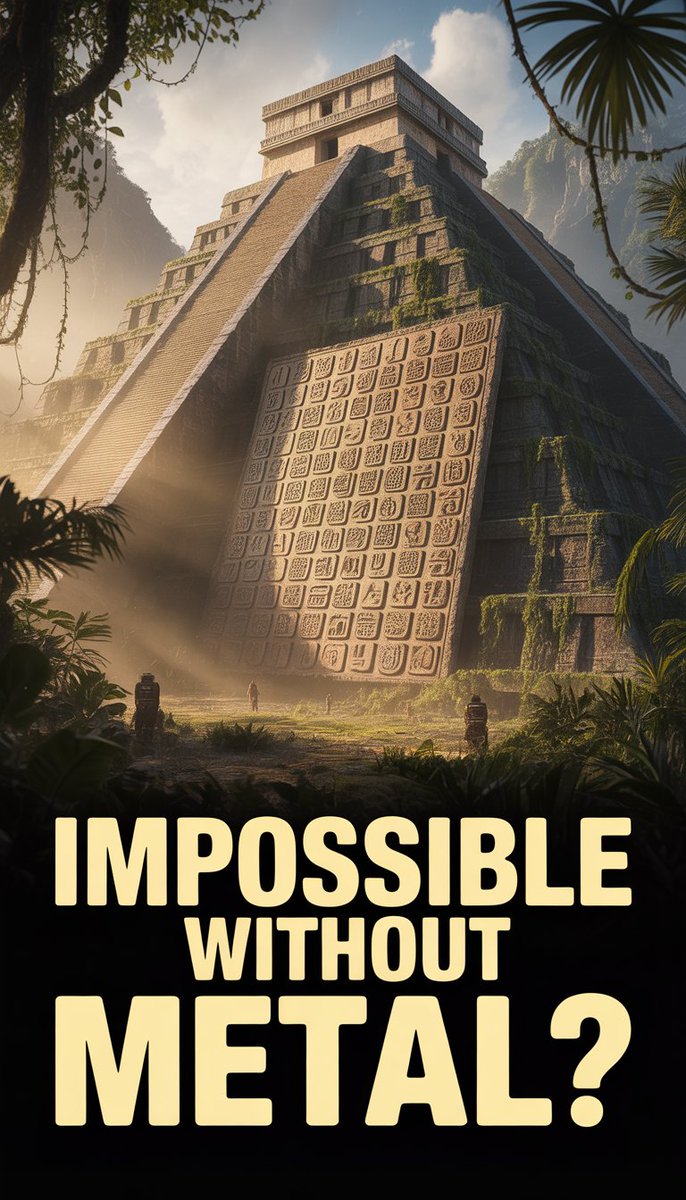
The Maya built with perfect precision.
❌ No metal
❌ No machines
Yet their calendar was more accurate than ours.
How is that possible?
youtube.com/shorts/vsX5H2aPR…
#MayaCivilization #HiddenHistory #AncientTechnology #LostKnowledge
1
2
7

Jan 21
📚❄️ The Forgotten Library ❄️📚
ᚦ ᚨ ᛁ ᚱ
Long before the world fractured,
before the Frequencies awakened and the Ice Ring closed,
knowledge was gathered here — not to rule, but to remember. 🕯️
Beneath layers of eternal ice ❄️
the ancients hid what could not be destroyed.
Maps were burned 🔥
Names were erased ✖️
Languages were allowed to rot ⌛
Not to protect the truth.
But to protect the world from understanding it. ⚖️
These halls were never meant to be found.
They were meant to be outlived. 🪨
The passage between Midgard and what lies beyond the Ice
was never sealed by stone or spell —
it faded when memory failed. 🌫️
Some gates do not require keys. 🗝️
They require alignment. 🜂🜁🜃🜄
And some libraries are not silent…
They are waiting. 👁️❄️
ᚠᚱᚨᚷᛗᛖᚾᛏᛊ
Powered by @kolibri_xart
supported by : @Bazinshine
Based6Game.com | Basedxp.app
#DecayStory #DarkFantasy #Worldbuilding #AIart
#LostKnowledge #AncientTruth #Girska #Midgard #Lore #fantasyart
2
4
7
82