
A new week, and I want to start it off with SOMETHING ESPECIALLY INTERESTING! 🌟
A report released by the Organisation for Economic Co-operation and Development (OECD for short) has shared the new Manufacturing Groups and Industrial Corporations (MAGIC) Database (oecd.org/en/data/dashboards/…) 📊, and they are highlighting a very concerning trend in global industrial subsidies. A new tool to bully one might say… 💰
So, what’s potting, you ask?
I'll tell you. According to the report, these subsidies have surged to an astonishing $108 billion, accounting for 1.3% of total firm revenues. This shift could perhaps signify a start of departure from free-market trade towards a model characterized by aggressive state intervention and growing economic nationalism. I'll talk about how South Africa compares in the second part of this post.
Comparing the past to get context, the current rise in industrial subsidies, compared to the events of the ‘2008 financial crisis,’ is fundamentally different. 📉 The OECD report emphasizes that this increase is structural rather than cyclical. While the prior spikes were driven by a ‘crisis’ that resulted in plummeting sales, today’s scenario unfolds alongside healthy revenues (mostly for the already rich), perhaps indicating that governments are making conscious, long-term policy decisions aimed at funding specific domestic industries.
Another distinguishing feature you might find in the current subsidy landscape is the strategic use of state funding. Unlike the emergency rescue packages of the past, today’s subsidies are part of a larger "weaponisation" agenda, deployed to secure supply chains, accelerate the transition to green energy, and fortify technological dominance. 🌍(If you future plan and do scenario planning… this would all be part of a probable scenario.) The report identifies five critical sectors that receive the bulk of these subsidies, hinting at a trend towards targeted support rather than broad manufacturing assistance. These sectors include Solar Photovoltaic Cells and Modules ☀️. Semiconductors are another, and let me remind you of their role in shaping the future of artificial intelligence and, of course, defense technologies, making them a vital component of geopolitical strategy! Also, many heavy industries such as steel, aluminum, and shipbuilding are receiving government funding as well to decouple supply chains from potentially adversarial competitors.
Now, my main concern from the report is the disparity in how these subsidies are distributed globally. For example, companies based in China are reportedly receiving between three to eight times more government support than their counterparts in OECD countries! This massive imbalance leads to market distortions.
The ramifications of these trends can already be seen in the form of trade wars and retaliatory policies, like Western economies enacting protective measures, e.g., the US Inflation Reduction Act and European Union import tariffs, resulting in a cycle of defensive funding – which we should abbreviate to their “NATO”ing. 🤝
South Africa, little us at the southernmost part of our wonderful continent, finds ourselves in a precarious situation (as always) amidst the global "subsidy war." We have limited fiscal capacity, which does not help our confidence and future regarding domestic manufacturing and critical mineral resources – areas we must work really hard to resolve. Let me break this down into four key areas.
Number 1: The scale of international state funding creates an imbalanced competitive environment that South Africa struggles to match. For instance, the US Inflation Reduction Act allocates approximately $400 billion towards green technologies, roughly equivalent to South Africa’s entire GDP! 💵
Next, Number 2! Advanced economies are prioritizing the processing of critical minerals, which directly affects Africa's resource management. The OECD notes that around 96% of Africa’s critical minerals continue to be exported in raw or semi-processed forms. (Do you know how much business we are losing here!!!!) In response, South Africa has implemented its Critical Minerals and Metals Strategy (although implementing policy in South Africa is often a misnomer). This strategy is meant to enhance value within our country by promoting domestic processing of platinum, manganese, and chrome.
Number 3 is South Africa's approach to incentive frameworks. Instead of providing direct corporate grants, like China, we allocate our limited budget to socio-economic and industrial initiatives, such as programs like the Black Industrialists Scheme (which offers grants to enhance black ownership and manufacturing capacity). Another example is the funding through the Industrial Development Corporation to support small and medium black-owned businesses. This point 3 is more of an observation because who am I to say what works best in China will work here? I will say, though, that Special Economic Zones are also being utilized, providing tax concessions and incentives to attract foreign investment. Perhaps it’s time for me to move my office? 🤔
And finally, Number 4: Our local industries are facing severe risks due to this global subsidy distortion, which threatens our competitiveness. The OECD highlights that traditional sectors, like iron and steel, may suffer more due to protective measures such as the European Union’s Carbon Border Adjustment Mechanism (CBAM). This mechanism could penalize our exports unless local industries quickly transition to low-carbon production – and this is a major red flag for us! 🚩
#SubsidyWar #EconomicNationalism #OECD #MAGICDatabase #TradeWars #GlobalEconomy #SouthAfrica #IndustrialSubsidies #GreenEnergy #GeopoliticalStrategy #SouthAfrica #SubsidyWar #EconomicPolicy #CriticalMinerals #Manufacturing #GreenEnergy #GlobalEconomy #TradeImbalance #Investment #Sustainability
1
1
217

17 Aug 2019
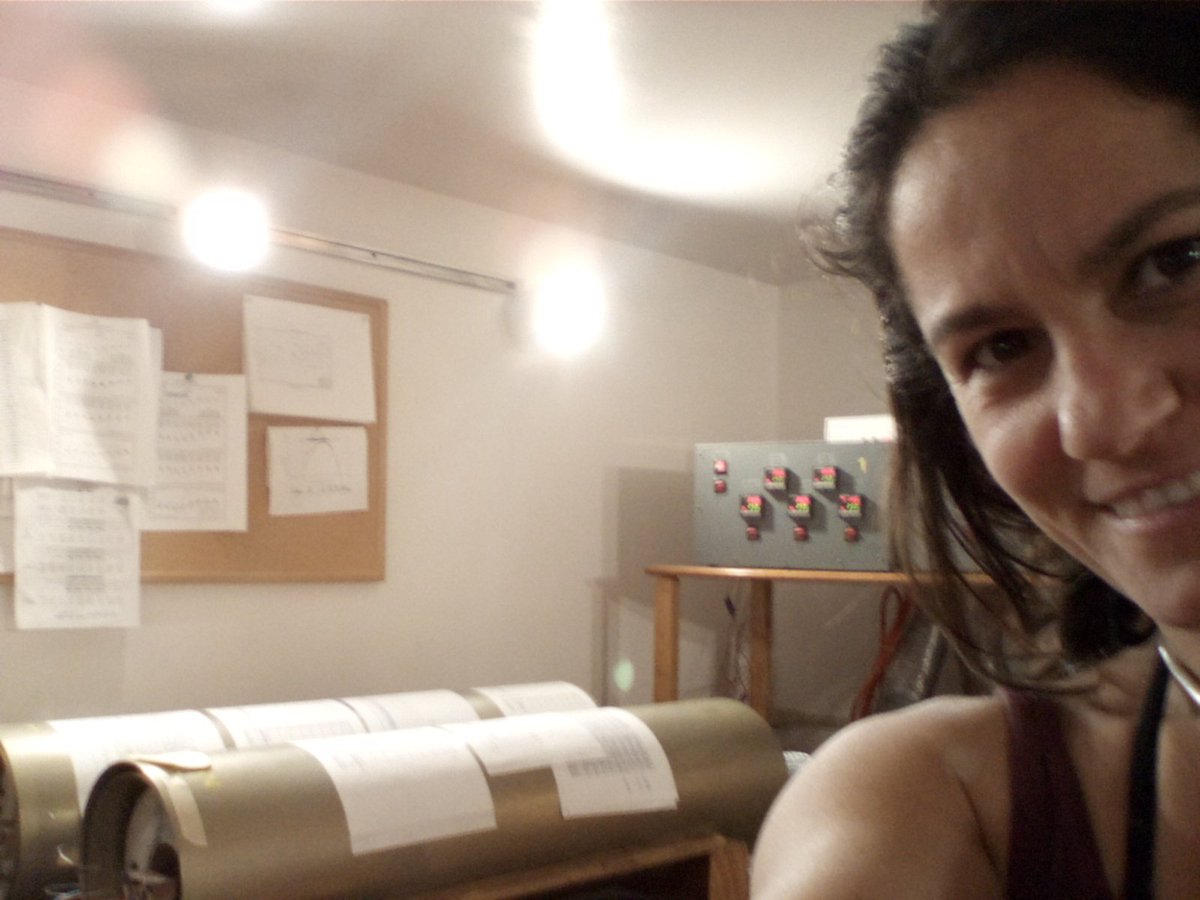
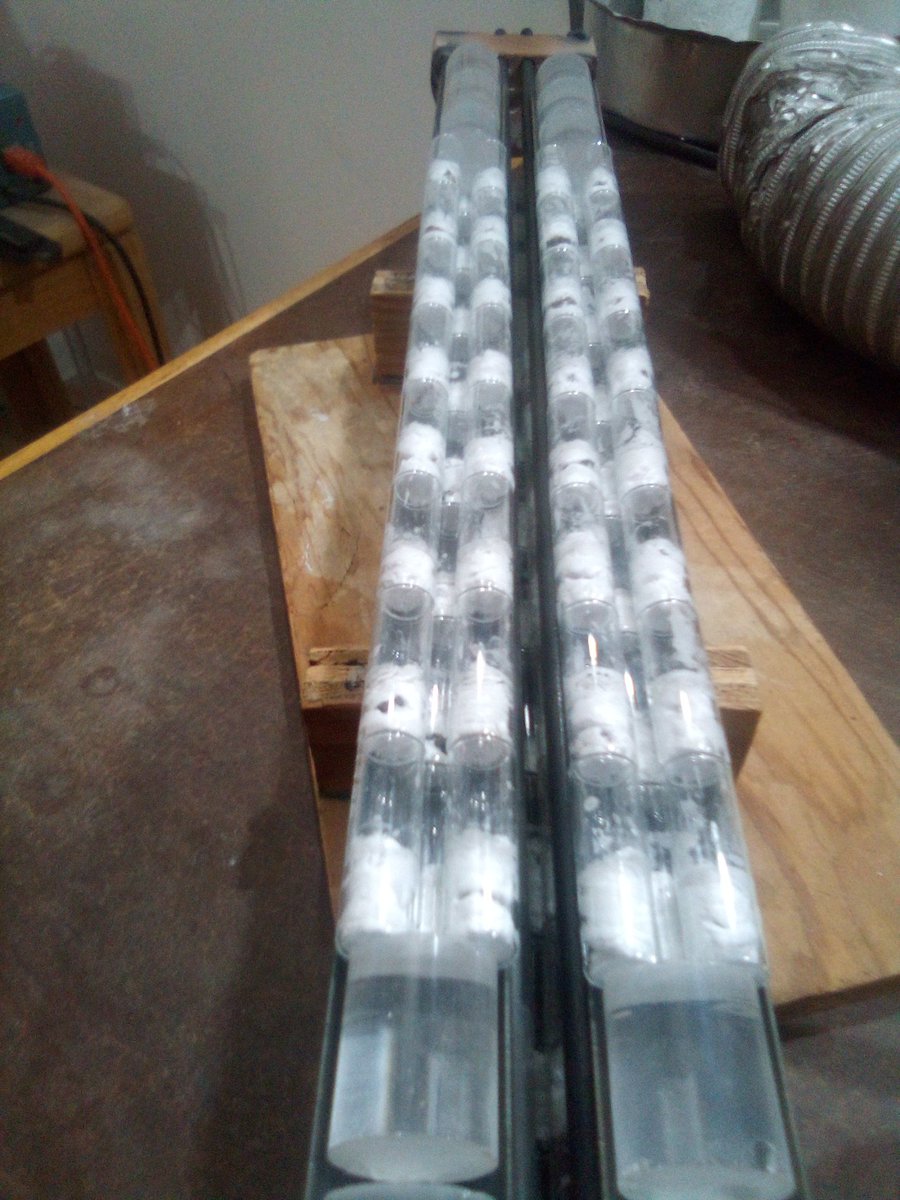
Well.. 47 heating steps for 144 samples in 1 month and 1 week of hard lab work! Estimated success rate ~20%... The joys of paleointensity and collecting new original data!
#postdocchat #postdoclife #paleomagnetism #paleointensity #queerinscience #WomenInSTEM #magicdatabase
1
1
15