
Jan 25
WOW, #MalpracticeInsurance for physicians appears to be another monster scam.
Jan 24

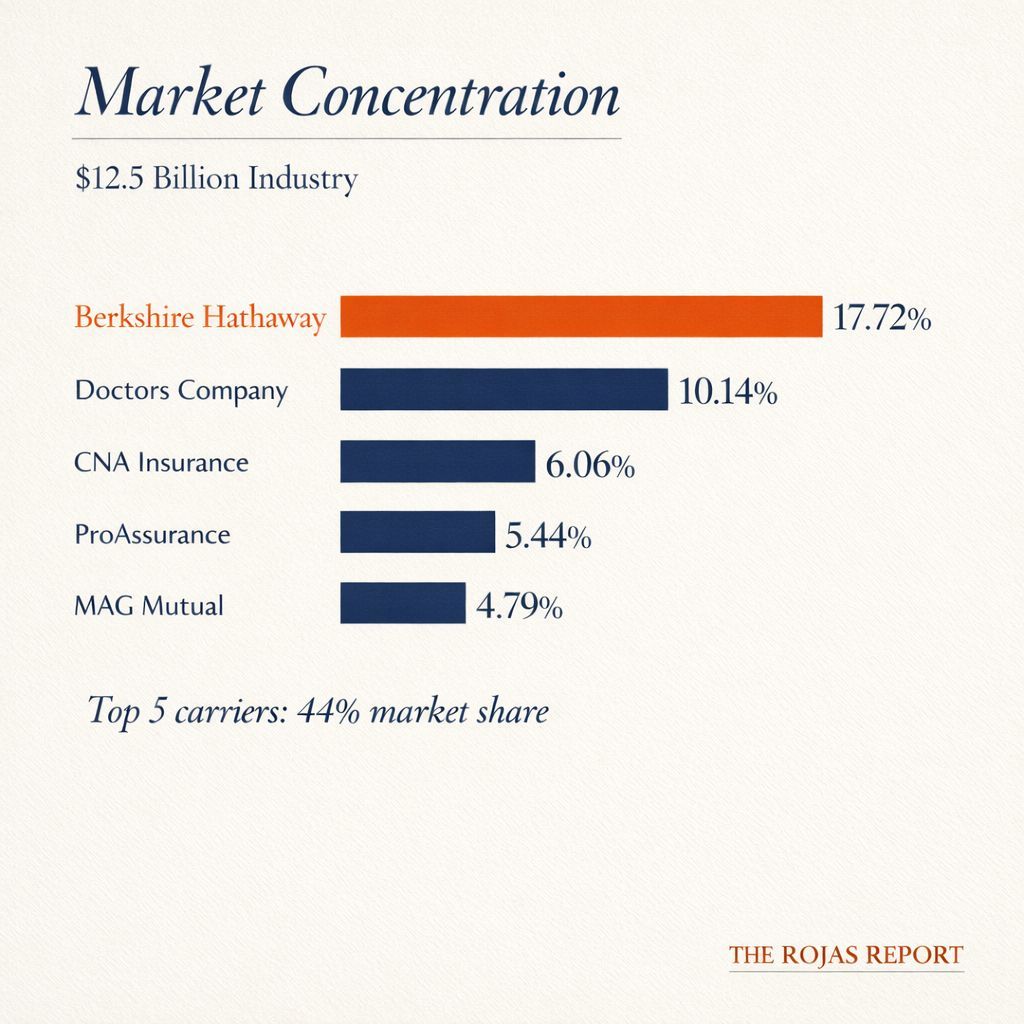
The medical malpractice industry generates $12.5 billion in annual premiums.
548,000 physicians purchase their own coverage.
They have no idea they're building someone else's balance sheet.
Warren Buffett's Berkshire Hathaway holds 17.72% market share.
He thanks you for your premiums.
1
2
10
730

1 Oct 2025
🚨 New Physicians Starting Practice: Don’t Overlook Malpractice Coverage! 🚨
When signing your first contract, it’s easy to focus on salary and bonuses—but your malpractice insurance type can impact your long-term financial and professional security.
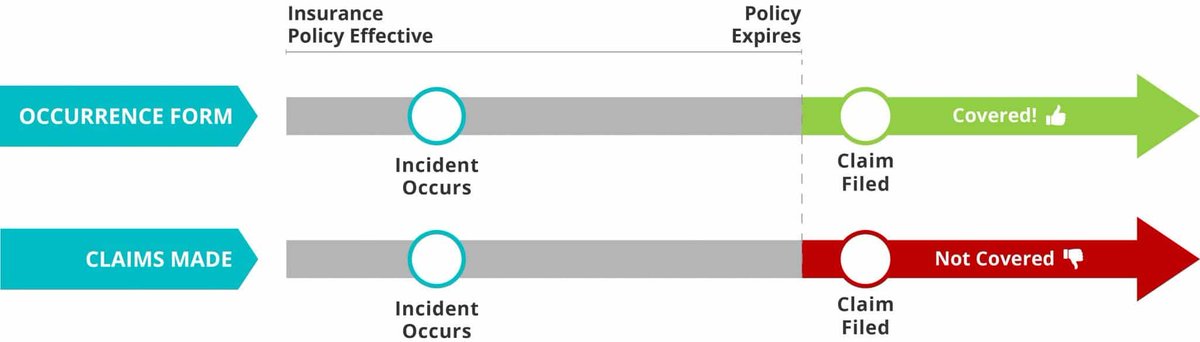
👉 Occurrence-based coverage protects you for any event that happens during your coverage period—even if the claim comes years later.
👉 Claims-made coverage only protects you if the claim is filed while the policy is active (or during a purchased “tail” period).
💡 Key Tip:
Occurrence = more expensive upfront, but no tail worries.
Claims-made = cheaper early, but you’ll need to negotiate who pays for tail coverage when you leave.
📌 Bottom line: Understand your coverage before signing—don’t let malpractice details surprise you later.
#PhysicianLife #NewDoctors #ContractNegotiation #MalpracticeInsurance #MedTwitter
1
2
13
1,191

29 Aug 2025
Our program is comprehensive, flexible, and tailored to dentists. Customize your policy at every stage of your career with our coverage options.
Stick with the PPP® or get a quote today! ow.ly/JBB850WMRLg
#PPPDifference #StickWithPPP #Dentist #MalpracticeInsurance

2
134
22 Aug 2025
Our top-tier carrier is a stable force in the market that is rated “A” and has more than 50 years’ experience in program business.
Stick with the PPP® or get a quote today! ow.ly/ASQE50WJAR2
#PPPDentalPlan #PPPDifference #StickWithPPP #Dentist #MalpracticeInsurance

1
12

29 Apr 2025
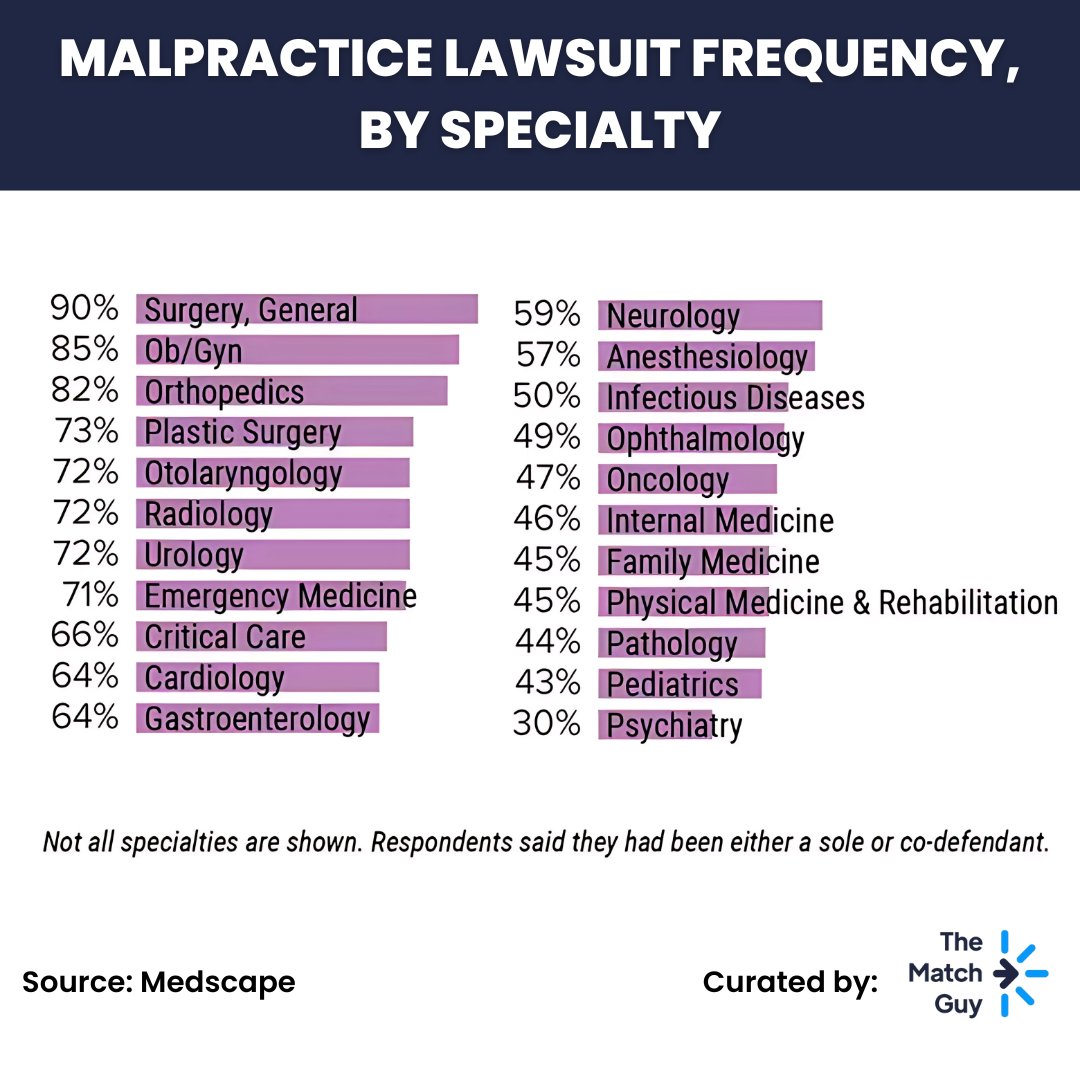
Who Gets Sued the Most? ⚖️
Data shows Ob/Gyns are facing more lawsuits 📈 but once again, General Surgeons top the list with a massive 90% reporting they've been sued. 😳
"Surgeons carry higher risk due to the complexity of their work," says Bill Burns from the MPL Association. That’s why their insurance premiums are often the highest in the field.
✔️ Schedule a FREE Consultation Call with our customer support team to answer any questions you have about The Match Guy services: calendly.com/thematchguy-con…
.
.
.
#Malpractice #DoctorLife #MedicalLiability #Surgery #ObGyn #MedTwitter #MedStudent #HealthcareProfessionals #DoctorProblems #PhysicianLife #ResidencyJourney #MalpracticeInsurance #TheMatchGuy
6
1,278

17 Nov 2024
This is a magnificent question. It's actually one that I talked with my physician about on a couple of occasions.
I happened to luck out and get an excellent primary care provider. This guy is taking such good care of me it is unbelievable. We often discuss my health at length, we also discuss geopolitics, we also discussed technology, and we also discuss how hard it is for him to do his job in the current regulatory climate.
A huge portion of his income goes to paying for malpractice insurance. It is increasingly difficult for him to find and hire good physician assistants or nurses to work in his clinic.
In order for him to get paid by Medicare or Medicaid or any of the other insurance companies that he deals with the paperwork almost equals the weight of the patient. 🤔
Everybody thinks all doctors are rich.
Most doctors, even after 10 to 12 years of practice, are still in debt.
They're still paying off everything it took to get them through 12 years of school, residency and starting a practice. Some are well off, and others are just getting by. So if you happen to have a good doctor, take a minute and thank him. They're getting increasingly hard to come by.
#HealthcareHeroes
#PrimaryCare
#MedicalDebt
#DoctorBurnout
#HealthcareChallenges
#MedicareMedicaid
#MalpracticeInsurance
#PhysicianStruggles
#HealthcareReform
#PatientCare
#EverydayDoctors
#DoctorsInTheTrenches
#SupportDoctors
#MedicalSystemReform
#HealthcareWorkers
@PrimaryCareAssociation
@AmericanMedicalAssn
@HealthCareGov
@MedicareGov
@PhysiciansForHealth
@MedicalStudentLife
@HealthcareMatters
1
12
734
5 Nov 2024
Malpractice Insurance | IMGs to practice medicine in the United States 🇺🇸 without any U.S. clinical training!
.
➡️ Get Expert Consultation: thematchguy.com/work-doctor-…
.
.
⏩ Read More About It Here: thematchguy.com/state-img-li…
.
.
#malpractice #malpracticeinsurance #match2025 #img
1
7
1,444

28 Aug 2024
Unexpected threats to your career.
A new year brings fresh challenges, right? Imagine being just six months away from wrapping up training, and suddenly, something unexpected and serious hits you out of the blue. Even the top-tier academics at leading institutions aren't immune to these surprises. It's unsettling to realize that despite having malpractice insurance, there's always an element of unpredictability in our careers. How do you prepare for the unexpected in your professional journey?
Tracey O’Connell is a radiologist and physician coach.
SUBSCRIBE TO THE PODCAST → kevinmd.com/podcast
#MedicalTraining #HealthcareProfessionals #MalpracticeInsurance #AcademicMedicine #CareerChallenges #MedicalEducation #FutureDoctors #HealthcareSafety
1
1,054

9 Aug 2024
Liability Coverage for Acupuncturists- Does Acupuncture Help Fertility?😀🔊👍📹⭐
Learn More: aac.gives/6g2
#Acupuncture #chinesemedicine #tcm #acupuncturefertility #acupunctureworks #acupuncturist #acupuncturepoints #malpracticeinsurance
2
15

3 Aug 2024
5 Things to Know About Malpractice Insurance for Small Business #MalpracticeInsurance #sme #businesstips businesspartnermagazine.com/…
2
11

9 May 2024
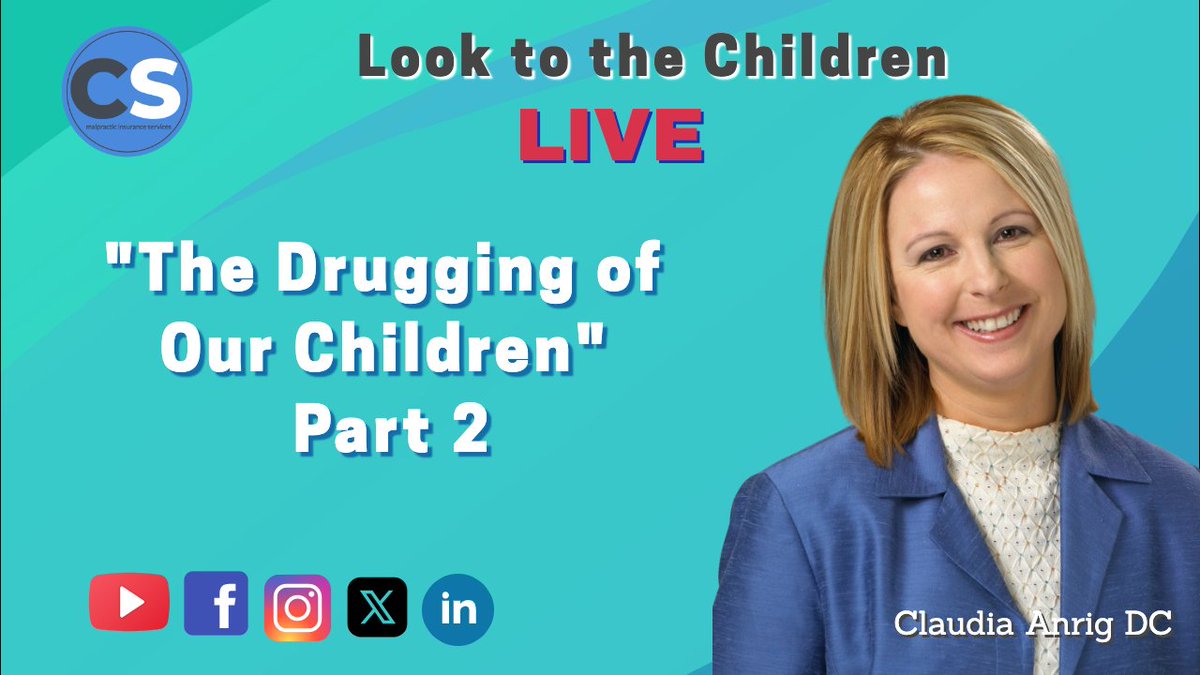
Live today May 9th at 1:00 PM ET.
Drugging of Our Children - Part 2 👍👊🕐📹🔉
Live on Twitter: x.com/ChiroSecure
Claudia Anrig DC Presents:
The True Prescription
#malpracticeinsurance #chiropracticpediatrics
ALT Claudia Anrig DC
1
1
8
8 Mar 2024
How the liver moves and how qi circulates 👍
#sportsacupuncture #malpracticeinsurance #Acupuncture #chinesemedicine #tcm

ALT Brian Lau
9

28 Feb 2024
Nursing malpractice insurance offers peace of mind. Nurses Service Organization (NSO) has been endorsed by more than 85 #nursing associations, including us! Learn more: ow.ly/TkUX50PLLIG
#schoolnurses #schoolnursing #nurses #NASNStrong #malpracticeinsurance

2
178
30 Jan 2024
Live today, Jan. 30th at 1:00 PM ET.
The Basics of MRI Interpretation.👍🎥🔊👊🕐
Live on Twitter: x.com/ChiroSecure
Mark Studin DC presents:
Bulges, Herniations, Protrusions
#chiropractic #chiropractor #malpracticeinsurance #chiropracticcredentialing

ALT Mark Studin DC
1
2
27
30 Jan 2024
Live today, Jan. 30th at 1:00 PM ET.
The Basics of MRI Interpretation.👍🎥🔊👊🕐
Live on Twitter: x.com/ChiroSecure
Mark Studin DC presents:
Bulges, Herniations, Protrusions
#chiropractic #chiropractor #malpracticeinsurance #chiropracticcredentialing

ALT Mark Studin DC
2
128

(HPSO is an APTA Member Benefit provider.) @hpsocares provides malpractice insurance to nearly 1 out of every 3 PTs in the nation and is a proud partner of APTA! Visit hpso.com/APTA to learn more. #malpracticeinsurance #professionalliability
2
1,683

26 Sep 2023
Affordable professional liability rates are extended to #NASN members through NASN's newly endorsed provider, the Nurses Service Organization (NSO). Learn more: ow.ly/38Ai50PLLIF
#schoolnurses #schoolnursing #nurses #nursing #malpracticeinsurance

1
214

27 Jul 2023
#EarlyCareerPsychologists attending #APA2023 meet/mingle w/friends, food/drinks (courtesy of American Professional Agency) Chat w/APA’s committee on Early Career Psychologists & fellow ECPs #Psychology #GetSocial #MentalHealth #LiabilityInsurance #malpracticeInsurance

1
3
38

27 Jun 2023
Title: The Federal Case for Malpractice Insurance for Government Employees Working Under Color of Law
Introduction:
Malpractice insurance is a type of professional liability coverage that protects individuals from potential claims arising from acts of negligence or wrongdoing in their professional capacity. While malpractice insurance is widely recognized and adopted in various fields, such as healthcare and legal professions, its application to government employees working under color of law remains relatively unexplored. This article presents a compelling case for implementing malpractice insurance as a requirement for all government employees operating under the color of law, highlighting the benefits it offers to both the employees and the public they serve. 🔥 Protecting the Public Interest: Government employees hold positions of power and authority, entrusted with the responsibility to serve the public interest. However, these individuals are not infallible, and errors or negligence on their part can result in significant harm to the citizens they serve. Malpractice insurance would serve as an additional layer of protection for the public by ensuring that individuals who suffer harm due to the negligence of government employees have access to appropriate compensation. It promotes accountability and incentivizes responsible conduct by government officials. 🔥Financial Protection for Employees: Implementing malpractice insurance for government employees would provide them with financial protection in the event of a claim or lawsuit alleging professional negligence. Legal defense costs and potential damages can be financially burdensome, especially for individual employees. Malpractice insurance would alleviate this burden and provide employees with peace of mind, enabling them to perform their duties effectively without the fear of personal financial ruin. 🔥Enhancing Professionalism and Quality of Service: Malpractice insurance encourages government employees to uphold high professional standards and deliver quality services. Knowing that they have personal liability coverage in place, employees are more likely to take necessary precautions, engage in ongoing professional development, and exercise due diligence to avoid errors or negligence. This fosters a culture of accountability and continuous improvement within the government workforce, ultimately benefiting the public by ensuring better service delivery. 🔥 Mitigating Taxpayer Liability:
By mandating malpractice insurance for government employees, the financial burden associated with claims and lawsuits would be partially shifted from taxpayers to the insurance providers. Taxpayers often bear the brunt of compensation awarded in cases of governmental negligence, leading to increased costs for government agencies and reduced public trust. Malpractice insurance would help mitigate the impact on taxpayers by spreading the risk across insurance providers and maintaining the financial stability of government agencies.🔥 Alignment with Existing #ProfessionalStandards:
Numerous professions, including #healthcareproviders, #lawyers, and #architects, already require malpractice insurance as a prerequisite for practice. Extending this requirement to government employees under color of law aligns with established standards in other fields and ensures consistency across professions. It recognizes that the potential for #negligence and the need for accountability exist across various professional domains, including those within the government.🔥 Conclusion:
The implementation of #malpracticeinsurance for #government employees working under the #coloroflaw represents a crucial step towards #accountability, #professionalism, and protection for both #employees and the #public.
1
1
6
129