

The Thomson is an interesting one, I didn’t personally like it but it’s very unusual with the Manuka smoke. I didn’t think you could still buy it.
1
4

🔞𝓟𝓾𝓭𝓭𝓲𝓷𝓰🦇ฅ^σωσ^ฅ🍮 retweeted

夏がやってきました!美しくエレガントな海賊衣装で冒険の旅に出かけましょう。🏴☠️
VRChatに対応し、最大4体のアバターをサポートする
- Shinano しなの
- Moe 萌
- Lumina ルミナ
- Manuka マヌカ

1
3
18
677

Oh, Delsym is very good. Dextromethorphan is its base ingredient. Hang in there they always do resolve themselves.
Treat yourself to some more Manuka honey.
1
1
3
🥚kyon/きょん🍳 retweeted


3
36
2,175







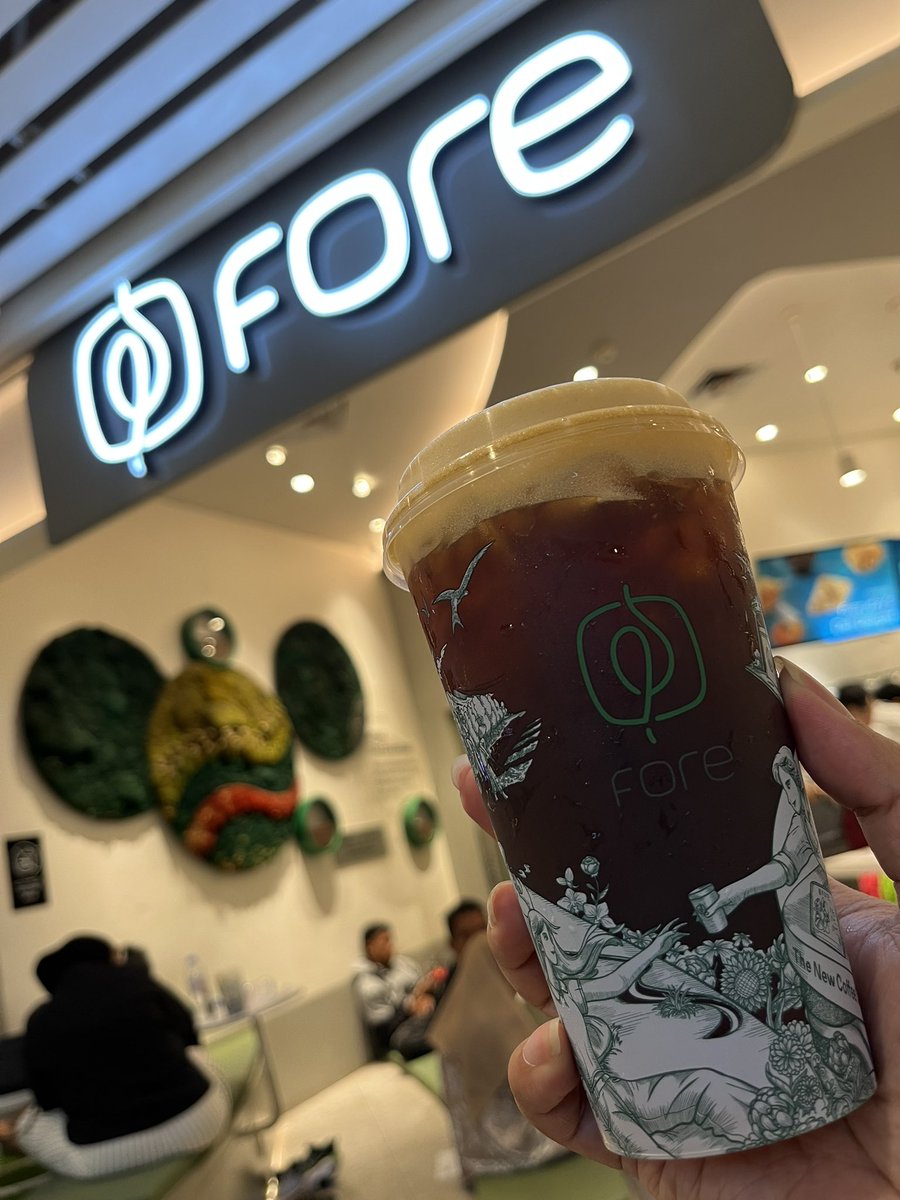
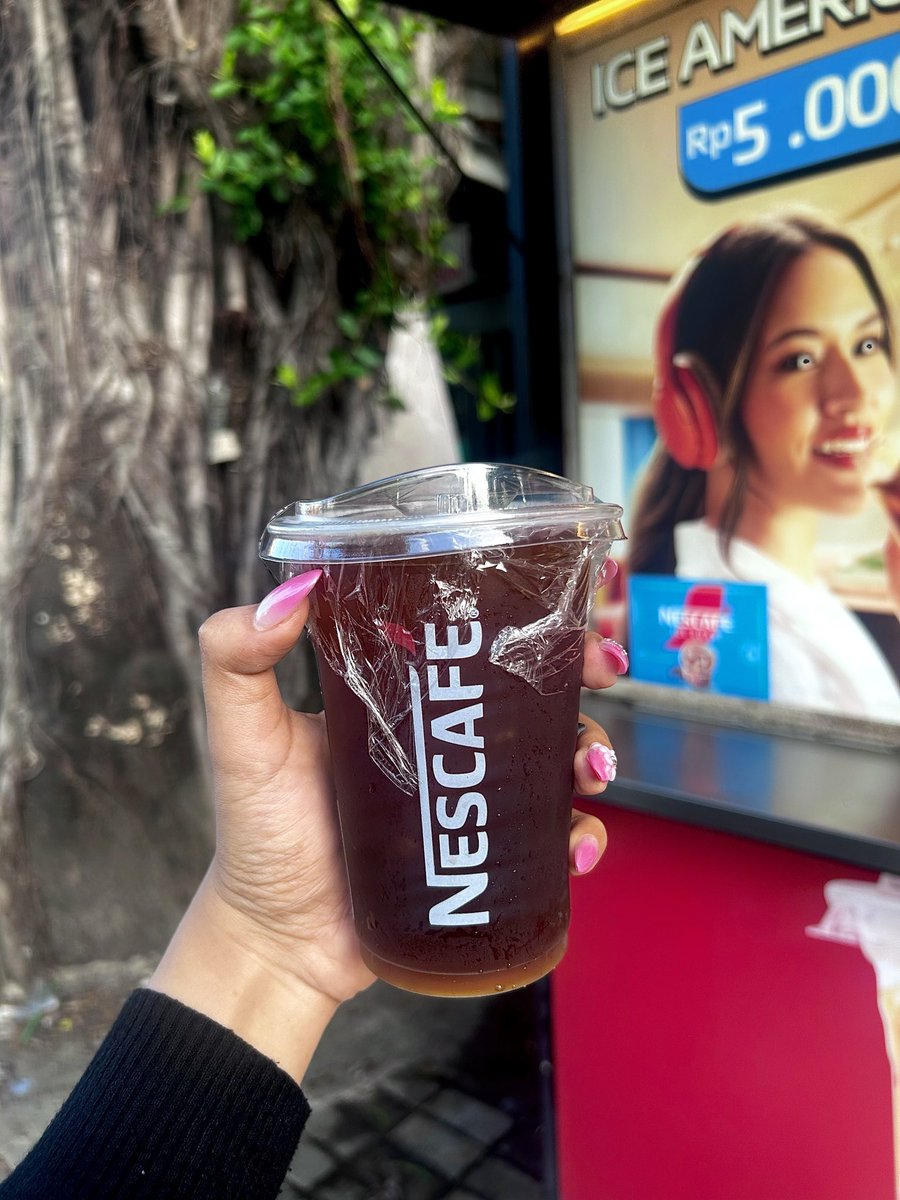
Gk terlalu demen Americano krn kopinya gk terlalu berasa krn encer bgt cuma dapet pait doanggg. Americano yg kusuka cm Manuka Americano nya fore doang. Latte tetep masih lbh okee kmn2. I like my coffee creamy & gk kebanyakan air doang isinya

28
💭 . ࣪𖤐 retweeted

12h
yg laki mikirin "love u" meanwhile yg cewek mikirin berry manuka🙏🏻😭




1
1
268

4h
mau americano berry manuka fore lg tapi terakhir kali muntah jir pesen yg large 😔💔
2
24





Pure honey, stored correctly, stays safe forever.
Archaeologists have found edible honey in 3,000 year old Egyptian tombs.
It doesn't spoil because the water content sits below the threshold where microbes can survive, the sugar content is around 80%, and the natural acidity creates an environment bacteria can't grow in.
Raw vs processed honey:
Processed honey is heated during production, which destroys the natural enzymes and reduces antioxidants. Smoother, clearer, and slower to crystalize, but stripped of most of the medicinal properties.
Raw honey keeps its enzymes, antioxidants, and antimicrobial compounds intact. It will crystalize faster and that's a good sign. Crystalization means you've got the real thing. Just warm it gently in a water bath (not the microwave, not boiling water) and it returns to its liquid form.
Both have an indefinite shelf life when sealed and stored cool and dark. Raw is the better choice when you can get it because of the intact medicinal value.
A few things worth knowing:
Honey's antimicrobial power comes from low water content, low pH, hydrogen peroxide produced by an enzyme called glucose oxidase, and high sugar concentration that pulls moisture out of bacterial cells.
Honey has been used as a wound dressing for thousands of years. Manuka honey has the highest medicinal rating, but plain raw local honey works for most uses and supports building immunity to local pollen.
Buy from a local beekeeper when possible. You get real raw honey, support your area, and the local pollen profile may help with seasonal allergies over time (at least that's what I've been told).
Honey is one of the smartest non perishable foods to stock. Buy big, buy local, and store it cool and dark.
1
10
577