
May 18
🚀 NASA가 $7억 규모 화성 통신 네트워크(MTN) 입찰을 공식 개시했다. 흥미로운 건 입찰 자격 요건이다.
"end-to-end Mars Sample Return 임무의 일부로 독립 화성 통신 궤도선을 제안한 기업"
만 참여 가능하다. 단순 통신 위성이 아니라 화성 시료 귀환이라는 더 큰 그림의 첫 조각인 셈이다.
🔍 상원에서는 이미 MSR 재개를 포함한 NASA Authorization Act가 만장일치로 위원회를 통과했고, 텍사스(Johnson Space Center)와 미시시피(Stennis) 두 주의 정치적 이해관계가 정렬되어 있다. 이건 기술 경쟁이면서 동시에 정치 경제학이다.
🌌 구조적으로 주목할 점은, LEO 위성 인프라를 수직통합한 기업이 화성·심우주로 역량을 이전하는 시대가 열리고 있다는 것이다. 2028년 발사 윈도우라는 물리적 데드라인이 의사결정을 압축하고 있으며, 10월 계약 수주까지 5개월도 남지 않았다.
#MarsExploration #MTN #MarsSampleReturn #우주인프라 #RKLB
arstechnica.com/space/2026/0…
6
318

Feb 11
-今日の火星の画像2-
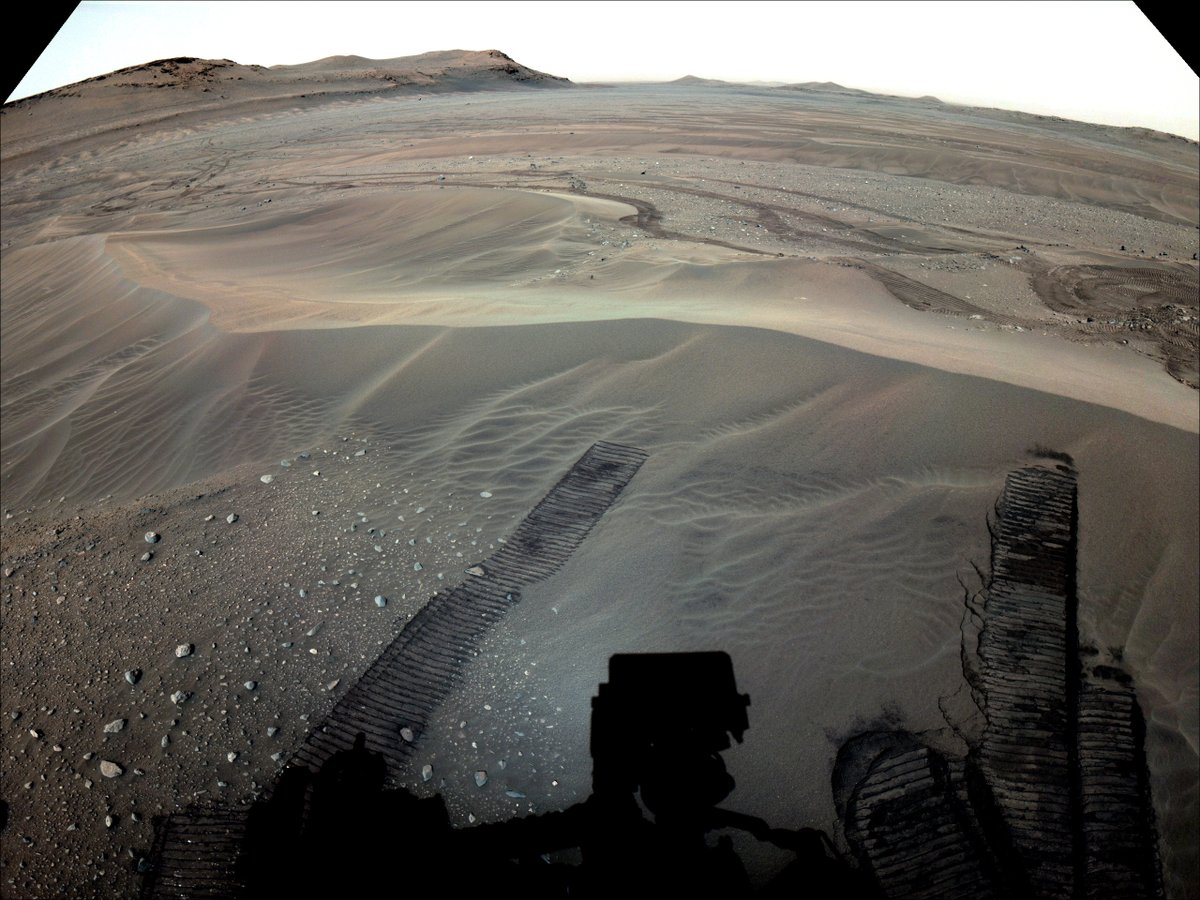
💫広がる砂丘と岩だらけの地表、その中央に刻まれた轍は、パーサヴィアランス が実際に走破してきた火星の“道”です。この場所は「Three Forks」と呼ばれ、将来の Mars Sample Return 計画に向けて、重要なサンプルを地表に保管する候補地の一つとされています。
パーサヴィアランスは、古代の川が流れ込んでいたと考えられるジェゼロ・クレーターを探査し、火成岩や堆積岩など、多様な岩石を採取してきました。これらの岩石は、かつて火星に水が存在し、生命が誕生・存続できる環境があったかどうかを探る手がかりを秘めています。Three Forks に置かれる最初のサンプル群は、その中でも特に科学的価値の高いものばかりです。
写真に写る穏やかな起伏の砂地は一見静かですが、数十億年にわたる風や水、気候変動の痕跡が重なり合った“記録媒体”でもあります。探査車の影が地面に落ちているのは、ここがまさに人類の科学探査の最前線である証です。将来、この場所から回収されたサンプルが地球の研究室に届いたとき、火星の過去、そして生命の可能性についての理解は大きく前進するでしょう。静寂の赤い大地は、いまも次の発見を待ち続けています。
#太陽系 #火星 Mars #パーサヴィアランス #MarsSampleReturn #火星探査 #NASA #宇宙探査 #NASA #picard #ピカード
1
18
140

nooooooo!! che peccato!! 🥺😞
#MarsSampleReturn
Jan 9

La Camera degli Stati Uniti approva la cancellazione del programma #MSR che intendeva riportare campioni di suolo di #Marte sulla Terra per analizzarli alla ricerca di tracce di vita. Con il commento di John Robert Brucato di @inaf_arcetri.
media.inaf.it/2026/01/09/mis…
2
13

24 Dec 2025
NASA: "We really need these Mars samples back. But the quote we got is $11 Billion and a 2040 arrival date. 🪨💸"
Old Space Giants: "Yep. It’s hard. Space is expensive. See you in 16 years... maybe. 🐢☕"
Peter Beck: "2040? By then I’ll be retired on a beach with a drink in my hand. 🍹"
NASA: "You have a better idea?"
Peter Beck: "I’ll do it for a fraction of that price, and I’ll use my own satellite, my own software, and my own rocket. It's basically 'Amazon Prime' for Mars rocks. You'll get your tracking number a decade early. 😉📦"
Old Space Giants: "Wait, you can't just 'Prime' a Mars mission—"
Peter Beck: "Watch me. I don't do 9-month waitlists, and I certainly don't do 16-year project timelines. Launch is tonight. 🚀🔥"
#RKLB #MarsSampleReturn #MSR #PeterBeck #SpacePrime #Mars #Efficiency #FinTwit

1
13
1,056
23 Dec 2025
$RKLB Rocket Lab: The Three "Make-or-Break" Milestones of Q1 2026
The clock is ticking on "Old Space." Since Trump signed the "Ensuring American Space Superiority" Executive Order on Dec 18, NASA has been under a 90-day mandate to purge bloated budgets and pivot to "Commercial-First" strategies.
While the retail market is distracted by daily price fluctuations, the real game is being played across three specific "Critical Nodes" in Q1 2026. If Peter Beck nails these, $RKLB stops being a launch startup and officially becomes the Architect of the Martian Backbone.
Here is the breakdown of the most consequential 90 days in Rocket Lab’s history:
Node 1: January 2026 — The "Aspera" Precision Test 🎯
Mainstream media calls it a science mission; I call it a Job Interview. NASA is entrusting the Electron Kick Stage to deploy a hyper-sensitive UV telescope into a "surgical" orbit.
The Logic: This mission is the final proof-of-concept for RKLB’s deep-space navigation. If they can place Aspera with centimeter-level precision, they prove they can deploy communication nodes anywhere in the solar system. It is the technical "Green Light" for the Mars-Link (CMRS) monopoly.
Node 2: Mid-March 2026 — The NASA "90-Day Purge" Report 💰
This milestone isn't in space—it’s in D.C. This is when NASA’s new commercial roadmap goes public.
The Reveal: We are looking for three phrases: "Fixed-Price," "Commercial Relay Service (CMRS)," and "Simplified MSR Architecture."
The Betting Line: If NASA officially swaps its legacy $11B Mars plan for RKLB’s $4B, 2031-return proposal, we are looking at a fundamental re-rating of the company. This is the moment RKLB transitions from a "contractor" to a "Strategic Partner."
Node 3: Late March 2026 — The Neutron "Heavy Lifter" Debut 🚀
Electron proved the precision; Neutron must provide the muscle.
The Infrastructure Play: You can’t build a "Martian Starlink" with a small rocket. The maiden flight of Neutron is the final piece of the puzzle. It gives Peter Beck the heavy-lift capacity to deploy entire constellations of Lightning satellites to deep space without relying on a competitor’s rocket.
The Scale: Success here means RKLB can finally challenge the logistics dominance of the giants. It turns the "Martian Backbone" from a vision into a scalable reality.
The Bottom Line: A Triple-Threat Catalyst
This Q1 is a "Sequential Lock":
January validates the Tech (Precision).
Mid-March validates the Policy (Contracts).
Late March validates the Scale (Infrastructure).
Peter Beck hasn't just been building rockets; he’s been building a vertically integrated utility company. While others are building highways, he’s laying the fiber optics.
Q1 2026 is the moment the "Martian ISP" logic goes from speculative to certain.
#RKLB #RocketLab #NASA #MarsSampleReturn #CMRS #SpaceEconomy #TrumpSpacePolicy #FinTwit #DeepSpace #PeterBeck #Mynaric #TechAnalysis #Neutron #Electron #Investing #Mars2031

5
9
180
7,995
23 Dec 2025
$RKLB NASA’s 90-Day Countdown: The Day the "Old Space" Checkbook Finally Ran Dry.
Look, I’ve been staring at these NASA budget charts for years, but on December 18, 2025, the game didn’t just change—it flipped the table.
Trump signed the "Ensuring American Space Superiority" order. It sounds like a bunch of patriotic buzzwords, but it’s actually a 90-day ticking time bomb for the old way of doing things. NASA has until mid-March 2026 to prove they aren’t just a "shipyard" for overpriced government projects.
While the headlines are chasing big rockets, the smart money is watching the Rocket Lab ($RKLB) sleeper play. Here’s why Peter Beck is quietly winning the war for the Red Planet.
1. The "Budget Audit" is a Massacre for the Old Guard The executive order is brutal: within 90 days, NASA has to identify every project that’s 30% over budget or 30% behind schedule. In the space world, that’s almost everything the old contractors touch. NASA’s new leadership (Jared Isaacman) isn't here to hold hands; they’re here to cut checks for people who actually deliver. RKLB is sitting there with a fixed-price, sub-$4B Mars Sample Return (MSR) plan while the old guard is still trying to figure out why their $11B plan is failing. It’s not just a bid; it’s an "escape pod" for a NASA that’s running out of money and time.
2. The Mars "Wi-Fi" Subscription Within this same 90-day roadmap, NASA is pivoting to Commercial Mars Relay Services (CMRS). Think of it as NASA saying: "We’re done building our own routers on Mars; we just want to pay for the data." This is why Beck was so obsessed with buying Mynaric. By merging those laser terminals with the Lightning satellite bus, RKLB becomes the ISP of Mars. They own the rocket, the bus, and the "fiber optics." NASA saves billions, and RKLB gets a monthly subscription fee for the next decade. That’s a moat you can’t dig with just a big rocket.
3. Aspera: The January "Final Exam"Don't get distracted by the science talk when the Aspera mission launches in Jan 2026. This is a job interview. NASA is giving Electron a high-stakes UV telescope that needs a "surgical" orbit. If RKLB nails the precision with that Kick Stage, the March report will likely crown them the king of NASA’s commercial science fleet.
The Bottom Line:We’re in the middle of a "Great Re-Rating." The market still prices RKLB like a startup. But NASA is looking at them like a strategic utility provider. The 90-day clock is ticking, and once the ink dries on that March report, the keys to the Mars kingdom won't belong to the giants—they'll belong to the guy who built the most efficient infrastructure.
#RKLB #RocketLab #NASA #MarsSampleReturn #CMRS #SpaceEconomy #TrumpSpacePolicy #FinTwit #DeepSpace #PeterBeck #Mynaric #TechAnalysis #Neutron #Electron #SpaceX #Investing

1
3
37
2,678
23 Dec 2025
$RKLB Why a $4 Billion Price Tag is NASA’s Best Bargain with rocket lab?
The mainstream media is obsessed with NASA’s $11 billion Mars Sample Return (MSR) "budget crisis." But while the giants are sweating over cost overruns, Rocket Lab ($RKLB) just handed NASA a 90-day study that cuts the price by a staggering 60%.
How? By killing the "Sunk Cost" fallacy.
NASA’s old plan was a bureaucratic mess of sub-contractors. Rocket Lab’s 2024 study proposed a fixed-price, sub-$4 billion mission by 2031. This isn't just about being "cheap"—it’s about Vertical Integration. When you own the rocket (Neutron), the satellite bus (Lightning), and the solar panels (SolAero), you aren’t paying for five different corporate markups.
Beck isn’t just bidding for a contract; he’s exposing the inefficiency of Old Space. If NASA wants Mars rocks by 2031, they don't need a bigger budget. They need a leaner architect.
#RKLB #NASA #MarsSampleReturn #MSR #SpaceEconomy #DeepSpace #Investing #FinTwit #NewSpace #PeterBeck #Neutron #TechAnalysis
6
14
133
7,021

2 Dec 2025
Rocket Lab, Mars keşfinde devrim yaratıyor: ESCAPADE görevi (Kasım 2025) ile Blue ve Gold ikiz uzay araçlarını Mars'a göndererek güneş rüzgarının gezegenin atmosferini nasıl sıyırdığını inceliyor ve Eylül 2027'de Mars yörüngesine ulaşması bekleniyor. Aynı zamanda şirket, Perseverance tarafından toplanan kaya örneklerini Dünya'ya getirecek Mars Örnek Dönüşü (MSR) mimarisini sundu; 4 milyar doların altında maliyetle 2031'de örnekleri teslim etmeyi vaat ediyor. Sporosarcina pasteurii ve Chroococcidiopsis bakterileri kullanarak Mars toprağını yapı malzemesine dönüştüren araştırmalarla birlikte düşünüldüğünde, Rocket Lab'in çalışmaları insanlı Mars kolonizasyonu için kritik altyapı hazırlıyor—bilim, teknoloji ve mühendisliğin sınırlarını itmeye hazır bir girişim.
#RocketLab #Mars #SpaceTech #Aerospace #ESCAPADE #MarsSampleReturn #NASA #SpaceExploration #Astrobiology #Engineering #FinTwit
3
97

19 Oct 2025
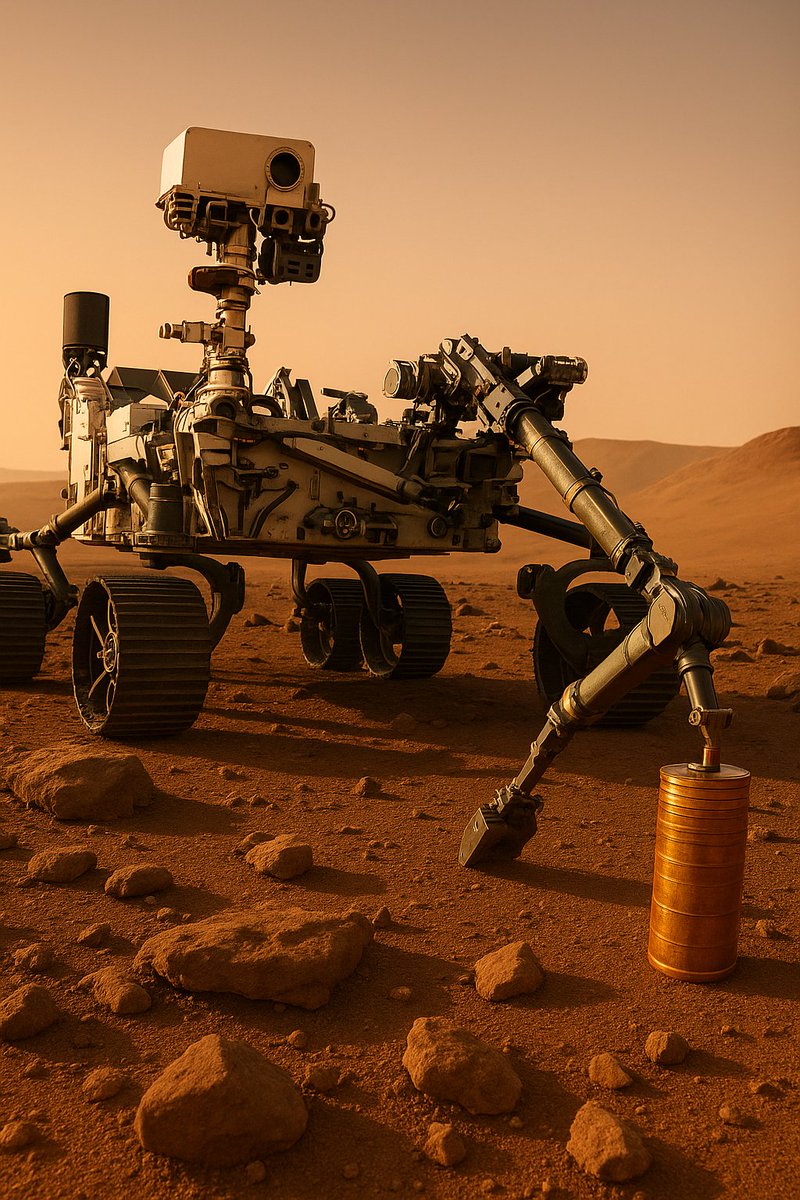
NASA Plans to 2035 – Mars Sample Return 🚀
👉 Watch here: youtube.com/shorts/0w2GA_IN9…
#NASA #Mars #MarsSampleReturn #Perseverance #Space #Science #Astronomy #Exploration #Future #SpaceTravel #RedPlanet #Mars2033 #SpaceMission
2
51

14 Oct 2025
Success IS Rocket Lab.
@NASA are you paying attention to the best end to end Space Company?
Build Mars MTO with @RocketLab now.
Then get ahead and have them do MSR for you too. The race is on.
$RKLB #rocketlab #nasa #marssamplereturn #marstelecommunicationsorbiter
14 Oct 2025

MISSION SUCCESS and payload deployment confirmed for the Seventh StriX. Welcome back to orbit, @synspective!
30
1,546

12 Sep 2025
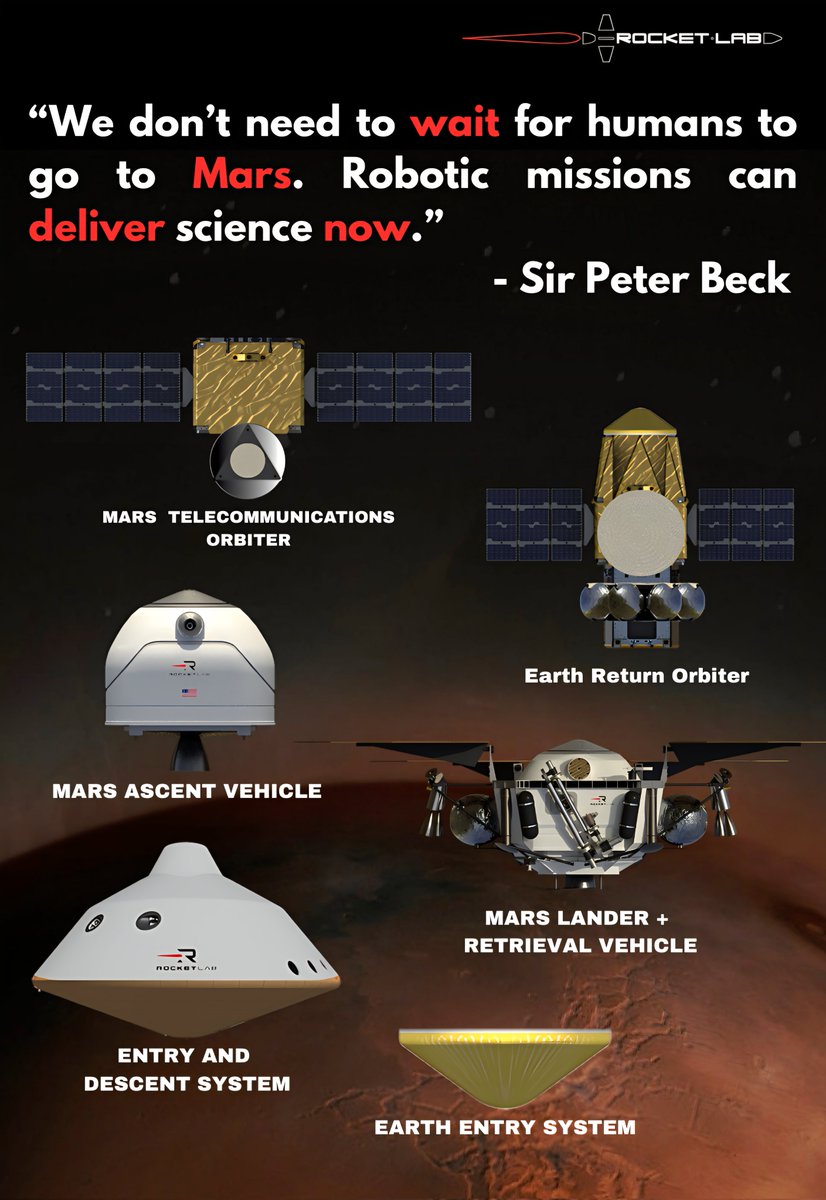
Sir Peter Beck quotes 57 of ♾️
“We don’t need to wait for humans to go to Mars.
Robotic missions can deliver science now.”
Watch rocketlab's Mars Sample Return propsal: youtu.be/wdCAlv-JEHM?si=nSYX…
#Mars #rklb $rklb #marssamplereturn #nasa #perseverance #rover #science
2
286

10 Sep 2025
16/
There is a space race underway with both China and the U.S. wanting to put reactors on the Moon. The race is to weaponize space and control Earth.
Follow for more.
Share to raise awareness.
Source:
youtube.com/watch?v=-StZggK4…
#Mars #Perseverance #SapphireCanyon #Biosignature #Astrobiology #Viking #ALH84001 #MarsSampleReturn #Artemis #SpacePolicy #SpaceRace #China #NASA #Jezero

2
10
5,501

10 Sep 2025
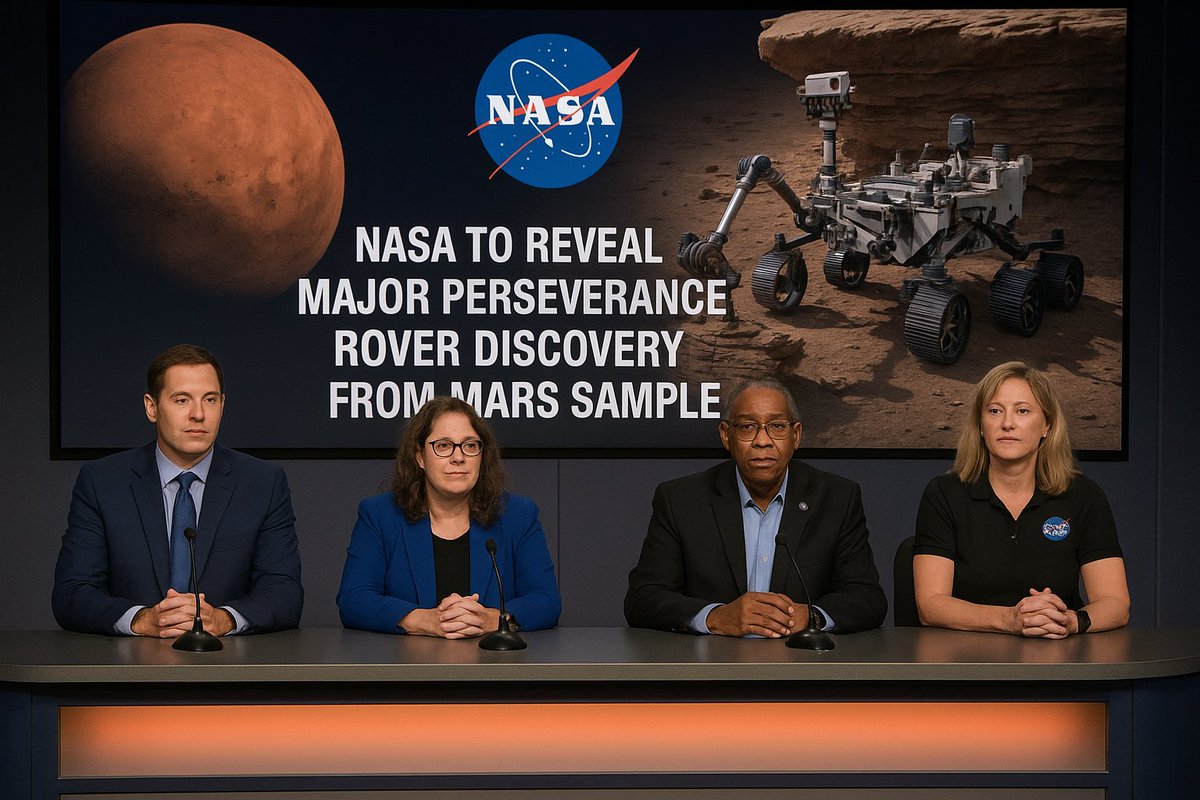
NASA to Reveal Major Perseverance Rover Discovery From Mars Sample
todayinusandworld.com/today-…
#NASA #PerseveranceRover #MarsDiscovery #JezeroCrater #MarsExploration #SpaceNews #Mars2025 #Astrobiology #MarsSampleReturn #SpaceScience
2
63
10 Sep 2025
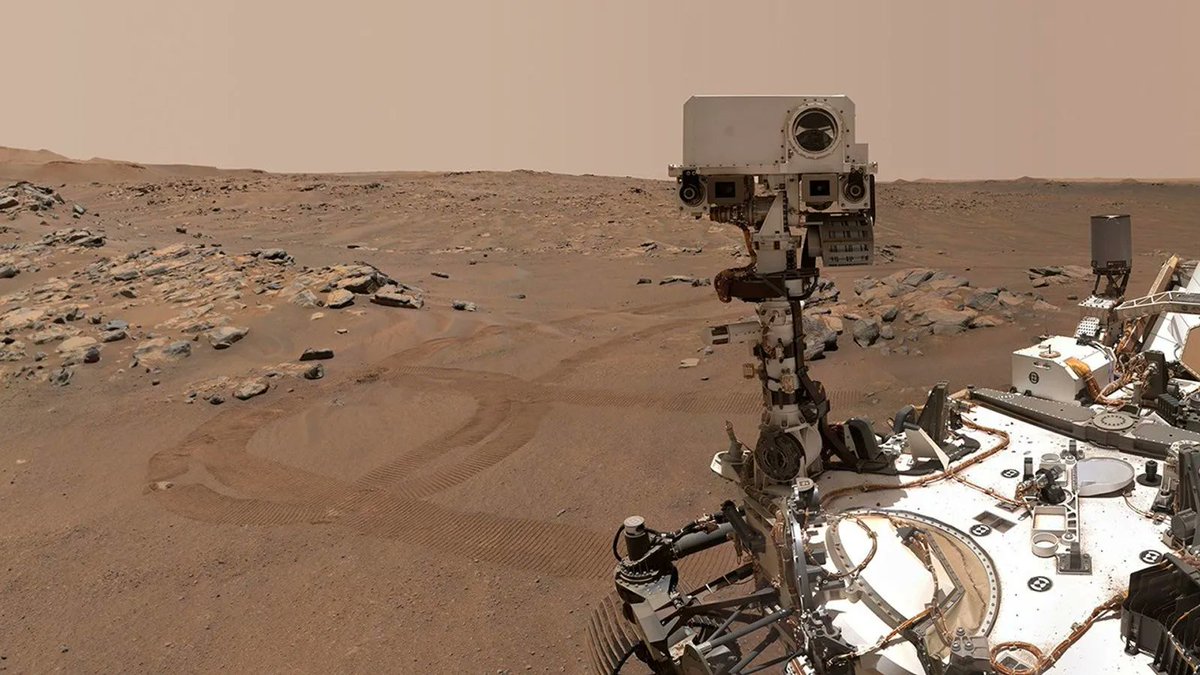
NASA Briefing Today on Perseverance’s “Sapphire Canyon” Sample: What to Watch and Why It Matters
Live today at 16:00 BST (11:00 ET): NASA is briefing media on the latest analysis of “Sapphire Canyon,” a rock core collected by the Perseverance rover at the edge of Neretva Vallis in July 2024. Expect new science context from mission leaders and a case for why this core could be central to Mars Sample Return. Watch on NASA Live.
What’s new
NASA’s media advisory confirms the briefing panel: Acting Administrator Sean Duffy, Nicky Fox (Science Mission Directorate), Lindsay Hays (Mars Exploration), Katie Stack Morgan (Perseverance Project Scientist), and Joel Hurowitz (Stony Brook). The update notes visuals will accompany the call.
Why “Sapphire Canyon” matters
“Sapphire Canyon” (Sample 25) was drilled from a vein filled rock informally called Cheyava Falls on the Jezero/Neretva margin, prime terrain for reconstructing water–rock interactions that can trap organics, carbonates, sulfates, and microtextures relevant to past habitability. NASA has already highlighted this core’s unusually compelling context within the growing Perseverance cache.
What to listen for in today’s briefing
Mineralogy & geochemistry: clays, carbonates, sulfates, and how fluids altered the rock.
Organics context: any Raman/UV detections and their geologic setting (not a life claim, but essential evidence).
Veins & textures: diagenesis, redox gradients, and potential energy sources for microbes in ancient environments.
Stratigraphy: exactly where this core sits relative to the delta/lake system, and why that boosts its return priority.
MSR implications: how “Sapphire Canyon” ranks among the 30 cached samples when arguing what to bring back first.
How to watch
The briefing streams on NASA Live today at 16:00 BST. Media Q&A follows, which is where we may hear the clearest language on organics, carbonates, and textural evidence from the in-situ instruments.
Watch it here:
nasa.gov/live
#Mars #Perseverance #SapphireCanyon #Jezero #NeretvaVallis #Astrobiology #NASA #MarsSampleReturn #Mars2020 #SpaceScience #ScienceNews
2
4
50
5,415

20 Jul 2025
Udany test systemu napędowego do wynoszenia próbek z Marsa | #Space24 #kosmos #technologie #Mars #MarsSampleReturn #USA #NASA @MitkowMateusz @Defence24pl
space24.pl/pojazdy-kosmiczne…
2
11
504

8 Jul 2025
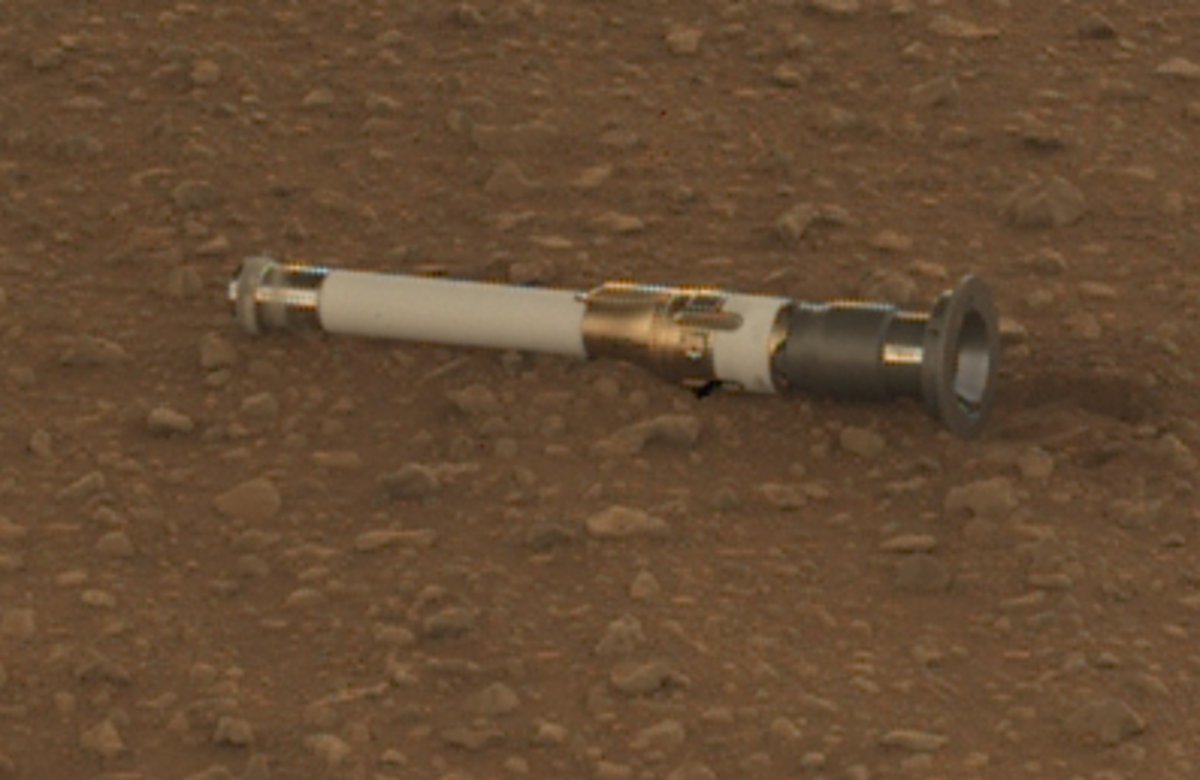
Como siga esta incertidumbre sobre la misión #MarsSampleReturn, a este paso será China quien recupere y traiga a la Tierra las muestras que estamos seleccionando en Marte, con extremo cuidado, e introduciendo en las cápsulas cilíndricas @NASAPersevere. Foto: NASA/JPL-Caltech-MSS
1
154

14 Jun 2025
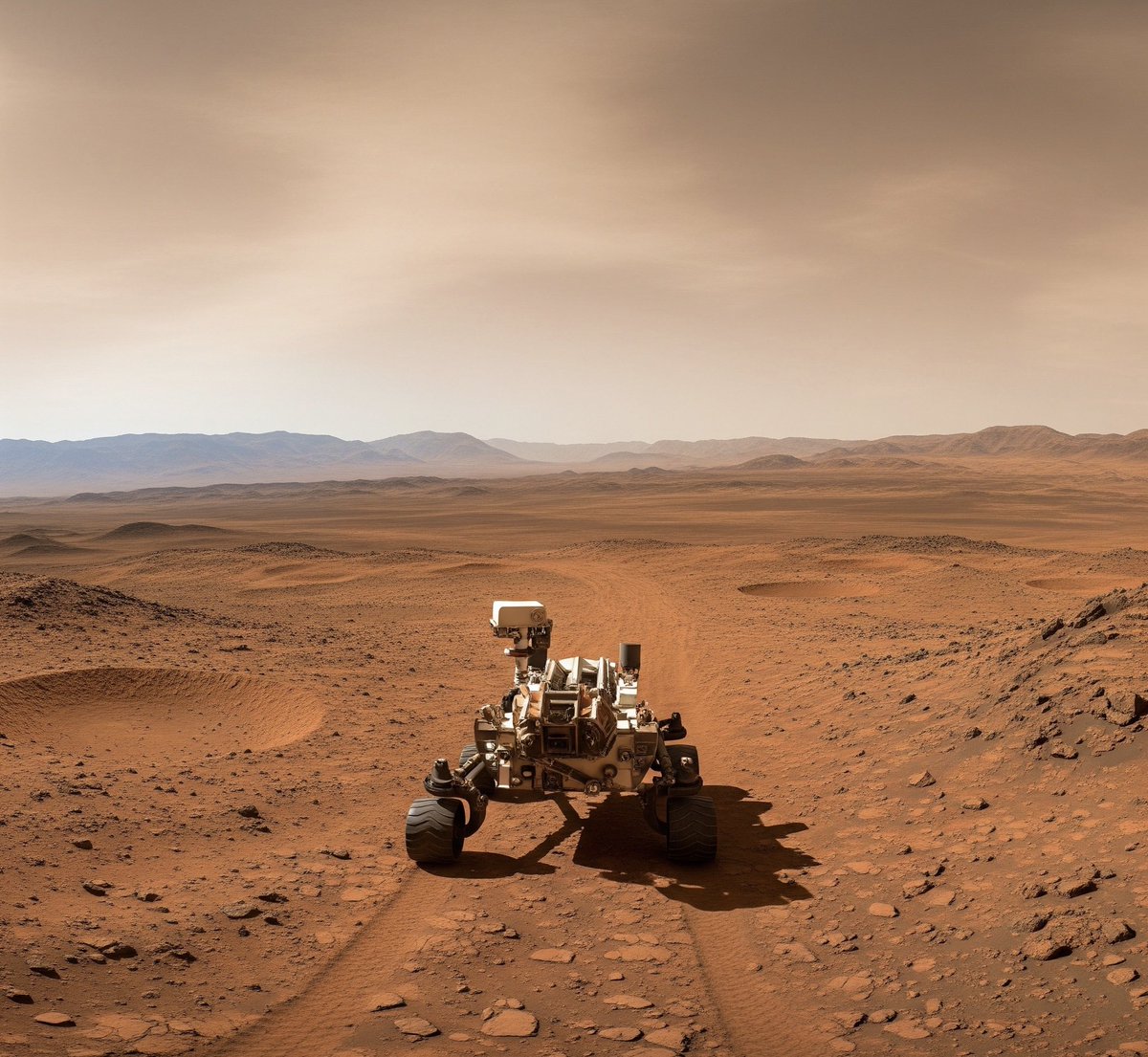
On the Red Planet: Unveiling the Mighty Perseverance Rover! 🔴🤖
Meet Perseverance, NASA's most advanced rover on Mars, and a true marvel of robotic exploration! Since landing in Jezero Crater on February 18, 2021, "Percy" has been on an ambitious quest to unlock the Red Planet's deepest secrets.
More Than Just a Rover:
Perseverance isn't alone! It brought along its tiny, groundbreaking companion, the Ingenuity Mars Helicopter – the first aircraft to achieve controlled, powered flight on another planet. While Ingenuity has now retired after an incredible extended mission, its success proved aerial exploration is possible on Mars, paving the way for future drone missions.
Percy's Primary Mission: The Search for Ancient Life!
Perseverance's main objective is to search for signs of ancient microbial life in Jezero Crater, a location believed to be a dried-up lakebed that once hosted liquid water billions of years ago. It's equipped with a suite of sophisticated instruments to analyze rocks and soil for biosignatures.
Key Instruments & Capabilities:
* SHERLOC & WATSON: For detailed imaging and chemical analysis of the Martian surface.
* PIXL: X-ray fluorescence spectrometer to determine elemental composition.
* SuperCam: Uses a laser to zap rocks and analyze their vapor, plus a powerful camera.
* MEDA: Weather station to monitor Martian conditions.
* MOXIE: An experimental instrument that successfully produced oxygen from the Martian atmosphere – a crucial step for future human missions!
Collecting Mars Samples for Earth!
Perhaps the most exciting part of Percy's mission: it's actively collecting rock and regolith samples in sealed tubes. These samples are meticulously cached on the Martian surface, awaiting a future joint NASA-ESA Mars Sample Return campaign that will bring them back to Earth for unparalleled scientific analysis. Imagine, actual pieces of Mars, studied in labs here!
Perseverance is not just exploring; it's meticulously preparing for humanity's future on Mars, from proving technologies for human life support to gathering the very first extraterrestrial samples for return. A truly epic journey unfolding right now!
What excites you most about Perseverance's mission?
Share your thoughts! 👇 #PerseveranceRover #Mars #NASA #SpaceExploration #JezeroCrater #MarsSampleReturn #Robotics #Science
5
120

19 May 2025
@POTUS stopped the #marssamplereturn ... So unfortunately all you did is for naught...
3
136

14 May 2025
The @WhiteHouse is proposing major cuts to NASA’s science budget — including #MarsSampleReturn. The Mars Society is pushing back. Want to help? Get involved: bit.ly/3EKbqWf or email political-advocacy@marssociety.org. @NASA #science #SaveNasaScience #spaceadvocacy
2
3
7
726
8 May 2025
The @WhiteHouse is proposing major cuts to NASA’s science budget — including #MarsSampleReturn. The Mars Society is pushing back. Want to help? Watch: bit.ly/3EKbqWf and email political-advocacy@marssociety.org. #spaceadvocacy #budget #congress #SaveNasaScience @NASA
2
6
799