
“Microwave safe” is one of the most trusted labels in the kitchen.
But it is also one of the most misunderstood.
At Global Environmental Impact Solutions, we believe material claims should be clear, precise, and evidence-based — especially when plastics are used in direct contact with food.
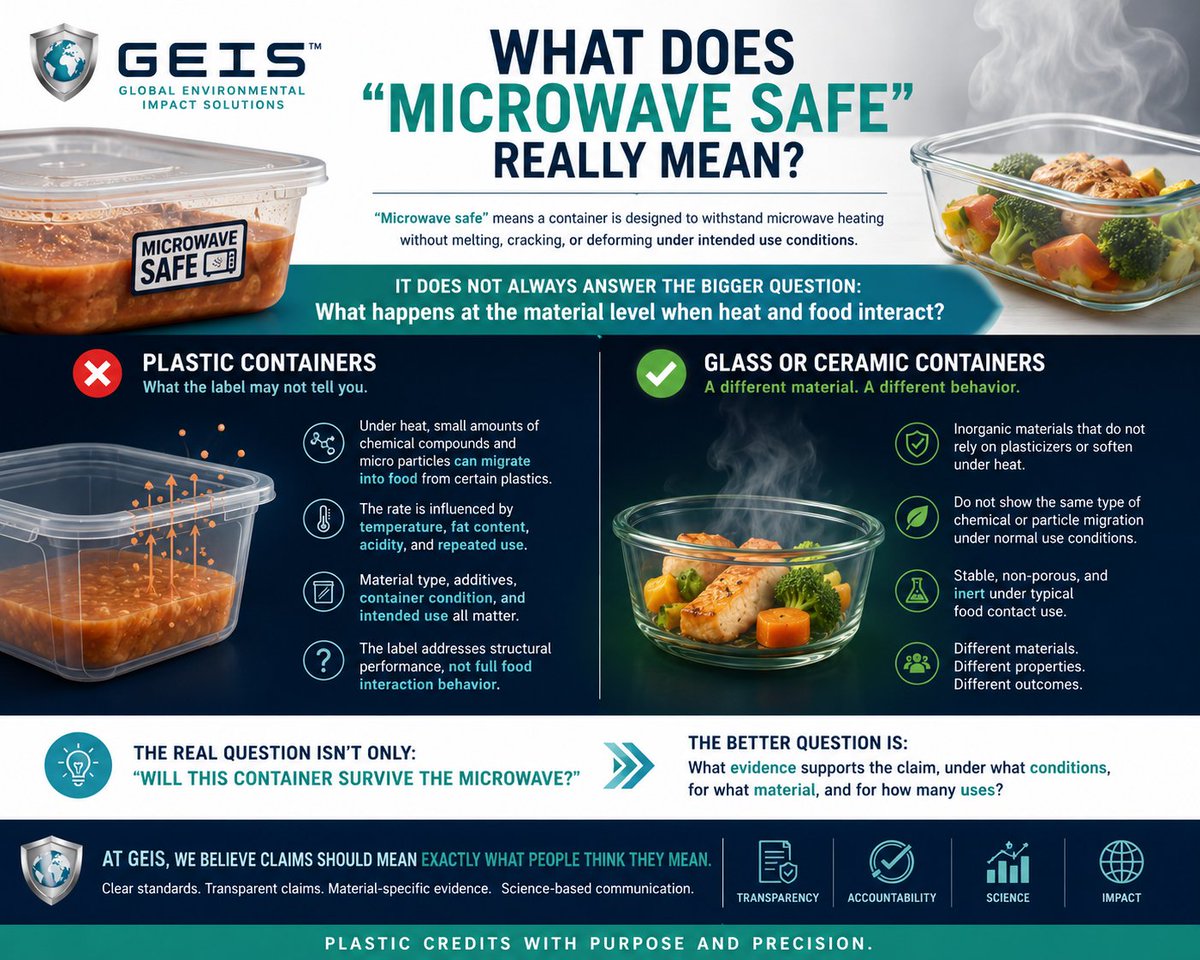
“Microwave safe” generally means a container is designed to withstand microwave heating without melting, cracking, or deforming under intended use conditions.
That is important.
But it does not always answer the bigger question consumers assume it answers:
What happens at the material level when heat, food chemistry, repeated use, fat content, acidity, and time interact with the container?
That distinction matters.
Plastic is not one material.
Different polymers behave differently under heat.
Different additives, colorants, processing aids, residues, and use conditions can influence performance.
A rigid polypropylene food container is not the same as a thin film.
A single-use takeout container is not the same as a tested reusable container.
A scratched, aged, repeatedly heated plastic container is not the same as a new one.
And a label that speaks to structural performance does not always communicate the full material interaction picture.
This is not about creating fear.
It is about creating clarity.
Glass and ceramic behave differently because they are inorganic materials that do not rely on the same polymer structures, additives, or softening behavior as plastics.
That does not mean every plastic food container is unsafe.
It means the public deserves better language, better education, better material transparency, and better standards around what labels actually mean.
The real question is not only:
“Will this container survive the microwave?”
The better question is:
“What evidence supports the claim, under what conditions, for what material, and for how many uses?”
That is the future of material accountability.
Not vague labels.
Not consumer assumptions.
Not one-size-fits-all plastic language.
Clear standards.
Transparent claims.
Material-specific evidence.
Science-based communication.
At GEIS, we believe the next era of environmental and material accountability will be built on the same principle:
Claims should mean exactly what people think they mean.
And the evidence behind them should be strong enough to prove it.
Plastic Credits with Purpose and Precision.
#GEIS #PlasticAccountability #MaterialScience #FoodPackaging #PlasticSafety #PolymerScience #CircularEconomy #Sustainability #MaterialTransparency #ConsumerEducation #EnvironmentalImpact
4
8
55

2 Jan 2025
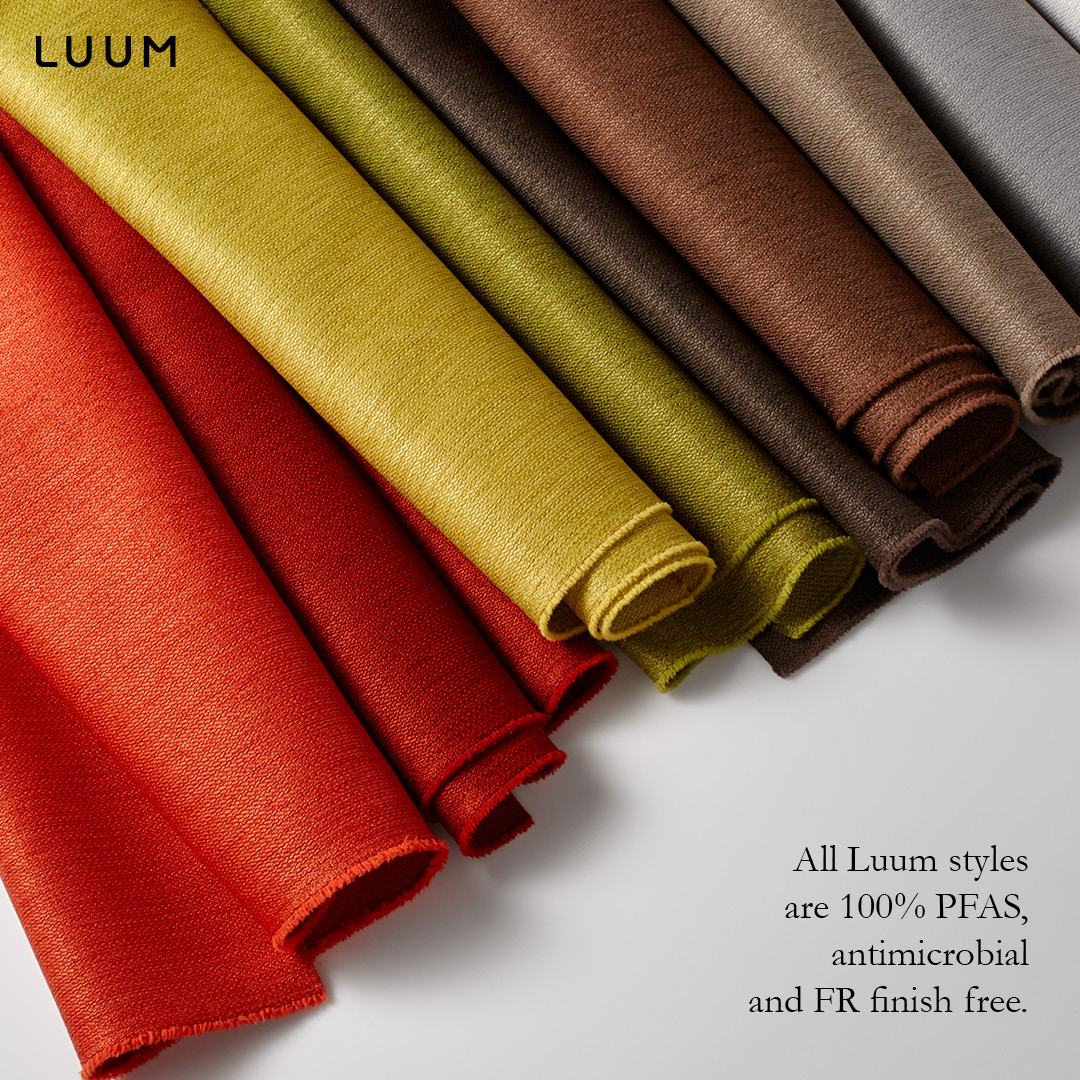
We are excited to announce all Luum products are now PFAS-free! We continue to be antimicrobial and FR finish free emit low to no VOC’s. We are proud to contribute to LEED and WELL projects.
store.luumtextiles.com/colle…
#PFASfree #sustainabledesign #materialtransparency
3
29

22 Nov 2021
Sustainable Minds is honored to be part of the HPDC ecosystem! #materialtransparency
17 Nov 2021

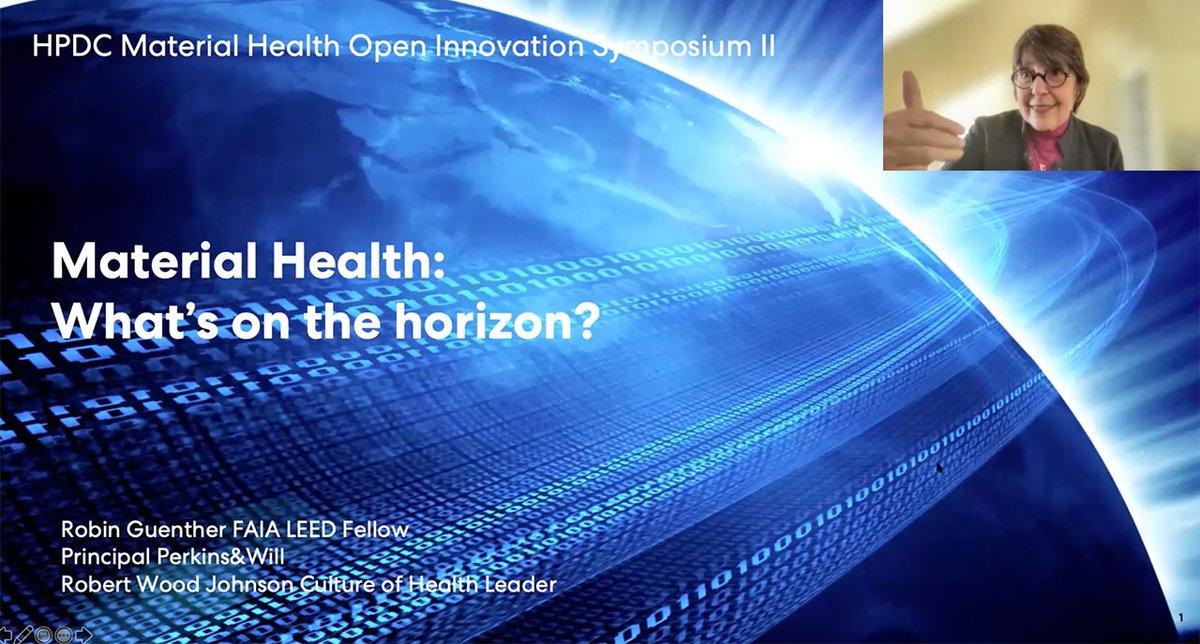
From opening keynote to the final presentation, the Material Health Open Innovation Symposium II was an affirmation to the depth, growth and awareness in the field of Material Health. Thanks to our entire community for your amazing contributions!
#hpdstandard #materialhealth
2

3 Jun 2021
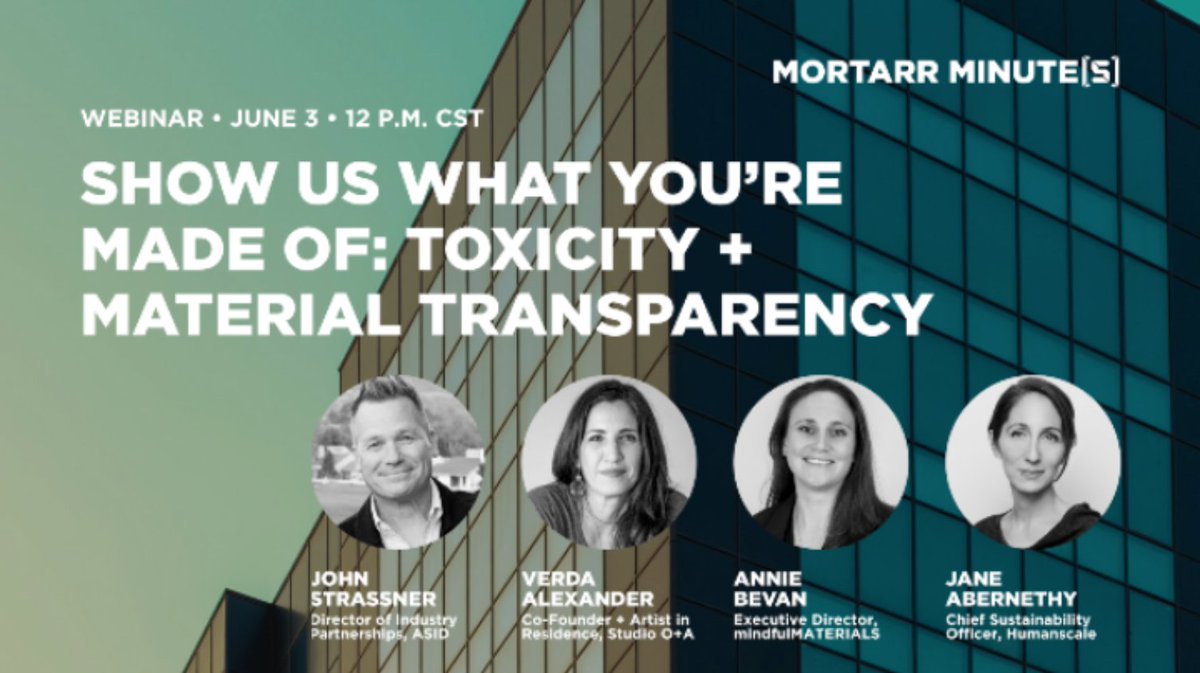
Tomorrow at 1pm ET, join me, @ASID's Jon Strassner, Verda Alexander and @anniebevan4 in a conversation about the importance of #MaterialTransparency and eliminating toxicity from the products in our daily lives. #CommercialDesign zoom.us/webinar/register/891…
4

20 May 2021
Thanks to @MetropolisMag for covering the #AEC industry's push for stronger clearer guidelines for #sustainabledesign #materialtransparency. We CAN #buildbackbetter: buff.ly/3bHCOlU
1
19 Mar 2021
.@bobborson, this was a great conversation about the importance of #MaterialTransparency in #architecture and the building industry. To drive greater change, we have to gain a thorough understanding of what goes into our products and buildings.
lifeofanarchitect.com/ep-070…
1
2

26 Feb 2021
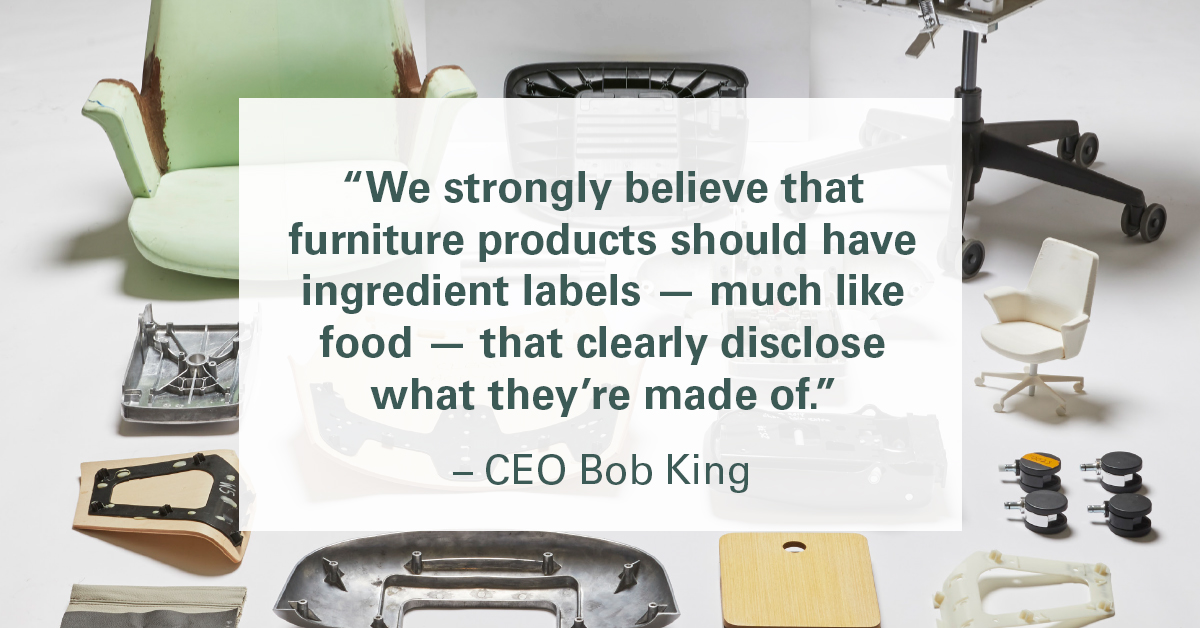
Our CEO Bob King recently chatted with Avi Rajagopal, Editor-in-Chief of @MetropolisMag about the urgent need for all manufacturers to adopt #materialtransparency and eradicate the use of harmful ingredients. Watch, here: bit.ly/3qXcMAu
#SustainableManufacturing
1
3

27 Jan 2021
#DYK all Nexii materials are 99% free from @Living_Future Red List materials?
And we are actively investing in R&D to eliminate all Red List materials from #Nexii products entirely. Find out more about Red List building materials bit.ly/38ROH7y
#MaterialTransparency
1

29 Dec 2020
ILFI and @MortarrDesign are teaming up to bring you the latest in green products, projects, and pros! With new sustainability features, Mortarr is making it easy to find Declare and Living Product Challenge-certified products. #MaterialTransparency mortarr.com/international-li…
1
5

11 Dec 2020
Initiatives from @humanscale show that material transparency and eliminating toxic ingredients have impacts that reach beyond the consumer. #SP #materialtransparency ow.ly/rxq450CJ4VJ
1

17 Jul 2020
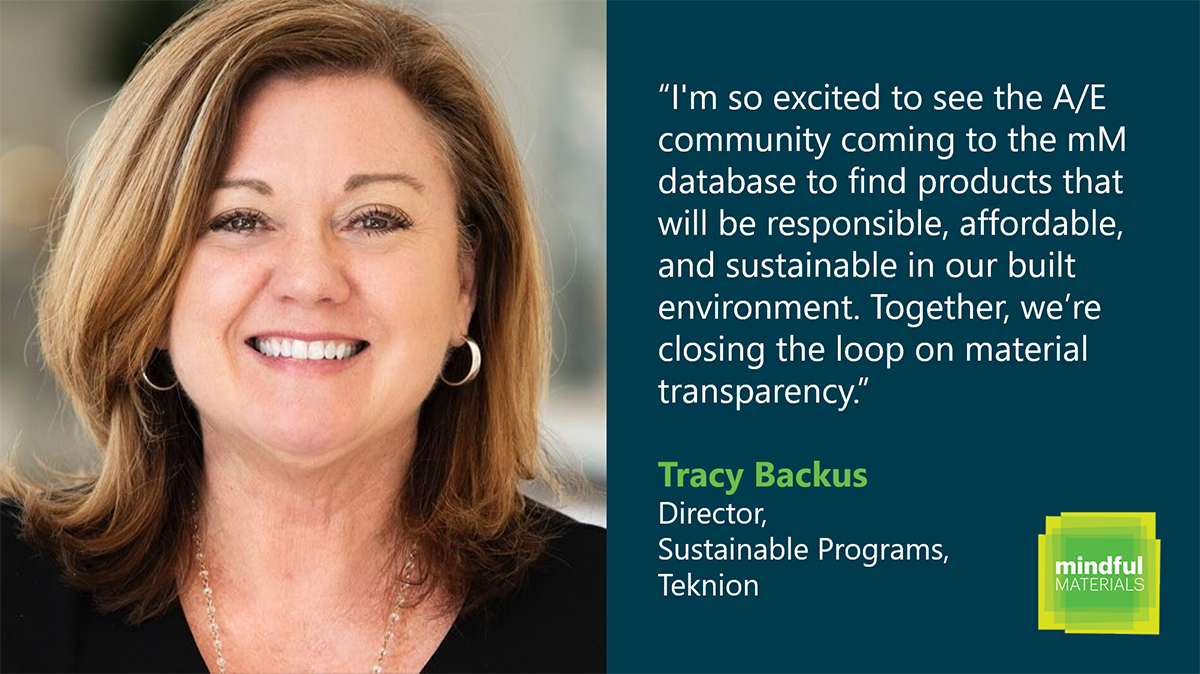
One of the #manufacturers in the mM Library, @teknion has been addressing #materialtransparency for nearly a decade. Tracy Backus says they're dedicated to minimizing their environmental impact and ensuring high-quality furniture. #MindfulTransformation jointhemindfultransformation…
2
4
28 May 2020
mM is thrilled to collaborate with @Living_Future and host a virtual pre-Closing the Transparency Loop Summit Breakfast event on Tue, June 2 @ 8:00 PT - register now buff.ly/2ALlpZN
#materialtransparency #mM #mindfulMATERIALS #ILFI
3
26 Feb 2020
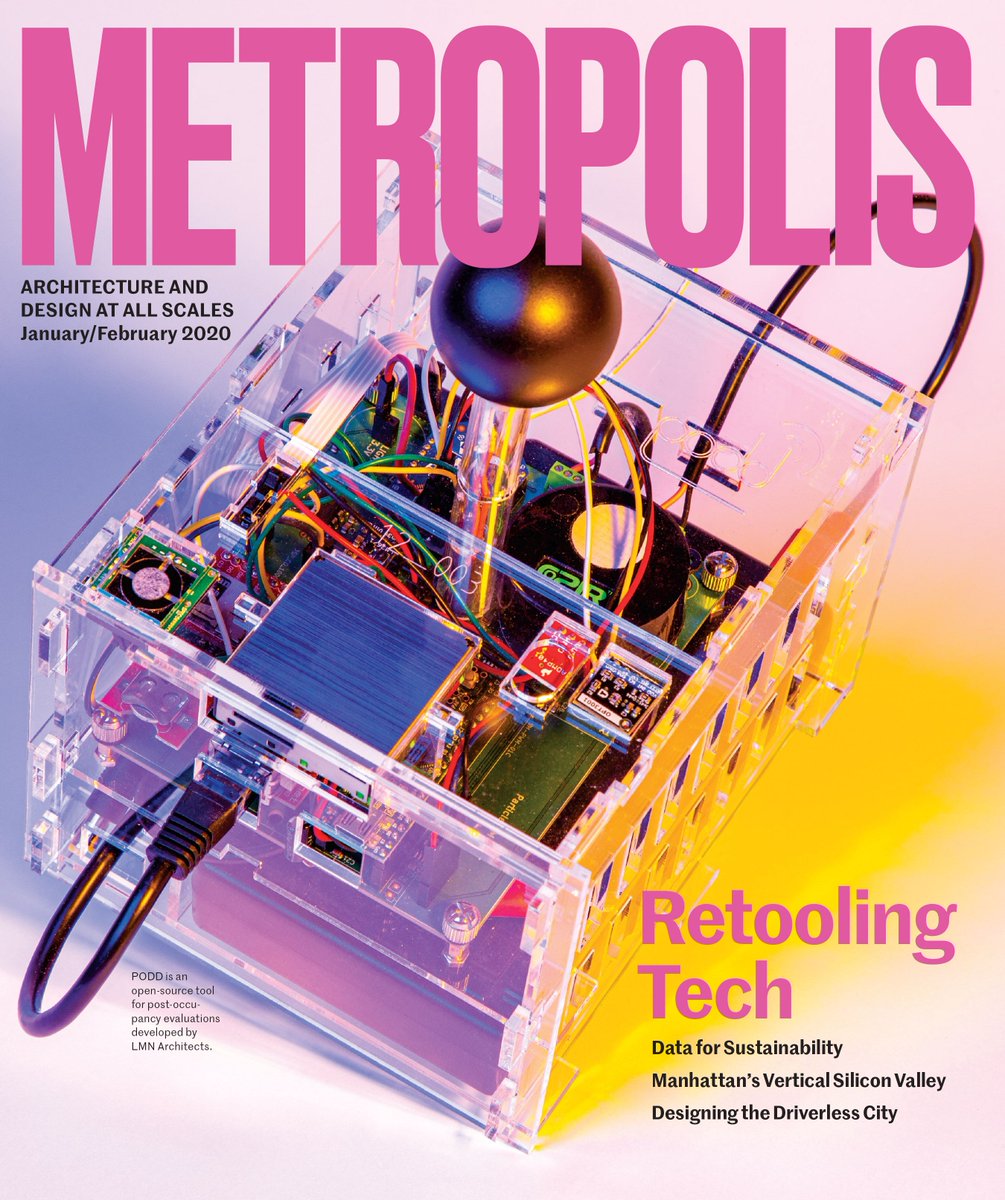
Did you catch #mindfulMATERIALS in the Jan/Feb issue of @MetropolisMag? How are you using #mM or other tools to reduce the #carbonfootprint of your work?
buff.ly/2TaLEOM
#embodiedcarbon #EPDs #materialtransparency
3

9 Dec 2019
Tarkett is leading the way in creating healthy spaces says Sophie Barton, Features Editor of @WorkInMindHQ with a huge emphasis on indoor air quality, wellbeing and low-VOC products: ow.ly/qFjT50xv5NS
#MaterialTransparency
4
10

4 Dec 2019
"More information on products allows contractors and designers to make informed choices." Overbury environmental manager, Zoë French, speaks to @WorkInMindHQ about the impact of material transparency: ow.ly/iZlr50xrMrF
#fitout #materialtransparency #health #wellbeing
2
13 Nov 2019
Are you in #Atlanta or going to #Greenbuild19? Get a free Expo Pass at this link: buff.ly/32COv6Z. We hope to see you in #Atlanta next week! Find great education sessions and exhibitors! @USGBC #buildingmaterials #materialtransparency
1
2
11 Nov 2019
Are you in #Atlanta or going to #Greenbuild19? Get a free Expo Pass at this link: buff.ly/32COv6Z. We hope to see you in #Atlanta this week! Find great education sessions and exhibitors! @USGBC #buildingmaterials #materialtransparency
2
6 Nov 2019
Are you in #Atlanta or going to #Greenbuild19? Get a free Expo Pass at this link: buff.ly/32COv6Z. We hope to see you in #Atlanta two weeks! Find great education sessions and exhibitors! @USGBC #buildingmaterials #materialtransparency
3
4
25 Oct 2019
Are you in #Atlanta or going to #Greenbuild19? Get a free Expo Pass at this link: buff.ly/32COv6Z. We hope to see you in #Atlanta next month! Find great education sessions and exhibitors! @USGBC #buildingmaterials #materialtransparency
2
13 Jun 2019
Welcome @USACarpetBlooms to the #mindfulMATERIALS library and supporting #materialtransparency by disclosing #PVCfree, #emissions testing #carpet #mM #transparency #MadeInTheUSA See their materials here urlzs.com/WuvCw
2
3