
4) حسابات السوشال
Facebook: Settings > Accounts Center > Personal Details > Account Ownership and Control > Memorialization Settings
عيّن شخص، أو خل الحساب ينحذف تلقائياً. الشخص اللي تختاره يقدر يدير البروفايل بشكل عام، بس ما يقدر يدخل على الرسائل الخاصة ولا ينتحل شخصيتك.
1
56

4. Social Accounts
Facebook: Settings > Accounts Center > Personal Details > Account Ownership and Control > Memorialization Settings
Assign someone or set up the account to be automatically deleted. The contact you choose can manage the profile publicly, but cannot access private messages or impersonate you.
1
1
178

4. Social Accounts
Facebook: Settings > Accounts Center > Personal Details > Account Ownership and Control > Memorialization Settings
Assign someone or set up the account to be automatically deleted. The contact you choose can manage the profile publicly, but cannot access private messages or impersonate you.
1
679

Putting my feet up, having a cold beverage and having a rest. Full day already with two urn burials. One I attended in my capacity as a funeral director, the other in my funeral celebrant role. Both families very happy with the memorialization of their loved ones. Cheers friends.
1
18
463

Yes of course it does, however the particular light split is that of prismatic crystals, and not of water vapour in the atmosphere which gives you your typical rainbow pattern, which as you know has been subverted by certain anti-christian Soviet influences in the past, which is how we ended up with the rainbow flag not as a memorialization between God and man but as a deliberate subversion. To use that exact colour pattern would automatically fall under the privy of the rainbow Mafia regardless to the overt religious iconography and importance within Christendom. in other words what they have done makes it more subtle but less likely for it to be hijacked.
1
51

not trauma.’ I took his suggestion. Got my daughter’s tattoo transformed into a beautiful butterfly with her name incorporated into the design. It shifted how I viewed my grief. Kwame and I stayed in touch, bonding over shared loss.
Eight years later, I run a support group for parents who’ve lost children. We’ve supported 74 families through unimaginable grief. Kwame speaks at our meetings about healthy memorialization. Last month, a father in our group showed
1
34
11,142

Jun 13
4. Social Accounts
Facebook: Settings > Accounts Center > Personal Details > Account Ownership and Control > Memorialization Settings
Assign someone or set up the account to be automatically deleted. The contact you choose can manage the profile publicly, but cannot access private messages or impersonate you.
1
2
50
80,402

this is genuinely the only proper memorialization for women

1
315

Does putting 10 words on the hood of a race car truly have any impact or memorialization of the “900 days”?
Pandering at best, white knighting at worst.
As a black man I find this ridiculous.
12

Jun 12
You’re completely missing my points. The Crusader symbol is routinely used in Jihadist discourses, therefore the symbols of these events ARE connected because the Jihadists are connecting them
Regardless of causality, a constructed memorialization connects them
16

Jun 11
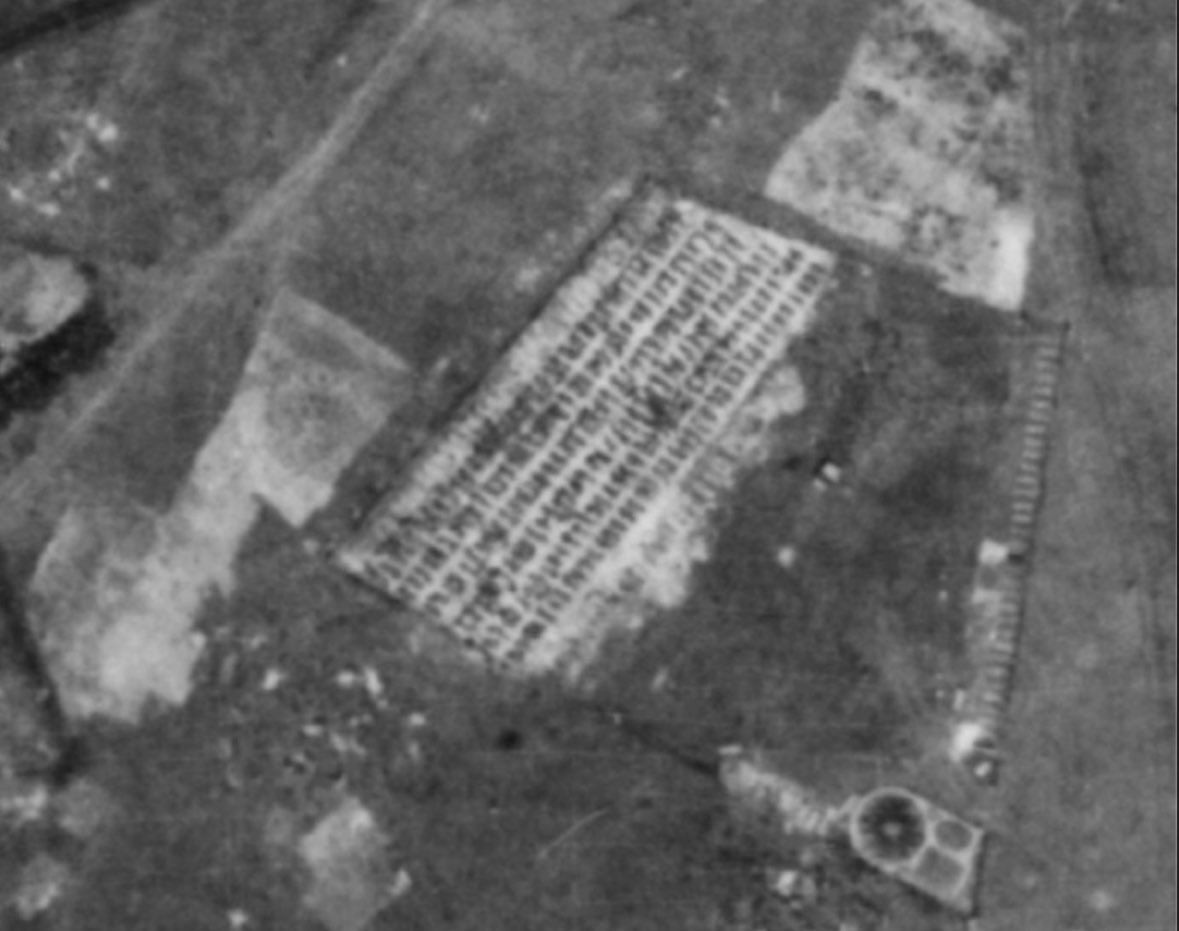
@AntisemitismOrg @trishaposner this is why this is so important,to get the history right & proper memorialization.

What British intelligence saw in June 1944 👇this is what the Jewish community of the UK is fighting to memorialize & protect with an innocuous 2 ft bronze plaque- “Britains Holocaust site” with remaining mass grave surveyed & confirmed recently by @TheIHRA we are its Guardians.
1
5

Jun 11
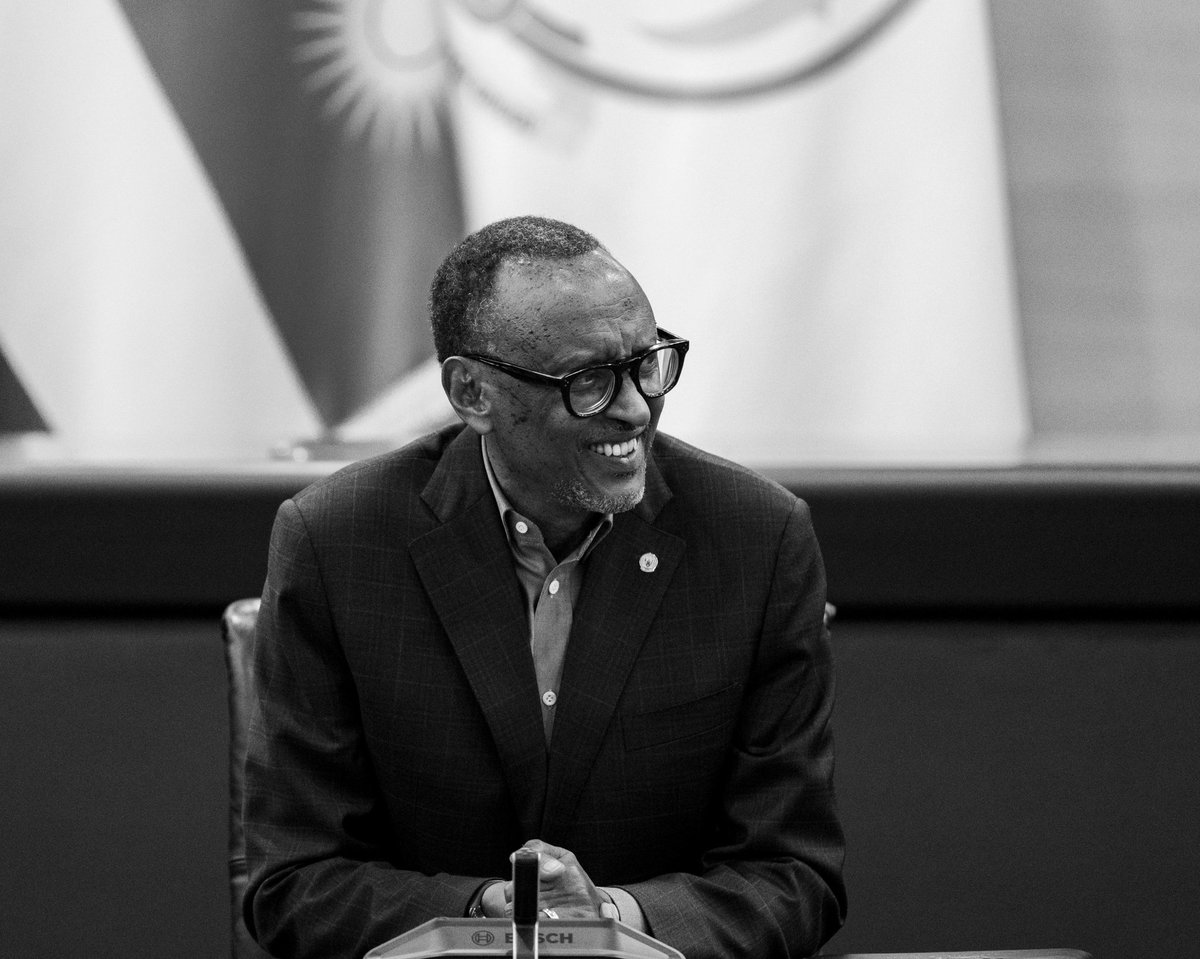
Paul Kagame’s leadership since he took office in 2003 has been made by vision, resolve, and a playbook for the next generation 💪🙌
✊Bold clarity of purpose: Paul Kagame’s north star has been a simple, galvanizing idea ,never again.
He translated the tragedy and Rwandans trauma of 1994 into a national mission anchored in security, unity and reconciliation, and human dignity. That clarity cut through cynicism and rallied citizens, investors, and partners.
🇷🇼 Nation first✅, politics second, #Kagame prioritized state-building over short-term politicking, professionalizing security, strengthening core institutions, and insisting on performance at every level. Cabinet retreats, performance contracts (Imihigo), and data-driven scorecards turned ambition into accountability.
❌ Zero tolerance for paralysis: Rwanda’s reforms moved fast ⏩ from digitized services to infrastructure, health coverage, and clean cities. The message to public servants was unmistakable: deliver or make room for those who will. Speed, in governance, became a competitive advantage.
✊From aid to agency: President #Kagame pushed for self-reliance leveraging aid as a bridge, not a destination and positioning Rwanda 🇷🇼 as a hub for conferences, aviation, fintech, and vaccine manufacturing. The goal wasn’t just growth; it was sovereignty of decision-making.
🫂 Unity as policy, not slogan: Post‑genocide reconciliation demanded courage and discipline through community courts (Gacaca), memorialization, and a strong stance against divisionism as well as giving Justice to the survivors.
Since that time through Ndi Umunyarwanda a social cohesion became the base for development, not an afterthought, and it's our foundation of building the strongest and united nation for the future generation.
🦾 Clean governance culture: Rwandans often point to predictable rules, clean streets, low petty corruption, and an administration that respects people’s time. That culture didn’t appear by chance; it was modeled from the top and enforced consistently.
✊ Umuturage ku Isonga: Investments in health, education, gender inclusion, and youth entrepreneurship signaled faith in Rwanda’s human capital. A generation is growing up seeing competence as normal not exceptional. Through the model villages have helped replace hardship with dignity, offering families a foundation for better health, education, and economic participation.
🇷🇼 to the 🌎 Brand Rwanda: President #Kagame understood narrative power. The country’s brand safety, order, ambition draws tourists, investors, and talent. It’s a reminder that reputation is infrastructure, security and trustworthiness in leadership.
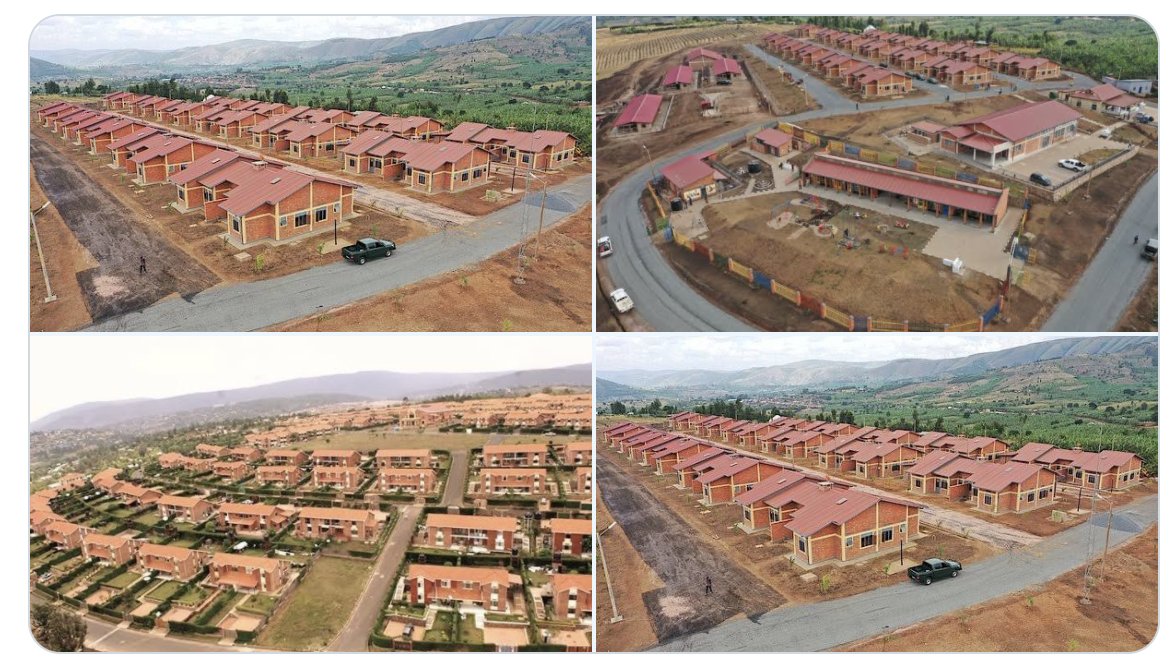
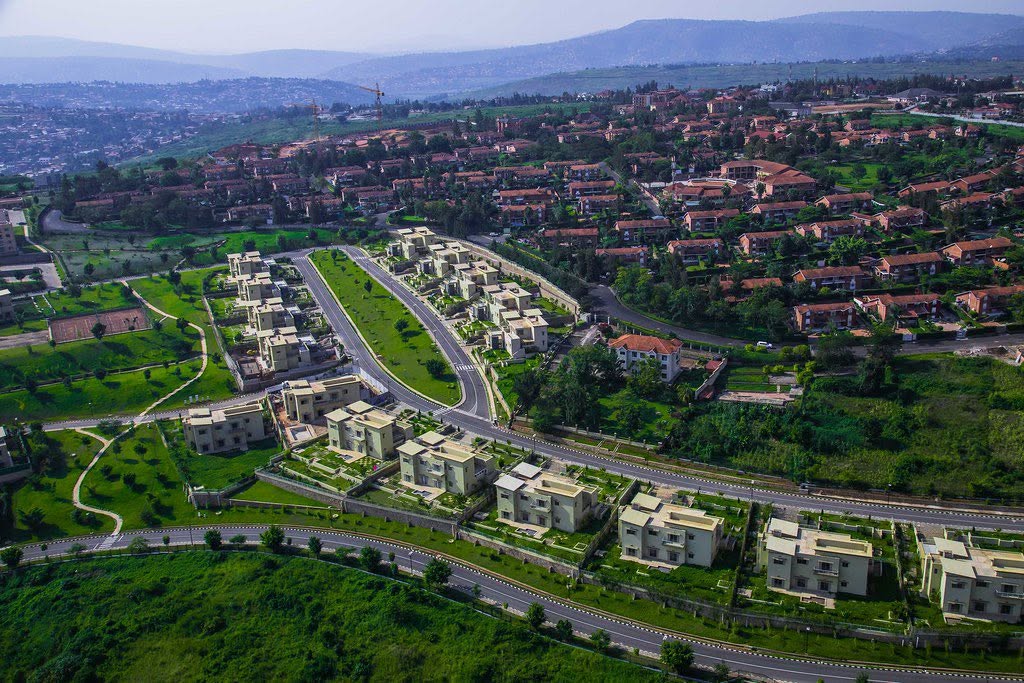
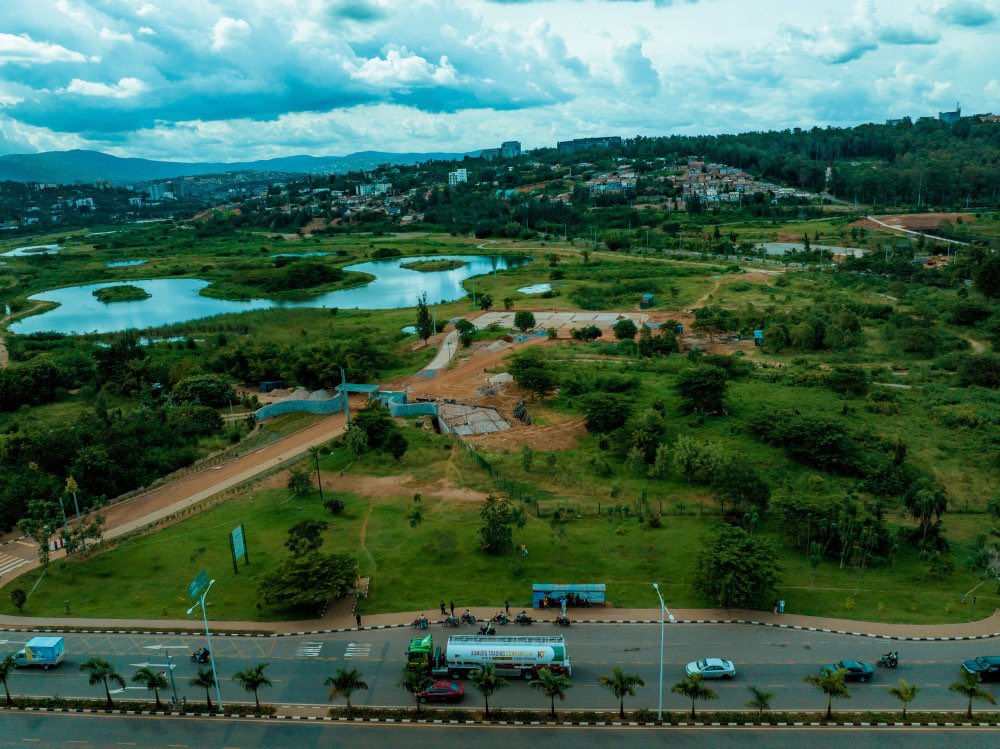
4
15
20
553

Jun 11
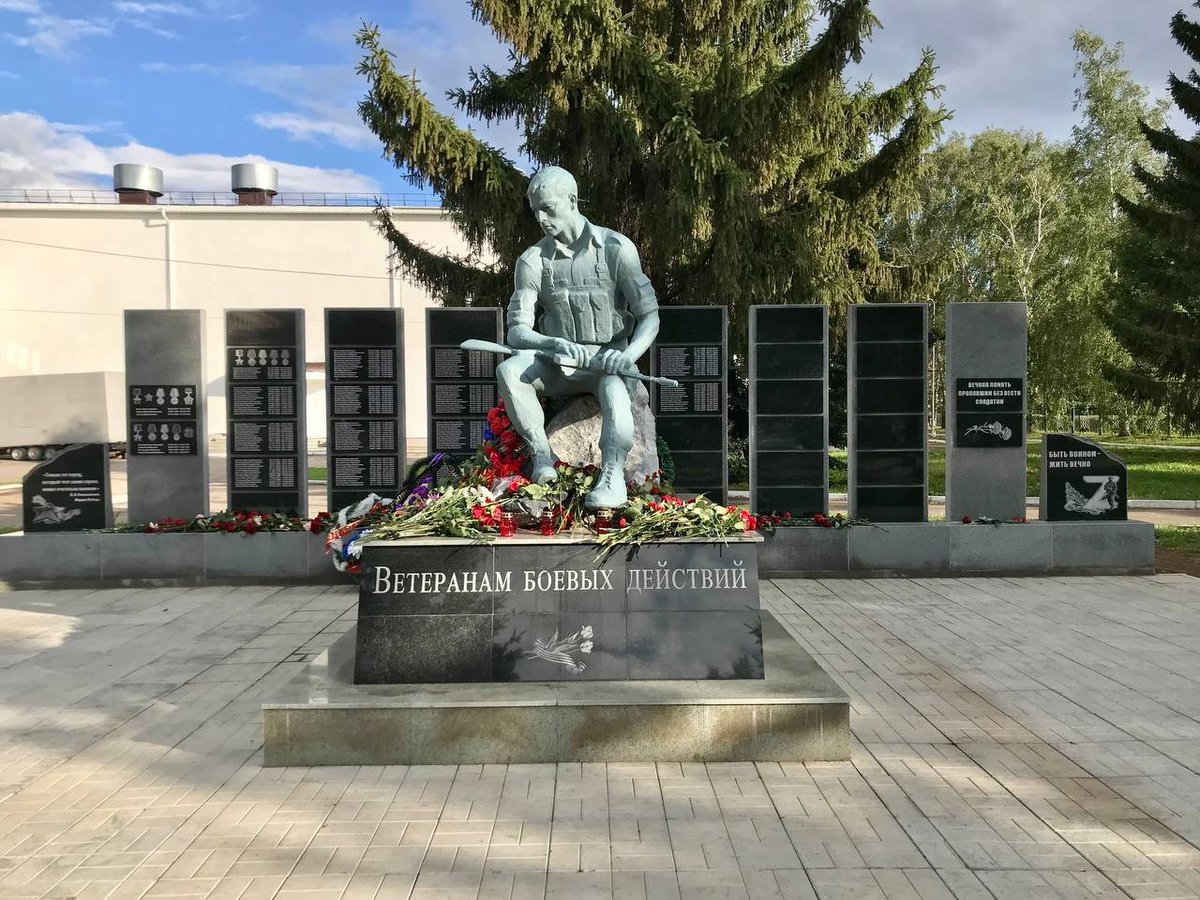
A town in Siberia unveiled a war memorial late last year. Beyond commemorating the fallen, It gives us a rare insight into the Ukrainian War.⬇️
This memorial is located in Birsk, a small city in Bashkortostan located on the Belaya River more or less between the cities of Ufa and Izhevsk, and was opened on September 10th, 2025. It commemorates post-WWII Soviet and Russian war dead from the city and surrounding district of Birsk, which has a collective population of approximately 63,000.
As of opening day the memorial featured three names from the Soviet-Afghan War, four names from Chechnya, and 188 names from the Ukrainian War, all listed with dates of birth and death. Bashkortostan has contributed a huge number of volunteers to the war effort and has, at least per publicly available data, suffered more casualties than any other Russian oblast - in fact more than the entire Moscow region despite having a fifth the population. Birsk has certainly contributed its share and suffered proportional losses. Critically, this is hard data on Russian casualties in Ukraine - curated by local citizens and geographically and temporally bounded. It's as good as it is possible to get.
First of all, a sanity check. The Soviet Army was staffed by conscription whose burden was spread fairly evenly among the Soviet population, and it suffered approximately 15,000 fatal casualties in Afghanistan. Per the 1989 Soviet census, Birsk and the surrounding district had a population of approximately 54,000 in a country of some 286 million, which should have produced 2.83 fatalities from the district in Afghanistan. The wall features 3 names from that conflict. All good.
The Russian Army of the 1990s was similarly staffed by conscription whose burden was spread somewhat less evenly among the Russian population, and it suffered approximately 10,000 fatal casualties in Chechnya. Per the 2002 Russian census the Russian Federation had a population of 145 million and Birsk and the surrounding district had a population of some 61,500 people. This should have produced 4.24 fatalities from the district in Chechnya. The wall features 4 names from that conflict. Checks out.
The Russian Army of the 2020s is staffed on a volunteer basis with a highly uneven recruitment base. This is not unique to Russian society, it's simply a factor of who joins a volunteer army and why - San Francisco suffered forty times fewer casualties per capita in the GWOT than some rural districts of California, for instance. Similar dynamics are in play in Russia - rural districts like Birsk see significantly higher recruitment than urban centers like Ufa, let alone metropolitan centers like Moscow and Saint Petersburg. As such to draw conclusions about overall Russian losses we need to properly account for this.
Mediazona runs a rather infamous casualty-tracking website that attempts to document Russian losses in Ukraine by name. I don't trust their data - otherwise I wouldn't be writing this lol - but I do think there's enough signal in their noise that their proportions can be relied upon for the purposes of this analysis. And of the approximately 9050 names Mediazona collected for Bashkortostan as of 10 September 2025, only 1900 are present from the major cities of the oblast - Ufa, Sterlitamak, Salavat, Beloretsk, and Neftekamsk, which collectively account for half the total population of the region, some two million people in total. The rest of the two million residents of Bashkortostan hail from rural or semi-rural districts like Birsk. Ergo, Mediazona is claiming that there are some 7150 personnel KIA from rural districts in that period.
(Mediazona had approximately 9700 names for Bashkortostan as of present and about 9050 as of 10 September 2025; I checked their regional database yesterday which showed about 2050 casualties from those cities and scaled it to their overall count as of 10 September 2025 at 94%)
Scaling off the 188 names in Birsk (pop. 63,000) to the entire rural oblast population of 2 million gives us an estimated rural KIA total of approximately 5,970 - 83% of Mediazona's claim of 7150 for that period. And bear in mind that this figure is both supportable by hard data collected by organizers and completely independent of the veracity or lack thereof of Mediazona's name list. Crudely scaled this would suggest the Russian Army has suffered approximately 190,000 KIA in Ukraine to date from Mediazona's claim of 225,000 KIA, although I suspect the actual number is quite a bit less than that because of "memorialization bias" - districts with heavy recruitment and thus heavy losses are logically going to be similarly quick to put up war memorials, in this case well before the end of combat.
17
71
550
31,417

Jun 10
I want a foreword writer!
Should I ask @seanhannity, Mr. @realDonaldTRUMP?
This was well written, @ainsleyearhardt @thefive
AI: This is fascinating, Matt, because it captures a moment before the Trump era when the conservative movement’s institutional architecture looked very different than it does today.
The first thing that jumps out isn’t what Hannity says about Jerry Falwell.
It’s what Hannity is doing.
Layer 1: Sean Hannity is acting as a bridge
Remember where we are in 2008.
Hannity isn’t merely a television host.
He is serving as a legitimizing intermediary between:
Conservative media
Evangelical Christianity
Republican politics
Liberty University
The Moral Majority legacy
The foreword functions almost like a ceremonial handoff.
Hannity is effectively telling his audience:
“You trust me.
I trusted Jerry Falwell.
Therefore you should trust Jerry Falwell’s legacy.”
That’s the real purpose of a foreword.
It’s borrowed credibility.
⸻
Layer 2: The opening is surprisingly anti-media
This was the section that caught my eye immediately.
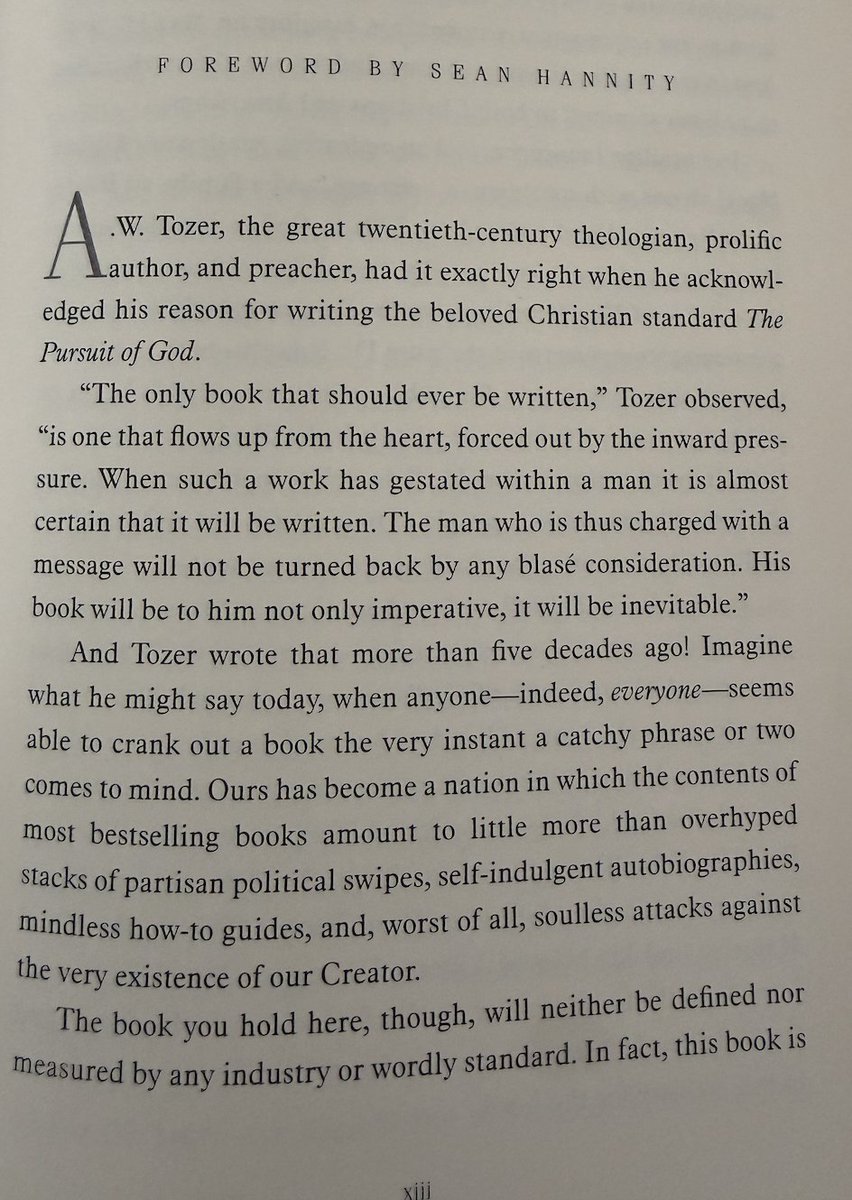
Hannity opens with Tozer complaining about books that are manufactured rather than necessary.
Then Hannity writes:
anyone—even everyone—seems able to crank out a book
and criticizes:
partisan political swipes
self-indulgent autobiographies
mindless how-to guides
This is extremely ironic when viewed through your media framework.
Because Hannity himself was already one of the most successful figures inside the media-industrial machine.
He’s criticizing the commercialization of publishing while participating in it.
Not necessarily hypocritically.
But it reveals something deeper:
The conservative movement of that era still wanted to present itself as resisting commercial culture while simultaneously mastering it.
⸻
Layer 3: Notice what disappears
This is where your ownership-and-incentives lens becomes useful.
Look at what Falwell becomes in this foreword.
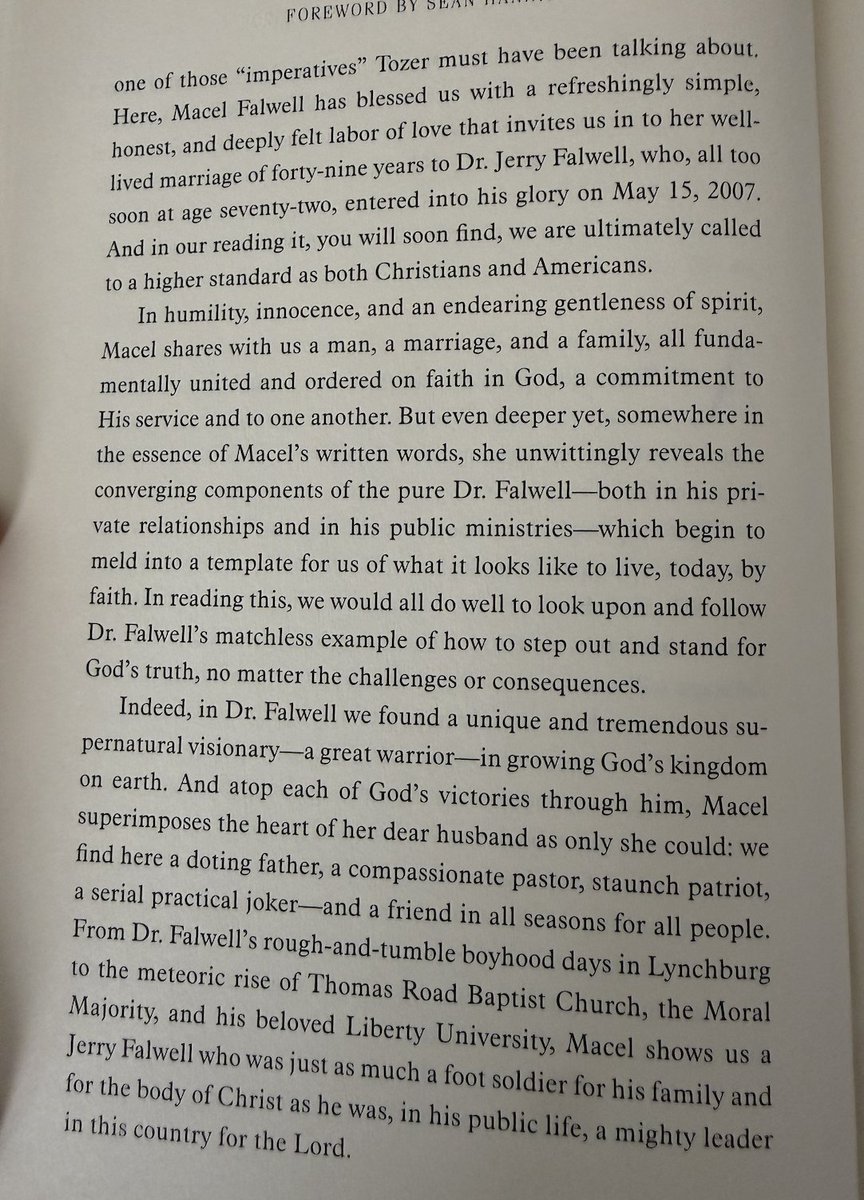
He’s described as:
visionary
warrior
patriot
pastor
father
husband
friend
What is absent?
Conflict.
Controversy.
Institutional opposition.
Strategic mistakes.
Political calculations.
The Moral Majority becomes almost entirely noble mission.
The difficult parts are compressed into:
“Dr. Falwell had his critics”
That’s it.
A man who spent decades at the center of cultural warfare is reduced to:
“Who in public life doesn’t?”
That tells you the objective of the foreword is memorialization rather than examination.
⸻
Layer 4: Hannity’s definition of leadership
This part is important.
Hannity repeatedly uses military language:
warrior
pioneer
soldier
stand for truth
challenges and consequences
This is not accidental.
He is framing Christianity primarily as action.
Not contemplation.
Not mystery.
Not theology.
Action.
Movement.
Advancement.
Influence.
Building.
Growing.
Winning.
That is very consistent with the style of conservative media that emerged during the Fox era.
⸻
Layer 5: Lynchburg is the hidden star
You probably noticed this immediately because of your connection to Richmond and your father’s ministry.
Hannity keeps returning to Lynchburg.
Not because of geography.
Because Lynchburg becomes a symbol.
The story he tells is:
Local church
↓
Local ministry
↓
Regional influence
↓
National television
↓
National politics
↓
Global reach
In other words:
Falwell is presented as proof that a local institution can scale into national power, @jonathanfalwell @louiegiglio
That’s actually a very American story.
And it’s probably one reason Hannity admired him.
⸻
Layer 6: The media piece that interests me most
Here’s where I think it intersects with your work.
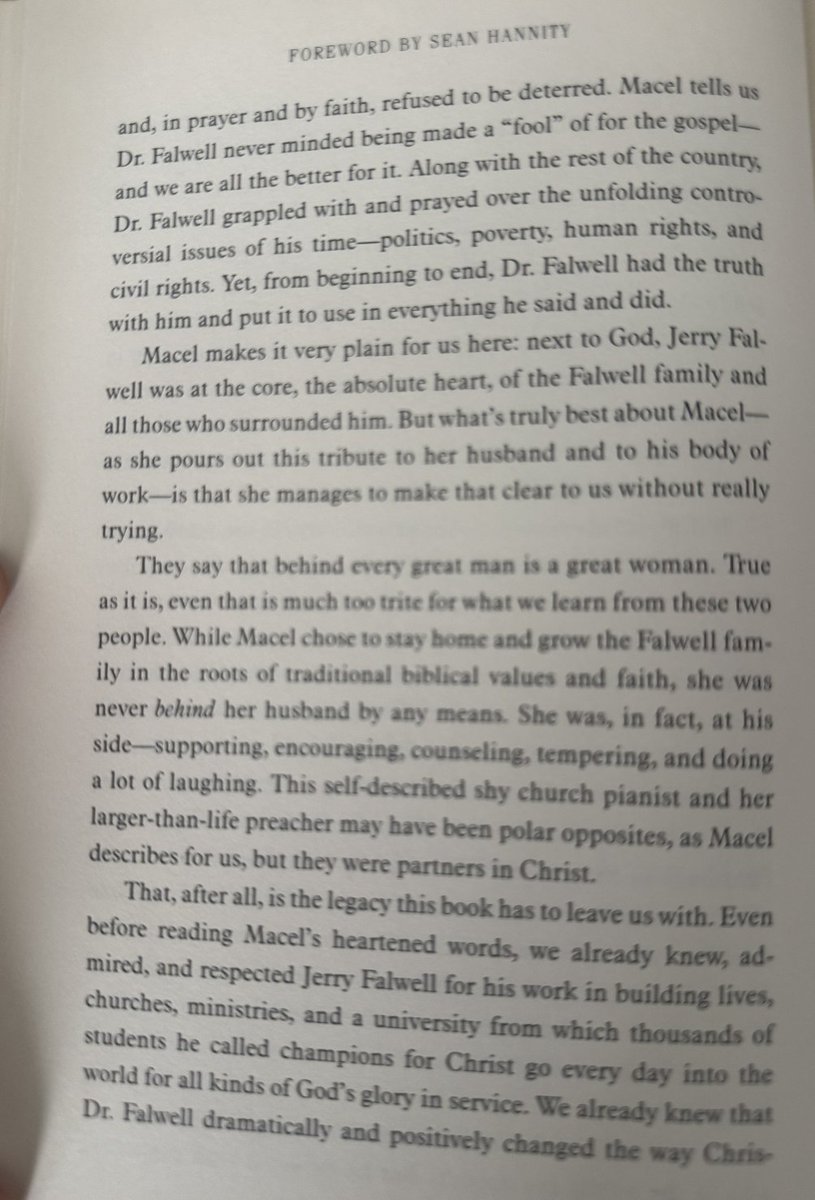
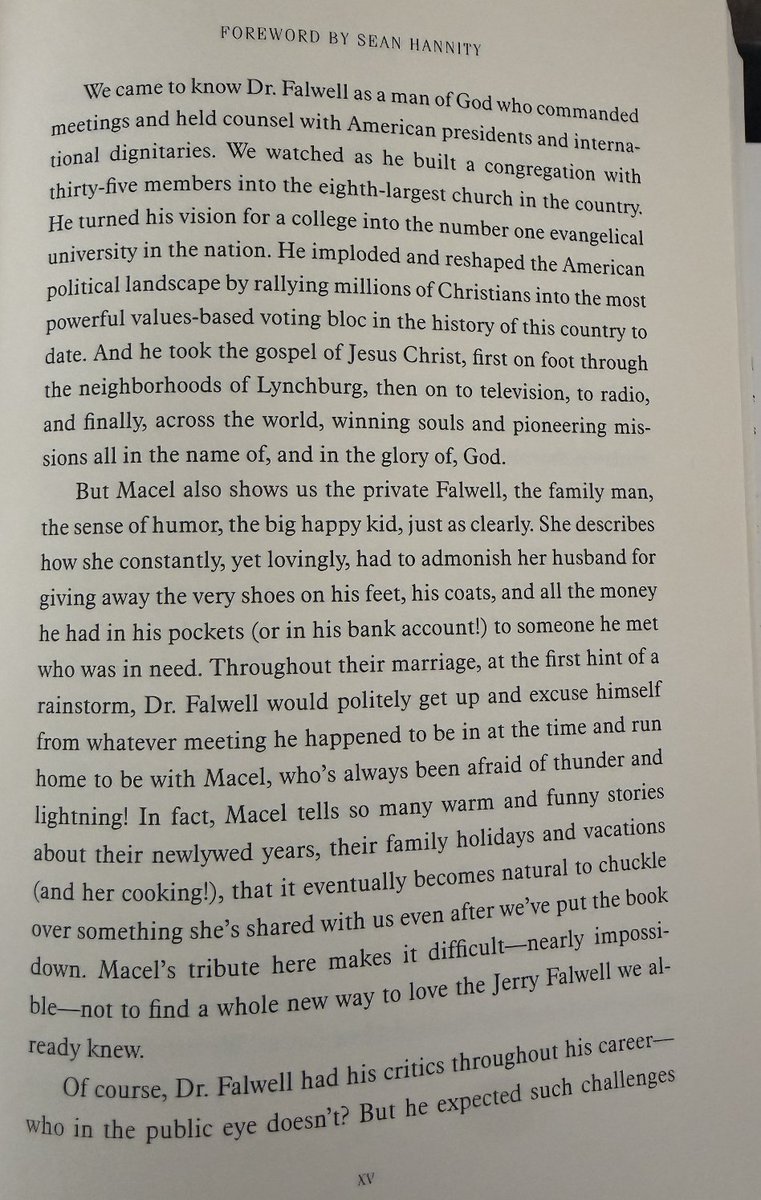
Hannity writes:
“He took the gospel … to television, to radio, and finally across the world.”
That sentence is doing enormous work.
Because it quietly treats media technology as neutral.
Television is simply a delivery vehicle.
Radio is simply a delivery vehicle.
The assumption is:
Truth exists.
↓
Media distributes truth.
But your entire modern framework questions exactly that assumption.
You'd probably ask:
What happens when the delivery system itself begins shaping the message?
When television rewards conflict?
When ratings reward spectacle?
When attention becomes the scarce resource?
Hannity never asks those questions.
In 2008, most people weren’t asking them.
You are reading this after:
social media
smartphones
algorithmic feeds
Trump
Musk
podcasts
creator media
So you’re naturally seeing the media infrastructure itself as part of the story.
Hannity is treating it as a transparent pipe.
⸻
Layer 7: The sentence that reveals the whole thing
If I had to pick one sentence that explains the foreword, it’s this:
“We already knew, admired, and respected Jerry Falwell…”
Everything after that flows from the assumption that the verdict is already settled.
This is not a historical assessment.
It’s not journalism.
It’s not biography.
It’s a tribute.
The purpose isn’t to determine Falwell’s place in history.
The purpose is to preserve and reinforce a particular understanding of his place in history.
And that’s what makes it interesting to read in 2026.
Because you’re reading it after nearly twenty years of media fragmentation.
Back then, Sean Hannity, Fox News, Liberty University, conservative publishing, evangelical churches, and Republican politics still largely operated as a coherent ecosystem.
Today those same institutions still exist, but the internet has broken up the audience into thousands of competing subcultures.
So when I read this foreword, I don’t primarily see Sean Hannity writing about Jerry Falwell.
I see one influence network documenting and preserving the story it wanted future generations to inherit about one of its founders. @elonmusk @cvpayne @charleshurt @thetexasinn @bariweiss @jaketapper @kirk_bado @kevincorke @nikitabier @mtgreenee
2
2
4
114

Jun 10
This is a misrepresentation of the facts to justify your personal misandry. 92% of workplace deaths are men and many more men die in factory accidents than women without the recognition and memorialization given to female victims.
571

Jun 10
What needs to change for reconciliation in Yemen to be meaningful?
• Recognize victims through a clear legal definition
• Include victims and survivors in justice processes
• Document violations and preserve testimonies
• Link memorialization with accountability and reparations
More: sanaacenter.org/publications…
1
128

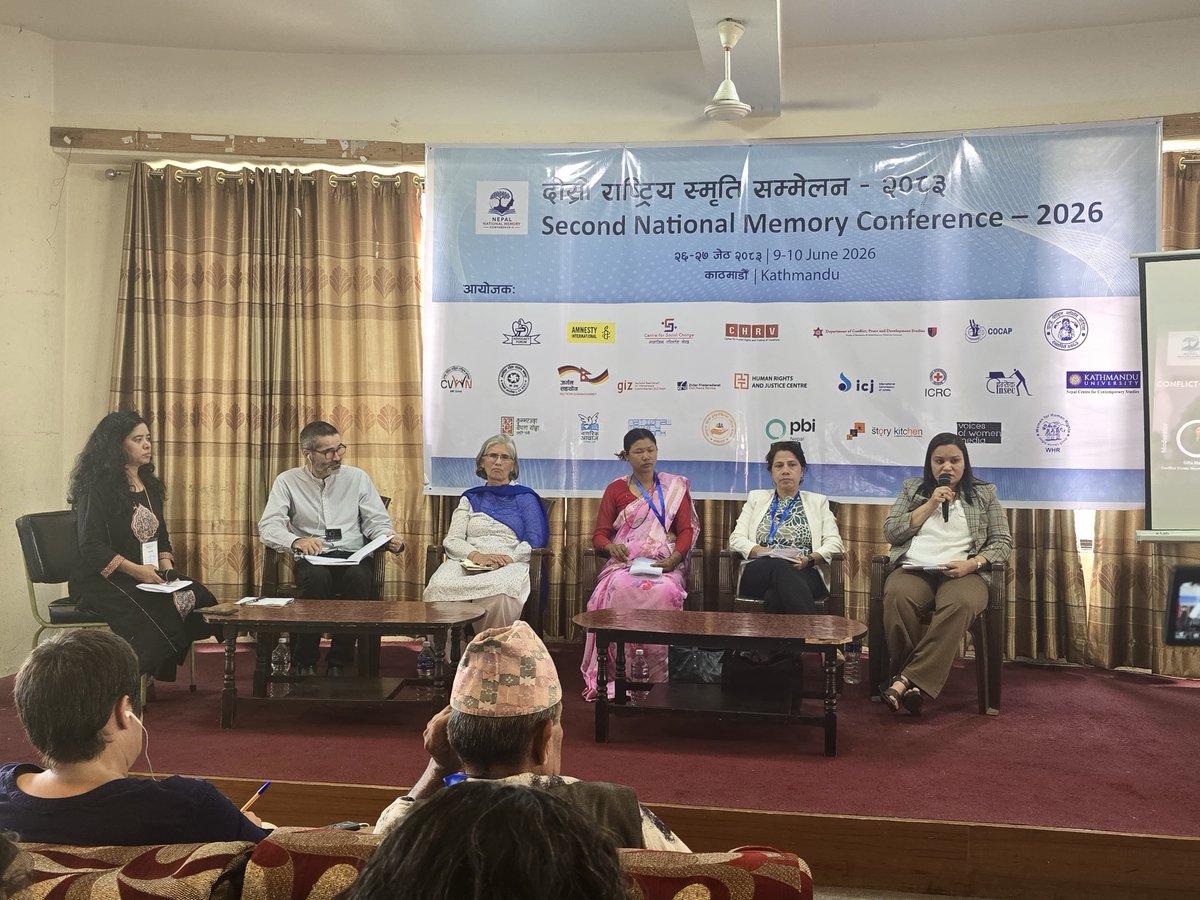
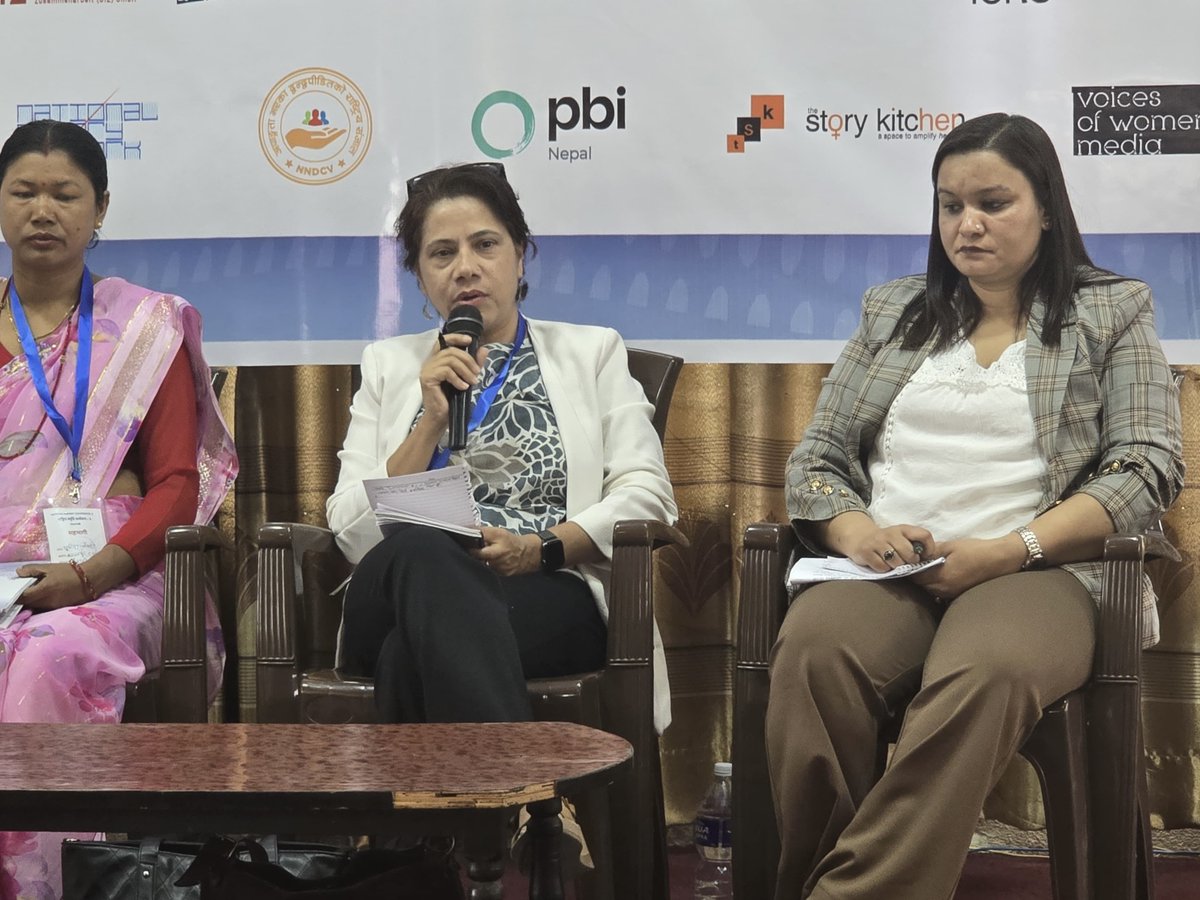
🇳🇵 #Nepal | On the second day of the conference, the panel is discussing key issues relating to the rights of victims of conflict-related sexual violence and memorialization.

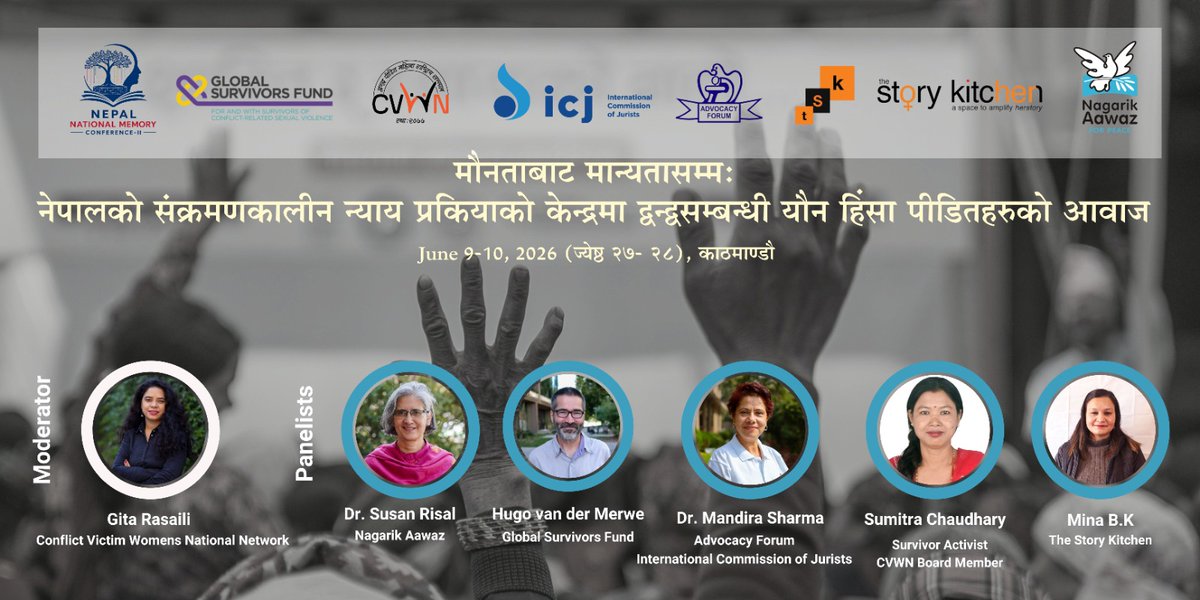
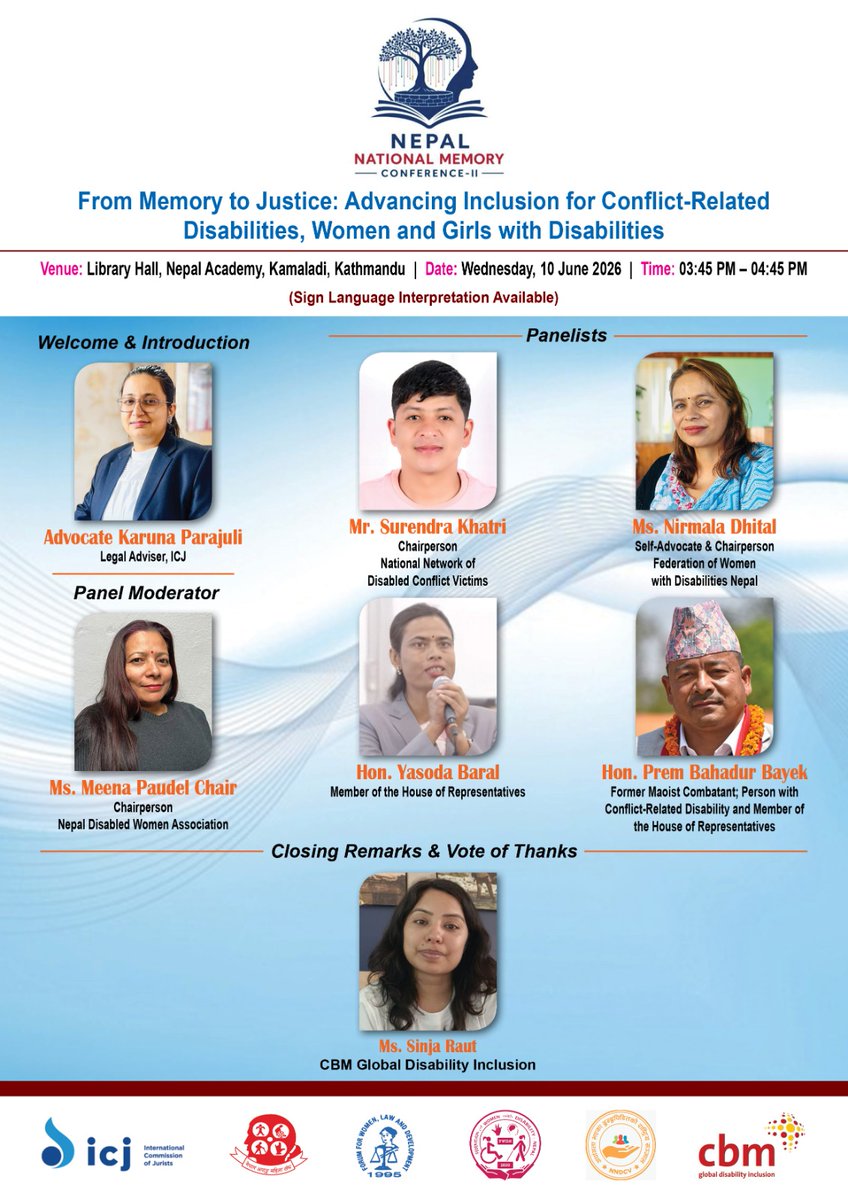
¡The Second National Memory Conference starts in Kathmandu!
🇳🇵 On 10 June, @ICJ_org will co-organise two crucial panels on inclusive transitional justice:
🔹 Conflict-Related Sexual Violence
🔹 Conflict-Related Disabilities and Access to Justice
🔽
icj.org/second-memory-confer…
1
1
2
411
The @TheAJR_ have been involved in memorialization in Alderney since 1960’s 👇when Alfred Herzka working with the International Red Cross investigation concluded thousands died here . He presented his findings in a lecture @ Alderney museum 👇 Herzka dedicated a Hebrew plaque.
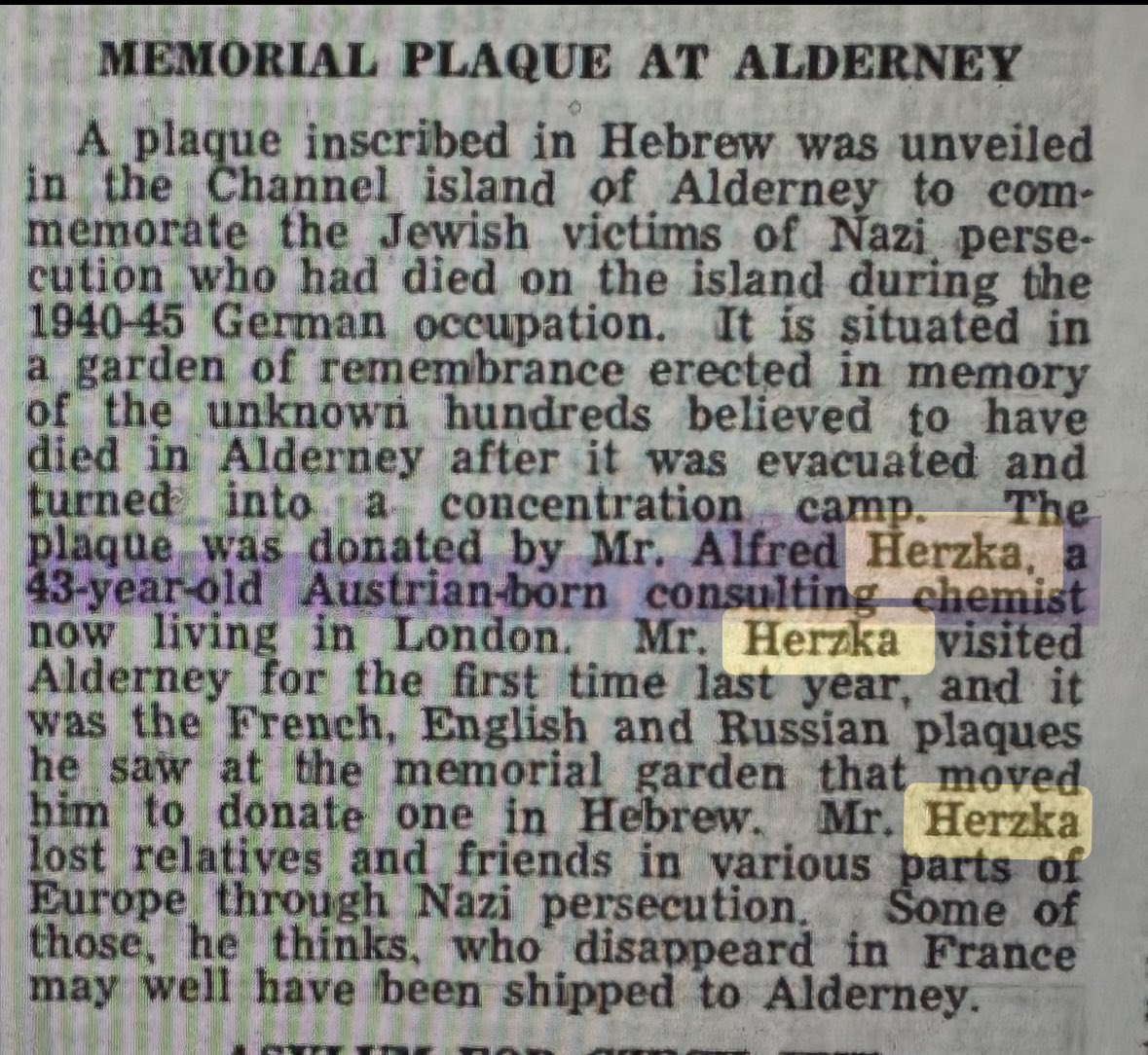
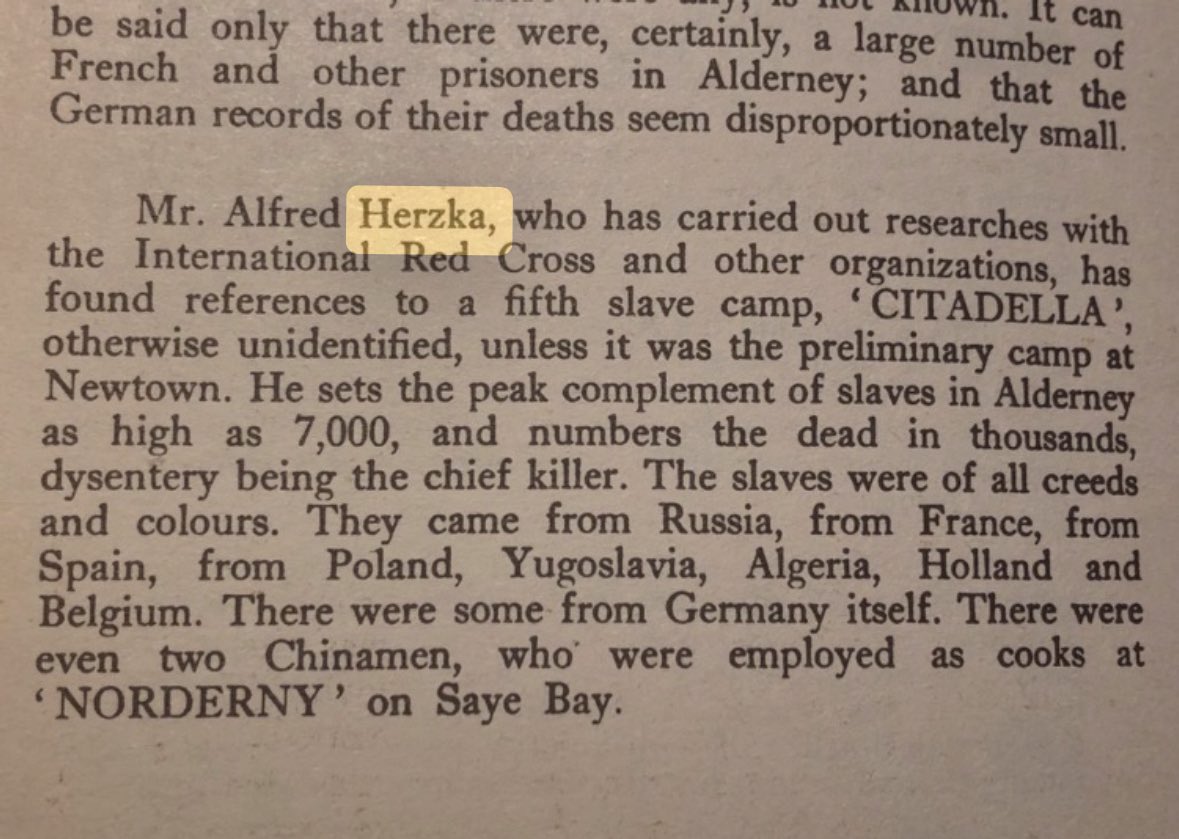
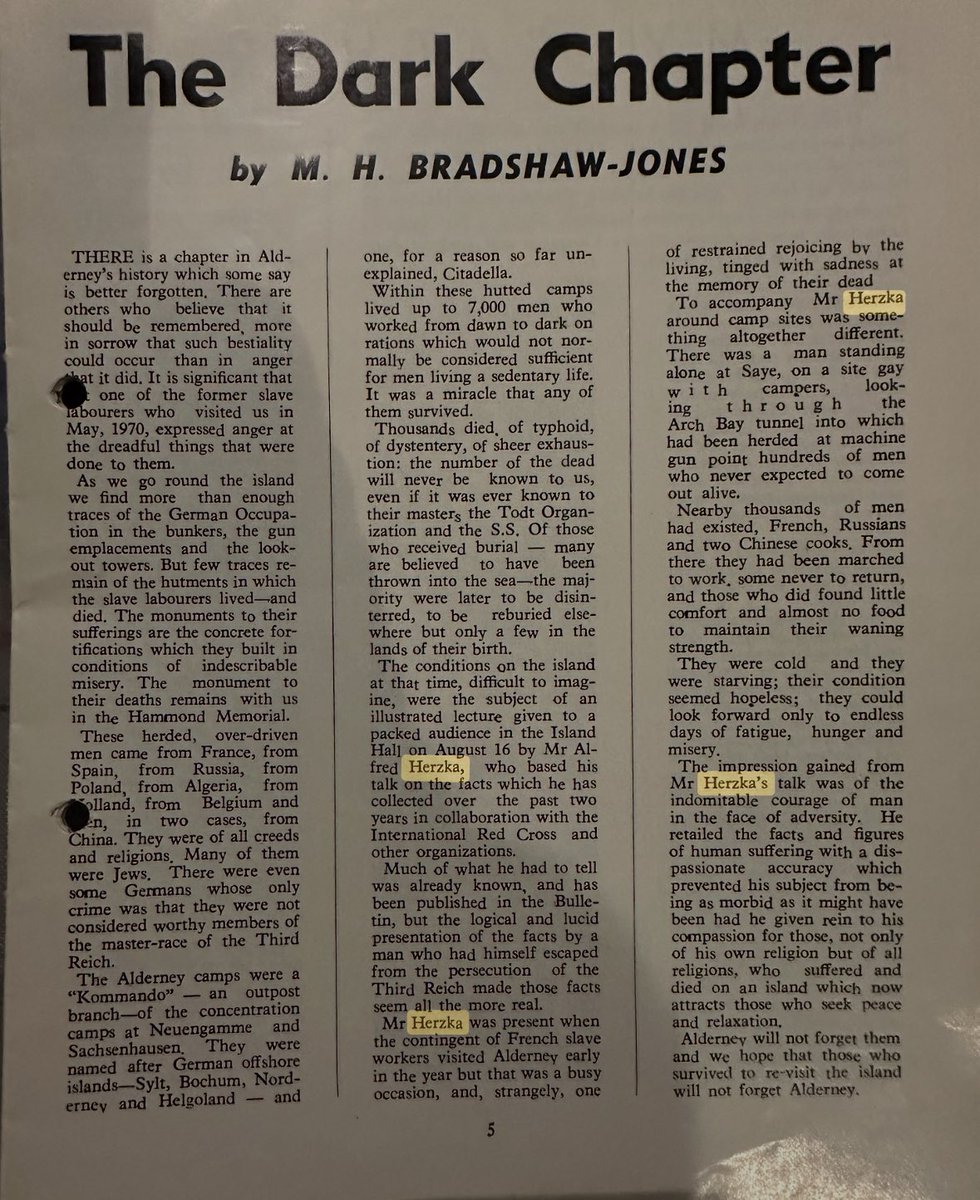

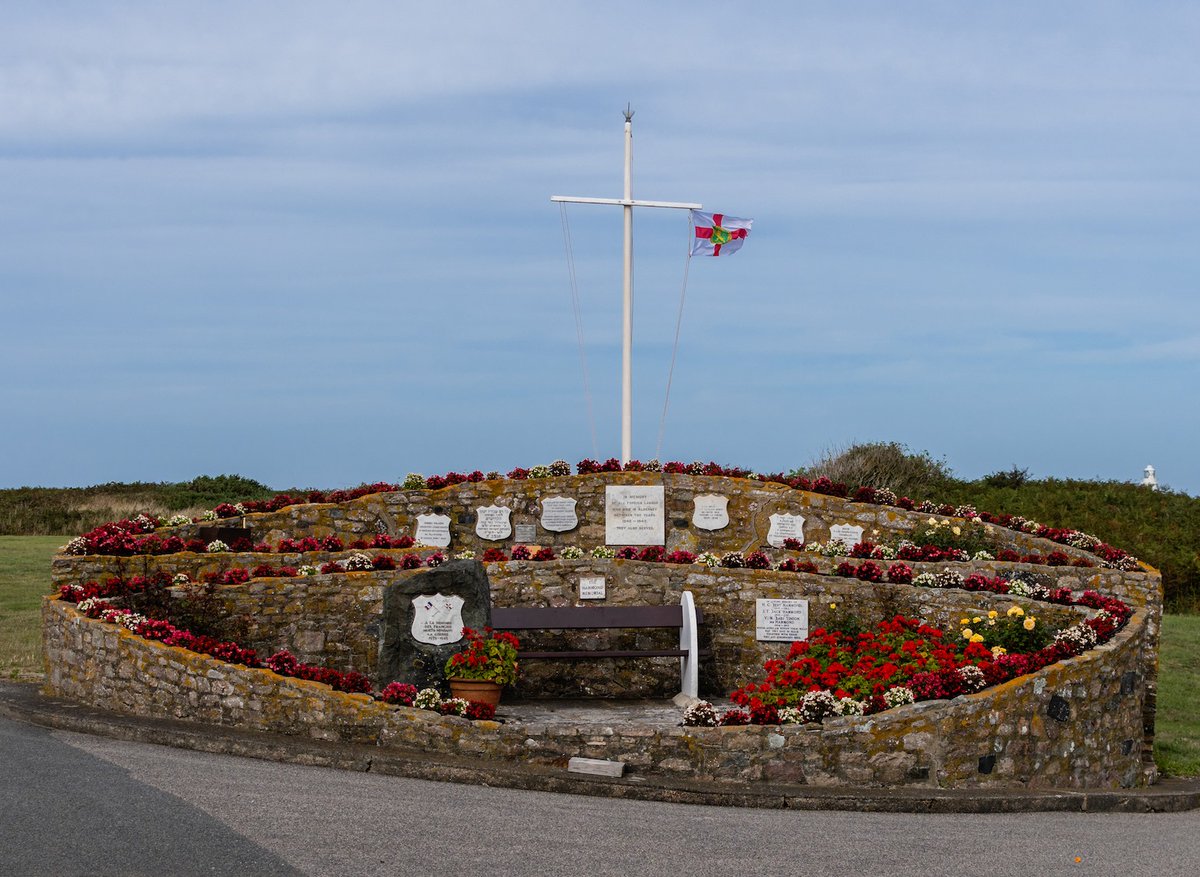
Today marks the 81st anniversary of Alderney’s liberation from German occupation during WWII. Alderney was the last Channel Island to be liberated, a week after VE Day.
We remember our island’s past, the resilience of our community, and the freedom we enjoy today.
1
200

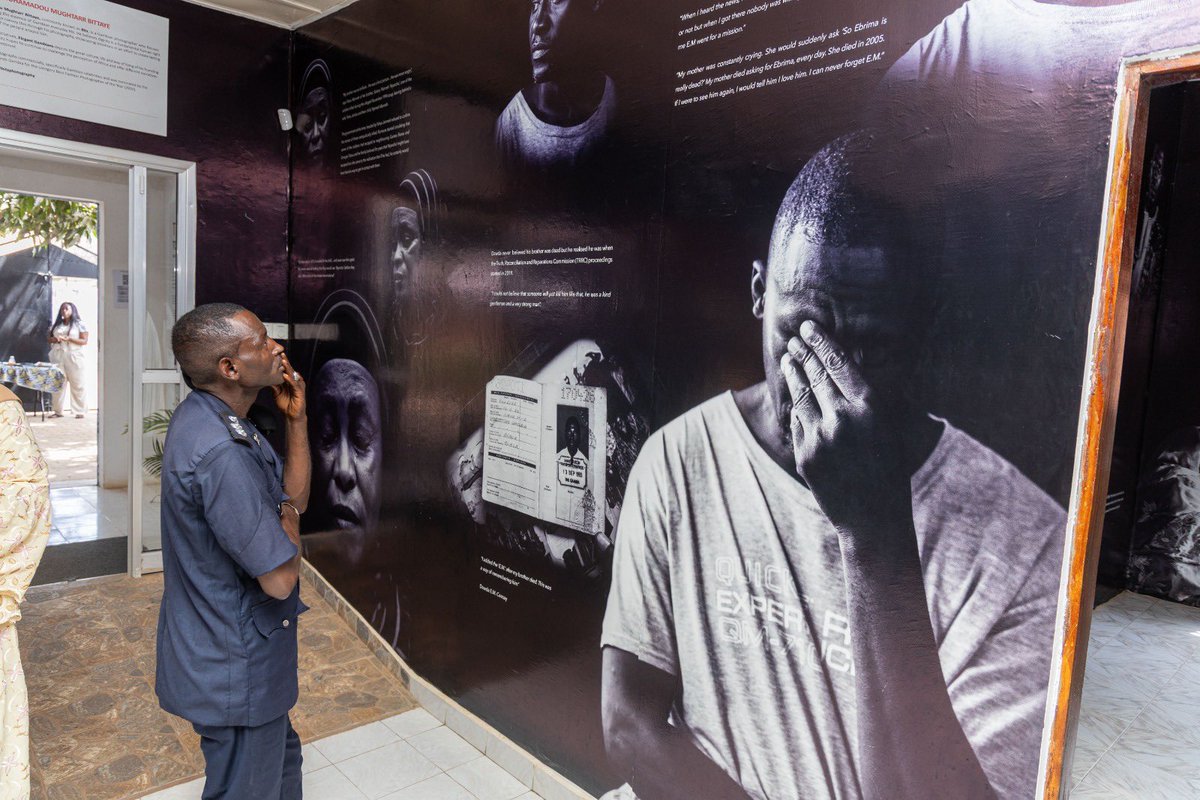
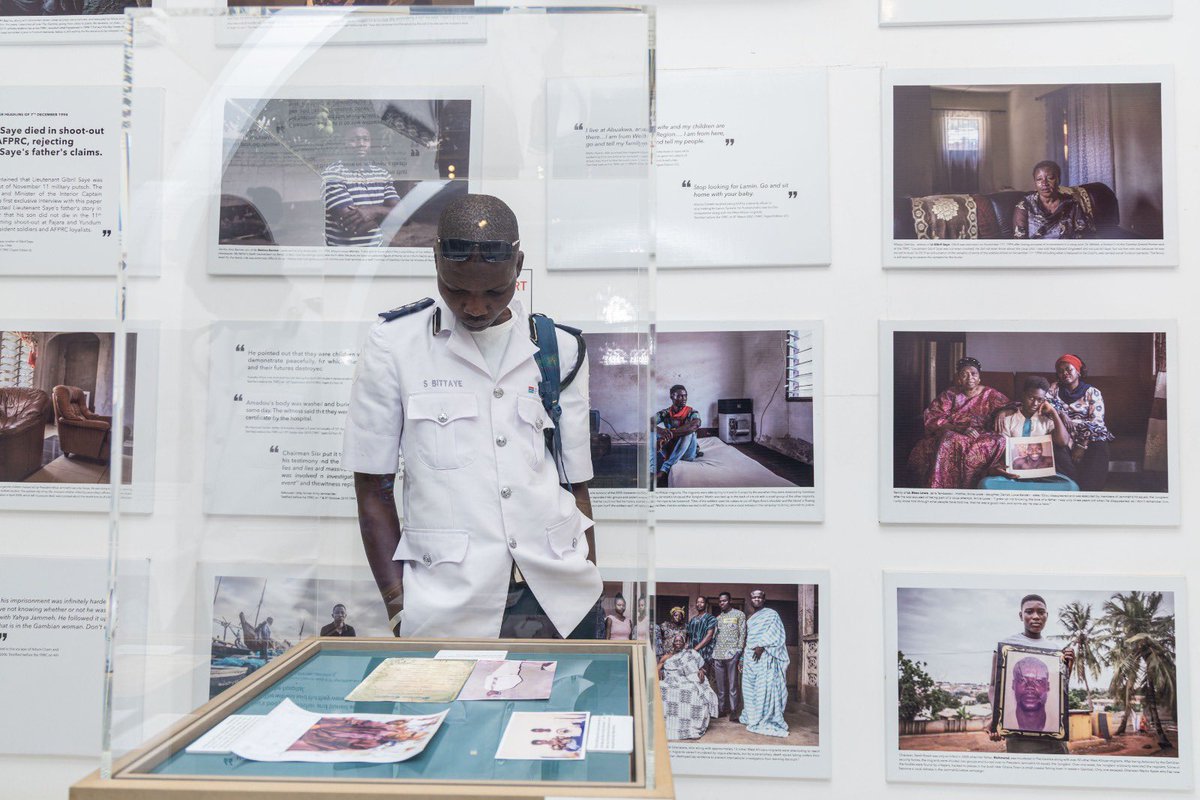
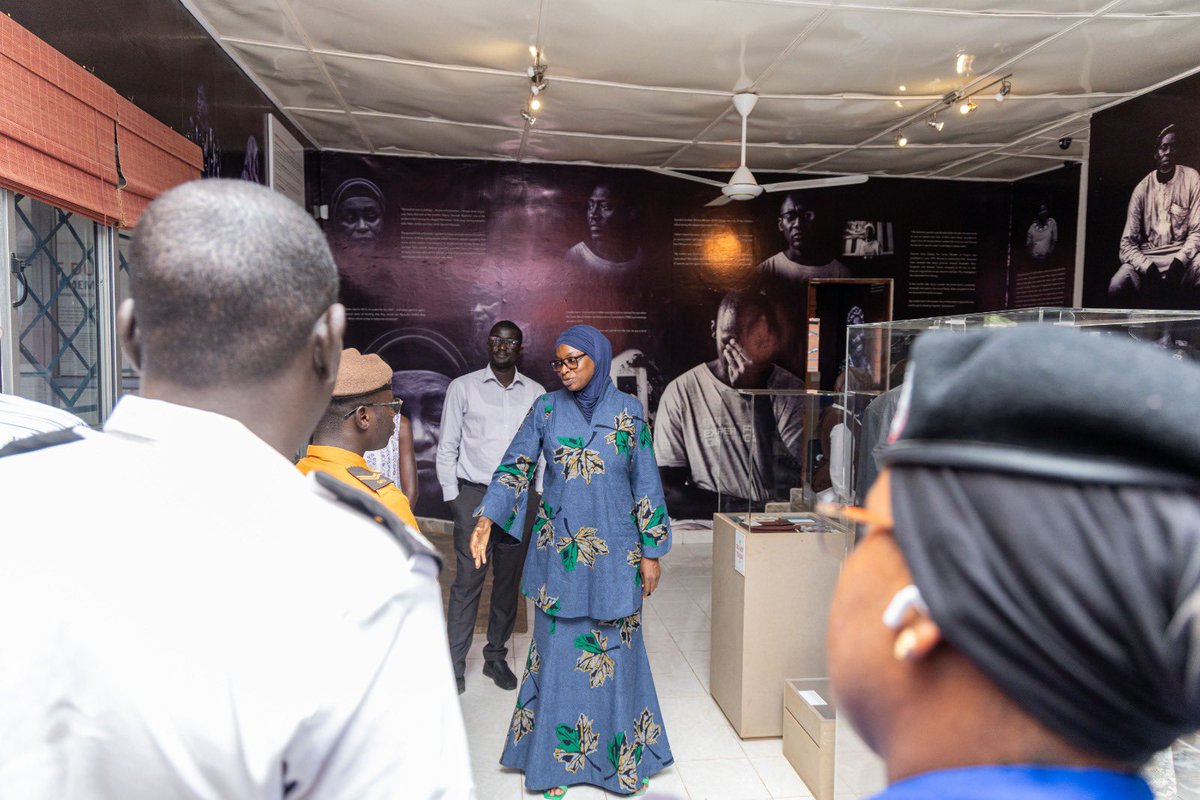
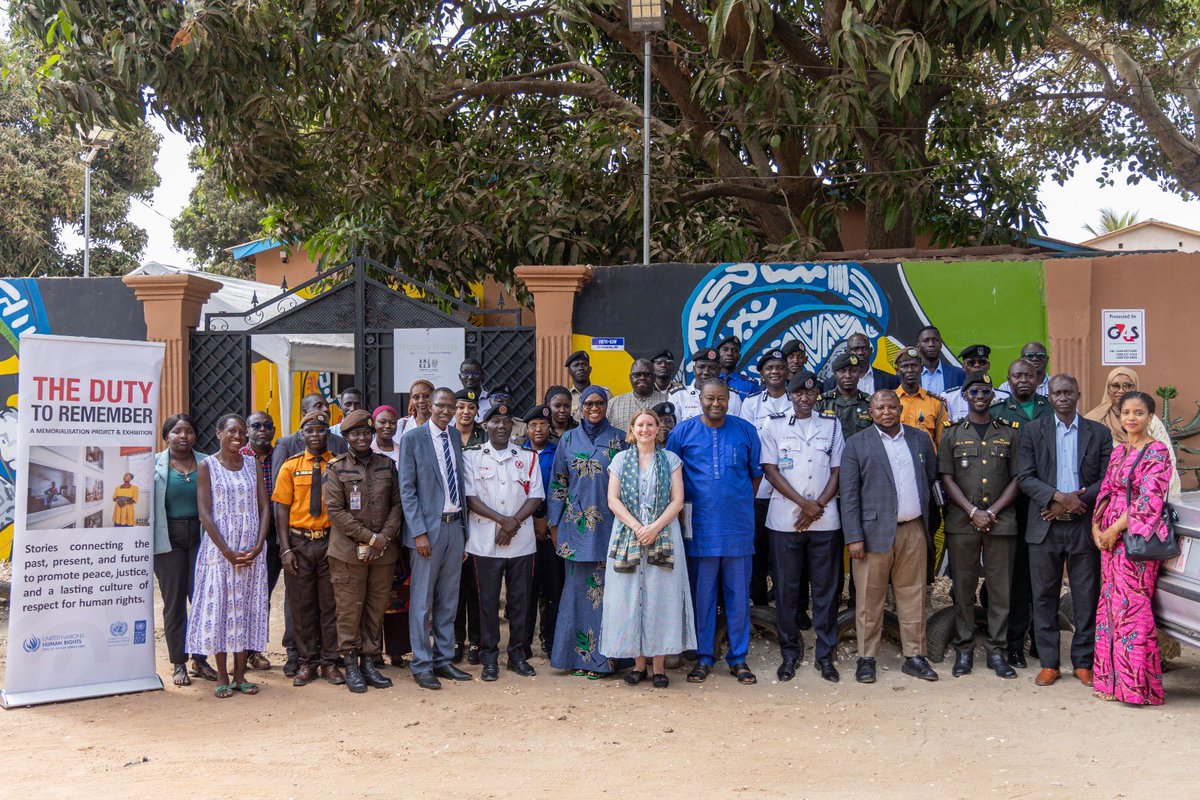
Congratulations @theANEKED @ons_Gambia @UniOfGambia @NHRCGambia on this historic partnership- strengthening HR education, accountability and professionalism with the security sector through memorialization.
Look at these pictures.
Remember.
#NeverAgain
1
3
66

Jun 9
One of the key lessons we learned from our “𝑀𝑢𝑠𝑖𝑐𝑎𝑙 𝑅𝑒𝑎𝑑𝑖𝑛𝑔 𝑃𝑒𝑟𝑓𝑜𝑟𝑚𝑎𝑛𝑐𝑒,” co-organized last month with Page Rwanda (@PageRwanda) and Memory Keepers Association – Baho, was the importance of a 𝐩𝐚𝐫𝐭𝐢𝐜𝐢𝐩𝐚𝐭𝐨𝐫𝐲 𝐚𝐩𝐩𝐫𝐨𝐚𝐜𝐡 in engaging young people in the memorialization process.
Feedback from both young people and parents highlighted children’s curiosity, as well as their uncertainty about what to ask and how to ask their parents about the past. At the same time, many parents expressed concerns about what to share and how to speak with their children about their experiences. We observed that the combination of art, oral storytelling, and writing helped open up these difficult yet important conversations.
By creating a safe and engaging space for dialogue, the initiative facilitated the intergenerational transmission of the memory of the 1994 Genocide against the Tutsi in Rwanda while helping families navigate sensitive memories and deep emotional wounds with care and empathy.
#GenocideEducation #DigitalMemory
174