

1 Dec 2025
From “Migration Patterns” by Dana Wall @WallDana_Author
.
.
.
#SWWIMEveryDay #SWWIMWithUs #Poetry #Poem #WomenPoets #WomenPublishingWomen #Ciswomen #TransWomen #Nonbinary #Intersex #GenderExpansive #Inclusive #MigrationPatterns #DanaWall #MondayPoem

ALT Image of open arched doorway with the quote "I am learning the architecture of absence" by Dana Wall
1
4
74

27 Jun 2025
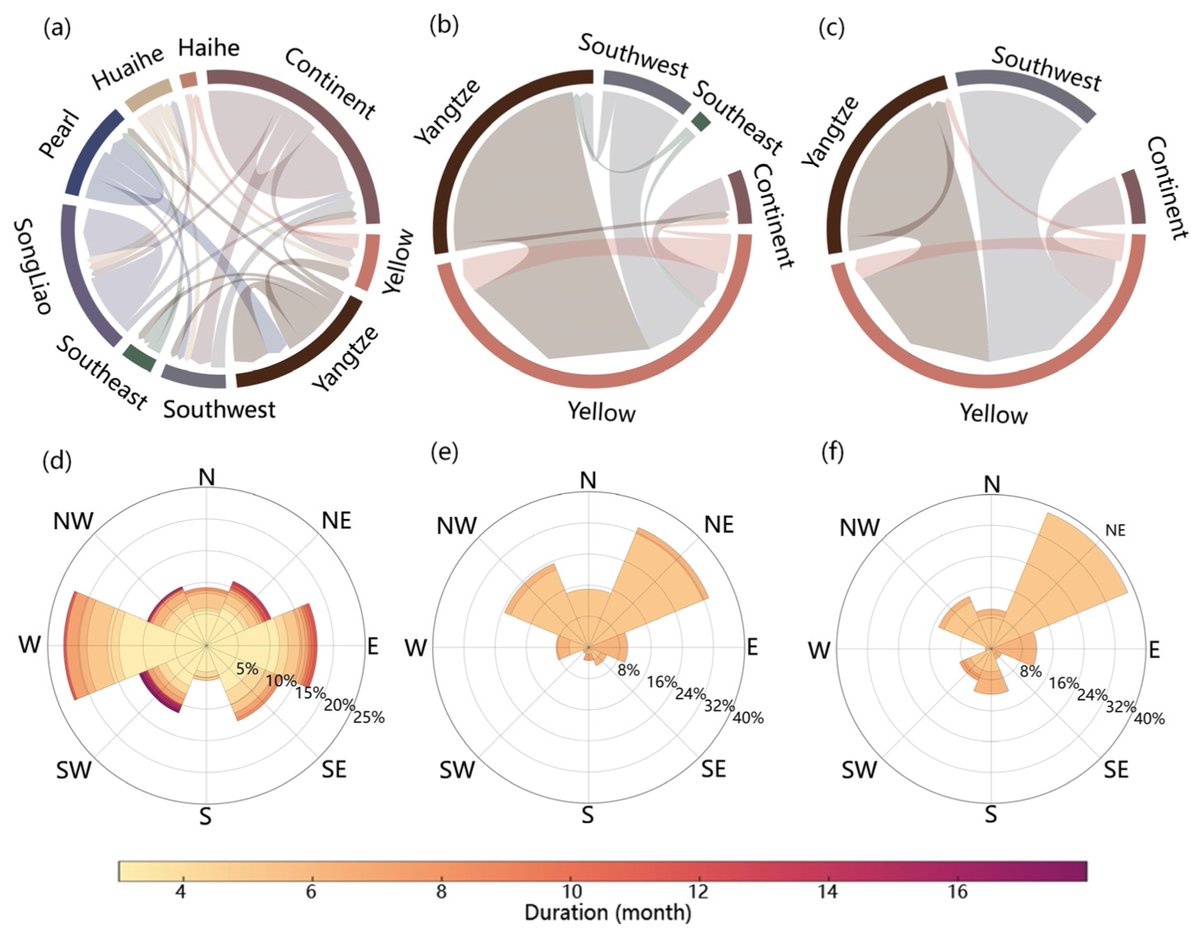
📉 Enhanced #ThreeDimensional (#3D) #Drought Tracking for Future #MigrationPatterns in #China Under #CMIP6 Projections
✍️ Sijia Wu, Ximing Chen, Jiejun Huang, Yanbin Yuan, Han Zhou and Liangcun Jiang
🔗 brnw.ch/21wTJFE
1
1
3
138


11 Feb 2025
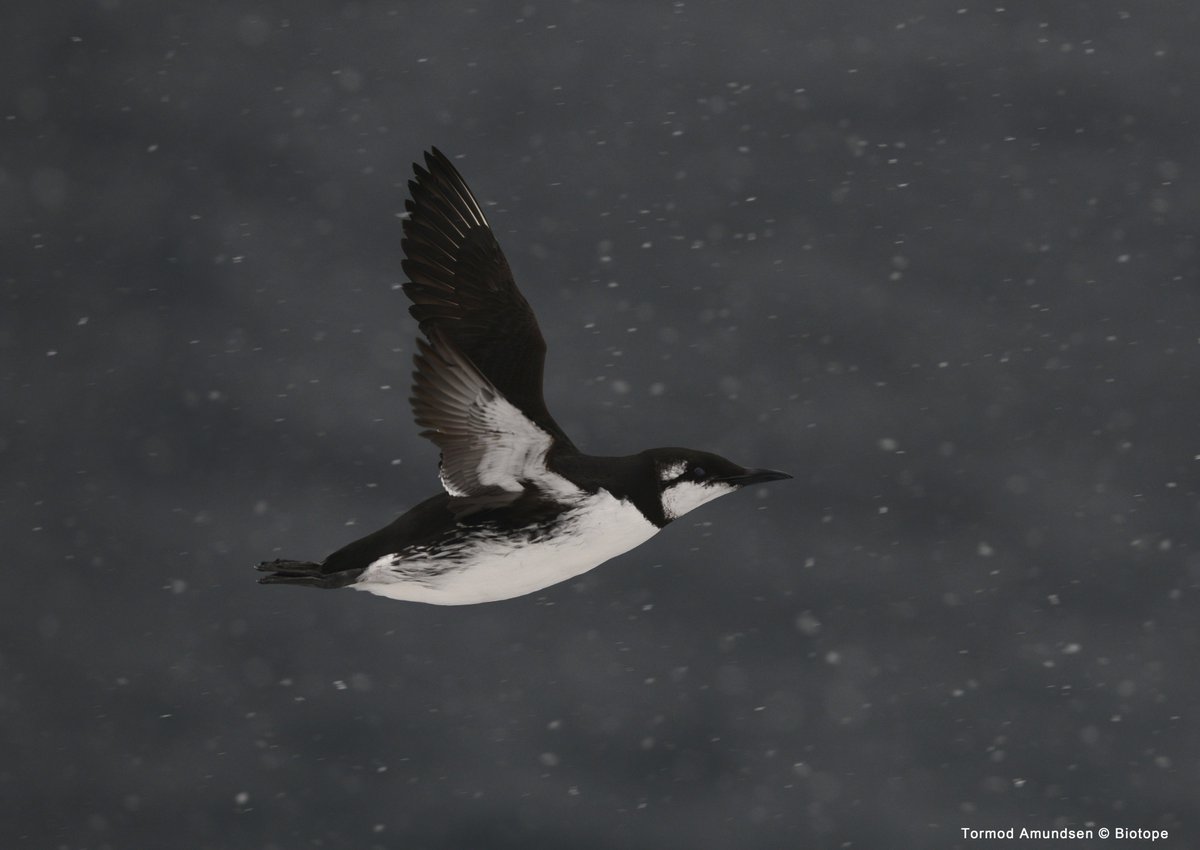
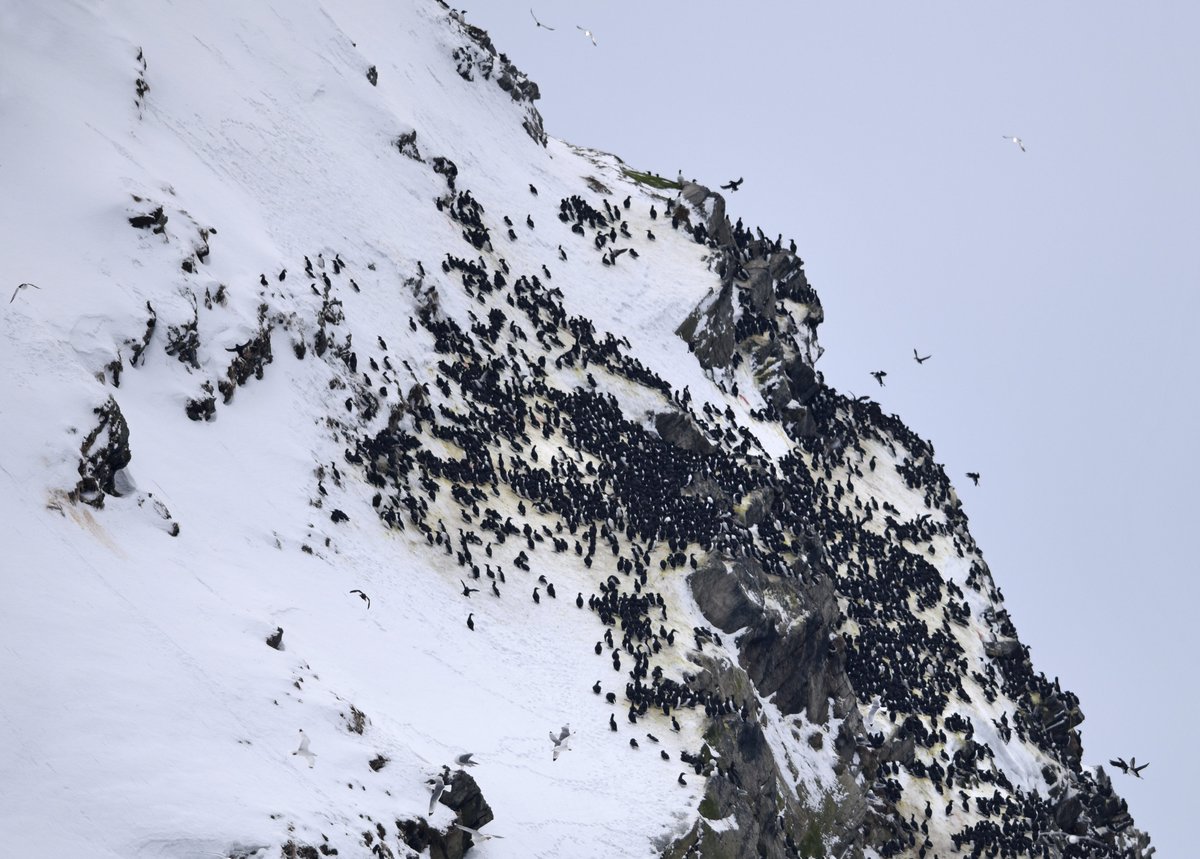
Post 3:📢 Huge shoutout to @BirgerKnudsen for the update on these incredible early arrivals! 🙌 Nature is showing us more unexpected surprises every day. Are we witnessing a shift in migration patterns? 🌍 Let us know your thoughts and sightings! 🐦 #Birds #MigrationPatterns
1
1
2
311

2 Jan 2025
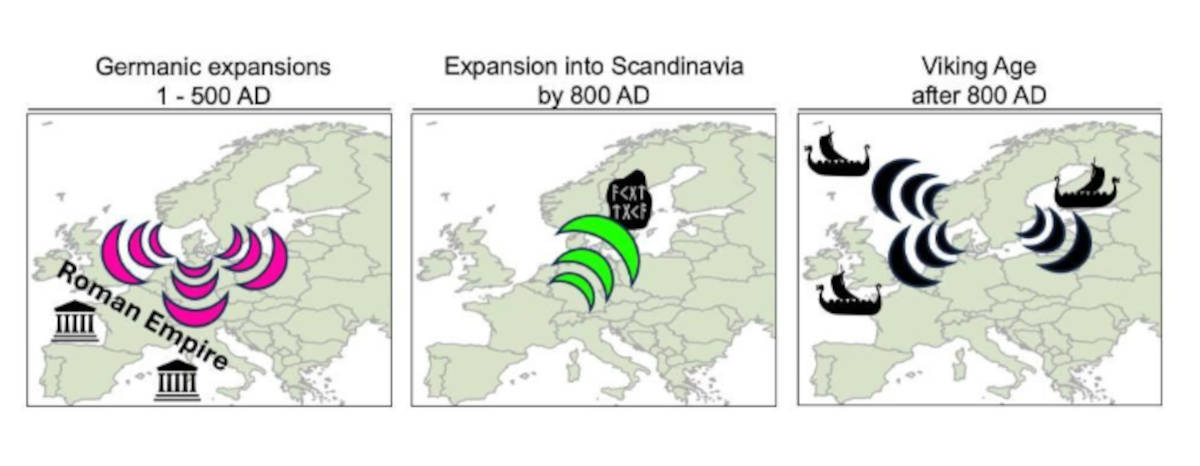
Genetic researchers at the Francis Crick Institute have unlocked some amazing secrets from a new method of ancient DNA analysis. They’ve been able to trace the movement of various genetic lineages across the European landscape in the first millennium AD, in the process detecting three distinct waves of migration that helped shape cultural and social evolution during this time period.
ancient-origins.net/news-evo…
#Genetics #AncientDNA #MigrationPatterns #VikingAge #IronAge
1
4
23
4,749

8 Nov 2024
यह तीसरे नंबर वाले पिछले 3500 सालों से भारतवर्ष को लूट रहे हैं। अब तो पूरी तरह से कब्जे में ले लिया।
पुरातन काल में भारत में माइग्रेशन करने वाले लोग मुख्यतः मध्य एशिया, अफगानिस्तान, ईरान, और आसपास के क्षेत्रों से आए थे। भारतीय उपमहाद्वीप में प्रवास के कई चरण हुए, जिनमें से कुछ मुख्य चरण निम्नलिखित हैं:
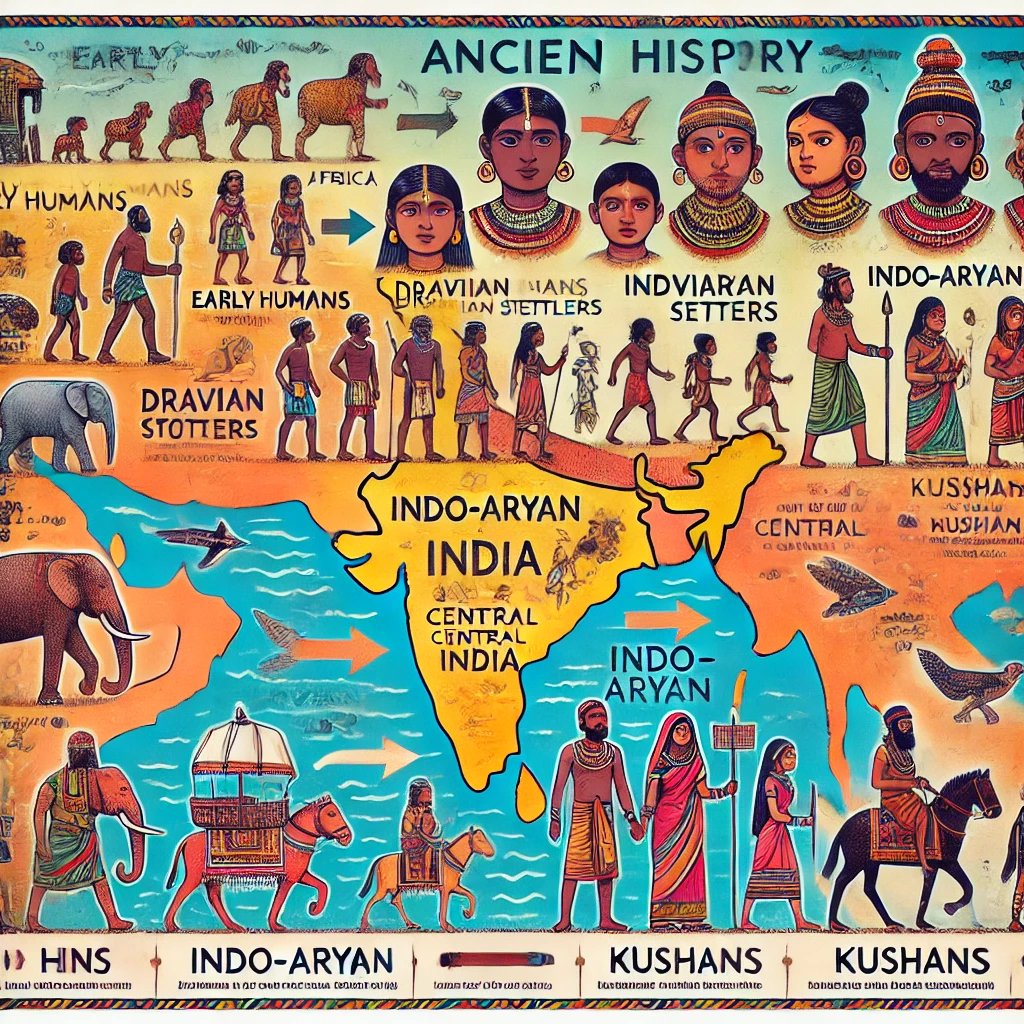
1. आदिम मानवों का प्रवास: लगभग 60,000 साल पहले अफ्रीका से आदिम मानवों ने भारत की धरती पर प्रवास किया। ये मानव समूह भारत के दक्षिणी तट और बाद में पूरे उपमहाद्वीप में फैल गए।
2. द्रविड़ जनजातियों का आगमन: यह माना जाता है कि द्रविड़ लोग संभवतः दक्षिण-पश्चिम एशिया से आए थे और वे भारतीय उपमहाद्वीप में सिंधु घाटी सभ्यता के निर्माण में सहायक रहे।
3. आर्यों का आगमन: लगभग 1500 ईसा पूर्व के आसपास आर्य लोग मध्य एशिया से भारतीय उपमहाद्वीप में आए। ये लोग वेदों और वैदिक संस्कृति को भारत में लेकर आए और उत्तरी भारत में स्थायित्व प्राप्त किया।
4. हूण, शक, और कुषाण जैसे समूहों का आगमन: मध्य एशिया से हूण, शक, और कुषाण जैसे अन्य समूह भी विभिन्न समयों पर भारत में आए और यहाँ की संस्कृति और राजनीति में अपना योगदान दिया।
इन प्रवासों के साथ-साथ भारत में अन्य छोटी जातियों और समूहों का भी आगमन हुआ, जिन्होंने भारतीय संस्कृति को विविधता और समृद्धि प्रदान की।
#AncientIndia #MigrationHistory #IndianCulture #HumanMigration #IndianHistory #Dravidian #IndoAryans #AncientCivilization #HistoryOfIndia #IndianHeritage #CulturalDiversity #BharatKiItihas #MigrationPatterns #AncientMigration #IndiaExplained
3
8
112

5 Jun 2024
When you're migrating from one system to another, you may want to do that migration incrementally. Consider using the Strangler Fig pattern as an approach to that migration:
bit.ly/3RYC01n
#DevIQ #SoftwareArchitecture #MigrationPatterns

562

1 May 2024
More Indian immigrants prefer Canada - find out why in our exclusive report👇:
magnumdigest.com/indian-immi…
#MigrationPatterns #Canada #IndianImmigrants #TrendReport #MagnumDigest
1
3
78

14 Feb 2024
🚨Afghan Returnees via Balochistan 🚨
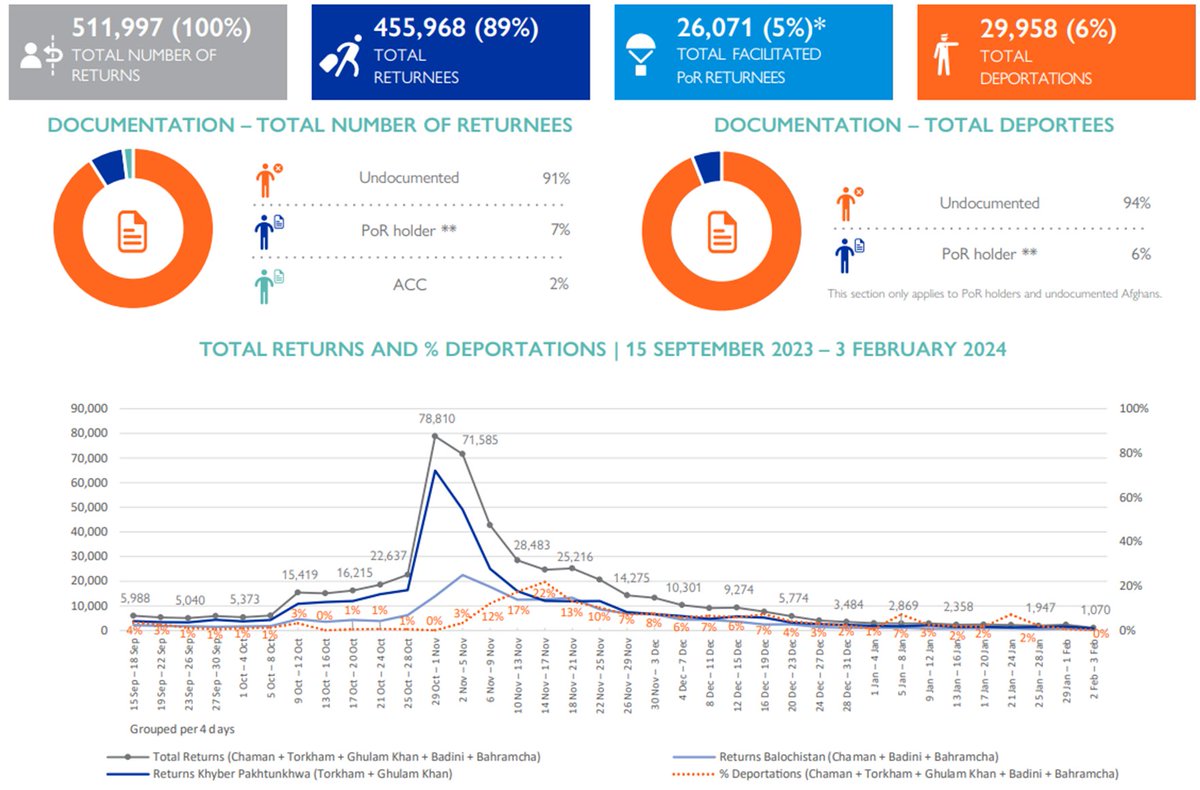
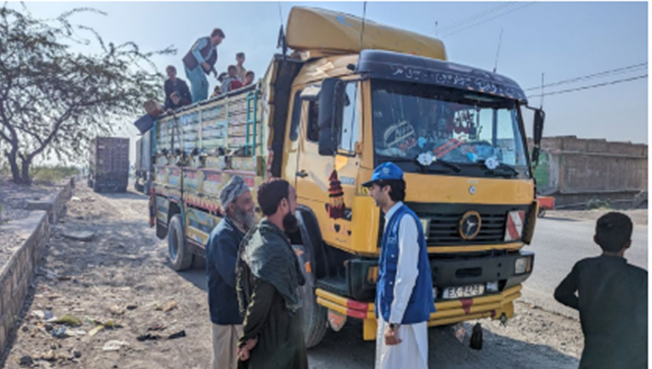
🔹 In the past two weeks, 7,600 Afghans returned through key border points in Balochistan, including Chaman and Badini.
🔹 Fear of arrest (89%) remains the primary reason for return, highlighting protection concerns.
🔹 Majority of returnees are undocumented (91%), underscoring the need for tailored support.
🔹 Vulnerable groups, comprising 4% of return flow, require targeted assistance for safe reintegration.
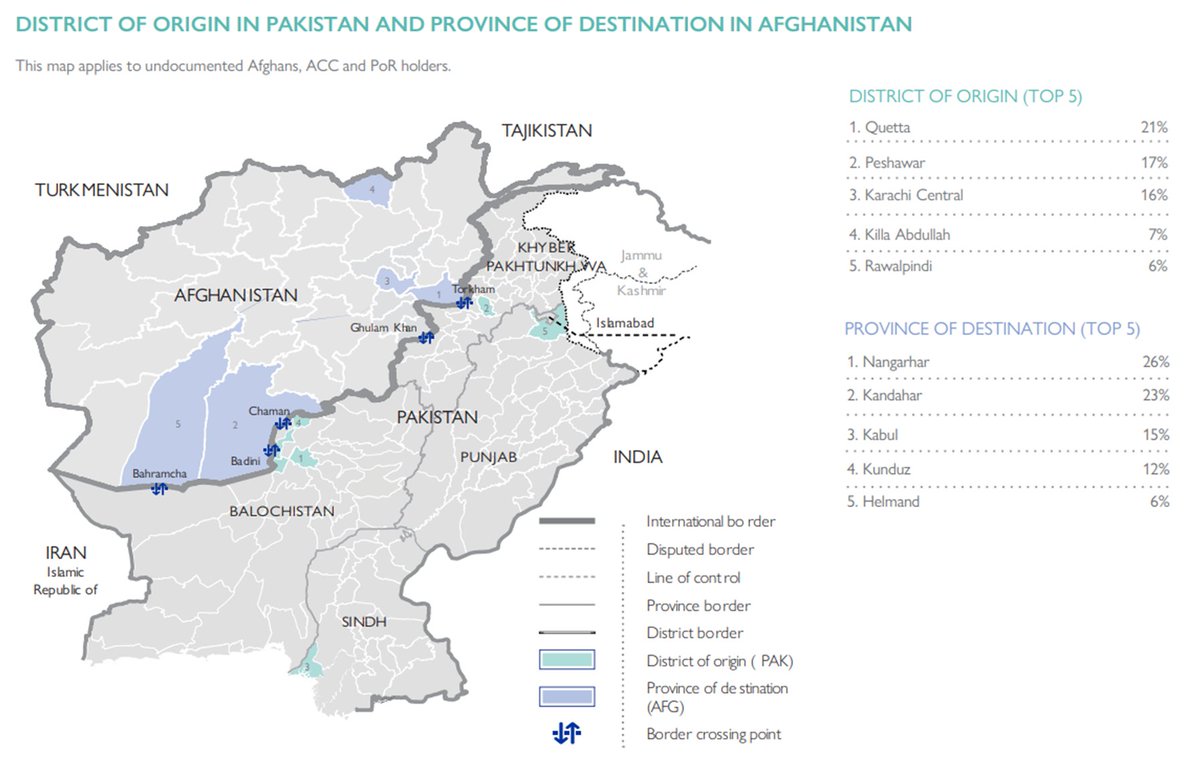
🔹 Quetta (21%) and Peshawar (17%) are primary origin points, with destinations including Nangarhar (26%) and Kandahar (23%).
Balochistan plays a critical role in Afghan repatriation, demanding coordinated efforts to address migration challenges and ensure the well-being of returnees.
The collation of data by UNHCR and IOM, prompted by the Ministry of Interior's "Illegal Foreigners' Repatriation Plan," signifies a proactive response to understand the dynamics surrounding Afghan nationals returning to Afghanistan from Pakistan. By focusing on the arrest, detention, and deportation of PoR holders, ACC holders, and undocumented individuals, as well as outflows at key border crossing points like Torkham and Chaman, a clearer picture of the protection environment and migration patterns emerges. This collaborative effort underscores the importance of data-driven approaches in shaping policies and interventions that uphold the rights and well-being of Afghan nationals during their repatriation journey. It also highlights the commitment of international agencies to support and advocate for the protection of vulnerable populations amidst evolving migration dynamics in the region.
Return Flow Patterns: Balochistan serves as a significant transit point for Afghan returnees, with border crossing points like Chaman, Badini, and Bahramcha witnessing movements. This indicates the province's role in facilitating repatriation from Pakistan to Afghanistan.
Demographic Composition: The majority of returnees through Balochistan are undocumented Afghans (91%), highlighting the prevalence of irregular migration patterns in the region. This demographic composition underscores the need for targeted support and assistance programs to address the specific needs of undocumented returnees.
Vulnerability Among Returnees: Approximately four percent of the return flow through Balochistan consists of vulnerable individuals, including chronically ill people, elderly individuals, and persons with disabilities. This underscores the importance of prioritizing protection and assistance measures for vulnerable populations during the repatriation process.
Reasons for Return: The primary reason cited for return among Afghan nationals through Balochistan is the fear of arrest (89%). This highlights the precarious legal status and protection concerns faced by Afghan migrants in Pakistan, necessitating comprehensive measures to address their rights and ensure their safe return to Afghanistan.
Destination and Origin Points: Returnees through Balochistan are most likely to originate from Quetta (21%) and Peshawar (17%) in Pakistan, intending to go to Nangarhar (26%), Kandahar (23%), and Kabul (15%) in Afghanistan. Understanding these migration patterns is crucial for planning and implementing reintegration assistance programs tailored to the needs of returnees in their respective destination areas.
#AfghanReturnees
#BreakingNews
#Balochistan
#balochistanrejectsmahrang
#MigrationStatistics
#BorderCrossings
#RefugeeReturns
#MigrationTrends
#HumanitarianResponse
#MigrationData
#MigrationMonitoring
#CrossBorderMovements
#MigrationPatterns
#VulnerableMigrants
#ReturneeSupport
#MigrationChallenges
#ForcedMigration
#MigrationPolicy
#BorderManagement
#MigrationResearch
#DisplacementTrends
#MigrationAssistance
#MigrationImpact
#AfghanReturn #Balochistan #MigrationData 🌐🤝
SOURCE:UNHCR-IOM FLASH UPDATE #15 of 07 Feb 2024 @Jan_Achakzai @anwaribrahim @Anwar @Refugees @anwaar_kakar @KunwarMoeez
1
11
16
2,426

17 Jan 2024

5
11
245
4 Jan 2024

6
2
14
258

20 Dec 2023
1️⃣ Transitioning into winter ❄️: As temperatures drop, bass start moving from shallower areas into deeper waters to find warmth and stable conditions. Understanding this migration is crucial for successful winter bass fishing. #WinterBassBehavior #MigrationPatterns
1
1
7

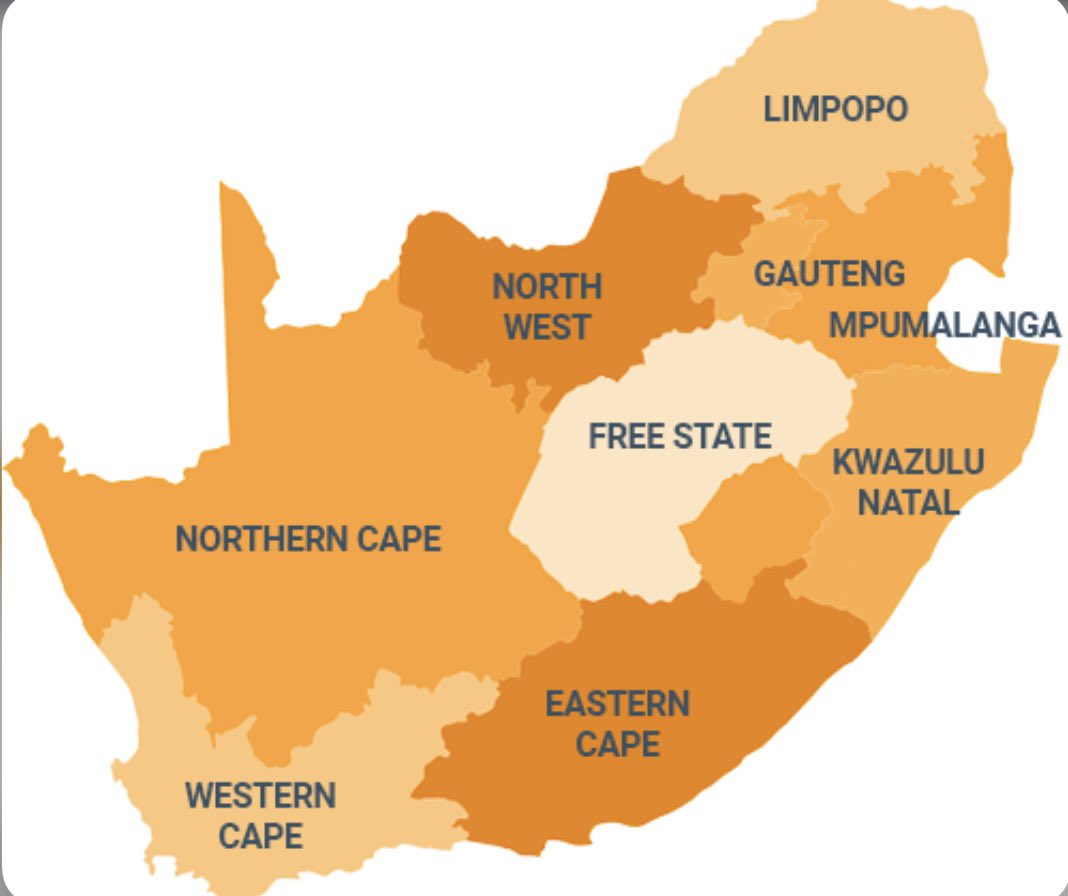
Have not yet started reading the report🙈 It seems like the Eastern Cape may be experiencing significant outward migration, while the Western Cape and Gauteng are likely seeing a higher influx of people.
#MigrationPatterns #SouthAfrica
#Statistics
11 Oct 2023

𝗣𝗿𝗼𝘃𝗶𝗻𝗰𝗶𝗮𝗹 𝗣𝗼𝗽𝘂𝗹𝗮𝘁𝗶𝗼𝗻 (𝗦.𝗔) (𝟮𝟬𝟮𝟮)
🌀Gauteng = 𝟭𝟱.𝟬𝟵 𝗺𝗶𝗹𝗹𝗶𝗼𝗻
🌀KwaZulu-Natal = 𝟭𝟮.𝟰𝟮𝗺𝗶𝗹𝗹𝗶𝗼𝗻
🌀Western Cape = 𝟳.𝟰 𝗺𝗶𝗹𝗹𝗶𝗼𝗻
🌀Eastern Cape = 𝟳.𝟮 𝗺𝗶𝗹𝗹𝗶𝗼𝗻
🌀Limpopo = 𝟲.𝟱𝟳 𝗺𝗶𝗹𝗹𝗶𝗼𝗻
🌀Mpumalanga = 𝟱.𝟭𝟰 𝗺𝗶𝗹𝗹𝗶𝗼𝗻
🌀North West = 𝟯.𝟴 𝗺𝗶𝗹𝗹𝗶𝗼𝗻
🌀Free State = 𝟮.𝟵𝟲 𝗺𝗶𝗹𝗹𝗶𝗼𝗻
🌀Northern Cape = 𝟭.𝟯𝟲 𝗺𝗶𝗹𝗹𝗶𝗼𝗻
2
96

13 Sep 2023
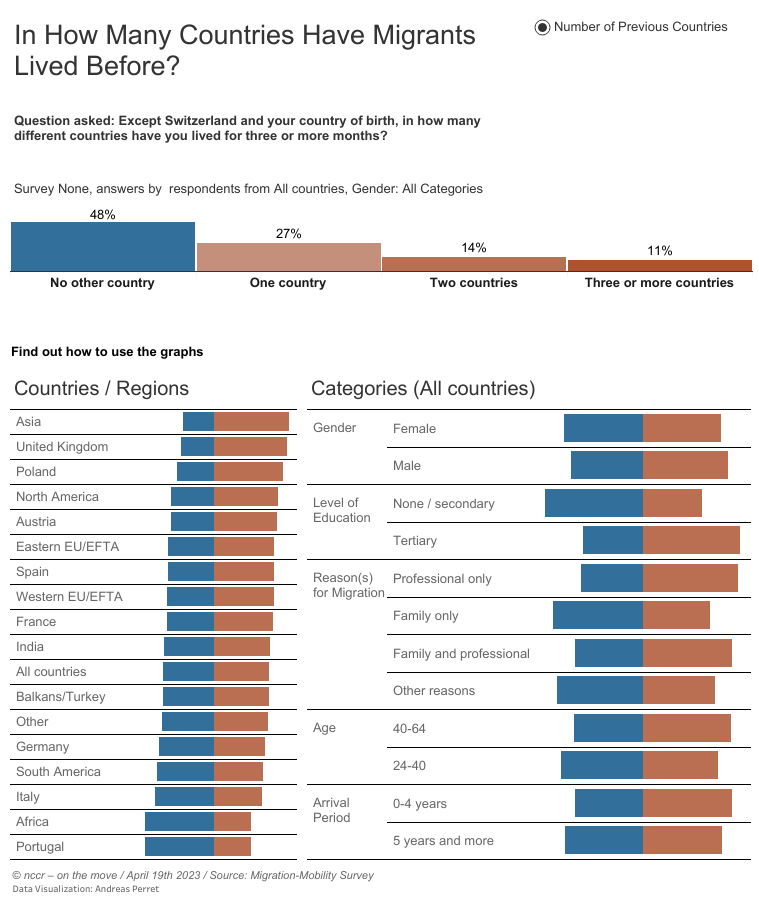
🌍 Did you know that nearly half of the Migration-Mobility Survey participants (48%) have exclusively lived in Switzerland and their countries of origin?
#MigrationPatterns
tinyurl.com/yjmkavez
1
1
4
943

10 Sep 2023
The study's detailed dataset unveils the complexity of global migration patterns, shedding light on the dominance of socio-economic factors over climate in driving migration. #MigrationPatterns #ClimateChange #SocioEconomics #GlobalResearch
telegraphindia.com/world/new…
1
3
1,187

24 Aug 2023
#birds #fire #wildfire #migrationpatterns #canada The #Homestretch with Chris dela Torre, Jenny Howe - Aug. 21, 2023: #BrianKeating on smoke and birds cbc.ca/listen/live-radio/1-9… @GoingWildTV
2
105

18 Aug 2023
Sequencing genes of Iron and #BronzeAge peoples to better understand early Mediterranean #migrationpatterns @NatureEcoEvo doi.org/gsmkk6 phys.org/news/2023-08-sequen…
1
9
34
8,398