
16 Jun 2025
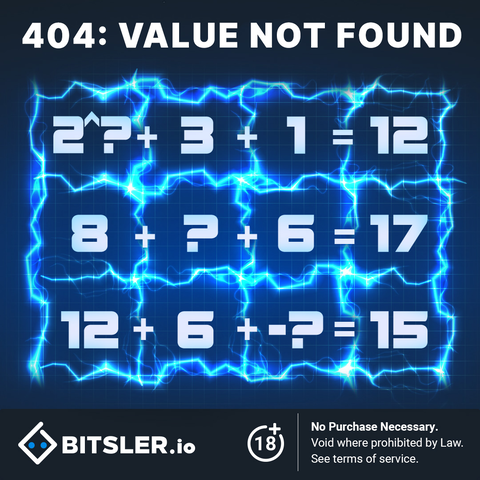
🚨 404: Value Not Found!
Looks like this equation needs a genius. Can you solve it?
📥 Drop your answer #BITSLERio #MissingValue
🎁 10 winners take home 50,000 GC 5 Free SC!
⏰ Ends June 18th at 11:59PM UTC.
53
7
19
1,099

24 Oct 2024
As a @SASsoftware programmer, you'll know #SAS displays a dot (.) to represent a numerical #missingvalue. Rick Wicklin shares the two ways in which you can override the default display value. Do you use these techniques?
#SASusers #SAStip #SASprogrammer
blogs.sas.com/content/iml/20…
1
2
57
4 Oct 2024
As a @SASsoftware programmer, you'll know #SAS displays a dot (.) to represent a numerical #missingvalue. Rick Wicklin shares the two ways in which you can override the default display value. Do you use these techniques?
#SASusers #SAStip #SASprogrammer
blogs.sas.com/content/iml/20…
1
2
2
68

17 Jun 2024
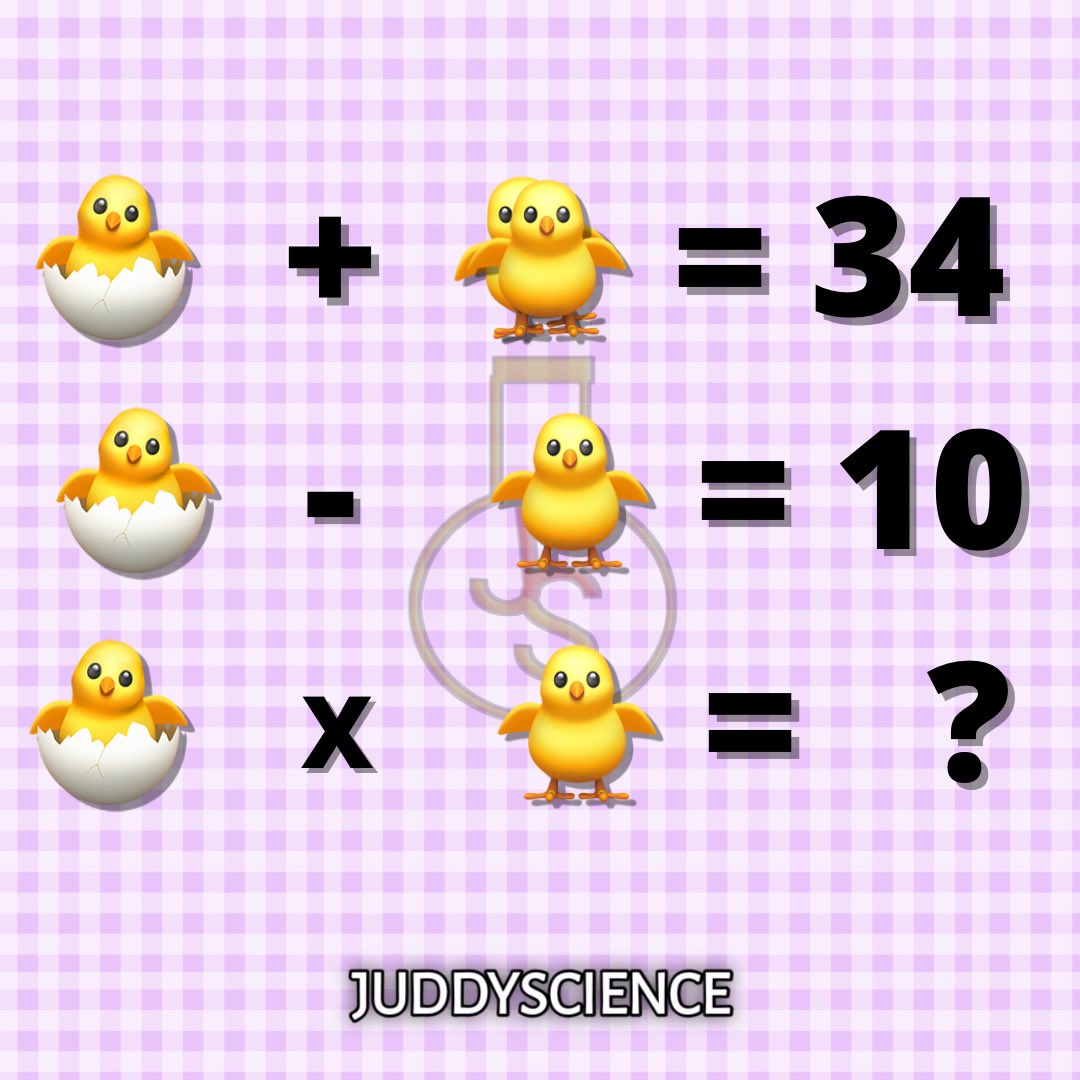
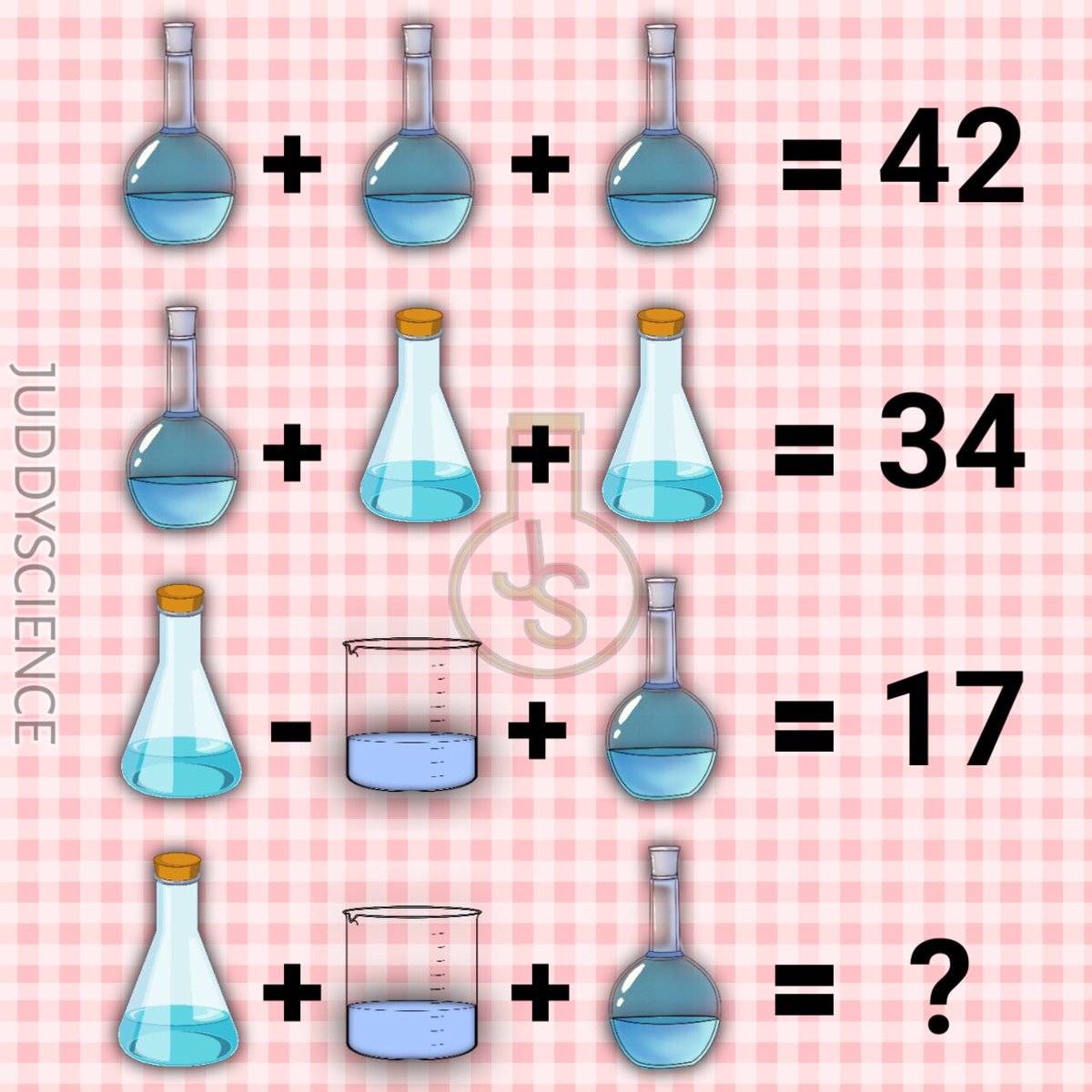
Can you solve this math puzzle? 🧩
#brainteaser #brainchallenge #missingvalue #maths #mathpuzzle #levelup #with #juddyscience
1
1
28

7 Sep 2023
Understanding and Handling Missing Values in Data Analysis
1/ 🧩 Introduction to Missing Data:
Every researcher or data analyst has encountered the pesky problem of missing data. Whether it's a survey where respondents skipped questions or equipment that failed mid-experiment, gaps in datasets are inevitable.
2/ 🧐 Why care about Missing Values?
Missing values can distort the representativeness and reliability of results. Ignoring or improperly handling them might lead to biased, incorrect, or misleading conclusions.
3/ 🕵️ Testing for Missing Values:
Before diving into analysis, always check for missing values. In many programming environments, like R or Python, functions like is.na() or isnull() are your first stop.
4/ 📊 Types of Missingness:
• MCAR (Missing Completely At Random): Purely random, not related to any variable.
• MAR (Missing At Random): Missingness relates to observed data.
• MNAR (Missing Not At Random): Missing relates to unobserved data. Trickiest to handle!
5/ 🩹 Simple Techniques to Handle Missing Data:
• Listwise Deletion: Remove any instance (row) that has a missing value. But you might lose a lot of data!
• Mean/Median/Mode Imputation: Fill missing values with the mean, median, or mode. Quick but can reduce variability.
6/ 🚀 Advanced Methods:
• Multiple Imputation: Create multiple filled-in datasets. Analyze separately and combine results.
• KNN Imputation: Use K-Nearest Neighbors to guess the missing value based on similarity.
• Model-Based Imputation: Use regression models or ML techniques like Decision Trees to predict missing values.
7/ 📚 Using Libraries:
In R, packages like mice or Amelia can be handy for multiple imputation. In Python, scikit-learn has an Imputer class, and there's also the fancyimpute package.
8/ 🚧 Caution When Handling Missing Data:
• Always understand WHY data might be missing.
• Always analyze the pattern of missingness.
• Avoid filling in missing values without a solid methodological reason.
9/ 💡 Final Thought:
While there are many techniques for handling missing values, no one-size-fits-all. The method should be based on the nature of your data, the analysis you plan, and the missingness type.
10/ 📖 Further Reading:
Consider delving into statistical literature on missing data. Book by Little & Rubin are considered seminal in this field. books.google.com.tr/books?id…
11/ 🗣️ Engage:
Have you encountered missing data in your work? What strategies did you employ? Let's share and learn together. Comments, retweets, and likes appreciated! 🙏
#DataScience #Statistics #MissingValue

5
97
308
44,039

2 Jun 2023
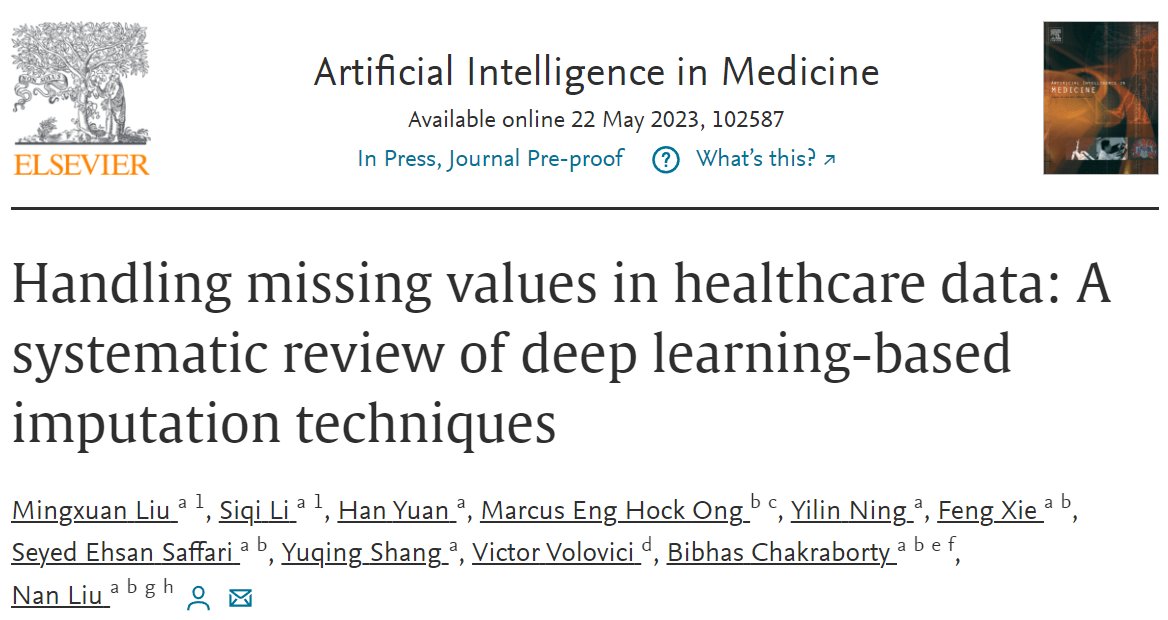
Handling missing values in healthcare data is challenging. While there are numerous methods, deep learning has played an important role, particularly in dealing with different types of data.
#AI #Medicine #MissingValue #Imputation
sciencedirect.com/science/ar…
6
27
1,557

8 May 2023
Non so cosa manchi di più ultimamente.
Indecisa fra educazione, situazioni grottesche, mancanza di rispetto o esaltazione del nulla.
Decidete voi.
#missingvalue
1
1
8
274

21 Dec 2022
Don't let missing age group information hold your products back!
Our blog has the tips and tricks you need to fix this issue and get your products approved on Google Merchant Centre. #MerchantCentre #missingvalue #agegroup
(5-10 min read) 👇
tillison.co.uk/blog/missing-…
2
3
129
10 Sep 2022
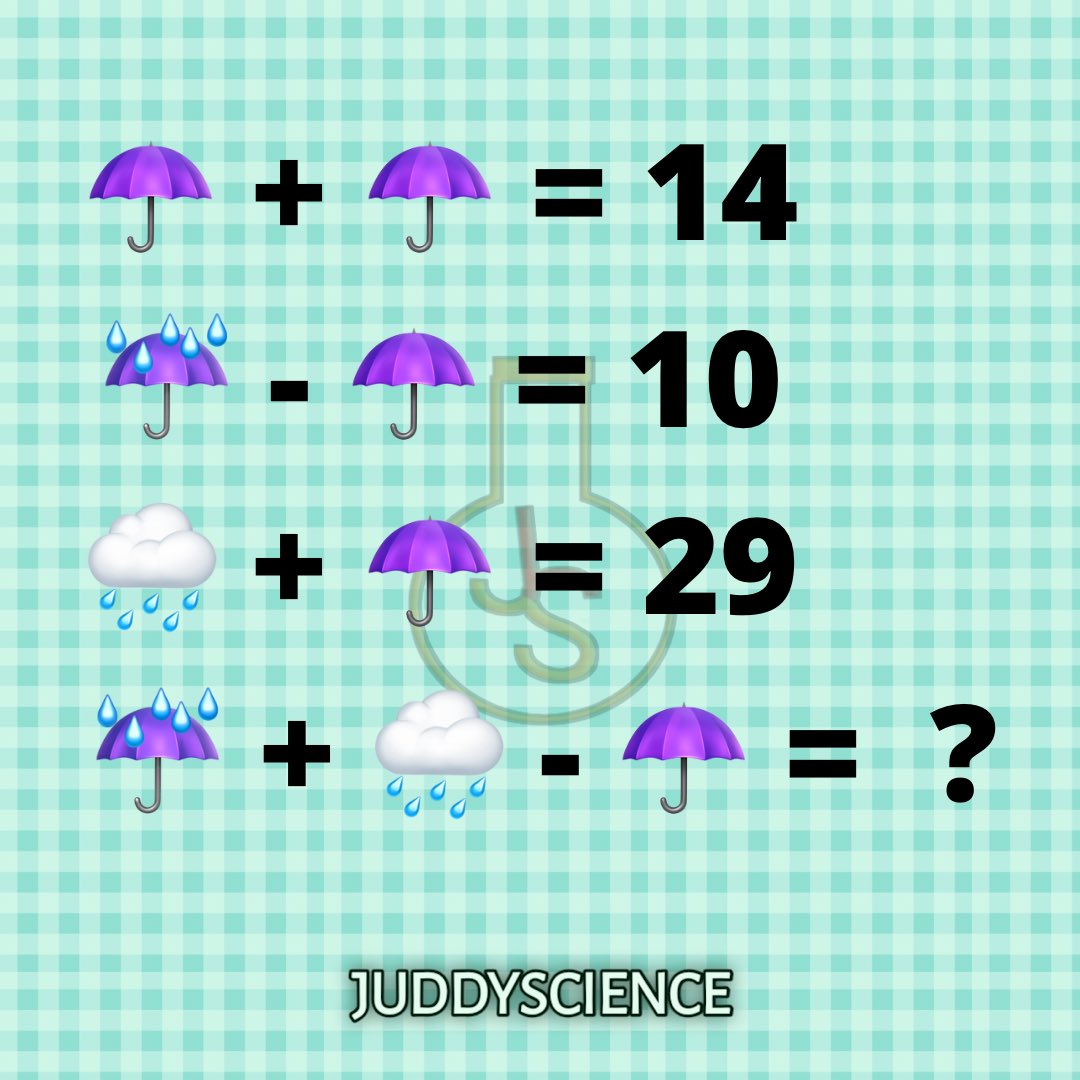
Give the missing value. #brainteaser #brainchallenge #missingvalue #maths #mathpuzzle #levelup #with #juddyscience
2
3
2 Jun 2022
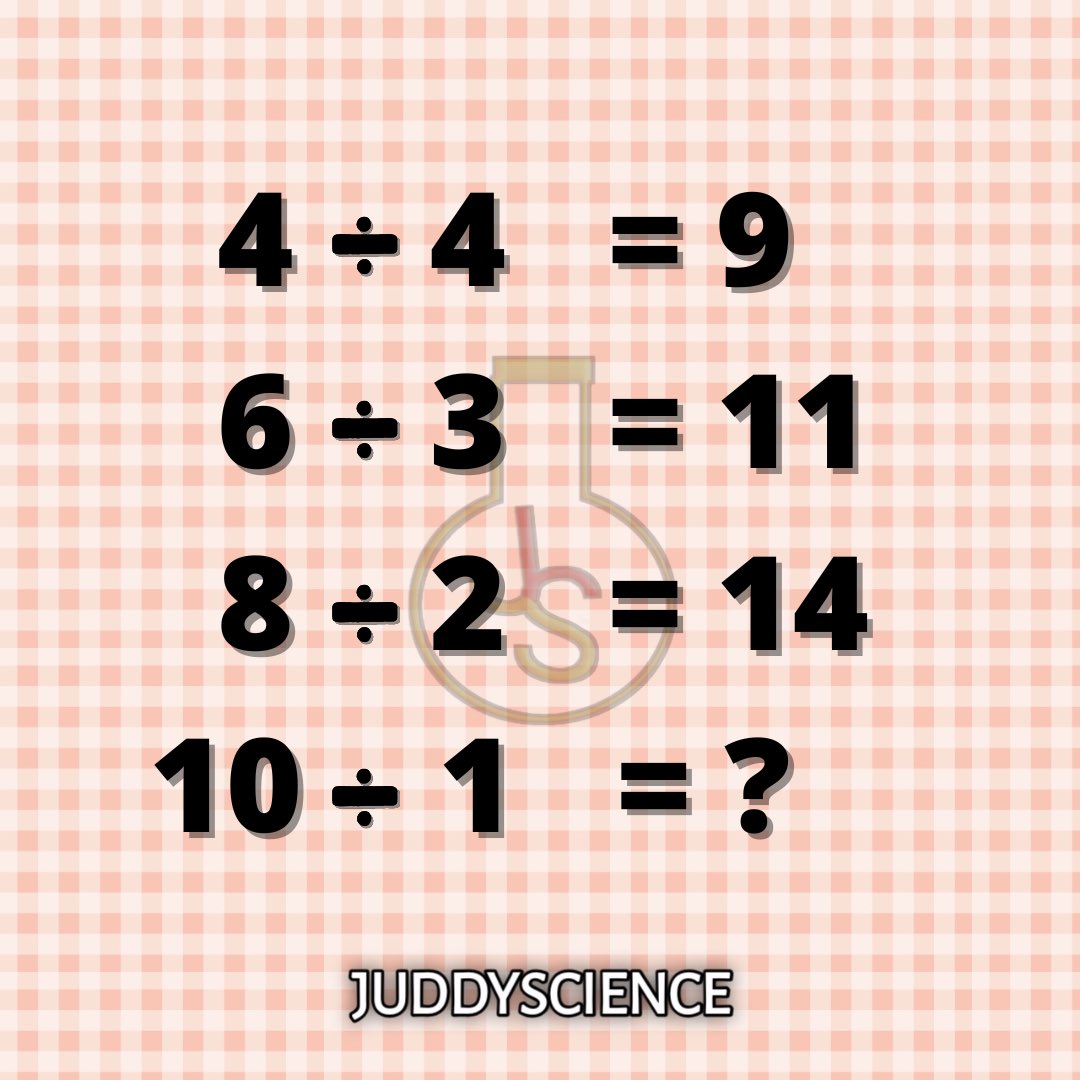
Give the missing value. #brainteaser #brainchallenge #missingvalue #maths #mathpuzzle #levelup #with #juddyscience
5
5
30 Apr 2022
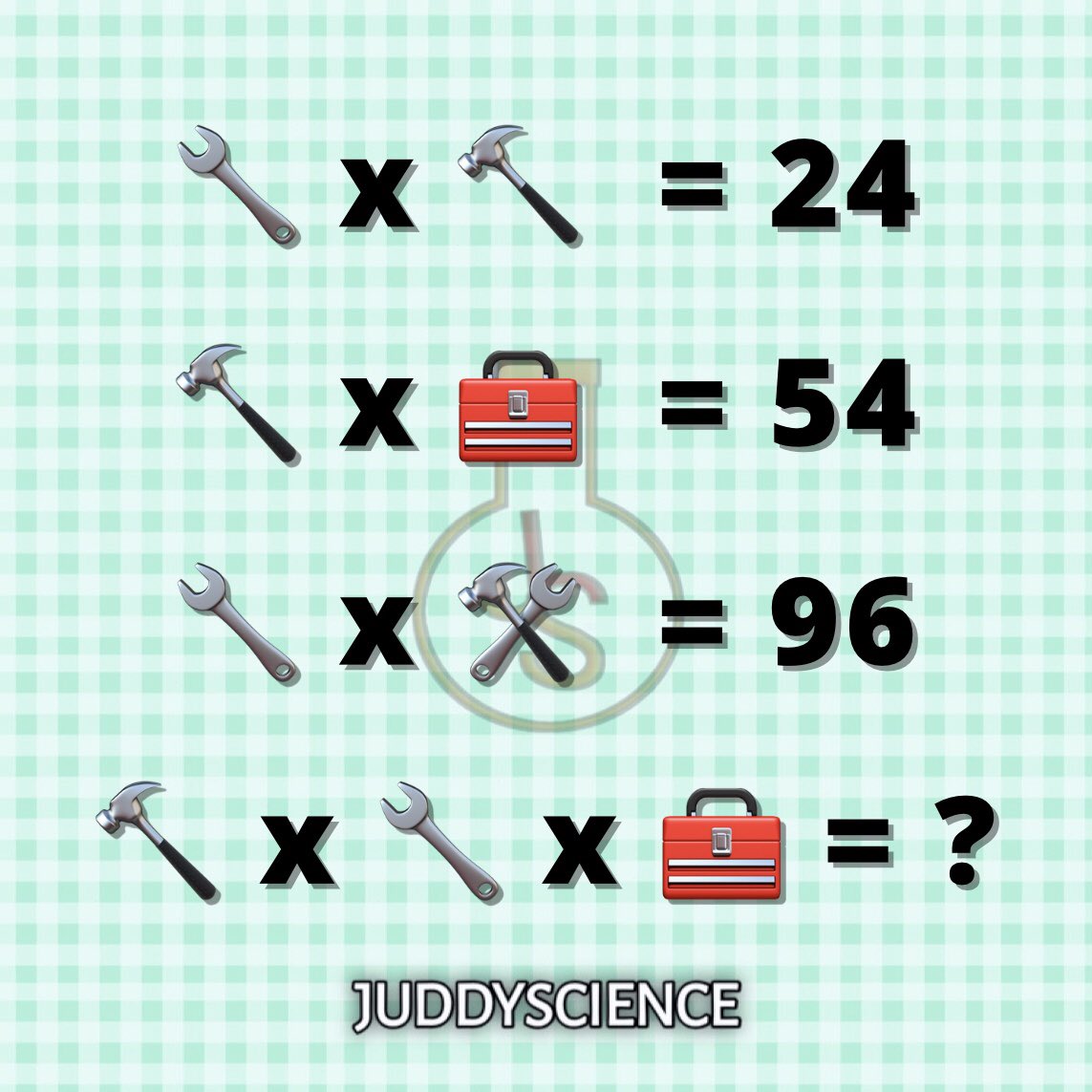
Give the missing value. #brainteaser #brainchallenge #missingvalue #maths #mathpuzzle #levelup #with #juddyscience
2
1
4

18 Mar 2022
Güne SPSS de missing value ayıklamakla başlamak🥰 Ön hazırlık bir an önce bitsin de; ara data yapı geçerliliğini sağlamış mı diye merakımdan uyuyamayıp sabahın köründen itibaren SPSS başında olmak😅 #SPPS #missingvalue
1
4
28 Apr 2021
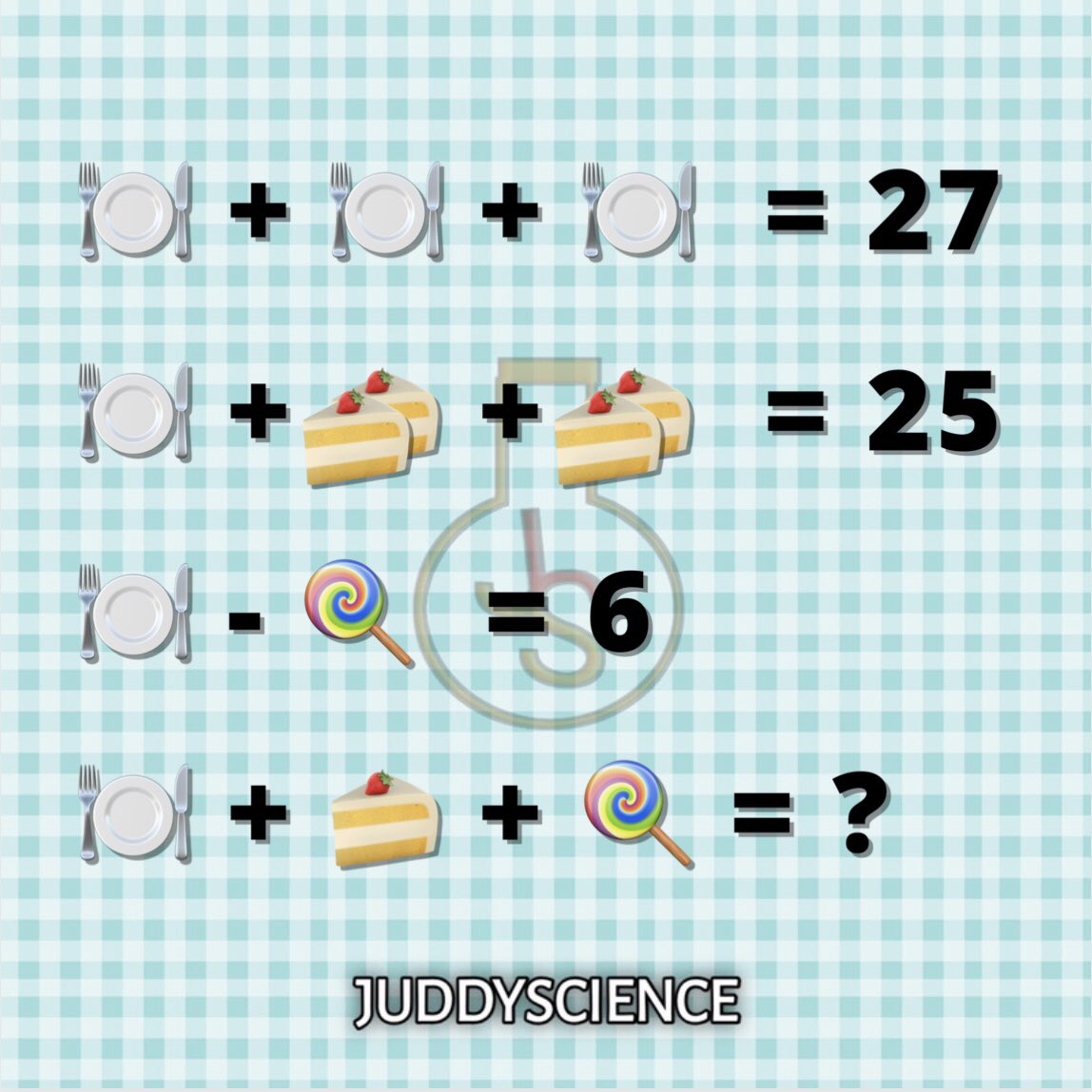
Give the missing value. #brainteaser #brainchallenge #missingvalue #maths #mathspuzzle #levelup #with #juddyscience
1
1
3

8 Apr 2021
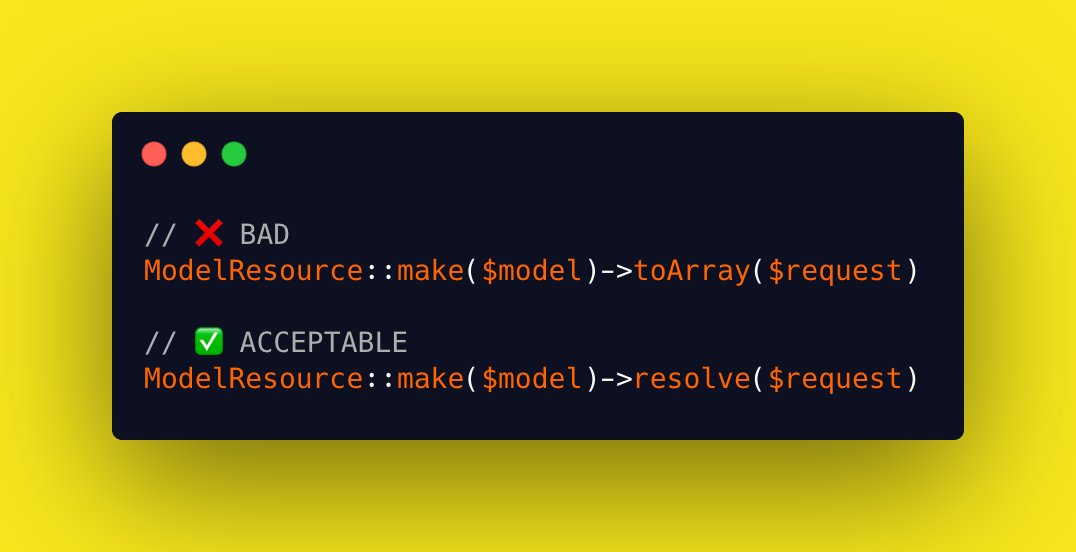
In case you need the data array of a #Laravel API resource - to merge it or whatever.
Never use `toArray()` on the resource - instead use `resolve()`.
`toArray()` returns the `MissingValue()` instances of `$this->when()` calls and so on.
Only `resolve()` returns the final array.
1
5
28
19 Mar 2021
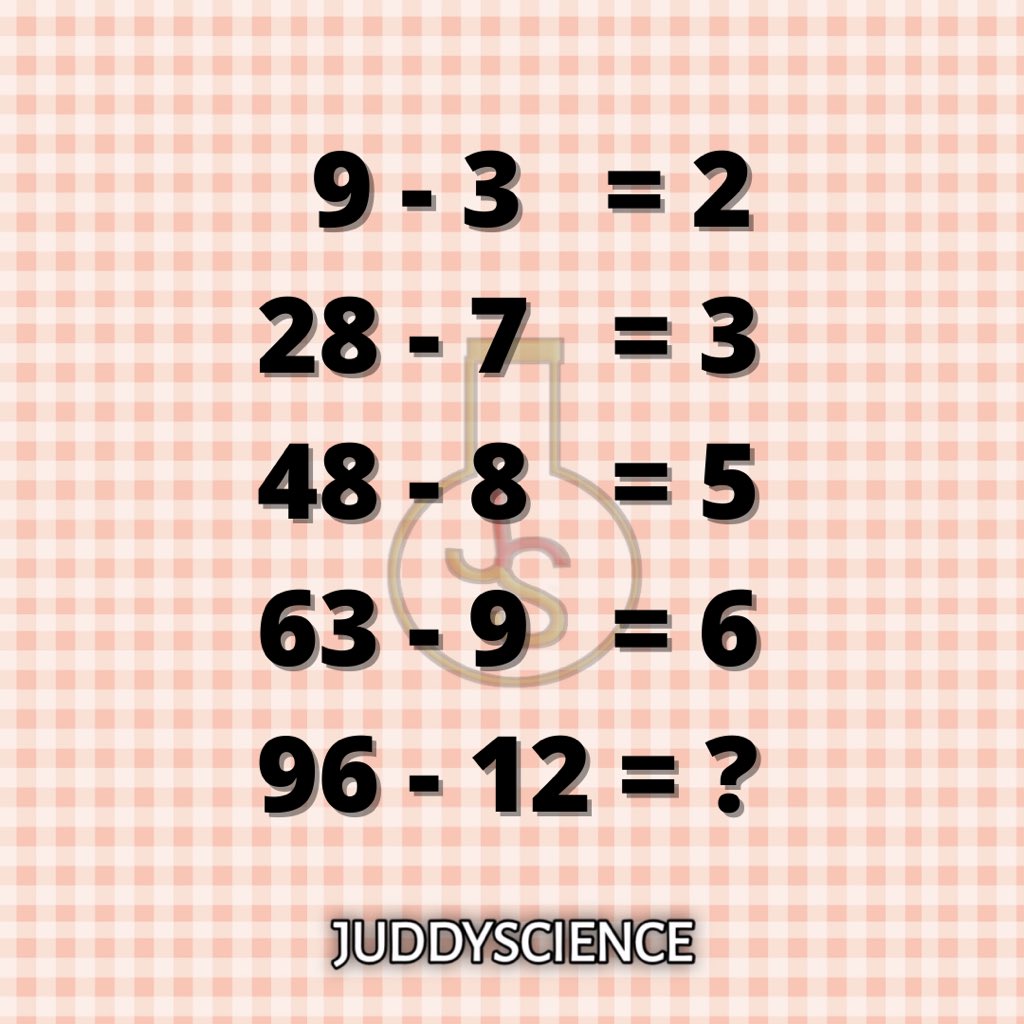
Give the missing value. #brainteaser #brainchallenge #missingvalue #maths #mathspuzzle #levelup #with #juddyscience
1
20 Jan 2021
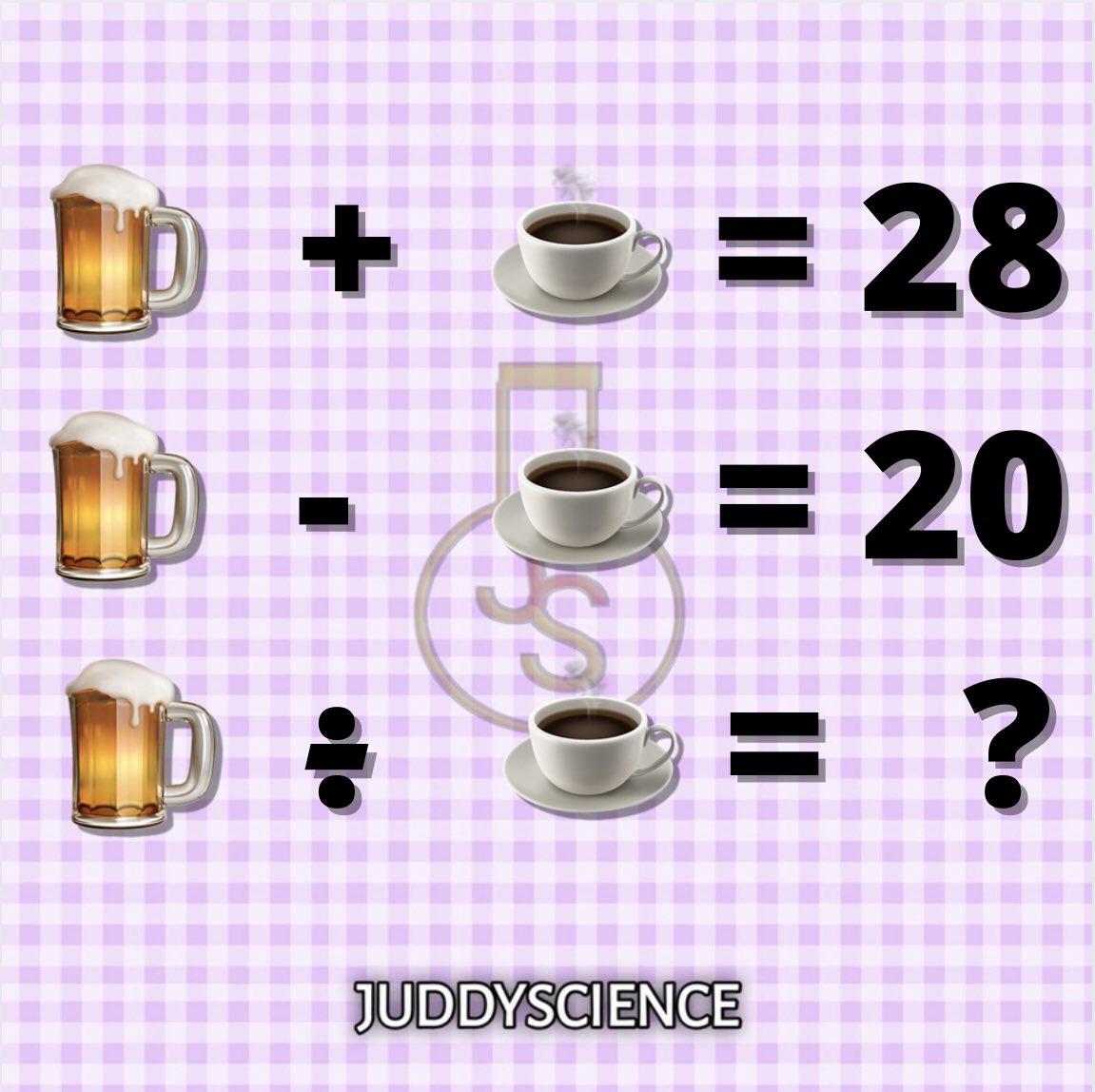
Give the missing value. #brainteaser #brainchallenge #missingvalue #maths #mathspuzzle #juddyscience
1
1
11 Jan 2021
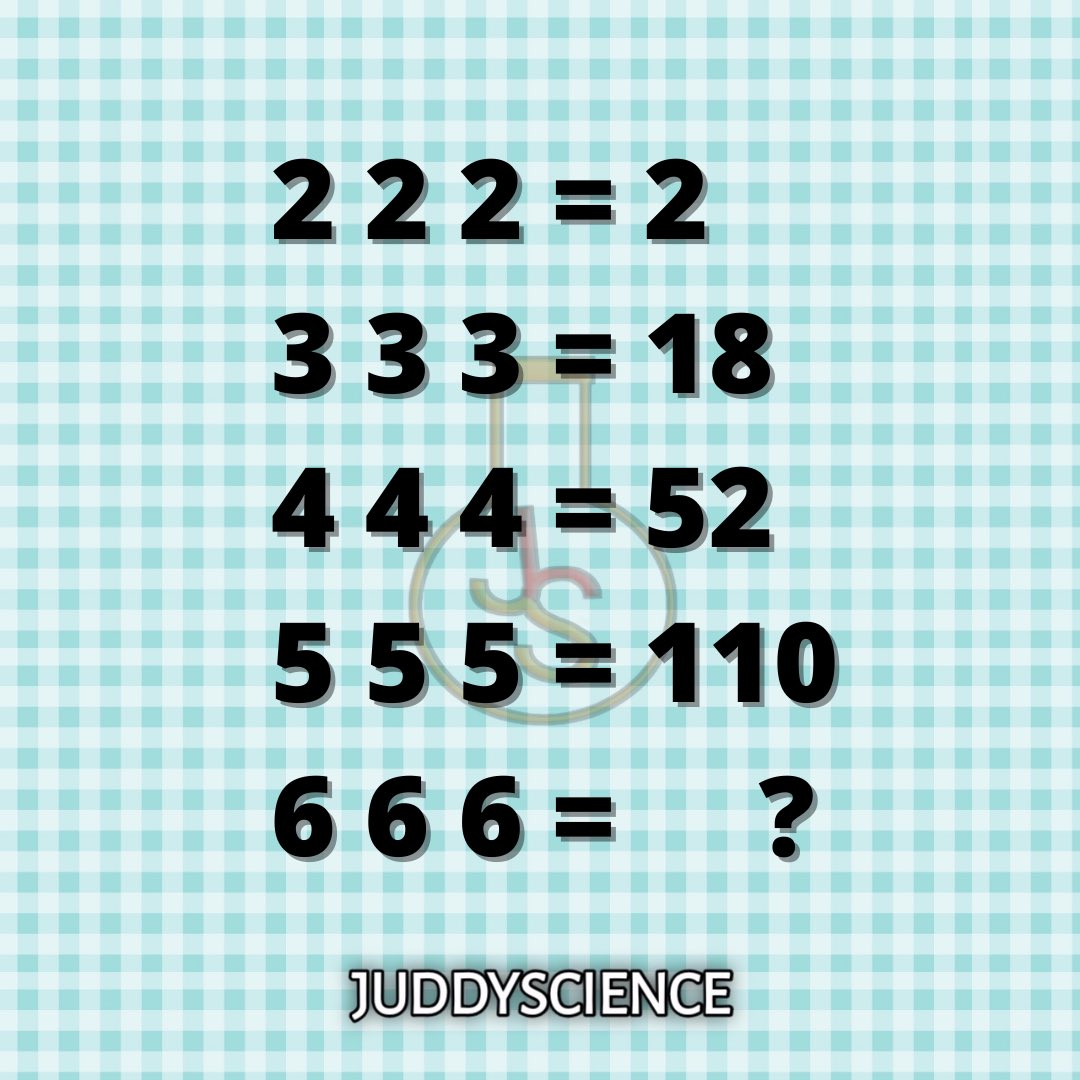
Give the missing value. #brainteaser #brainchallenge #missingvalue #maths #mathspuzzle #levelup #with #juddyscience
1
1
1 Jan 2021
1
7 Dec 2020
1

8 Nov 2020
Missing data is one of the most common data quality issues. This article introduces methods to address different forms of missing values.
visual-design.net/post/how-t…
#missingdata #dataquality #datascience #dataqualitymanagement #dataqualityissue #data #missingvalue #DataAnalytics
1
2