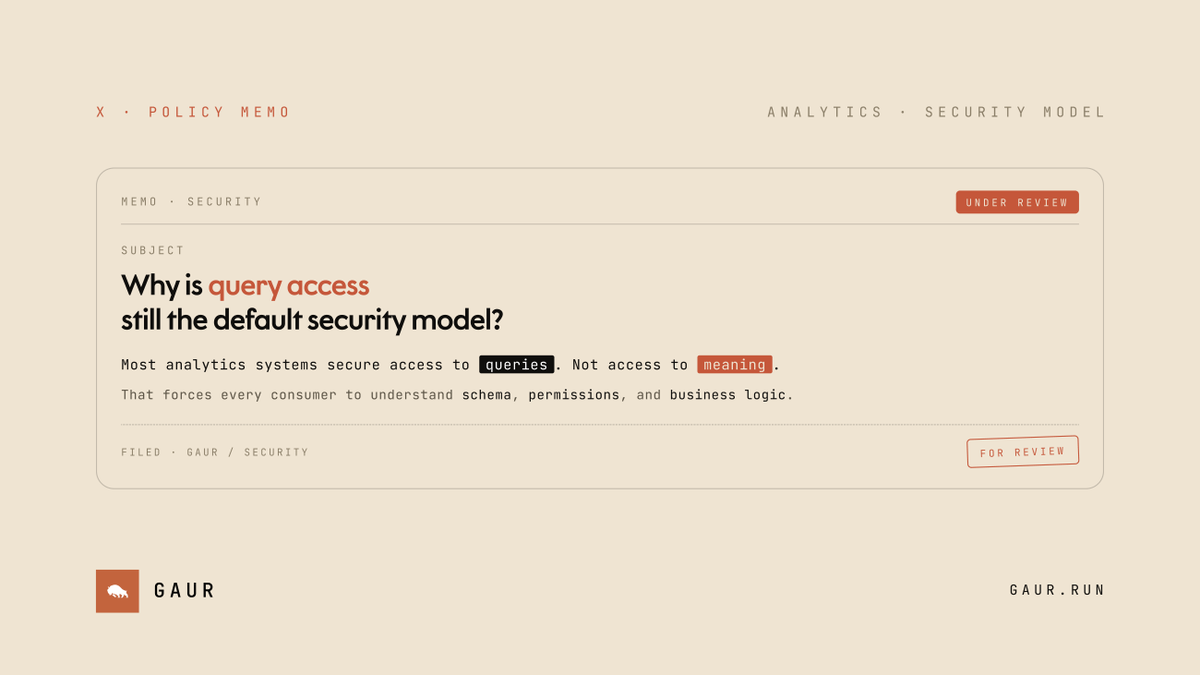
ALT Why is query access still the default security model? Most analytics systems control access to queries. Not to metrics. Not to business logic. Not to meaning. That forces every consumer to understand schemas, permissions, and implementation details. Gaur secures analytical contracts, not just query access.
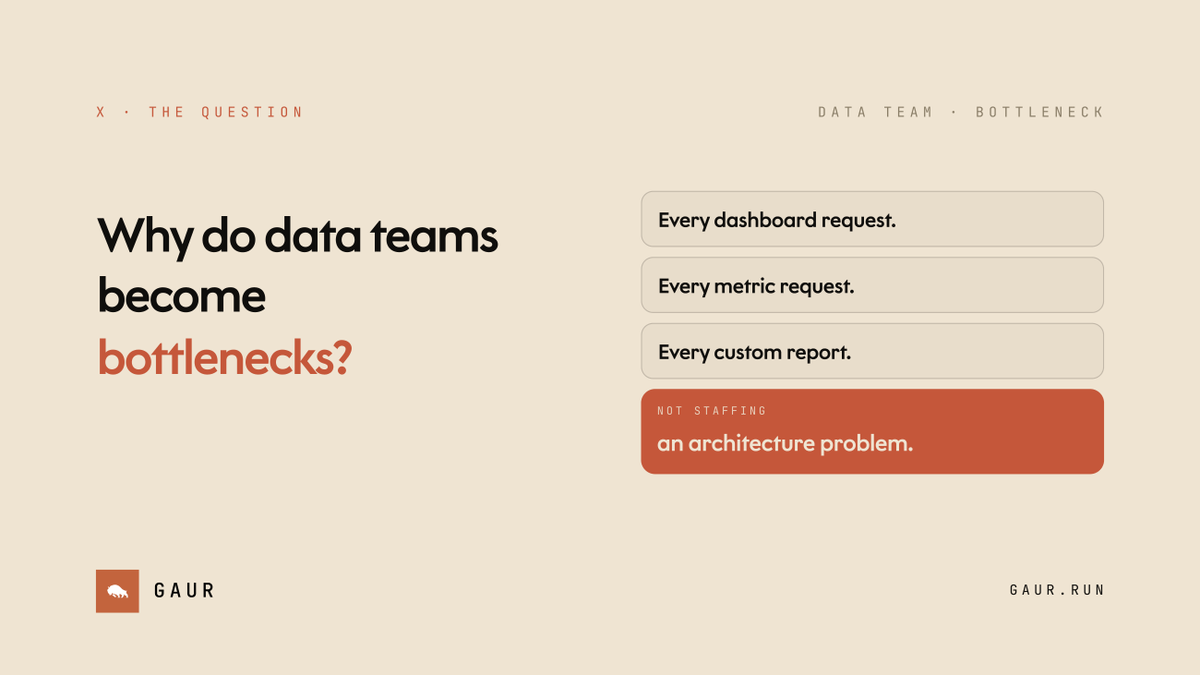
ALT Why do data teams become bottlenecks? Because every dashboard request, metric request, and custom report depends on them. The problem is not headcount. The problem is that analytical logic, metrics, and permissions are scattered across too many systems. Gaur turns them into governed contracts that teams can reuse instead of rebuilding.
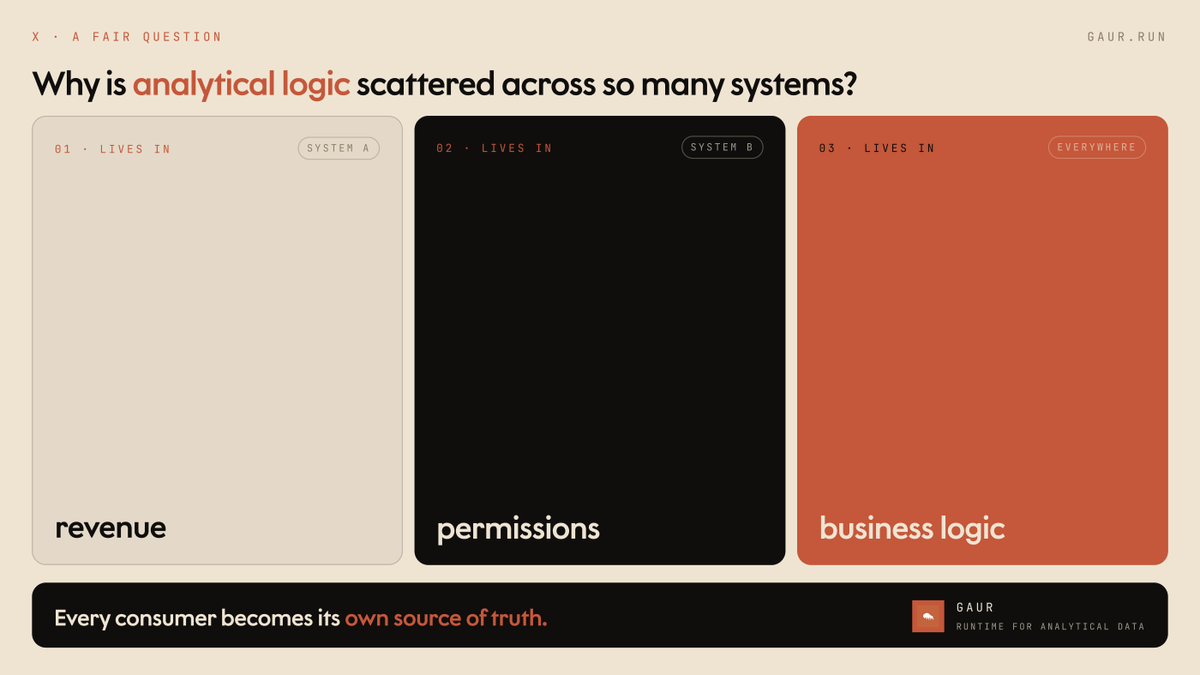
ALT Why is analytical logic scattered across so many systems? Revenue lives in one place. Permissions live in another. Business logic ends up everywhere. Every dashboard, API, workflow, and AI consumer becomes its own source of truth. Gaur brings analytical logic, permissions, and metrics behind a single governed runtime.
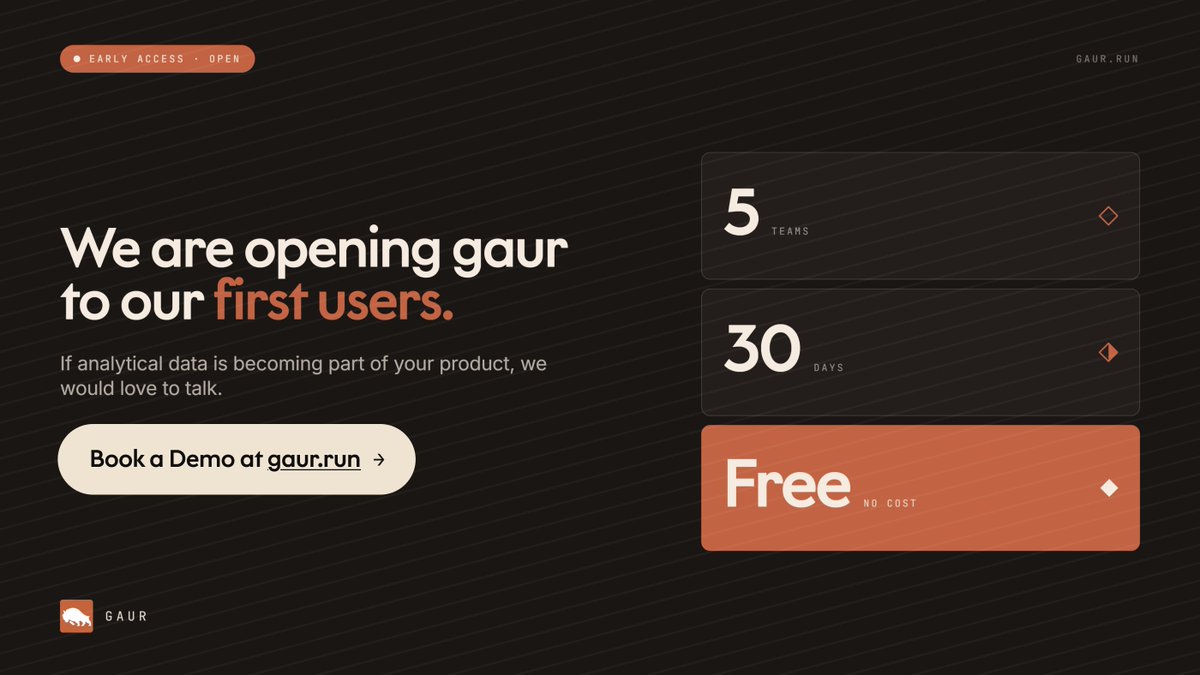
ALT We are opening Gaur to our first users. If analytical data is becoming part of your product, we want to work with you. 5 teams. 30 days. No cost. Help us shape the runtime layer for analytical data. Book a demo at gaur.run.
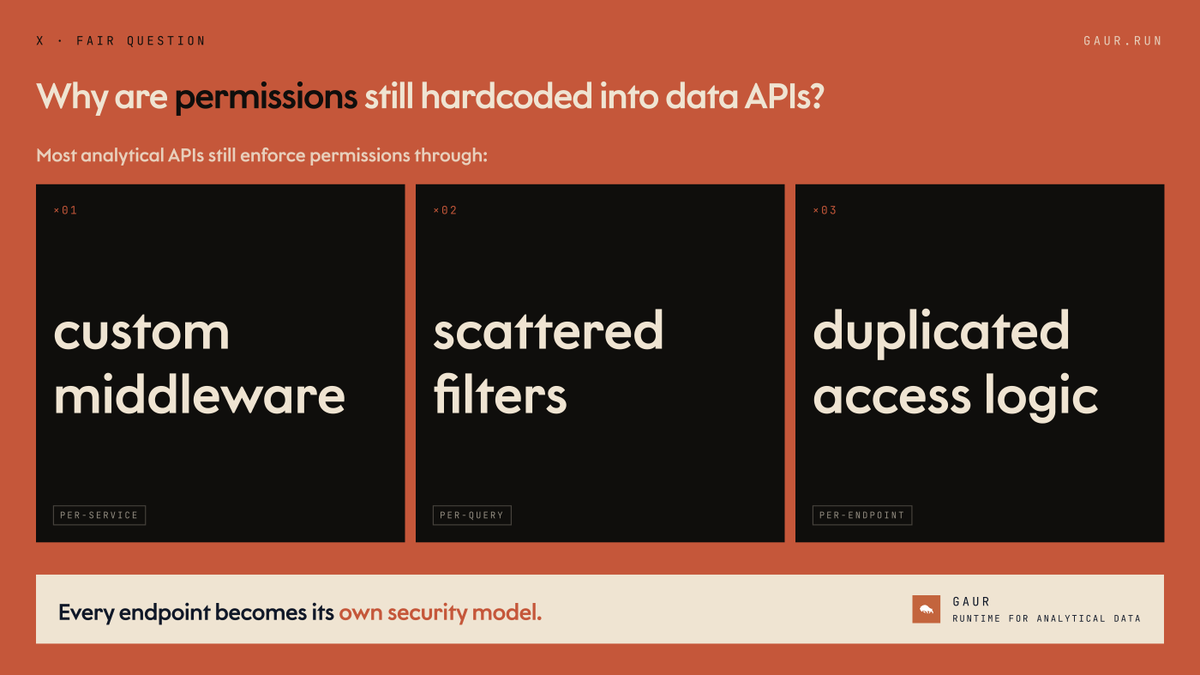
ALT Why are permissions still hardcoded into data APIs? Most teams still manage analytical access through custom middleware, scattered filters, and duplicated access logic. Gaur moves permissions into the analytical runtime so every endpoint does not become its own security model.
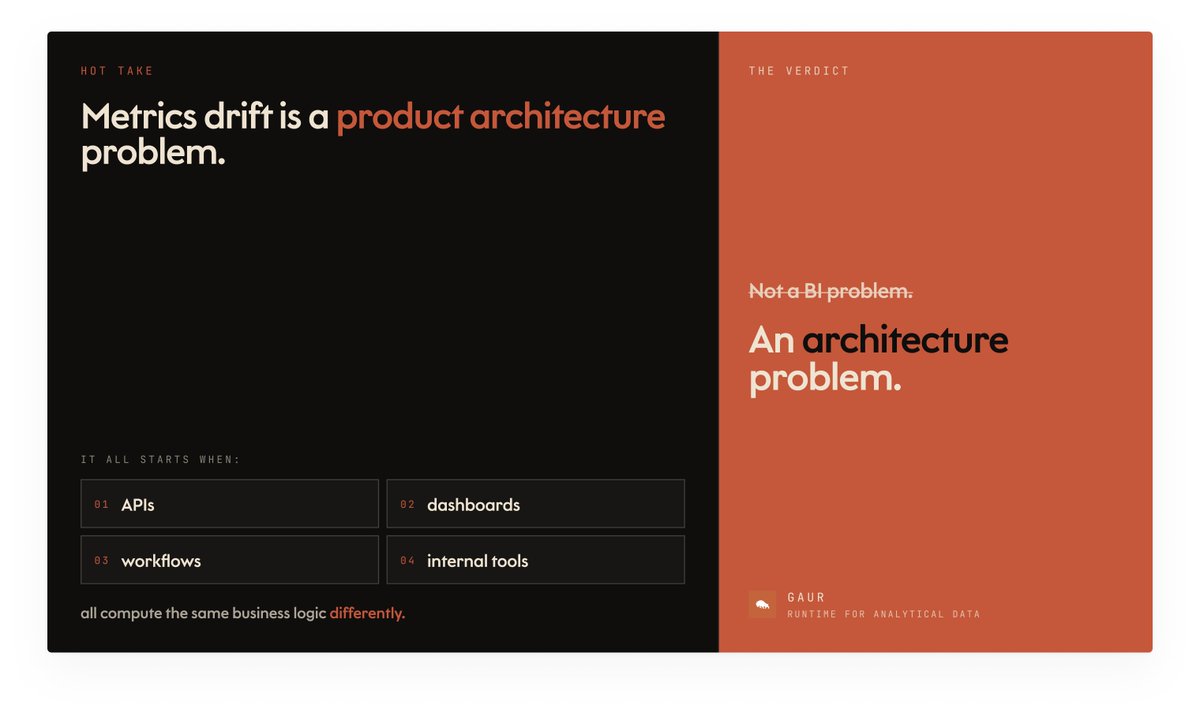
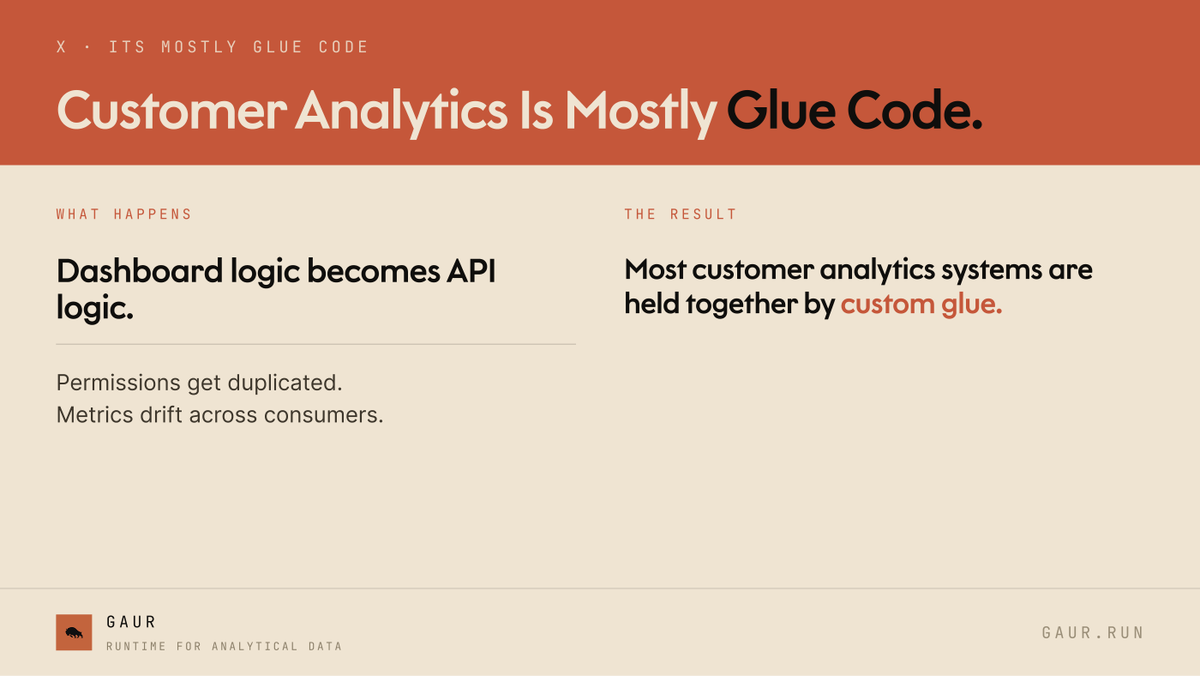
ALT Metrics drift is a product architecture problem. APIs, dashboards, workflows, and internal tools all compute business logic differently. Gaur creates a shared runtime and contract layer for analytical data.
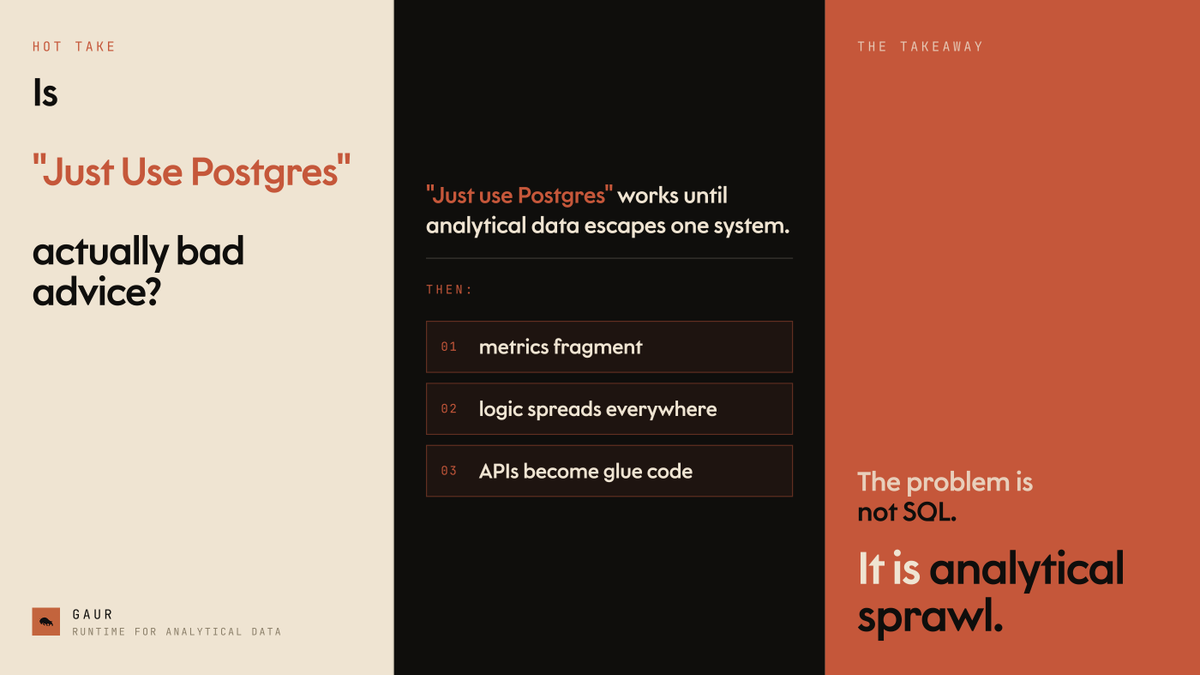
ALT “Is ‘just use Postgres’ actually bad advice? It works until analytical data escapes a single system. Then metrics fragment, business logic spreads across dashboards and APIs, and analytical infrastructure turns into brittle glue code. The problem is not SQL — it’s analytical sprawl. Gaur provides a runtime and contract layer for analytical data across operational systems, APIs, dashboards, and AI consumers.”


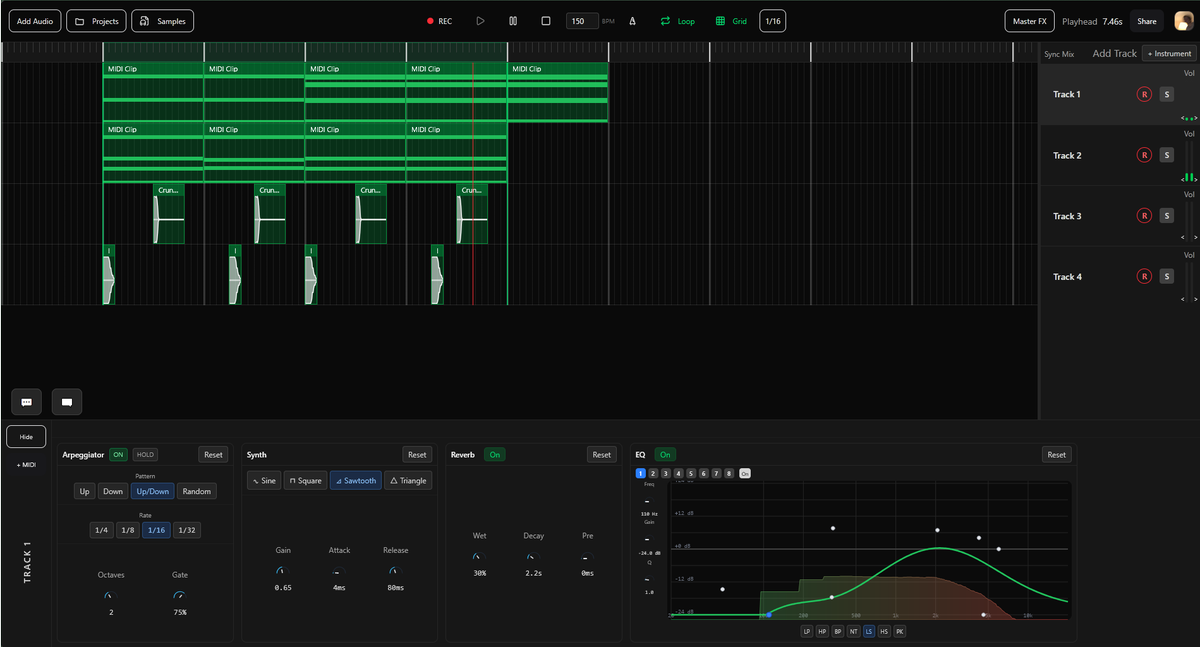

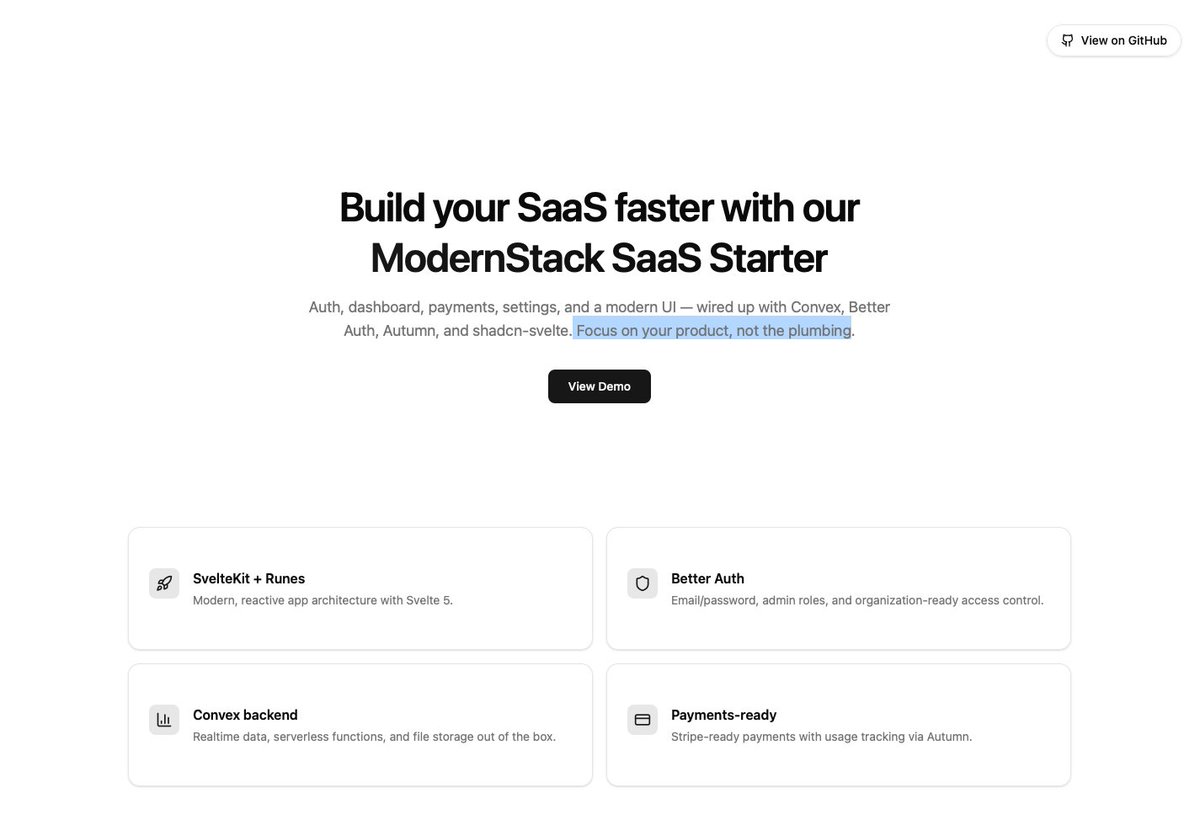


VentureSmith Demo
This is a VentureSmith walkthrough video to showcase its features a...
youtube.com