
31 Oct 2025
❄️ FIRST SNOW! ❄️
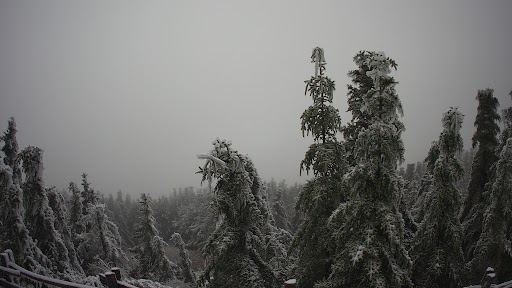
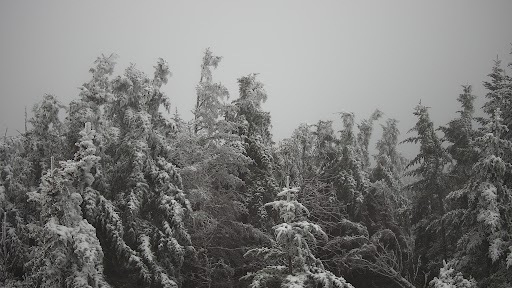
Mt. Mitchell (6,684') got its first snowfall of the season this morning! NC's highest peak is looking beautiful covered in white.
Did you catch the high elevation snow? Share your pics! 📸
📷: NC High Peaks Trail Association
#MtMitchell #FirstSnow #NCwx #NCMountains
2
11
755

4 Oct 2024
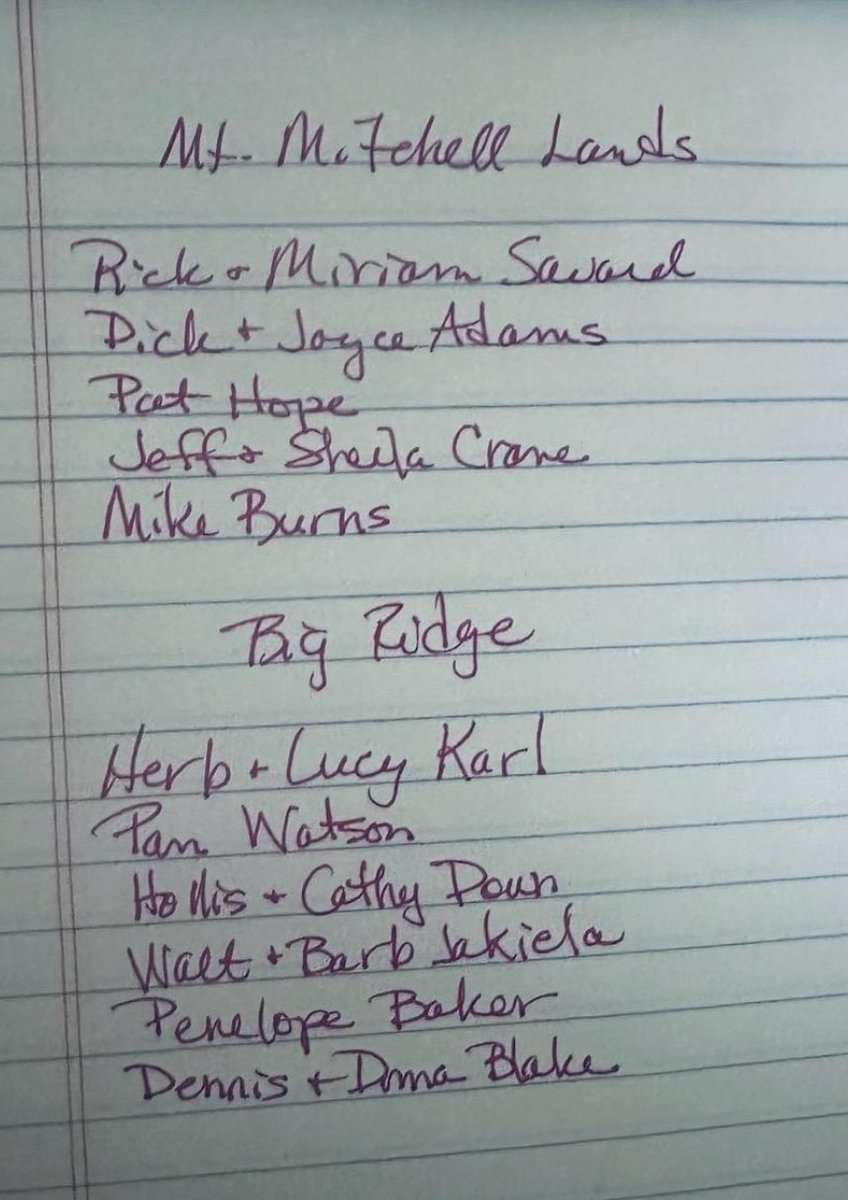
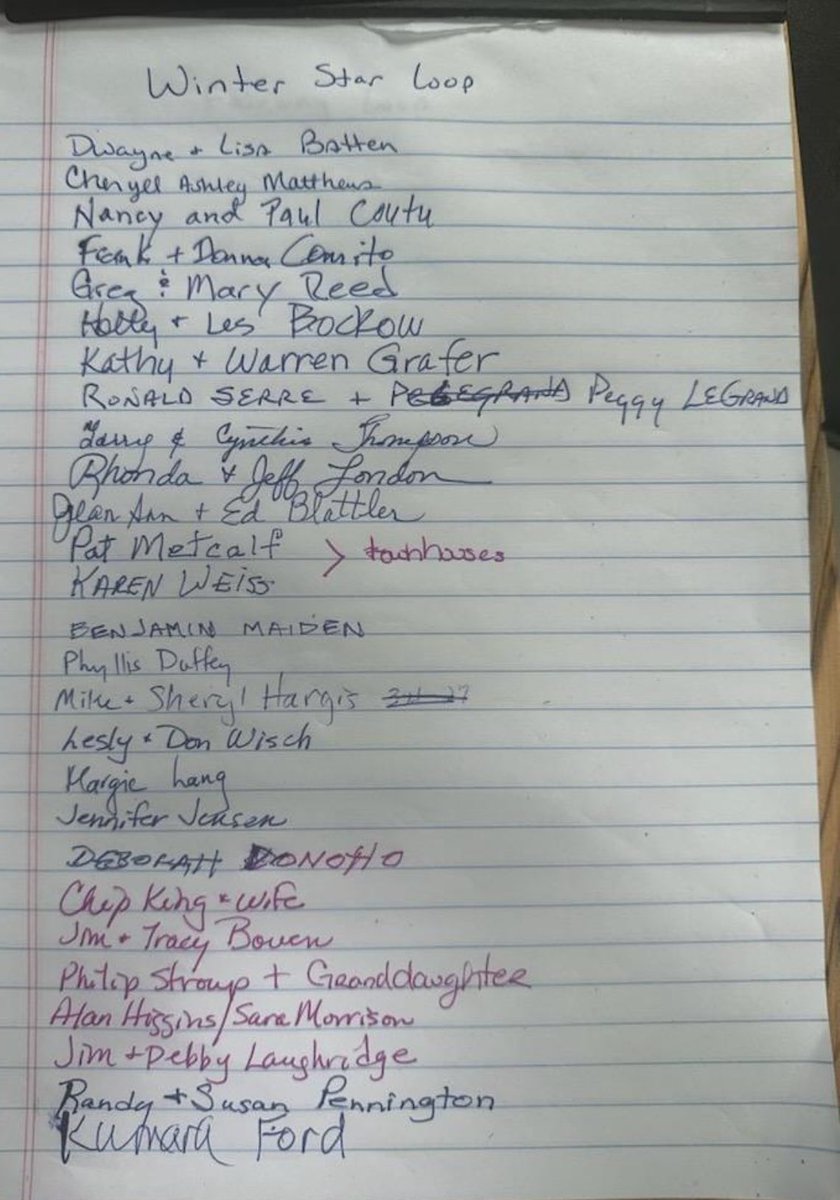
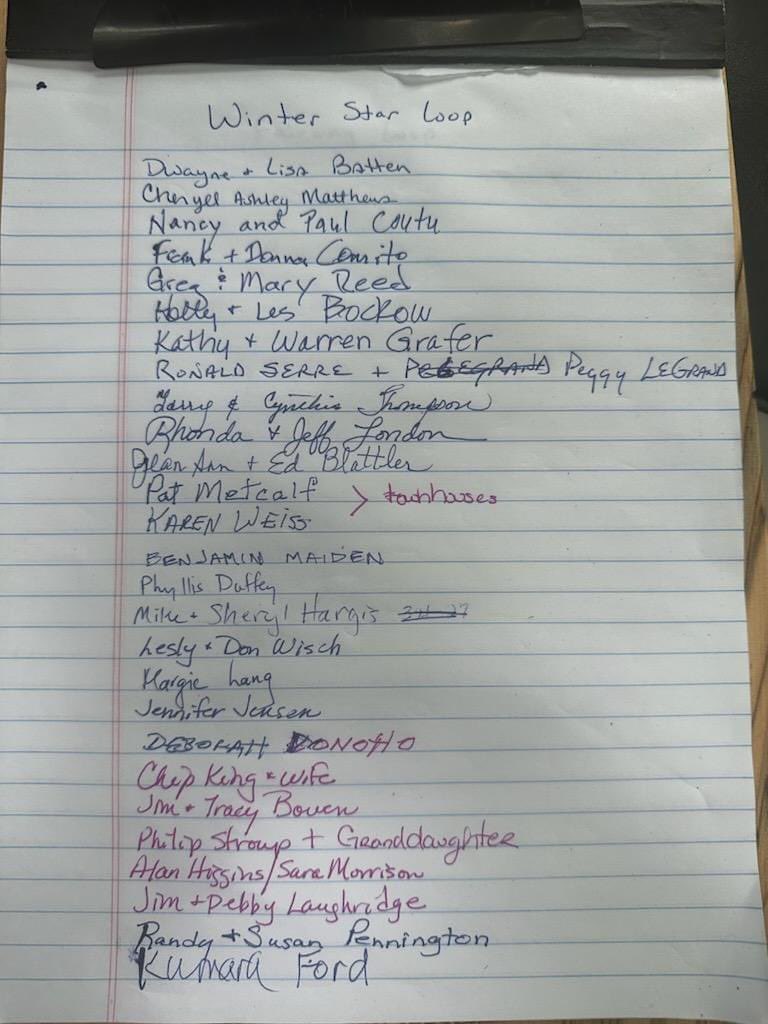
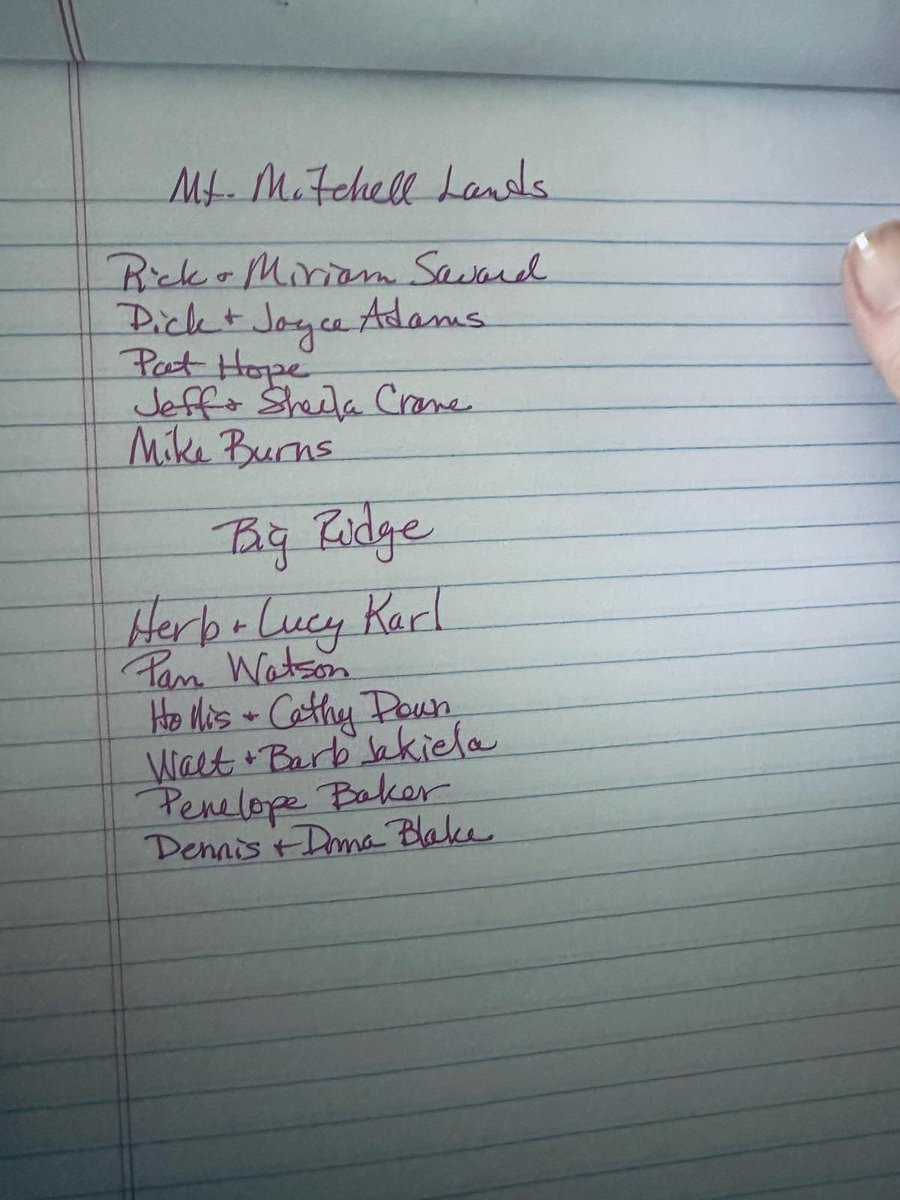
I just saw this handwritten list of people who are OK on my local Facebook.
#BigRidge #MtMitchell #WinterStar
#HurricaneHelene2024 #NorthCarolina #help #Asheville #HurricaneHelene #missingpersonhurricanehelene #Found #MISSINGPERSON #missing #Hurricane #Helene #Helene24Help #HeleneHelp
12
19
1,307

3 Oct 2024
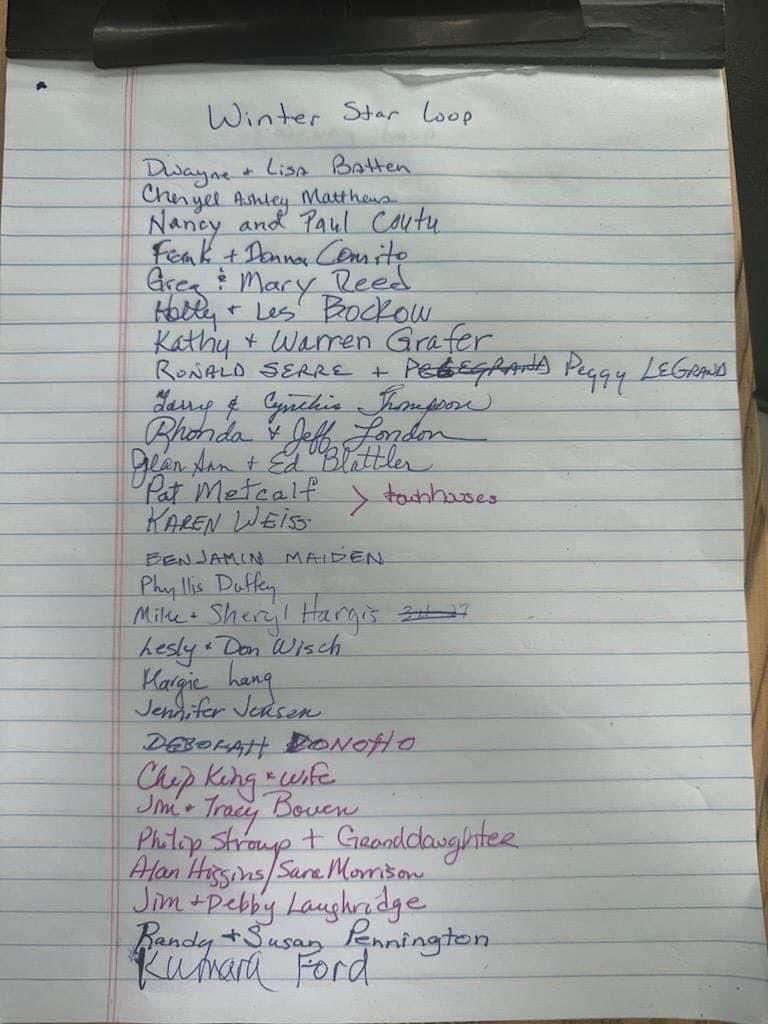
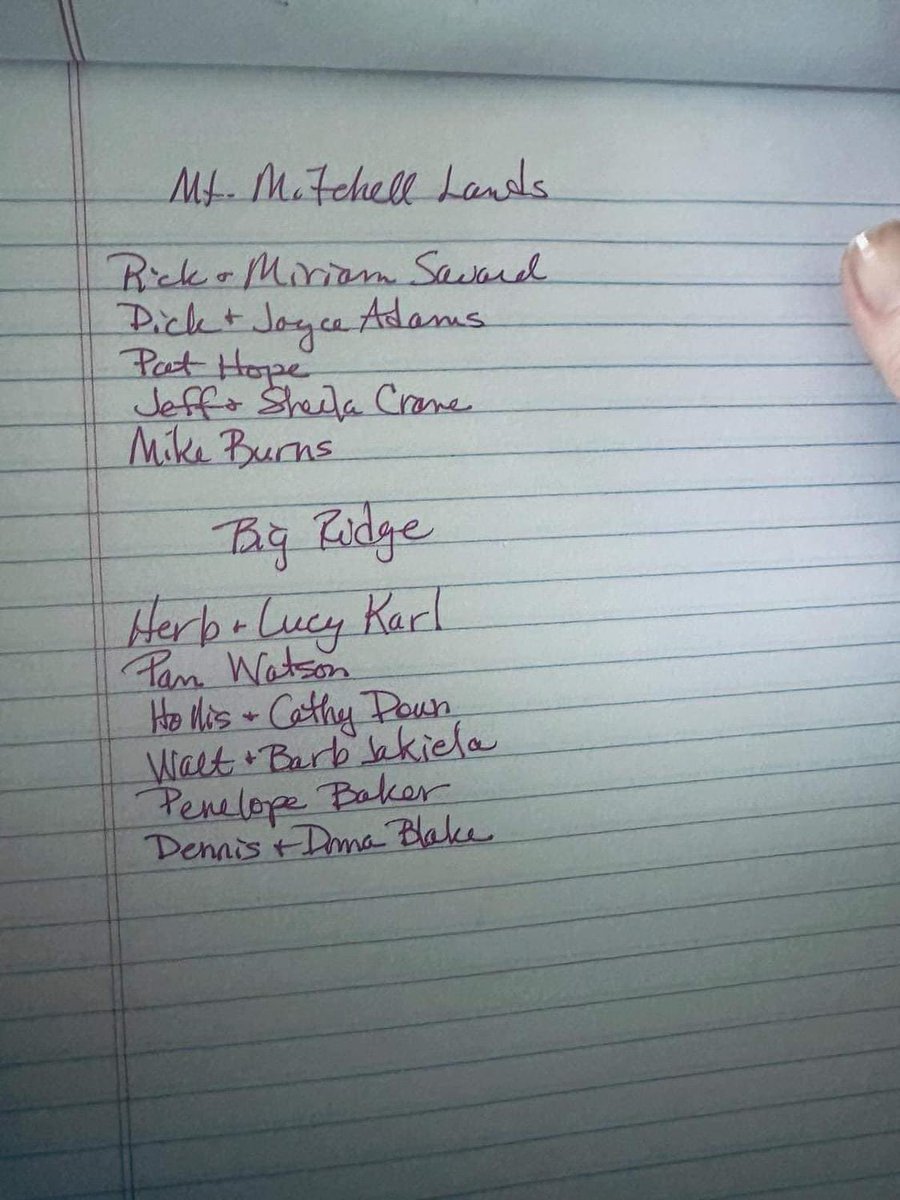
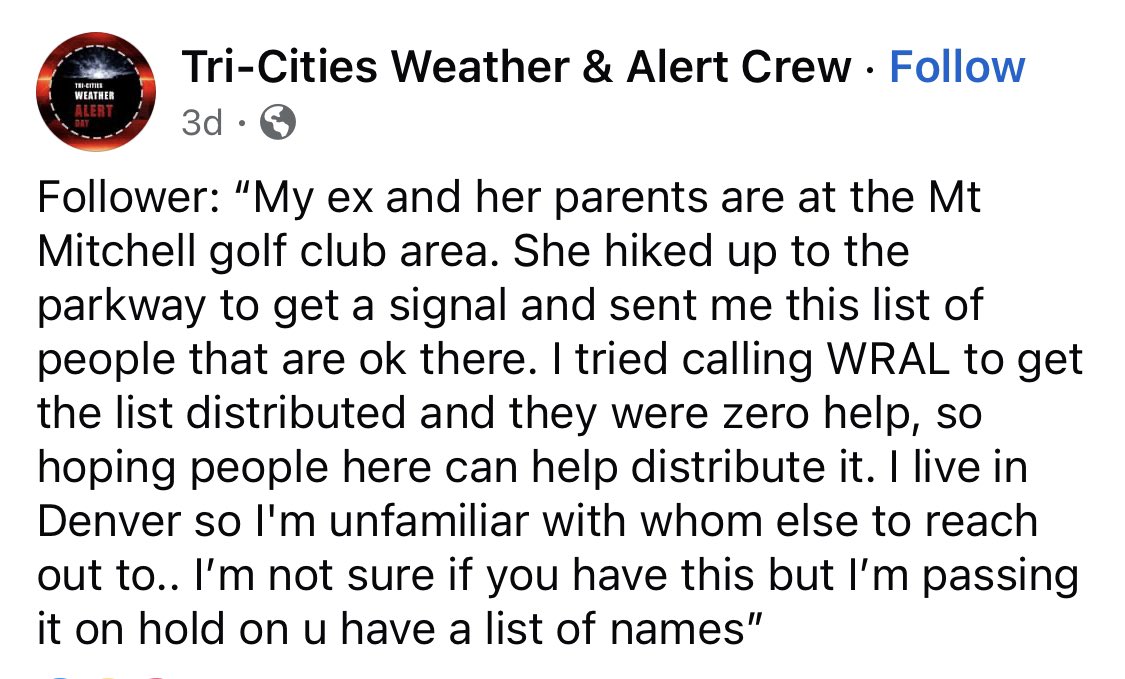
2
4
211

30 Sep 2024
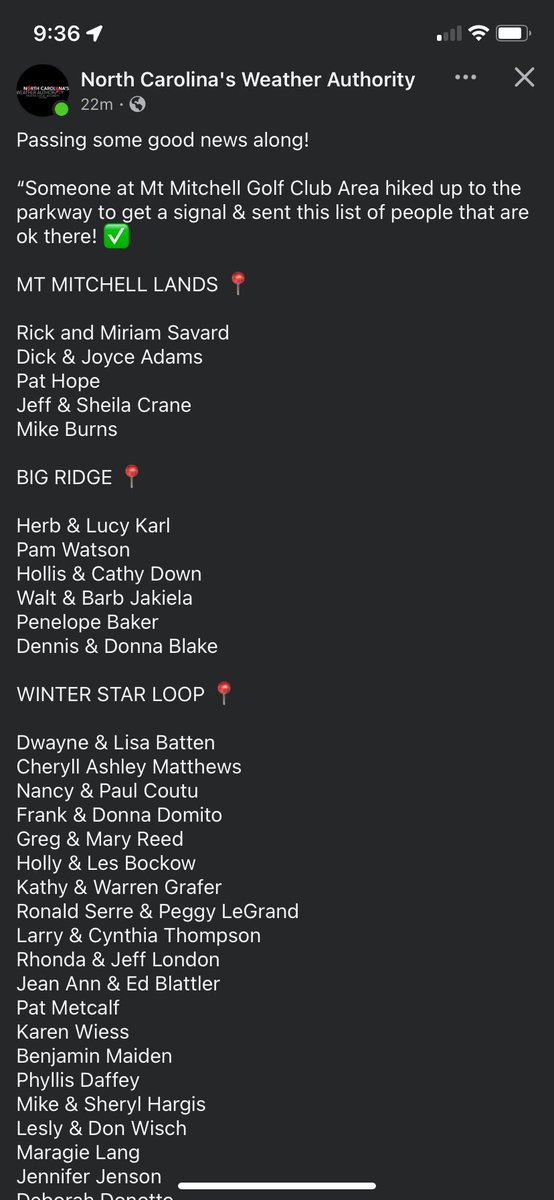
Please share: Names of people who apparently are ok and their locations in wnc #Asheville #mtmitchell #BooneNC #wncflooding
1
2
948

30 Sep 2024
This is a list of people that live near Mt. Mitchell Golf Club that are ok. Someone went around to the houses and wrote the names down and hiked to the Blue Ridge Pkwy to get a signal and sent them out so families would know.
#MtMitchell #NorthCarolina #HurricaneHelene
2
42
64
2,185

29 Sep 2024
#WNC Ham Radio info #MtMitchell
28 Sep 2024

if you are in the effected area of hurricane Helene, or know anyone that is in the effected area, the Mt Mitchell Ham Radio repeater, 145.19 Mhz, -600 Khz is up and running with hams able to make phone calls for anyone in the effected area that might need to make contact
1
3
5
947

1 Sep 2024
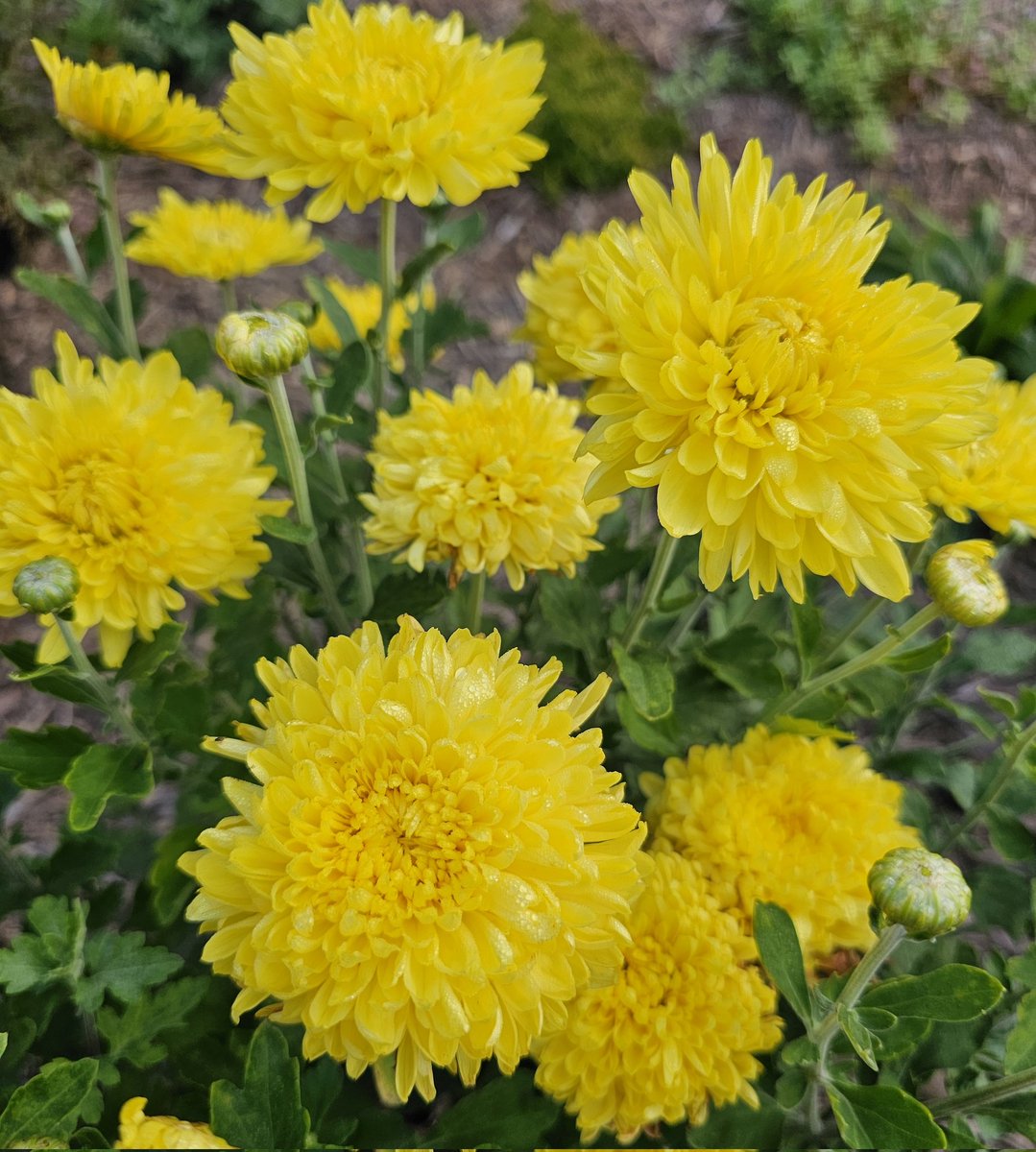
Happy #SundayYellow y'all. We're going up to visit Mt. Mitchell this morning before the storms kick off. DIL has not been to the highest peak east of the grand ol Mississsippi, so today we'll fix that! #Appalachian #WNC #MtMitchell #sundayvibes
1
3
49
596

14 May 2024
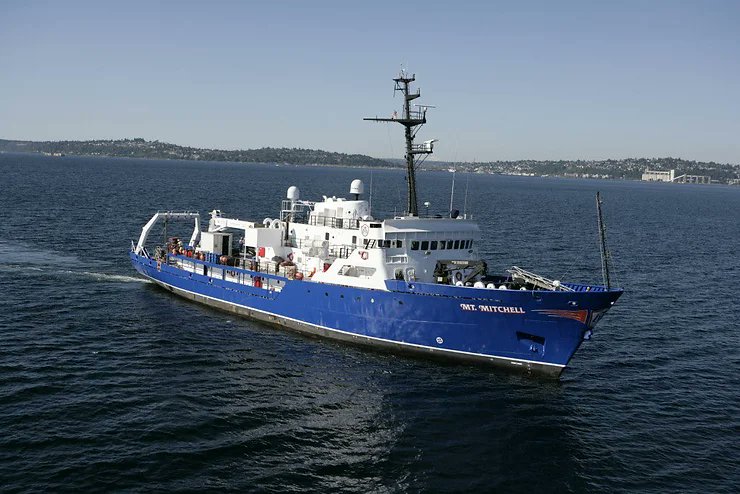
Uruguay oficializó la compra del buque científico Mt. Mitchell #buqueUruguay #Armadauruguaya #buquecientifico #Mtmitchell @Armada_Uruguay
pucara.org/post/uruguay-ofic…
1
3
10
463

16 Apr 2024
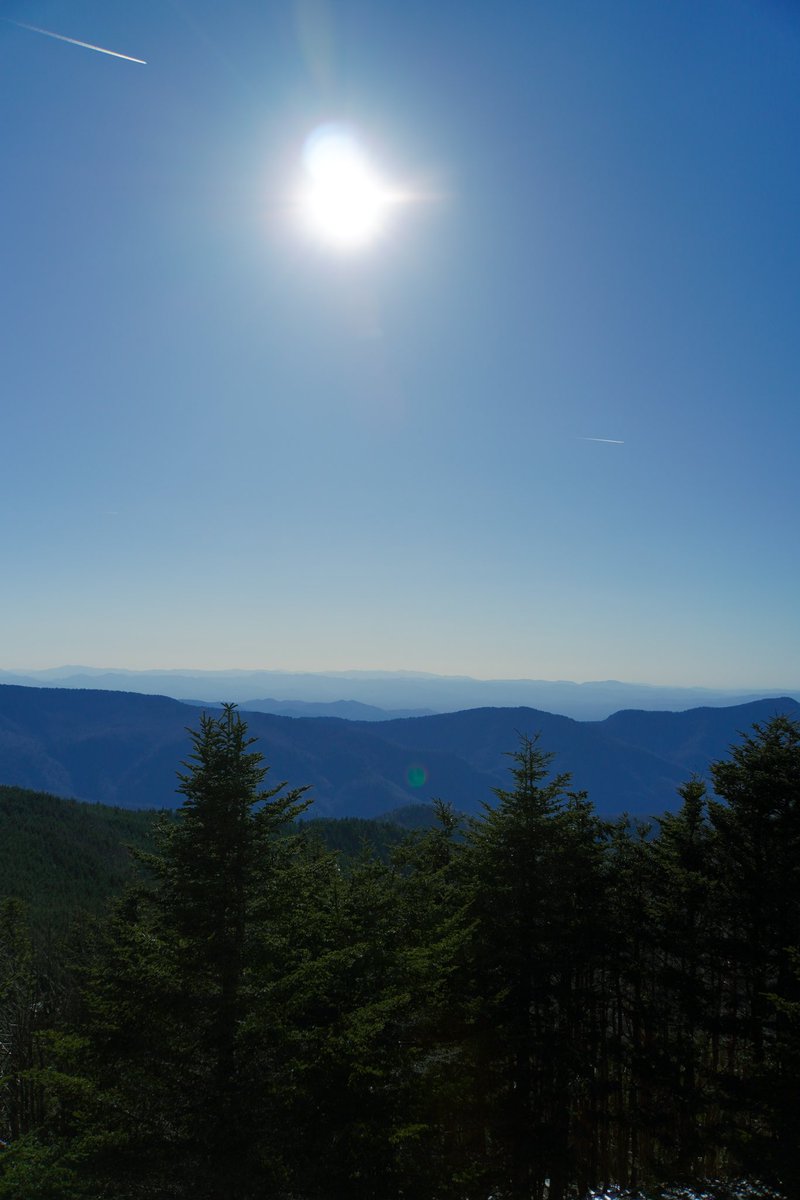
f3.5
1/4000
ISO 1250
27mm
Sony A6100
Mt Mitchell, North Carolina
#photograghy #photographer #NatureBeautiful #nature #NaturePhotography
#landscapephotography #landscape #sky #blue #mtmitchell #mountains #mountain
3
162

22 Oct 2023
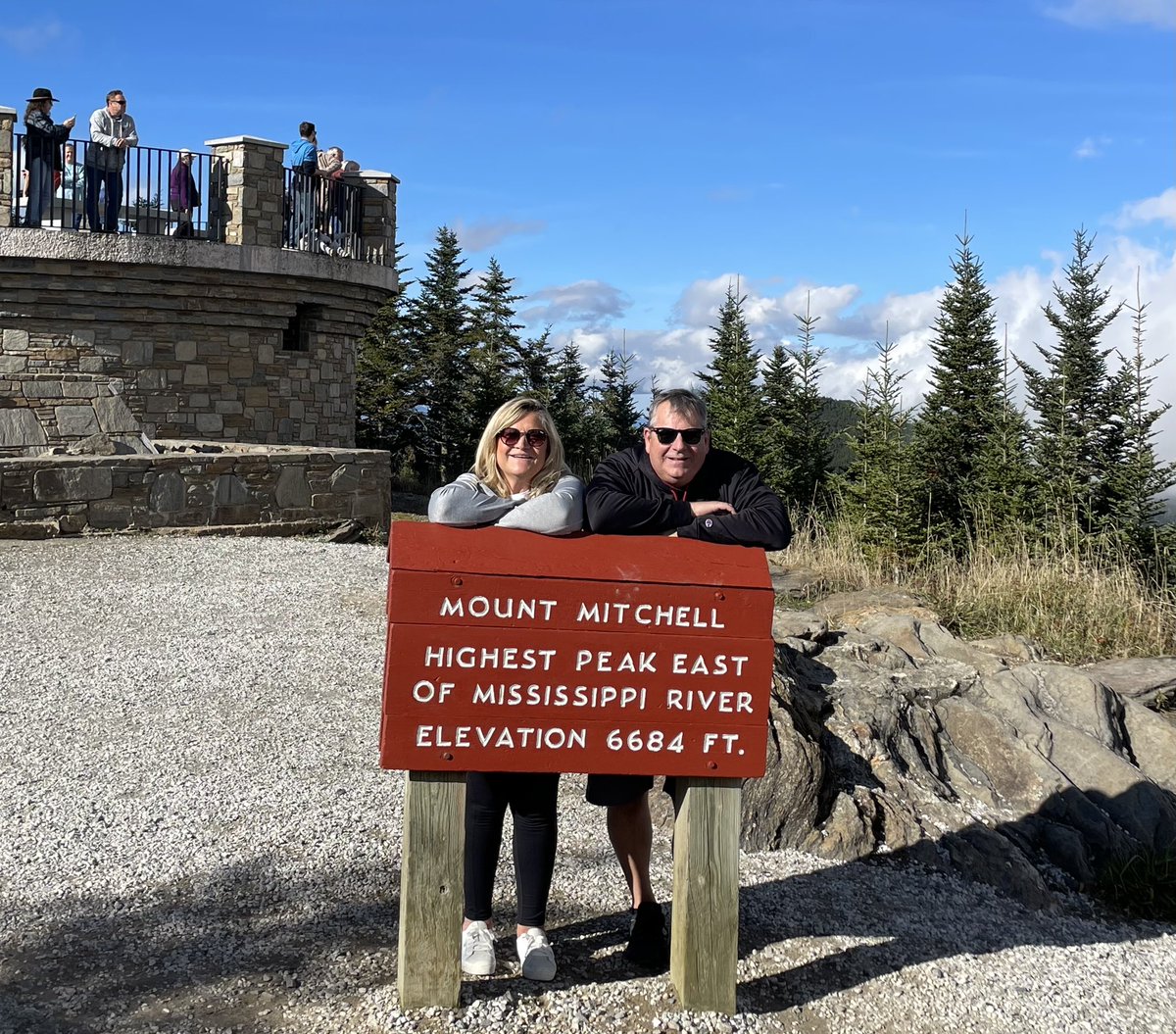
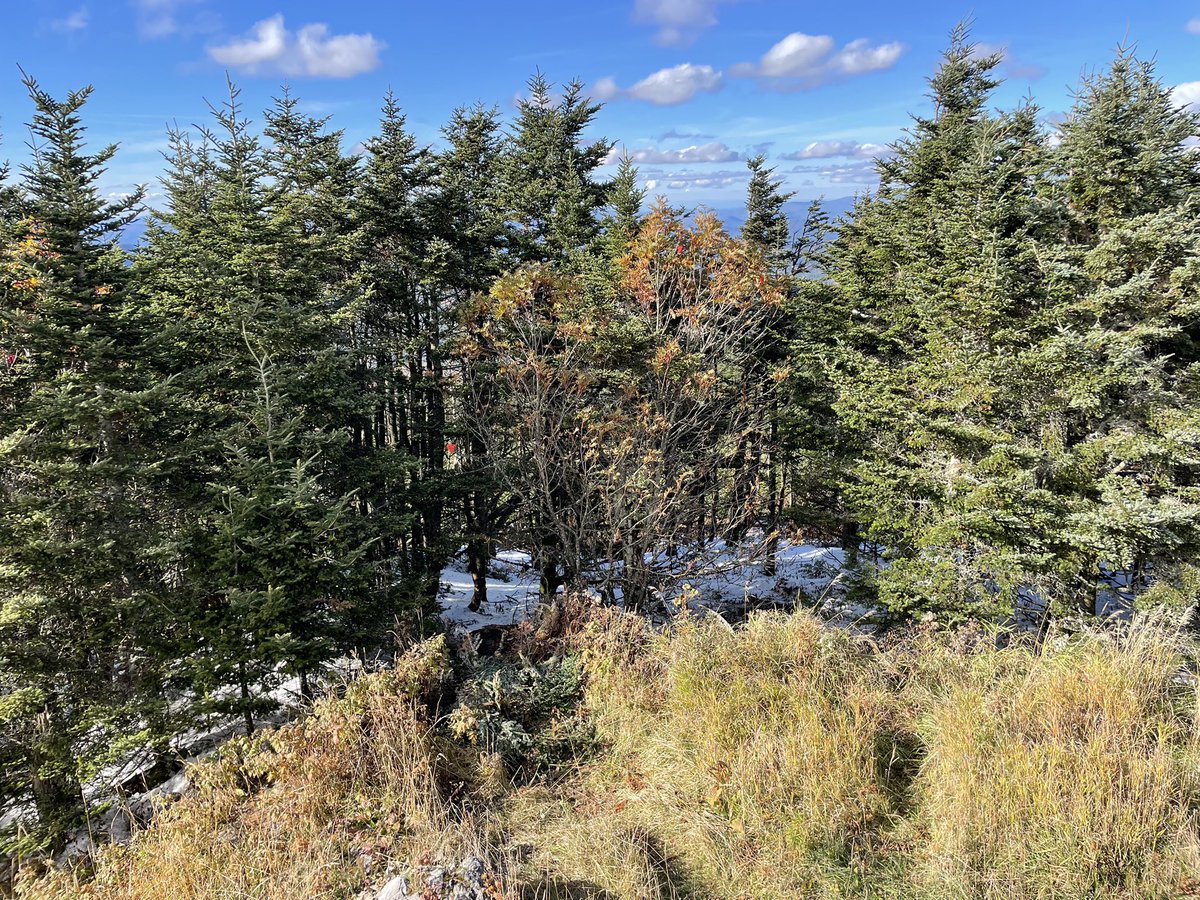
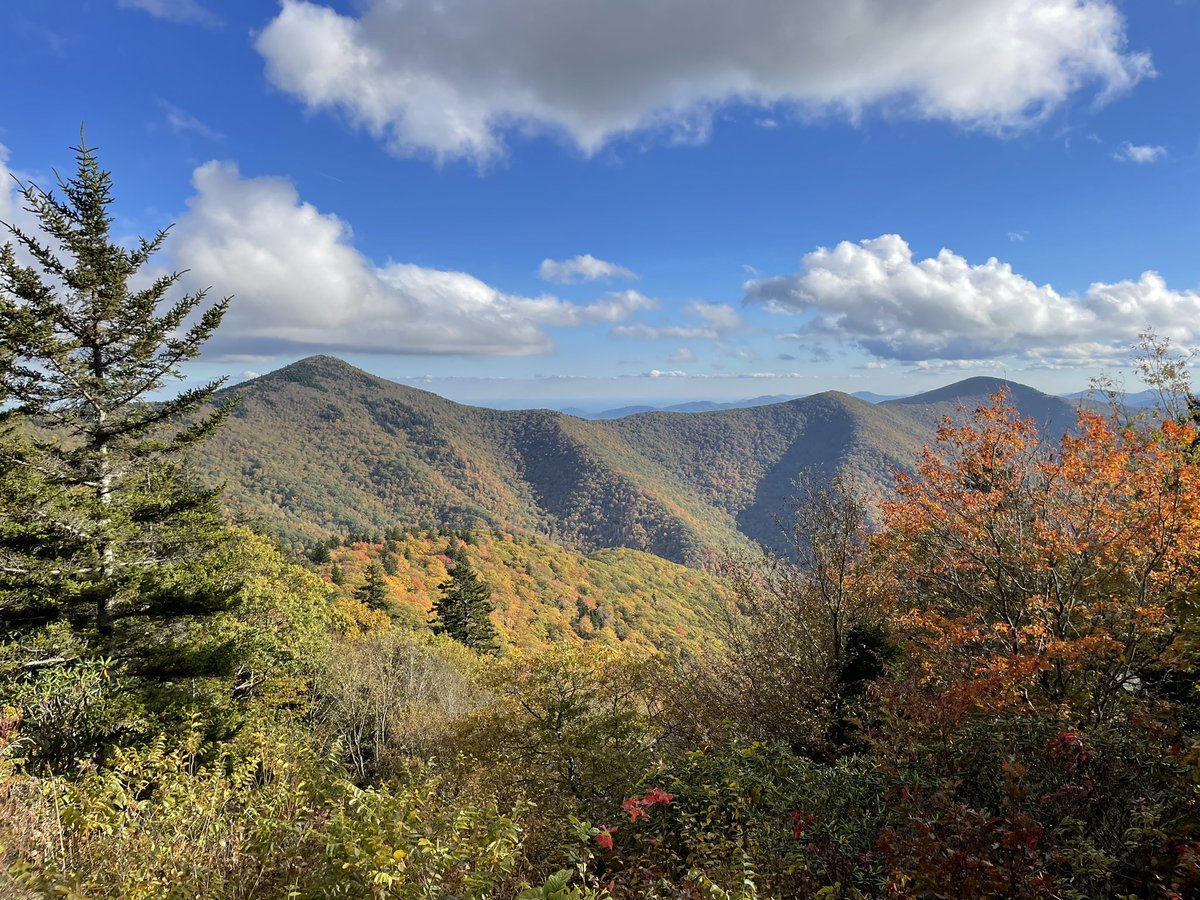
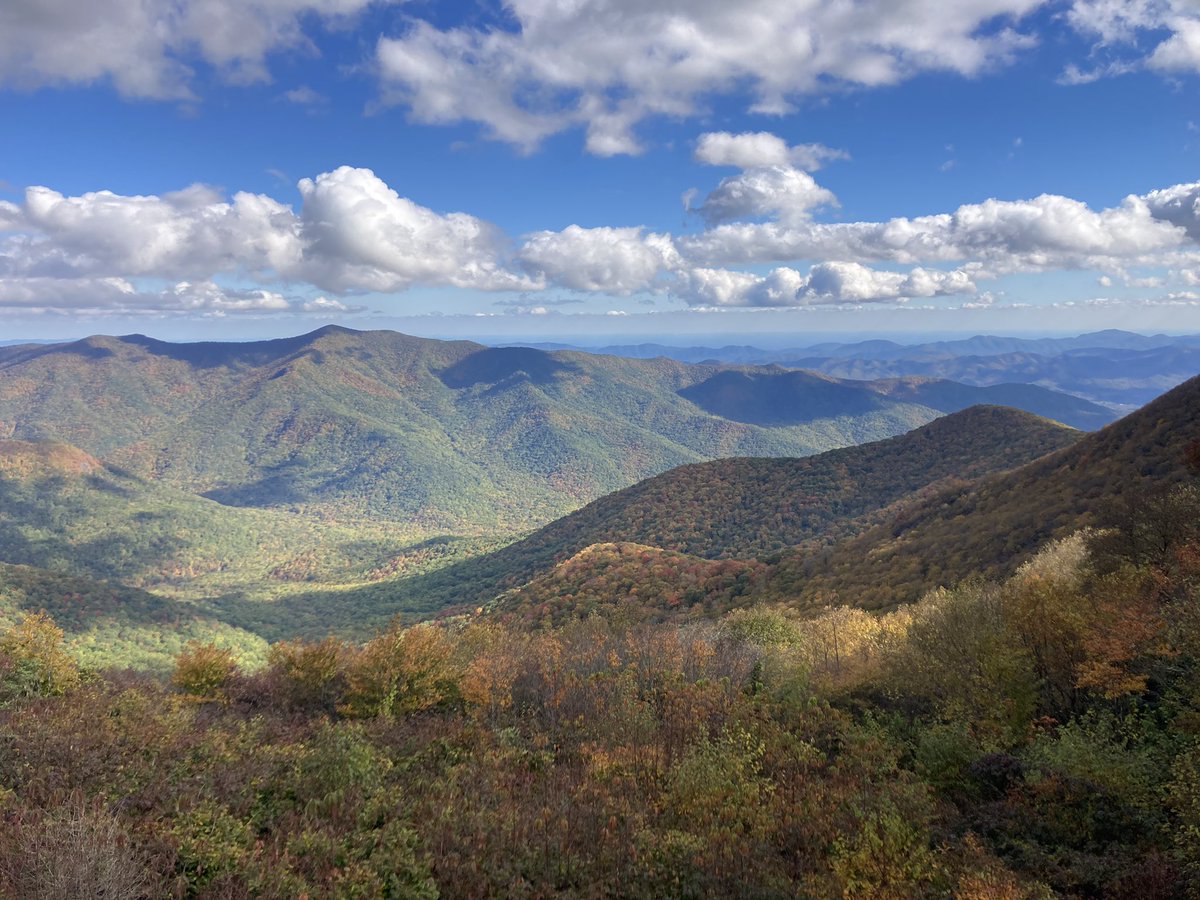
Our next trip took us to the highest mountain east of the Mississippi, Mr. Mitchell. We drove along the scenic Blue Ridge Highway until we reached Mt. Mitchell. Beautiful views everywhere, and it smelled wonderful in the Balsam forest. #blueridgeparkway #mtmitchell
1
1
10
380

6 Oct 2023
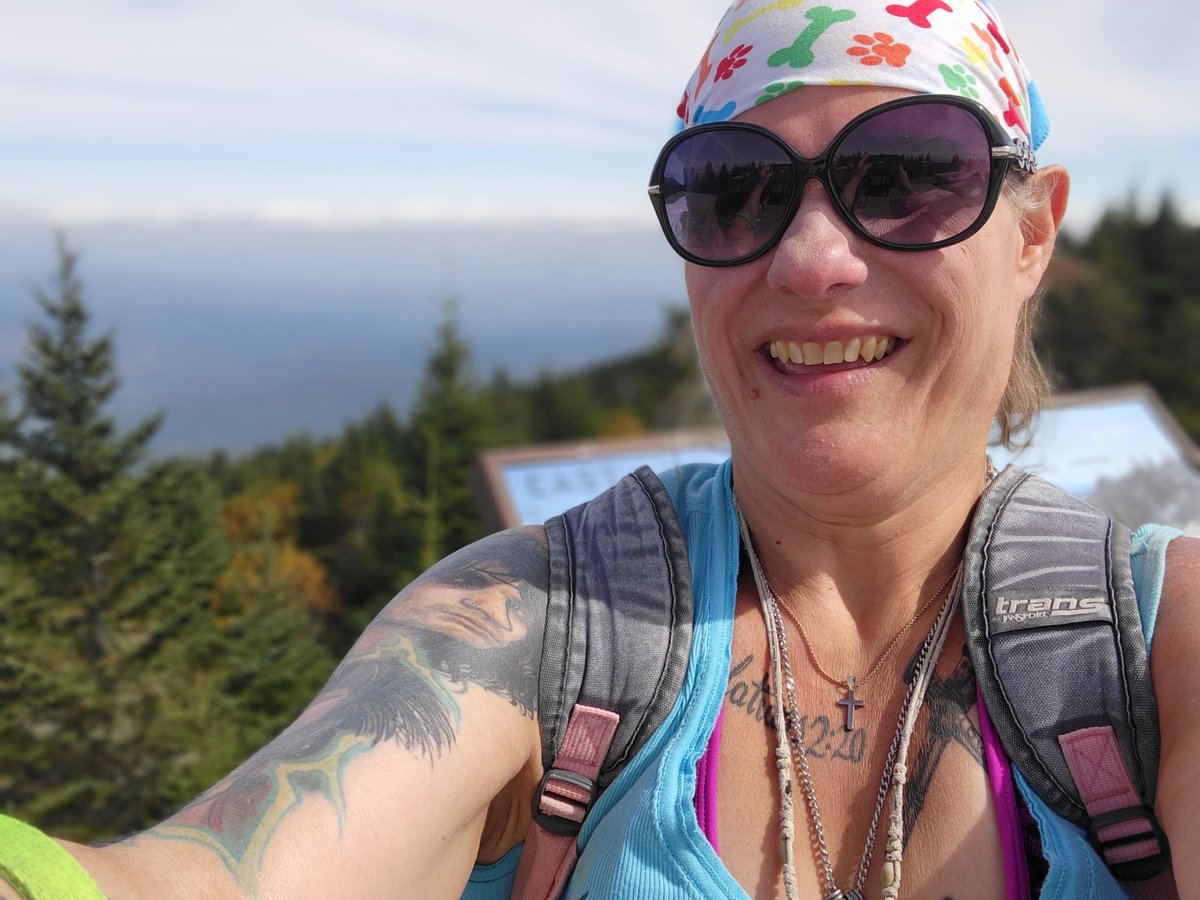
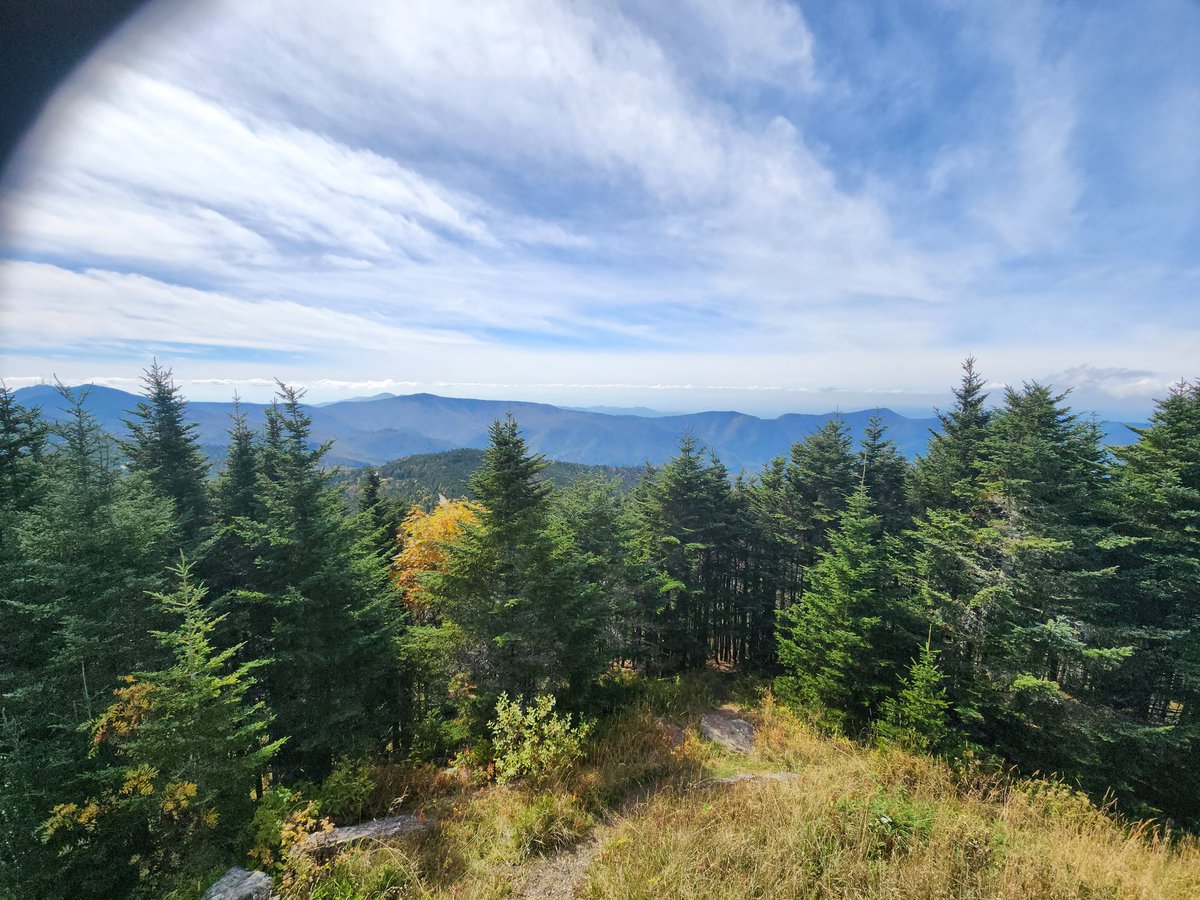
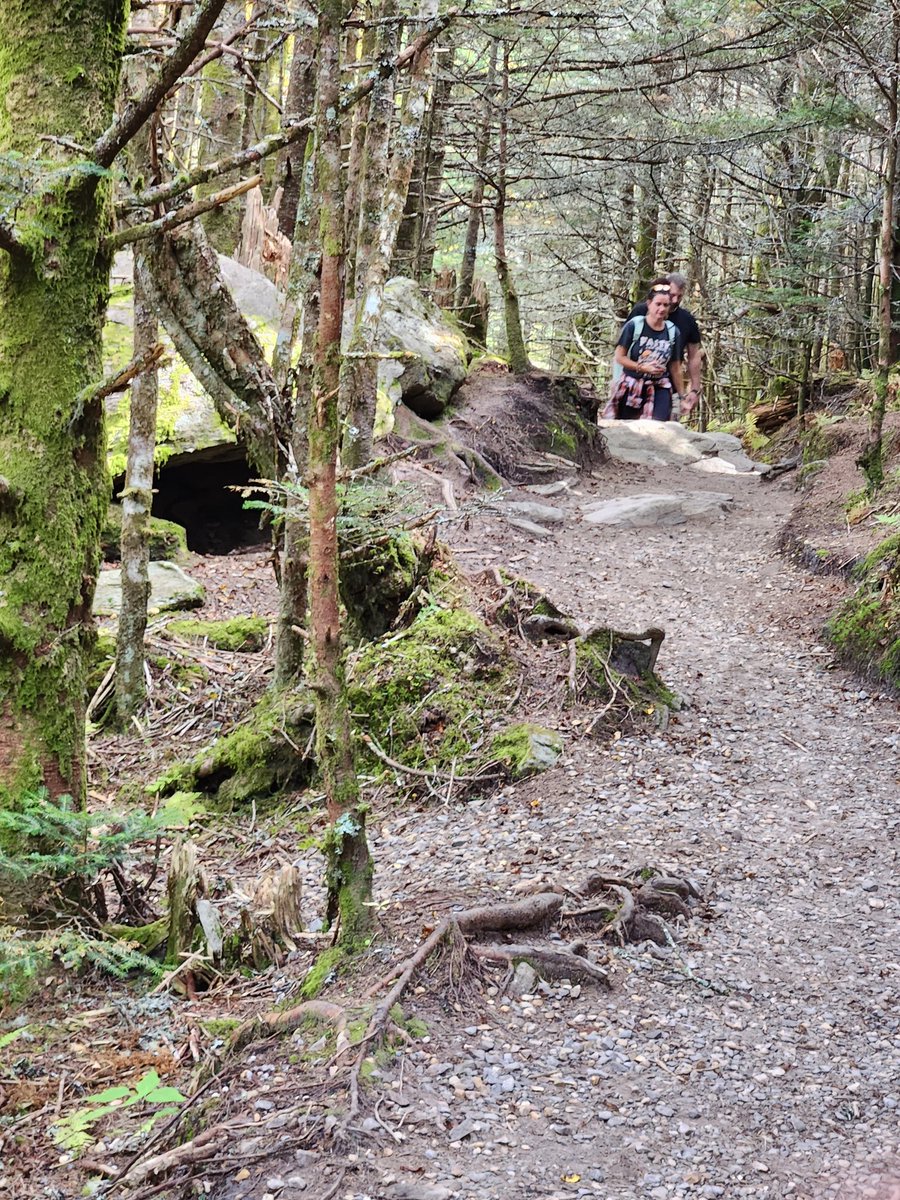
Mt. Mitchell, the highest point east of the Mississippi. Beautiful. #MtMitchell #NorthCarolina #blueridgeparkway #nature #healthylifestyle #HealthyLiving #healthcoachlife
1
2
258

5 Oct 2023
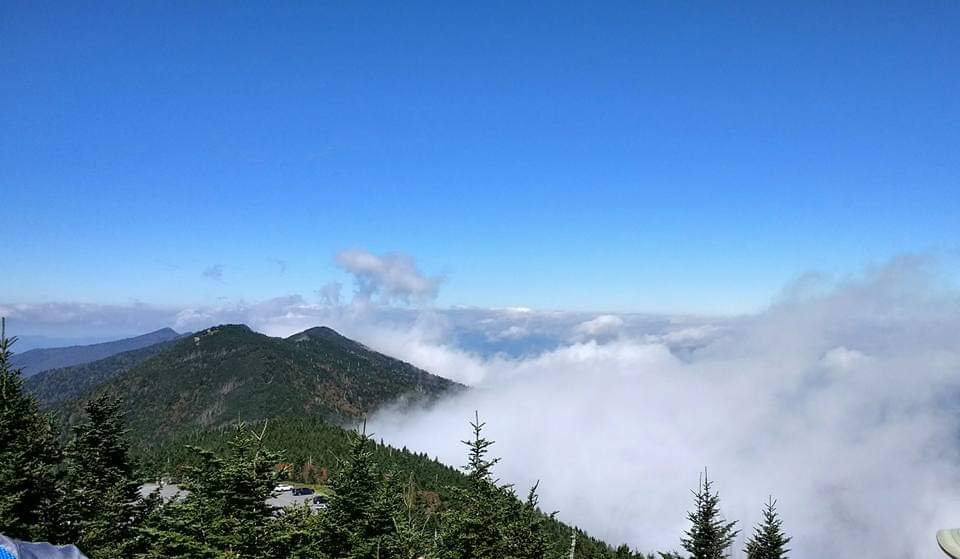
From above the clouds at 6,684 feet 7 years ago on this date. We're a little under the weather today and this pic is metaphorical opportunity rise above it all. Breathe in well being, breathe out fewer germs. 🙂
#MtMitchell
1
2
209

13 Sep 2023
-: @CWEMSE Day 23 :-
Daily Travel (Total Travel): 1,537 km (16,250 km*)
Knot of the Day: Valdotain Tresse
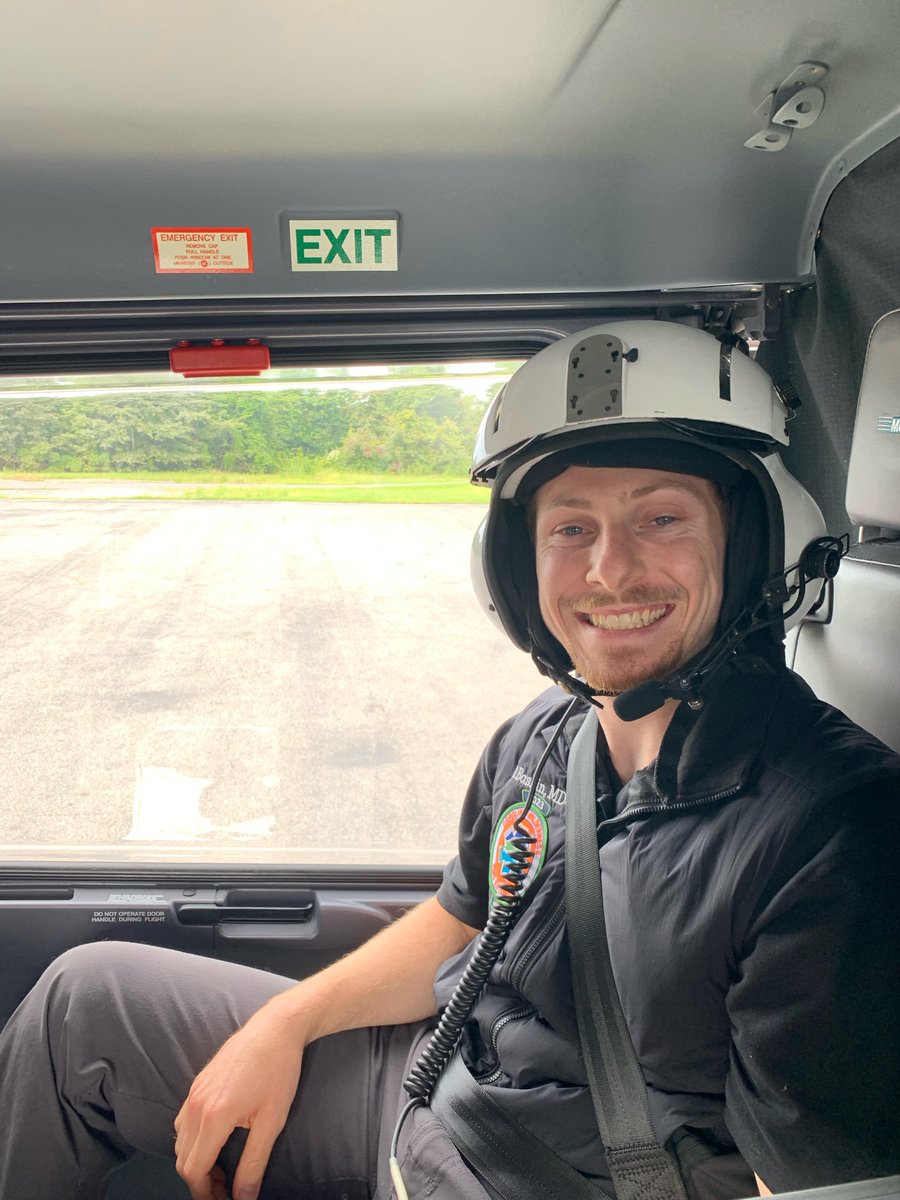
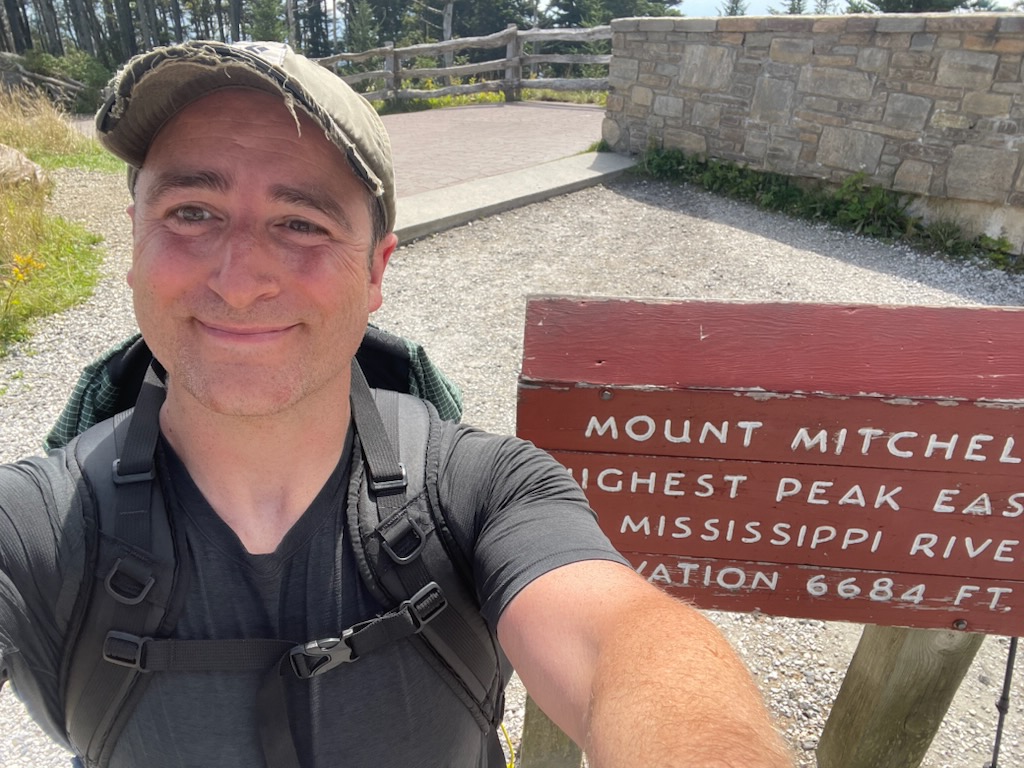
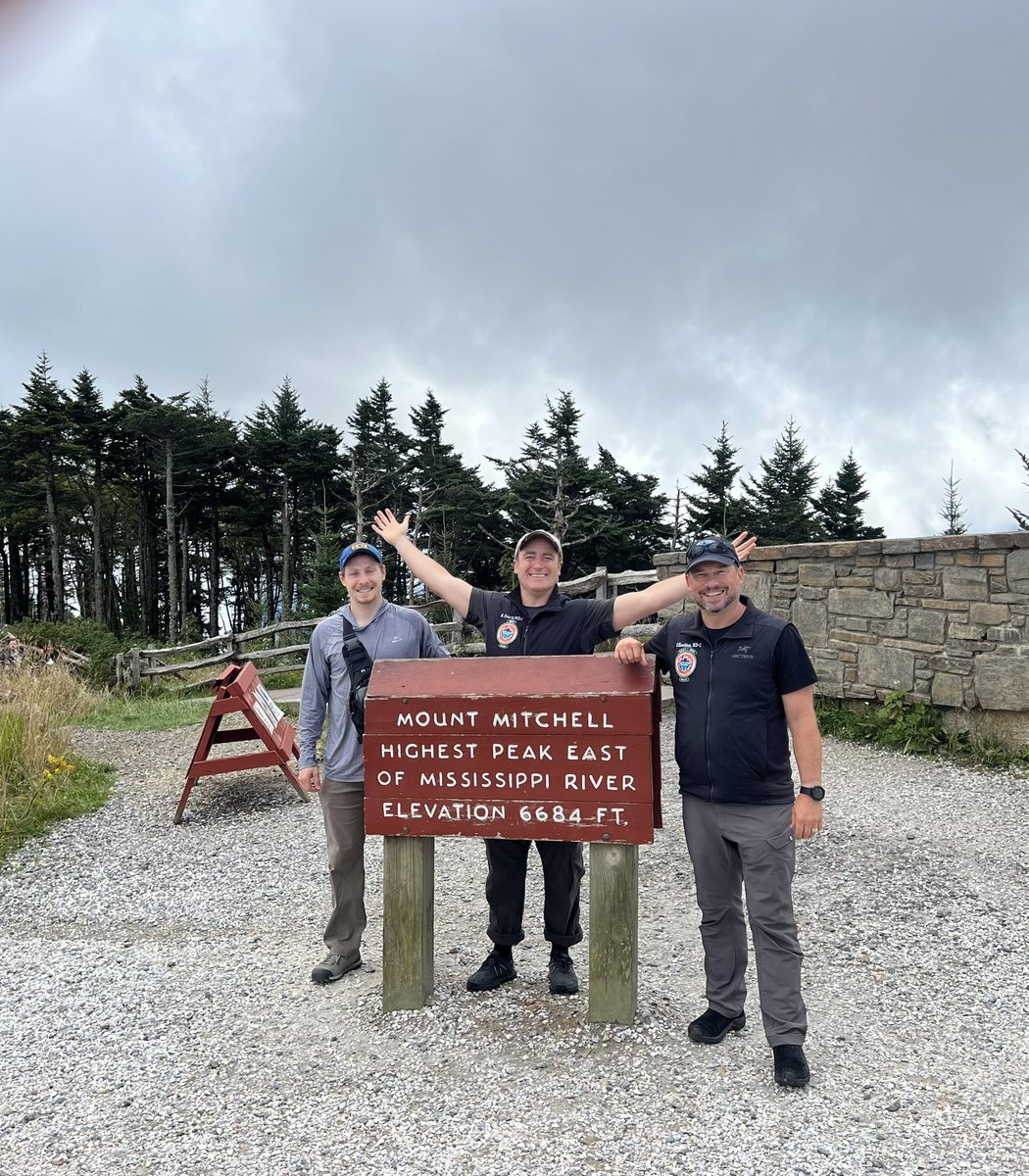
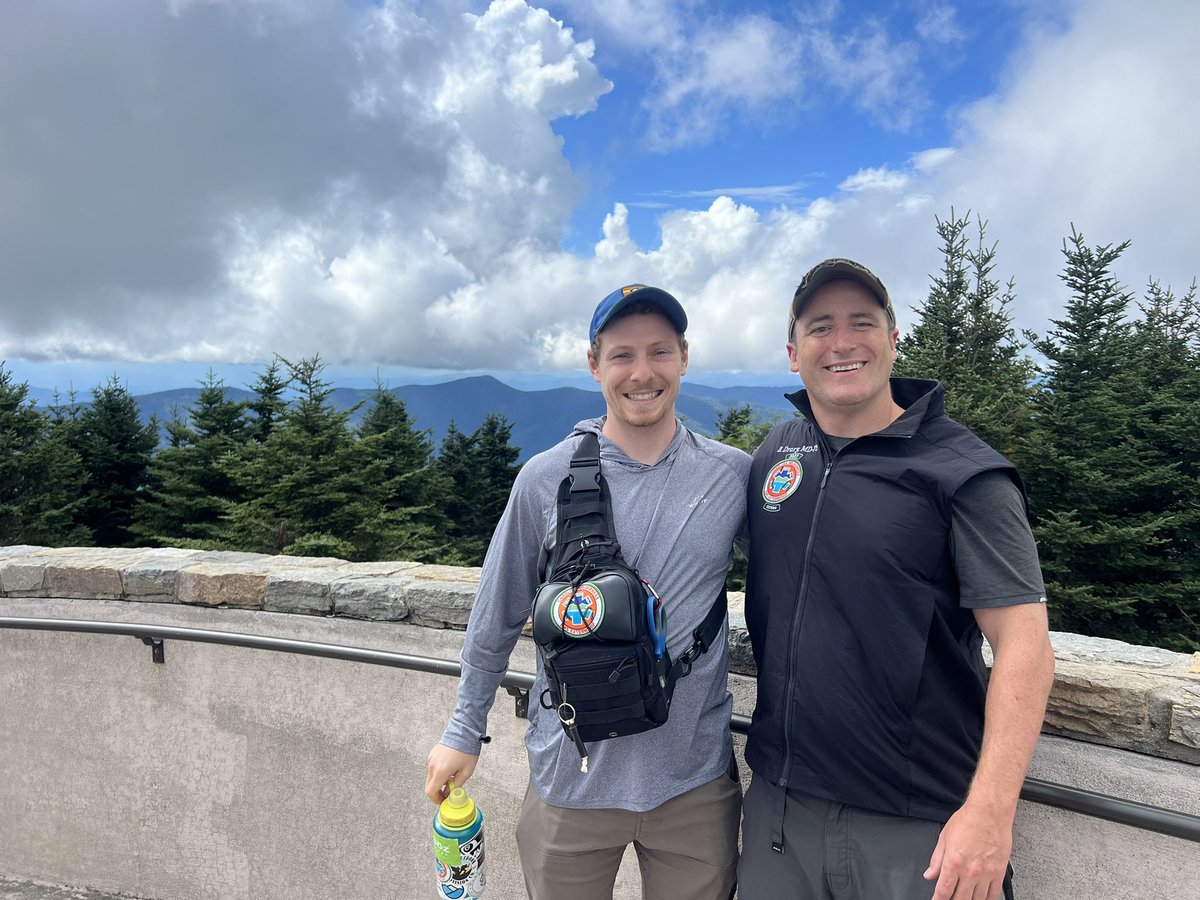
Today was flight day for #MD74 David Baskin at @MedCenterAir . He got outstanding ventilator, helicopter, and wilderness medicine training from MCA/@Landmarklearn's Graham Neville. He also learned all about aviation safety and how seriously maintenance warnings are taken, which we think was a good lesson with which we agree and we'll take 100% take that #safetythird lesson in lieu of flights! On the ground side, #MD73 Brian Drury had an academic day. We had a vigorous discussion during our @MtMitchellStPk day about whether there was appeal or a reason to hike up to a mountain summit that could be driven to. We used Mt. Washington as our prototypical mountain for this discussion, but Drury took it to heart, and returned to Mt. Mitchell today to hike the 18 km roundtrip from base campsite to summit! He does confirm it is worth hiking up to high peaks even if you can drive there. We agree with that too. :-)
Tonight the Externs are back into #roadwarrior mode, en route to the James River in Virginia to get #swiftwaterrescue training with our friends at Blue Ridge Adventure Medicine and VT Carilion Wilderness Medicine Fellowship starting early in the morning—stay tuned for their aquatic adventures tomorrow!
#CWEMSE2023 #cwemse #expeditionary #expeditionmedicine #wildernessmedicine #wildernessEMS #essequamvideri #crewnotpassengers #medicalschool #emergencymedicine #hawkventures #yesthisismedschool #WakeForestWildMed #wildmed #WEMS #UNCBlueRidge #WPCC #thisispublichealth #ncparks #hiking #amhiking #helicopterems #medcenterair #mtmitchell #mtmitchellstatepark
1
6
333
11 Sep 2023
-: @CWEMSE Day 21 :-
Daily Travel (Total Travel): 522 km (14,520 km*)
Knot of the Day: handcuff knot
We went to Canada today, y'all! Well, in a manner of speaking...
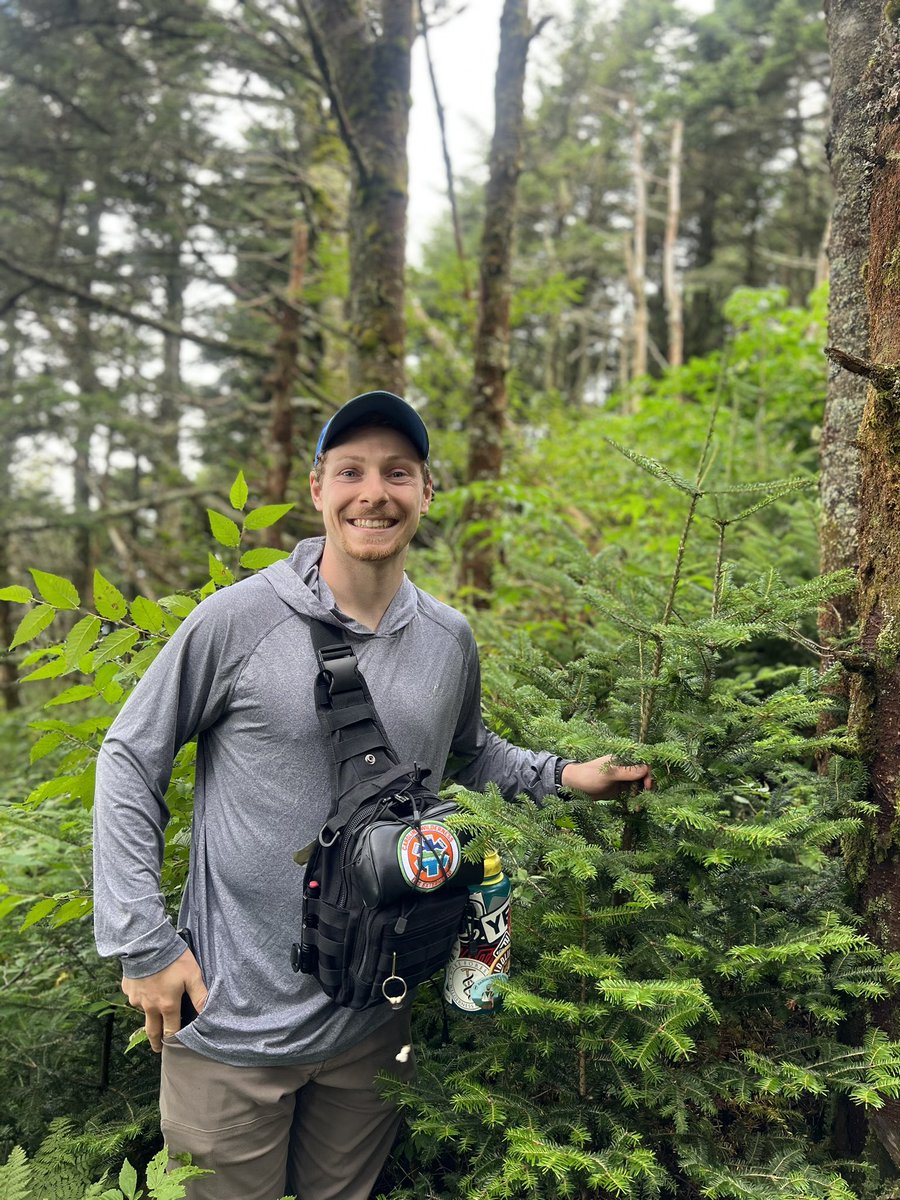
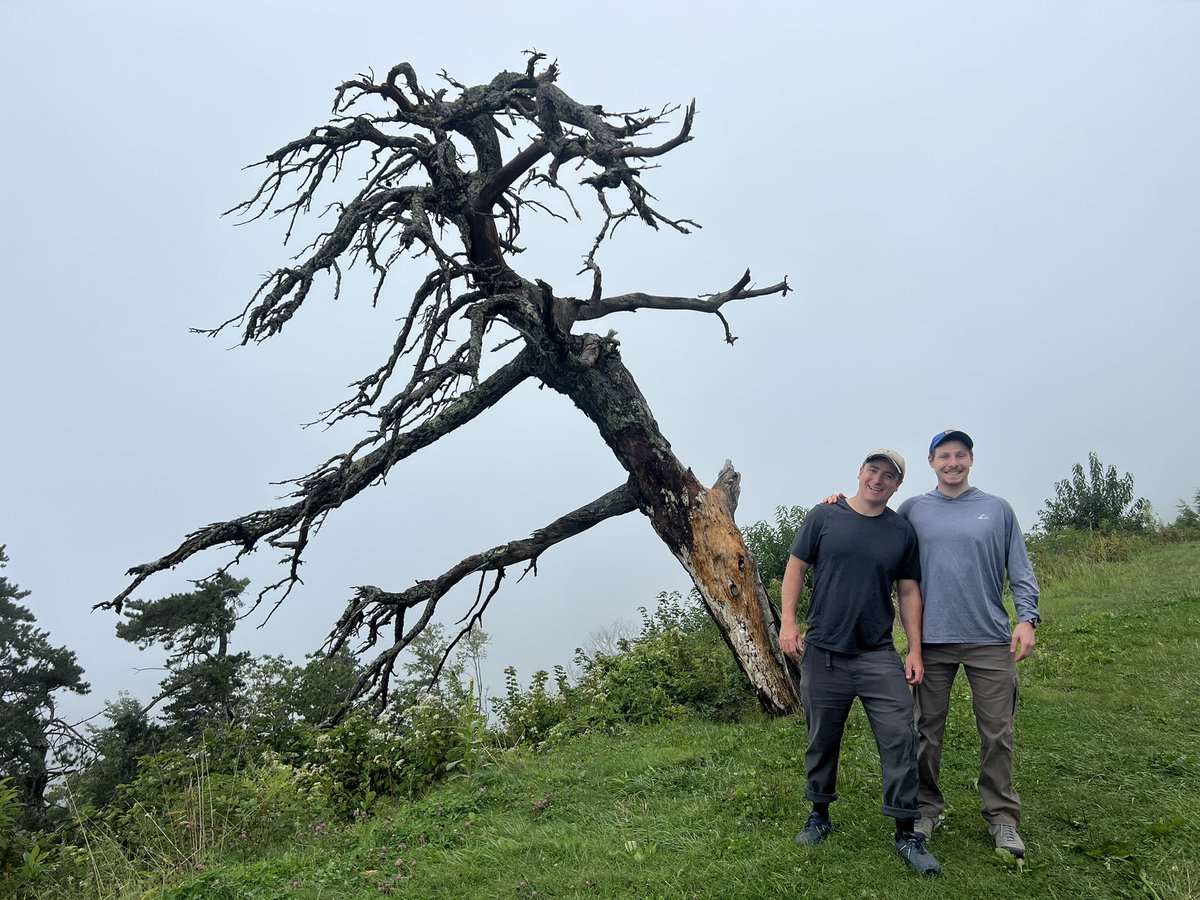
Today was our day at Mt. Mitchell State Park, also known as "Canada Down South" or the "sky island wilderness". Mt. Mitchell is the highest point east of the Mississippi at 6,684 ft (2,037 m). It features an alpine forest ecosystem much more consistent with Canada than NC. Fossil evidence suggests the plants and animals here are relics of the last Ice Age. They migrated southward from Canada ahead of the glaciers. When the glaciers retreated, about 15,000 years ago, some of the cold-adapted plants and animals were left isolated on the extreme high mountain summits of the southern Appalachians, forming biological island like Mt. Mitchell. MD1, MD73, and MD74 are all ecologists in one way or another, and this space—one of the most fascinating in the southeast—was worth the visit just for that alone. We reached this sky island park by rejoining the Blue Ridge Parkway (our old friend from the ᏣᎳᎩ Cherokee Module, and more National Park Service time). We crossed the Eastern Continental Divide and took one of the most winding roads imaginable up to the park. On the way up we stopped for a truly epic gnarly tree-in-fog and learned it was on the first USFS tract ever established by President Taft, so we paid our respects to USFS there. Mt. Mitchell SP's main road is one of the most habitat-diverse in the southeast, starting with deciduous Appalachian hardwoods and the world-famous Catawba rhododendrons before yielding to the alpine flora of evergreens, red spruces, and Frasier firs in a primeval conifer fir forest. From an EMS standpoint, the fierce alpine environment poses unique challenges for rangers involved in medical care and rescues. In the winter, this is easily the snowiest place in NC, with an average of over 90" (230 cm) of snow every year. One recent Christmas Eve was -22°F (-30°C) before wind chill—for the South, this is pretty remarkable, and from a rescue perspective, that makes it even more extreme than areas and responders familiar with and equipped for those temperatures. Year-round the temperature is reliably 20°F less than the surrounding valleys, and the terrain and remoteness provides ongoing challenges. The Black Mountain Crest Trail, one of the premier trails in the eastern US, is 11 miles long and traverses six mountain peaks higher than 6,000 ft (1,839 m)! This is epic altitude for the east Coast. An ambulance is more than an hour away on a good day and frequently air medical transport is needed, although the alpine weather frequently complicates this. It was pretty impressive for the Externs to be dripping sweat learning technical rescue skills at Pilot Mountain State Park in >90°F (32°C) typical southern summer weather, and to be able to visit a truly alpine mountain only two weeks later in the same state and (Hawkins-style) EMS response area. We peppered Superintendent McGraw with tons of questions and learned a ton about rescues and EMS care in one of the truly remote and fierce environments of the American southeast. Great day up in the clouds!
*total course travel distance to date for #MD1, #MD73, and #MD74, including by foot, climbing, rappelling & ascending rope, car, truck, ferry, UTV, helicopter, dune ambulance/response vehicle, canoe, pontoon boat, swimming, fire apparatus, bicycle
#CWEMSE2023 #cwemse #expeditionary #expeditionmedicine #wildernessmedicine #wildernessEMS #essequamvideri #crewnotpassengers #medicalschool #emergencymedicine #hawkventures #yesthisismedschool #WakeForestWildMed #wildmed #WEMS #UNCBlueRidge #WPCC #thisispublichealth #ncparks #mtmitchell #MOMI #blueridgeparkway #USFS #USForestService #NationalParkService #medtwitter
@NCparks @NCEmergency @HawkVenture @MtMitchellStPk @ncculture
3
362


10 Jul 2023
1
218




5 Nov 2022
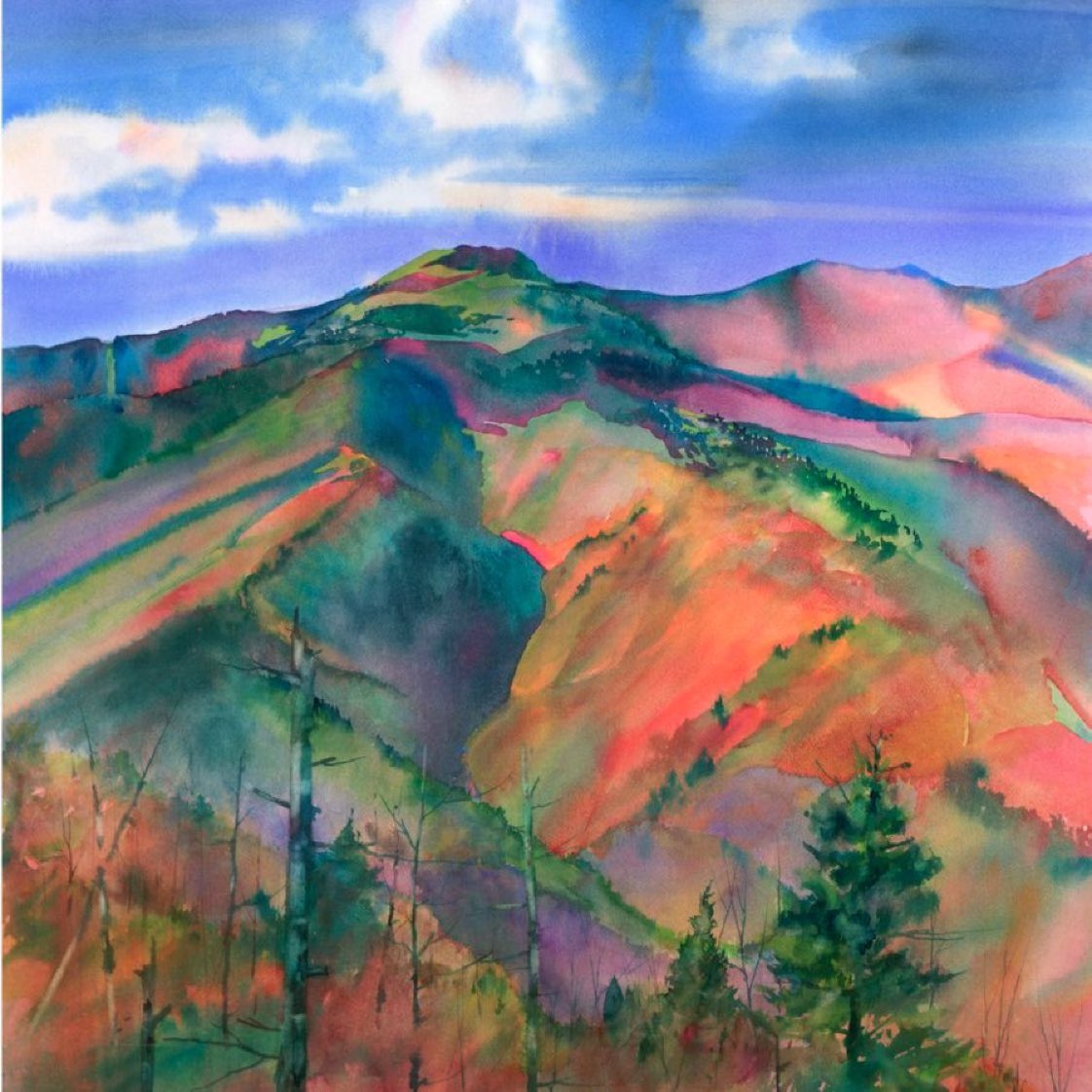
“The only way to see Mt. Mitchell or any of the vast wonderland of the Black Mountains was to go afoot, picking one’s way through the eternal twilight of virgin forest along ancient trails...” C. Hodges Mathis #watercolor #weswaugh #mtmitchell #landscapepainting
5
20