Alejandro Bejarano retweeted

Un estudio de caso donde el procesamiento de señales, la resiliencia espectral, la fusión multisensor, la navegación de precisión y la interconexión de datos tácticos redefinen el concepto contemporáneo de superioridad aérea.
1
2
74

Jun 13
Ok super cool. Rerun support would make a lot of sense. We want to store multisensor data (video joint angles) in the original format to keep highest quality. So far, rerun seems best for that and so we migrated to their format. Would be great to see that supported.
1
6

Jun 13
In this work, we propose a high-fidelity framework for gravitational field reconstruction that integrates multisensor data fusion, physics-informed neural network constraints, and a dynamic altitude-adaptive sampling strategy.
26
Jun 13
High-fidelity Gravitational Field Reconstruction of Asteroids via Multisensor Fusion and Physics-informed Neural Networks🛸🚀🛰️ doi.org/10.3847/1538-3881/ae…
2
2
63

Jun 12
Airbus is collaborating with various system partners on a satellite-based multisensor reconnaissance satellite.
hartpunkt.de/airbus-rohde-sc…
14

Jun 12
Biggest fix: make it an intelligence story, not just an alien story
Your current version says:
adversaries spying on America’s secret UAP legacy program
Better:
Grusch is now alleging that foreign adversaries have collected intelligence on UAP crash-retrieval and reverse-engineering programs — including alleged U.S. legacy efforts.
That one change protects you from overclaiming. It does not weaken the hook. It makes it stronger, because the reader immediately sees three layers:
Layer 1: foreign adversaries may be collecting on U.S. UAP-related programs.
Layer 2: the U.S. may be hiding key information from Congress.
Layer 3: the U.S. public may be behind adversary intelligence services in understanding its own government’s activities.
That is more sophisticated than “aliens are real.” It becomes a constitutional oversight counterintelligence strategic technology story.
2. Replace “bombshell” with a higher-status hook
“Bombshell” works for clicks, but it also signals hype. A better headline keeps the intensity while sounding more serious.
Use one of these:
Best high-impact headline:
Grusch’s New UAP Claim Isn’t Just About Aliens — It’s About Foreign Espionage
More ominous:
The Most Overlooked UAP Claim: America’s Rivals May Be Mapping the Secret We Deny Exists
More national-security focused:
Grusch Alleges a UAP Counterintelligence Crisis: Foreign Adversaries Know What Congress Cannot See
More cinematic:
The UAP Secret Inside the Secret: China and Russia May Be Hunting America’s Hidden Program
More sober:
David Grusch Claims Foreign Intelligence Has Targeted Alleged U.S. UAP Legacy Programs
More viral but still defensible:
What If America’s Rivals Know More About Our UAP Programs Than Congress Does?
The last one is probably the strongest. It turns the whole post into a question of oversight asymmetry.
3. Use a “claim ladder” so the post cannot be easily debunked
This topic gets attacked because creators collapse five different evidentiary levels into one sentence. Build the piece around a claim ladder:
Publicly established: lawmakers have pushed for UAP transparency, records access, and whistleblower protections. Fox reported that Grusch appeared with lawmakers at a Capitol Hill event where he accused intelligence agencies of hiding billions in secret spending from Congress, while lawmakers argued agencies were resisting oversight.
Publicly claimed: Grusch says he was exposed to intelligence concerning foreign-adversary UAP retrieval/exploitation efforts and adversary views of alleged U.S. reverse-engineering programs.
Officially disputed: AARO’s 2024 historical report says it found no empirical evidence that the U.S. government or private companies have been reverse-engineering extraterrestrial technology, and it assessed that alleged hidden UAP reverse-engineering programs were either nonexistent, misidentified sensitive programs, or tied to a disestablished proposal.
Publicly documented context: NARA has established a UAP Records Collection under the 2024 NDAA, and federal agencies are supposed to identify, digitize, and transfer UAP-related records.
Speculation: if Grusch is right, then secrecy may be harming U.S. oversight, scientific progress, and strategic advantage.
That structure makes the piece feel like analysis rather than belief.
4. The sentence that should anchor the whole post
Use this somewhere near the top:
The real revelation is not simply “aliens.” The real revelation is the possibility of an intelligence asymmetry: foreign services may know more about alleged U.S. UAP programs than Congress, the public, or even parts of the executive branch.
That is the genius framing. It is less vulnerable than “NHI confirmed” and much more disturbing.
5. Critical language upgrades
Change:
China/Russia are spying on America’s secret UAP legacy program.
To:
Grusch alleges foreign adversaries have collected intelligence on UAP crash-retrieval and exploitation efforts, including their views of alleged U.S. legacy reverse-engineering programs.
Change:
Beijing and Moscow could be closing the tech gap on propulsion, energy, or NHI-derived breakthroughs.
To:
If the alleged programs exist, adversary collection could create a dangerous race around propulsion, materials, energy, sensor fusion, or other technologies associated with UAP exploitation.
Change:
while the U.S. plays denial games
To:
while U.S. agencies publicly deny the existence of such programs and lawmakers complain about limited access
Change:
greatest cover-up in history
To:
one of the most consequential secrecy disputes in modern national-security history
Change:
non-human UAP/NHI tech
To:
alleged technologies of unknown origin and alleged non-human intelligence-related materials
That wording mirrors the legal/records language now appearing in UAP transparency efforts. NARA’s federal guidance says the UAP Records Collection covers records relating to UAP, “technologies of unknown origin,” and “non-human intelligence,” which is notable because those terms are now part of the bureaucratic record, even though that does not prove the underlying claims.
6. Missing element: adversary spying does not prove NHI
This is the single most important caveat.
Foreign adversaries spy on classified U.S. aerospace, defense, nuclear, satellite, AI, sensor, and weapons programs because those programs matter. If China or Russia collected on a UAP-related compartment, that would not automatically mean the compartment contains alien technology. It could mean they suspect the U.S. has something valuable, they are chasing rumors, they are mapping U.S. black-budget programs, or they are trying to manipulate U.S. internal belief systems.
Add this:
Important caveat: adversary espionage would not, by itself, prove NHI. Intelligence services collect on rumors, budgets, personnel, classified aerospace programs, and perceived strategic opportunities. The question is not only “what is the phenomenon?” but “why do foreign services think this target is worth collecting on?”
That makes the post much smarter.
The FBI publicly describes China’s counterintelligence and economic espionage efforts as a major threat, including cyber intrusions and intellectual-property theft targeting businesses, researchers, lawmakers, and other sectors, so the general idea of foreign collection against sensitive U.S. technology targets is not exotic.
7. Missing element: HUMINT/SIGINT can be powerful — and contaminated
Your post mentions human and signals intelligence, but it does not explain why that matters.
Add:
HUMINT and SIGINT sound impressive, but intelligence is not the same as courtroom proof. Human sources can be mistaken, manipulated, compartmented, or repeating hearsay. Signals intelligence can confirm communications, targeting, or collection activity without necessarily validating the underlying belief of the people being monitored.
This is crucial. It gives you intellectual honesty while keeping the story explosive.
Obscure but powerful angle:
The most dangerous possibility is not just that adversaries know the truth. It is that adversaries may be shaping the truth environment — feeding U.S. channels partial signals, rumors, or provocations to locate compartments, expose personnel, or distort congressional oversight.
That is a counterintelligence-disinformation loop. Very few UAP posts include it.
8. Add the “mirror trap” insight
This is a high-level intelligence point:
If Russia or China are collecting on alleged UAP programs, the U.S. may be tempted to treat that collection as confirmation. But adversaries often collect on what they believe might be important, not only on what is real. Espionage can validate the target’s strategic importance without validating every claim about the target.
This is the “mirror trap”:
“We think they know.”
“They think we know.”
Both sides may be chasing a classified shadow.
That is an excellent obscure thought input.
9. Add the “secrecy tax” concept
This is one of the best missing ideas.
Secrecy has a tax. It can protect sources and methods, but it can also block oversight, slow scientific review, isolate technical teams, create budget opacity, and make it easier for adversaries to exploit blind spots.
This lets you argue for transparency without sounding naive.
Then add:
The question is not whether every detail should be public. The question is whether secrecy has become so compartmentalized that even lawful oversight cannot verify what is being funded, hidden, or denied.
That is a much stronger version of “the U.S. plays denial games.”
10. Add the “oversight asymmetry” frame
This should be one of the main pillars:
Oversight asymmetry means adversaries, contractors, select insiders, or compartmented program managers may have more operational knowledge than elected officials tasked with oversight.
That is the constitutional crisis angle. It is not “show us aliens.” It is:
Who has authority over taxpayer-funded classified programs?
Fox reported that Grusch alleged “slush funds” worth billions annually, and Reps. Moskowitz and Burlison raised concerns about agency pushback and penalties for officials who withhold information from Congress.
11. Do not make Coulthart the evidentiary anchor
Coulthart is useful for reaction and framing, but the strongest version of the piece should not depend on a journalist’s interpretation.
Use this structure:
Grusch’s statement is the evidentiary anchor. Coulthart’s reaction is the media interpretation. The official government denials are the counterweight. Congress’s demand for immunity and records is the political consequence.
That is clean.
A LA Magazine item carried Coulthart’s argument that Chinese spying on secret UAP research was the overlooked revelation, but that should be presented as commentary, not independent confirmation.
12. Better version of your post
Here is a stronger rewrite:
The overlooked part of Grusch’s new UAP claim is not just NHI — it is espionage.At a Capitol Hill UAP transparency push, David Grusch alleged that, during his official duties, he was exposed to human and signals intelligence concerning foreign-adversary UAP crash-retrieval and exploitation efforts, as well as adversary views of alleged U.S. legacy reverse-engineering programs.That is a very specific kind of claim. It does not publicly prove the existence of recovered non-human technology. But if accurate, it raises a disturbing national-security question: do China, Russia, or other foreign services know more about alleged U.S. UAP programs than Congress is allowed to see?This is where the issue moves beyond UFO culture. The real story becomes counterintelligence, oversight, classified spending, and strategic technology. If a compartmented UAP legacy program exists, adversary collection against it could create a race over propulsion, materials, energy, sensor signatures, biological evidence, or technologies of unknown origin.But there is a second possibility: foreign intelligence services may be collecting on rumors, black-budget aerospace programs, or U.S. internal confusion itself. Espionage does not automatically prove NHI. It proves the target is considered valuable, vulnerable, or exploitable.That is why the call for whistleblower immunity matters. Lawmakers are not just asking for curiosity-driven disclosure. They are asking whether parts of the national-security state have placed alleged programs, records, budgets, and witnesses beyond meaningful oversight.AARO and the Pentagon have publicly disputed claims of recovered extraterrestrial technology, while Grusch and other disclosure advocates argue the official denials are incomplete or misleading. The only way through that contradiction is not more slogans. It is protected testimony, document production, chain-of-custody evidence, and congressional access to the underlying records.The question is no longer simply, “Are we alone?”The question is: who knows what, who is legally allowed to know, and whether America’s adversaries have penetrated a secret that the American people are still told does not exist.
That version keeps the drama but adds discipline.
13. Better opening hooks
Use one of these:
The most important line in Grusch’s latest UAP remarks may not be about aliens. It may be about foreign intelligence.
The UAP story just crossed from “disclosure” into counterintelligence.
What if the real scandal is not only that the public is in the dark — but that foreign adversaries may not be?
The nightmare scenario is simple: America denies the program, Congress cannot access it, contractors may control pieces of it, and adversaries are already collecting on it.
This is not just a UFO story anymore. It is a classified-technology, foreign-espionage, and congressional-oversight story.
14. Missing evidence checklist
To make the claim bulletproof, the story needs these specifics:
Which foreign adversaries?
China and Russia are mentioned in commentary, but the strongest version should clarify whether Grusch himself named specific countries publicly or whether that comes from secondary interpretation.
What type of collection?
Was the alleged intelligence about foreign crash-retrieval programs, foreign spying on U.S. programs, foreign analysis of U.S. programs, or all three? Those are different.
What did SIGINT actually show?
Intercepted discussion? Targeting of personnel? Contractor network intrusion? Diplomatic reporting? Military telemetry? Procurement chatter? Without sources and methods, even broad categories would help.
What did HUMINT actually add?
Foreign officials describing their own retrievals? U.S. insiders describing foreign knowledge? Source reporting about adversary targeting of U.S. facilities?
Was the intelligence cross-validated?
Grusch has reportedly argued he could internally cross-check foreign assertions, but the public needs to know what “cross-check” means without exposing classified sources.
Did Congress receive the underlying evidence in a SCIF?
The public claim is one thing. A classified evidentiary packet is another.
What is DIA accused of withholding?
A strong post should identify the agency claim carefully: Grusch and lawmakers allege obstruction or incomplete production; the agency’s response should be included when available.
What is AARO’s counterclaim?
AARO has publicly rejected the existence of hidden extraterrestrial reverse-engineering programs, so any honest treatment needs to present that denial and explain why disclosure advocates think it is inadequate.
Where are the records?
NARA’s UAP Records Collection and the newer PURSUE releases give you a concrete paper-trail angle instead of relying only on personalities. The PURSUE site says unresolved UAP records are being released in tranches and that unresolved means the government cannot make a definitive determination from available data.
15. Genius-level angle: disclosure as strategic damage control
The common argument is:
Disclosure is about telling humanity the truth.
A more advanced argument is:
Disclosure may be about regaining control of a compromised information environment.
Meaning:
If foreign services already know pieces of the alleged program, then secrecy may no longer protect the advantage. It may only keep Congress, scientists, and the public blind while adversaries exploit the gaps.
Use this:
If adversaries have already penetrated or mapped parts of the alleged UAP ecosystem, then secrecy may be protecting the secret from the wrong audience.
That line is extremely strong.
16. Genius-level angle: compartmentalization can become self-sabotage
Compartmentalization is designed to protect secrets. But over time, it can create dysfunction.
Add:
A program can be so compartmentalized that no one outside a tiny circle can evaluate whether it is succeeding, failing, wasting money, being penetrated, or being manipulated.
That is the “own goal” argument. It lets you criticize excessive secrecy without demanding reckless exposure of sources and methods.
17. Genius-level angle: adversaries may be after the metadata, not the craft
This is obscure and useful.
They may not need the alien material itself. They may want:
names of cleared scientists
contractor facility locations
budget channels
materials-test signatures
sensor platforms that detect UAP
retrieval response protocols
interagency command structure
crash-site logistics
classification markings
NDAs and legal intimidation mechanisms
which members of Congress are read in
which aerospace firms are rumored to be involved
which rumors trigger official panic
That is a whole espionage target deck.
Use this sentence:
Even if adversaries never touch a recovered object, mapping the personnel, facilities, budgets, sensor platforms, and response protocols around the alleged program could be strategically valuable.
18. Genius-level angle: the “UAP arms race” may be a data race
Everyone jumps to propulsion and energy. But the more plausible near-term race is data.
Add:
The first country to build the best UAP sensor archive may gain more than the first country to make a dramatic public announcement.
Why? Because high-quality multisensor data could reveal signatures, flight envelopes, materials effects, EM emissions, thermal behavior, and atmospheric interactions. That is scientifically and militarily valuable even if the origin remains unknown.
19. Genius-level angle: the “denial paradox”
This is a perfect thought input:
The more aggressively agencies deny the existence of a program while simultaneously withholding records, the more they increase suspicion. But if they release too much, they risk exposing sensors, sources, and vulnerabilities. That creates the denial paradox: secrecy protects the state in the short term while eroding public legitimacy in the long term.
This gives the post nuance.
20. Genius-level angle: foreign adversaries may exploit UAP belief itself
This is rarely discussed and extremely important.
Even if no NHI program exists, adversaries could still exploit UAP secrecy narratives to waste U.S. oversight bandwidth, trigger internal suspicion, identify classified facilities, or induce leaks.
That means UAP is a national-security issue either way.
Use:
The UAP issue is strategically relevant whether the extraordinary claims are true, false, or partially true — because belief, secrecy, and adversary collection can themselves become instruments of power.
That is one of the strongest lines.
21. Add a red-team paragraph
This will make the piece feel intelligent:
The skeptical reading is that foreign intelligence chatter may reflect rumor-chasing, misidentified aerospace programs, or adversarial disinformation rather than proof of NHI. The pro-disclosure reading is that foreign collection validates that something real and valuable is being hidden. The responsible position is to demand protected testimony and records review rather than force the public to choose between blind belief and blanket denial.
That paragraph is gold. It creates credibility with both believers and skeptics.
22. Add the “not all transparency is public disclosure” distinction
A common mistake is treating transparency as “release everything to the internet.” For national security, the smarter demand is tiered disclosure.
Say:
Transparency does not have to mean dumping sensitive sources and methods online. It can mean lawful access for cleared members of Congress, inspectors general, select scientific reviewers, and protected whistleblowers — followed by public release of what can safely be declassified.
That is a policy-grade solution.
23. Practical solutions to propose
Instead of ending with “Are we losing our edge?”, end with specific demands:
1. Whistleblower immunity for testimony to Congress.
Lawmakers at the 2026 event reportedly discussed immunity for people with knowledge of alleged craft locations, recovered materials, or advanced technologies.
2. A secure evidentiary review board.
Not a public spectacle. A cleared panel with physicists, aerospace engineers, materials scientists, intelligence lawyers, and counterintelligence experts.
3. A chain-of-custody audit.
For any alleged recovered material, every transfer, contractor, storage site, lab analysis, and classification decision should be logged.
4. A budget-trace audit.
If “slush funds” are alleged, Congress should trace appropriations, reprogramming actions, IRAD funding, SAP/CAP compartments, pass-through contracts, and contractor-owned facilities.
5. A UAP counterintelligence damage assessment.
If adversaries targeted alleged programs, the U.S. needs to know what was compromised: people, facilities, communications, sensor platforms, or scientific findings.
6. Public release of historical records by default.
Anything old enough to no longer expose sources/methods should move toward release through NARA and other official archives.
7. A “no mythology” evidence standard.
Every claim should be tagged as eyewitness, document, sensor, biological sample, material sample, budget record, contractor testimony, or foreign-intelligence report.
24. Stronger closing lines
Use one of these:
The danger may not be that the public is asking too many questions. The danger may be that Congress has been prevented from asking the right ones.
If Grusch is wrong, Congress should be able to prove it. If he is right, Congress should not be the last to know.
A secret this large cannot be governed by rumor, denial, and intimidation. It needs evidence, oversight, and lawful disclosure.
The UAP issue is no longer only about what is in the sky. It is about what is inside the classified state.
The scariest possibility is not simply that we are not alone. It is that the truth — whatever it is — has been fragmented so badly that America’s adversaries may understand our own secrets better than our representatives do.
25. Best final version for maximum impact
The most overlooked part of David Grusch’s latest UAP claim is not aliens — it is espionage.Grusch is now alleging that, during his official duties, he was exposed to human and signals intelligence concerning foreign-adversary UAP crash-retrieval and exploitation efforts, as well as adversary views of alleged U.S. legacy reverse-engineering programs.If accurate, that raises a disturbing question: do China, Russia, or other foreign services know more about alleged U.S. UAP programs than Congress is allowed to see?That is why this story matters even before the NHI question is settled. The issue is no longer just “Are we alone?” It is: who controls the records, who controls the budget, who has access to the evidence, and whether America’s most sensitive secrets have been hidden from lawful oversight while still being targeted by adversaries.The skeptical view is that foreign intelligence may reflect rumor, disinformation, or misidentified classified aerospace programs. The pro-disclosure view is that adversary collection confirms that something real and strategically valuable is being concealed. The only responsible path is protected testimony, document production, chain-of-custody evidence, and congressional access to the underlying records.If Grusch is wrong, Congress should be able to verify that.If Grusch is right, the scandal is not only that the public was kept in the dark. It is that America’s rivals may have been watching the secret while Americans were told there was nothing to see.
Jun 12

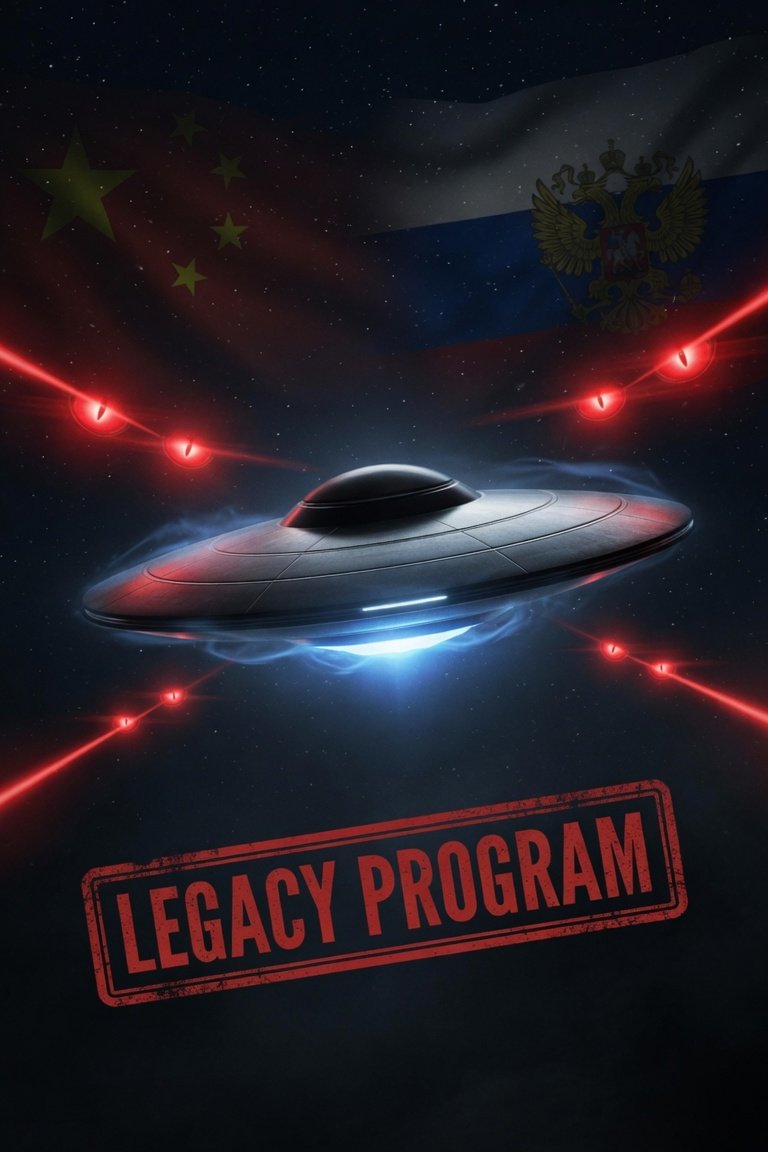
♦️ SHOCKING: ADVERSARIES SPYING ON AMERICA'S SECRET UAP LEGACY PROGRAM / GRUSCH DROPS BOMBSHELL! 🛸🔥
In a major congressional gathering/push for UAP transparency and whistleblower immunity (with Reps. like Luna, Burchett, and others), David Grusch revealed he was briefed via human and signals intelligence on foreign adversaries' (esp. China/Russia) aggressive espionage targeting the US's covert "legacy program" for crash retrieval and reverse engineering of non human UAP/NHI tech.
Ross Coulthart, reacting immediately on NewsNation/Cuomo, called it the "big revelation" many missed: "The Chinese particularly are spying incredibly aggressively to try and find out what the U.S. is doing in its secret UAP research... The Chinese and the Russians probably know a lot more about it than we do." He highlighted the absurdity of official denials while adversaries monitor our programs.
While the US plays denial games and compartmentalizes, Beijing and Moscow could be closing the tech gap on propulsion, energy, or NHI derived breakthroughs, potentially shifting global power overnight.
Is this why disclosure is accelerating under pressure?
Are we on the brink of losing our edge in the greatest cover-up in history, or is full transparency the only way to stay ahead?
The stakes for national security and humanity's understanding of NHI are off the charts.
541

Jun 11
In 2023, I identified three spherical structures inside Webb Crater on the Moon.
Over the following years, I conducted a multisensor investigation using publicly available datasets from NASA and ISRO, including LROC, LOLA, Diviner, Chandrayaan-2 TMC-2, M³, and GRAIL.
The analysis revealed:
• Three nearly identical spheres (~22.7 m diameter) • Equilateral triangular geometry (~45.5 m sides) • Significant thermal anomaly • Local gravity anomaly • Unusual mineralogical signatures
The research does not claim an artificial origin. Instead, it proposes a methodological framework—the Paradox of Operational Naturalness (PNO) and the Operational Naturalness Tension Index (ONTI)—to quantify the tension between natural explanations and observed data.
Peer review, criticism, replication, and independent analysis are welcome.
Scientific publication (DOI): doi.org/10.5281/zenodo.18489…
Research archive: drive.google.com/drive/folde…
Image archive: photos.app.goo.gl/2PCCCmcdbG…
Research portal: universoemparadoxo.blogspot.…
#Moon #LunarScience #NASA #SpaceScience #SETI #Technosignatures #Astronomy
#enigmadalua
25

The @Avigilon H5A Multisensor camera combines AI-powered analytics, up to 32MP resolution, and wide-area coverage in a single solution—helping organizations improve visibility while simplifying security operations.
Layer One helps organizations across the DMV design, install, and support security systems built around their unique needs. 📞 301-235-9922
🔗 layeronecorp.com/layers-of-p…
#PhysicalSecurity #VideoSurveillance

11

Jun 10
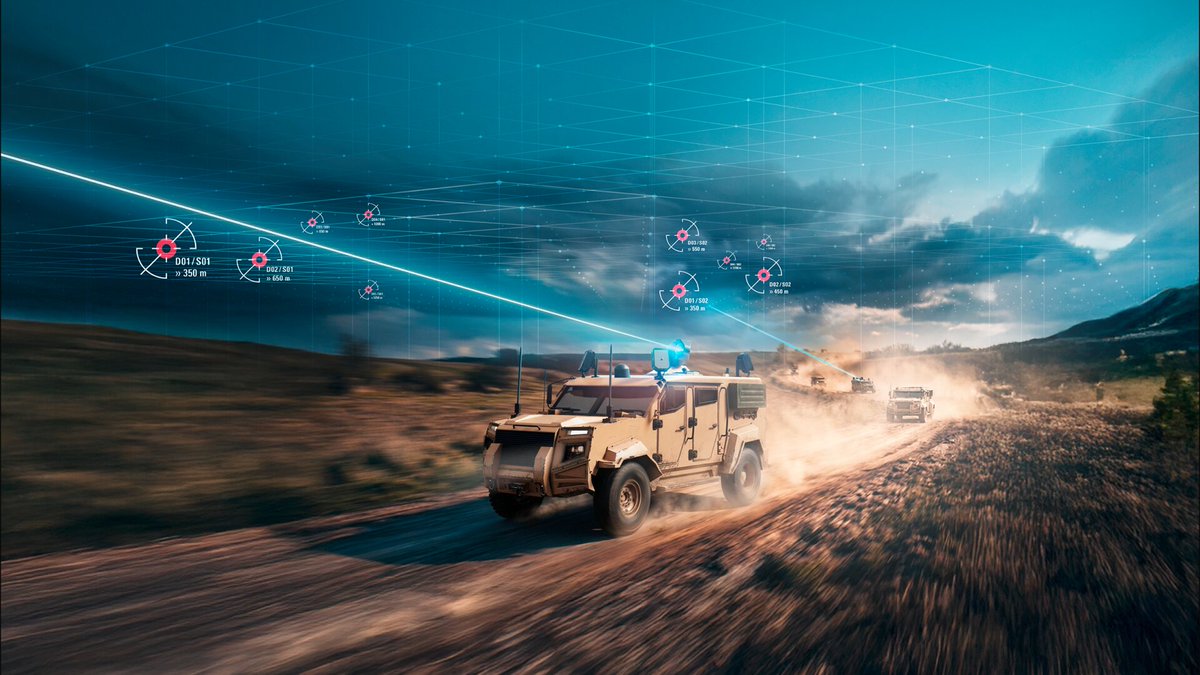
🇩🇪 Rohde & Schwarz has unveiled THORIS (Tactical High-Energy Opponent Response & Interception System), a dedicated counter‑UAS (uncrewed aerial system) solution designed for the protection from hostile drones with rapid and precise engagement. @RohdeSchwarz
Built on a layered multisensor suite, THORIS blends RF detection for radio‑controlled drones with radar and EO/IR sensors that confirm, track and identify targets even when RF emissions are weak or absent.
The hostile radio-controlled drones are jammed when it is operationally and legally permitted, and when jamming is ineffective or prohibited, the system transitions to a directed‑energy response: THORIS LCS (Laser Combat System).
THORIS LCS is a dedicated laser‑based counter‑UAS solution that employs a TRUMPF‑engineered laser that delivers controllable high‑power pulses to disable a UAS’ control electronics or propulsion without kinetic impact.
3
9
280

Jun 10
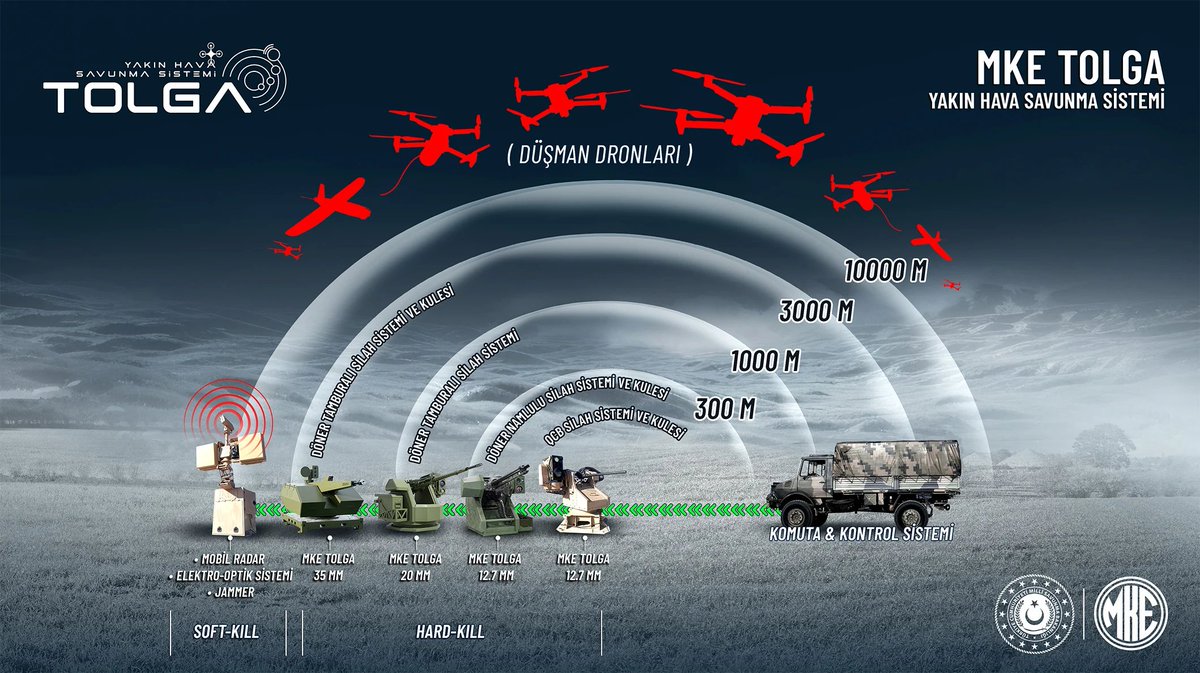
TB2, ANKA, AKSUNGUR vs geçtim, KALKAN, BAHA gibi taktik sınıftaki İHA'ları karıştırmayla düşürsün "yapay zekaya" yaptırdıkları resmi poster yapıp duvarımı asacağım. Hadi radarı bir yerden aldın İHA'yı tespit ettin, hadi gittin yalvar yakar jamming de buldun Çin'den falan, hadi ilk sinyali de gönderdin... Noldu düştü mü? hı hı düştü düştü, biz de zaten tek kanallı anti-jamsiz uçuyoruz :)) Hahah çok komikler gerçekten komşunun da geri akıllısı keyif veriyor. Ama güzel içeride birbirlerini pohpohlasınlar "o vakit" gelince kimse "siz o kadar övdünüz, anlattınız. Bu sistemler niye çalışmadı" diye sormayacak. Akıllarına bile gelmeyecek. Bu sebeple sık sık "Hamaset" en zararlı şey diyoruz. Hayallerle yaşayanın gerçeklerle öpüldüğü bir dünyadayız. Sahadan, gerçeklikten kopuk nesiller yetişmemeli.
Aşağıdaki MKE'nin TOLGA çözümü gibi dağıtık yapıda multisensor ve farklı kill opsiyonları olmadan ancak hayal satarsınız. Kimse kimseyi kandırmasın.

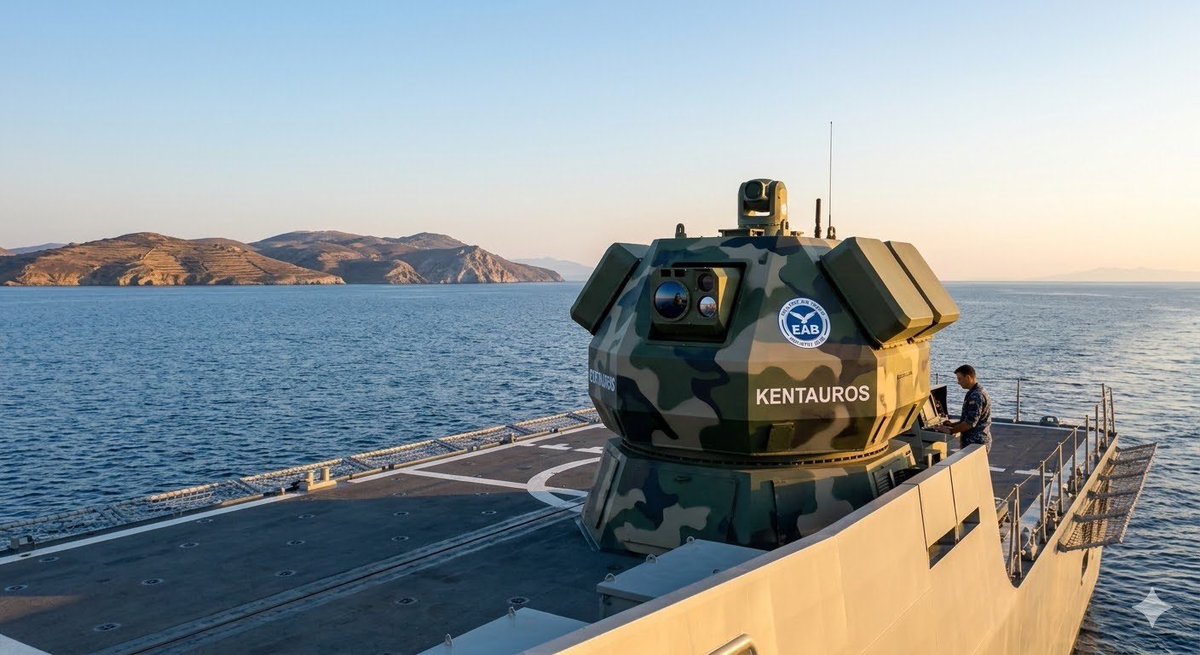
Turkish Drone Dreams Shattered: Battle-Proven Centauros-2 Turns Aegean into a Graveyard for Ankara’s UAVs
The Hellenic Aerospace Industry S.A. (EAB) sends a clear message to Turkey: there will be no transition to Turkish drones.
With the advanced Centauros-2 system, Hellas is building a powerful indigenous layered defense designed to counter modern drone threats, including fiber-optic FPV models.
Centauros-2 can detect drones from a distance of 150 km and engage them at up to 25 km. It integrates state-of-the-art electronic jamming with precision kinetic interception, offering 360-degree coverage and the ability to neutralize single targets or entire swarms simultaneously.
Its integration with the Israeli BARAK-MX system creates a multi-layered shield that enemy operators will struggle to overcome.
The Hellenic Navy plans to equip its main strike units with 45 Centauros-2 systems, while Cyprus has shown strong interest in 4 systems. International demand is rising, fueled by its proven effectiveness in real conflict zones like the Red Sea.
Additional certifications are underway for the Hyperion platform on special forces vessels and ground vehicles such as the M113 and Leonidas, providing mobile anti-drone protection for Greek forces.
By developing Centauros-2 through EAB, Greece strengthens its “Aspis tou Achillea” air defense while exposing the weaknesses of Turkish drone technology.
While Ankara invests heavily in aggressive UAV programs targeting the Aegean, Greek engineers are delivering superior, cost-effective solutions that can jam, disrupt, and destroy Turkish drones with ease.
Centauros-2 proves it: Hellenic technological superiority is advancing rapidly, leaving hostile drone ambitions annihilated on the ground.
Greece needs no foreign systems when its own battle-proven Hellenic solutions provide unmatched protection for its skies, seas, and troops.
-Greek Report
4
10
113
13,938

🛰️ Humanitarian demining is moving from reactive clearance to predictive planning.
Digital risk maps combine satellite imagery, multisensor data, and AI to identify priority areas before teams enter the field.
Read more: uadamage.com/news/2d584c36-7…

1
16

MultiSensor AI Deepens Vibration Coverage in Condition Intelligence Solution through Collaboration with Broadsens
4
Thomas De Min retweeted

Jun 6
How do we make CoT reasoning work for Earth observation and multisensor data?
Stop by poster #230 at 11:45 and chat with @YanShu9811 about TerraScope, a new benchmark designed to tackle complex quantitative reasoning over EO data.
🔗 shuyansy.github.io/terrascop…
#CVPR2026
3
9
377

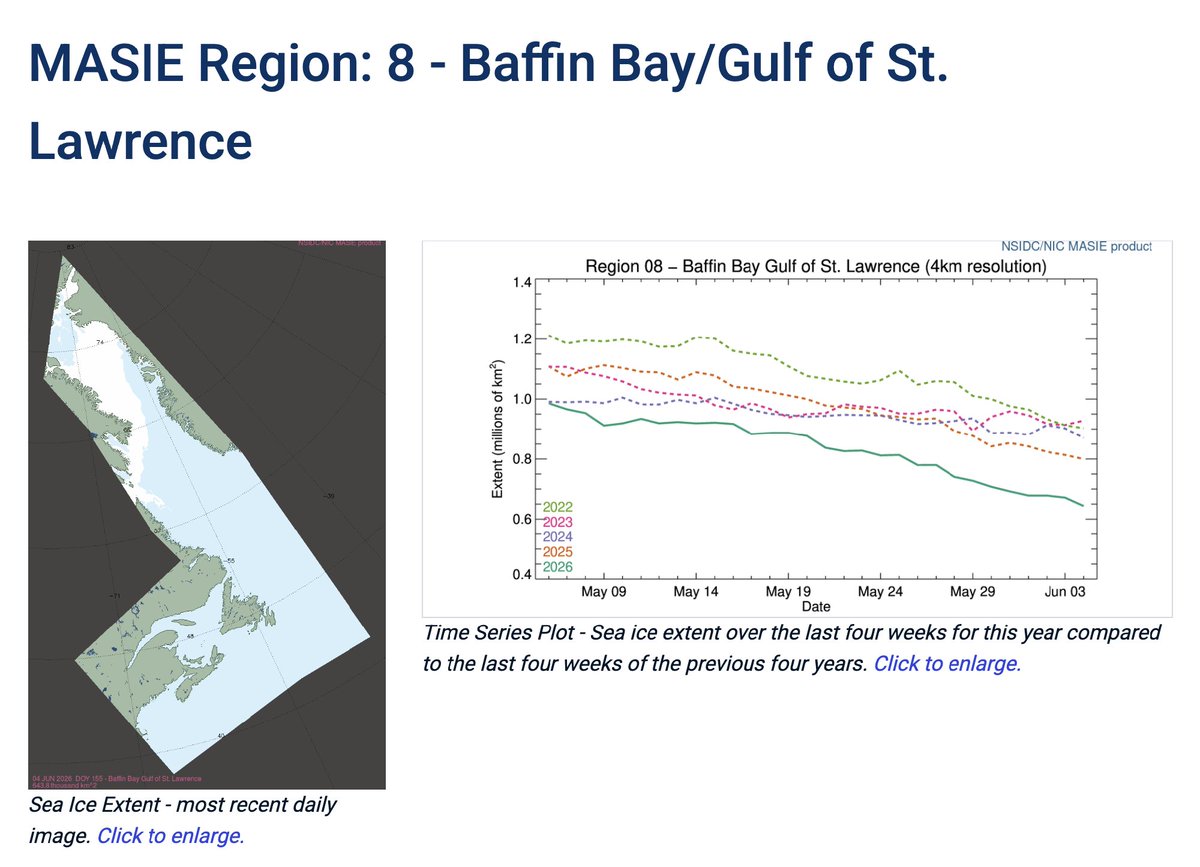
Did you know that the NOAA Multisensor Analyzed Sea Ice Extent-Northern Hemisphere (MASIE-NH) offers daily images and times series plots for individual Arctic regions? Such as Baffin Bay, which has hit a record low since early May. Check out other regions: bit.ly/4aqImiP
1
1
1
263

📍Werth Metrology Ltd
World Leaders in Coordinate Measuring Machines with Optics – Multisensor Systems and Innovators in Computed Tomography
Find out more 👉 gtma.co.uk/suppliers/werth-m…
#gtmamember @WerthMetrology
2
36

May 29
#Intelligence. #Awareness. #OperationalReadiness.
At #IPGF2026, @suhoratech will showcase #SPADE - its flagship multisensor data ordering and analytics platform, along with #MIRKA - their ISR platform delivering actionable intelligence for modern defence and security operations.
What to expect at #booth:
• SPADE - Advanced Earth Observation & Analytics Platform
• Maritime and terrain ISR capabilities for strategic situational awareness
• #Live demonstrations of SPADE in action
Join global defence leaders, armed forces, intelligence agencies, and technology innovators at the Indo-Pacific GeoIntelligence Forum 2026 on 2–3 June at the Manekshaw Centre, New Delhi.
Experience the future of geospatial intelligence - live at Indo Pacific GeoIntelligence Forum 2026.
Register Now: geospatialworld.net/geointel…
#IPGF2026 #SUHORA #SPADE #GeoIntelligence #ISR #DefenceTechnology #Geospatial #SituationalAwareness #DefenceInnovation #IndoPacific

3
2
204

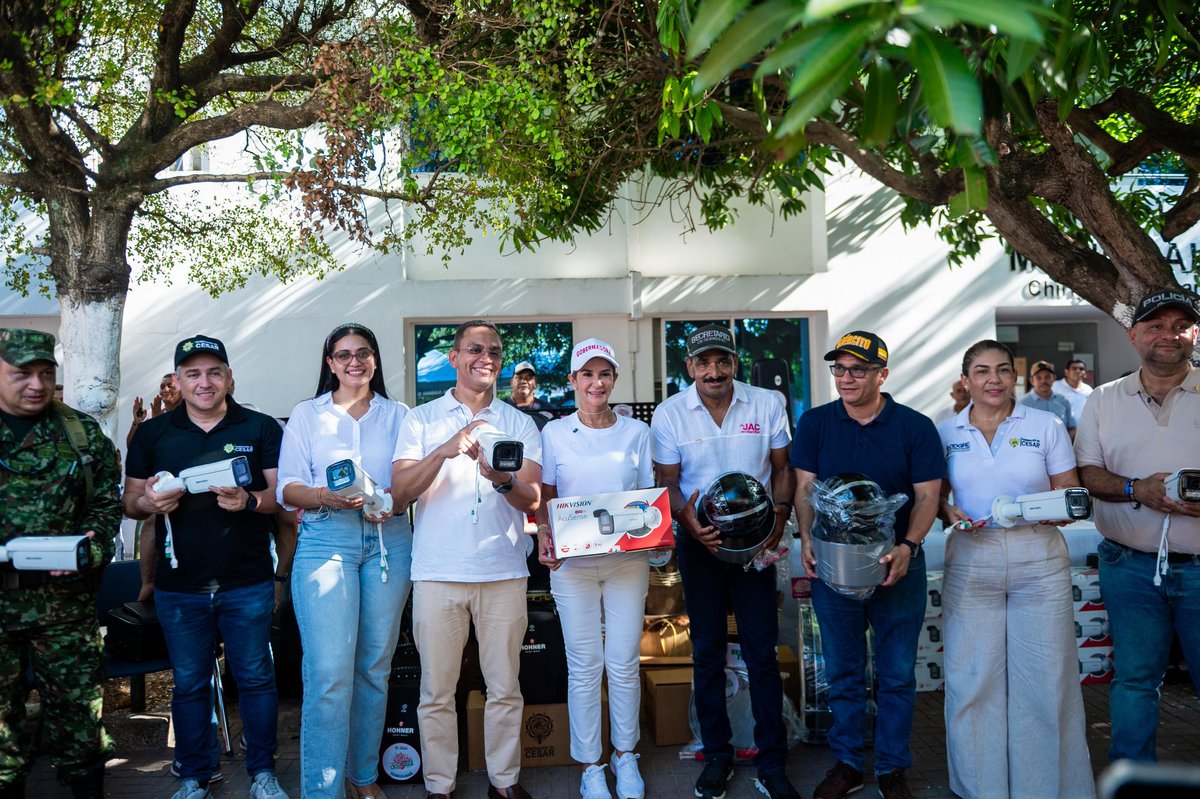
Más seguridad para Chiriguaná
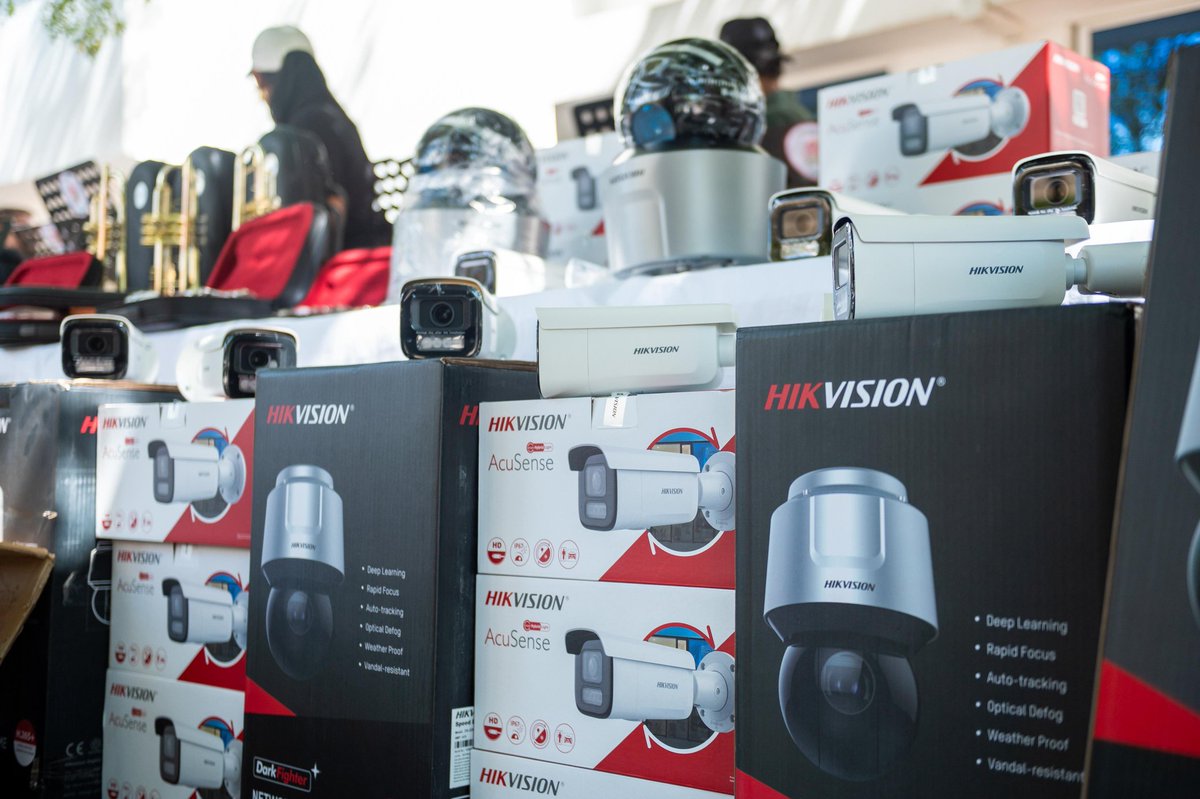
La gobernadora @elviamilenasd entregó 90 cámaras de vigilancia de última tecnología al municipio de Chiriguaná.
Esta importante dotación incluye cámaras multisensor con reconocimiento facial y visión de 360 grados, cámaras domo PTZ y cámaras fijas, que estarán ubicadas en puntos estratégicos para apoyar la labor de la Policía Nacional en la prevención y reducción de delitos.
El sistema contará además con 40 puntos de videovigilancia y un centro de monitoreo en la estación de Policía, permitiendo mejorar la capacidad de reacción y fortalecer la tranquilidad de los habitantes.
Seguimos avanzando en acciones concretas para combatir la inseguridad y construir un territorio más seguro para todos. 👮♂️


21
47
513