
🌍 Remote Job Opportunity in Conservation & Data
The Nature Conservancy is hiring a Conservation Data Advisor – Africa to support evidence-based conservation initiatives across the continent.
• Fully remote position (Kenya, Tanzania, or Zambia)
• 2-year term role with regional travel opportunities
• Ideal for professionals with experience in conservation, MEL, data analytics, and impact measurement
• Master's degree 4 years of relevant experience required
• Work with leading experts in biodiversity, climate, and environmental conservation
📊 Skills in Power BI, Tableau, GIS, Python, R, and data visualization are highly desirable.
🌱 Join a global organization working to protect nature and drive environmental impact across Africa.
Learn more: globalsouthopportunities.com…
#RemoteJobs #ConservationJobs #DataAnalytics #EnvironmentalJobs #AfricaJobs #MonitoringAndEvaluation #GIS #DataScience #ClimateAction #Biodiversity #NatureConservancy #GlobalSouthOpportunities
3
326

May 20
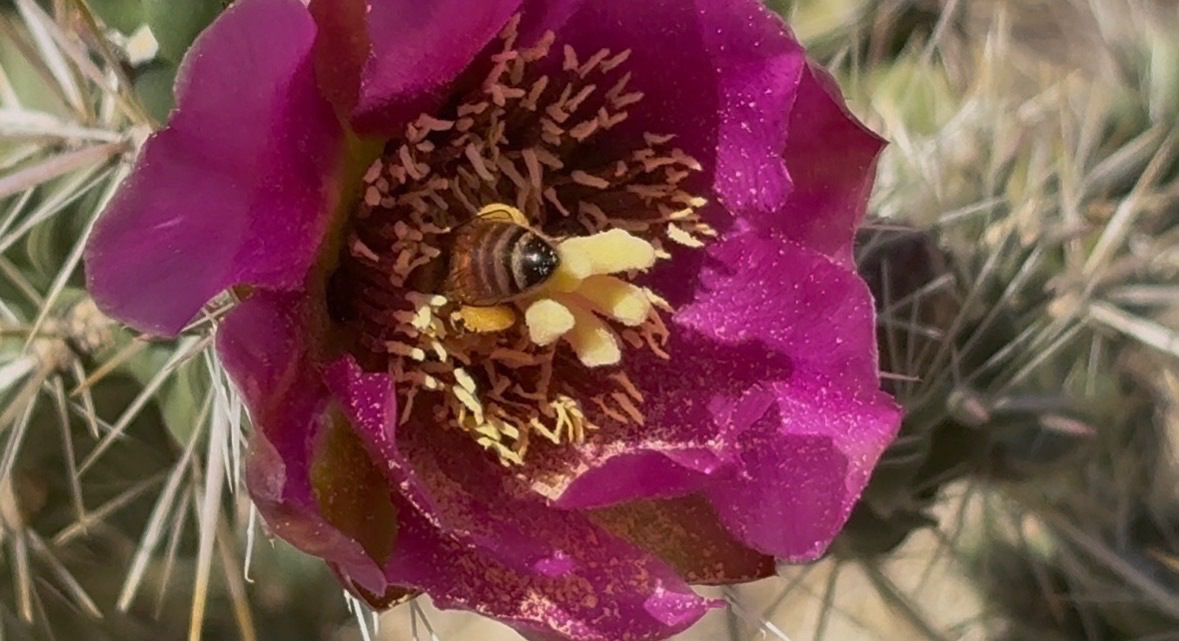
One third of every meal you’ve ever eaten exists because of this creature.
Bees contribute between $235 billion and $577 billion annually to global food production. Nearly 90% of the world’s wild flowering plants and more than 75% of the world’s food crops depend on them.
They don’t negotiate. They don’t rest. They just work.
Happy World Bee Day. Protect them.
Davis Mountains, West Texas.
cc @NPSOT @TPWDnews @NatureConservancy @audubonsociety #WorldBeeDay #WestTexas #Bees #Conservation #NativePlants #Entomology
2
69
May 20
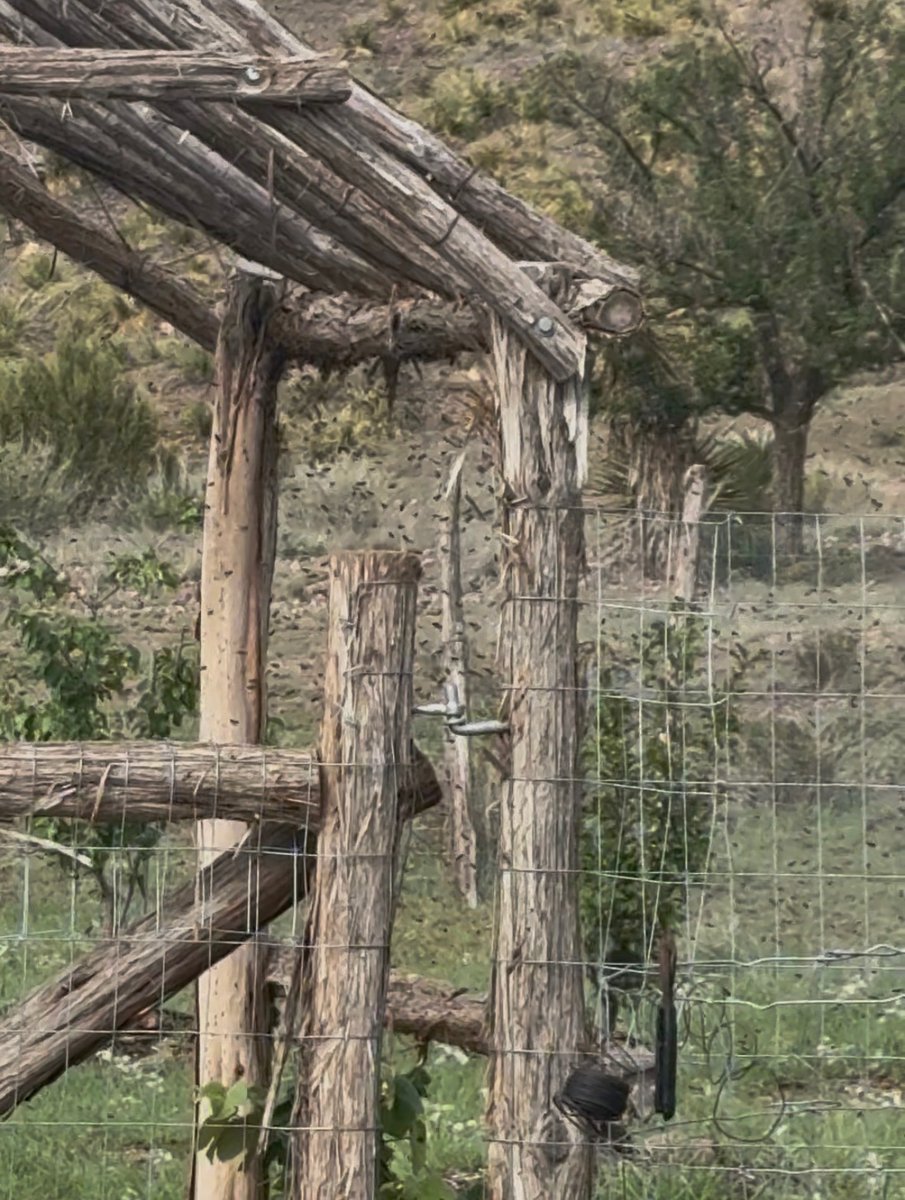
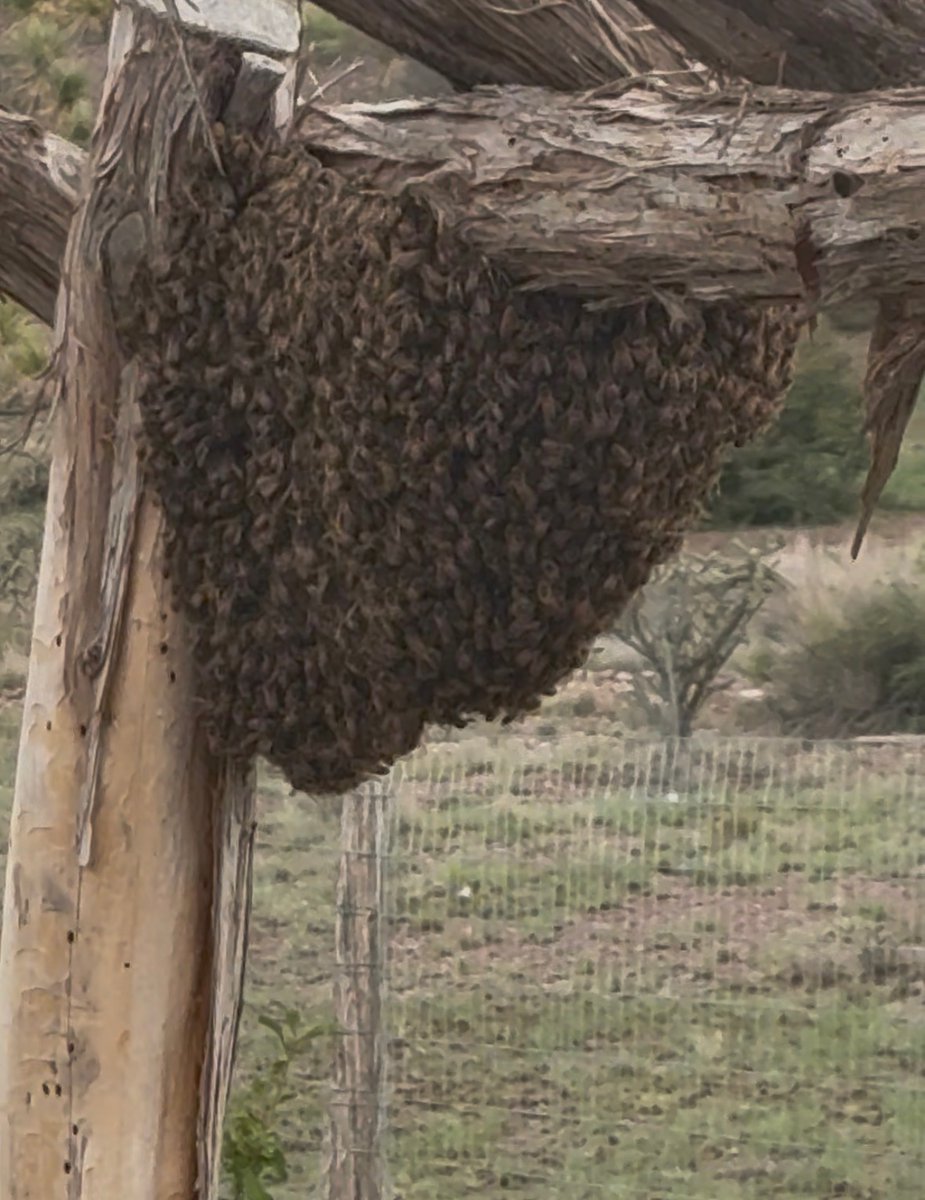
One third of every meal you’ve ever eaten exists because of this creature.
Bees contribute between $235 billion and $577 billion annually to global food production. Nearly 90% of the world’s wild flowering plants and more than 75% of the world’s food crops depend on them.
They don’t negotiate. They don’t rest. They just work.
Happy World Bee Day. Protect them.
Davis Mountains, West Texas.
cc @NPSOT @TPWDnews @NatureConservancy @audubonsociety #WorldBeeDay #WestTexas #Bees #Conservation #NativePlants #Entomology
1
4
12
1,349
May 17
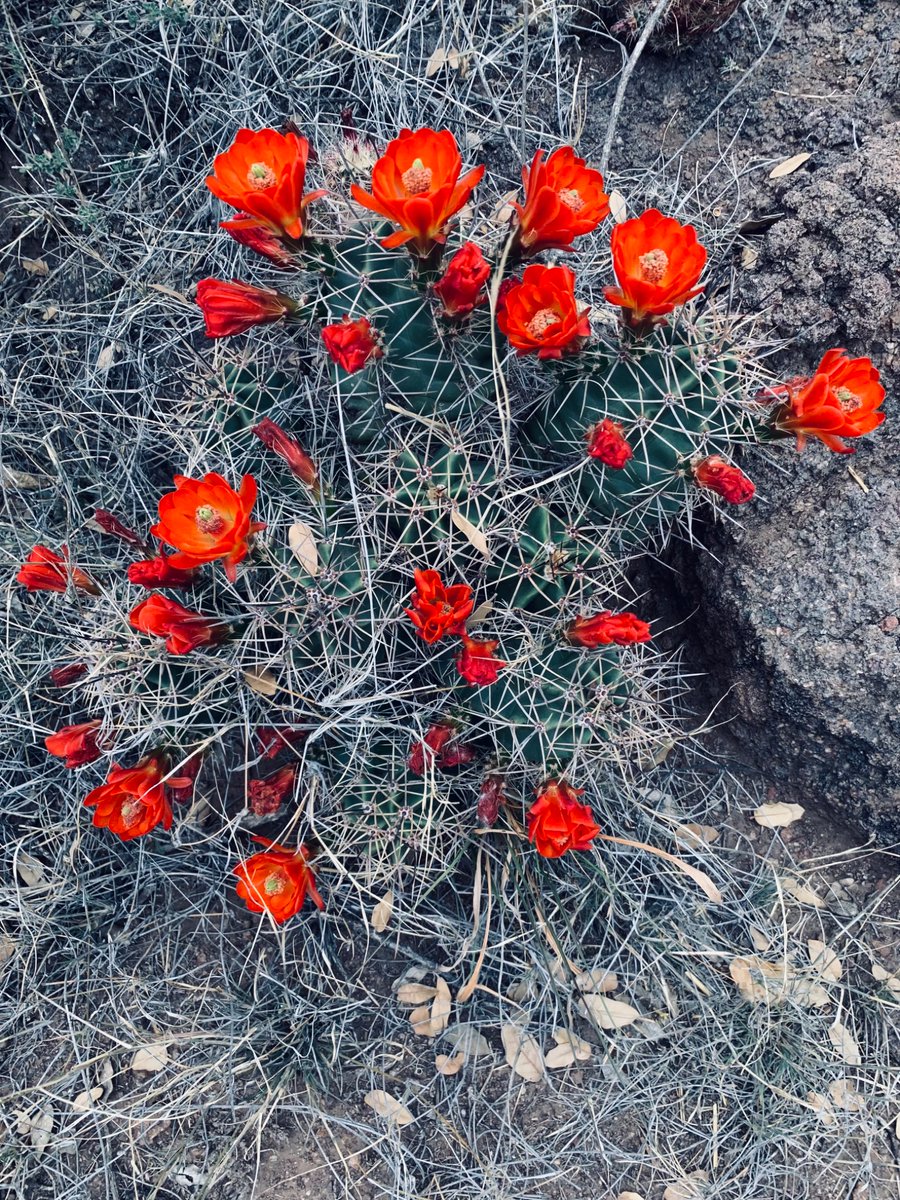
This is Echinocereus triglochidiatus — the Claret Cup. And it may be the most perfectly designed pollen trap in the Chihuahuan Desert.
The flower produces nectar so deep in its chamber that a hummingbird must bury its entire head inside to reach it. Every time it does, its forehead gets dusted with pollen. The hummingbird has no idea. The cactus doesn’t care.
It blooms for three to five days. Stays open all night. And some plants are male, some female — meaning half of them will never bear fruit no matter what.
5,280 feet in the Davis Mountains. The desert is not always what it appears.
cc @CornellBirds @NatureConservancy #WildlifePhotography #CactusInBloom
2
53

The many elements nourish the senses... #fypシ゚ #TravelTV #luxembourg #NatureConservancy #RiversideCounty
1
20

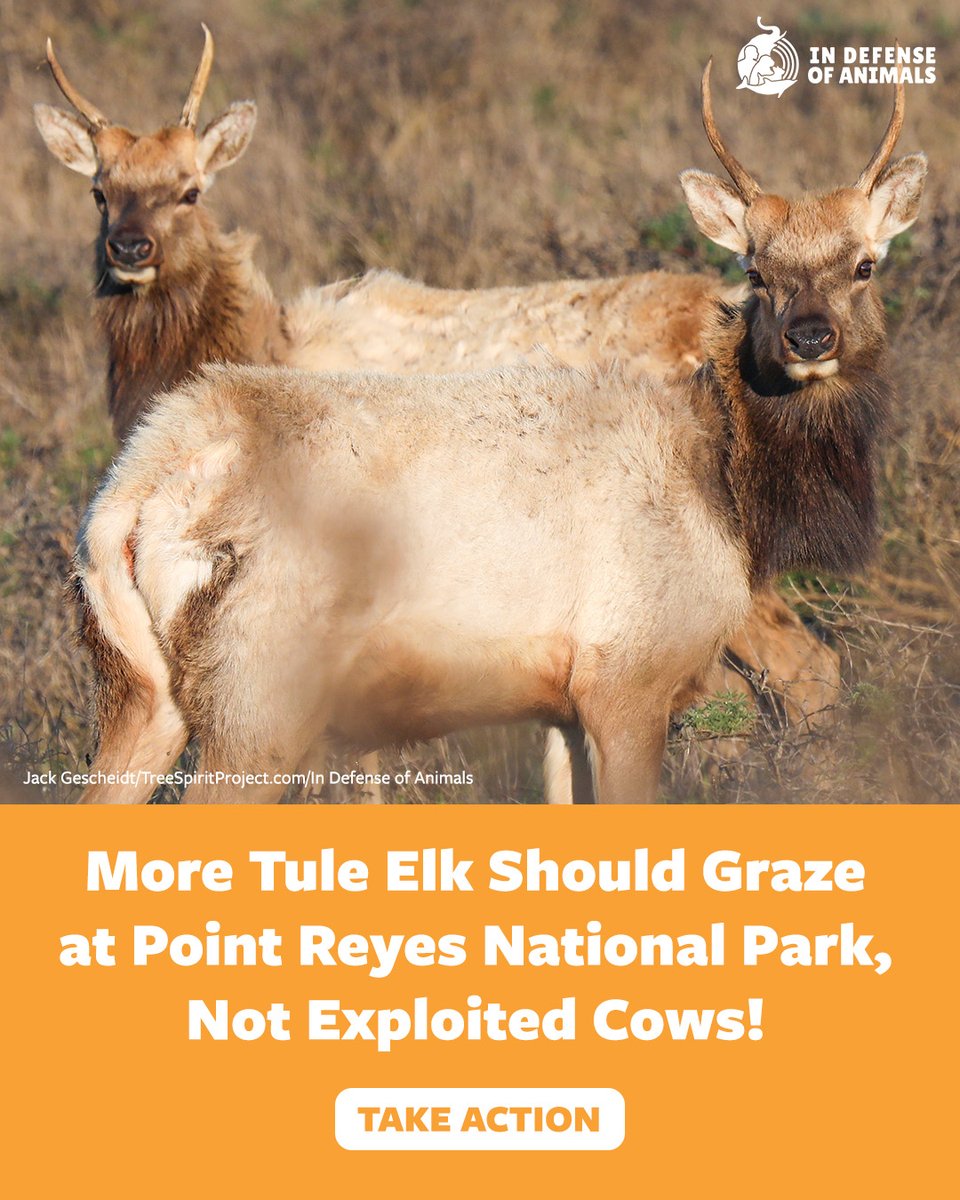
Tell the #NationalParkService & the #NatureConservancy to remove all private #cows from #PointReyes National Park; let the wild #TuleElk population expand, graze, & restore.
bit.ly/4tMDfBq
4
4
88
Tell the #NationalParkService & the #NatureConservancy to remove all private #cows from #PointReyes National Park; let the wild #TuleElk population expand, graze, & restore.
Take action: bit.ly/425PZH8
RT & support bit.ly/3QMVGaq
20
23
207

Apr 22
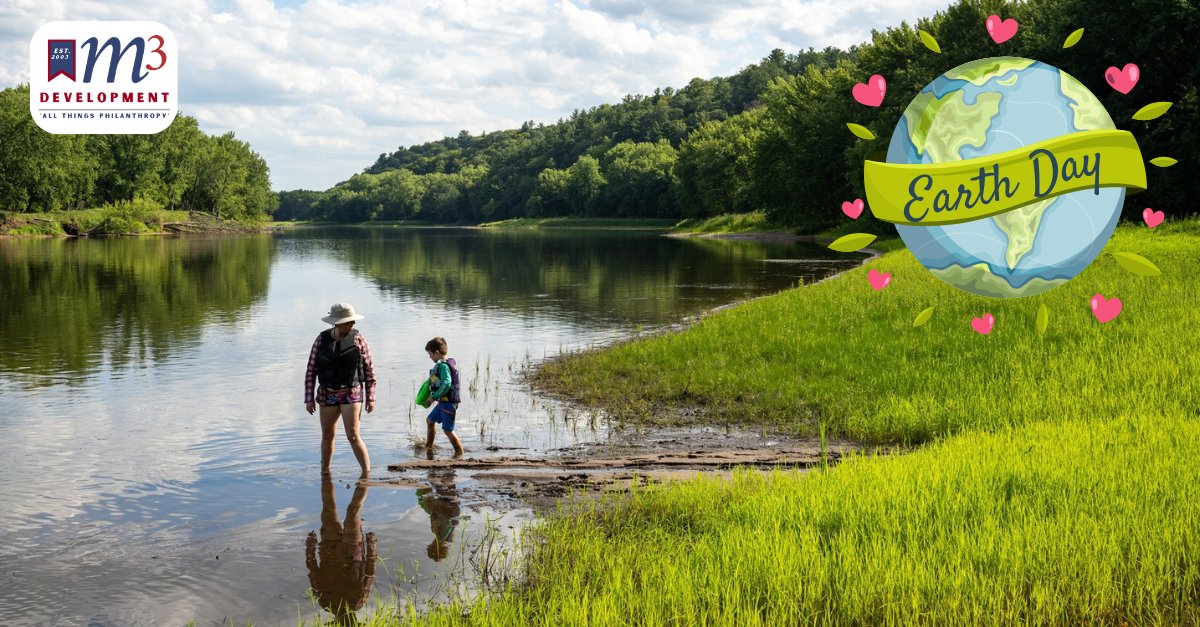
Protecting our planet starts with bold action 🌍 #EarthDay
@m3Development recognizes @NatureConservancy and its work through Enduring Earth to advance the 30x30 goal.
Explore their work: nature.org
2
10

Apr 15
A church in Detroit owed nearly $30,000 in water bills — much of it stormwater drainage fees based on the impervious surface on its property.
Thousands of other property owners across the city faced similar pressure as Detroit transitioned to an impervious acreage-based billing system for more accurate stormwater cost allocation.
This is what happens when water infrastructure costs are assigned without robust credits that reward actual performance.
Cities with established stormwater credit programs — such as Washington D.C., Philadelphia, Seattle, Portland, and Minneapolis — let property owners reduce bills by installing green infrastructure that manages runoff on site. @NatureConservancy has been active in D.C.’s program, which has traded more than 1.7 million credits since 2014.
Yet even these programs have limits: many certify based on design capacity, with limited ongoing monitoring and no portable, blockchain-native record that reliably travels with the credit across ownership changes.
HydroCoin is built for a higher standard — where actual water infiltration is measured in the field, verified by engineers, and recorded on a transparent ledger for property owners, cities, and investors.
#HydroCoin #Stormwater #WaterPolicy #UrbanFlooding #WaterCredits #GreenInfrastructure
2
5
109

Apr 14
Hundreds of cows cruelly exploited for their flesh are forced to trample #PointReyes National Park. Despite the Jan. 2025 deal to get most ranches out, even The #NatureConservancy wants to use for-profit cows as lawnmowers on wild public lands.
Read more: bit.ly/48pLP08
4
34
28
537

Feb 25
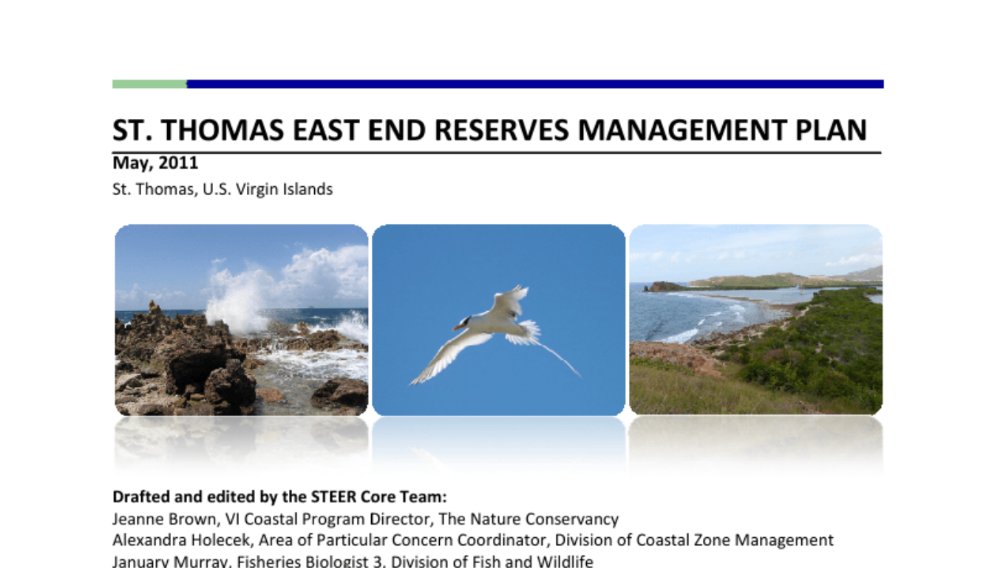
Did you know that the #NatureConservancy is in the #EpsteinFiles and also ties back to his #MongoliaWork and the Sultan Ahmed bin Sulayem, again??
In 2011, Epstein got a tip about a major land deal in Zimbabwe. The deal involved Dubai World (sovereign wealth fund) and Russian financial firm Renaissance Capital #EFTA01119647
1
1
1
146


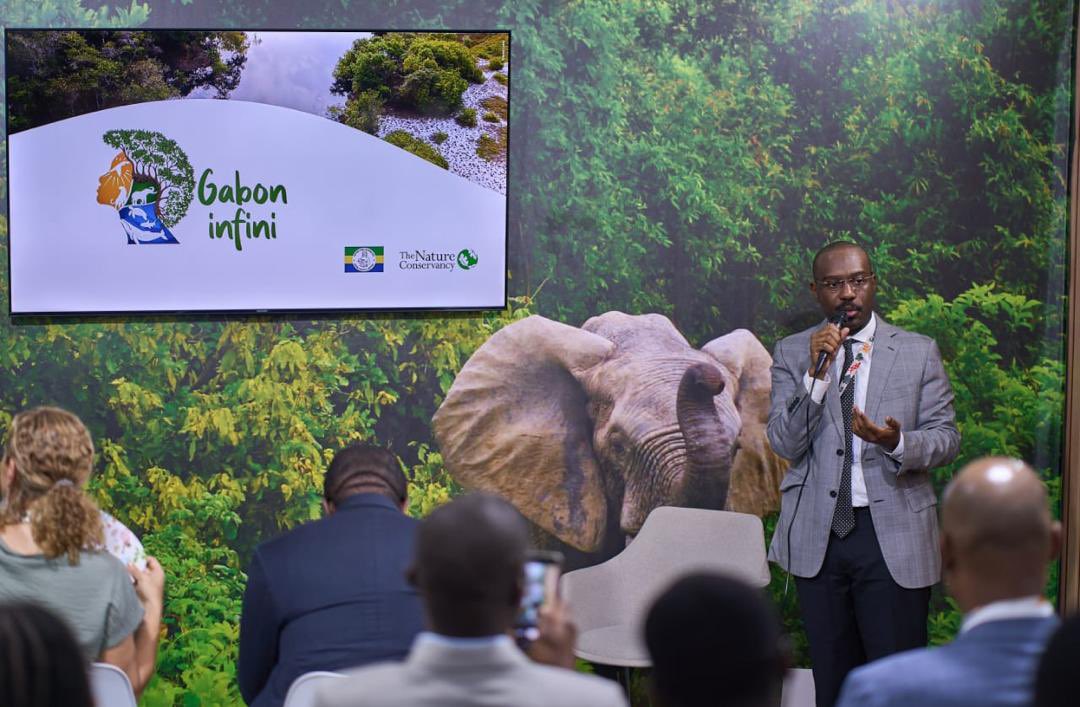
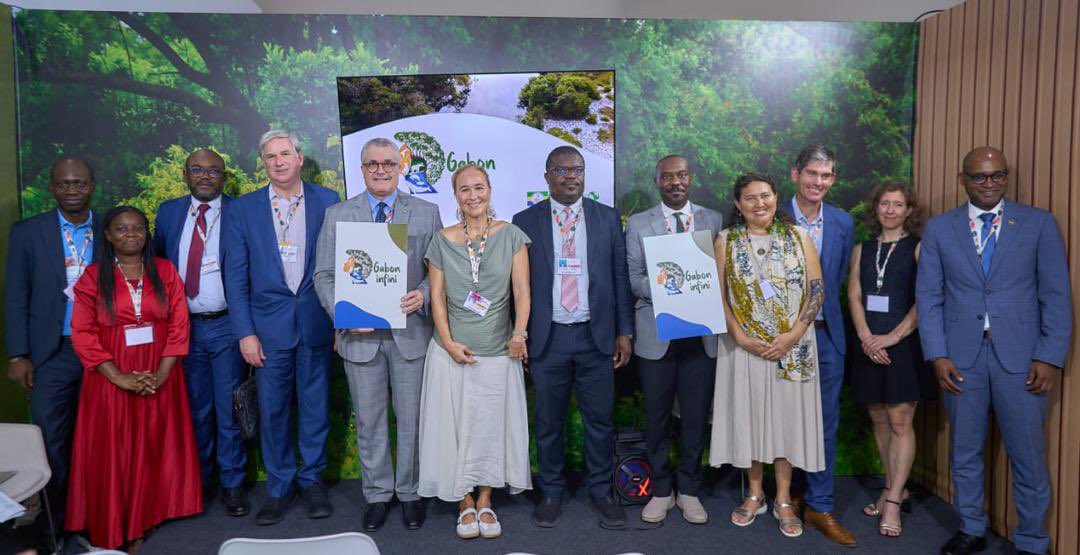
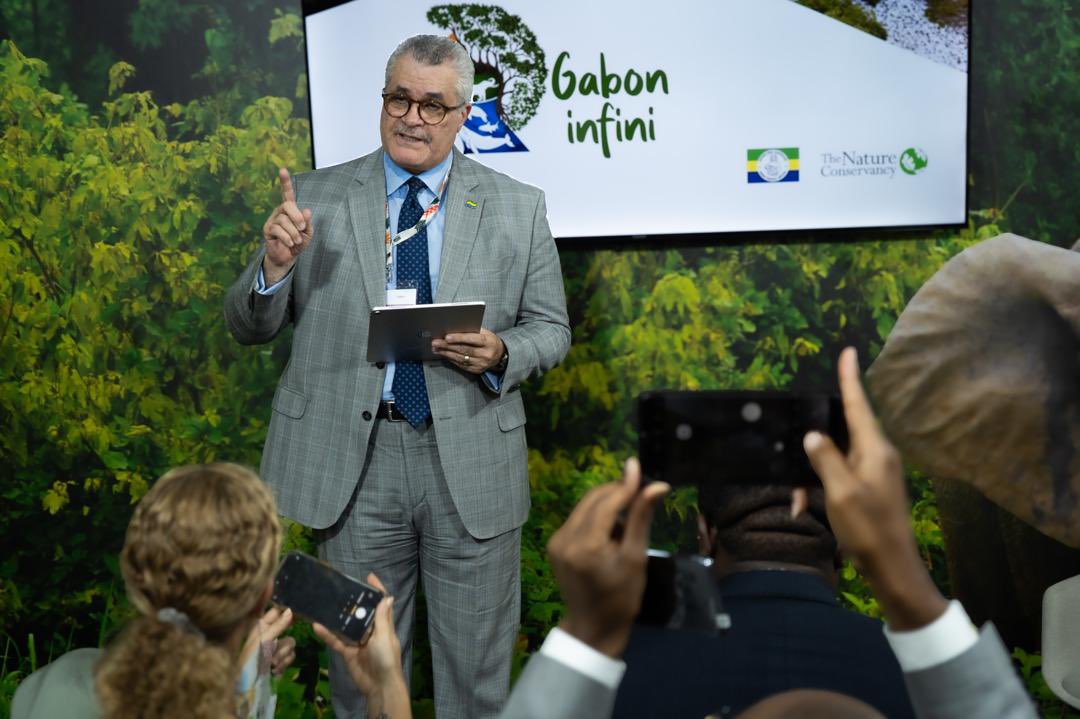
19 Nov 2025
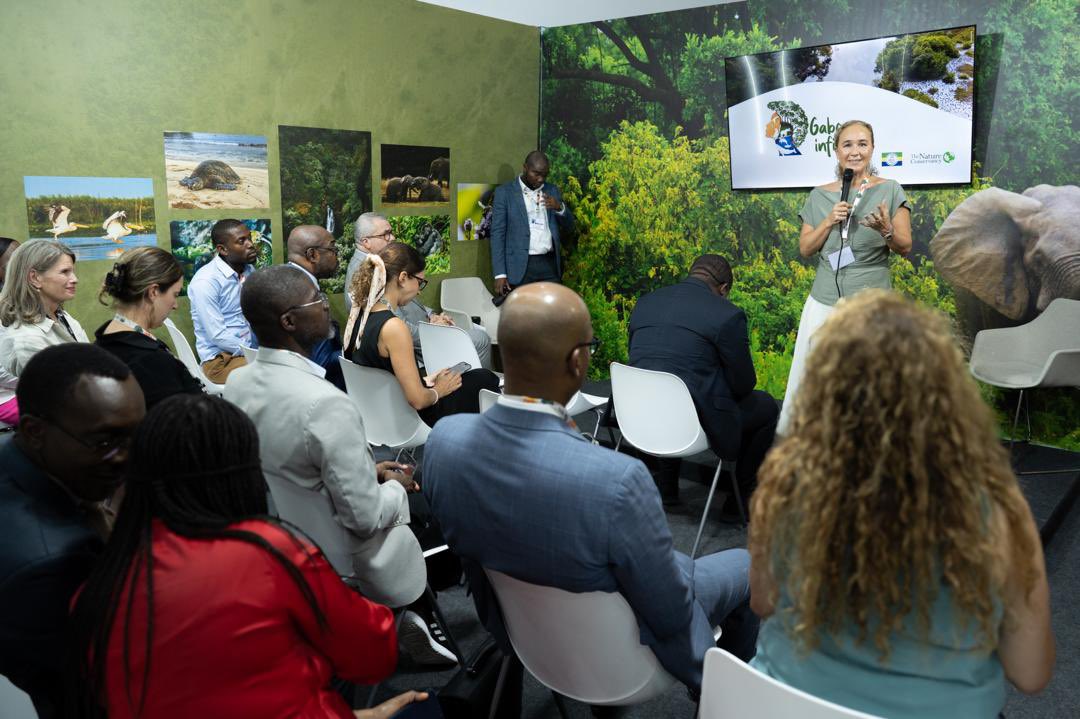
🚨BREAKING : Signature historique de la Lettre d'Intention pour le PFP #GabonInfini à la #COP30. Un partenariat avec @NatureConservancy et le FPBG pour 180M$ sur 10 ans afin de protéger 30% de nos écosystèmes. L'avenir de nos forêts est sécurisé! #FinancementDurable #Biodiversité
1
9
16
903

7 Oct 2025
Rwanda’s Mountain Gorillas: Culture and Community-Centered Conservation #VisitRwanda #NatureConservancy #Volcanoesnationalpark #conservation blog.nature.org/2025/10/06/r…
2
5
109

5 Sep 2025
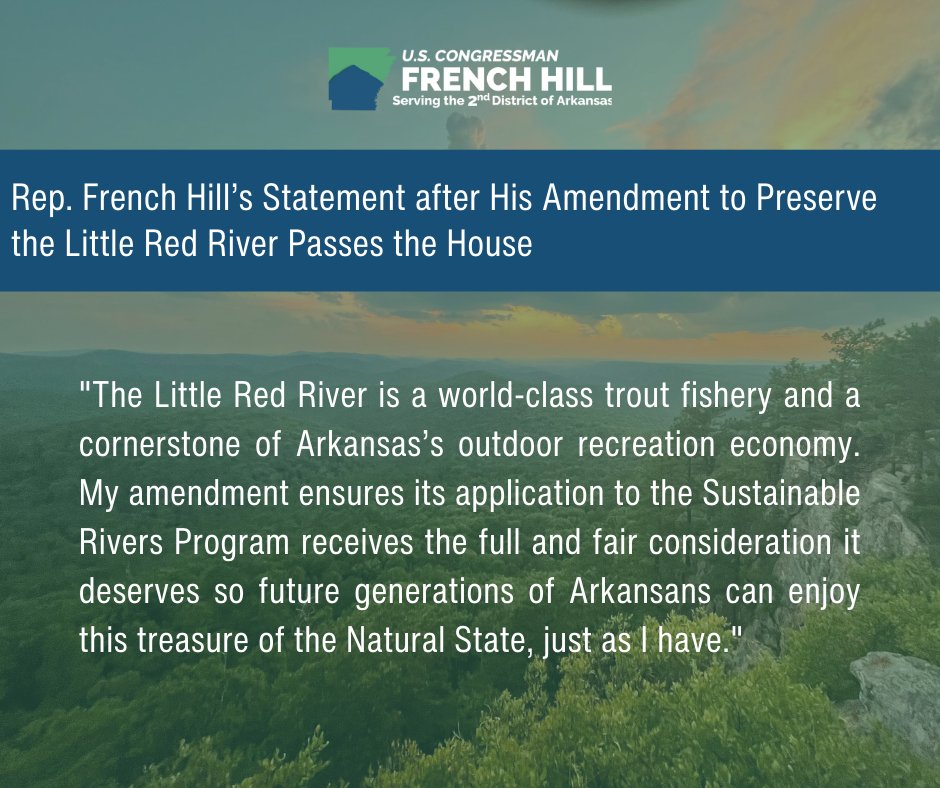
Big news for central Arkansas...My amendment to preserve the Little Red River passed the House yesterday, as part of the Energy and Water Appropriations Act!
#AR02 #littleredriver #arkansasgameandfish #littleredriverfoundation #natureconservancyarkansas @natureconservancy
16
1
9
3,632

19 Jul 2025
Hey @NatureConservancy! 👋 Your global commitment to protecting lands and waters is truly inspiring.
At @PlathCoin, we're building an innovative crypto dApp to empower a new wave of conservation funding!
1
3
54

6 Jun 2025
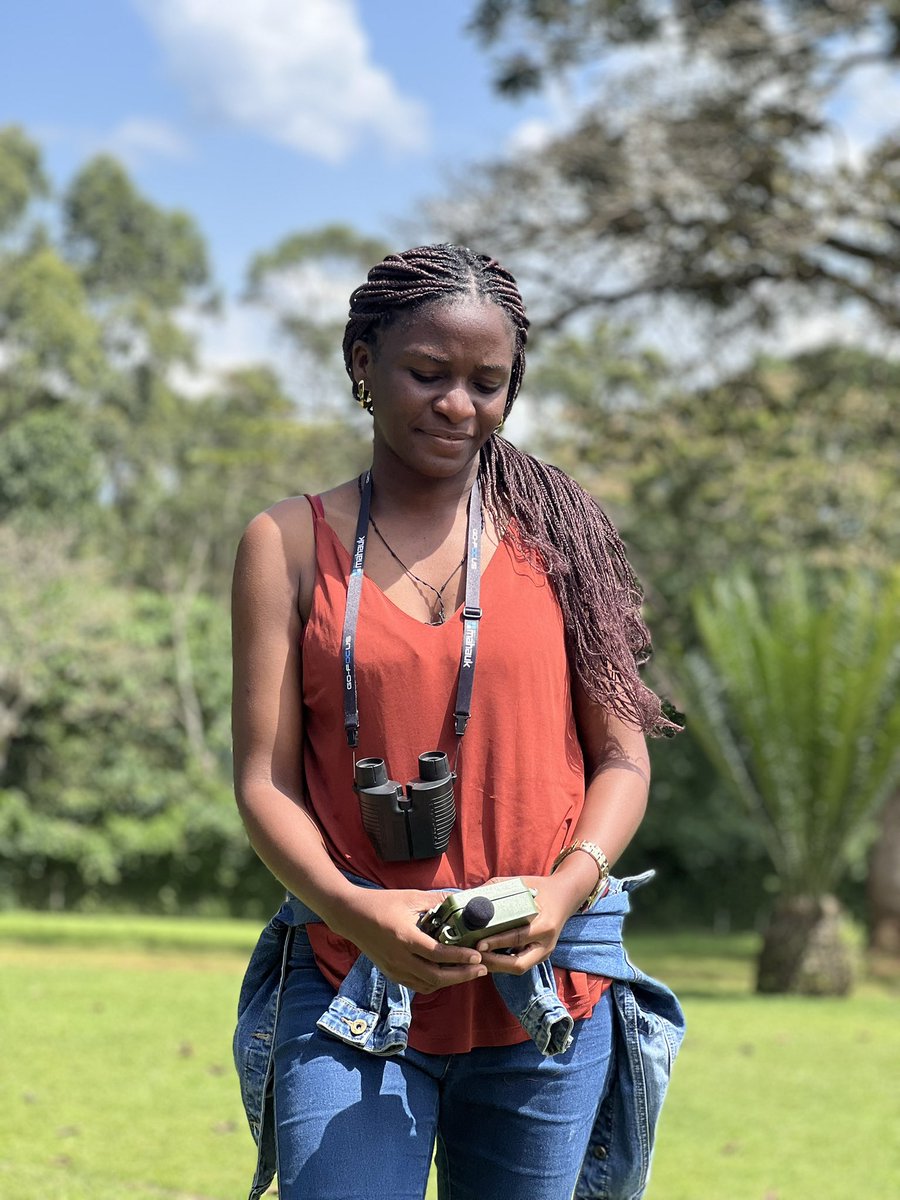
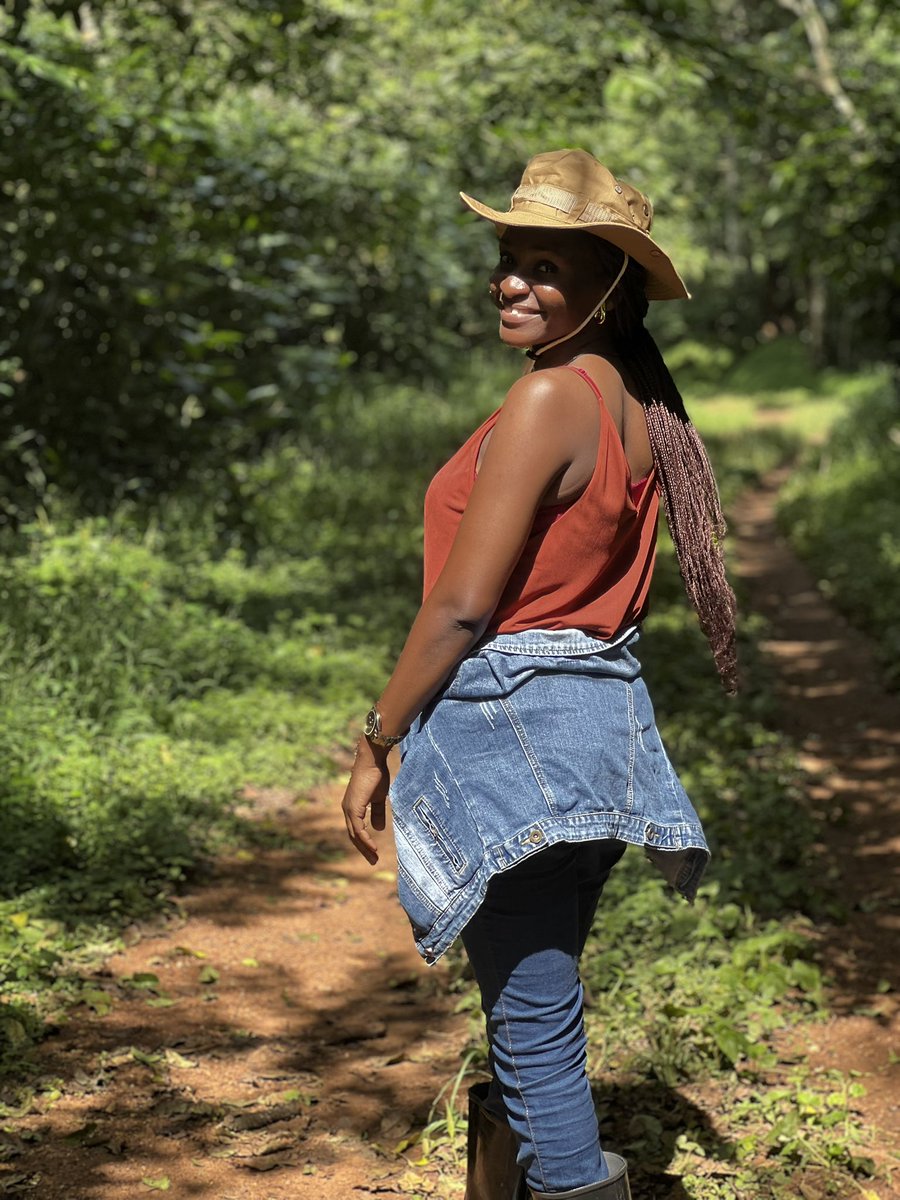
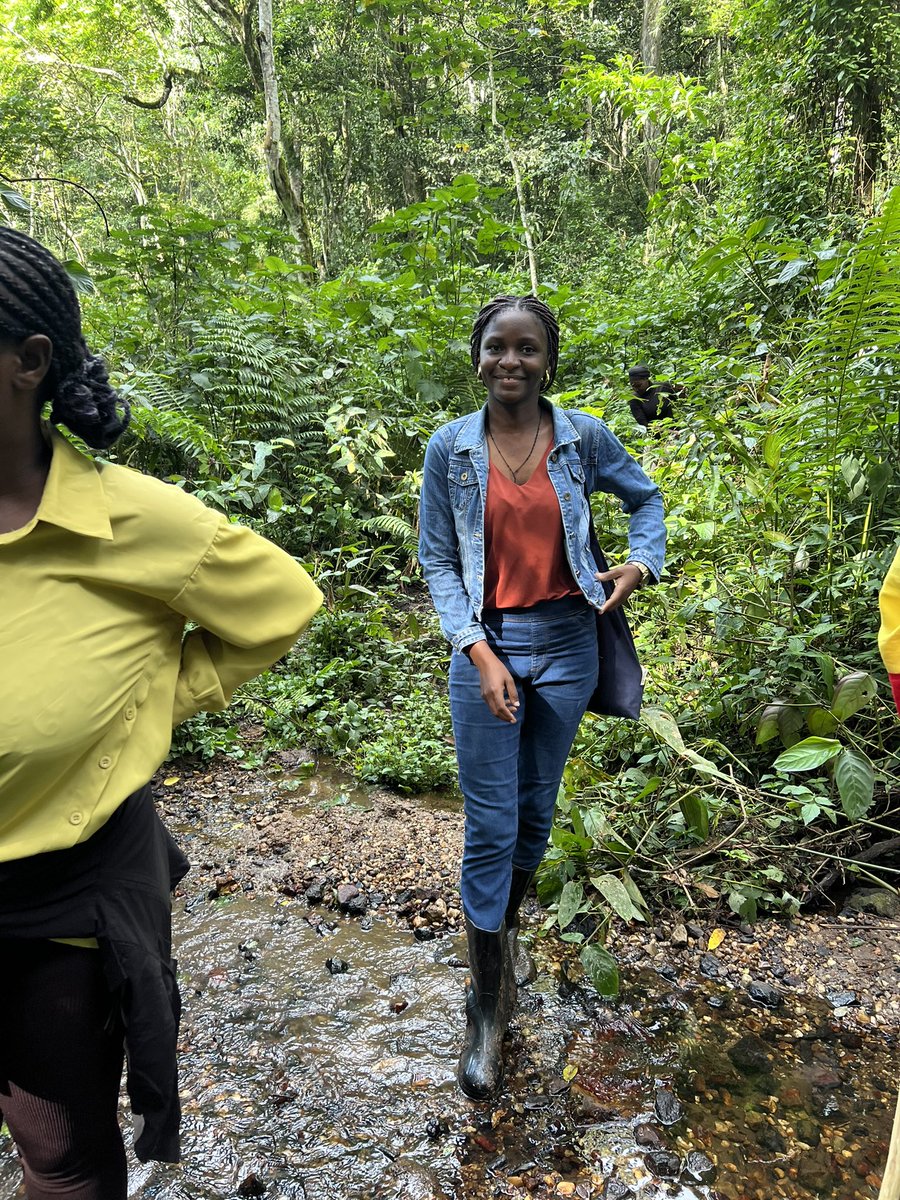
📍Kibale National Park
The primate capital of the world with 13 primate species and over 70 animal species.
#Wildlife #NatureConservancy #Environment
19
480

25 May 2025
Falke in Nebelwald...
#ecuadorbirding #birdinguk #birdwatchinguk #ecuadorbirdconservancy #ecuadorforest #natureconservancy
By ecuadorbirdwatchingtours.com
2
3
11

16 May 2025
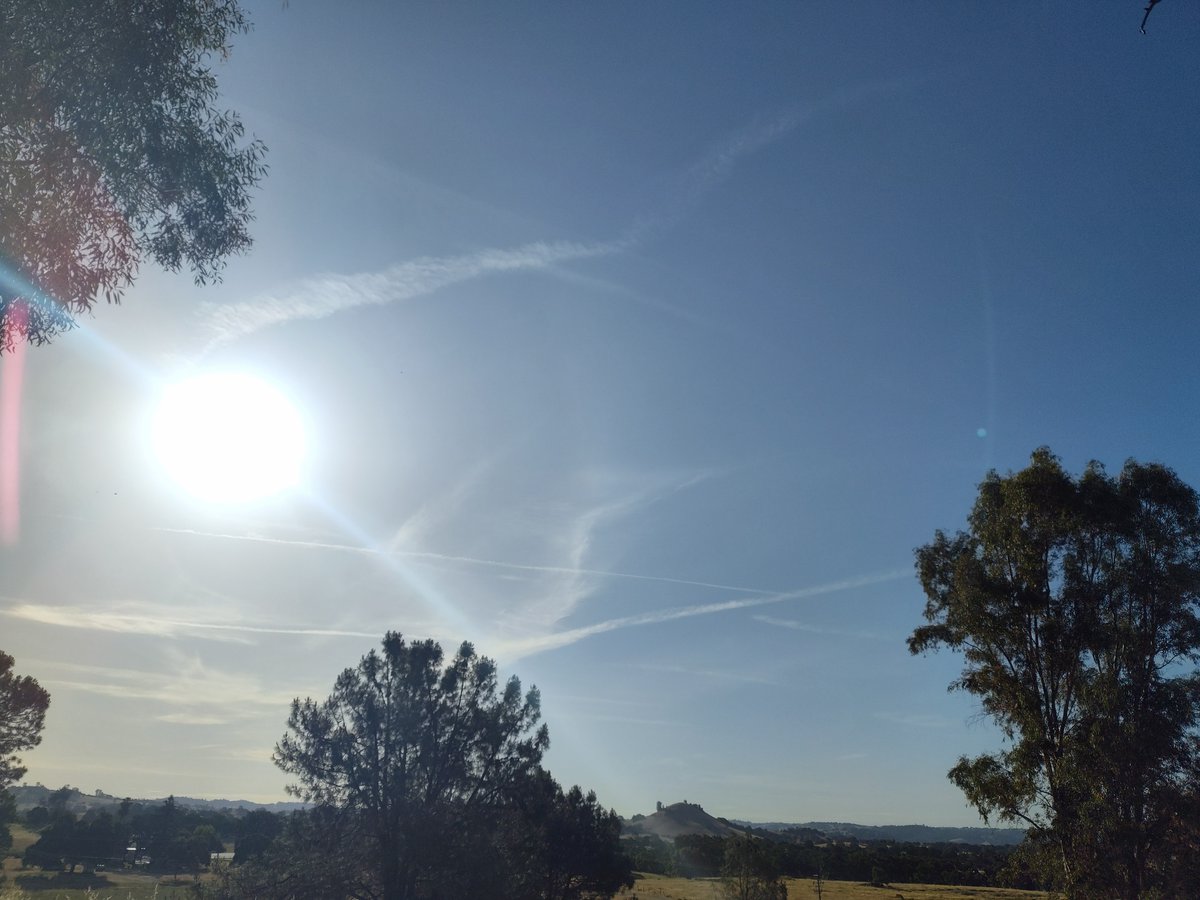
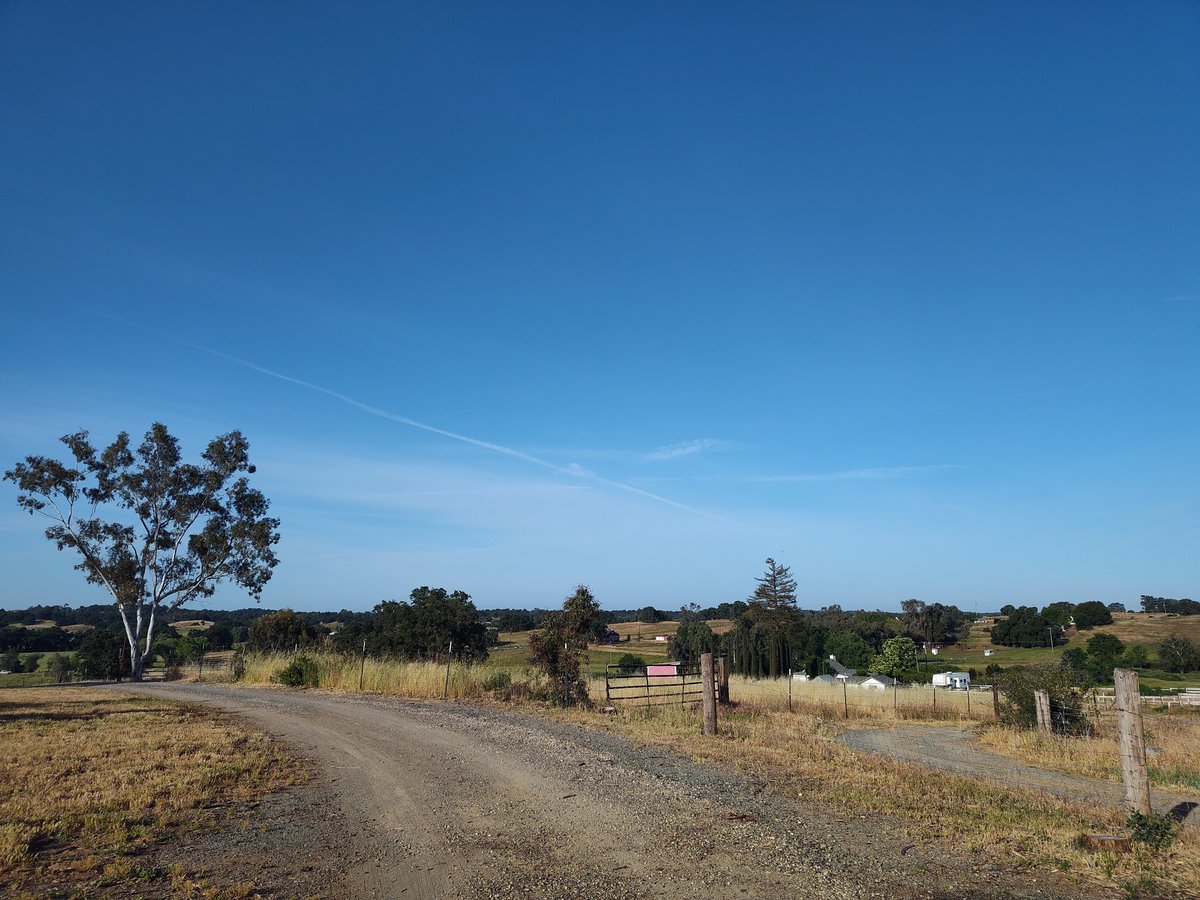
Woke up this morning to chemical-filled skies here in Amador County, Cali. There was a beautiful songbird at the top of a tree that of course stopped singing as soon as I started filming, but I couldn't ignore the disgusting #chemtrails over his head and had to post some of the video. I'm so sick of what we're doing to the planet! #TheClearSkiesMovement #geoengineering #MAHAGA #MAHA #chronicillness #pollution #environment @CaliforniaEPA @AirResources @RobertKennedyJr @realDonaldTrump @eeregov @NRDC @SierraClub @NatureConservancy @WWF
3
6
16
645
16 May 2025
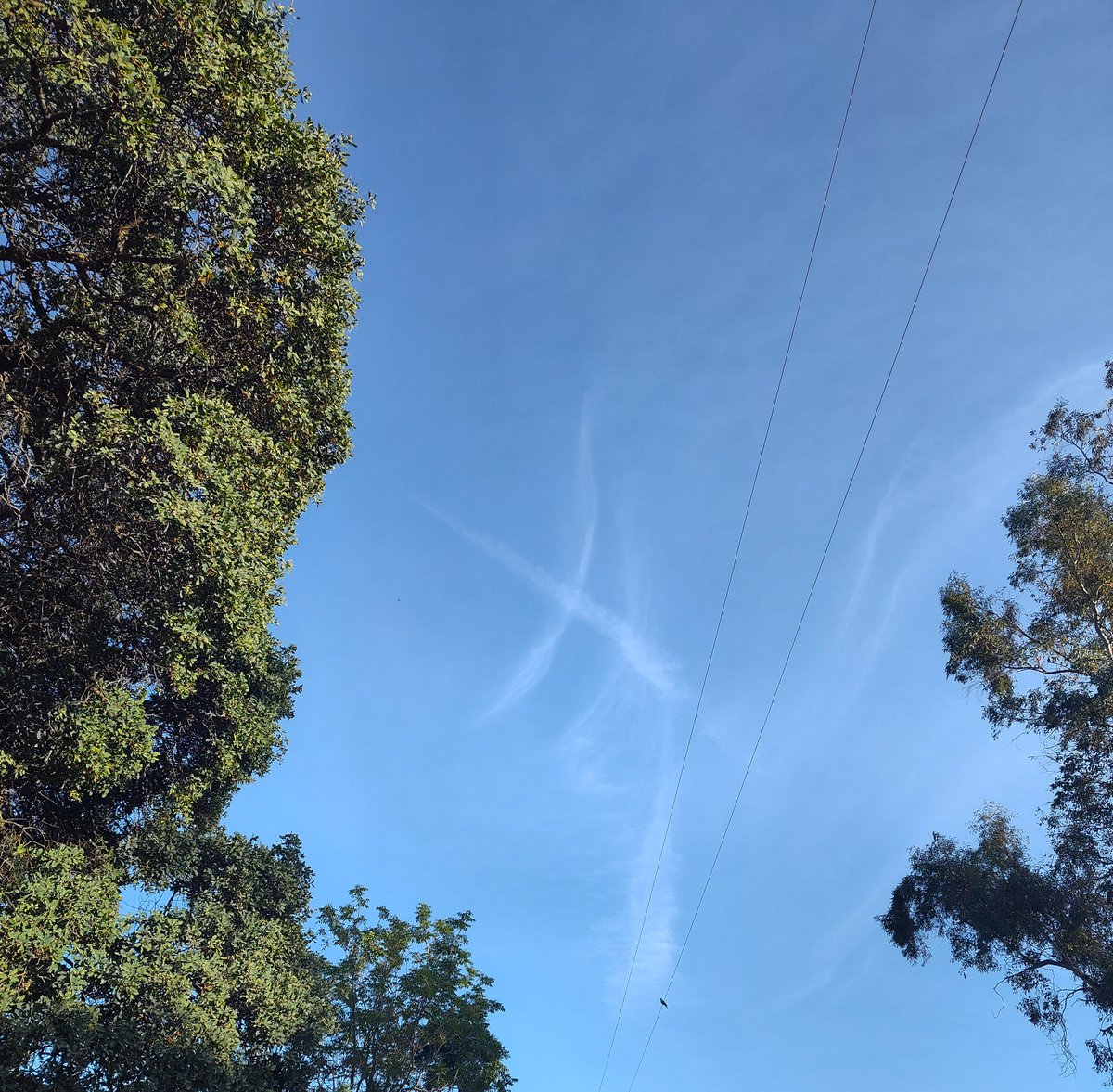
Amador County, Cali got sprayed relentlessly yesterday. Went out in the evening to see two members of a skunk family that lives near our house under late-day #chemtrails. So sad to see all this wildlife living under poisoned skies. This has to end for the sake of every living thing on this planet! #TheClearSkiesMovement #geoengineering #MAHAGA #MAHA #chronicillness #pollution #environment @CaliforniaEPA @AirResources @RobertKennedyJr @realDonaldTrump @eeregov @NRDC @SierraClub @NatureConservancy @WWF
5
6
20
498