
Ask yourself that question.
What does 3 more years of the same look like?
The answer might be the thing that finally makes you move.
#NetworkEngineering #CareerDevelopment #NetworkAutomation #CiscoNetworking #Lagos
1
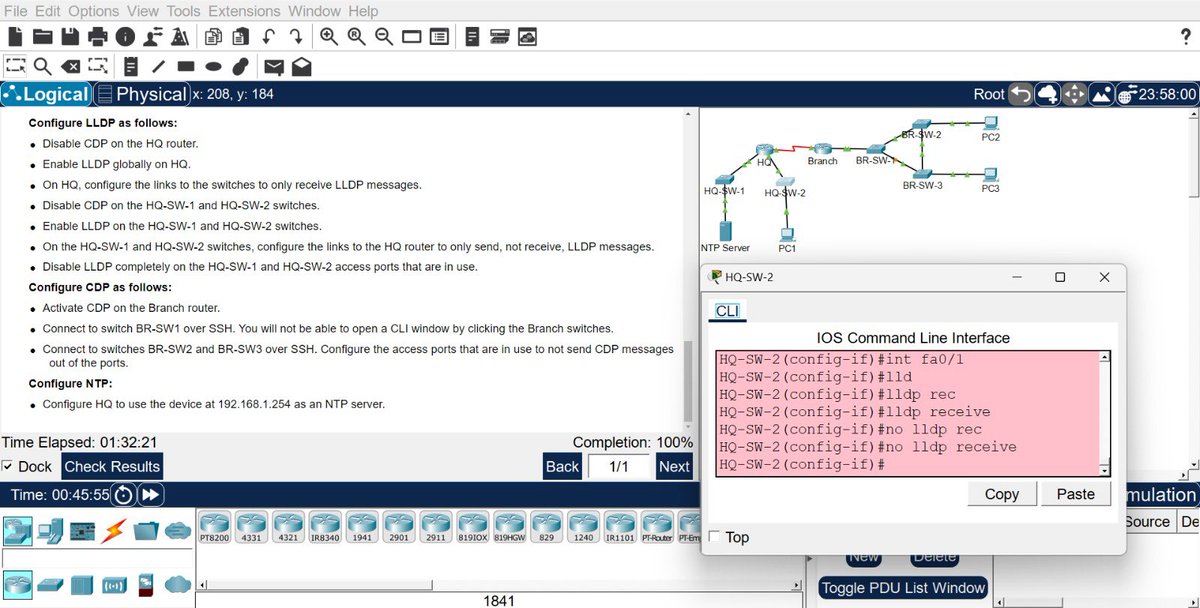
CDP and LLDP are like the network's neighborhood group chats🤭
#NetworkEngineering #cisco #CCNA #internet
5
111

In 2021, a company vanished from the internet for six hours. Its servers were fine, it just told the world it no longer existed, and the world believed it.
That’s BGP, short for Border Gateway Protocol (PATH-VECTOR protocol defined by RFC 4271) that runs over TCP port 170, between the ~75,000 networks that make up the internet.
There’s no map. Each network announces what it can reach; the announcement propagates AS-by-AS, stamping an AS_PATH that prevents loops. And it doesn’t pick the shortest path, it picks the one policy prefers. A network will route over a longer path if a cheaper business deal says to. Routing the internet is a money-and-trust problem in a networking costume.
Moreover, BGP is the inter-AS protocol. It runs BETWEEN autonomous systems. eBGP runs between routers in different ASes; iBGP carries those routes inside an AS. (OSPF/IS-IS are the IGPs that run within an AS, different job.)
Below 👇 is a simulation of it failing and rerouting, with the BGP decision code running beside it, in sync. The C file shown in the video is a faithful model of the best-path DECISION process, not a full daemon (no TCP/179 session state machine, UPDATE wire-format parsing, or RIB/FIB).
#Networking #BGP #Routing #InternetInfrastructure #NetworkEngineering
1
1
24

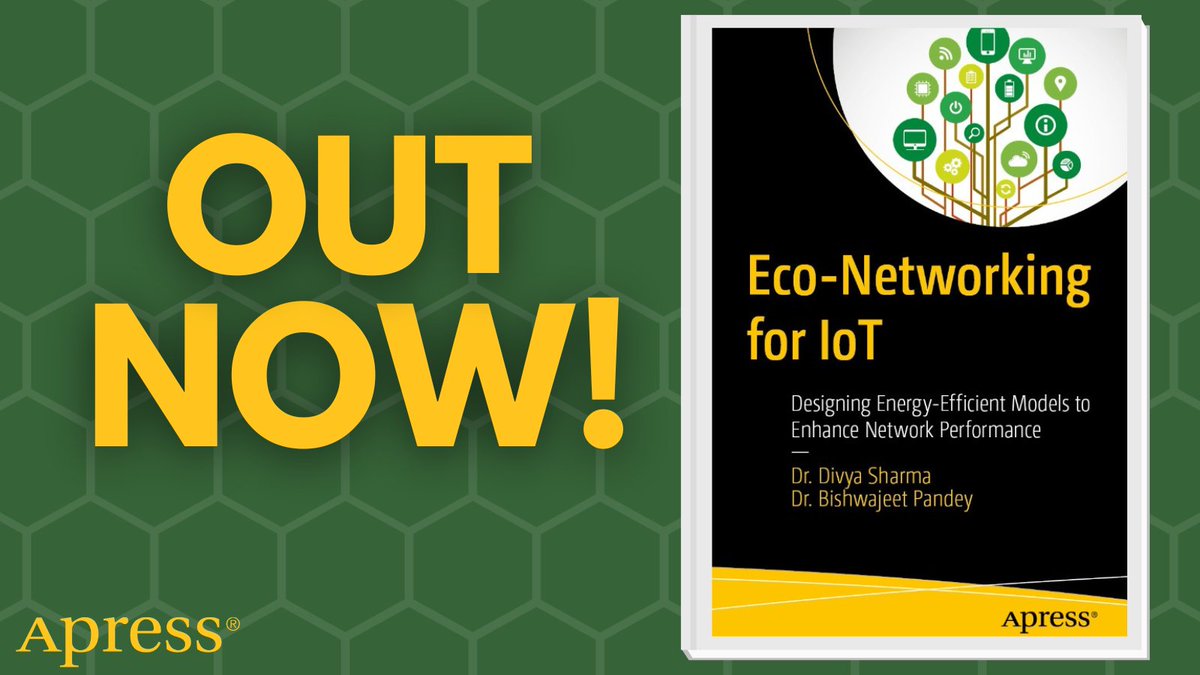
Design smarter #IoT systems that do more with less. Learn how to reduce energy consumption while boosting performance through efficient network models, adaptive architectures, and intelligent protocols. #GreenTech #NetworkEngineering #Sustainability
🔗 ow.ly/gtTR50Z16cn
2
77

Jun 13
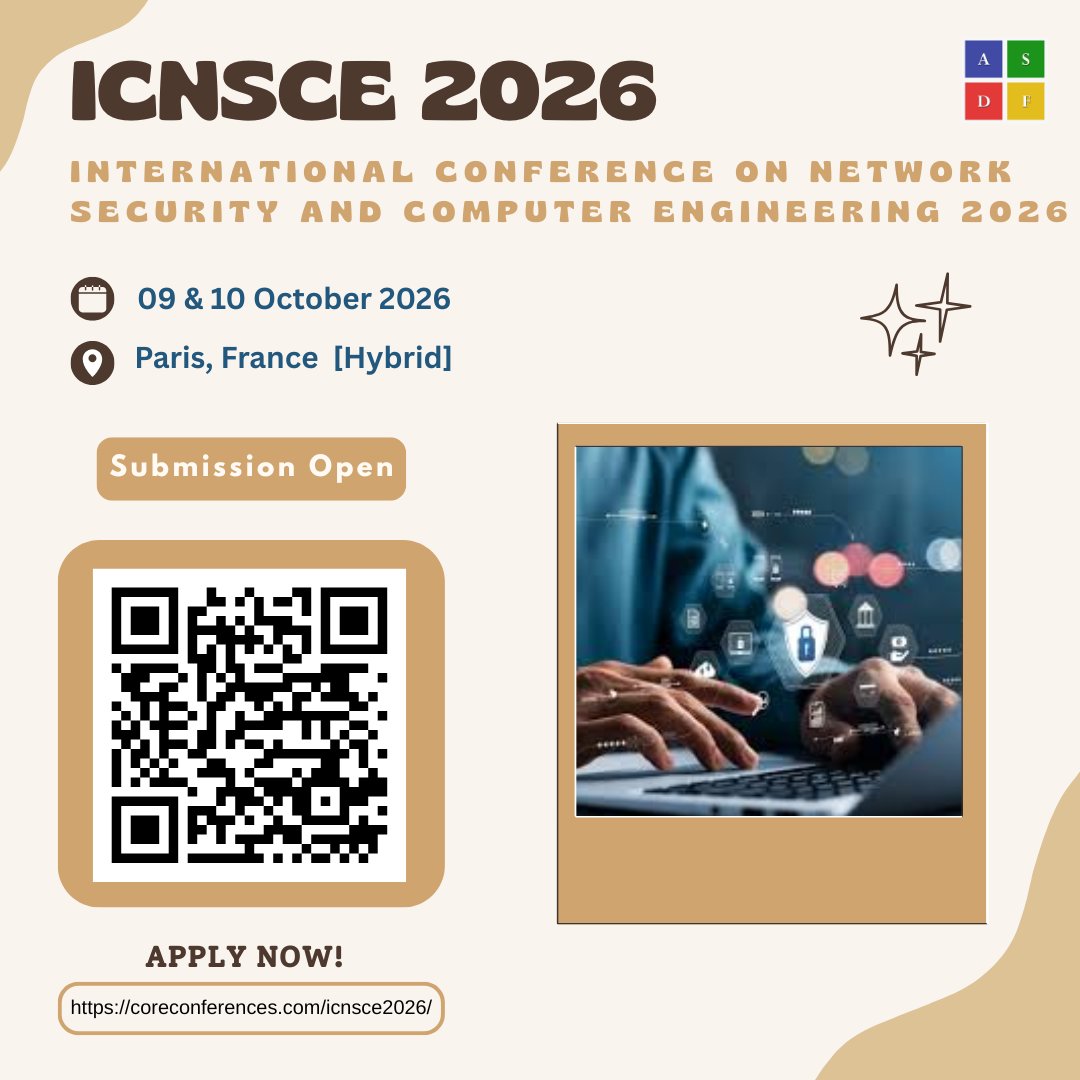
International Conference on Network Security and Computer Engineering 2026
"Build it strong. Lock it tight. Engineering networks that outlast every threat."
#NetworkSecurity2026 #Cyber #ComputerEngineering #NetworkEngineering #InfoSec2026 #SecureNetworks #ASDFint
12

Jun 13
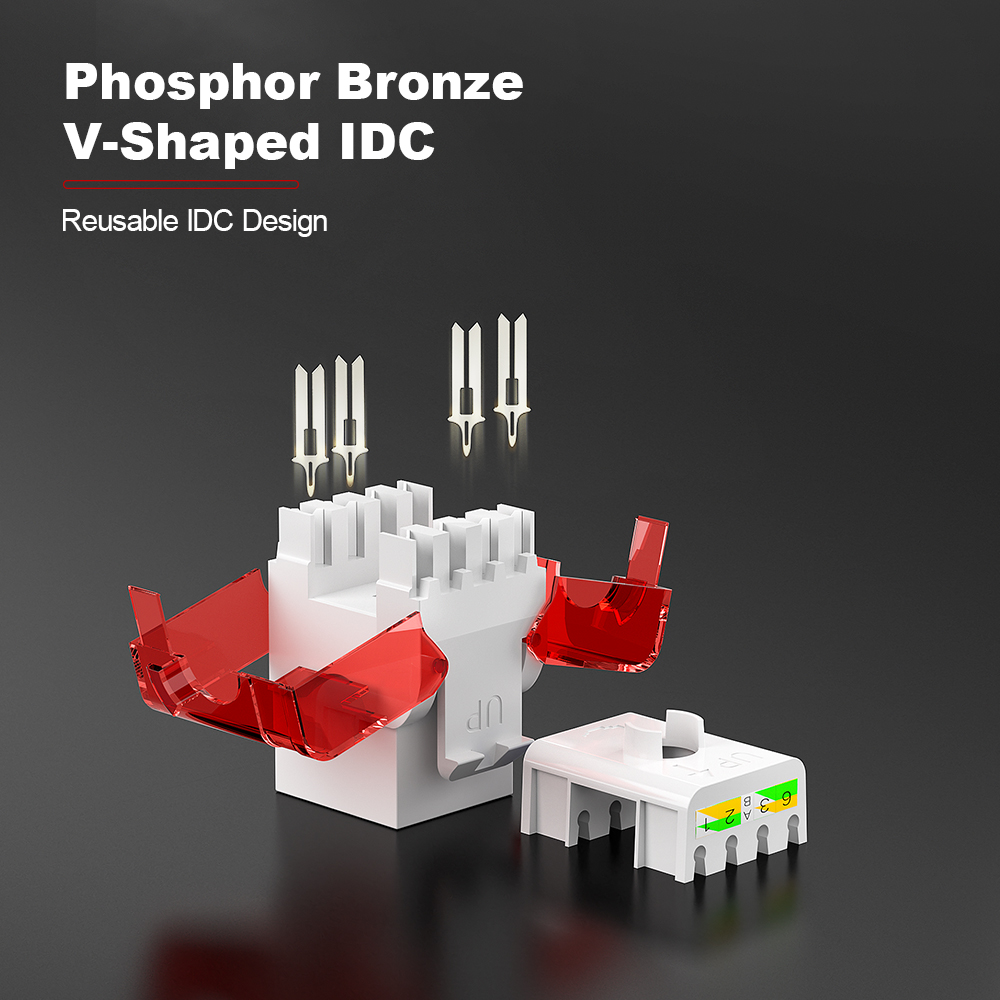
Built to Last.
✅ 50μ gold plated contacts.
✅Resists oxidation and repeated plugging.
✅ Phosphor bronze contacts.
✅Stable and secure termination.
✅ Thickened PCB design.
✅Built for long term reliability.
#KeystoneJack #RJ45 #StructuredCabling #NetworkEngineering #ampcom
3

Jun 12
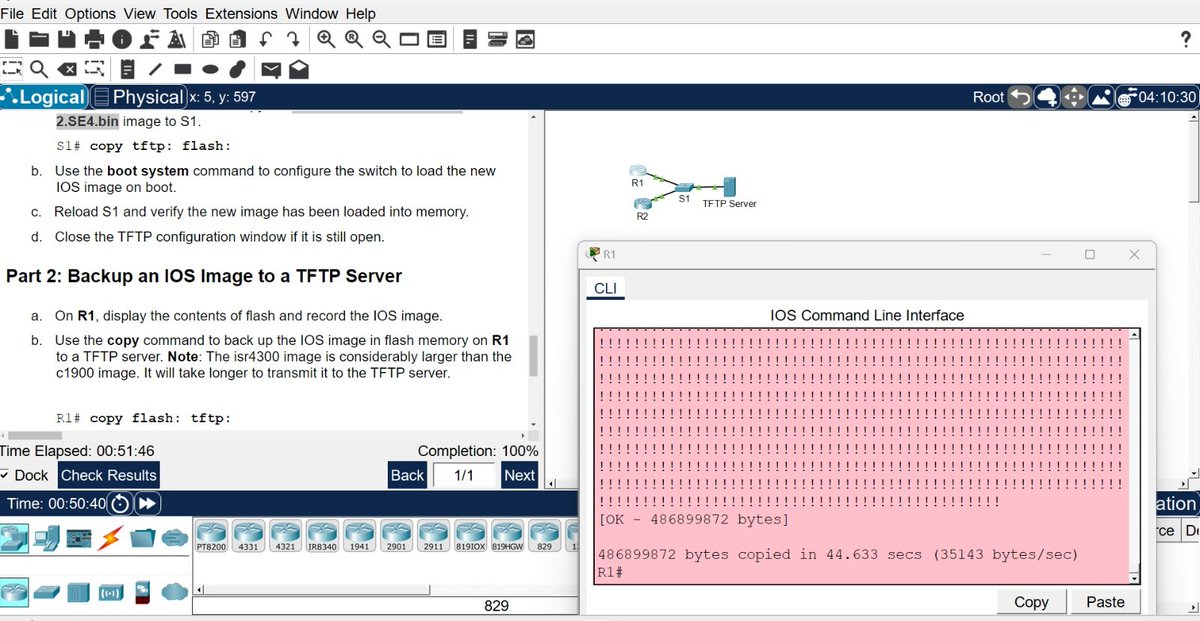
just me holding my breath for 44 seconds waiting on a file transfer. The 100% completion score scratched an itch in my brain 🧠✨ #NetworkEngineering #PacketTracer #NetworkEngineer #CCNA #NetworkEngineering #IT
2
8
96


Jun 12
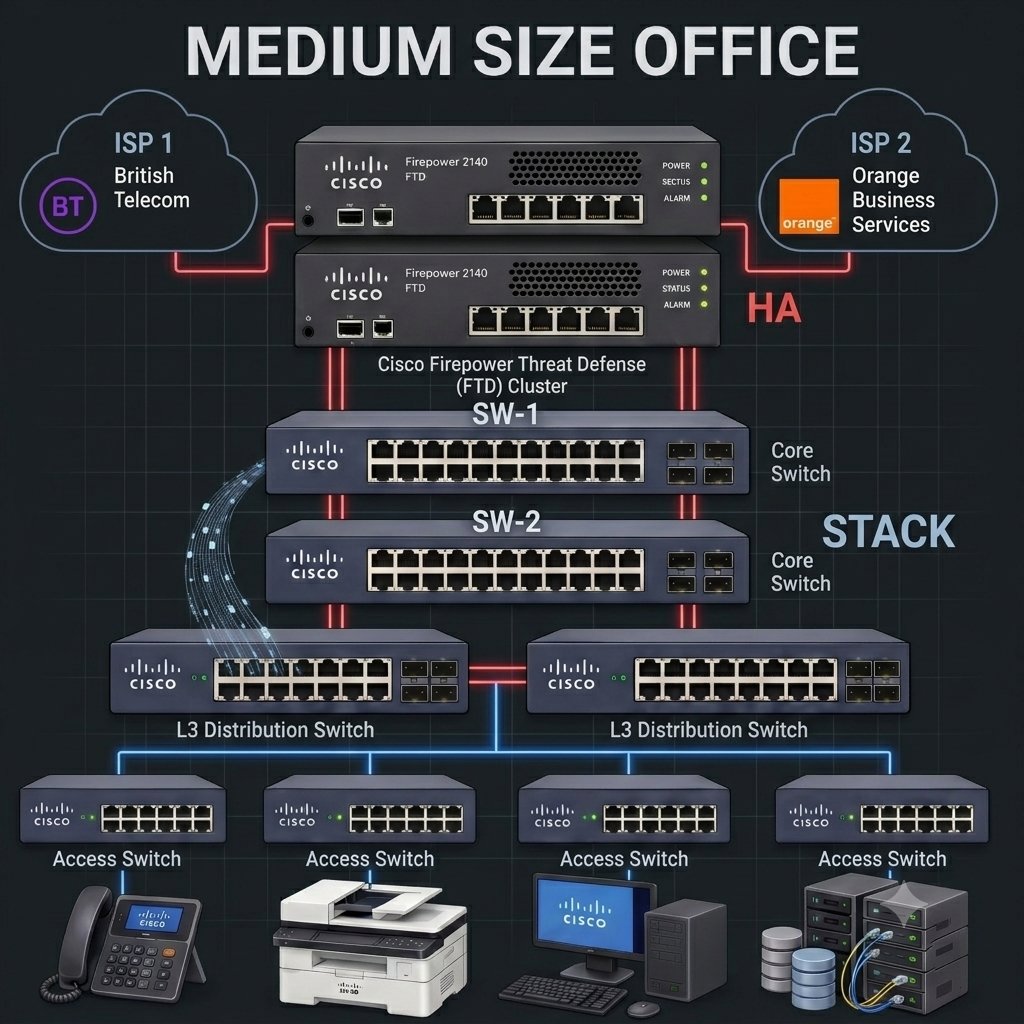
The ultimate "Sleep Well at Night" network topology for a Medium Office. 🏢⚡️
Zero Single Points of Failure (SPOF): ✅ Edge: Dual ISPs ➡️ Active/Standby Firewall Cluster (HA) ✅ Core: Stacked Switches for a unified backplane ✅ Access: Redundant L3 uplinks
If a cable is cut, traffic simply reroutes. No panic. 🛡️
SysAdmins: Would you add or change anything in this design? Let's debate. 👇
#NetworkEngineering #SysAdmin #ITInfrastructure #Cisco #TechBlueprint
1
1
527

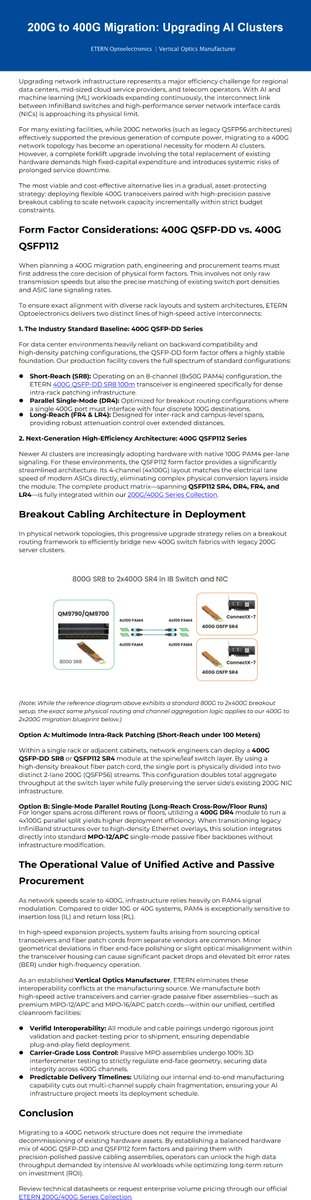
⚡ Upgrading network infrastructure for AI workloads? A forklift upgrade isn't your only option.
Read our latest technical guide to explore 👇
#DataCenter #AIInfrastructure #OpticalTransceivers #400G #200G #NetworkEngineering #ETERN #ETERN Optoelectronics
1
12
Jun 11
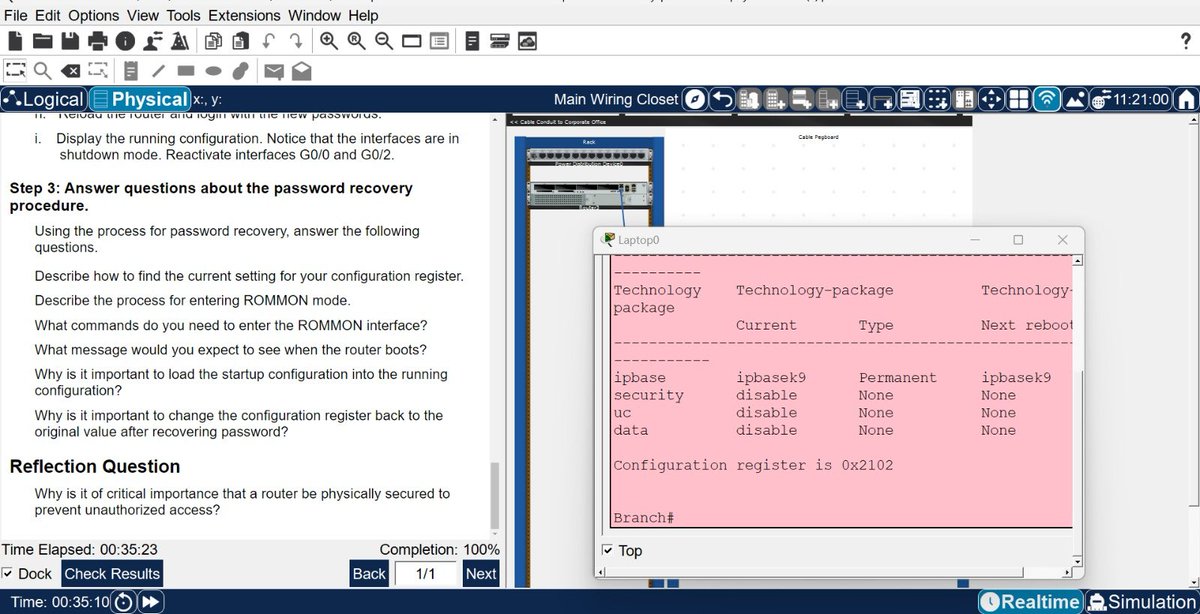
0x2102 is now my favorite hex string. This lab permanently cured me of ever forgetting my configuration register value again.
#Networking #Cisco #CCNA #PacketTracer #ITJourney #internet #NetworkEngineering
4
39

لعقود طويلة، كان قطاع الاتصالات يعتمد على عدد محدود من الشركات المصنعة، حيث كان مشغل الشبكة مضطرًا لشراء جميع مكونات الموقع من مورد واحد فقط، دون إمكانية دمج معدات من شركات مختلفة.
اليوم يشهد القطاع تحولًا كبيرًا مع ظهور مفهوم Open RAN، الذي يهدف إلى كسر هذا الاحتكار ومنح المشغلين مرونة أكبر في بناء الشبكات.
🔹 ما هو Open RAN؟
تعتمد الفكرة على فصل الأجهزة (Hardware) عن البرمجيات (Software)، مع توحيد واجهات الاتصال بين المكونات المختلفة. وهذا يسمح باستخدام وحدة الراديو (RU) من شركة، ووحدة المعالجة (CU/DU) من شركة أخرى، وبرمجيات من شركة ثالثة، لتعمل جميعها معًا بكفاءة وتوافق كامل.
🎯 لماذا يعتبر Open RAN مهمًا لمهندس الاتصالات؟
✅ المرونة والابتكار
إمكانية اختيار أفضل الحلول من موردين مختلفين لبناء شبكة تناسب الاحتياجات التقنية المطلوبة.
✅ خفض التكاليف
الاعتماد على خوادم تجارية قياسية (COTS) بدلًا من الأجهزة المتخصصة مرتفعة التكلفة، مما يساعد على تقليل النفقات وتوسيع التغطية.
✅ التكامل مع الذكاء الاصطناعي
تتيح الواجهات المفتوحة دمج تطبيقات RIC والذكاء الاصطناعي لتحليل أداء الشبكة وتحسينها بشكل لحظي
💬 إذا كنت مهتمًا بتطوير مهاراتك في مجال هندسة الاتصالات، اترك تعليقًا وسنرسل لك تفاصيل دورة هندسة الاتصالات المتكاملة.
🔔 تابع الصفحة لتصلك أحدث الشروحات والمقالات المتخصصة في هندسة الاتصالات والشبكات.
#هندسة_الاتصالات #اتصالات #Telecommunications #OpenRAN #WirelessEngineering #5G #NetworkEngineering #RAN #TelecomEngineer #FutureNetworks #IntegratedTelecom_MC
8
295

Jun 11
Subnet Survivor got me at 13 on TheLineman Can you beat that? thelineman.ca/games/subnet-s…
#CCNA #Networking #Subnetting #NetworkEngineering #Cisco #NetEng #ITCareer #LearnNetworking #games
1
2
27
📌ما الذي تغير فعلياً في هوائيات الجيل الخامس؟
هل سألت نفسك يوماً لماذا تختلف أبراج الـ 5G في شكلها وأدائها عن الأجيال التي سبقتها؟
السر يكمن في "الذكاء الاصطناعي" المدمج في توزيع الإشارات وتقنيات التوجيه الحديثة.
في هذا الفيديو (الجزء الثاني)، نكشف لك:
🔹 الفرق الجوهري بين الهوائيات التقليدية وهوائيات الـ Massive MIMO.
🔹 كيف تساهم هذه التقنيات في تقليل التداخل وزيادة سعة الشبكة.
💬 للحصول على تفاصيل كورس الـ Wireless المتكامل:
اكتب "Wireless" في الكومنتات وسنتواصل معك
🔖 تابع السلسلة كاملة من صفحتنا لتكون دائماً في قلب التطور.
#5G #Wireless #Telecommunications #NetworkEngineering #الاتصالات #هندسة_الاتصالات_
6
282

🎥 "Just do it." That's the advice that changed Luis Guzman's career.
Luis is a wireless network consulting engineer and CWNE #582. He'd been reading CWNP study guides for nearly a decade, using them as reference materials, learning the fundamentals, but never got certified.
Then he met Tom Carpenter at a conference. Tom's advice? "Just do it." So he did. And it changed everything.
"Understanding the fundamentals helped me solve issues when challenges arose. Each vendor has their own special sauce, but if you know the fundamentals, you can work with any vendor."
18 years in IT. Self-taught RF knowledge. Vendor-neutral expertise that applies across Cisco, Juniper, Ruckus, Extreme, doesn't matter.
His advice to anyone on the fence about CWNP? The same words Tom told him: "Just do it. Don't think about it too much. The knowledge you gain applies to any vendor. It's the fundamentals."
Explore CWNP certifications: zurl.co/1fZF2
#CWNE #CWNP #WirelessNetworking #NetworkEngineering #VendorNeutral #WiFiExpert #ITCertification #CWNA #ProfessionalDevelopment #NetworkConsultant #WiFiFundamentals
2
95

Jun 11
sunoltech.com/product/cisco-…
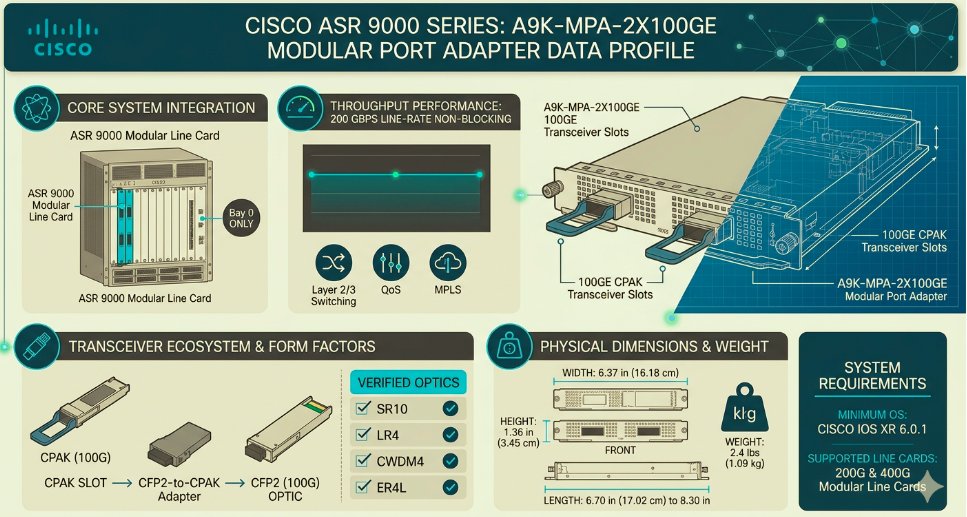
Cisco ASR 9000 2-port 100GE Modular Port Adapter – Fiber100 Gigabit Ethernet – 100GBase-X – CFP2, CPAK A9K-MPA-2X100GE #Cisco #ASR9000 #NetworkingInfrastructure #DataCenter #NetworkEngineering #EnterpriseNetworking #ServiceProvider #NetworkArchitecture
5

Jun 11
Kijan Wi-Fi ap mache pou 80,000 fanatik pandan World Cup la? 📶⚽ Teknoloji pèsonn pa pale sou li.
#WorldCup2026 #ITExplained #StadiumTech #FIFA2026 #WiFi #NetworkEngineering #Tech #WorldCupTech
1
44
Jun 10
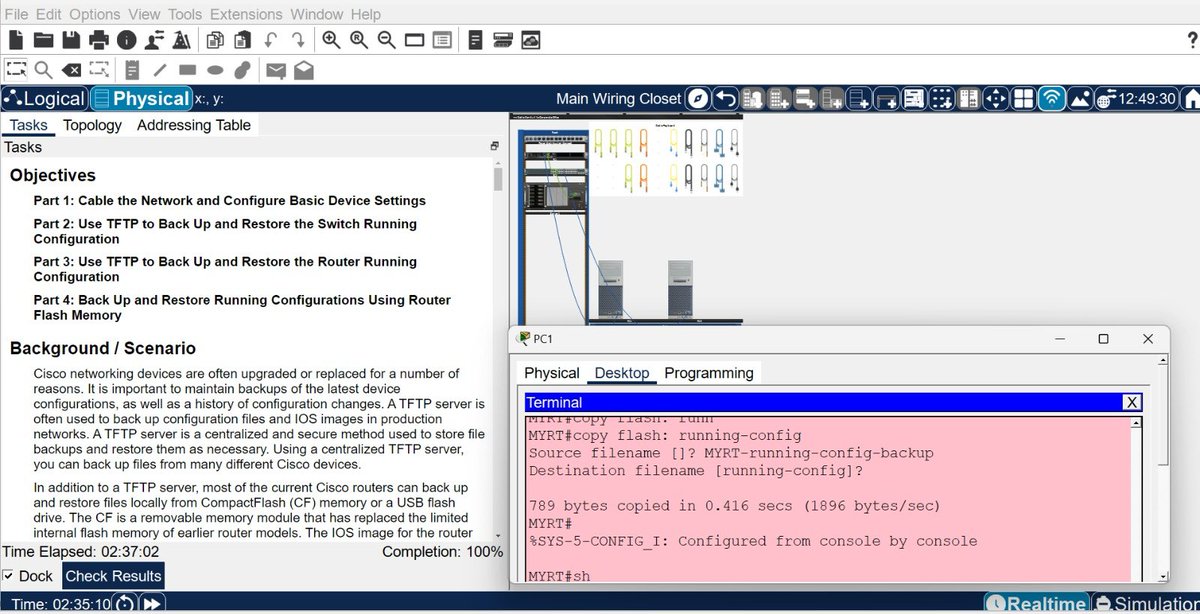
It's wild realizing that if you wipe a device, you need a temporary network bridge just to talk to the TFTP server. But the coolest part? Rebooting the router from the backup file I saved to flash. Absolute lifesaver for offline recovery. #CCNA #NetworkEngineering #CCNA #Cisco
2
44