The Stablecoin War – Banks and the Inevitable Emergence of the Real Human Model
Economic history shows that every monetary crisis begins with a core question: who controls the flow of money and society’s trust? The 1970s in the United States offer a clear example. When money supply was loosened for too long, the oil shock hit and confidence in policy declined, the economy fell into stagflation—high inflation, rising unemployment, and stagnant growth. To recover, the U.S. had to endure short-term pain to regain monetary control and restore credibility to its currency.
Today, history does not repeat itself exactly, but the logic remains. The heated debate between traditional banks and crypto companies at the White House over stablecoins—specifically whether stablecoins should be allowed to pay interest or offer rewards—signals the emergence of a new battle: the fight to control digital money in the future.
Stablecoin: A Payment Tool or a Disguised Deposit?
Traditional banks argue that stablecoins should be used strictly for payments. They should not pay interest, offer rewards, or be marketed like deposits. The reasoning is straightforward: if stablecoins provide yield, people may withdraw funds from banks, weakening the traditional credit and liquidity system.
On the other hand, crypto companies contend that if stablecoins offer no benefit to holders, they become nothing more than a “blockchain version of a digital wallet,” unable to evolve into real financial infrastructure.
But beneath this technical debate lies a deeper question:
👉 In the digital era, will money be controlled by banks, technology, or communities?
Crypto’s Biggest Risk Today: Money Detached from Real Humans
Unlike the banking system, where every account is tied to a legal identity, much of today’s crypto ecosystem operates through:
Anonymous wallets
Bots, farms, and sybil accounts
Whale manipulation
Distorted distribution
This creates a paradox:
Crypto was born to promote “freedom and fairness,” yet in practice it often becomes more concentrated than traditional finance.
This is precisely why stablecoins, DeFi, and tokens struggle to gain serious acceptance within the broader monetary system. If digital money is not tied to real humans, it carries inherent risks of manipulation, loss of control, and crisis of confidence—echoing patterns seen in past financial disruptions.
Interlink Network: Changing the Structure, Not Just the Technology
Interlink Network was not created to compete directly with banks or existing stablecoins. It was designed to transform the foundational structure of crypto.
Its core difference lies in the Real Human Networkmodel:
Each node is tied to a real human
Distribution is based on genuine participation, not large capital
Bots, farms, and sybil behaviors are eliminated
The connection between value – labor – and human beings is restored
In the context of the ongoing stablecoin battle, this distinction is critical. The central issue of digital money is not whether it pays interest—it is:
👉 Who ultimately benefits from the flow of that money?
If stablecoins or tokens continue to flow into the hands of bots and whales, no amount of regulation can ensure long-term stability. But when value is distributed to real people, the digital economy gains a sustainable foundation.
From Controlling Money to Controlling Trust
The lesson of the 1970s is clear: when trust in money collapses, policy tools lose effectiveness. Today, governments and banks fear stablecoins not only because of yield, but because of the potential loss of control over trust and expectations.
Interlink Network approaches this issue at its root:
It does not create money out of thin air
It does not privilege large capital
It does not rely on speculation
It builds a network grounded in human participation
This is the only way for crypto to avoid repeating the path of stagflation: rising asset prices without real value creation, ultimately leading to a collapse of trust.
The battle between stablecoins and traditional banks is not merely a legal dispute. It is a structural struggle over the future of the monetary system in the digital age.
If crypto continues operating on anonymity, bots, and distorted distribution, it will always be viewed as systemic risk. But if it is built on a foundation of real humans, transparency, and fairness, it will not simply compete with banks—it could become a necessary component of the future financial system.
@inter_link emerges precisely in this context:
Not to destroy the system,
but to restructure it—from the human level upward.
Disclaimer: The views expressed do not necessarily reflect interlinklabsvn’s views. This article is for educational and entertainment purposes only and is not investment advice. Interlinklabsvn is not responsible for any investment decisions made based on this content. For amendments, contact ndt.elite@gmail.com
#Interlink #ITLG #ITL

4
8
53
1,403

13 Jun 2025
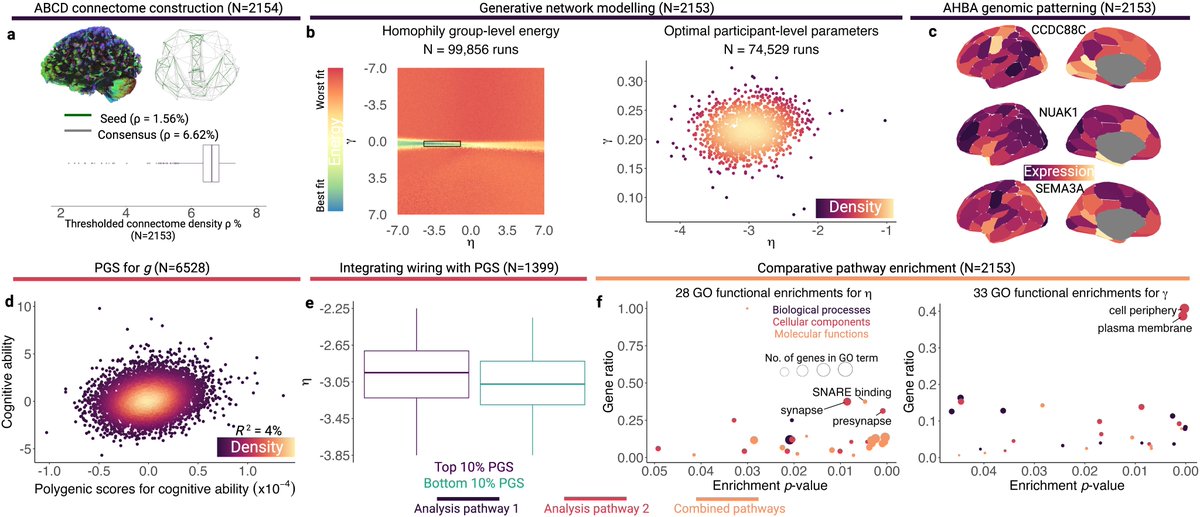
2,153名の児童を対象に認知能力関連の遺伝的変異と脳構造組織化の関係を生成networkmodelで解析
認知能力への遺伝的素因が高い児童は距離penaltyが有意に弱くより確率的で効率的なnetworkを形成
Homophilyが脳組織化の主要mechanism機構
OA
#network
#EI_balance
#papers
doi.org/10.1162/IMAG.a.31
2
2
493

13 Feb 2025
Transform Your Maintenance Strategy: Embrace the Network Model
#MaintenanceStrategy #NetworkModel #BusinessInnovation #OperationalEfficiency #Resilience #PropertyManagement #CentralizedMaintenance #TechCollaboration #SmartSystems #FutureOfWork
2

15 Oct 2024
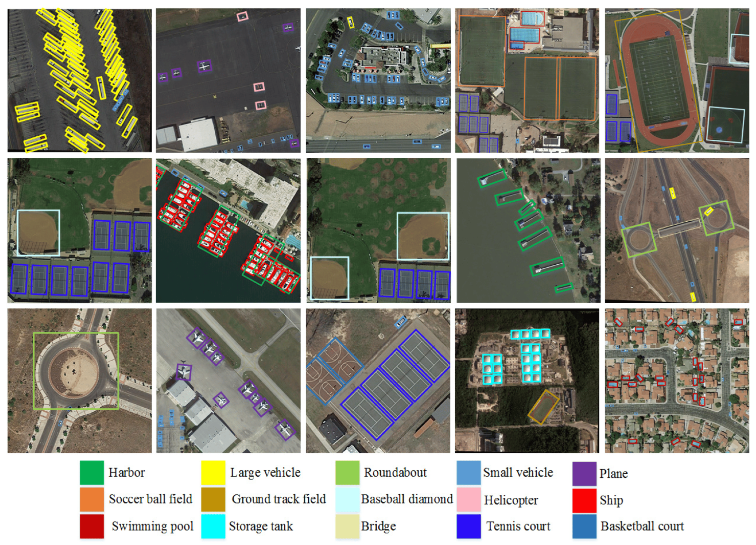
🧐🧐👉 Hybrid #NetworkModel: #TransConvNet for Oriented #ObjectDetection in Remote Sensing Images
✍️ Xulun Liu et al.
📎 mdpi.com/2072-4292/14/9/2090
10
32
1,783

Digital transactions on ONDC will be collateral for credit providers, says T Koshy
#DigitalTransactions #ONDC #CreditCollateral #DigitalCommerce #NetworkModel #Fintech #TandC #ETBFSI #BFSI
Watch here:
bfsi.economictimes.indiatime…
42
Digital transactions on @ONDC_Official will be collateral for credit providers, says @KoshyTK
In conversation with: @amoldethe
#ONDC #CreditCollateral #DigitalCommerce #NetworkModel #Fintech #TandC #ETBFSI #BFSI
Watch here:
bfsi.economictimes.indiatime…
1
1
2
75

9 Apr 2024
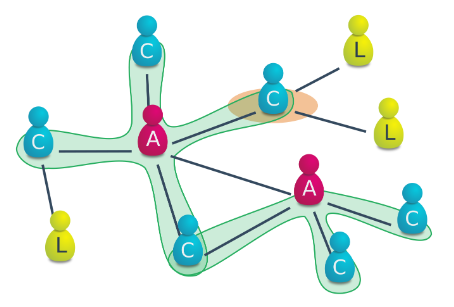
Read #NewPaper: "A Dynamic Network Model of Societal Complexity and Resilience Inspired by Tainter’s Theory of Collapse" by Florian Schunck et al.
See more details at: mdpi.com/1099-4300/26/2/98
#societalcomplexity
#socialecological collapse
#resilience
#networkmodel
126

16 Feb 2024
2024/pubmed.ncbi.nlm.nih.gov/3826…
PDGrapher, a causally-inspired graph neural networkmodel designed to predict arbitrary perturbagens able to reverse disease effects/solves the inverse problem, which is to infer/predict the perturbagens necessary to achieve a specific/desired response
24

6 Feb 2024
The Network Business Model is all about interlinking businesses, fostering a web of strength and adaptability. Explore the power of interconnectedness in the digital landscape. #InterconnectedBusiness #NetworkModel
6

28 Dec 2023
I just understood a Neural NetworkModel in Tensorflow and and Keras that uses Hybrid Embeddings by copy&paste the code in ChatGPT. I definitely 10x my learning experience.
1
1
19

23 Oct 2023
Gain access to the closely guarded practices of Australia’s top real estate agents. Visit the website to register for FREE and to watch the latest REB exclusive interviews! ow.ly/TKsP50PFNFc
#YourFutureNetwork #realestate #agents #propertyportfolio #agency #networkmodel

70
9 Oct 2023
Unveil the viewpoints and preferences of real estate industry professionals. Learn from Australia’s best real estate agents and leverage the valuable insights for your future success.
Watch the REB exclusive interviews: ow.ly/TKsP50PFNFc
#realestate #agents #networkmodel

94

IJMPC's #ImpactFactor for 2022 has seen a huge increase from 1.353 to 1.9!
Thank you to everyone for your support! The featured article is now #FreeAccess for a limited period of time! Click now to read in full!
#JCR2023 #JIF #Physics #IJMPC #computation #networkmodel
2
21
63
162,804

11 May 2023
This article by Somnath Singh gives an informative perspective on the future of work. It’s encouragingly upbeat and helpful in finding a place to stand in the fast changing landscape.
#futureofwork #networkmodel
#creativeeconomy lnkd.in/ewiuCc59
6



รับงานจ้า รับงาน N สอน #Biostat #statistics #biostatistics #R #programming #Rprogramming #coding #DataAnalysis #Data #DataScience #BiologicalNetworkAnalysis #NetworkModel #Bioinformatics จ้า ใครสนใจทักได้เลยจ้า ร้อนเงินจ้า #Tutor #เรียนพิเศษ #ติวเตอร์
1
7
8
3,931

14 Nov 2022
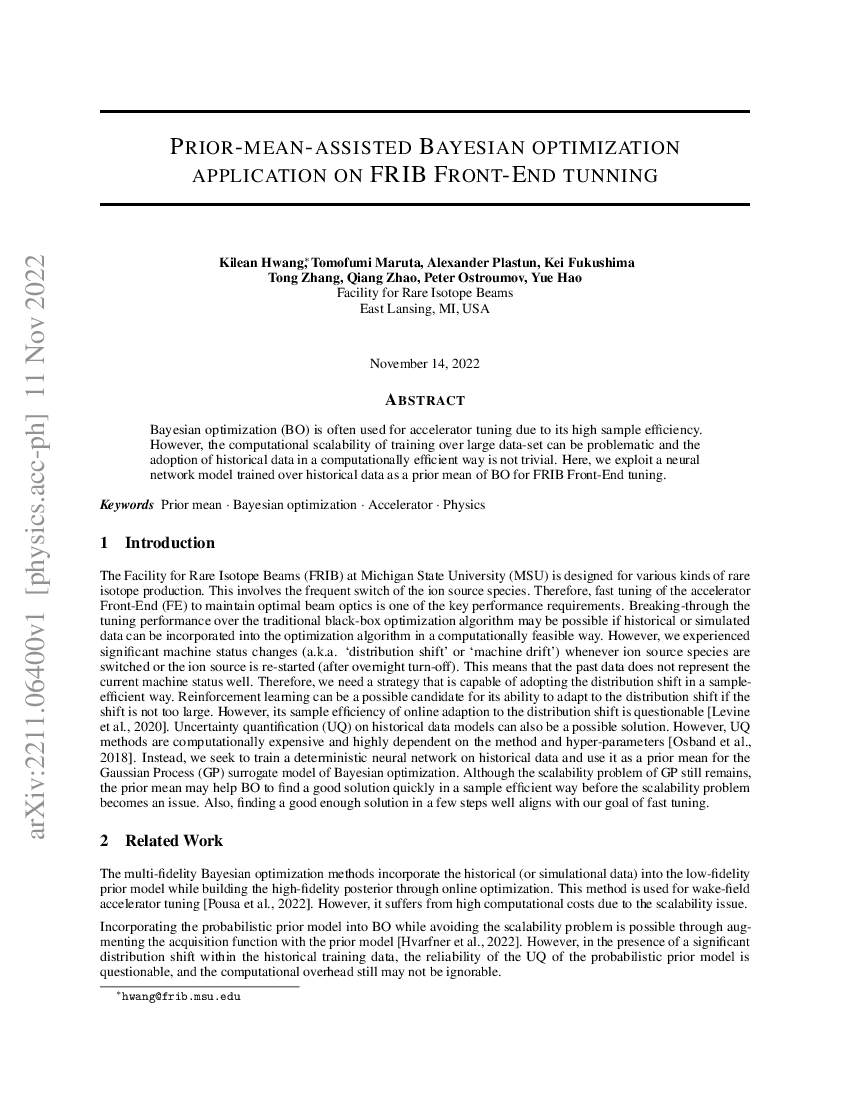
We exploit a neural networkmodel trained over historical data as a prior mean of BO for FRIB Front-Endtuning.
📄 arxiv.org/abs/2211.06400v1

4 Nov 2022
4 Nov 2022