
Halo guys, kita ready Joki Spesialisasi HUKUM ALL PEMINATAN, S1-S3 🔥💪🔥💪 kelen gausa bingung, yg kerjain udh pada profesi semua👌☺️
LO, LM, DRAFTING, IMCC, NMCC, VIS MOOT, IHL, SKRIPSI, THESIS, DISERTASI OKE GAS🤗😊
#zonauang #jokitugas

1
276

Jun 12
📄 Full MARADMIN text:
Released 11 JUN 2026 at 12:43 UTC (Zulu) / MARADMIN 274/26
Subject: Fiscal year 2027 commandant's professional intermediate-level education board (cpib) announcement
1. Purpose. This message announces the Fiscal Year 2027 (FY27) Commandant's Professional Intermediate-Level Education Board (CPIB) convening on 04 August 2026 as part of the Commandant's Education Board (CEB). The purpose of this message is to announce the available programs, eligibility criteria, and timelines for the CPIB execution.
1.a. Changes. In accordance with reference (g), effective 1 April 2026, Headquarters Marine Corps sponsored non-promotion boards will have access to official military personnel file (OMPF) photographs during the conduct of non-promotion selection boards.
1.b. A photograph is considered current if the photograph is taken 365 days prior to a selection board's convene date. It remains the Marine's responsibility to ensure a current photograph is in their Official Military Personnel File (OMPF) no later than 10 business days prior to the board's convene date for which they are eligible.
1.c. Reference (h) modifies the Height and Weight requirement to a Waist-to-Height Ratio (WHtR) requirement. At present, there is no method for the Digital Boardroom to pull current WHtR information aside from an officer's official photograph or fitness reports. Accordingly, Marines will not be viewed negatively solely because a current WHtR measurement is not available to the board. However, previous Height and Weight measurements contained within a Marine's record will be considered, as well as any fitness reports that were processed with a WHtR directed comment.
1.d. Major milestone timeline (read in two columns):
NLT Date Milestone
Release of this message Eligibility roster published
Release of this message CEB questionnaire opens
20 July All Exceptions to Policy (ETP) due
20 July CEB questionnaire closes
20 July Applications/board correspondence due
20 July Remove by Requests (RBR) due
24 July Non-compliance list published
31 July Final eligibility list published
04 August CEB convenes
2. Background. The CPIB, as part of the CEB, is the premier Professional Military Education (PME) opportunity provided to majors, majors (select), and those in-zone for major. The board will convene for approximately four weeks to select the best and most fully qualified officers for resident PME programs, graduate education programs, and special duty assignments.
3. Eligibility criteria
3.a. All majors and majors (select) who will complete their current tour control factor (TCF) by 30 September 2027. Officers whose TCF is complete by 31 December 2027 may be considered with PMOS monitor approval.
3.a.1. Direct questions regarding tour lengths and dates of departure to the appropriate PMOS monitor.
3.a.2. All majors and majors (select) interested in attending the Naval Postgraduate School but do not meet the eligibility criteria outlined in 3.a. should reach out to their PMOS monitor and the MMOA-3 Graduate Education Manager.
3.a.3. Captains in-zone on the CY26/FY28 Major Promotion Selection Board who have completed their minimum time-on-station requirement.
3.a.4. Captains who are in-zone for major who have not completed the minimum time-on-station requirement and wish to be considered should submit an ETP request.
3.b. Ineligibility criteria
3.b.1. Officers with a training PMOS or departing PMOS training.
3.b.2. Captains in the above-zone for promotion to major.
3.b.3. Officers currently enrolled in or who have completed a education program slated by a previous CPIB.
3.b.4. Officers who have not yet fulfilled an obligated utilization tour for a previously attended program by 30 September 2027.
3.b.5. Officers enrolled in or who have completed the Command and Staff Blended Seminar Program (CSCBSP) or have completed Intermediate Level School (ILS) (i.e. SAW, SAMS, MAWS, SAASS) are not eligible for resident PME schools but are eligible for graduate education programs (e.g. NPS, RAO, Olmsted, etc).
3.b.6. Officers with an approved lateral move in CY26 are ineligible for FY27 CPIB selection and attendance due to PMOS training and assignment.
3.b.7. Officers with an approved separation or retirement date.
3.b.8. Restricted officers.
4. CPIB Available Programs
4.a. CPIB Resident PME ILS
4.a.1. Marine Corps Command and Staff College (MCCSC).
4.a.2. Army Command and General Staff College (ACGSC).
4.a.3. College of Naval Command and Staff (CNCS).
4.a.4. Air Command and Staff College (ACSC).
4.a.5. Space Force Command and Staff College (USSFCSC) availability to be determined.
4.a.6. Foreign PME (FPME). FPME no longer grants Joint PME (JPME) I credit.
4.b. Commandant of the Marine Corps Fellowships (subject to change)
4.b.1. Defense Advanced Research Projects Agency (DARPA).
4.b.2. Judicial Clerkship Navy Marine Corps Court of Criminal Appeals (NMCC) at the Navy Yard (4402s only).
4.b.3. Logistics Fellows, Penn State.
4.b.4. Federal Express.
4.b.5. Morgan Stanley.
4.b.6. Dominion Energy.
4.b.7. National Geospatial-Intelligence Agency.
4.b.8. U.S. Attorney's Eastern District of Virginia (4402s only).
4.b.9. Office of the Federal Defender (4402s only).
4.b.10. International Security Center, Notre Dame.
4.b.11. Apple Inc.
4.b.12. Asia Pacific Center.
4.b.13. University of Southern Mississippi (0202s only).
4.c. Graduate Education Programs
4.c.1. Naval Postgraduate School (NPS)
a. NPS Curricula: 3006, 8824, 8825, 8826, 8834, 8840, 8844, 8846, 8848, 8850, 8852, 8862, 8866, 8870.
b. Marines holding a PMOS of 4402 are not eligible to apply to NPS curricula.
c. 8844 is limited to 3404 PMOS. Exceptions made by request to MMOA-3 for other MOSs.
d. 1706s eligible to screen will only be considered for the 8866 curriculum.
e. 8870 is limited to 0370 PMOS.
f. NPS Curricula information can be found at nps.edu/web/usmc/students/pr….
4.c.2. Air Force Institute of Technology (AFIT)
a. AFIT Curricula: 8820, 8831.
b. 8820 is restricted to 75XX PMOS.
c. AFIT Curricula information on the Aeronautical Engineering Program (8820) can be found at afit.edu/EN/programs.cfm?a=v….
d. AFIT Curricula information on the Engineering Management Program (8831) can be found at afit.edu/EN/programs.cfm?a=v….
4.c.3. Civilian Institutions
a. Curricula: 8802, 8878, 4505.
b. Education (8802) applicants shall compose a letter to the board, submitted through the questionnaire, stating previous education and training experience, the desired focus of education study and three prospective universities.
c. 8802 selected officers will earn a Master's degree from a civilian university in 24 months, followed by a utilization tour within Marine Corps Training and Education Command.
d. History (8878) applicants shall compose a letter to the board, submitted through the questionnaire, with the preferred area of historical study and three prospective universities.
e. 8878 selected officers will earn a master's degree from a civilian university in 24 months, followed by a utilization tour as a History Instructor at the US Naval Academy.
f. San Diego State University (SDSU) (4505) is limited to 4502s. Selected 4502s will earn a master's degree in Mass Communication from SDSU. Interested officers are required to have a minimum undergraduate GPA of 2.9. Applications to SDSU are submitted after the board selection.
g. Tuition. Marine Corps University will provide funding for 8802 and 8878 officers up to $19,500 per year for public or private institutions for up to two years. Any tuition cost exceeding these amounts will be paid by the officer. There is no cap amount at SDSU.
4.c.4. The Judge Advocate Generals Legal Center and School (TJAGLCS)
a. TJAGLCS program is restricted to 4402 PMOS Captains and Majors. It is a graduate-level program located at the University of Virginia in Charlottesville, Virginia where a Master of Laws (LLM) in multiple disciplines can be obtained.
4.c.5. Advanced Civilian Schools Program (ACSP)
a. ACSP provides officers the ability to devote a year as a resident student to complete a master's degree of their choice while maintaining career progression. Participants are highly encouraged to pursue areas of study and research topics of interest to the Marine Corps.
b. Limited to no longer than 12 months and qualifies as partially funded education per reference (a).
c. Selected officers will receive their regular pay and allowances, but application fees, tuition, and matriculation fees, cost of textbooks and materials, and all similar fees and expenses will be borne by the officer.
d. No utilization tour is required. The officer's follow-on assignment will be based on the needs of the Marine Corps and the participant's career progression.
e. Interested officers are required to have current GRE scores unless proof is provided the GRE is waived.
4.c.6. Regional Affairs Officer Program (RAO)
a. Officers interested in the RAO program must be a major or major select having between 9 and 15 years of commissioned service by June 2027.
b. Interested officers must submit a statement highlighting interest in the RAO program, to include planning experience with partner nations, regional exposure, desire to serve as a RAO, and clarification on regional preferences.
c. Additional information about the RAO Program can be found in reference (c).
d. Upload a letter via the questionnaire as a file titled "edipi_RAO_lastname".
4.c.7. Olmsted Scholar Program (OSP)
a. OSP is a strategic leader development program for top performing officers of the U.S. Armed Forces. The program provides outstanding Marine Corps officers an unsurpassed opportunity to achieve fluency in a foreign language, pursue graduate study in that language at an overseas university, and acquire an in-depth understanding of foreign cultures, thereby further equipping them to serve in positions of great responsibility as senior leaders in the Marine Corps.
b. Limited to officers with no more than 13 years and 6 months of total Federal service as of 1 April 2027. Time at service academies does not count.
c. Limited to the following PMOSs, as determined by the Foundation: 02xx, 03xx, 0402, 0602, 0802, 1302, 17xx, 1803, 3002, 4502, 5803, 60xx, 66xx, 7204, 7209, 7315, 7318 and 75xx.
d. Applicants must have completed a Defense Language Aptitude Battery (DLAB) test with a minimum score of 95 in order to be eligible to apply.
e. The selection process involves two steps: (Phase 1) The board nominates up to 8 applicants for further consideration; (Phase 2) the Olmsted Foundation evaluates those nominated, conducts interviews in January 2027 and makes selections in March 2027.
f. Nominees not selected by the Olmsted Foundation in the second phase will be slated to other PME or graduate education opportunities.
g. For more information on the Olmsted Foundation: olmstedfoundation.org.
h. Interested officers should submit an initial application to the board questionnaire using the naming protocol: "edipi_OSP_lastname".
i. Phase 2 requirements are timely and applicants are recommended to start the process immediately. Further application instructions can be found at manpower.marines.mil/Divisio…
4.c.8. Foreign PME (countries subject to change).
a. Foreign PME countries available: Brazil, Canada, Chile, France, Japan, South Korea, Spain, United Kingdom, Fort Benning Western Hemisphere Institute for Security Cooperation (WHINSEC).
b. Marines may be assigned to any country listed regardless of their preference provided in the questionnaire.
c. Marines must obtain and submit a DLAB score (regardless of which country they are interested in). Interested officers must submit a letter to the board with source documentation of DLAB test score results and an explanation of the desire to attend FPME along with any other qualifications.
d. FPME completion grants service PME; however, JPME Phase I is no longer credited for completion of FPME. Both service PME and JPME Phase I are required to be considered PME complete for grade. Marines considering FPME who have not completed ILS already should plan accordingly in order to be PME complete in time for their respective promotion board.
4.d. Program and further curricula information can be found at manpower.marines.mil/Divisio…
5. General instructions for the eligible population
5.a. The list of eligible officers being considered for CPIB is posted on the USMC Manpower, MMOA-3 Plans and Programs webpage: manpower.usmc.mil/Manpower-M…. Questions regarding eligibility should be directed to the appropriate PMOS monitor.
5.b. All eligible officers are required to complete the FY27 CEB Questionnaire no later than 2359 EST on 20 July 2026. The questionnaire is located at: manpower.usmc.mil/applicatio….
5.c. Note 1, Note 2 and No Note
5.c.1. Note 1. Within the eligibility list, officers with sufficient career timing to participate in programs ranging up to five years (i.e., NPS, AFIT) have a Note 1 next to their name. Officers with a Note 1 beside their name are required to apply and submit undergraduate transcripts to NPS no later than 2359 EST on 20 July 2026. NPS Admissions website is located at: nps.edu/web/admissions/apply….
a. After submitting the NPS application, applicants must order official transcripts from all attended undergraduate and graduate institutions for delivery from the institution(s) directly to NPS Admissions. Transcripts must come directly from the institution or their designated transcript exchange service. NPS does not accept transcripts submitted by the applicant.
b. Officers that have previously applied to NPS must submit an additional application but are not required to resubmit transcripts. Officers can submit up to three applications for those curricula listed in paragraph 4.b.1.
c. NPS will notify MMOA-3 of an officer's acceptance to NPS with the curricula for which the individual may or may not qualify. NPS does not provide an acceptance letter or status of acceptance to individual officers.
d. Officers with a Note 1 beside their name who are interested in AFIT should apply and submit undergraduate transcripts to AFIT no later than 2359 EST on 20 July 2026.
e. The AFIT admissions website is located at: afit.edu/ADMISSIONS/AFITAppl….
f. All officers must verify that a copy of their undergraduate transcripts is in their OMPF. Officers must upload all higher learning institutional transcripts to their OMPF. Officers should submit OMPF update requests via OMPF-Records Management Application (O-RMA). If assistance is required, contact your unit S-1 or local IPAC. Officers are responsible for ensuring their OMPF is accurate at all times.
5.c.2. Note 2. Officers with sufficient career timing to participate in programs ranging up to three years have a Note 2 beside their name.
5.c.3. No Note. Officers without a note beside their name only possess the career timing to attend a one-year program. Officers without a note beside their name who believe they have the career timing to be considered for a Note 1 or 2 program should contact their PMOS monitor.
5.c.4. Officers outside the FY27 consideration window who are interested in CPIB programs, must submit an Administrative Action (AA) Form endorsed by the first O-6 in the Marine's chain of command NLT 20 July 2026 via the online questionnaire.
5.c.5. Marines wanting to change their Note 1, 2 or No Note status must reach out to their PMOS monitor.
5.c.6. All members requesting an ETP should also fill out the questionnaire NLT 20 July 2026 regardless of ETP status.
5.d. Removal by Requests (RBR)
5.d.1. Officers who are listed on the eligibility roster, but do not want to be considered must submit an AA Form, positively or negatively endorsed, by the first O-6 in the Marine's chain of command NLT 20 July 2026 via the online questionnaire.
5.d.2. All requests must be labeled "edipi_RBR_lastname" via the online questionnaire and members requesting an RBR should also fill out the questionnaire NLT 20 July 2026 regardless of pending RBR.
6. Coordinating Instructions
6.a. Graduate education programs are not a service equivalent for PME. Marines participating in a graduate education program are required to complete a PME program commensurate with their grade on their own initiative to be considered PME complete for their grade. Marines shall complete grade specific PME during their respective Graduate education programs.
6.b. FPME completion grants service PME; however, JPME Phase I is no longer credited for completion of FPME. Both service PME and JPME Phase 1 are required to be considered PME complete for grade. Marines considering FPME who have not completed ILS already should plan accordingly in order to be PME complete in time for their respective promotion board.
6.c. Obligation
6.c.1. All service PME schools are 12 months or less in length and incur a 24-month service obligation.
6.c.2. Graduate programs vary from one to two years followed by a three-year utilization tour, unless otherwise noted, and an additional year of service obligation for a total of four years. Utilization tours will be assigned within this four year service obligation.
6.c.3. For additional information on program lengths and descriptions, see reference (a) or contact the program officer in paragraph 7 below.
6.d. Questionnaire
6.d.1. Eligible officers must submit program preferences, applications (expect for NPS and AFIT), letters to the board, RBRs etc. via the questionnaire. The questionnaire is the only method for MMOA-3 to receive board correspondence. Once responses are submitted via the questionnaire, MMOA-3 will receive an automatic notification of completion.
6.d.2. Do not submit more than 7 documents.
6.d.3. Each document must not exceed 800 KB and must be in .pdf format.
6.d.4. File naming convention is very important for board correspondence collection/consolidation. Name the file appropriately according to the program you are applying for i.e. "edipi_OSP_lastname" or "edipi_FAO_lastname". Condense all documents for a specific program application into one scanned PDF. If due to size constraints the application must be split up, label as such "edipi_RAO_lastname (1), edipi_RAO_lastname (2)". If submitting a supplemental board correspondence label as such: "edipi_LOR_lastname" and remove by request "edipi_RBR_lastname".
6.d.5. Direct questionnaire functionality and accessibility questions and issues to MMOA-3 at SMB_MMOA_GRAD_EDU@USMC.MIL.
6.e. Board Correspondence. All correspondence to the board must originate from the officer being considered. All submissions (letters of recommendation, clarifying statements of service, etc.) must be uploaded into the questionnaire no later than 2359 EST on 20 July 2026.
6.f. Non-Compliance. Officers are considered non-compliant with the above instructions:
6.f.1. They have a Note 1 next to their name on the eligibility roster and fail to apply and submit transcripts to NPS.
6.f.2. They have a Note 1 or 2 next to their name and do not complete the questionnaire and upload a legible copy of their transcripts to OMPF.
6.f.3. Officers who fail to complete the questionnaire, fail to apply to NPS, or fail to submit transcripts will still be considered and may be slated to a program at the board's discretion.
6.f.4. A list of non-compliant officers will be provided to commands on or about 24 July 2026 for those officers who have not yet applied to NPS.
6.g. Subsequent MARADMINs will announce FY27 CPIB results and FY27 Graduate Education Program Results. The results MARADMINS will serve as notification of orders for all primary selectees.
7. Program Points of Contact
7.a. Intermediate Level Schools Contact your PMOS monitor.
7.b. Foreign PME, CMC Fellowships, Olmsted Scholar Program Maj Taylor Wulff-Morrison DSN: 378-4837, Comm: (703) 784-1209 Email: Fellows_FPME_Olmsted@USMCU.edu
7.c. Naval Postgraduate School Admissions Office Comm: (831) 521-2190 Email: admissions@nps.edu
7.d. Master's of Education LtCol Alex P. McGraw (TECOM) Comm: (703) 432-2068 Email: alex.mcgraw@usmc.mil
7.e. Master's of History Maj Bradley S. Worthan (USNA) Comm: (410) 293-6293 Email: worthan@usna.edu
7.f. Engineering Management - 8831 (AFIT) Maj Jason McDonald Comm: (571) 256-2789 Email: jason.mcdonald1@usmc.mil
7.g. Law Programs Maj Matthew W. Schoneweis Comm: (703) 693-9059 Email: matthew.schoneweis@usmc.mil
7.h. San Diego State University (SDSU) Maj Sarah Rhodes Comm: (703) 693-4906 Email: sarah.rhodes@usmc.mil
7.i. International Affairs Program (IAP) LtCol Brett McCormick DSN: 222-0322, Comm: (703) 614-0322 Email: brett.mccormick@usmc.mil
7.j. Graduate Education Manager Maj Delaney Dumanovsky Comm:703-784-9285 Email: SMB_MMOA_GRAD_EDU@USMC.MIL
8. This MARADMIN is not applicable to the Marine Corps Reserve.
9. Release authorized by MajGen Fridriksson, Director, Manpower Management Division.
REF/A/DOC/MM/20190530//
REF/B/MSG/MCCDC/20080125//
REF/C/DOC/PPO/20250311//
REF/D/DOC/MPP-56/20210510//
REF/E/DOC/MMSR/20190215//
REF/F/MSG/EDCOM/20260406//
REF/G/MSG/CMC/261400ZFEB2026//
REF/H/MSG/CMC/241230ZMAR2026//
POC/DELANEY T. DUMANOVSKY/MAJ/MMOA-3/USMC/DSN 278-9285/ TEL (703) 784-9285/EMAIL: SMB_MMOA_GRAD_EDU@USMC.MIL//
Source: marines.mil/News/Messages/Me…
🤖 This text was reformatted for readability.
1
1
422

Jun 11
#長崎医療こども専門学校
#NMCC介護福祉科
#NMCC柔道整復師科
#NMCC医療ビジネス科
#NMCC保育こども科
オープンキャンパス 開催
今回のおやつタイムはハーゲンダッツデー🍨
お申し込みはこちら
hnmc.jp/opencampus/
1
45

Jun 11
UPDATE: Shelter-in-place remains in effect at the Pentagon after a biohazard scent was detected — nothing has been found yet and no indication of a “nefarious” event.
FOX: “According to one Pentagon official I was able to reach the hazardous material team scrubbed several locations in the Pentagon's A ring, the center most location in the building.”
“This was after systems detected a problem with the air quality in that part of the building and a device picked up a biohazard scent.”
“Nothing has been found yet and there’s no indication this is nefarious according to Pentagon officials that we spoke to earlier today.”
“There is a shelter-in-place for the people close to that area of the Pentagon and other people in the building are told to stay away from those sectors of the building.”
“The biohazard was detected in corridors five and six and the lockdown took place from corridors three to seven.”
“This was not where the NMCC or national military command center is located, no sense that those operations or any operations in the Middle East have been affected or that the joint staff were disrupted.”
4
10
47
6,601

The NMCC, National Military Command Center has not been shut down. There's been no evacuation of the Joint Chiefs per Jennifer Griffin.

The incident is located in the A Ring between corridor 5 and 6 per Jennifer Griffin of Fox News. Corridors 4 thru 7 have been closed down.
1
4
582

Jun 11
No Formal Declaration of War
If the United States of America is not formally at war, does the President still have unconditional authority to use nuclear force?
Yes, in the event of a first strike and the narrow window to respond. A close-in sub launched depressed trajectory nuclear “decapitation” attack is the worst case scenario and leaves almost no time for the President to act.
Depressed Trajectory SLBM: Time of Flight
A standard SLBM on a normal (lofted) trajectory from, say, a sub in the North Atlantic to Washington takes roughly 25–30 minutes. A depressed trajectory (DT) radically compresses that.
Most nuclear missile silos are within 2,000 km of an ocean, from which submarine-launched ballistic missiles can destroy them in 7–13 minutes depending on how depressed the trajectory is. For a sub positioned closer — say 500–800 km off the East Coast targeting Washington — flight time to the capital on a highly depressed trajectory could be as short as 5–7 minutes.
SLBMs flown on depressed trajectories have flight times comparable to the escape times of bombers and ICBM launch times, raising the possibility of short time-of-flight (STOF) nuclear attacks.
The U.S. Decision Timeline (Bruce Blair, Global Zero, 2019)
Here’s what the documented decision process looks like, drawn from Blair’s detailed timeline of the nuclear launch decision process:
• H 1 min — U.S. infrared satellite detects the missile’s hot plume during the 4–7 minute boost phase. Detection data is instantly transmitted to NORAD, STRATCOM, NMCC, and other facilities.
• H 4 min — NORAD and STRATCOM early-warning teams must report initial confidence (no/medium/high) of nuclear missile threat to North America.
• H 4 to 9 min — If confidence is medium or high, POTUS is notified and reachable advisors are dialed into a teleconference or video conference.
• H 9 to 10 min — STRATCOM Commander briefs POTUS on the threat and response options along with their consequences, and makes a recommendation.
• H 10 to 17 min — POTUS is updated by briefers, deliberates, and may confer with other advisors.
• H 17 to 17.5 min — POTUS informs the Pentagon War Room of the response option to be executed; NMCC challenges POTUS to authenticate identity using “Gold Codes.”
The Problem a Depressed Trajectory Creates
On a normal SLBM trajectory, DSP satellites provide 25–30 minutes of warning along with information on trajectory and ultimate targets, giving decision-makers some time to decide how to retaliate.
A depressed trajectory collapses that window dramatically. If a Russian sub fires from 600 km off the coast and the missile hits Washington in 6–7 minutes, the President would be notified at roughly H 4 to 5 minutes — leaving perhaps 1–2 minutes of actual decision time before impact at the capital. That is not enough time to work through even the abbreviated STRATCOM briefing.
A real-world illustration of how acute this gets: In October 1979, Colonel Odom, military assistant to Brzezinski, received a “high confidence” warning of an SLBM launch off the Oregon coast and reported that he wondered “how to use the remaining four or five minutes” before the missile struck and set off a cataclysm.
A historical precedent for the decision pressure: During the 1979 false alarm, NORAD notified Brzezinski that the Soviet Union had apparently launched 250 ballistic missiles, stating that a decision to retaliate would need to be made by the president within 3 to 7 minutes.
Bottom Line
At the extreme end — a close-in sub on a maximally depressed trajectory — the President’s decision window effectively closes to zero or negative time relative to impact on Washington ~0–2 minutes (or zero). The command system might not even complete notification before the capital is struck, which is precisely why the continuity-of-government “nuclear football,” airborne command posts like the E-4B Nightwatch, and hardened alternate command centers exist.
This is also why the depressed trajectory threat has been treated as a decapitation scenario problem rather than a launch-on-warning problem — there may simply be no warning interval long enough to use.

5
11
1,030


Jun 9
Vetting the Order: This code is transmitted directly to
National Military Command Center (NMCC) at the Pentagon. The Secretary of Defense must then verify that the order genuinely came from the President( a process known as the "two- man rule"), though the
1
18
Jun 9
telephone call or an iPhone app.
[President/ Cabinet in Oval Office] > [ Authenticates via " The Biscuit" Card]> [ Military Aide opens the Nuclear Football] > [ Secure SATCOM Link to Pentagon/ NMCC]
What it Actually Is: The Football is a black leather briefcase
1
11

Jun 9
While I can understand your knee jerk response, it doesn’t change the fact that she is a former DIA Rep in the NMCC.
10


bgkeee ngerti bgt lagi gw dengan terms alsa itu.... siren apakah km juga alsa karna ts is so real 👹👹👹👹 pantes dari hannah nmcc aja ak dah ngerti ini hannah social butterfly alsaholic 😭



1
672

Jun 8
NMCC and DDGO used the Clinton's as a case study in civil-military relations for certain programs. And of course, neither Hillary or Obama ever showed for their "DOD 101" course hosted by the Joint Staff when they were elected. Even Thune showed up.
10

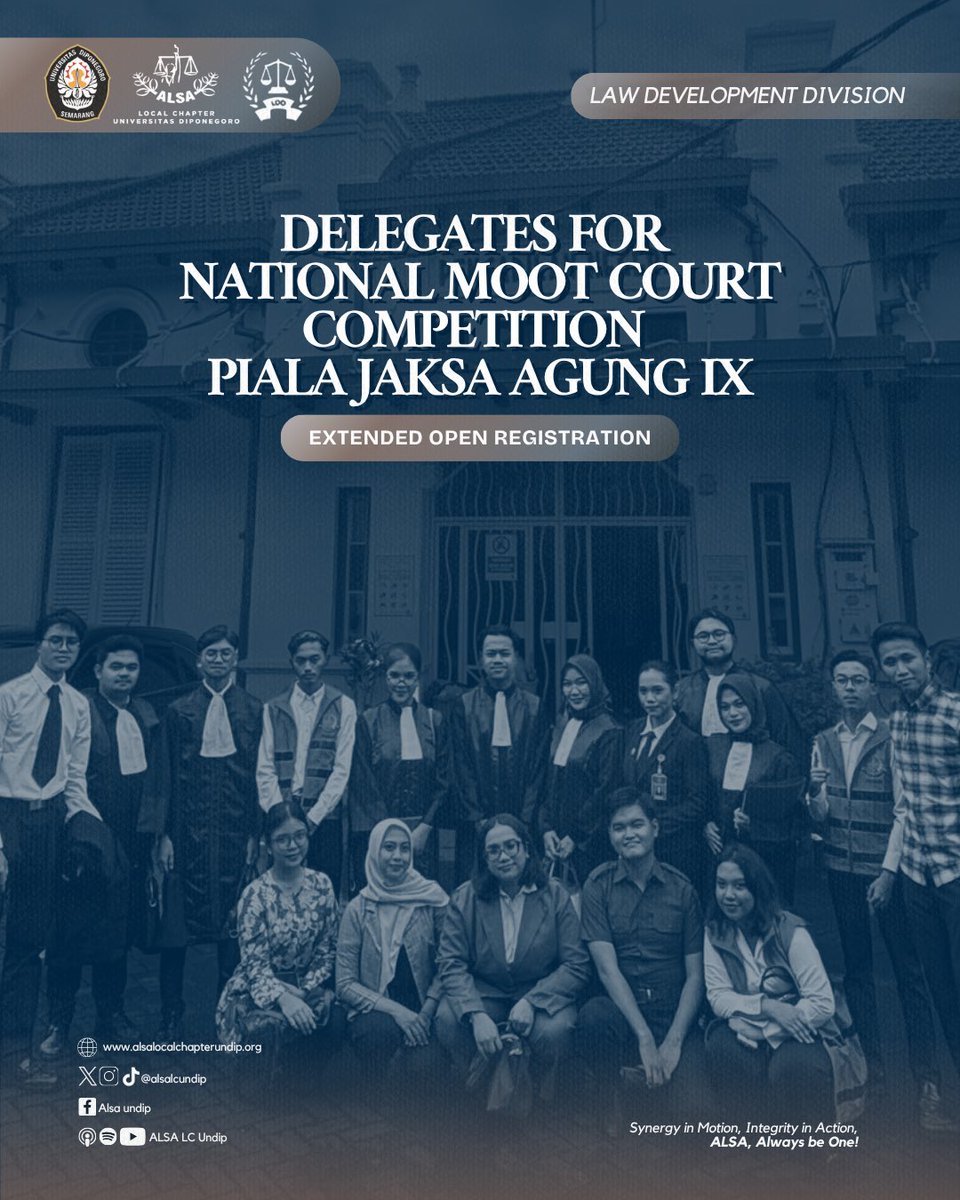
[NMCC PIALA JAKSA AGUNG IX : EXTENDED OPEN REGISTRATION DELEGATES]
Greetings, ALSA LC
The extended recruitment for Delegates of NMCC Piala Jaksa Agung IX has already opened!
Thank you!
Synergy in Motion,
Integrity in Action,
In ALSA, Always be One!


1
94
#長崎医療こども専門学校
#NMCC柔道整復師科
#高総体 #救護サポート
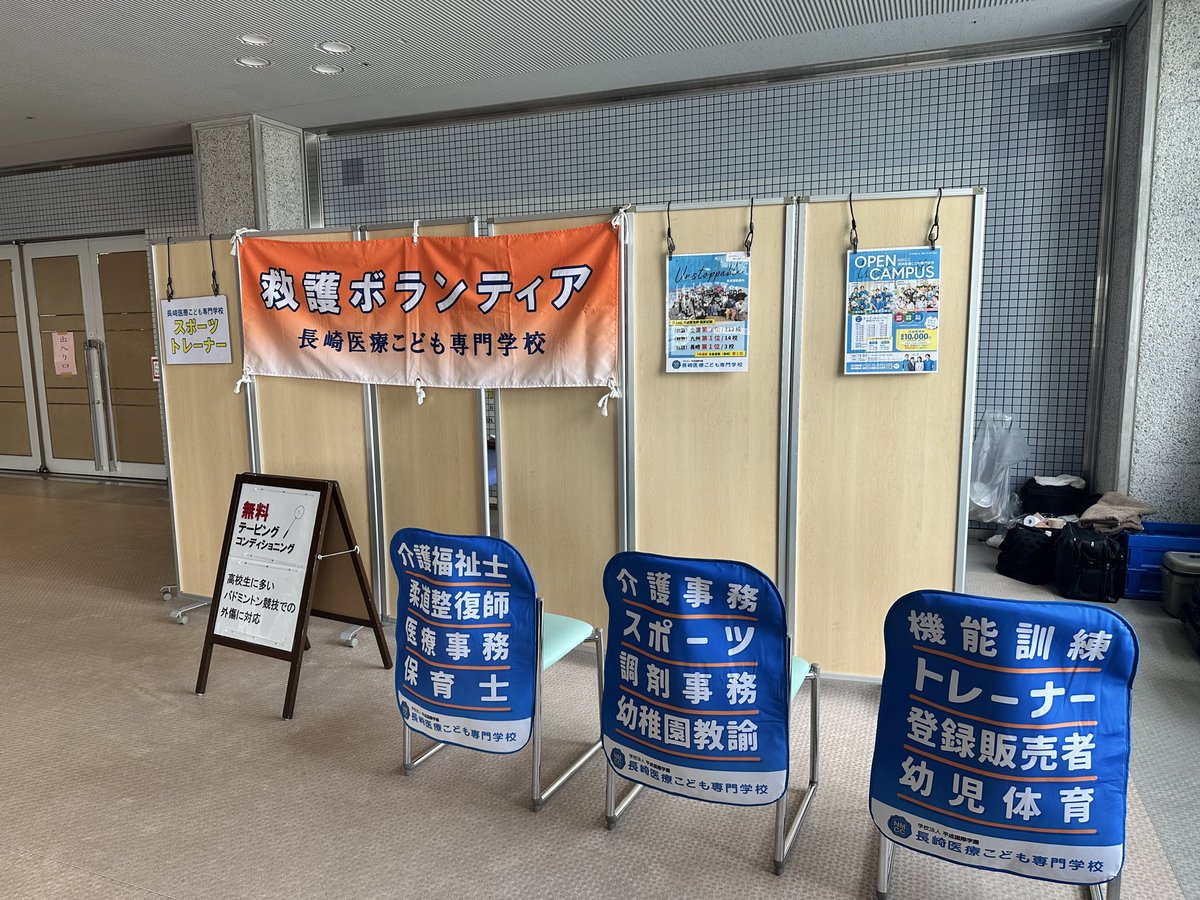
6月6日(土)より長崎県高総体が始まりました。
◯柔道競技
◯バドミントン競技(女子)
◯フェンシング競技
今年度は3つの競技の会場にて救護サポート
選手の皆さんのご健闘をお祈りします😊
2
668

May 28
Good Place #NMCC (Nita Mukesh Ambani Cultural Centre)
ज्यादा नहीं समय था... फिर कभी फुरसत से जाना पड़ेगा...


3
6
17
459
May 28
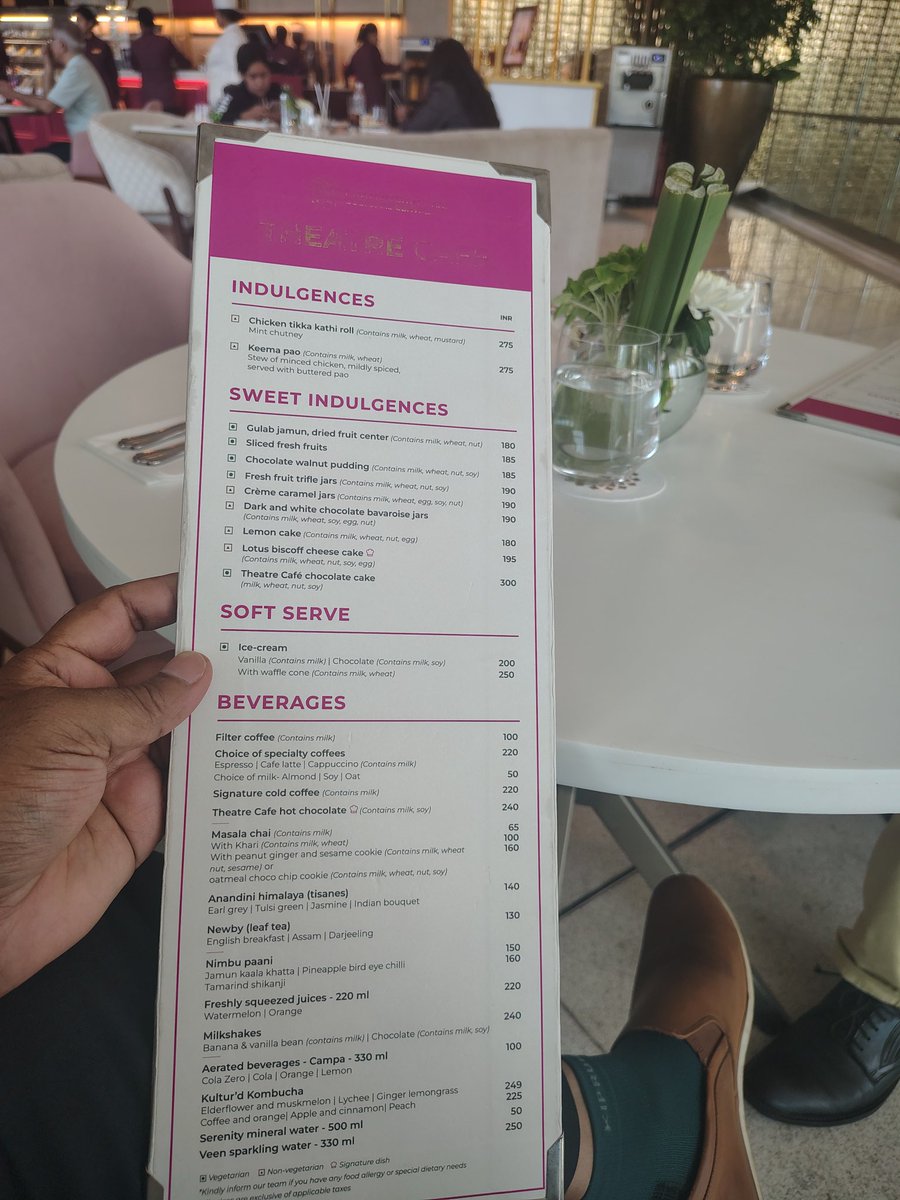
The theater cafe at #NMCC (Nita Mukesh Ambani Cultural Centre) .. 😊 क्या ऑर्डर किया जाय...

4
2
10
363

May 25
aowkwkw apalah si alay ini akhirnya keterusan sampai jd champ imoot trus jd dele nmcc 😹😹
26 Aug 2025

ini seriusan kah nder? kl imoot dan lain2 itu gimana pls? takut bgt salah buat milih ukm... 😭
1
179

May 21
西側の電子戦(EW)適応パッチを先越する「東アジア執行の賞味期限」分析
中露OSINTの冷徹な計算において、現在ユーラシア側が保持している「西側の精密誘導兵器やC4ISRを無力化する電磁波優位」には、2026年後半から2027年中期にかけて致命的な賞味期限(デッドライン)が存在します。
西側がコードの書き換え(適応)を完了する前に、東アジア戦線を執行しなければならない数式的理由は以下の通りです。
【中露EW優位の減衰タイムライン】
[2026年前半(現在)] (優位性最高潮)
──► [2026年後半](部分的な適応開始) ──────► [2027年中期(デッドライン)] ・光ファイバー有線 ・西側GPSのMコード化 ・西側AI型認知無線OSの配備 ・周波数ホッピング ・抗ジャミングアンテナ ・中露のEW優位性が「完全リセット」 (非対称戦の優位喪失)
1. 西側GPSの「Mコード」移行と「抗ジャミングアンテナ」の量産:
ウクライナやホルムズ海峡でロシア・イランの電子戦OS(GPSスプーフィング等)に苦しんだ米国は、軍用GPSを妨害に極めて強い「Mコード(M-code)」へ急速に切り替えています。
さらに、自衛隊や在日米軍の巡航ミサイル・ドローンに対し、妨害電波の方向を自動で遮断する「CRPA(抗ジャミングアンテナ)」の換装が2026年後半から量産フェーズに入ります。
2. 米軍の「認知無線(Cognitive Radio)AI」パッチ:
ペンタゴンは、妨害電波を検知した瞬間にAIが空き周波数をミリ秒単位で見つけて自動移行する「認知無線OS」を、ソフトウェア・アップデートの形で既存の通信システムへ流し込み始めています。
これが完了すると、中露の固定的な妨害パターンは無力化されます。
3. 東アジア執行のデッドライン:
中露鮮連合にとって、在日米軍の防空レーダーやトマホーク、台湾の迎撃システムを「確実に失明・無力化」できるウィンドウは、西側のこれらハード・ソフトの換装が完了する前の「2026年中(遅くとも2027年春)」に限定されます。
この賞味期限を過ぎれば、戦線は再び泥沼の消耗戦に逆戻りするため、一気呵成の執行(電撃的な無力化)が急がれています。
米軍の演算・防衛能力をパンクさせる「三正面同時多発・飽和サイバー攻撃」の配線図
ウクライナ、中東、東アジアの3大戦線において、中露イラン(および北朝鮮のハッカー部隊)が同期して仕掛ける、米軍のC4ISRシステムを物理的・論理的にオーバーフローさせるためのサイバー・飽和シナリオです。
① ウクライナ(欧州戦線):ロジスティクスOSの切断
ターゲット: 欧州米軍(EUCOM)の補給・輸送管理システム(JOPES等)。
手法:
北朝鮮の「ラザルス」およびロシア系ワイパー(データ破壊型マルウェア)を使い、ポーランドなどの兵器輸送拠点の管制システム、鉄道網、通信インフラを同時にロック。
効果:
米国から欧州への弾薬供給の「タイムライン」を麻痺させ、米軍の演算リソースを「欧州インフラの復旧」へ強制的に割かせます。
② 中東戦線(イスラエル周辺):防空リンクのハッキング
ターゲット:
イスラエル軍と米中央軍(CENTCOM)を結ぶ戦術データリンク(Link 16など)。
手法:
イラン系サイバー部隊によるドス(DDoS)攻撃と、中露の電子戦航空機による広帯域ジャミングをハイブリッドで執行。
効果:
迎撃ミサイルの「残弾数」や「標的追跡データ」の同期を遅延させ、フーシ派やヒズボラが放つ安価な自律FPVドローン群をレーダー上で「数万個のゴースト(偽の標的)」として誤認させ、防空システムを物理的にパンクさせます。
③ 東アジア戦線(日本・台湾):在日米軍・自衛隊の「神経系」完全去勢
ターゲット:
在日米軍(USFJ)および自衛隊の統合幕僚監部が運用する指揮統制ネットワーク、日本の電力・通信インフラ。
手法:
中国の「ボルト・タイフーン(Volt Typhoon)」などの潜伏型サイバー部隊が一斉に起動。
日本の変電所、港湾のクレーンシステム、自衛隊基地の通信ルーターのファームウェアを同時に書き換え、遠隔で「物理的シャットダウン(過負荷による破壊)」を執行。
これに北朝鮮のサイバー部隊による金融インフラ(銀行決済網)への攻撃が重なります。
効果:
在日米軍基地は「基地の外のインフラ(水・電気・通信)が消滅」し、台湾周辺の状況を把握するためのレーダーや衛星データを受信できなくなります。
【結論:米軍のマルチタスク崩壊】
3つの戦線で同時にこれらが炸裂した時、ワシントンの国家軍事指揮センター(NMCC)の画面は「エラーコード」と「通信途絶」で埋め尽くされます。
米軍の演算能力は完全に飽和(クラッシュ)し、東アジアでの中国軍の動向(台湾海峡の接収や日本周辺の航行管理OS起動)に対して、「事態を認識した時にはすでにすべてのチェックメイトが完了している」という状態が作り出されます。




7
18
1,301