
Apr 11
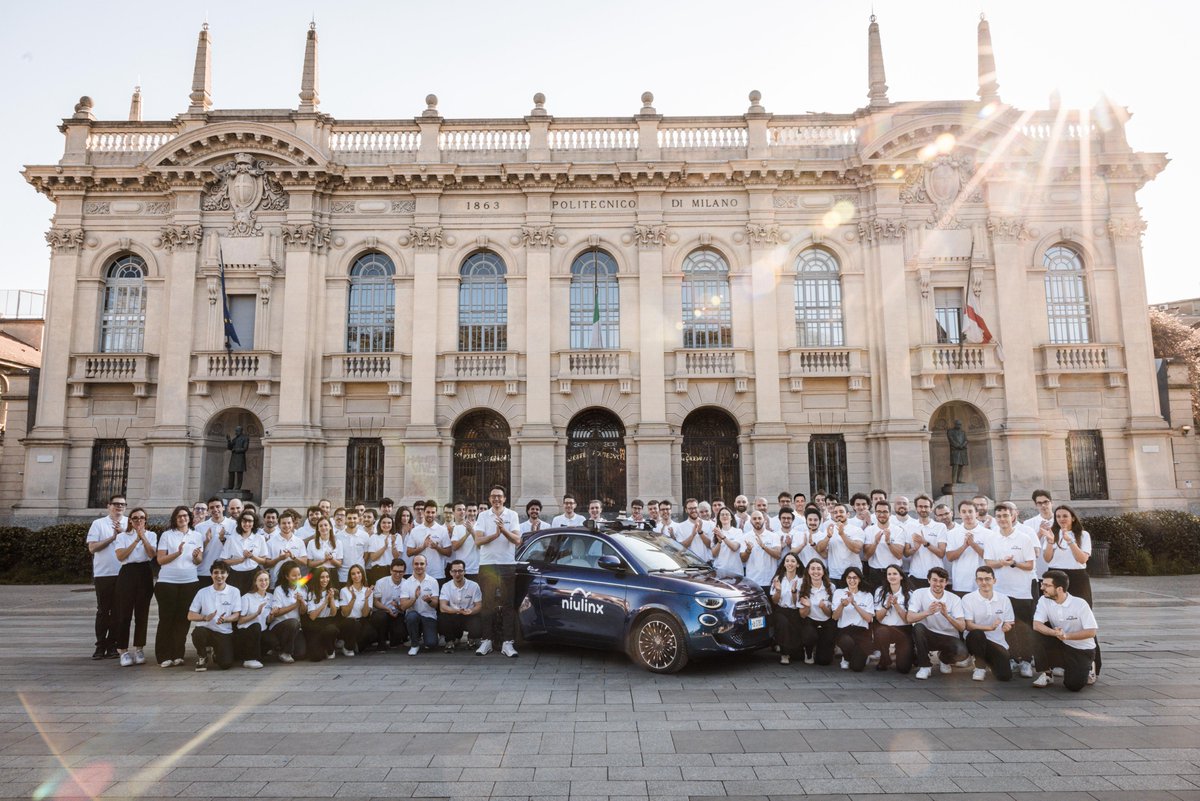
E’ nata la risposta Europea sulla guida autonoma: @niulinx
Dopo molti mesi di lavoro è iniziata la più difficile sfida professionale della mia vita.
38M€ per il primo round, @gruppo_a2a e il fondo AI di CDP Cassa Depositi e Prestiti come lead investors e con il contributo fondamentale di un parterre di investitori come: AFL (Famiglia Falck), @fsitaliane, @Pirelli , VC Partners SGR, MOST, Fondazione ICO Falck, @EmilioFrazzoli , Stefano Bernardi
Niulinx è uno spinoff del @polimi dal gruppo di ricerca AIDA del Prof. @sergiosavaresi
Il Team
Io sono il CEO, Cristiano Bonetti il CTO e Gian Marco Felice il CFO e Presidente del Board.
12 Fondatori e oltre 60 tra PhD, Ingegneri elettronici, meccanici, nucleari, matematici, informatici e Fisici. L’età media delle persone che vi lavorano è 27 anni.
Un comitato tecnico di assoluta eccellenza presieduto dal Prof. Sergio Savaresi
Cosa fa Niulinx
Niulinx sviluppa l’intero sistema tecnologico che rende possibile la guida autonoma: dalla percezione dell’ambiente alla pianificazione del percorso, dal controllo del veicolo alla gestione remota della flotta.
I nostri obiettivi sono:
1-Omologare automobili a guida autonoma in Europa entro 3 anni per erogare un servizio su flotte condivise
2-Creare una istituzione Europea con massa critica di ingegneri capaci di sviluppare in Europa la tecnologia sulla guida autonoma in tutti i suoi casi d’uso rilevanti
Perché ora, perché l’Europa
Il mercato globale della guida autonoma vale oggi oltre 50 miliardi di dollari e si prevede superi i 300 miliardi entro il 2035. Mentre Stati Uniti e Cina hanno diversi players l’Europa non ha ancora un campione continentale. Niulinx nasce per colmare questo vuoto: non replicando il modello americano, ma costruendo un approccio industriale europeo – regulatory-first, capital-efficient, e progettato per scalare attraverso un modello di franchising con operatori locali.
Una coalizione industriale senza precedenti
La compagine degli investitori rappresenta una convergenza unica dell’industria italiana della mobilità, dell’energia e delle infrastrutture:
A2A – primo investimento diretto di A2A Life Ventures, braccio di innovazione del Gruppo, nella strategia di Corporate Venture Capital per la mobilità autonoma e sostenibile.
CDP Venture Capital – partecipa attraverso il Fondo Artificial Intelligence
AFL, Ferrovie dello Stato Italiane, Pirelli, VC Partners SGR con il fondo VC Partners Fund I, MOST, Fondazione ICO Falck – completano il round con competenze nell’energia, nei materiali avanzati, nelle infrastrutture di trasporto, nel venture capital e nella ricerca sulla mobilità sostenibile. A questi si aggiungono Emilio Frazzoli (già CTO di nuTonomy/Motional, oggi Professore all’ETH di Zurigo) e Stefano Bernardi, investitori individuali di profilo internazionale.
Siamo salpati, vediamo ora dove ci porterà la nostra determinazione e capacità mentre navighiamo in un mondo complesso
31
37
324
16,956


27 Aug 2025
There are several driverless car startups in Singapore, like nuTonomy (now part of Motional), SWAT Mobility, and RideOS, while in India, notable ones include Swaayatt Robots, Ati Motors, Flux Auto, and Minus Zero.
Of these, nuTonomy from Singapore is recognized globally for its advanced autonomous driving algorithms and large-scale testing, but it's hard to conclusively say their algorithm is "better" than Flowpoint, Swaayatt Robots, or Minus Zero, as benchmarking isn't publicly available.
India is leading in drones, missile tech, anti-satellite, and strategic defense systems due to major investments and government focus, but Singapore is ahead in high-tech defense areas like cyber defense, AI-powered surveillance, secure communications, and rapid mobilization, leveraging its advanced tech infrastructure and strategic alliances rather than raw military size.
63

11 Jun 2025
Robotaxi services, which use autonomous vehicles to provide on-demand transportation, are being developed and tested by several companies globally, with significant activity in the United States and China. These services aim to reduce costs, improve safety, and decrease environmental impact by using electric, driverless vehicles. Here’s a concise overview based on current developments:
Key Players and Locations:
Waymo (U.S.): Operates commercial driverless ride-hailing in Phoenix, San Francisco, Los Angeles, and Austin. Waymo conducts over 250,000 paid trips weekly and has shown an 85% reduction in injury crashes per mile driven compared to human drivers. It partners with Uber in Austin and plans to expand to Atlanta.
Baidu’s Apollo Go (China): Leads with over 6 million rides by April 2024, operating in 10 cities like Wuhan and Beijing. Its “Carrot Run” service is popular due to low costs.
Tesla (U.S.): Plans to launch a robotaxi service in Austin, Texas, starting June 12, 2025, with 10-20 Model Y vehicles using its Full Self-Driving (FSD) technology. The service will initially rely on remote human supervision (teleoperation) and operate in a geofenced area. Concerns exist about limited testing without safety drivers and lack of transparency with local authorities.
Other Chinese Companies: AutoX, DiDi, Pony.ai, and WeRide operate in multiple cities, with Pony.ai and WeRide projected to reach profitability by 2027-2029.
Cruise (U.S.): Operates in San Francisco but faced setbacks after a 2023 incident where a vehicle dragged a pedestrian, leading to a service suspension.
NuTonomy and Others: Early trials in Singapore and partnerships with Lyft and Grab, but less prominent now.
Benefits:
Safety: Robotaxis could reduce crashes caused by human error. Waymo’s data shows significant safety improvements.
Cost: Eliminating drivers lowers operating costs, potentially making rides cheaper than traditional taxis.
Environmental Impact: Most robotaxis are electric, reducing emissions and urban pollution.
Congestion and Parking: Autonomous mobility-on-demand could decrease the number of vehicles on roads and reduce parking needs.
Challenges:
Safety Concerns: Public trust is low due to incidents like Cruise’s 2023 accident and Tesla’s FSD-related crashes (linked to 51 fatalities as of October 2024). Complex urban environments and poor weather remain technical hurdles.
Regulation: Varies by region. Texas has lenient rules, while California requires strict permits. Tesla’s lack of communication with Austin officials raises concerns.
Scalability: Most services are limited to geofenced areas (Objective Design Domain). Expanding to new cities or handling highways is challenging.
Teleoperation: Many services, including Tesla’s, rely on remote human oversight, which undermines full autonomy claims.
Public Acceptance: Polls show declining support for autonomous vehicles, with concerns about reliability and job displacement.
Recent Developments:
Tesla’s accelerated timeline (ahead of schedule for June 12) has sparked skepticism due to minimal testing (only days without safety drivers) and reliance on camera-based FSD, unlike competitors’ lidar and radar systems.
Waymo’s transparency and extensive testing (months with and without safety drivers) contrast with Tesla’s approach, raising questions about the latter’s readiness.
Chinese companies like Baidu and Pony.ai are outpacing U.S. competitors in ride volume, partly due to less restrictive regulations.
Critical Perspective:
While the technology holds promise, the narrative around robotaxis—especially Tesla’s—often exaggerates capabilities. Musk’s claims of “millions of robotaxis” by 2026 echo unfulfilled promises since 2016. Safety data for Tesla’s FSD is less robust than Waymo’s, and the reliance on teleoperation suggests the technology isn’t fully autonomous. Regulatory oversight is crucial .
1
61

16 Feb 2025
I would still place Zurich/Lausanne higher. They’re the top (English-speaking MSc) universities in Europe & Switzerland (ETH #1) making it an insane filter for the top talents across the world.
For other ecosystems, not clear what are the top unis (is it polytechnique in France?)
Yes, academic oriented but our professors are also entrepreneurial (Raff d’andrea sold to Amazon (775M) & built Verity, Frazzoli sold Nutonomy (400M) , …)
I still do believe the ecosystem is simply fragmented and we need more events & a Station F equivalent in Zurich
1
3
312

25 Nov 2024
What's happening with autonomous vehicles in Singapore dates back to 2014 when NuTonomy first began testing in the city-state.
3
157

19 Dec 2023
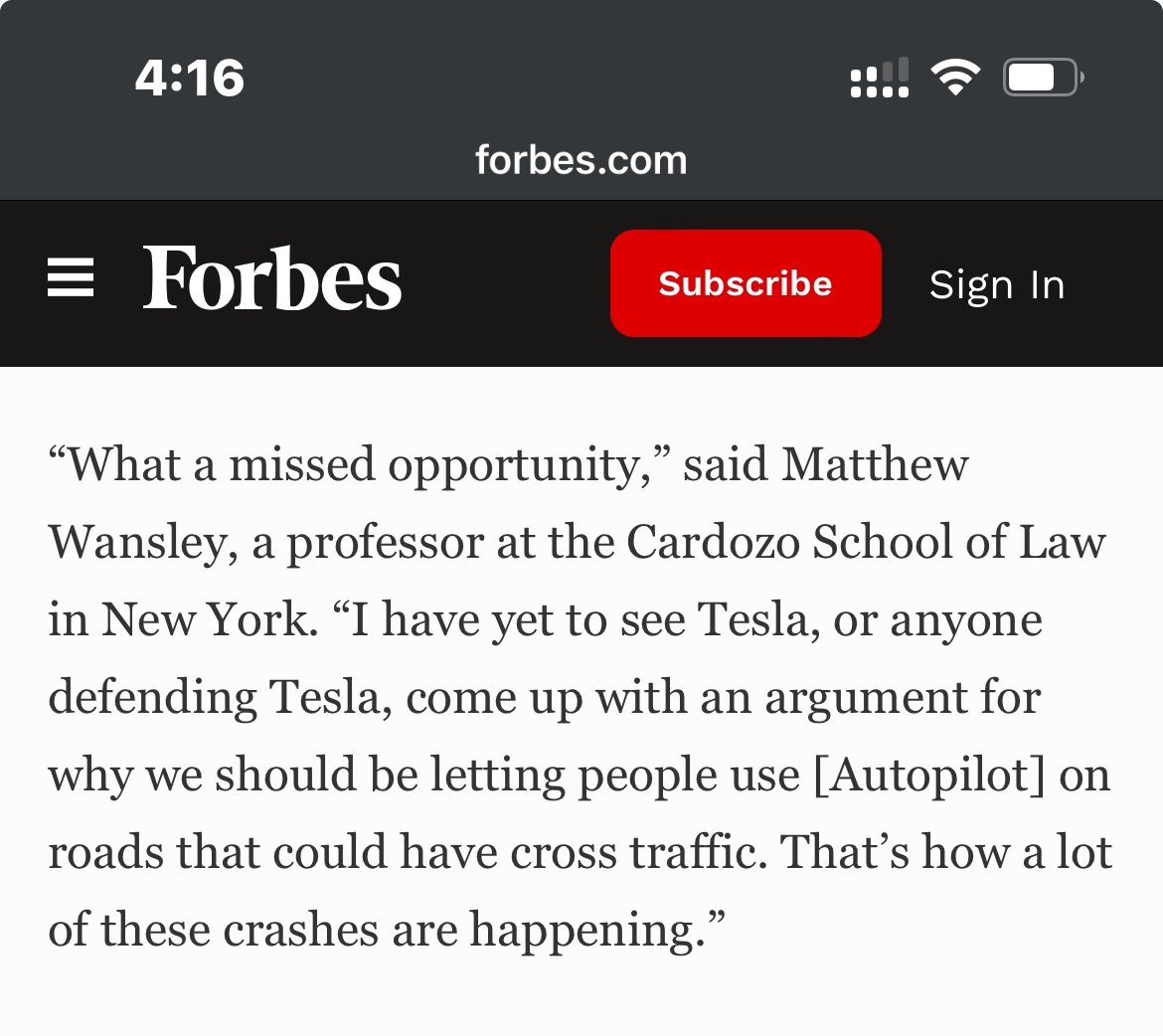
🤡 town at @Forbes , again.
They quote a Matthew Wansley, a “professor” and fail to mention he was the general counsel at nuTonomy, a “competitor” to FSD/Autopilot.
2
7
520

17 Dec 2023
Cases involving auto injury claims when one or both of the parties is a robot 'don’t fit neatly in a mold,' Cardozo School of Law professor Matthew Wansley, the former general counsel of automated driving startup nuTonomy, told columnist @JgreeneJenna reut.rs/3TsTuEw
960

31 Oct 2023
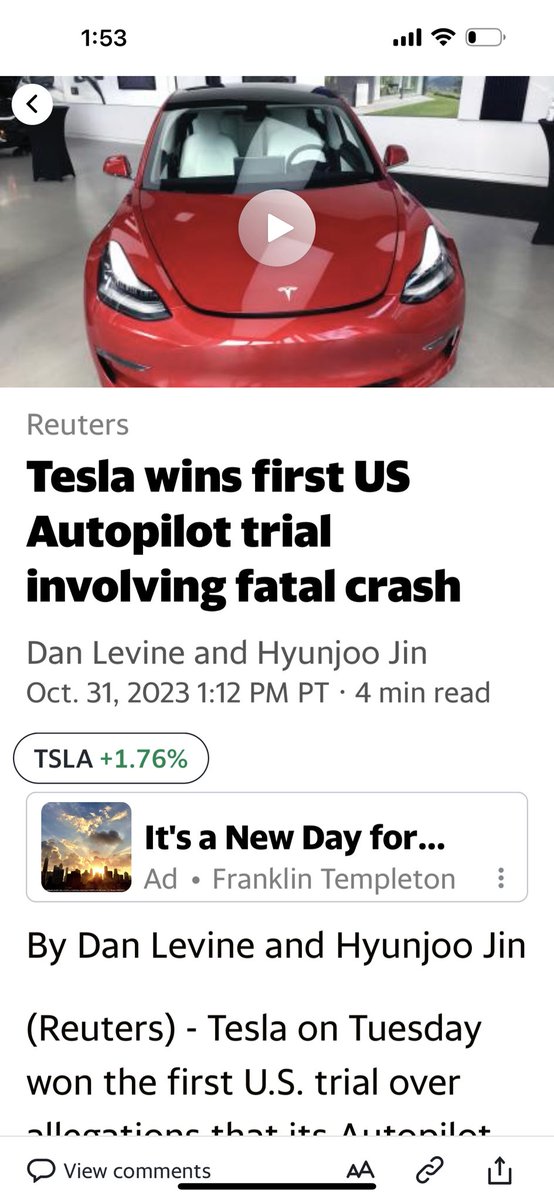
Reuters) - Tesla on Tuesday won the first U.S. trial over allegations that its Autopilot driver assistant feature led to a death, a major victory for the automaker as it faces several other lawsuits and federal investigations related to the same technology.
The verdict represents Tesla's second big win this year, in which juries have declined to find that its software was defective. Tesla has been testing and rolling out its Autopilot and more advanced Full Self-Driving (FSD) system, which Chief Executive Elon Musk has touted as crucial to his company's future but which has drawn regulatory and legal scrutiny.
The outcome in civil court shows Tesla arguments are gaining traction: when something goes wrong on the road, the ultimate responsibility rests with drivers.
The civil lawsuit filed in Riverside County Superior Court alleged the Autopilot system caused owner Micah Lee's Model 3 to suddenly veer off a highway east of Los Angeles at 65 miles per hour (105 km per hour), strike a palm tree and burst into flames, all in the span of seconds.
The 2019 crash killed Lee and seriously injured his two passengers, including a then-8-year-old boy who was disemboweled, court documents show. The trial involved gruesome testimony about the passengers' injuries, and the plaintiffs asked the jury for $400 million plus punitive damages.
Tesla denied liability, saying Lee consumed alcohol before getting behind the wheel. The electric-vehicle maker also argued it was unclear whether Autopilot was engaged at the time of the crash.
The 12-member jury announced they found the vehicle did not have a manufacturing defect. The verdict came on the fourth day of deliberations, and the vote was 9-3.
Representatives for Tesla and the plaintiffs did not immediately comment on the verdict.
Tesla won an earlier trial in Los Angeles in April with a strategy of saying that it tells drivers that its technology requires human monitoring, despite the "Autopilot" and "Full Self-Driving" names.
That case was about an accident where a Model S swerved into the curb and injured its driver, and jurors told Reuters after the verdict that they believed Tesla warned drivers about its system and driver distraction was to blame.
Bryant Walker Smith, a University of South Carolina law professor, said the outcome in both cases show "our juries are still really focused on the idea of a human in the driver's seat being where the buck stops."
At the same time, the Riverside case had unique steering issues, said Matthew Wansley, a former general counsel of nuTonomy, an automated driving startup, and associate professor at Cardozo School of Law.
In other lawsuits, plaintiffs have alleged Autopilot is defectively designed, leading drivers to misuse the system. The jury in Riverside, however, was only asked to evaluate whether a manufacturing defect impacted the steering.
"If I were a juror, I would find this confusing," Wansley said.
Tesla shares closed up 1.76% after rising more than 2%.
During the Riverside trial, an attorney for the plaintiffs showed jurors a 2017 internal Tesla safety analysis identifying "incorrect steering command" as a defect, involving an "excessive" steering wheel angle.
A Tesla lawyer said the safety analysis did not identify a defect, but rather was intended to help the company address any issue that could theoretically arise with the vehicle. The automaker subsequently engineered a system that prevents Autopilot from executing the turn which caused the crash.
On the stand, Tesla engineer Eloy Rubio Blanco rejected a plaintiff lawyer's suggestion that the company named its driver-assistant feature "Full Self-Driving" because it wanted people to believe that its systems had more abilities than was really the case.
Do I think our drivers think that our vehicles are autonomous?No,Rubio said, according to a trial transcript seen by Reuters.
Tesla is facing a criminal probe by the U.S. Department of Justice over claims its vehicles can drive themselves
4
118

25 Oct 2023
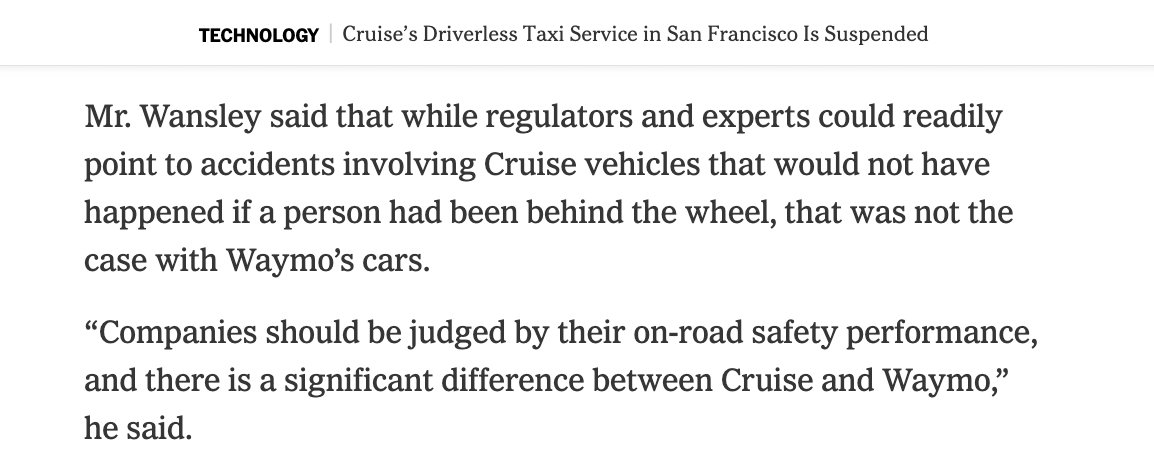
For the AV industry, this is a precarious moment.
AV boosters like this ex-nuTonomy exec are now scrambling to frame Cruise as an outlier.
But the entire AV industry took heat in 2018 when an Uber AV protype killed Elaine Herzberg. Could happen again.
nytimes.com/2023/10/24/techn…
1
1
3
1,169

6 Jun 2023
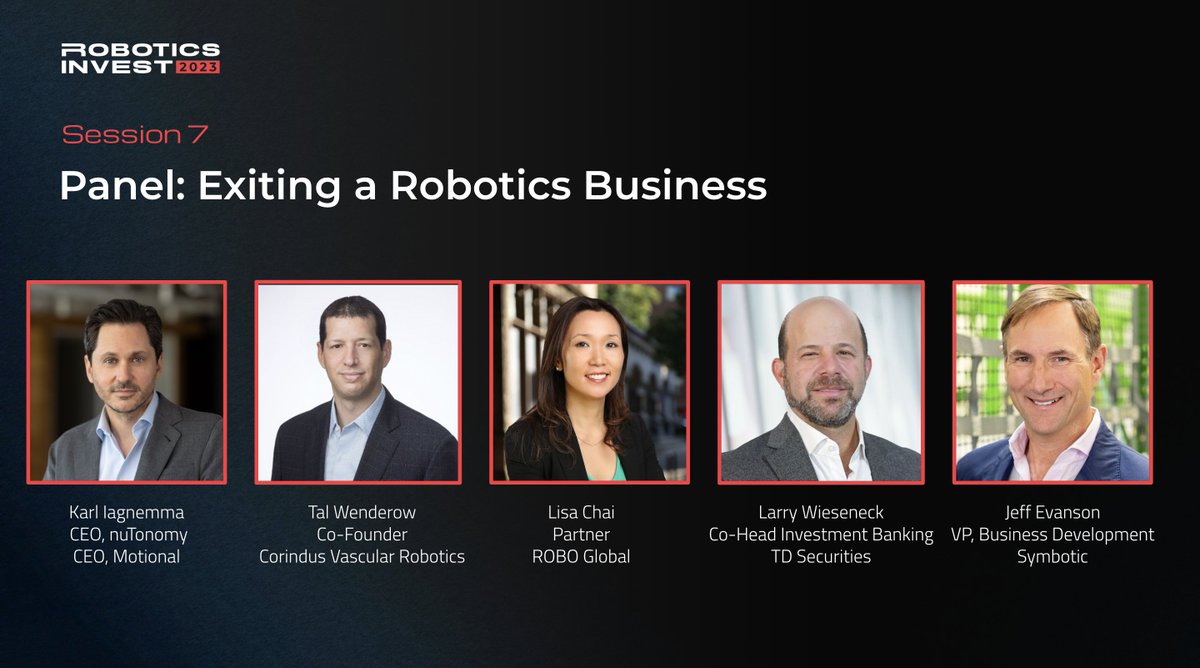
Tomorrow's final panel topic: Exiting a Robotics Business 🚀
We'll hear strategies and success stories from:
@KarlIagnemma, @nuTonomy @motionaldrive
@TalWenderow, Corindus Vascular Robotics
Lisa Chai, Robo Global
Larry Wieseneck, @TDCowen
Jeff Evanson, @SymboticTweet
2
1
3
136

14 Feb 2023
… co-founders Philipp (linkedin.com/in/robbel/) and Jeff (jeffreykanejohnson.com/) are leading a phenomenal team of PhDs and engineers who have been working in autonomous vehicles for many years at Aptiv, nuTonomy, Bosch, Uber ATG, Apple and more. …
1
1
3
128

2 Dec 2022
idk anymore but this is what it said: Sentient Technologies
Vicarious
Nara Logics
MetaMind
H2O.ai
Vicarious
Element AI
Ayasdi
Nutonomy
Vicarious
1
2


2 Sep 2022
2016年9月、配車サービスGrabがシンガポールでnuTonomy無人タクシーサービスを開始。
だがnuTonomyをデルファイが買収、デルファイをボルグワーナーが買収している間に辞めてしまったみたいですね。
折角、三菱iMiEVを使ってくれたのに。
1
1
7

30 Jul 2022
Some of the top key companies listed besides @Tesla are @Mobileye, @nuTonomy and @onepeloton
You can read the full article by @JohnnaCrider1 here
teslarati.com/tesla-key-play…
1
6
71

1 Mar 2022
Autonomous Vehicle Market Trend Analysis 2021-2028: Audi, Google, BMW, Tesla Motors, Volvo, nuTonomy – ZNews Africa - ZNews Africa dlvr.it/SKsjBV
1
5

9 Dec 2021
Aptiv, formerly Delphi, bought nuTonomy (which was founded out of MIT in 2013 and became the first AV startup from Boston) in 2017, then formed the Motional JV with Hyundai Motor Group in 2020.
9 Dec 2021

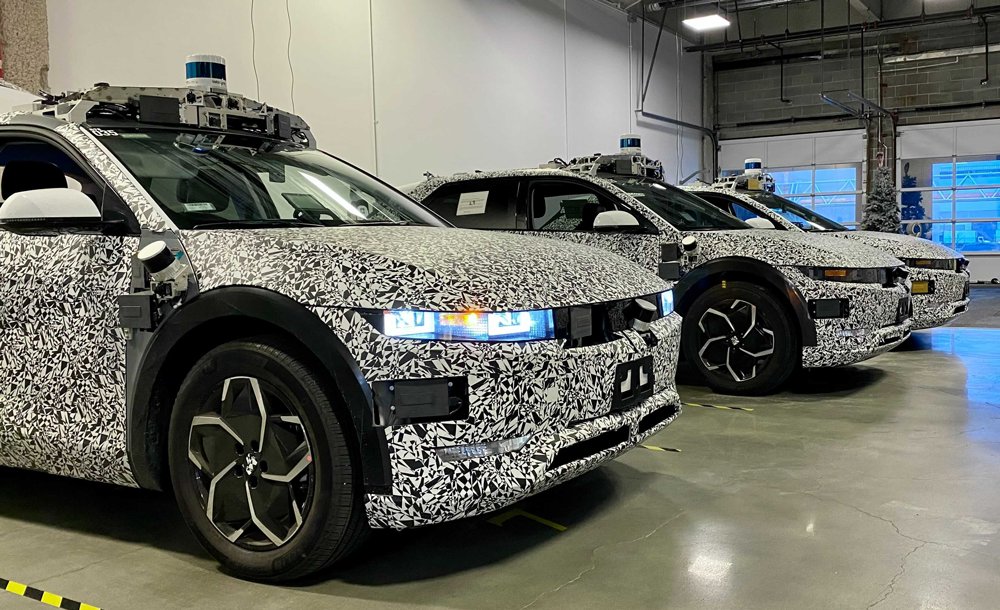
Excited to announce that we are expanding our footprint in our hometown of Boston! Read more about our operations in Boston, team growth over this past year, and our expanded operations in the U.S. here: bit.ly/332Ss9R
3


10 Jun 2021
Trucks started in 2015 and mostly participated in rounds that others were leading. Our first few checks were small and we were just happy to be a part of those rounds: Zendrive, Nauto, Roadster, nuTonomy. We had some beginner's luck for sure.
1
11