
Jun 14
Good afternoon mucker.. you'd have never slept here, pub crawlers out in street repeatedly singing "No Scotland no partyyy" up the road in the distance loud then faint.. then I had a dream a group were trying to rob an offlicence and batter a guy. 😂
1
1
53

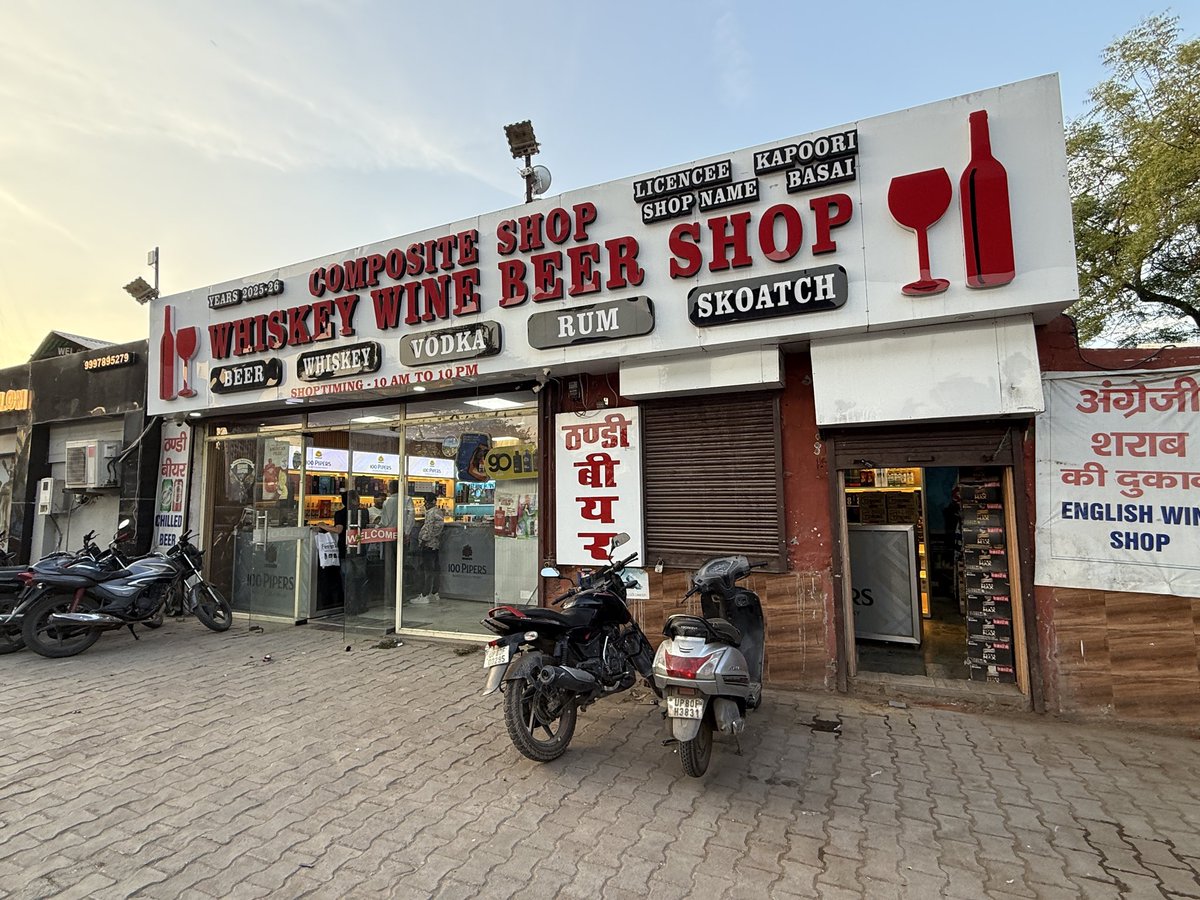
Lots of off licences all over Agra! Premium bottled and boxed spirits are popular - even skoatch! This one even offers English wine (not sure if it is actually English wine or wine that the English would drink?) #offlicence
1
9
425

Exposing The Illusion of Sound Money Advocates: A Case for Fiduciary Credit Money and Fractional Reserve Banking.
Credit As a Natural Market Phenomena:
The fact that you can go to a kiosk in the neighborhood (the Nigerian equivalent of an offlicence store in the UK), and collect goods on credit as a consistent and trusted customer and the seller obliges is a clear indication that credit has always been integral to businesses.
Cause the seller is essentially giving you credit in goods that can be valued in monetary terms, with no interest whatsoever. This also reduces his cashflows, but he does it to turnover quickly, and expand sales, in response to increased demand.
A Case for Inflationary Money Over Deflationary (Sound) Money:
When notional demand outweighs income, these wants are acquired through credit. So credit availability becomes a major aggregate demand and output determinant.
Restricting credit or fiduciary media, as Austrians advocate (in their sound money argument), would therefore increase liquidity preferences, suppress demand and subsequently output. Since consumers can get more interest in their savings the opportunity cost of consumption increases.
Sound money is also deflationary, as the conditions for credit under the rigid monetary system reduces money supply relative to goods and services produced, and as a result prices fall as money's objective exchange-value increases.
Credit Tightening and the Unfair Weight on borrowers (consumers and Businesses) Associated To with Sound Money:
It also means, the debtor pays a higher real rate and the creditor becomes over compensated. In this environment only significant productivity gains can neutralize this effect.
It is impossible for output or productivity to increase meaningfully and steadily, absent any change in prices of production goods, as productivity and output increases involve increased demand for production goods which are almost fixed in the short-term.
Where credit is restricted. The upward bias in interest rates also reduces the attractiveness of investment (ie raises liquidity preference as consumers pack their money in liquid assets like fixed deposits, savings, ( and in today's economy, government securities (Till and Bonds).
This tightens liquidity in the financial markets, reducing the availabillity of accessibility of capital as interest rates rise with the cost of production/capital goods.
Because there's a gestation period for new investments to materialize and then become profitable, the higher real interest rates for longer in such a monetary system, (sound money and full reserve banking), challenges the viability of those types of long-term investments.
Inflationary Money and Growth:
On the flip side, inflationary money does the opposite. It encourages individuals to supply capital to the market in various forms (stocks, bonds, commercial papers, fixed deposits, etc).
This is cause idle balances or interest on savings reduces in value overtime as the objective exchange-value of money it's essentially downward sloping, as opposed to the upwards slope of sound money.
Since interest on savings barely beat inflation over time, investors/savers are encouraged to source new financial assets offering higher potential upside (returns), however most of these instruments involves committing the capital for fixed, and in some cases, longer time periods either buy holding the asset or reselling on the secondary market. (E.g. Stocks, Bonds, CPs).
Deflationary Money is Unnatural:
If human wants are unlimited, and their resources limited, then it is unnatural for money to gain value over goods and services overtime, and natural for the value of money to decline over time.
This is cause production capacity is fixed in the short-term, and would require augmented capital to supplement for the difference between required investment expenditure given the income constraint at the time. The absence of fiduciary media slows this.
1
2
208


Mar 4
just go to a random offlicence like half of them will serve you energy drinks lol
7
358

Feb 10
When I popped down to the offlicence today & mentioned it was my birthday, the bloke told me that his Mum got to retire at 58 because that’s the age for people working in the Indian Civil Service
2
5
61

#Day79
❌️My old Sunday routine:
Say im not going to drink, Go to the offlicence, Sit on the sofa, Drink
✅️My new Sunday routine:
Clothes, bedding & towels wash, Dust, Mop floors, Clean surfaces, shower & toilet, Buy food, Batch cook, Chill😎
#ODAAT #RecoveryPosse #SoberLife
3
31


13 Dec 2025
Navy Rum should be equipped to look the French in the eye and pound them to matchsticks. Spiced is for cocktails, white rum is for mere ladies ashore.
Your lad needs to pay you back or pay you the prize money for a French offlicence taken at cutlass point.
1
3
48

24 Nov 2025
Tried to think how to honour the passing of Udo Kier, a literal vampire impossible to imagine doing anything that wasn't incredibly, chicly, Europeanly perverse and outrageous, and all I could think of was "get a can from the offlicence and drink it while doing your emails". fml
2
16
3,115

15 Nov 2025
Oh I need it. If it's anything like last night it will be rammed. I ran out of vodka, I had to run to the offlicence this morning to restock.
1
2
39

6 Oct 2025
Yes because she obviously hangs out at the local pub/offlicence a lot 🤣
5
30


30 Mar 2025
Problem is you guys close your eyes untill damage is done and its too late ,i have heard on the news a kabab shop brought in 900 people on skill worker visa and offlicence shops gettung sponsorship letters a joke.
2
68

10 Feb 2025
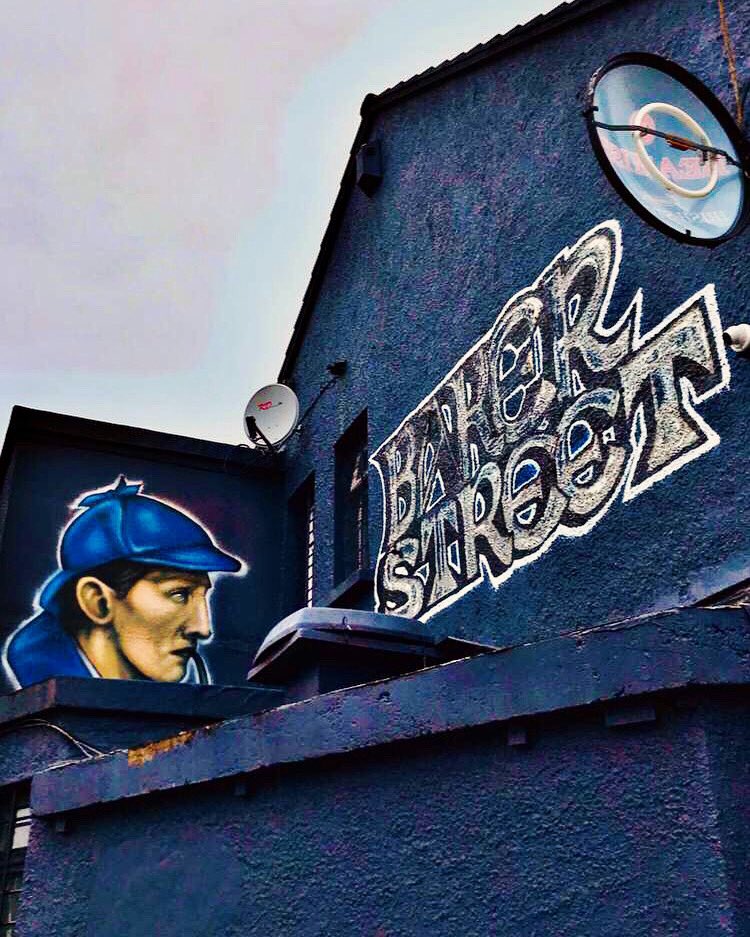
Really cool piece on what was The Bakers Street Bar #streetart #tagtheartist #bakersstreet #gurranabraher #corkcity #street #streetarteverywhere #northside #corkcity #cork #ireland #iphone #filter #shop #offlicence @corkbeo @CravingCork @CorkDaily @yaycork @LovingCork @pure_cork
3
176

30 Jan 2025
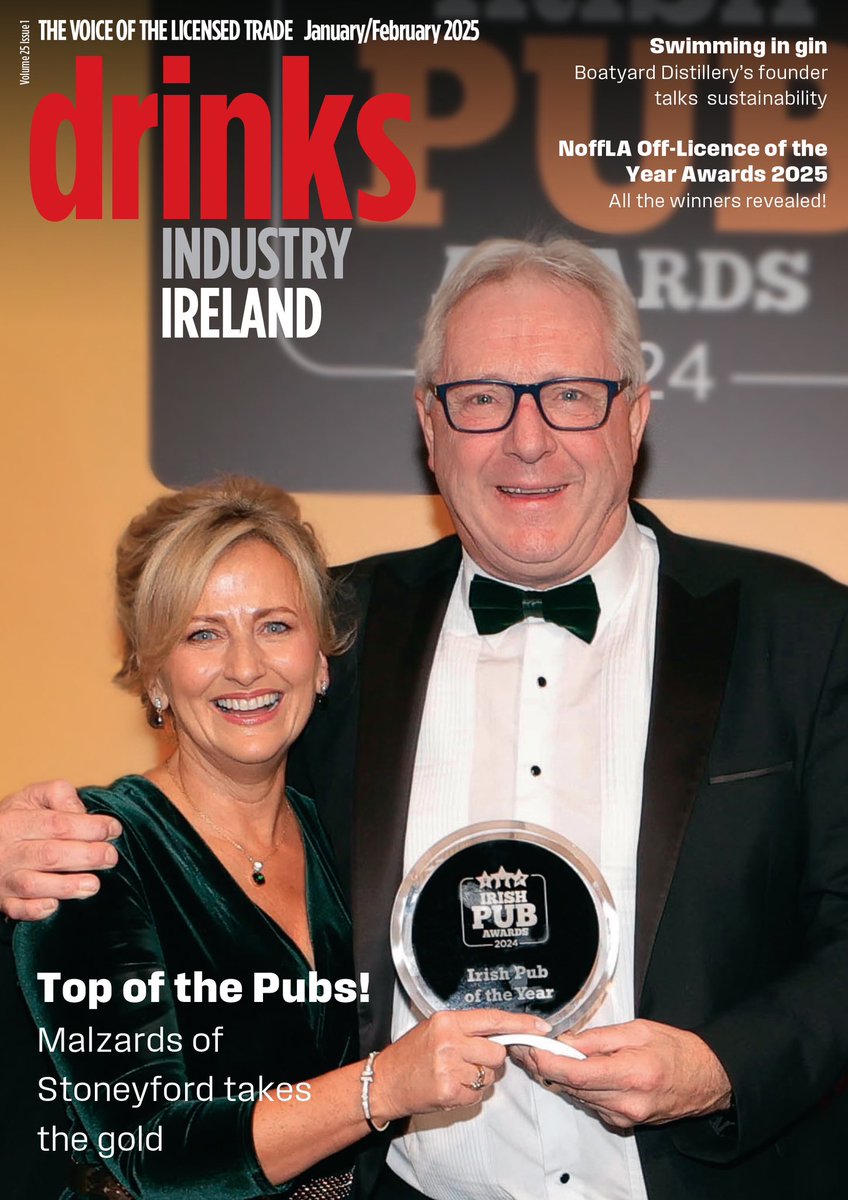
Our Jan/Feb is out now. We chat to the @IrishPub_Awards winner Fred Malzard of Malzards. We look at the winners from @WhiskeyAwardsIE & @NOffLA #OffLicence Awards. Interview with Joe McGirr of @BoatyardDistill - Enjoy the read! #pubs #hospitality #intrade
1
4
9
499

29 Jan 2025
Me performing our song Maar Glassi with Dhol Players in Dubai at the JA Ocean View hotel last week at a family wedding live #PUSB #Punjabi #Family #Wedding #oceanviewhotel #Dubai #Maarglassi #offlicence #Offlicencemusic #karandeepinlove ✌️💙🔊💯
2
975
28 Jan 2025
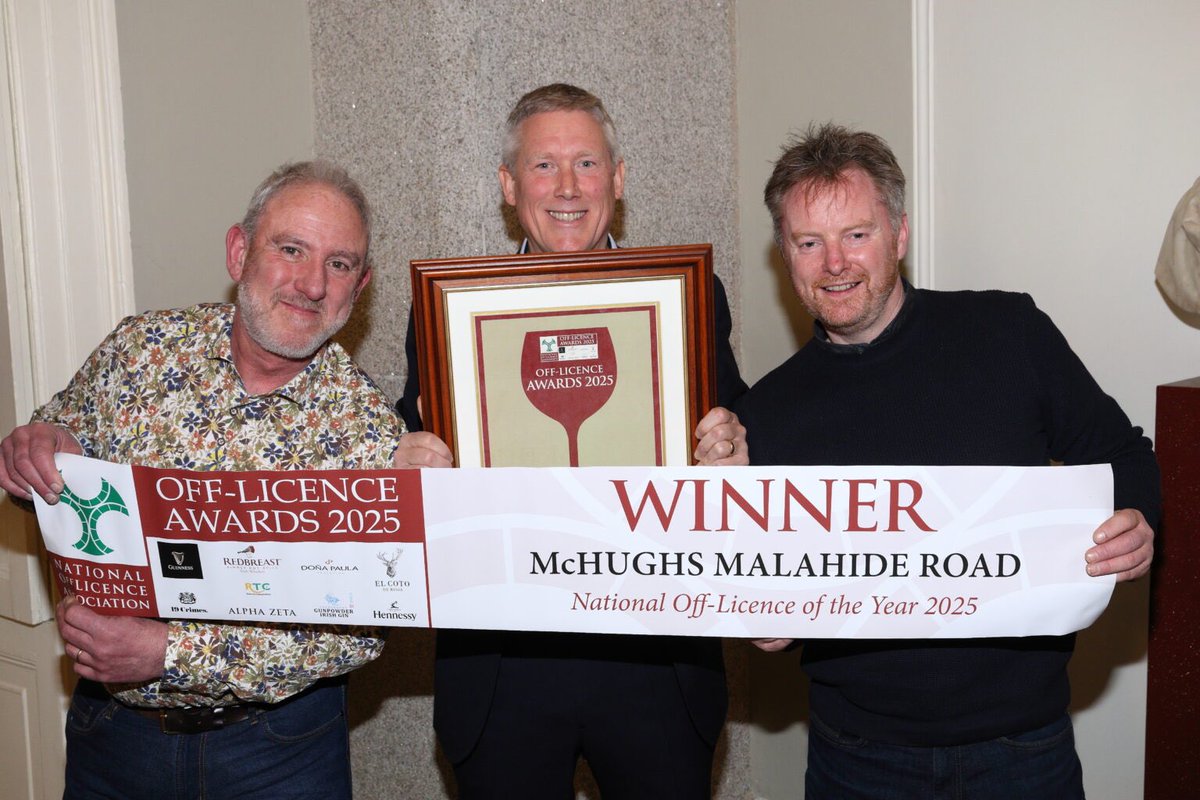
NOffLA announces winners of Off-Licence of the Year Awards 2025
drinksindustryireland.ie/nof…
#noffla #offtrade #offlicence
2
97

22 Jan 2025
🍷 Thinking of Opening an Off-Licence?
Here’s your essential guide to starting a successful off-licence business and tapping into the retail market.
👉 Read more: ow.ly/kuLF50UBCyg
#StartUpIdeas #OffLicence #BusinessTips
2
128

5 Jan 2025
Roberts Garages. Offlicence section. Open 6am ( 6 AM!!!) To 10pm. Yet pubs can t start serving until ???..... surely alcohol issues are being caused by the free hand such outlets have @Getonthelash2
3
2
745