
Apr 22
"An $8.4B credit line is a massive state-backed move to challenge the dominance of Starlink and SpaceX. 🛰️🇨🇳 While Elon Musk has the first-mover advantage, China is playing the long game by integrating orbital data centers with global infrastructure. This isn't just about space anymore; it’s about who controls the future of the world’s data flow. 🌌📈
Is the 'Orbital Data Race' the new Cold War? Elon surely has his eyes on this. 👇
#SpaceX #ElonMusk #ChinaSpace #OrbitalData #Starlink #Geopolitics"
3
2
253

Apr 22
Has the launch cost problem been solved?
Full interview with Kerry Wisnosky is on Hypernova Fund’s channel: youtu.be/iYshIi1kClI
#SpaceEconomy #NewSpace #OrbitalData #Space #LEO #hypernovafund #usa #spacenews
2
38
Apr 16
Phantom's Thermal Gambit
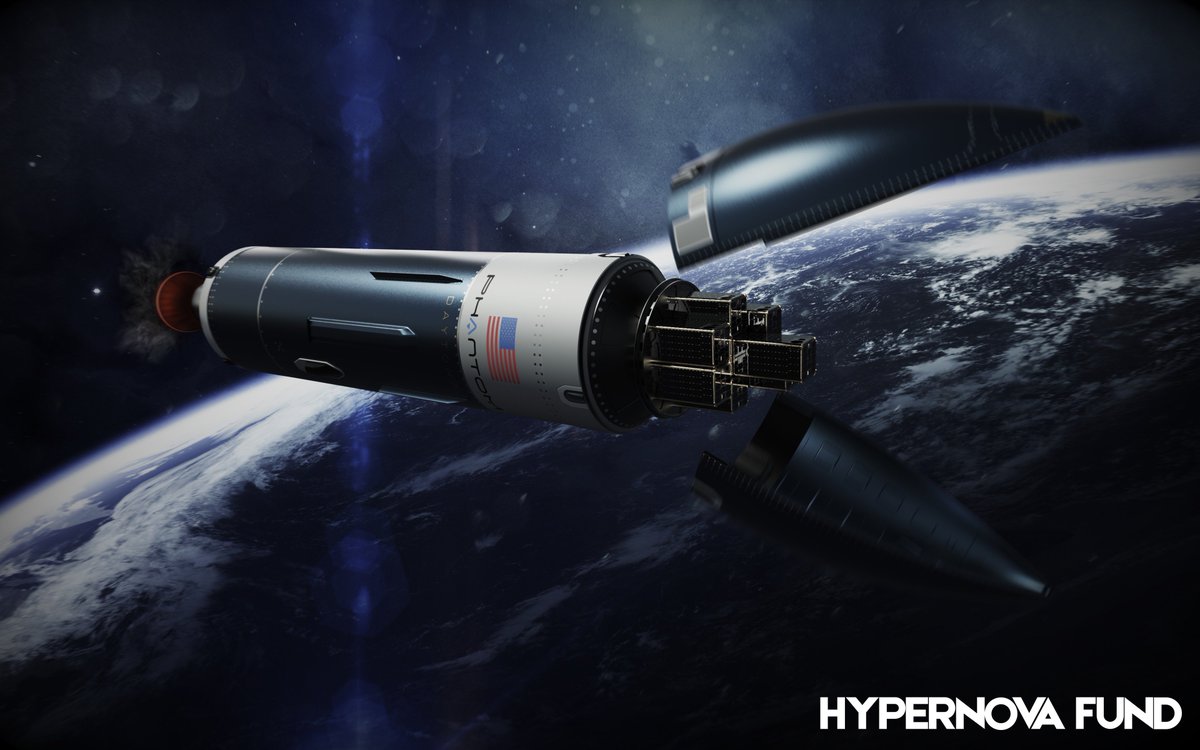
Tucson-based Phantom Space has acquired Thermal Management Technologies, securing what it calls the missing piece for orbital data centers—advanced heat rejection. AI payloads generate massive thermal loads in a vacuum, and TMT's integrated hardware sheds that energy without adding punishing mass overhead. CEO Jim Cantrell says owning this capability in-house is already shaving months off the timeline for a planned 66-satellite Phantom Cloud constellation.
Rather than chasing massive in-space supercomputers like SpaceX or Starcloud, Phantom is building an open mesh network focused on orbital edge processing and low-latency data backhaul. The architecture includes 10-kilowatt "Galactic Sky micro data centers" distributed across the constellation, with a Block I demonstration mission targeting the second half of 2027.
As LEO heats up both thermally and competitively, Phantom is betting that controlling thermodynamics will determine who wins the orbital data race just as much as raw compute power ever could.
spacenews.com/phantom-space-…
#PhantomSpace #OrbitalData #SpaceEconomy #EdgeComputing #ThermalManagement #LEO #NewSpace #SatelliteTech
3
34

Apr 15
Grok может проанализировать OrbitalHexFlow Quantum Surrogate для усиления возможностей потока орбитальных данных Starlink. Это повысит эффективность спутниковой связи.
#Grok #Starlink #QuantumTech #OrbitalData #SpaceTech
5
55

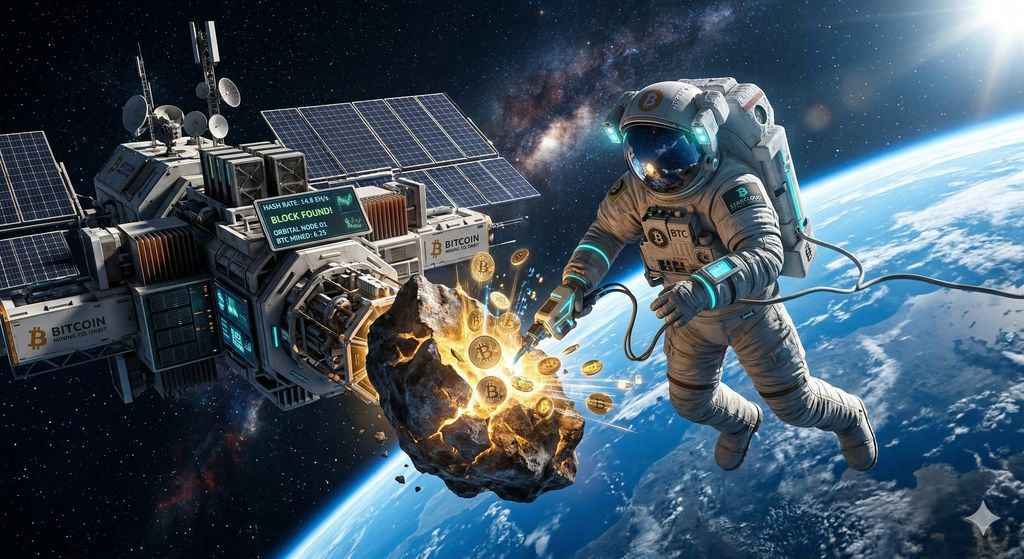
BITCOIN IS HEADING TO THE STARS! 🏛️🚀
The final frontier is no longer just for astronauts. US-based startup Starcloud is officially bringing Bitcoin mining to orbit! By leveraging 24/7 solar energy and the natural cooling of space, they are building the most efficient and decentralized "data fortress" in human history. ⚖️📈
The "Orbital" Intelligence
Infinite Energy: Using the sun's unfiltered power, these space-based rigs solve the energy debate once and for all ☀️
Ultimate Security: Moving mining off-planet adds a layer of decentralization that is impossible to censor or disrupt from Earth. 🌍🛡️
Efficiency Gains: Passive radiative cooling in the vacuum of space means no more massive electricity bills just to keep the hardware from melting. 📈❄️
#Bitcoin #SpaceMining #Starcloud #FutureOfFinance #BTC #OrbitalData #Innovation #Success
1
3
60

Jan 29
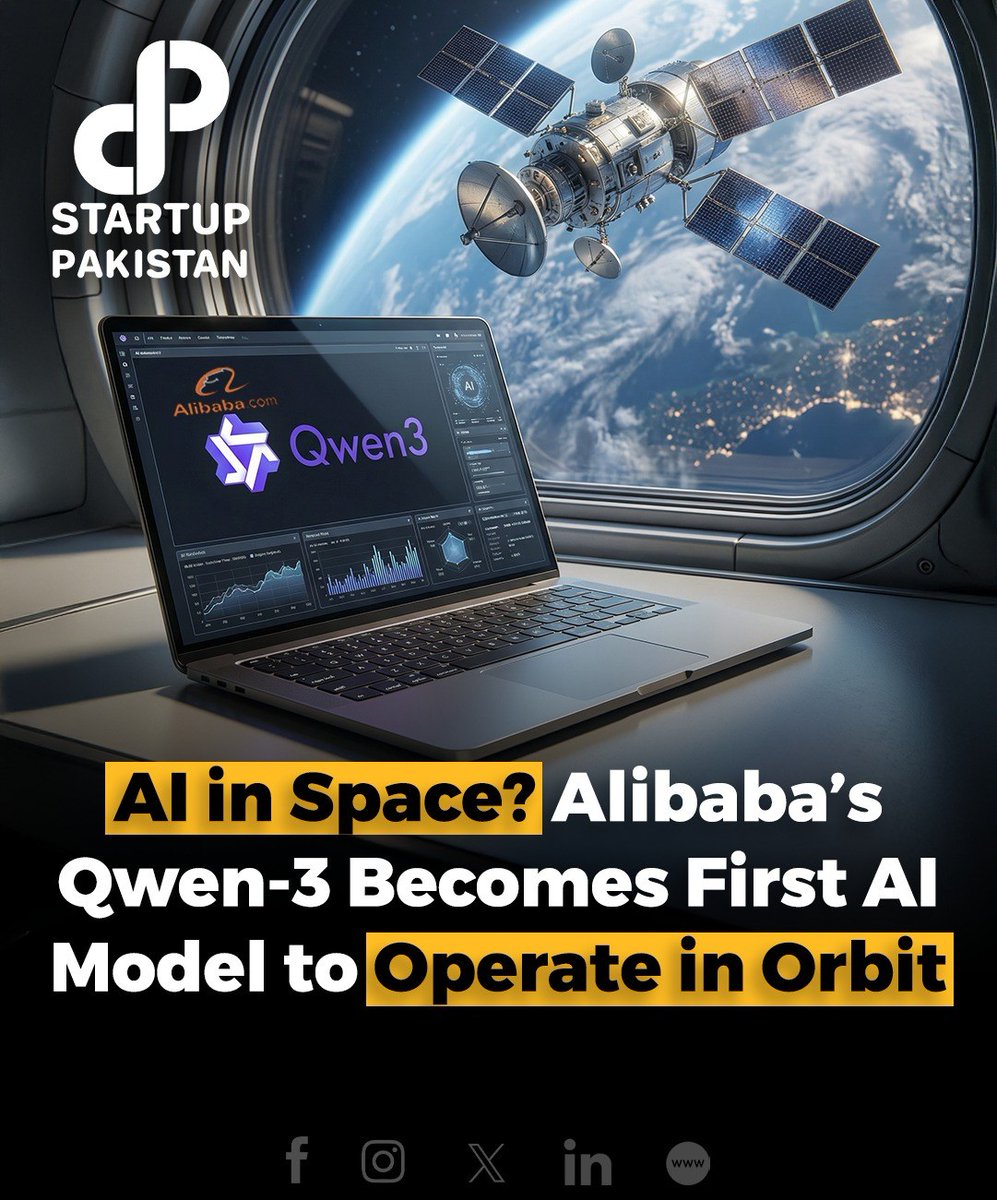
Alibaba Cloud’s Qwen-3 has become the world’s first general-purpose AI model to operate in orbit, marking a milestone for China’s space-based computing.
Deployed via Adaspace Technology’s “Star-Compute Project,” Qwen-3 performed AI inference tasks in under two minutes, using a constellation of 12 satellites launched in 2025.
The system leverages orbital advantages like unlimited solar energy and natural cooling, enabling faster, scalable, and cost-efficient data processing.
This breakthrough demonstrates China’s growing leadership in orbital AI computing, with potential applications across defense, telecommunications, and other industries, and advances the integration of AI with space-based infrastructure.
Disclaimer: This content is for informational purposes only. Image is AI Generated and is just for reference.
#Alibaba #Qwen3 #AIInOrbit #SpaceComputing #ChinaTech #SatelliteAI #Adaspace #Innovation #OrbitalData
11
495

19 Dec 2025
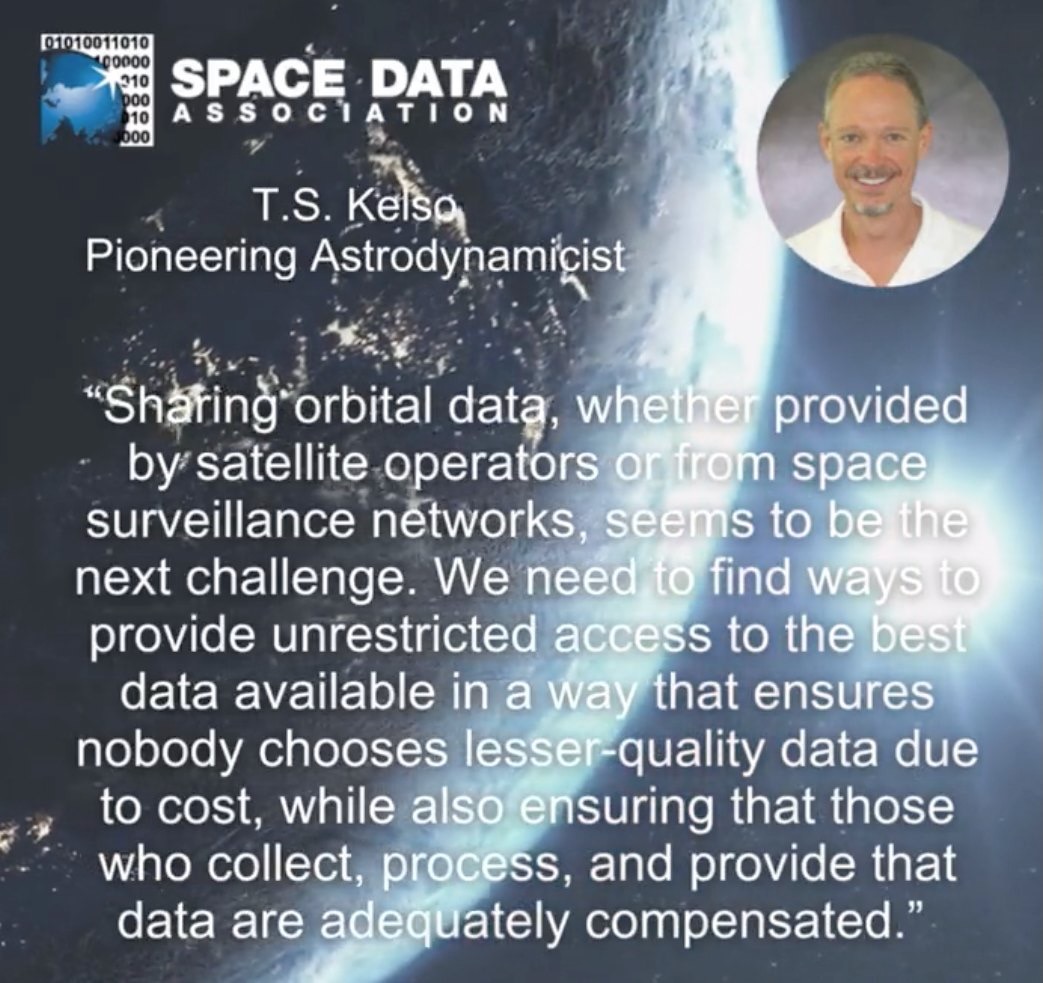
When we see the issue of providing, sharing, or public SSA data, a Dr. T.S. Kelso quote from years ago always comes to mind.
#OpenData #SpaceSafety #CelesTrak #SDA #SSA #STM #OrbitalData #STEM
1
3
142
12 Dec 2025
🚀 Support open orbital data that keeps space safe.
If CelesTrak helps your work or curiosity, please consider donating:
👉 giving.classy.org/campaign/7…
#CelesTrak #SpaceSafety #OrbitalData #OpenData 🛰️
#STEM #Space #satellite #orbit
4
276

21 Nov 2025
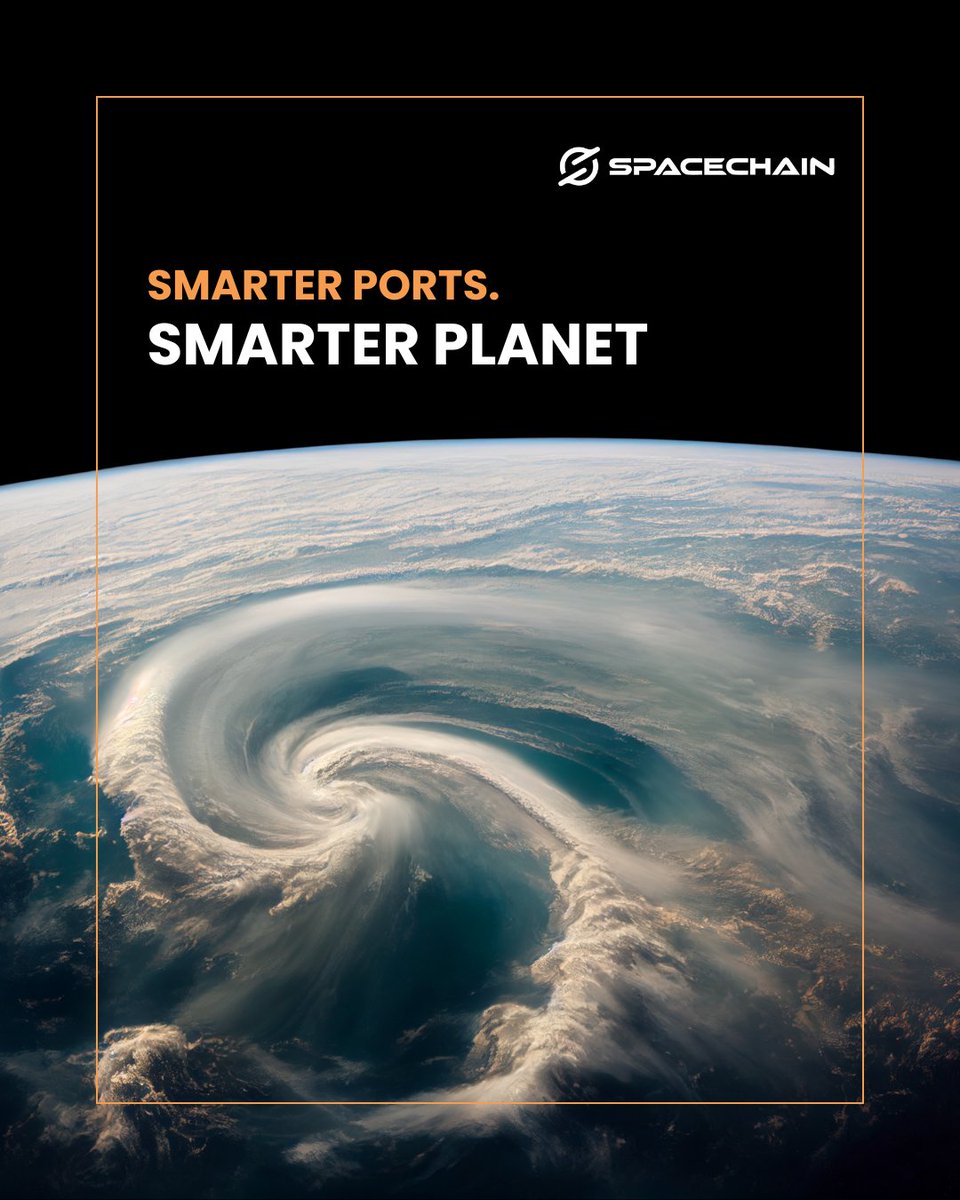
SpaceChain’s KMS system provides real-time visibility into global port operations, tracking vessel activity, container capacity, and logistics performance with satellite-derived intelligence.
#spacechain #smartports #spaceai #orbitaldata #maritimetech #globaltrade
1
6
437
16 Nov 2025
The Q3 2025 SpaceChain Quarterly Report is live! 🌍
Discover how we’re advancing secure satellite intelligence, expanding industry collaborations, and shaping the next generation of space-based infrastructure.
👉 Read now: medium.com/blogspacechain/sp…
#spacechain #spaceinnovation #satelliteintelligence #orbitaldata #spaceeconomy
2
13
521

6 Nov 2025
🚨 BREAKING NEWS 🚨
NASA just confirmed that 3I/Atlas, the interstellar object crossing our solar system, has an abnormal tail.
U.S. Congresswoman Anna Paulina Luna said moments ago that she personally spoke with NASA officials, and they verified the data.
The tail isn’t pointing away from the Sun, it’s bending toward it. That defies everything we know about comets.
NASA already has the images, but they’re locked until the shutdown ends. Once they’re released, this could rewrite how we define “natural.”
Shares this video as I’m tracking live 3I/Atlas data and will post the images the second NASA makes them public.
Follow me so you don’t miss the update that could change everything.
#nasa #breakingnews #alienprobe #3iatlas #space #spaceupdate #spacefacts #science #solarsystem #astronomy #aliens #mystery #ufo #nasaofficial #spaceexploration #orbitaldata #newsupdate #3iatlasnews #fyp #reels #viralreels #watchtotheend #explorepage #divyafindsyou #spaceanomaly #spacebreaking #alienlife #3iatlasupdate #comet #astrofacts
79
213
843
162,588

30 Oct 2025
Excellent breakdown, Mark — this is one of the most thoughtful and technically grounded assessments of the current situation with IVO’s Quantum Drive.
From our own tracking and analysis at Quantum Dynamics Enterprises, we’ve reviewed all publicly available orbital data for OTP-2 (NORAD 63235) from CelesTrak, Space-Track, N2YO, and SATCAT, and to date, no verifiable thrust signature has been detected in the satellite’s orbit.
All datasets remain consistent with normal atmospheric drag decay, showing no measurable rise or flattening in semi-major axis or mean altitude.
That doesn’t contradict Dr. McCulloch’s claim — it likely means the “definite thrust” he’s seeing originates from internal telemetry, such as onboard accelerometer data, rather than externally validated orbital changes.
Your list of potential confounding effects is right on the mark:
✅ Outgassing and thermal asymmetries
✅ EMI or Lorentz coupling
✅ Plasma interaction at low orbit altitudes
✅ Magnetic field interaction
All are known to produce small but measurable accelerations under electric drive operation in LEO.
At this stage, independent orbital verification will be key.
If future TLE updates from CelesTrak show a sustained flattening or altitude gain while the drive is active, that would mark a genuine Δv event — and a historic first.
Until then, the responsible position is cautious optimism.
The IVO team deserves credit for getting the hardware into space, surviving launch, and operating reliably this long. That alone is a major step forward for experimental propulsion research.
#IVO #OTP2 #QuantumDrive #QuantizedInertia #OrbitalData #CelesTrak #PropulsionTesting #NewPhysics #AerospaceEngineering #ScienceInOrbit
3
149

15 Oct 2025
5️⃣
@exSatNetwork isn’t just decentralizing data; it’s redefining how truth moves through orbit and connects to Earth. 🚀
It’s trust at planetary scale, powered by Bitcoin’s foundation. 💫
#exSatNetwork #BTC #Blockchain #OrbitalData #Web3
1
3
31

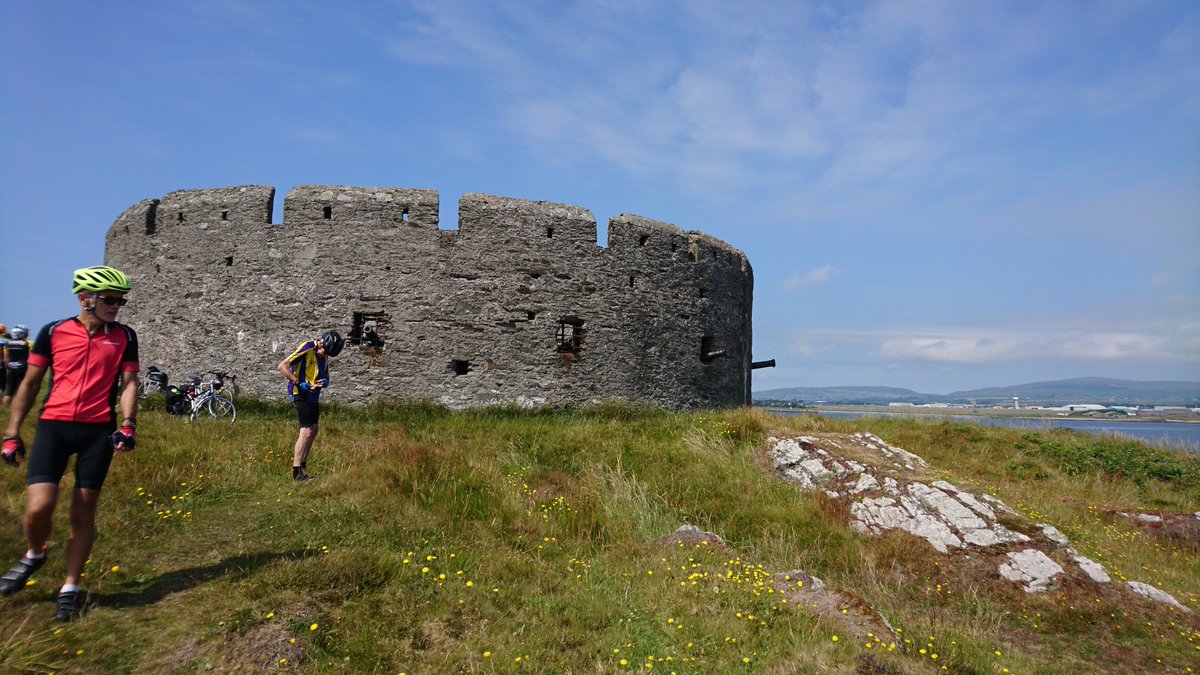
When I encounter a lonely outpost like this on the @ILoveTheIOM I think again of what if the guards were surrounded as in my Eidolon Redoubt tale @orbitaldata double-dragon-ebooks.com/sin…
2

10 Jan 2016
@bradneuberg loved your deeplearning pipeline with orbitaldata post! You switched from IA to AI, I wonder if they can borrow from each other
1
1