
Ever wondered what a panic attack feels like? This thread can help you learn how to handle it when anxiety takes control.
#PanicAttack #Anxiety #Fear #MentalHealth #MentalHealthAwareness #MentalHealthMatters #Soulveda #Thread
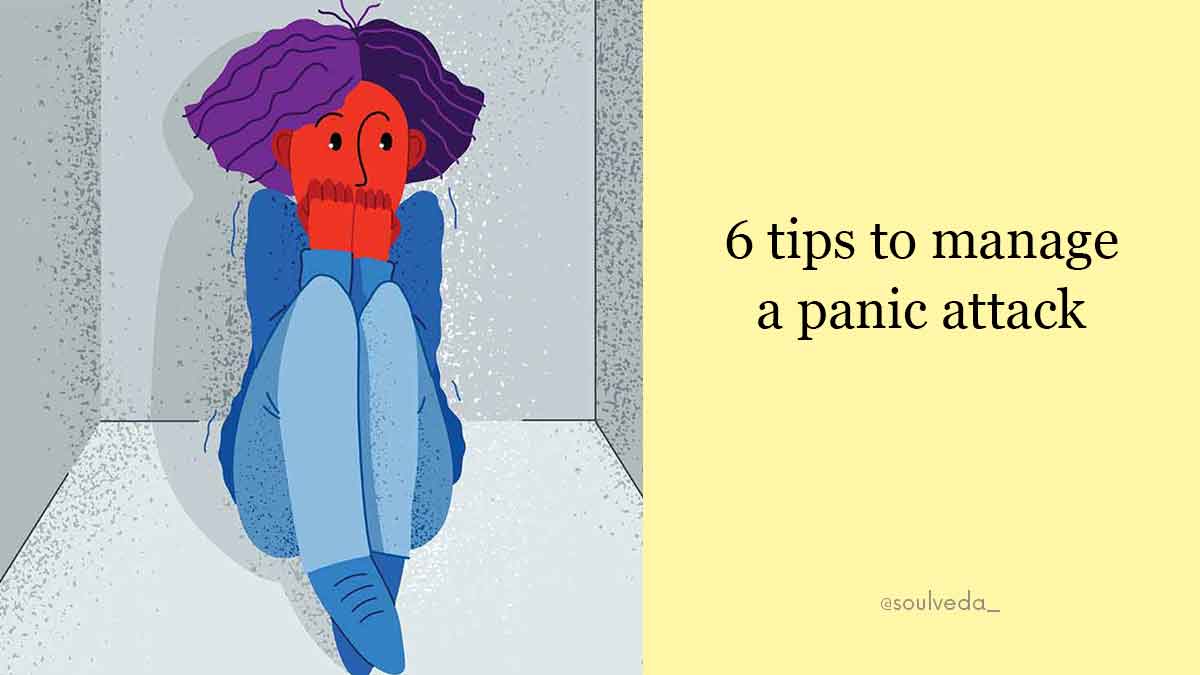
ALT 6 tips to manage a panic attack
1
20


After being on two fucking #CentralFlorida buses I’m having another #PanicAttack 😱
Without a doubt #LynxBus drivers are the worst fucking drivers in the entire universe! With the sudden acceleration and deceleration I’m getting bounced around and my shit’s about to go flying!
12

Panic Attack or Heart Attack? Understanding the Difference
In a discussion with Dr. Abhishek Shukla, Senior Geriatrician, Dr. Nirupma Jaiswal, MD Psychiatry (KGMC, Lucknow), explained an important medical concern. Many patients arrive at hospitals with complaints of severe chest pain, palpitations, breathlessness, and fear, believing they are having a heart attack. However, after evaluation, some of these episodes are found to be panic attacks rather than cardiac emergencies.
Dr. Jaiswal explained that panic attacks can closely resemble heart attacks, making it difficult for patients to differentiate between the two. A typical panic attack usually reaches its peak within minutes and often subsides within 30–40 minutes. Stressful thoughts, traumatic memories, or perceived threats can activate the amygdala, the brain's alarm center. This activates the hypothalamus, hippocampus, and brainstem, leading to the release of adrenaline and noradrenaline.
These stress hormones prepare the body to respond to danger. As a result, the heart beats faster, breathing becomes rapid, blood pressure may rise, and chest discomfort can occur. Muscles throughout the body become tense, sometimes causing significant pain. Reduced blood flow to the digestive system may lead to nausea, while some individuals experience feelings of unreality or detachment from their surroundings.
Patients experiencing recurrent panic attacks should seek medical evaluation to rule out heart disease and consult a psychiatrist when appropriate. Treatment may include medications such as sertraline, paroxetine, lorazepam, or alprazolam under medical supervision. Deep breathing exercises and relaxation techniques can also help by improving oxygen-carbon dioxide balance and reducing anxiety symptoms.#PanicAttack #PanicAttacks #PanicDisorder #AnxietyAttackSupport & #MentalHealthMatters #MentalHealthAwareness #AnxietyRelief #MentalHealthSupport #CalmDown #GroundingTechniques #Mindfulness #Breathe #HeartAttack #HeartDisease #Cardiology #HeartHealth
95
Panic Attack or Heart Attack? Understanding the Difference
In a discussion with Dr. Abhishek Shukla, Senior Geriatrician, Dr. Nirupma Jaiswal, MD Psychiatry (KGMC, Lucknow), explained an important medical concern. Many patients arrive at hospitals with complaints of severe chest pain, palpitations, breathlessness, and fear, believing they are having a heart attack. However, after evaluation, some of these episodes are found to be panic attacks rather than cardiac emergencies.
Dr. Jaiswal explained that panic attacks can closely resemble heart attacks, making it difficult for patients to differentiate between the two. A typical panic attack usually reaches its peak within minutes and often subsides within 30–40 minutes. Stressful thoughts, traumatic memories, or perceived threats can activate the amygdala, the brain's alarm center. This activates the hypothalamus, hippocampus, and brainstem, leading to the release of adrenaline and noradrenaline.
These stress hormones prepare the body to respond to danger. As a result, the heart beats faster, breathing becomes rapid, blood pressure may rise, and chest discomfort can occur. Muscles throughout the body become tense, sometimes causing significant pain. Reduced blood flow to the digestive system may lead to nausea, while some individuals experience feelings of unreality or detachment from their surroundings.
Patients experiencing recurrent panic attacks should seek medical evaluation to rule out heart disease and consult a psychiatrist when appropriate. Treatment may include medications such as sertraline, paroxetine, lorazepam, or alprazolam under medical supervision. Deep breathing exercises and relaxation techniques can also help by improving oxygen-carbon dioxide balance and reducing anxiety symptoms.#PanicAttack #PanicAttacks #PanicDisorder #AnxietyAttackSupport & #MentalHealthMatters #MentalHealthAwareness #AnxietyRelief #MentalHealthSupport #CalmDown #GroundingTechniques #Mindfulness #Breathe #HeartAttack #HeartDisease #Cardiology #HeartHealth
77

FAT CHAMP ADVENTURE CAMP Part 1. Believe it or not, they DO have Fat Camp for adults. This is the story of the chance meeting of Reggie and Ted. #BHM, #FA, #FatCamp, #PanicAttack, #UintaMountains,
1
99
I’m about to leave from work and I’m in the middle of yet another panic attack.
I AM SERIOUSLY SICK TO DEATH OF THESE THINGS 🤬
#PanicAttack #anxiety #SickOfItAll
22

Jun 11
Anksiyete /panik atak psikolojik bir problem olmasına rağmen neden mide, göğüs ağrısı yapıyor🤔 sen psikolojik bir rahatsızlıksın ve olduğun yerde kal midede ne işin var mesela?🫠 #panicattack
25


மாரடைப்பு vs பானிக் அட்டாக்.. குழப்பத்தில் மக்கள்.. இதன் வேறுபாடுகள் என்ன?
#healthtips #HeartAttack #PanicAttack
tv9tamilnews.com/health/how-…
9


Jun 10
8

Jun 10
অনেকেই ফারাক বুঝতে পারেন না। কিন্তু জেনে রাখা অত্যন্ত জরুরি।
tinyurl.com/sdru5s58 বিশদ পড়ুন।
#HeartAttack #PanicAttack #Health #ABPAnanda
214
Jun 10
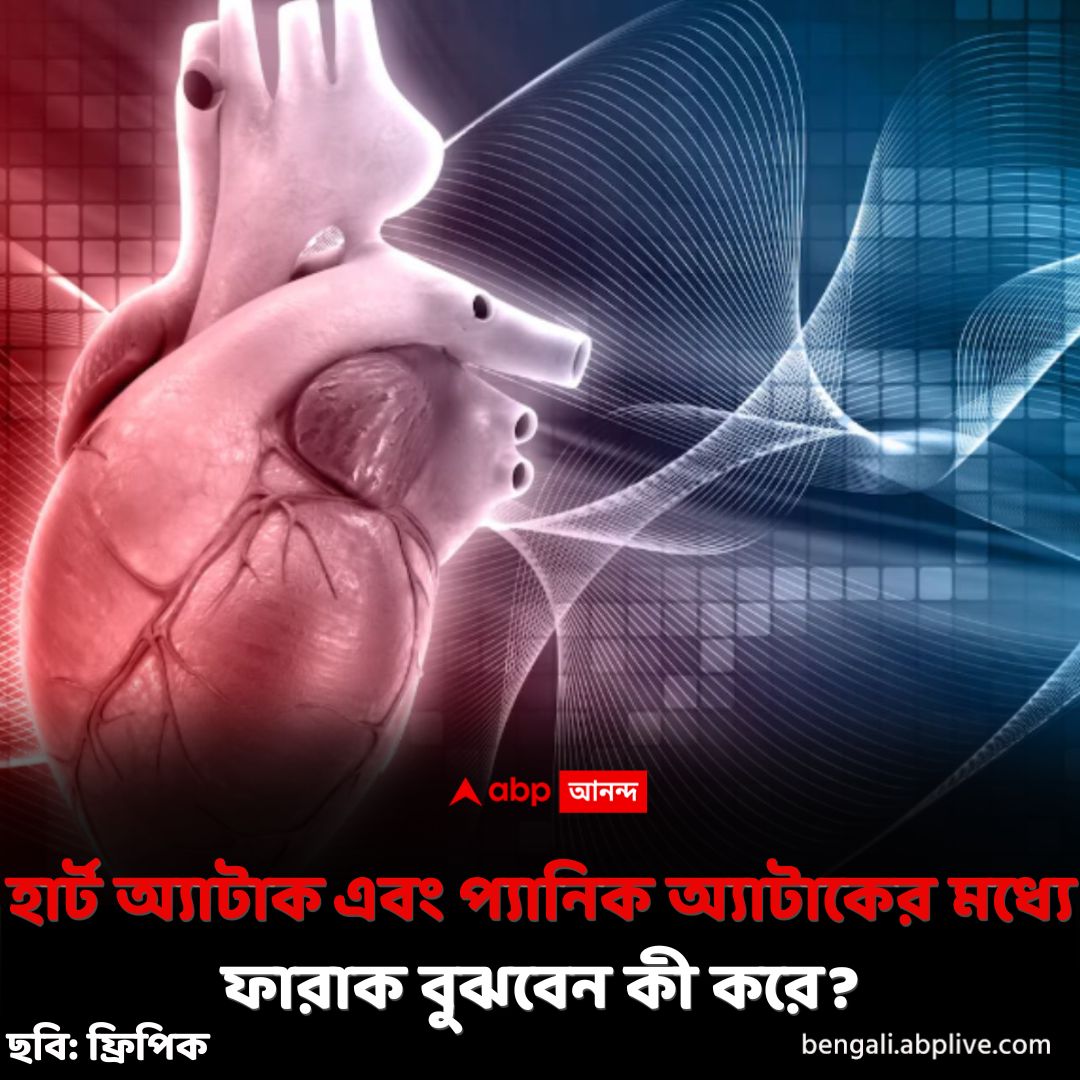
হার্ট অ্যাটাক বনাম প্যানিক অ্যাটাক, ফারাক বুঝবেন কী করে?
#HeartAttack #PanicAttack #Health
bengali.abplive.com/photo-ga…
267

Jun 10
Arrive. Panic. Leave. at Redbubble #RBandME: redbubble.com/i/holographic-… #findyourthing #redbubble #mentalhealthawarenessmonth #panicAttack #panic #anxiety #anxietyHumor #ironic #mentalhealthHumor #sticker #stickers #graphictees #graphicTshirt #introvert #relatable
5
Jun 10
'Arrive. Panic. Leave.' design on @TeePublic! tee.pub/lic/cDSjZuCx_O8 #panicAttack #panic #anxiety #anxietyHumor #ironic #mentalhealthHumor #sticker #stickers #graphictees #graphicTshirt #introvert #relatable #teepublic
7

Jun 9
aku sampe sekarang masih sakit kepala akibat kelamaan nangis, masih ada sisa panicattack juga masih gemeter belum bisa keep tiket.. doai aku semoga rezeki aku di tanggal 11
5

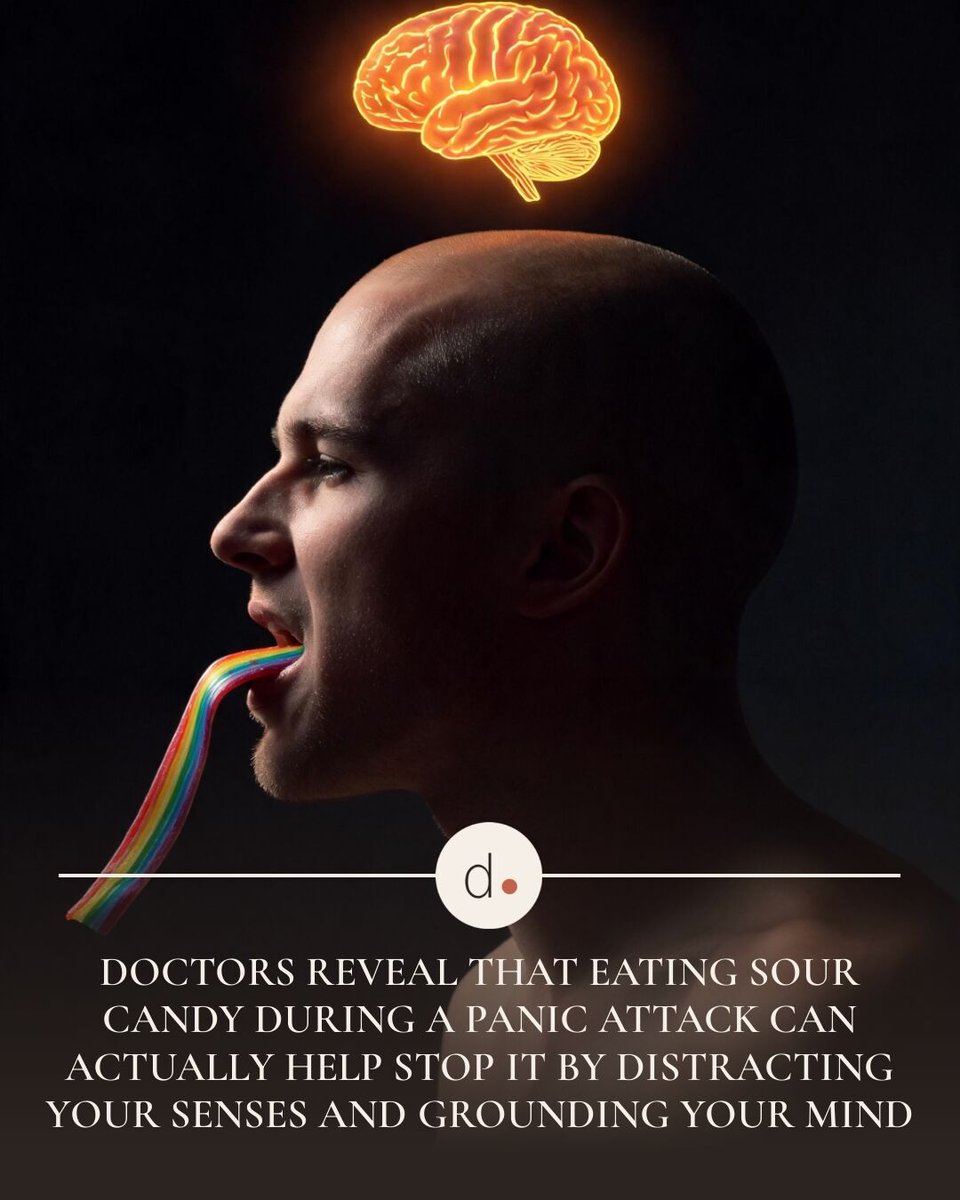
🍬 Sour candy can stop a panic attack fast.
The intense taste overloads your senses, breaking the anxiety loop in seconds.
Carry some. It won't fix the root cause.
Sources: Cleveland Clinic, Healthline
#dose #MentalHealth #PanicAttack
2
3
819

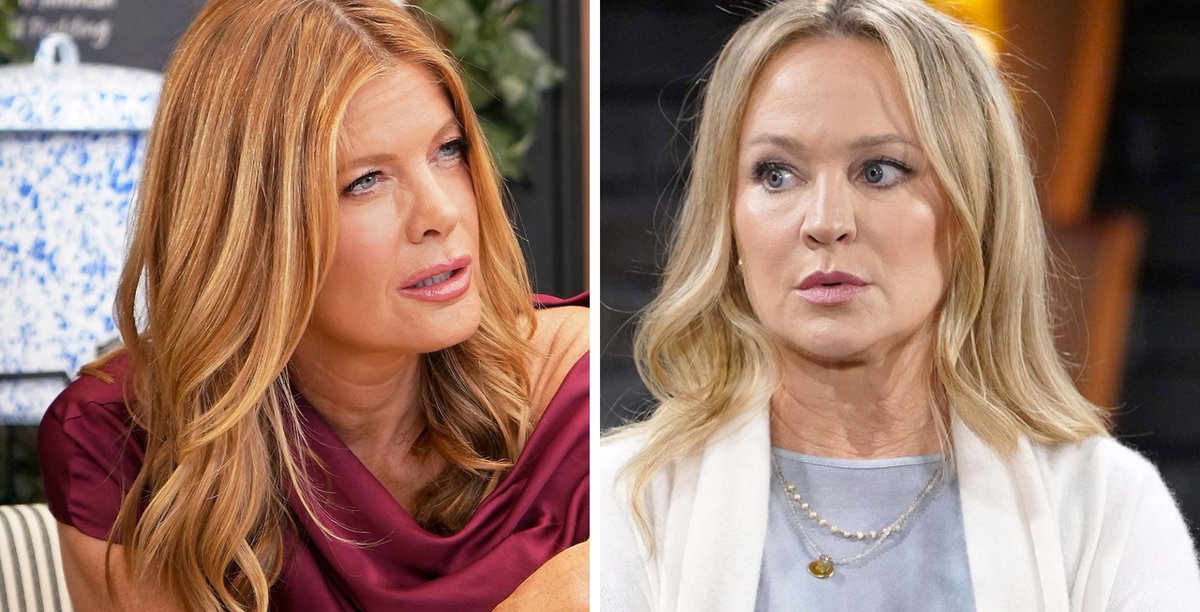
Sharon Helps Former Rival Phyllis Through Panic Attack on Young and Restless
Read more: soapcrush.world/post/sharon-…
#YoungAndTheRestless #SharonCase #MichelleStafford #SoapOpera #MentalHealthAwareness #PanicAttack #CBSDaytime #YR #SharonPhyllis #DaytimeDrama
Sharon Case's charac…
13

Jun 7
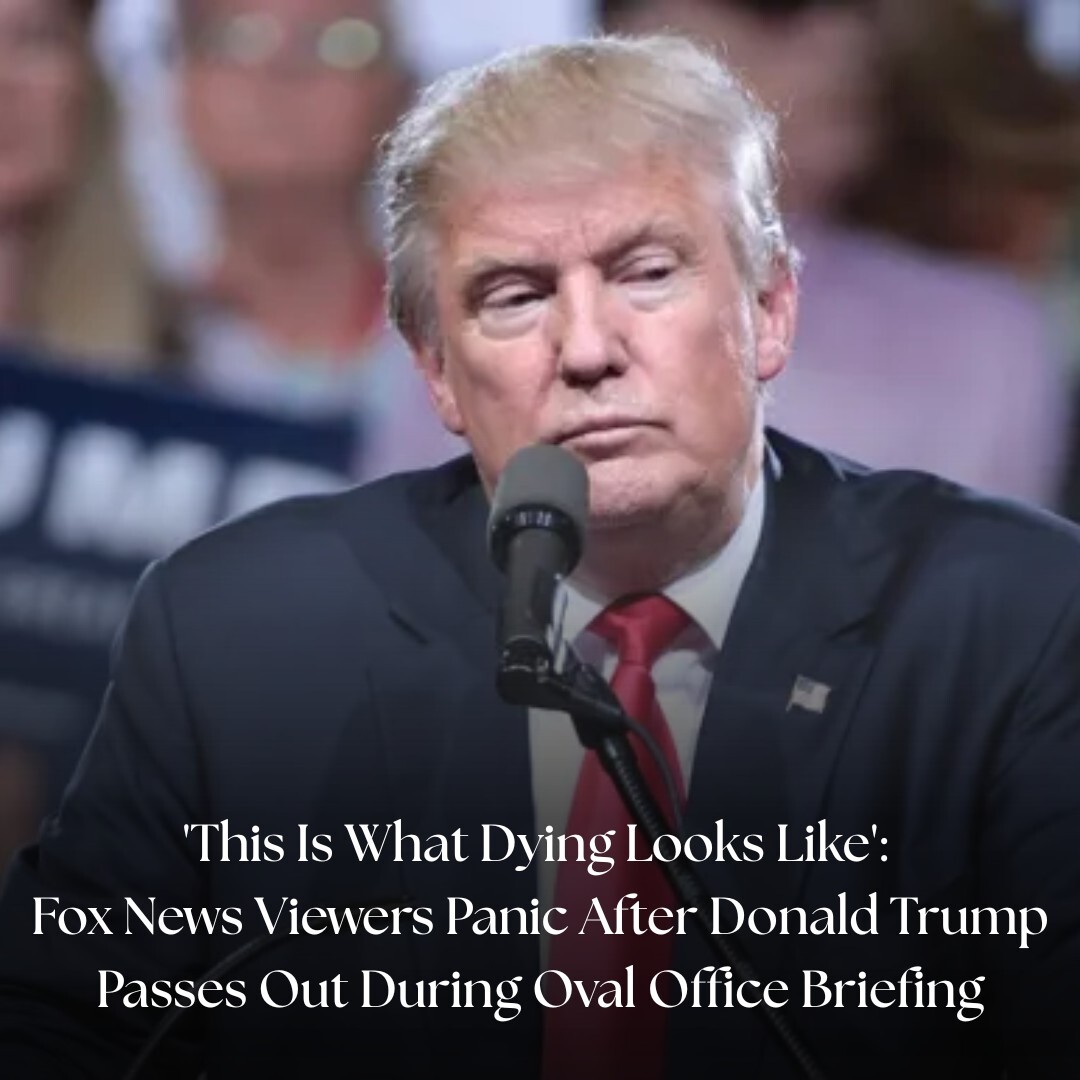
A few heavy blinks from Donald Trump in the Oval Office were enough to turn a high-stakes briefing into a Rorschach test for a divided nation's fears about its leader.
#DonaldTrump #foxnews #OvalOffice #panicattack
Read More: ift.tt/XYh2oZk
63