
16 Dec 2025
Gaming, working, coding and planning - ALL in OPENER.
One launcher. One workflow.
👉 roega.itch.io/myline-opener
#GameDev #IndieDev #CodingLife #DevTools #Productivity #IndieSoftware #GameTools #Launcher #PCSoftware #IndieTech #WorkAndPlay
3
140


25 Jul 2025
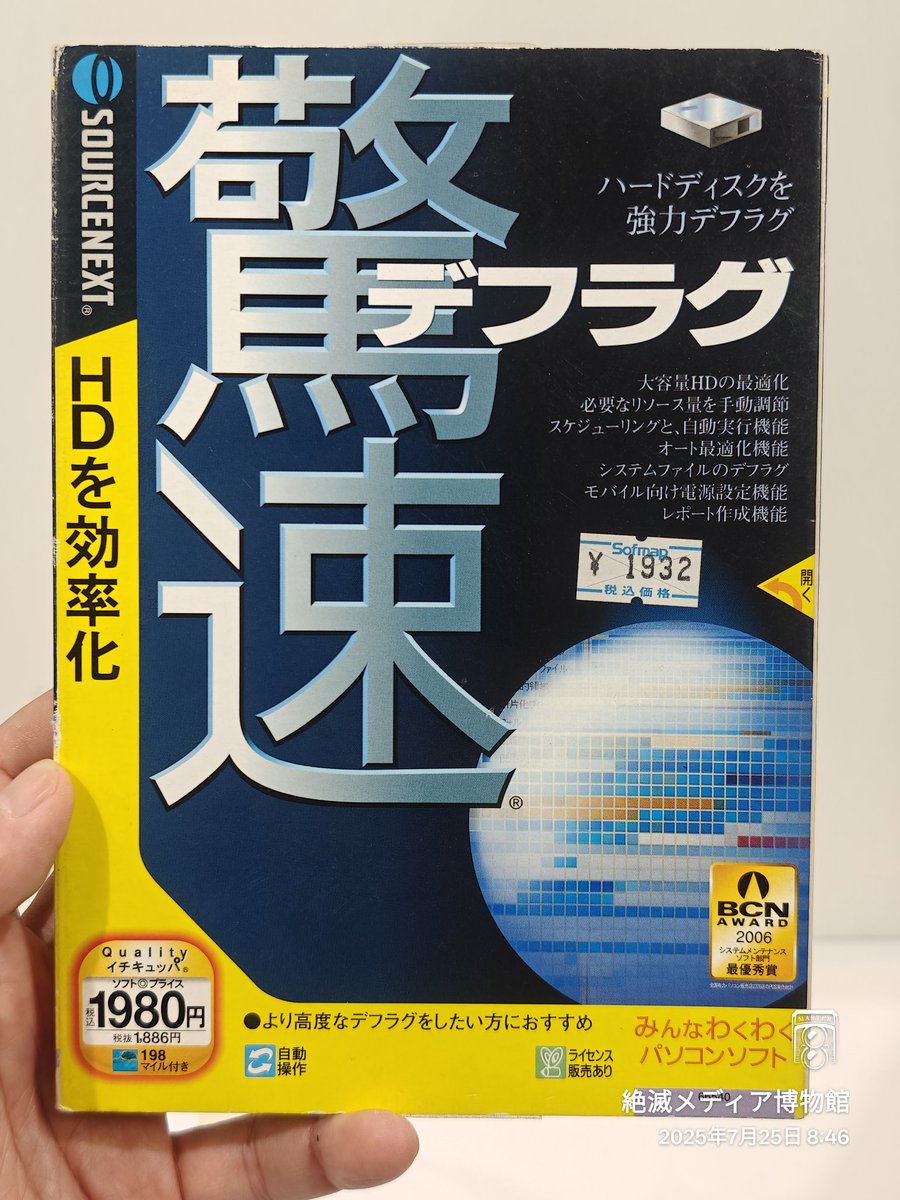
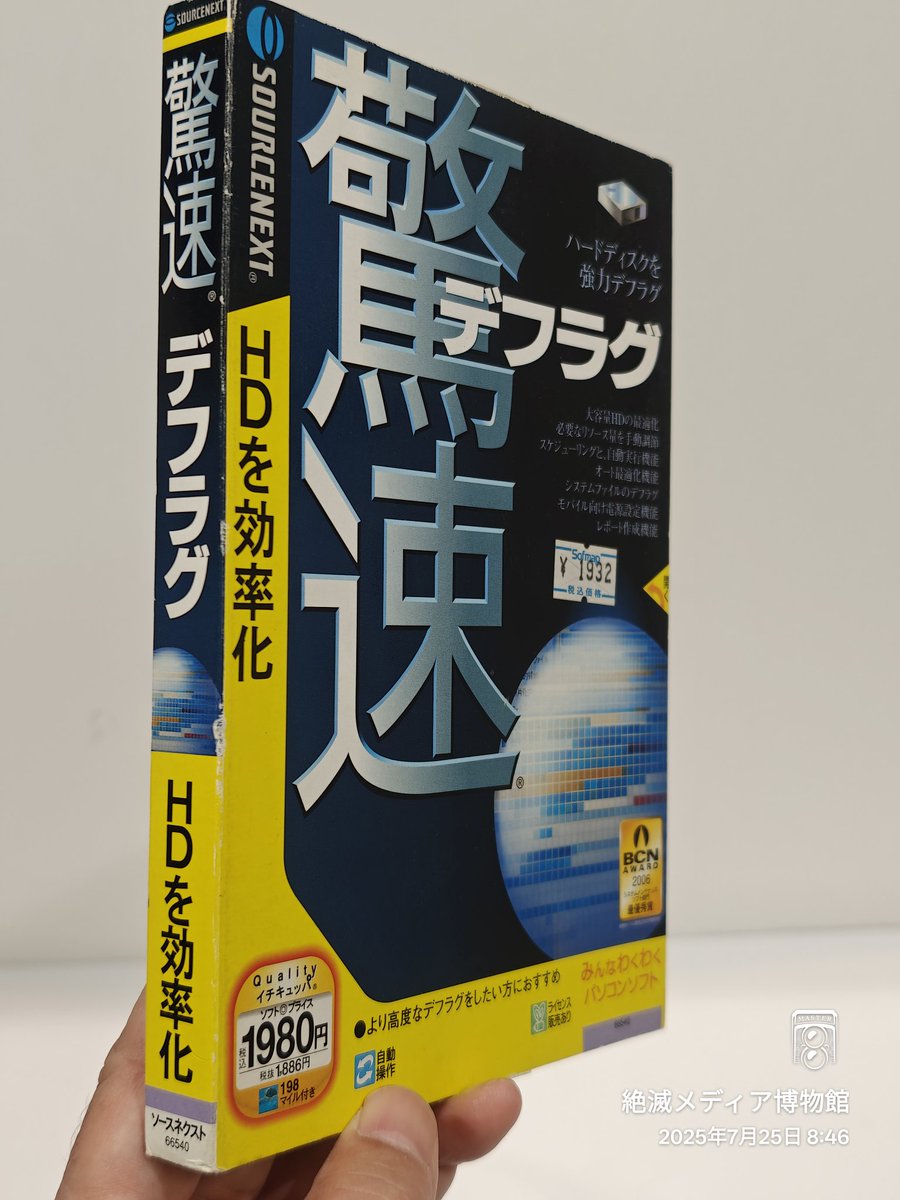
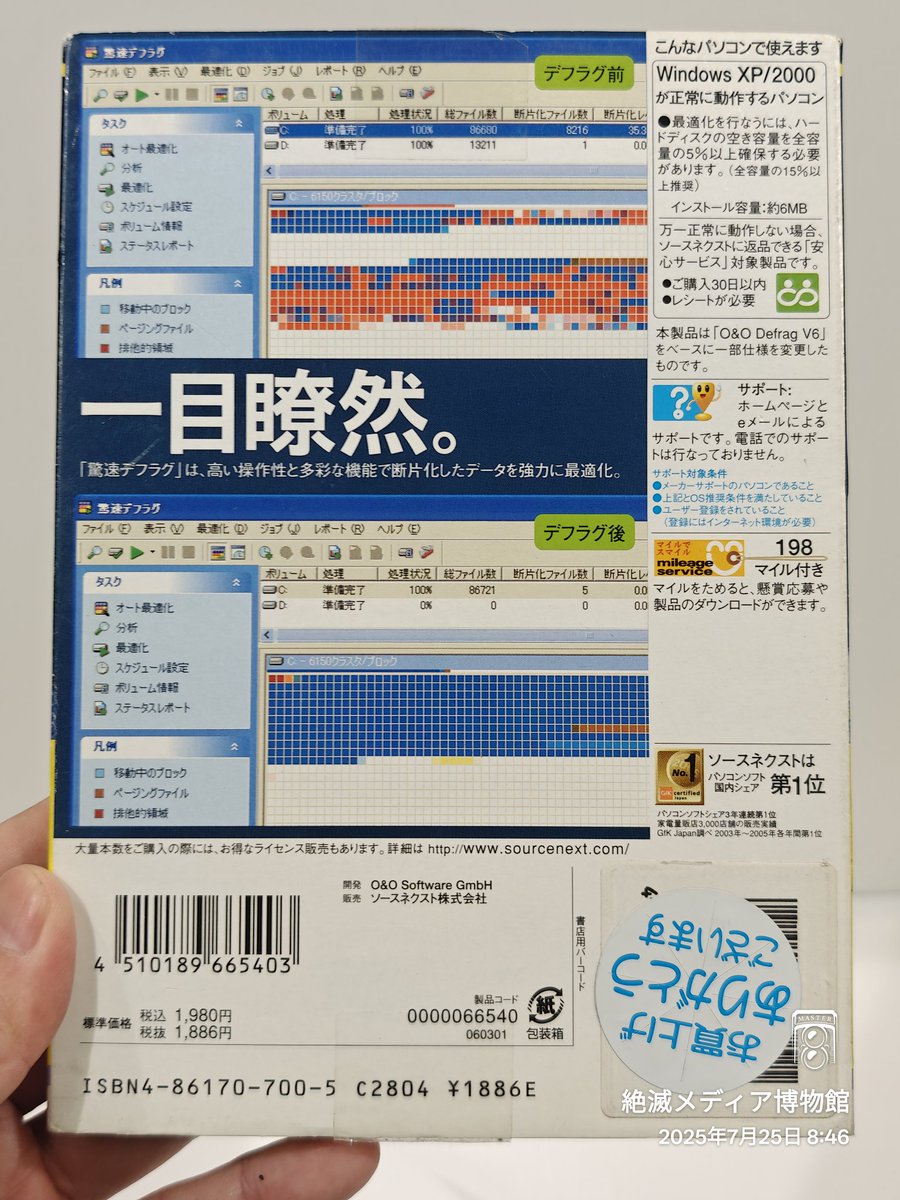
2006 | SOURCENEXT | 驚速デフラグ | Low-cost defragmentation tool for Windows XP/2000 | Famous for its bold packaging and ¥1980 price tag
#ExtinctMediaMuseum #Tokyo #Kanda #Admission2000yen #Student1000yen #sourcenext #defrag #pcsoftware #windowsxp #retrotech

2
2
847

16 Jul 2025
Remove PDF Pages in Seconds! | Fast & Easy Trick
Download Systweak PDF Editor -
systweakpdfeditor.com/?utm_s…
You Tube Video - youtube.com/shorts/pSSSSCDnr…
#SystweakPDFEditor #EditPDF #PDFTricks #PDFEditor #PDFTips #PCSoftware
2
49

26 Feb 2025
Missed out on the X1 Search Valentine's Day deal? No worries—there’s still time to grab sweet savings! For a limited time, enjoy 20% OFF X1 Search, the ultimate efficiency-boosting tool. Hurry—this exclusive offer ends on Friday, Feb 28 at 11:59 PM PT! ⏳x1.com/solutions/purchase-op… #productivity #pcsoftware #searchtool @X1Discovery
1
1
50
13 Feb 2025
Sweet Savings on X1 Search! This #ValentinesDay boost your efficiency and GET 30% OFF the best solution to search and find any email, file, chat, and more - all in a single search. Pick up your copy today during this limited time offer. hubs.ly/Q036FlZB0 #eDiscovery #legalops #pcsoftware #searchtool #productivity
@X1Discovery

ALT X1 Search Valentine's Day Sale! Get 30% Off during this limited time offer.
1
2
85

4 Feb 2025
GAME CHANGER! Ditch those pricey PC software subscriptions! These 12 AI websites offer FREE alternatives that can boost your productivity and savings! #AI #FreeSoftware #PCSoftware"l
1
29
20 Dec 2024
What better way to boost your #productivity during the end of the year holiday rush than by using the optimal search solution - X1 Search. Quickly and easily search and find exactly what you need, save hours a day.
hubs.li/Q030nG7X0 #pcsoftware #eDiscovery @X1Discovery
1
31
19 Dec 2024
Give the Gift of #X1Search - SAVE 20%! Start the new year off right with the ultimate #desktopsearch solution for home or work. Give the gift of #productivity to friends, family, co-workers—and yourself! Shop now and save. hubs.li/Q030dYbb0 #pcsoftware #eDiscovery @X1Discovery

2
3
56

3 Oct 2024
**Windows 7** is an operating system developed by **Microsoft** and released in October 2009. It succeeded Windows Vista and was widely praised for its performance improvements, enhanced user interface, and overall stability. It became one of the most popular and widely used versions of Windows, especially among businesses and home users, until Microsoft officially ended support for it in January 2020.
Key Features of Windows 7:
1. **Improved User Interface**:
- **Start Menu and Taskbar**: Windows 7 introduced a redesigned Start Menu and taskbar, allowing for better customization and easier access to frequently used applications. The **taskbar** was enhanced with larger icons and the ability to pin applications for quick access.
- **Aero Interface**: The Aero theme offered a polished, visually appealing user experience with features like **Aero Peek** (view desktop by hovering over the taskbar), **Aero Snap** (quickly snapping windows to the screen’s edges for multitasking), and **Aero Shake** (minimizing other windows by shaking one).
2. **Performance Enhancements**:
- **Faster Boot Time**: Windows 7 was optimized for faster startup times compared to its predecessor, Windows Vista, and offered smoother operation on less powerful machines.
- **Better Memory Management**: The operating system was designed to use system resources more efficiently, improving performance for multitasking and gaming.
3. **Libraries**:
- The introduction of **libraries** allowed users to organize files more efficiently. Libraries collected files of similar types (such as documents, music, pictures) into one location, regardless of where they were stored on the computer.
4. **Compatibility**:
- Windows 7 offered excellent compatibility with a wide range of hardware and software. Microsoft also included a **Windows XP Mode** in the Professional, Ultimate, and Enterprise editions, enabling users to run older software in a virtualized XP environment.
5. **Enhanced Security**:
- **Action Center**: The Action Center was introduced as a central location to manage security settings and troubleshooting tools. It provided notifications for system maintenance and antivirus protection.
- **User Account Control (UAC)**: Enhanced from Windows Vista, UAC in Windows 7 offered better control over when users were prompted for security permissions, reducing unnecessary interruptions while maintaining security.
- **BitLocker**: Available in certain versions of Windows 7, **BitLocker** provided full disk encryption to protect sensitive data.
6. **Multitouch Support**:
- Windows 7 included **multitouch** support, making it possible to interact with the operating system using touchscreen gestures, a feature that laid the foundation for the touch-friendly Windows 8.
7. **HomeGroup**:
- Windows 7 simplified networking and file sharing with the introduction of **HomeGroup**, which allowed users to easily share files, printers, and media across computers on the same home network.
8. **Windows Media Center and Gaming**:
- The OS also featured **Windows Media Center**, which made it easier to manage and enjoy multimedia content like TV shows, movies, and music. Popular games like **Chess Titans** and **Solitaire** were also included, contributing to its appeal among casual users.
End of Support:
While Windows 7 remained highly popular even after the release of newer versions of Windows, Microsoft officially ended support for it on **January 14, 2020**. This means no more security updates or technical support are available, making it less secure for ongoing use.
Legacy:
Despite no longer being supported, Windows 7 is still remembered fondly for its simplicity, performance, and reliability. Many businesses and users continued to use it long after its official end-of-life due to its familiarity and functionality.
#Windows7 #MicrosoftWindows #WindowsOperatingSystem #PCSoftware #EndOfSupport
113
1
85
623


7 Aug 2024
lernen, wie man Office 2024 installiert 📈
#Software #ComputerSoftware #Technologie #ITLösungen #Digitalisierung #Produktivität #SoftwareEntwicklung #Innovation #TechNews #TechTipps #Effizienz #PCSoftware #Anwendungssoftware #Bürosoftware #TechCommunity #NeueTechnologien
8
1
42
126

20 Mar 2024
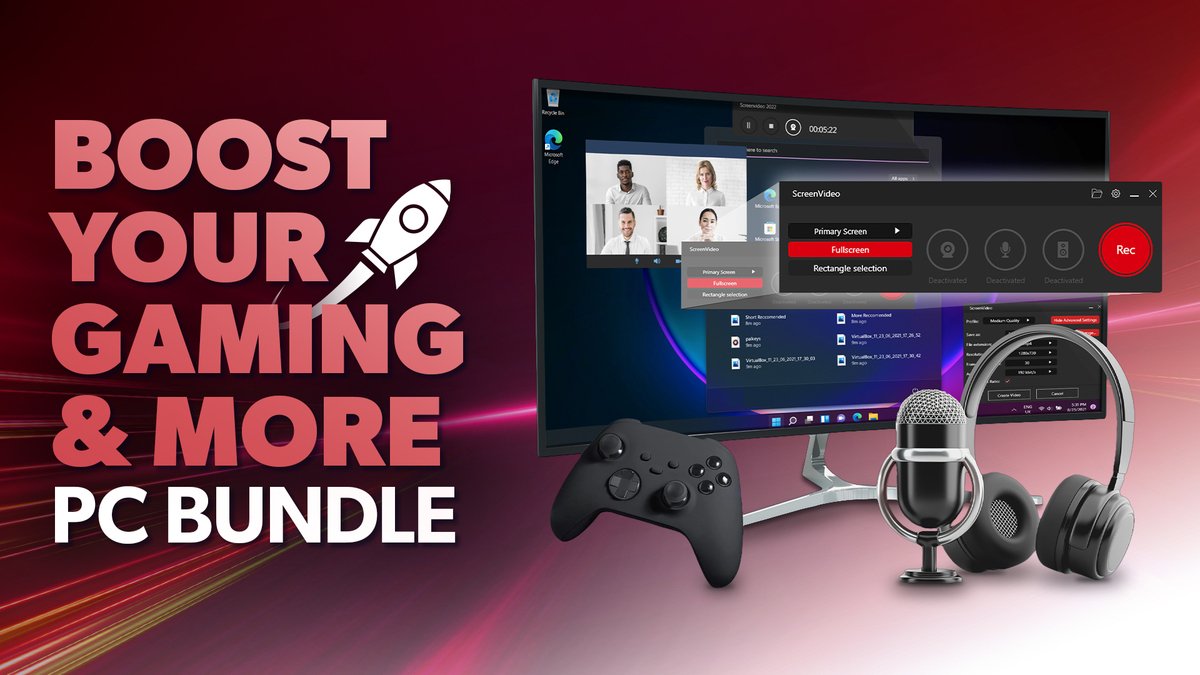
✨ This is your last chance to get our Boost Your Gaming & More PC Bundle! This bundle has everything you need to level up your PC experience, whether you're a gamer or not! fant.cl/BYPCTW
#GamingBundle #PCsoftware #LastChanceDeal
4
5,224

12 Sep 2023
Transform your editing game with the watermark-free download of English Alight Motion for PC. ✨ #AlightMotion #PCEditing #NoWatermark #CreativeMagic #FreeDownload #VideoEditing #PCSoftware #DigitalArt #EditLikeAPro #UnleashCreativity
alightmotionapkm.com/alight-…
2
137

Check this out! Get your Video Clips Organized! vidine.evyy.net/c/4701834/25… #NewSoftware #PCSoftware #VideoOrganizer @EtsyJanetMurray
3
3
61
Check this out! sentrypc.7eer.net/75oe5A #PCSoftware #Safety #Monitoring #Filter #Comtrol Keep Your kids safe while online!
2
102
68
1,926

Multiplicity v3.6: Faster Windows 11 connections after reboots. New language support: Spanish, French, German, Chinese (Traditional & Simplified), Korean, Russian, Portuguese Brazil, Japanese! #pcsoftware #windows11
stardock.com/news/521696/rel…
1
2
2,414
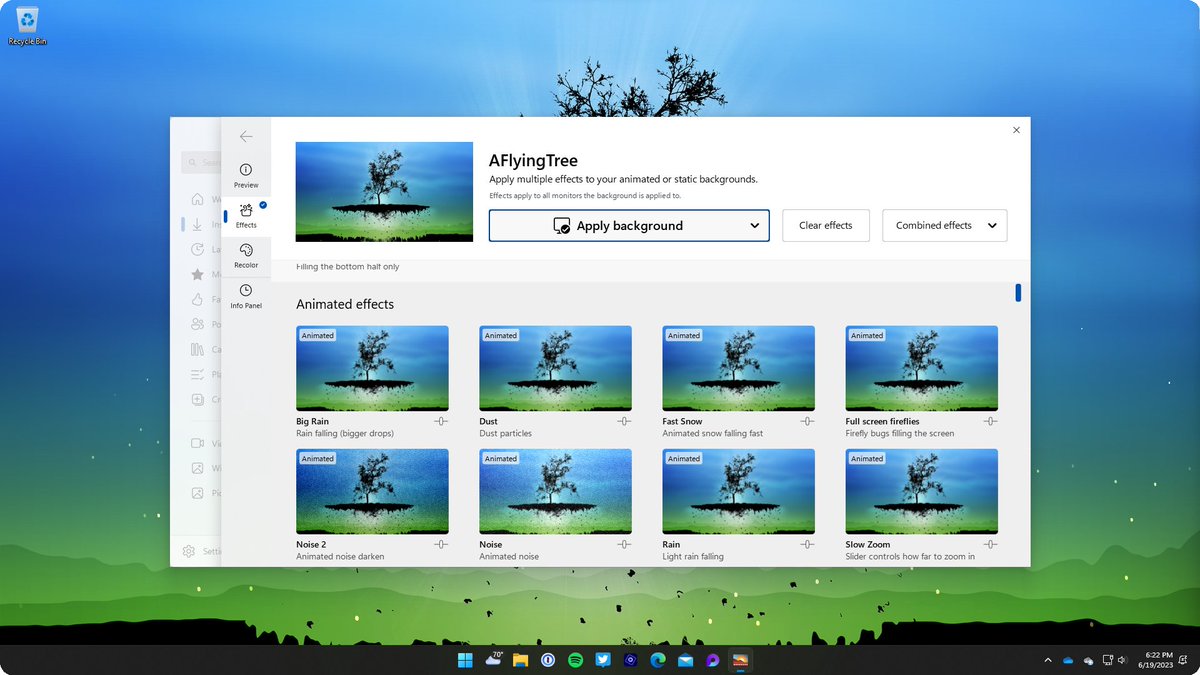
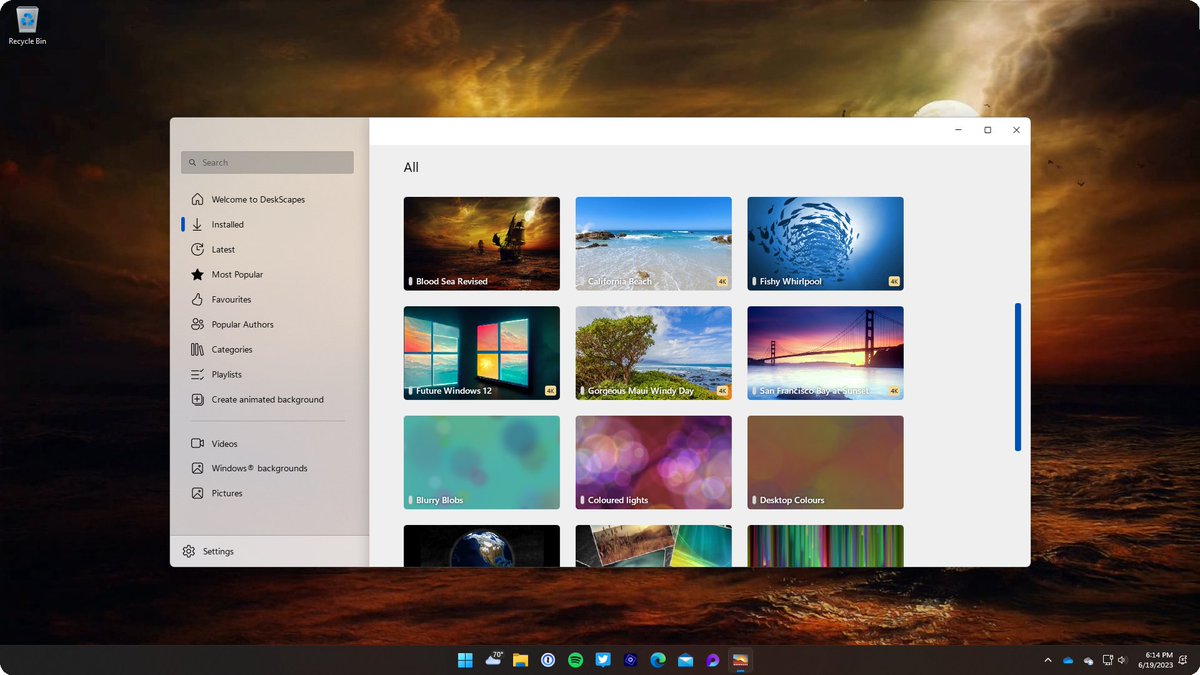
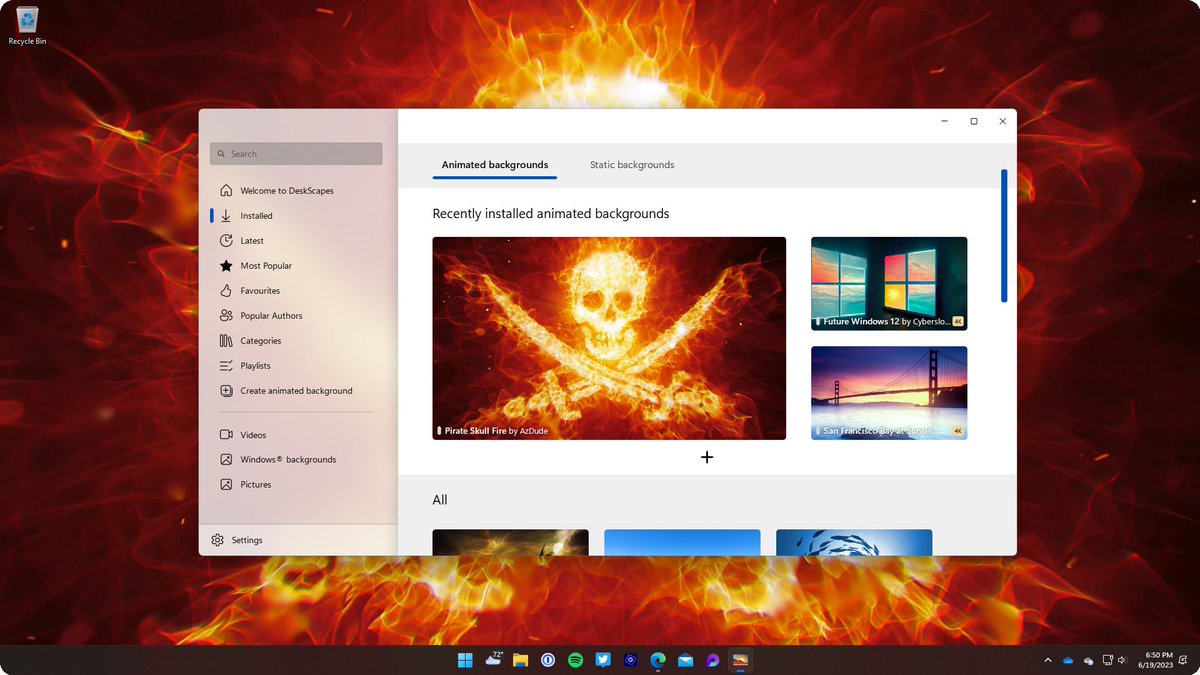
Stardock Releases DeskScapes 11
It offers animated wallpapers, advanced customization, cloud integration, and more. Transform your desktop experience today! #pcsoftware
stardock.com/news/521011/sta…
1
5
544
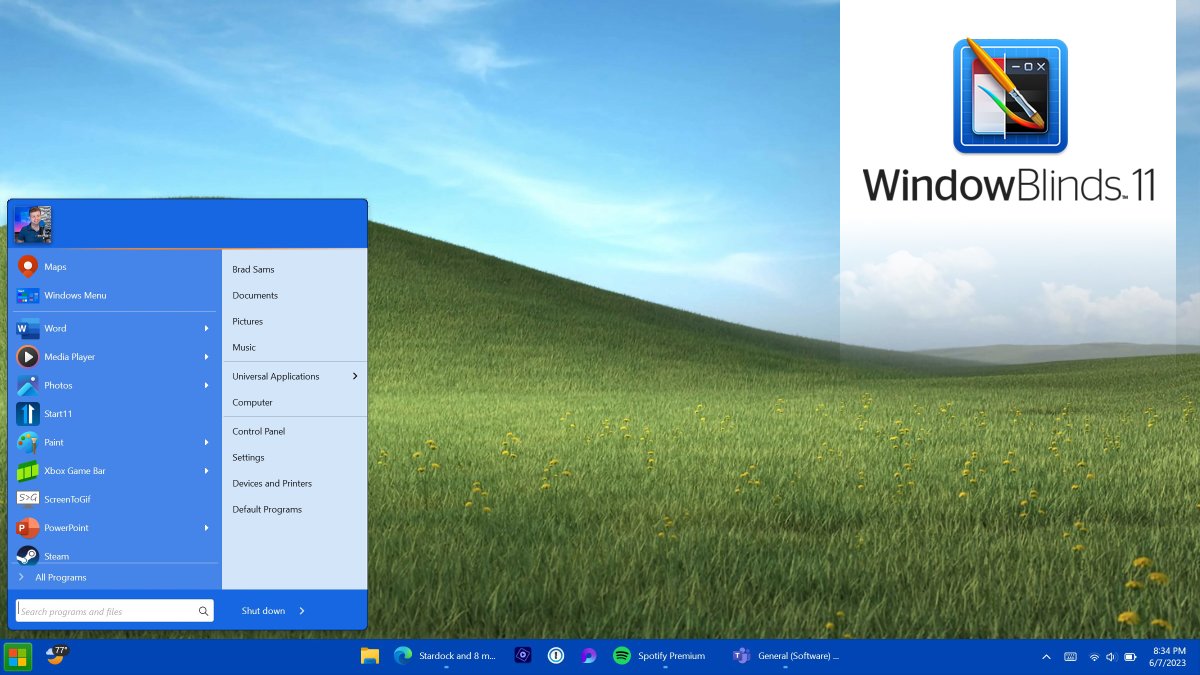
Coming Soon: Fluent Luna, a new theme for WindowBlinds 11! Fluent Luna, blends the timeless charm of Windows XP with sleek, contemporary design elements. #windows10 #windows11 #pcsoftware
stardock.com/news/520668/com…
4
11
3,195
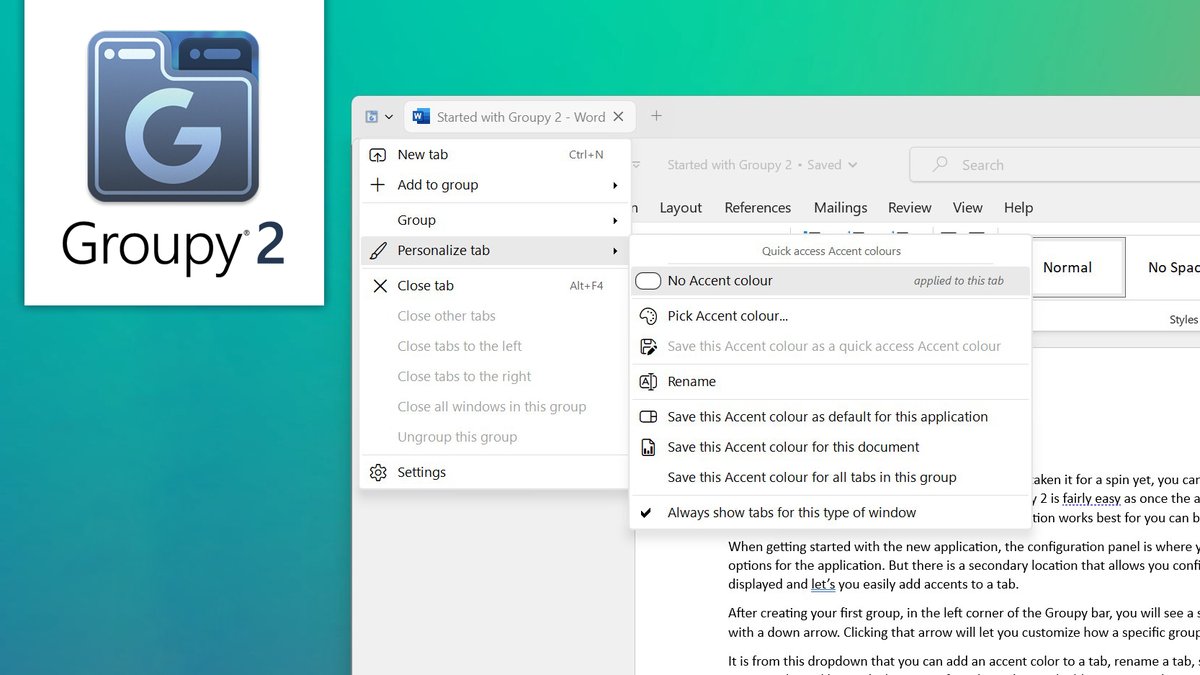
This week's software blog walks you through our latest app, Groupy 2. Easily add tabs to every application for Windows 10 and Windows 11. #pcsoftware
stardock.com/blog/518884/get…
1
4
9
2,799