4 Nov 2025
Depends on if we’re talking about economic procession or hypostatic procession. When Papists say this kind of thing they always mean hypostatic procession, to say that the Holy Spirit hypostatically proceeds through the Son is Plotinism and introduces polytheism into the Trinity.
6
91

15 Jun 2025
Mine once revealed that Plotinism is true. But the problem is that my friend's mystical experience revealed that Epicureanism is true. Bit of a dilemma.
1
4
130

8 May 2025
.@lsanger, PhD and cofounder of Wikipedia, kindly read not only the published first volume of my 3-volume SBNR project, but also the other two in manuscript. He gave me permission to share his reflections:
“If you had told me a few months ago that I would finally understand several weird things I had been casually puzzled by in both philosophy and theology, because I read about the history of the “spiritual, but not religious” movement, I would have said… "Huh???"
So now I understand:
- Why Spinoza was considered, and considered himself, to be religious
- The general historical source of the appeal of idealism (a thing that still puzzled me TBH)
- What Plotinism was, why anybody cared, why it wasn’t just ignored
- What anabaptism and pietism were, that they were considered radical
- What emanation and return are
- (This is huge) How to understand the various obscurities of German idealism (who knew they were basically naturalizing religion?)
- What distinguished those obscure German romantics/ idealists that everybody has heard of but which nobody can explain
- The perennial appeal of New Age/esoteric ideas throughout history: it’s an ancient tradition that taps into a common line of thinking
Etc., I could go on."
I reached out to Larry after I read the story of his conversion to Christianity and it has been a real pleasure getting to know him. Lookout for our conversation together at @solamediaorg next month.
6
21
149
11,785

16 Oct 2023
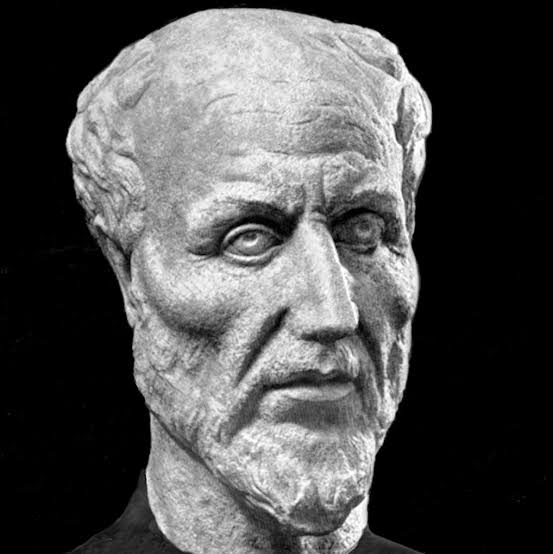
I think they call it Neoplatonism because calling it Plotinism sounds stupid.
3
65