

12 May 2025
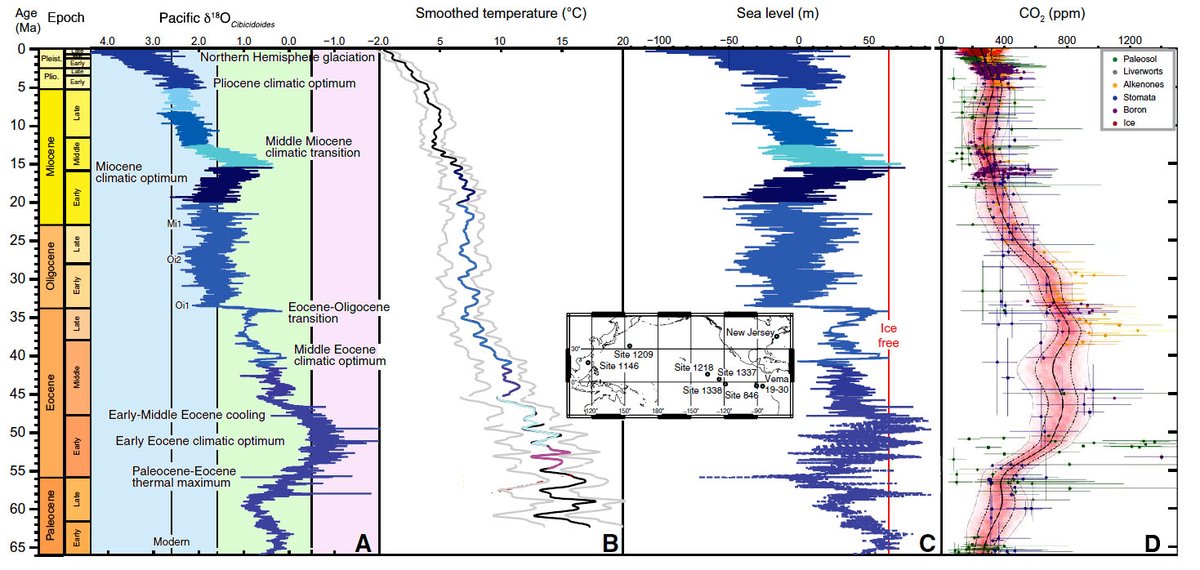
For instance, this figure from Miller et al. (2020) summarizes oceanic temperatures, sea levels, and carbon dioxide levels throughout the Cenozoic. Could plotopterids and flightless penguins have been driven extinct by climate or other environmental changes instead? Maybe.
1
17
312
11 May 2025
Plotopterids were cool
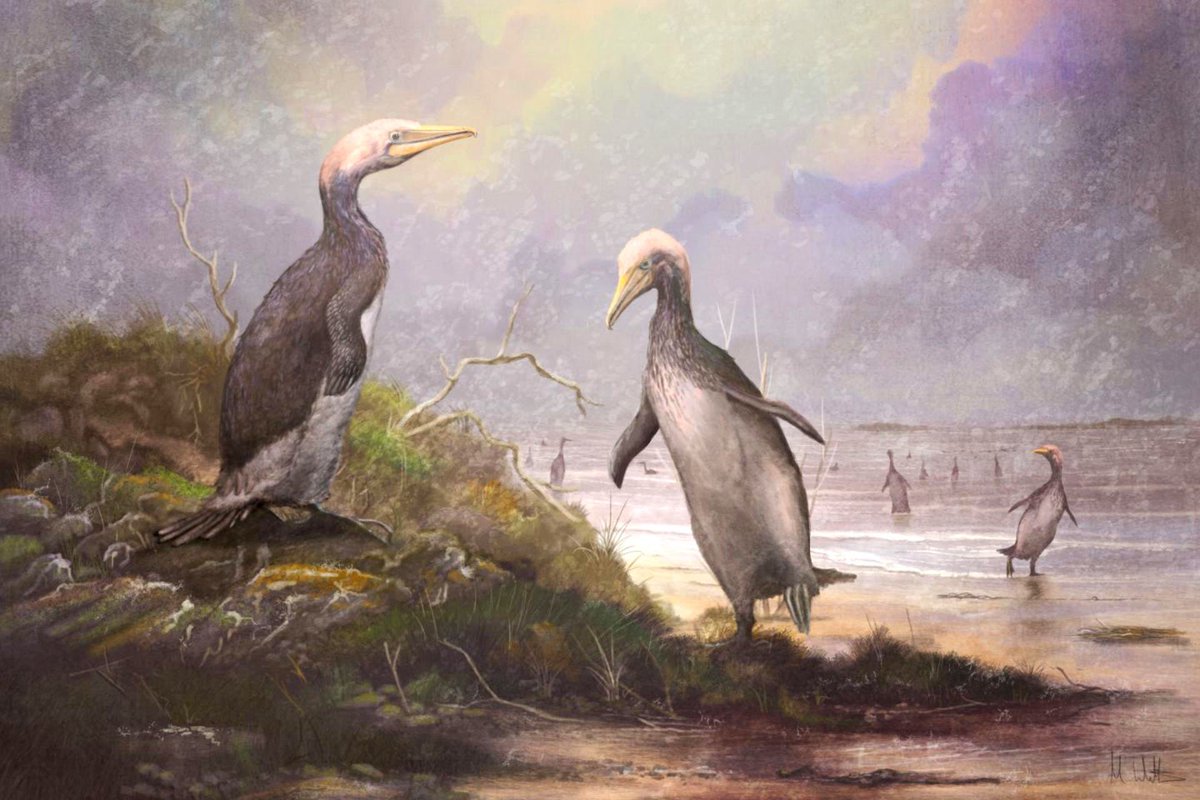
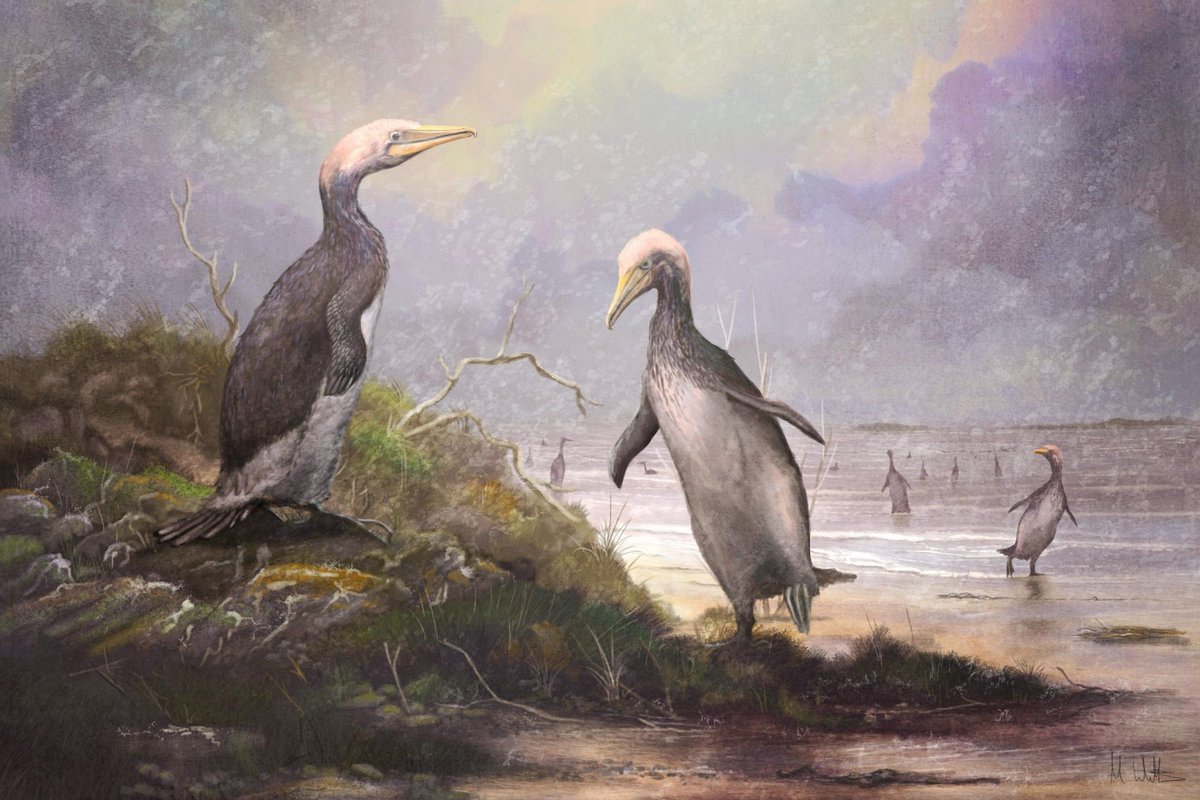
(Copepteryx by Mark Witton)
1
41
358
6,922
25 Mar 2024
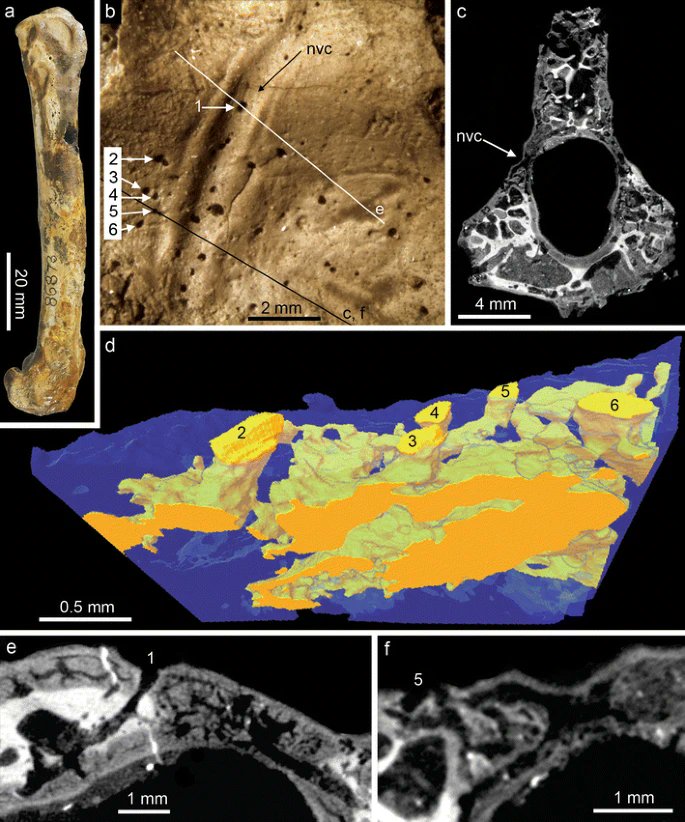
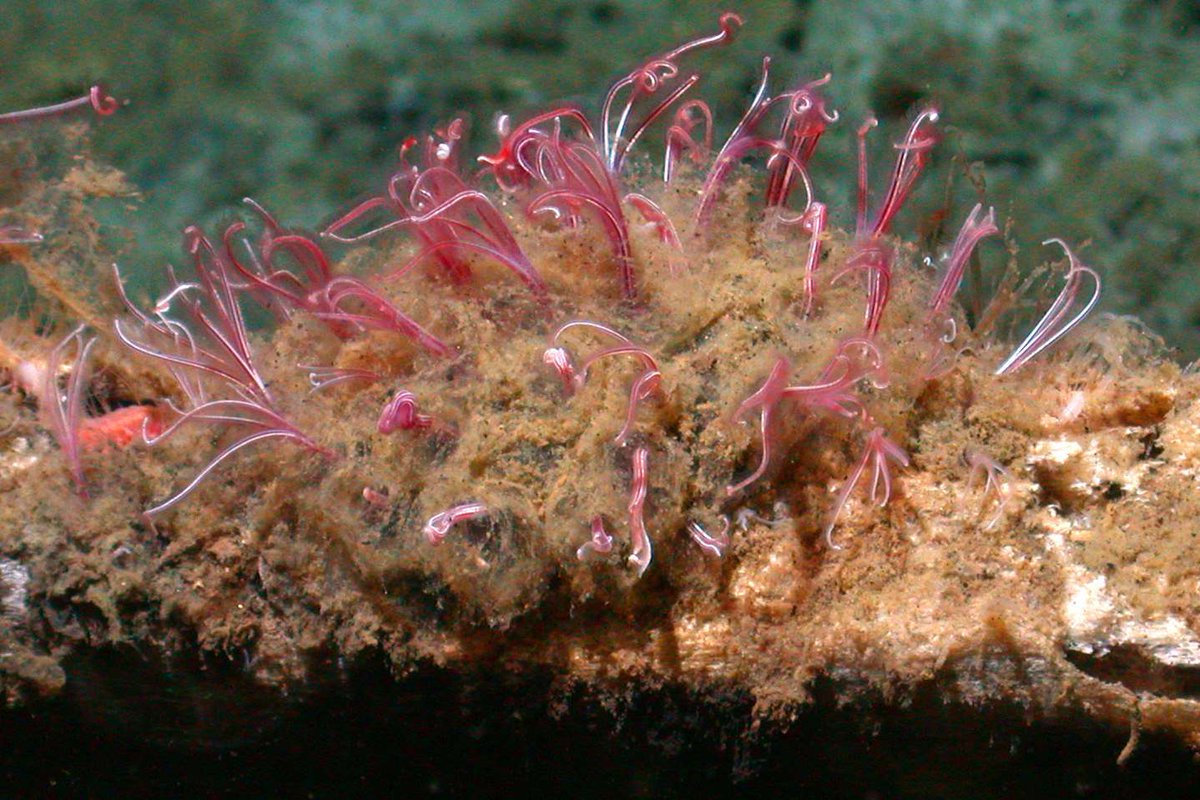
Osedax (bone-boring) worms used to feed on the bones of extinct flightless seabirds called plotopterids, just like they famously do to whale bones today.
If they're willing to eat mammals and birds, I wonder if they practice this on penguins today (or great auks in the past).
2
19
1,806

23 Jun 2023
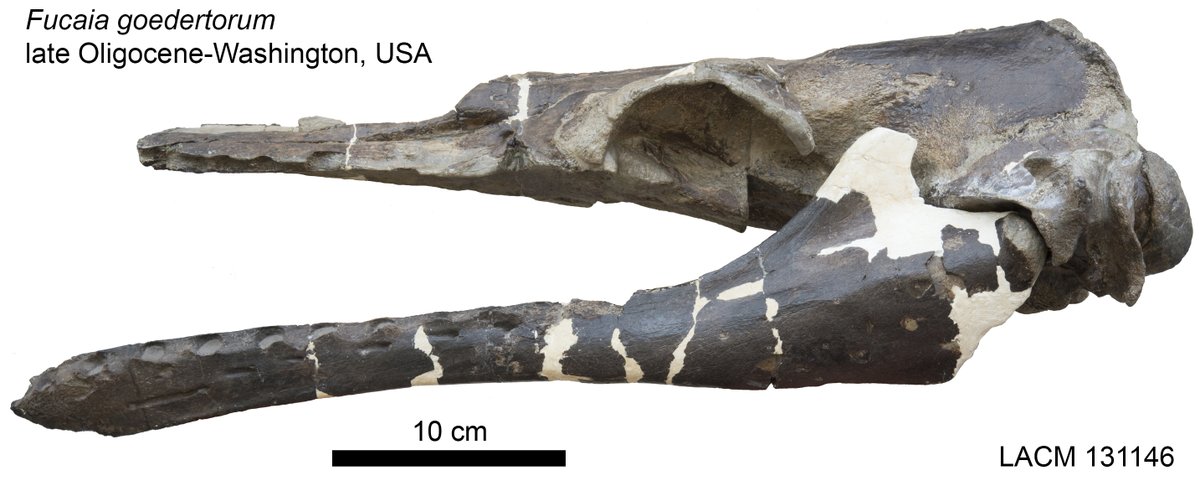
#Olympicetus thalassodon joins an interesting array of marine tetrapods from the Pysht Fm., that includes aetiocetids, like #Fucaia goedertorum (shown below), other stem baleen whales, desmostylians and plotopterids (penguin-like, diving birds). 9/10
#FossilFriday
1
2
14
688

23 Feb 2023
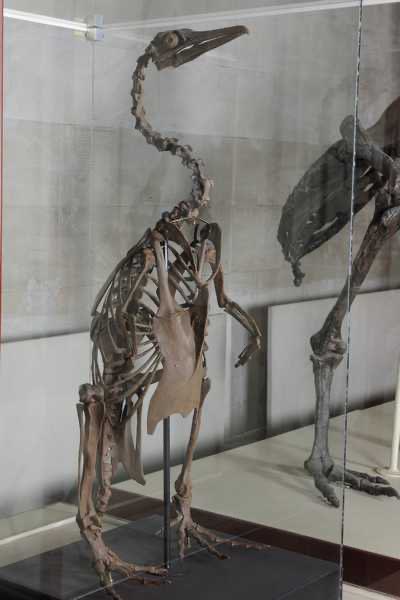
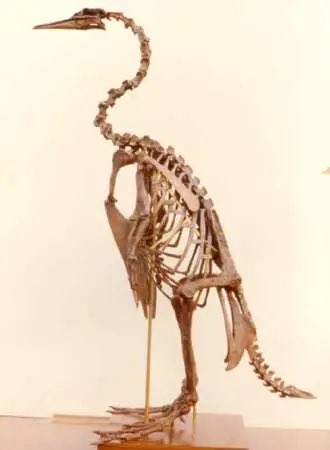
Obscure seabird time! Plotopterids are extinct group of penguin-live seabirds that lived in the North Pacific region of East Asia and Western North America. Despite a strong similarity to penguins, these birds were more related to boobies, darters, and cormorants. #BirdTwitter
2
13
69
2,531

26 Oct 2022
Furthermore, our results are probably underestimating the real signal since we could not include in our study prominent fossil groups with divergent ecologies like the flightless diving plotopterids or giant flightless auks.
1
13

18 Feb 2022
Thanks!
The earliest penguin ancestors first made their appearance a little more than 60 million years ago around what is today New Zealand. Both plotopterids and ancient penguins had long beaks embedded with slit-like nostrils, comparable chest and shoulder bones.
1

19 Nov 2021
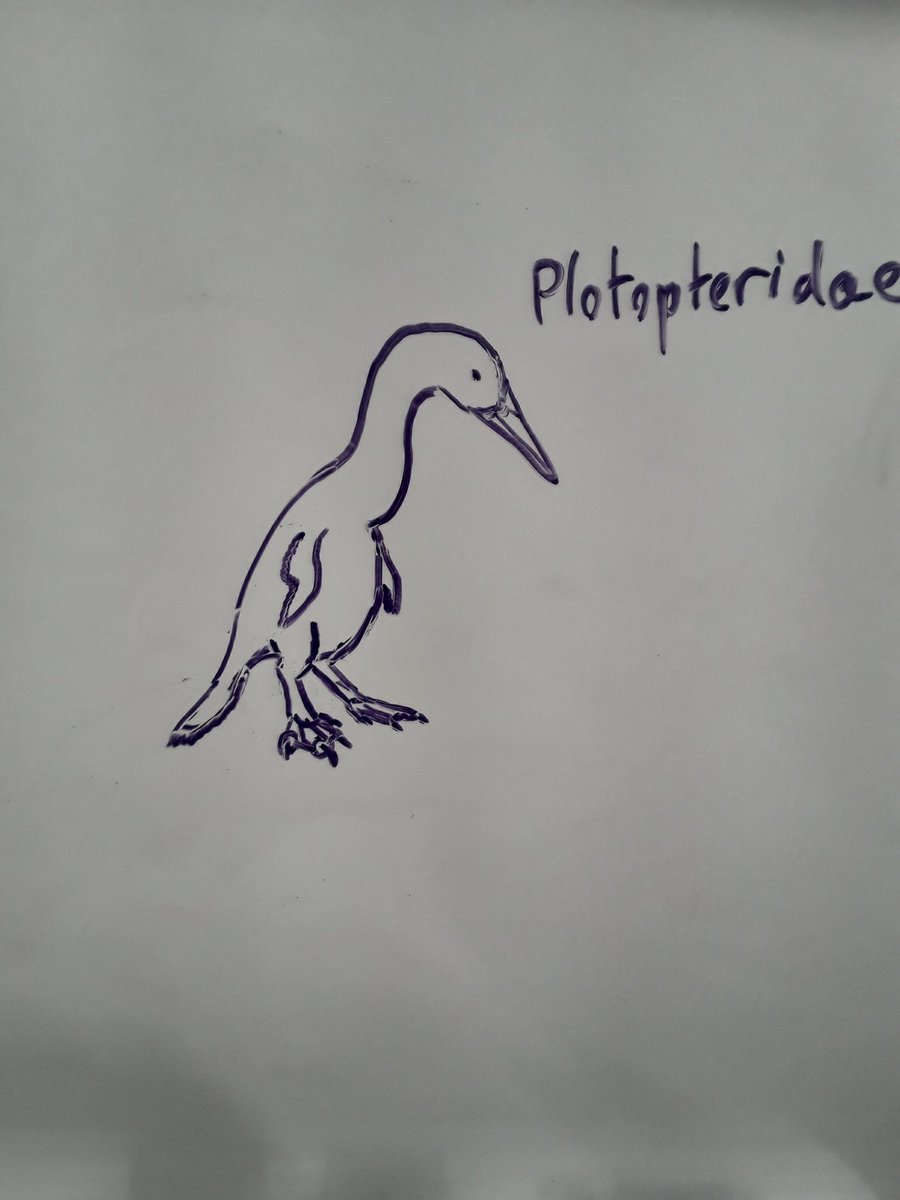
Just learned about plotopterids a few weeks ago and I love them so much
1

8 Jul 2021
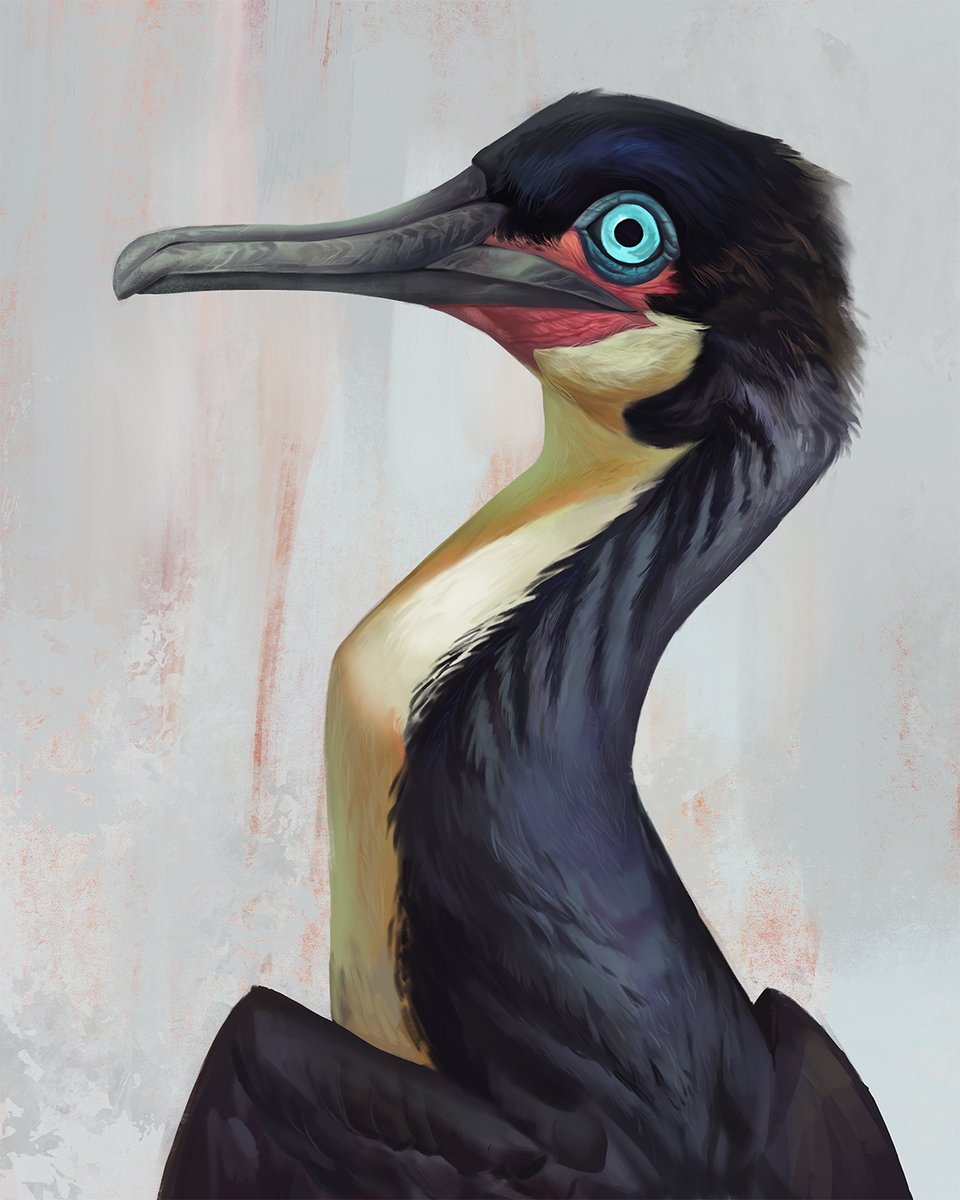
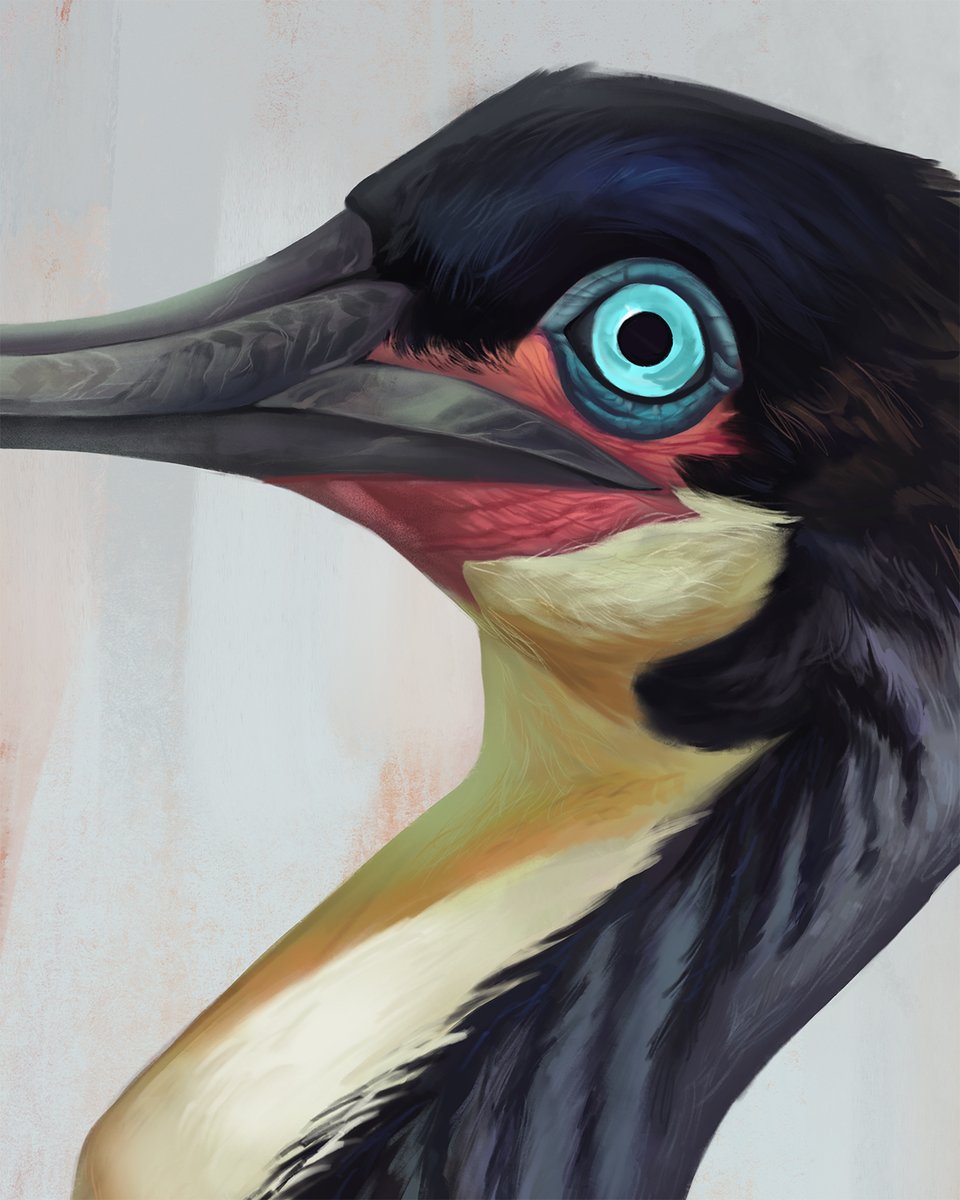
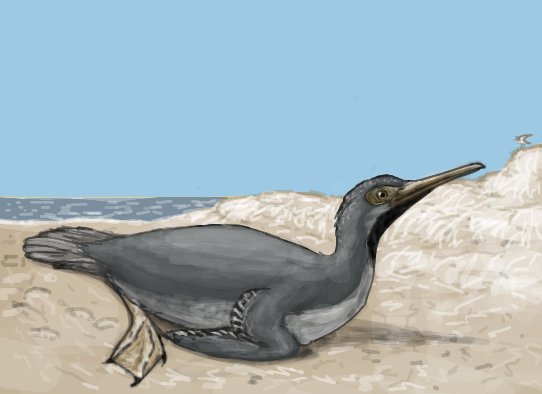
Hokkaidornis resting on a beach or something in late oligocene Hokkaido :p
And No, Hokkaidornis and all plotopterids are not penguins,
They are suliformes, making them more closely to boobies and gannets
#hokkaidornis
#plotopteridae
#paleoart
#extinctbird
#oligocene
4
19

21 Apr 2021
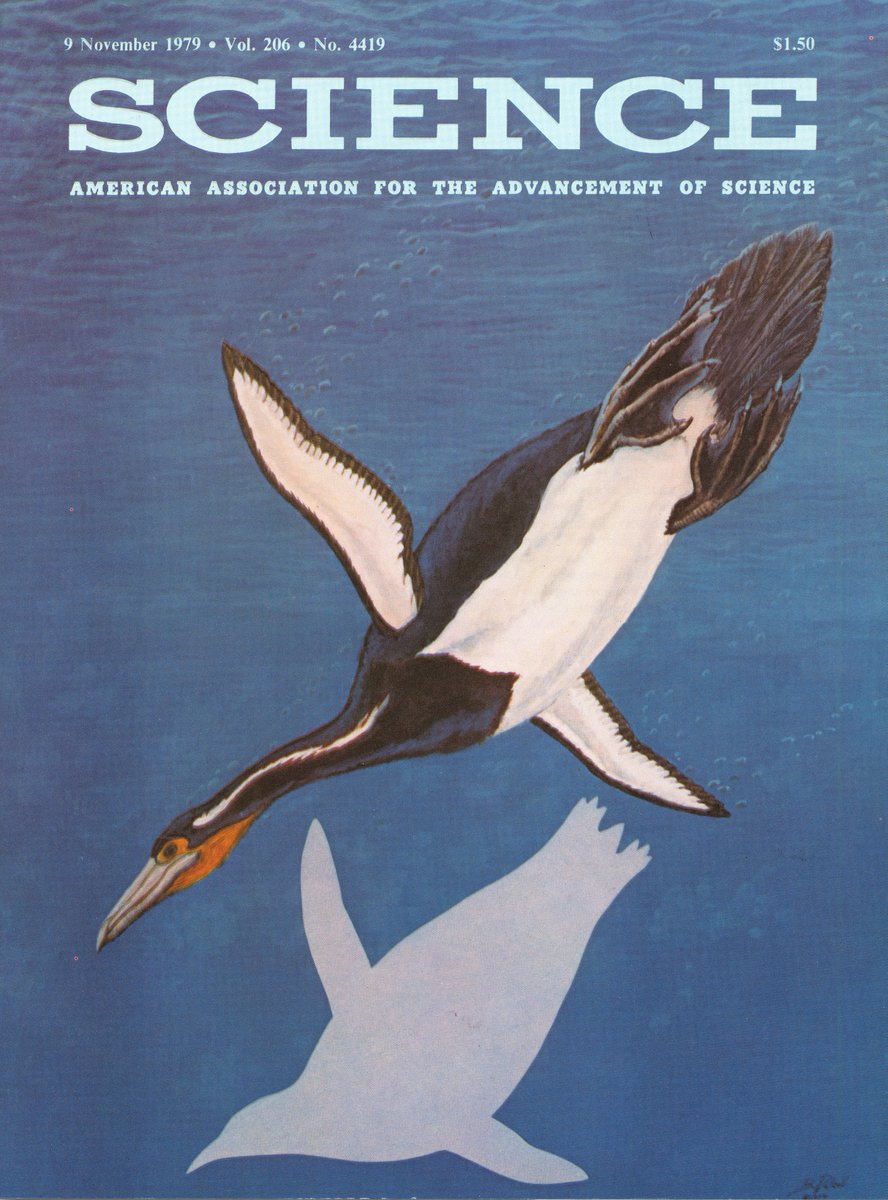
This is my famous Science cover ever; I wonder where the original painting is now. It announces the 1979 discovery of the plotopterids, a Northern Hemisphere group posited as 'penguin mimics' more closely related to cormorant or gannets. Some were very big (to 2m long). #birds
7
19
157


14 Jan 2021
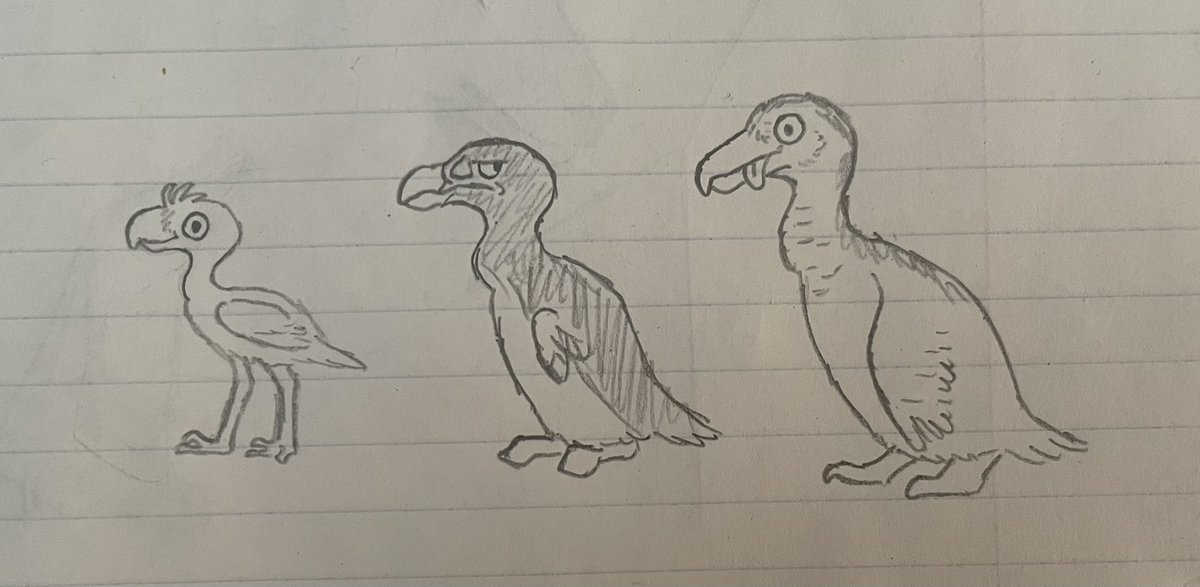
Assuming you mean British Columbia, there is no evidence penguins ever made it past the Equator (slight exception for the Galapagos penguin barely crossing the line). But, an extinct group of penguin doppelgangers called plotopterids did live there!
fossilpenguins.wordpress.com…
2
3

7 Oct 2020
New plotopterids Empeirodytes okazakii and Stenornis kanmonensis: bioone.org/journals/paleonto… #birds #dinosaurs
1
2

13 Jul 2020
Thanks to convergent #evolution, 62-million-year-old #penguins and their similar flightless #seabird counterparts known as plotopterids, evolved at very different times but in very similar ways. #prehistoric #nz #seabirds
popularmechanics.com/science…
2

5 Jul 2020
Wing-propelled diving birds, quite large, of the past- "Plotopterids looked like penguins, they swam like penguins, they probably ate like penguins – but they weren't penguins." sciencealert.com/ancient-new… #evolution #birds #animals
1
3

30 Jun 2020
Our latest publication on Nz Giant penguins & Plotopterids getting some solid UK press coverage thanks to fantastic images by @MarkWitton
dailymail.co.uk/sciencetech/…
1
17
52
30 Jun 2020
A new publication from our team on the similarities between New Zealand's Paleocene Giant Penguins and the North Hemisphere Plotopterids with Gerald Mayr & @PrettyBirdNZ. Thanks for funding from @MarsdenFund.
onlinelibrary.wiley.com/doi/…
2
5

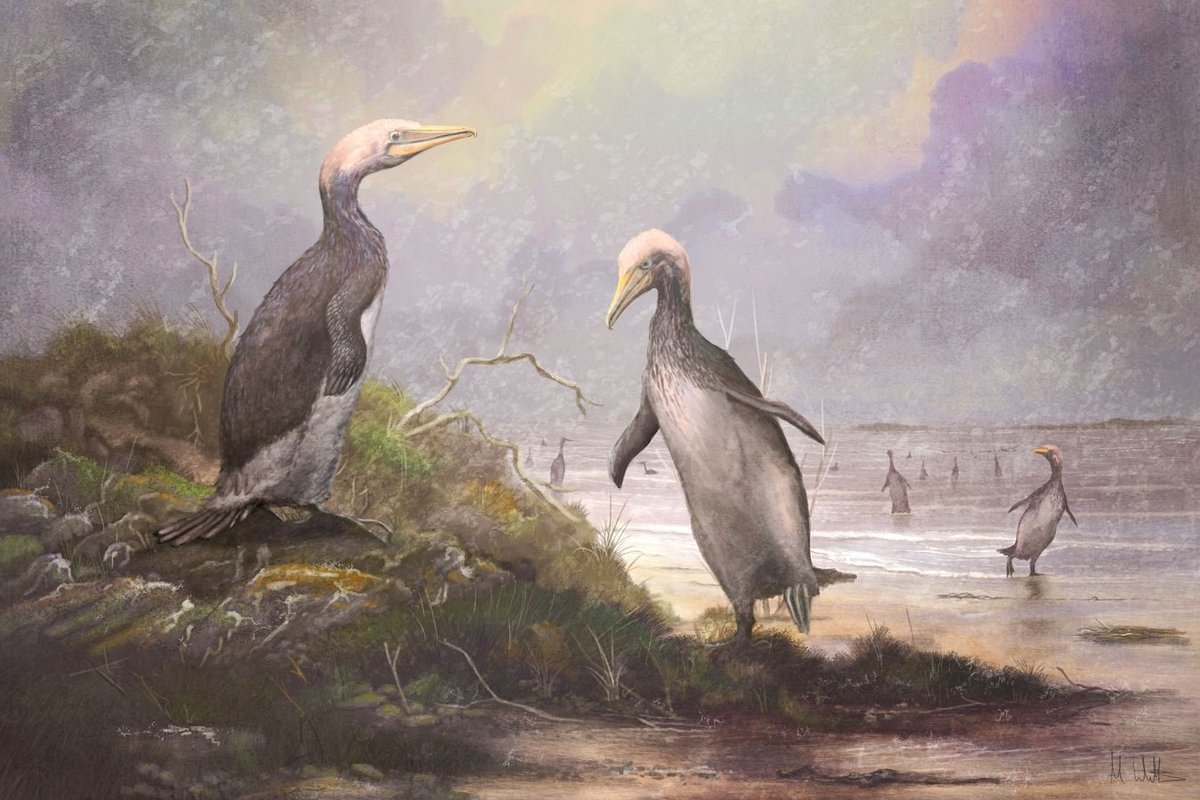
It's chucking it down here on this #FossilFriday, so here's some #paleoart of the plotopterid Copepteryx getting rained on. Plotopterids were a group of Eo-Miocene penguin-like birds that lived in the Northern Hemisphere. Some grew quite large - about the height of a human.
3
55
284
As I understand it, plotopterids were northern Pacific so the two groups didn't have to compete. Oddly respectful of each other's space, these marine birds.
2