
Jun 7
t = ?
t = -3
? = -3
t = -3
t = ?
Worked-out solution:
Combinations with a concept of right and wrong. Believe it or not, primarily…logic :-)
Let’s go :-)
Attempt1: populate zero
(t 2) / (t 1) = (1) / (2)
(0 2) / (0 1) = (2) / (1) = 2
Attempt2: try one
(t 2) / (t 1) = (1) / (2)
(1 2) / (1 1) = (3) / (2) = 3/2
Attempt3: negative? one
(t 2) / (t 1) = (1) / (2)
[(-1) 2] / [(-1) 1] = (1) / (0) = undefined
[ Attempt-MoreTowardNegativeInfinity ]
…
[ AlwaysWithThyQuestion ]
…
Attempt-Solution: negative three
(t 2) / (t 1) = (1) / (2)
[(-3) 2] / [(-3) 1] = (-1) / (-2)
(-1) / (-2) = (1) / (2)
(1) / (2) = (-1) / (-2)
(-1) / (-2) = (-1) / (-2)
(-1) / (-2) = (1) / (2)
(1) / (2) = (1) / (2)
Therefore, negative three suffices the terms and conditions for this brilliant puzzle piece :-)
Get it Khalid (@H0H0v) :-)
#mentalmath :-)
Please attempt with thy students of #mathematics ;-)
#primarymath
#properties
#math
#math ROCKS ;-)
🎸💫
175

May 28
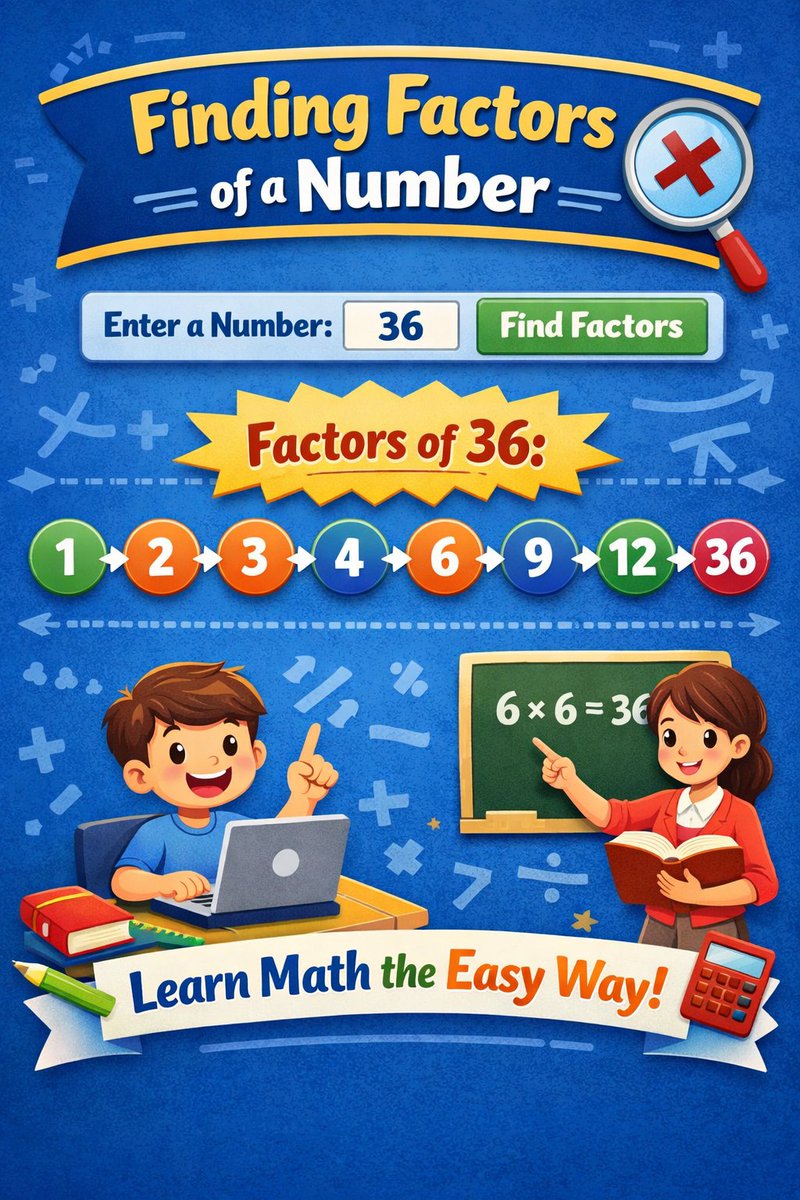
Teachers & Students! 🚨 Need a fast, interactive tool to list all the factors of a number instantly? 🧮
Check out this primary math resource to help kids visualize factor pairs, identify primes, and practice division logic:
➡️ usingmaths.com/primary/perl/…
#MathEd #PrimaryMath #STEM
5
6
22

Composing equations is fun with Finding 10s. This quick card game helps students develop mental math strategies for adding and multiplying to 10s. #NumberSense #MathPlay #TeacherLife #PrimaryMath
oise.utoronto.ca/robertson/l…
3
103

Jan 26
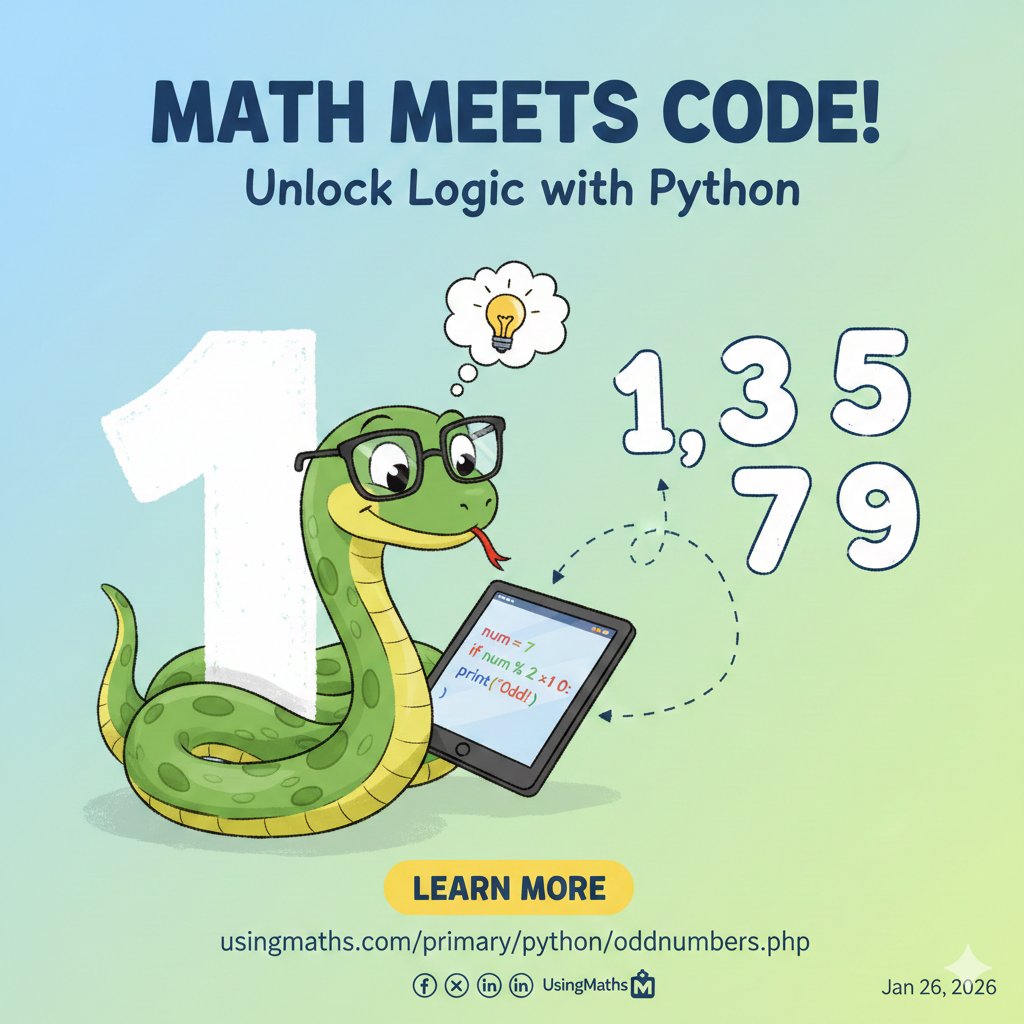
Logic Math = 🧠✨
Teaching odd numbers to primary students? Use Python to make it interactive! This guide from @UseOfMaths breaks down the algorithm in a way that’s easy for kids to grasp.
Learn more: usingmaths.com/primary/pytho…
#Python #PrimaryMath #CodingInSchools #STEMeducation
3
4
18

31 Dec 2025
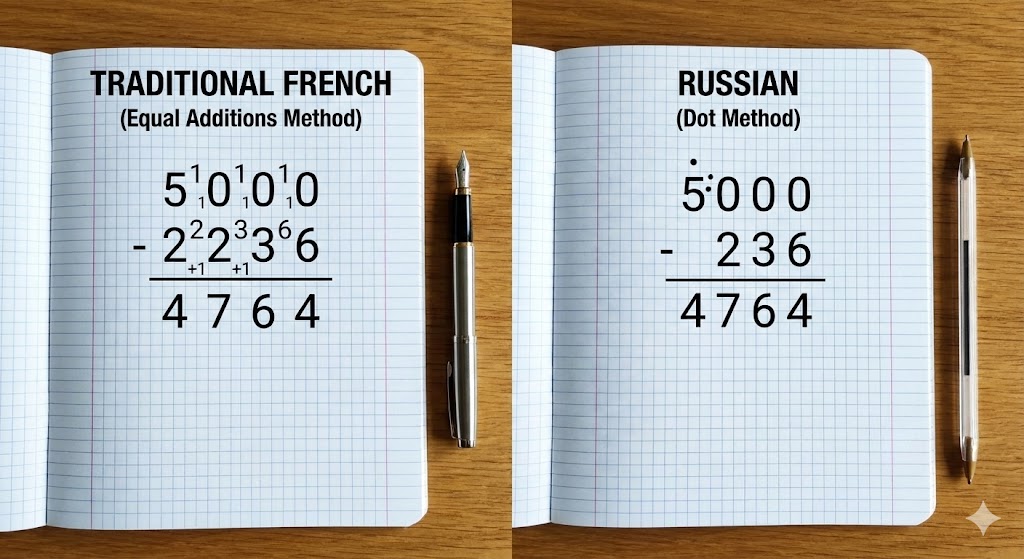
Why is the traditional French math method a silent trap?
They say if you raise the temperature slowly, you don't notice the heat until it is too late.
This is what the traditional French math method (la méthode par compensation or "Equal Additions") feels like to a young student.
On the surface, the page looks clean. There are no crossed-out numbers. It seems fine.
But underneath, the pressure is building.
To solve 5000 - 236, the student has to perform mental gymnastics: "I add 10 here, so I must add 1 down there..." It is a mathematical trick that balances the equation, but it hides the actual logic of quantity.
The student doesn't understand why it works; they just memorize the ritual until their understanding hits a dead end.
The Modern Alternative is No Better. Recently, many French schools switched to the "scratch-out" method to help kids "visualize." Now, notebooks are messy battlefields of graphite and tiny floating numbers.
There is a third way.
Kiselev’s classic Russian method combines the Logic of Borrowing with the Cleanliness of Tradition.
Don't add phantom numbers. Don't scratch out the page.
Just use The Dot.
❌ Traditional: Clean page, confusing logic. ❌ Modern: Logical method, messy page. ✅ Russian Dot Method: Logical method, elegant page.
Don't let students get trapped in confusion. Give them tools that respect their intelligence.
Register here to learn school math properly very soon: valeman.gumroad.com/
#EducationFrance #Maths #Kiselev #Enseignement #PrimaryMath
1
16
4,321

Fun Mathematics Activity
Today, our champs took part in an engaging mathematics activity focused on using symbols to represent missing numbers or operations.
#funmaths #mathactivity #activelearning #numeracyskills #primarymath #studentslearning #classroomfun #learningthroughplay
2
4

22 Nov 2025
Fast Addition Tricks for your Saturday
#MathHelp #BasicMath #PrimaryMath #GCSEMaths #PediaTutors #StudyTips #us #wales #scotland #education #learningisfun #uk #weekend
3
16

24 Oct 2025
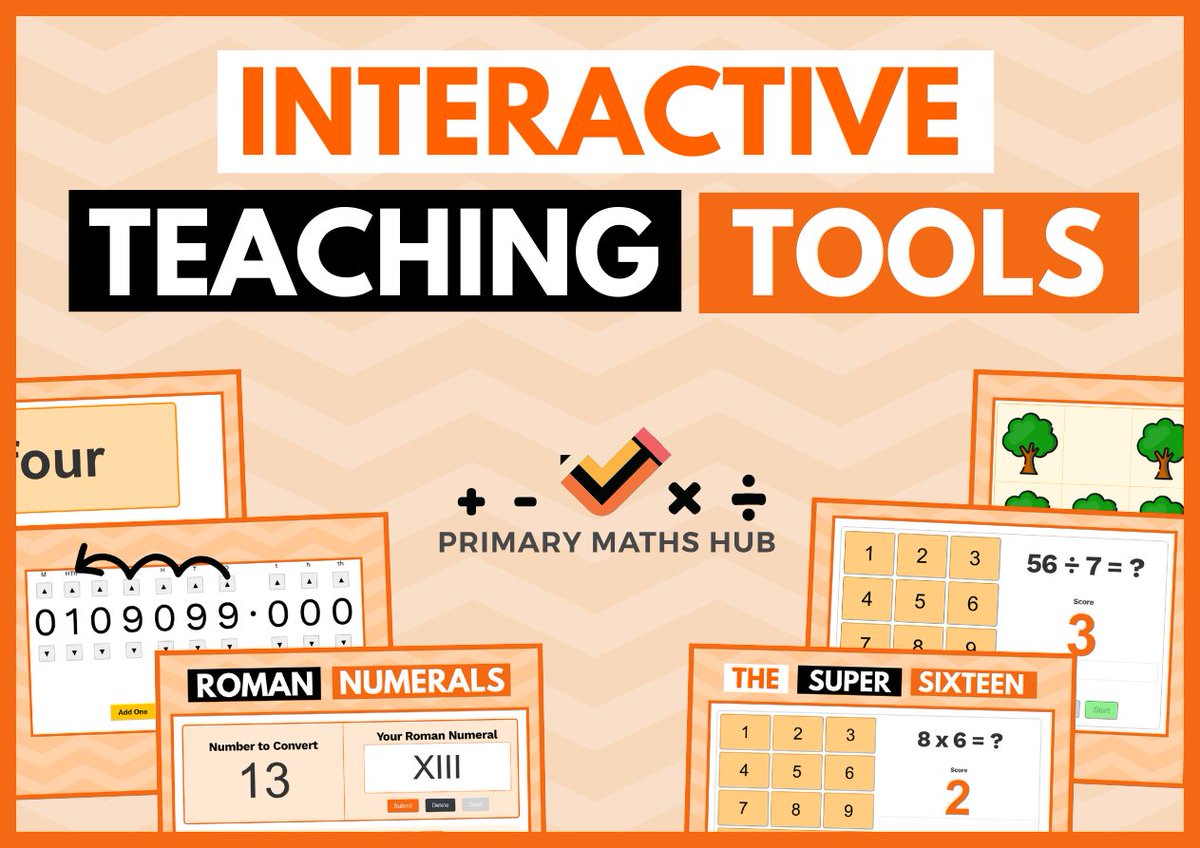
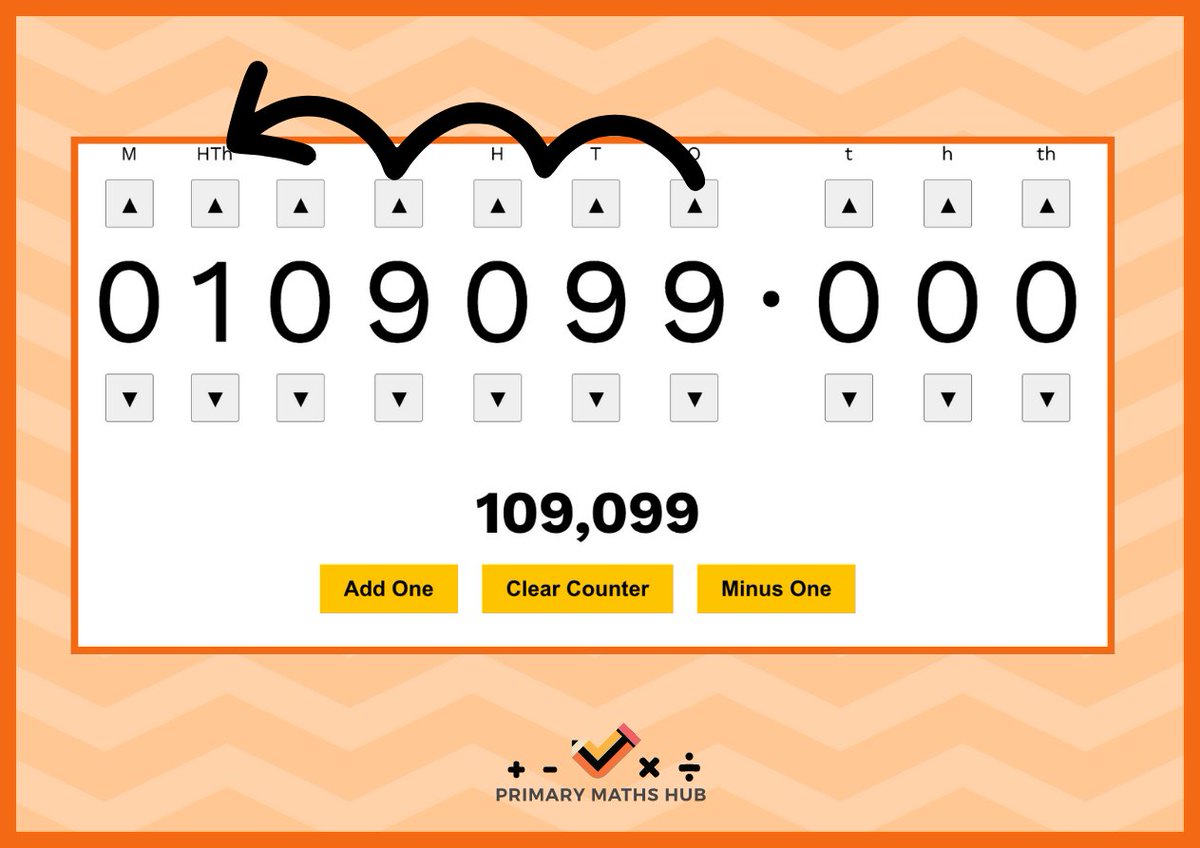
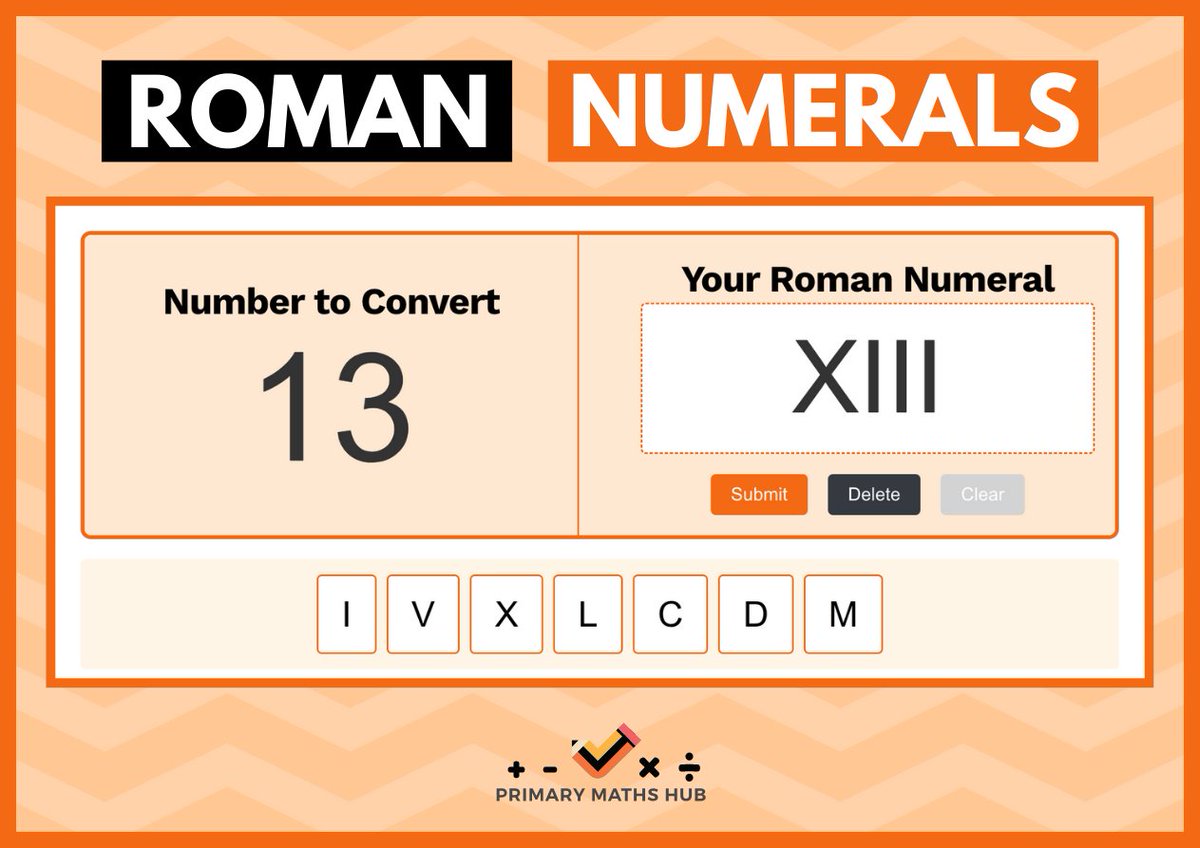
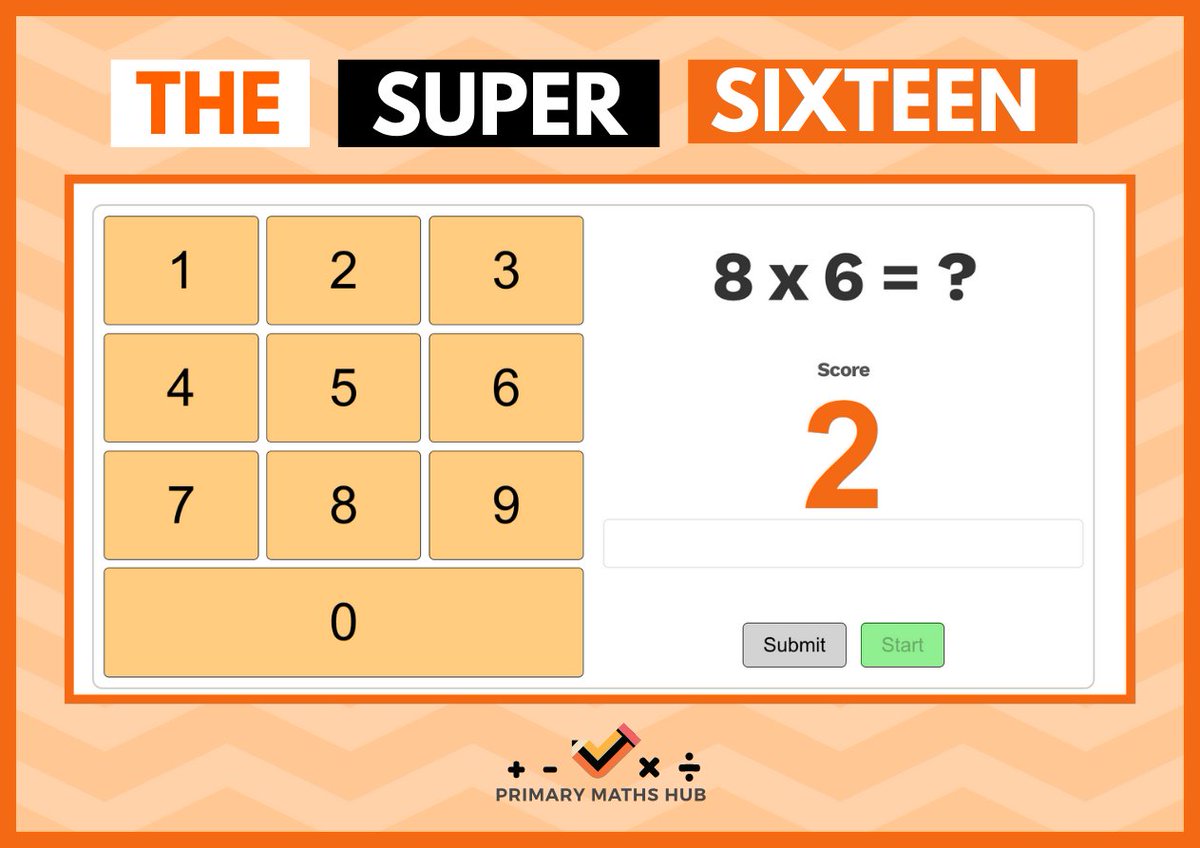
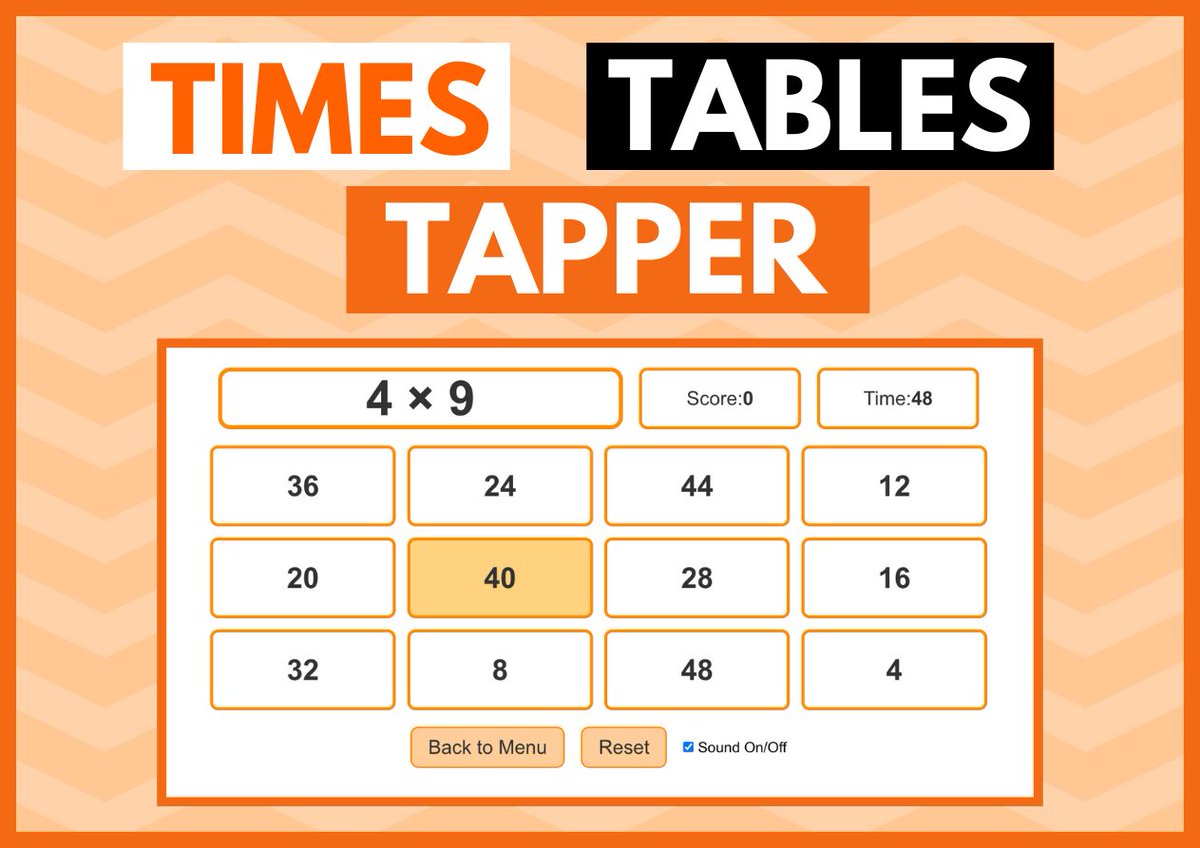
🧡 Primary Maths Hub 🧡 Teaching Tools!
🖥 Perfect for use on interactive whiteboard for daily use.
🧡 Free for everyone, no sign up required.
🧠 Counting, Times Tables, Place Value and more.
Where? 📍🌏 primarymathshub.com/teaching…
#primarymaths #primarymathsteachers #primarymath
2
3
764
21 Oct 2025
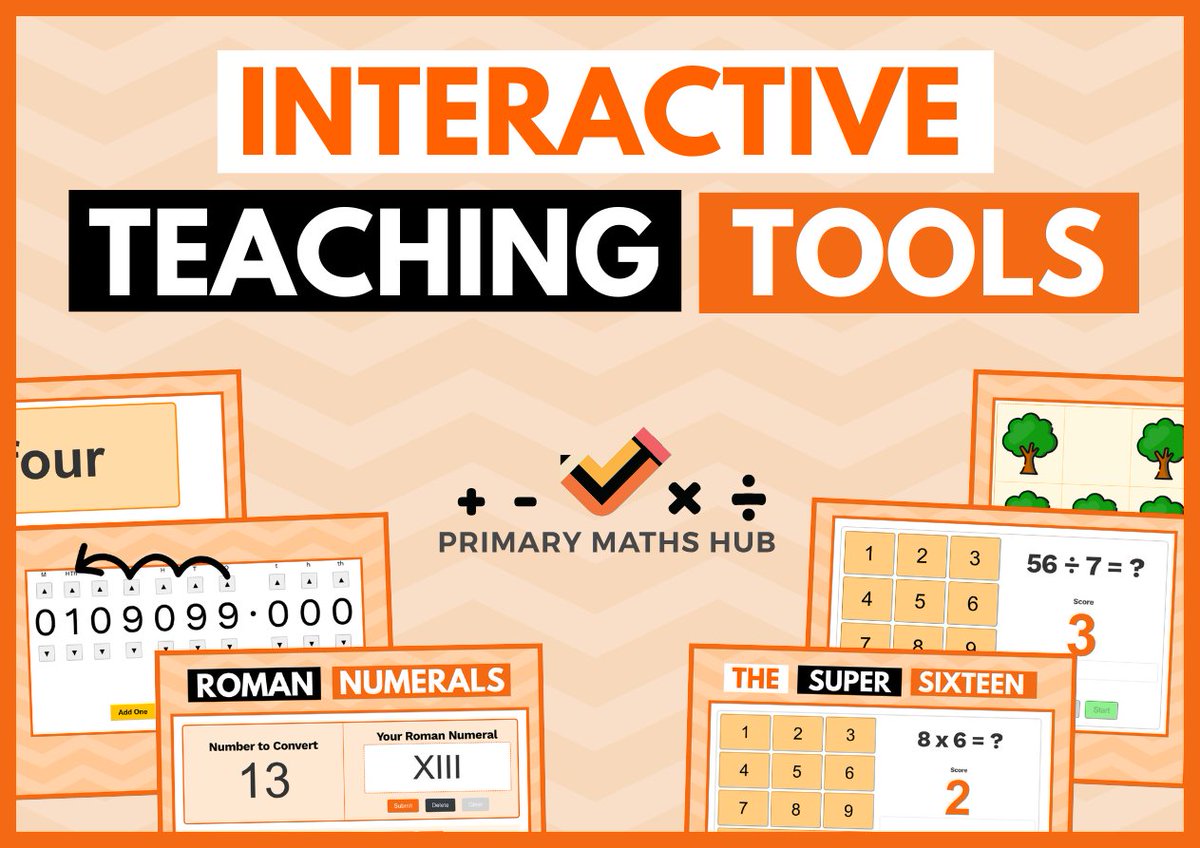
🧡 Primary Maths Hub 🧡 Teaching Tools!
🖥 Perfect for use on interactive whiteboard for daily use.
🧡 Free for everyone, no sign up required.
🧠 Counting, Times Tables, Place Value and more.
Where? 📍🌏 primarymathshub.com/teaching…
#primarymaths #primarymathsteachers #primarymath
1
4
540

🦇 Welcome to Our Magical Bat Cave! 🦇
Turn math time into playtime! Little learners will giggle with delight as friendly bats help them practice counting, adding, and subtracting. Just roll the dice and watch the magic happen!
🎲 Perfect for young mathematicians:
• Fun counting with cute bat friends
• Gentle addition & subtraction practice
• Hands-on dice rolling activities
• Builds number confidence naturally
Math has never been this much fun! Your little ones will be asking for more "bat math" every day! 🌟
Great for:
✅ Kindergarten & early elementary
✅ Math centers & small groups
✅ Halloween-themed learning
✅ Making math feel like play
#KinderMath #EarlyLearning #MathIsFun #HalloweenClassroom #TeacherLife#homeschoolingmom #kindergartenteacher #primaryschoolteacher #primaryteaching #primaryteachers #firstgradeteacher #primarymath #firstgrade #kindergartenactivities #kindergartenclassroom #prekinder #mathcoach #kindergarten #prekactivies #kindergartenmath #prekmath #kindergartenparents #firstgrade #firstgradeteacher
1
1
5
329

17 Jun 2025
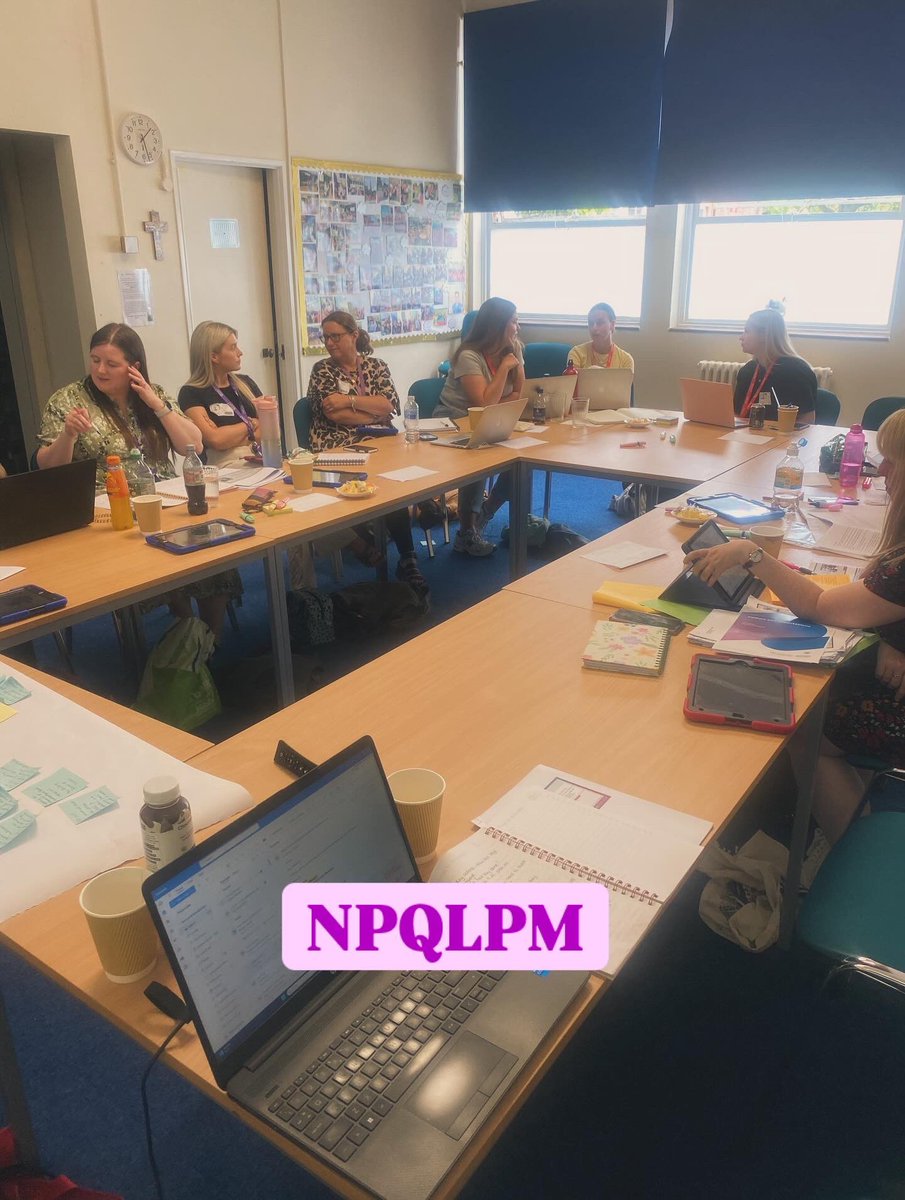
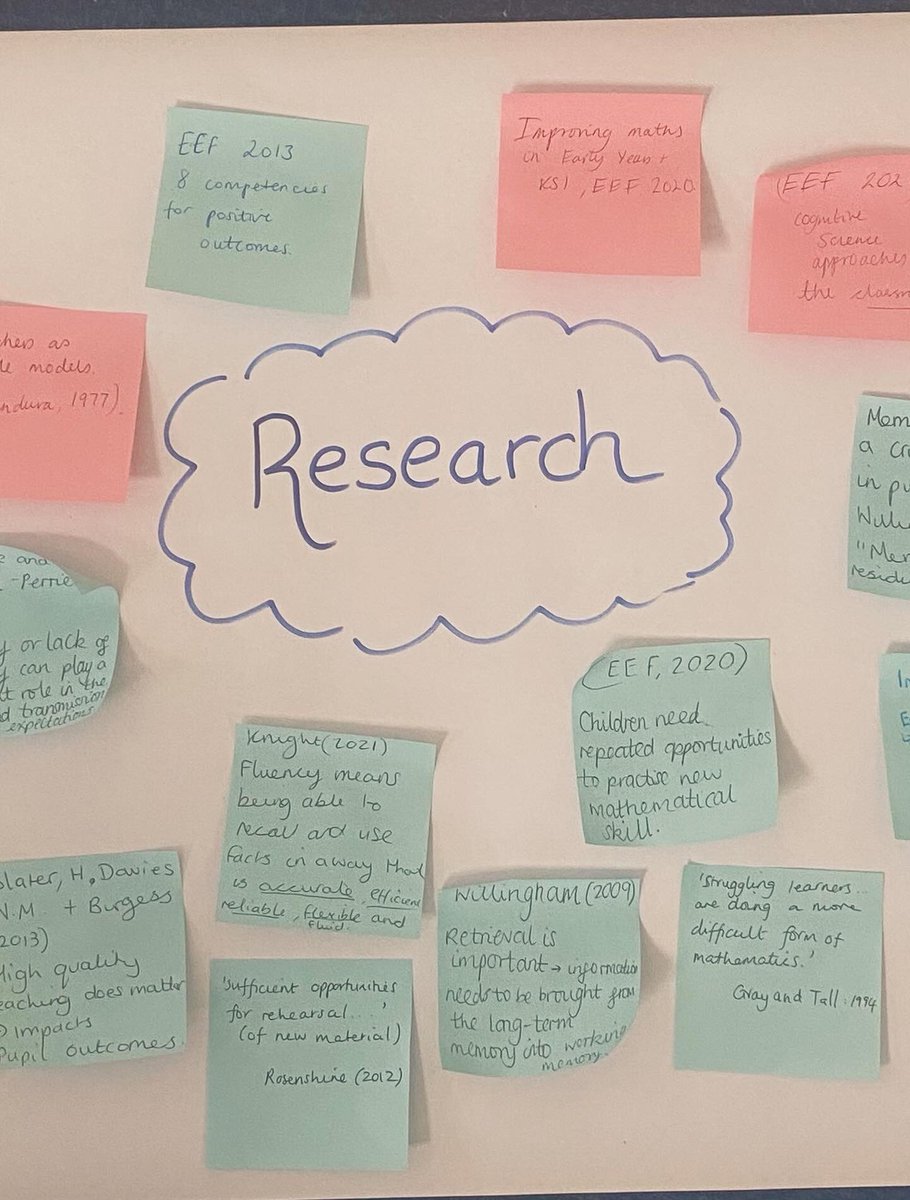
🧮📚NPQ Leading Primary Maths 📚🧮 What a great day! We dived into the research behind creating a positive culture & explored how pupils learn. Fantastic to see participants working together, & we're looking forward to the next session. #NPQLPM #primarymath @first4maths_academy
1
5
374

18 Jan 2025
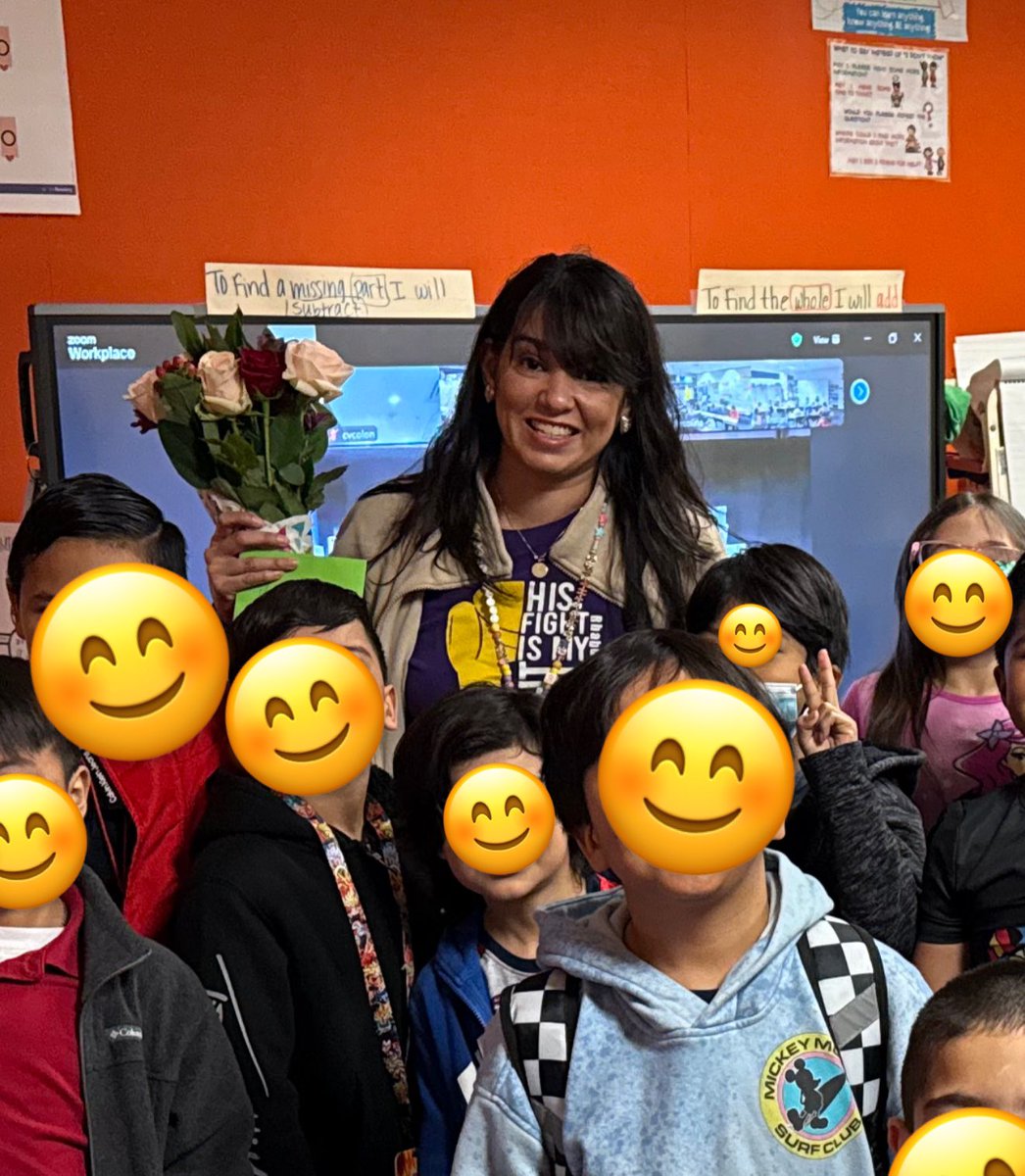
Now this is a superstar here!! 💫🤩 Congratulations to Liestman’s T.O.Y. @mrs_vasquezy Your dedication, heart, and passion is out of this world. I know someone is even more proud of mommy🎗️❤️ @LiestmanES #2ndgrmath #myteacher:) #primarymath
1
1
6
316

13 Dec 2024
Looking for a good math debate?
Here's @MikeFlynn55 and @Zakchamp just casually counting stairs while in Chicago.
What do you think? How many stairs are there? What are you counting? What even is a stair?
#math #matheducation #counting #primarymath
1
1,238

28 Jul 2024
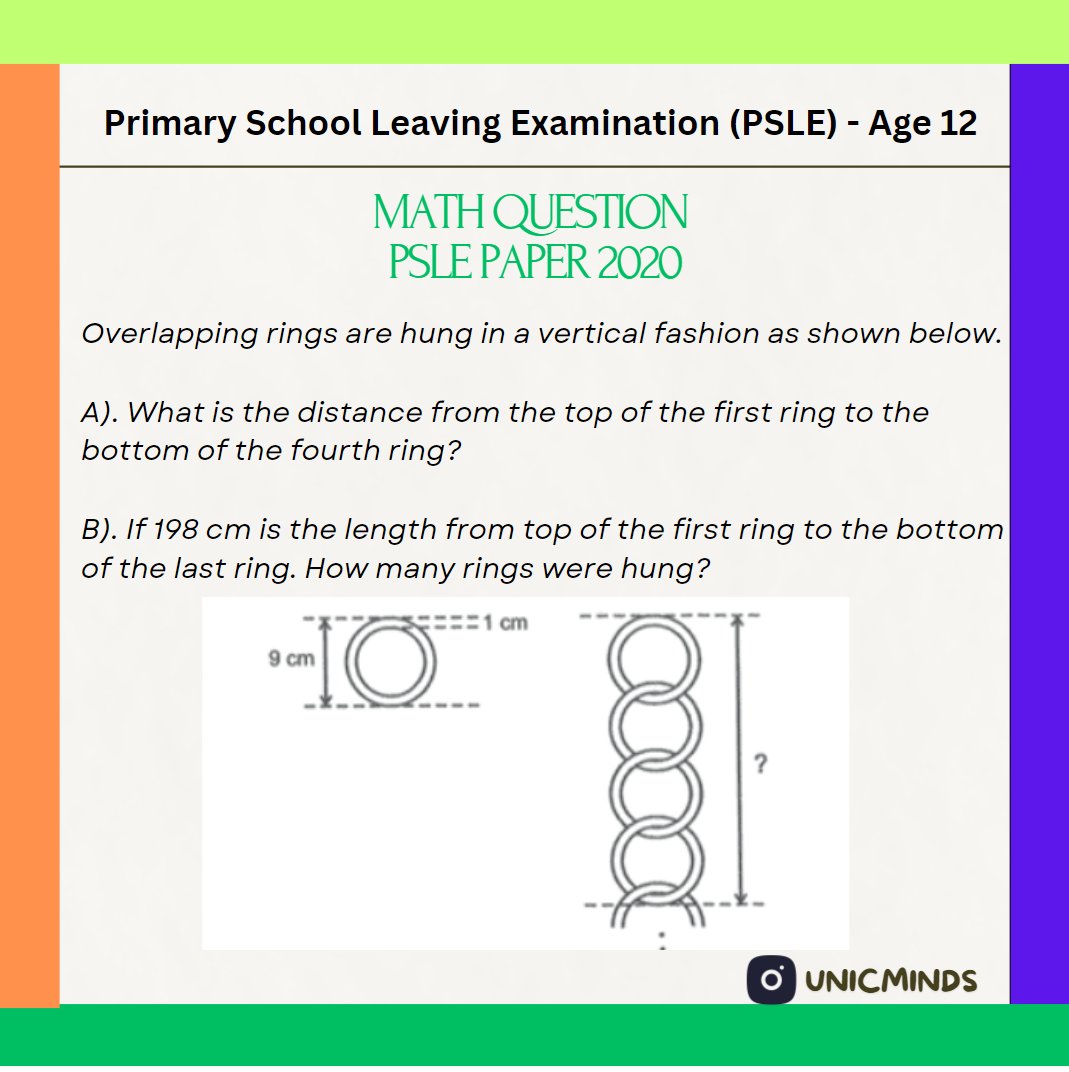
PSLE Math Question - #UnicMinds
#PSLEMATH #PSLEMathQuestion #math #Mathematics #MathematicalLogic #primarymath #PSLEquestions #PSLESingapore #PSLEClasses #onlineclasses #onlinecourses #education #EDU #k12 #kids #parenting #kidsbooks #learning #LearningJourney #learningsupport
2
122

19 Mar 2024
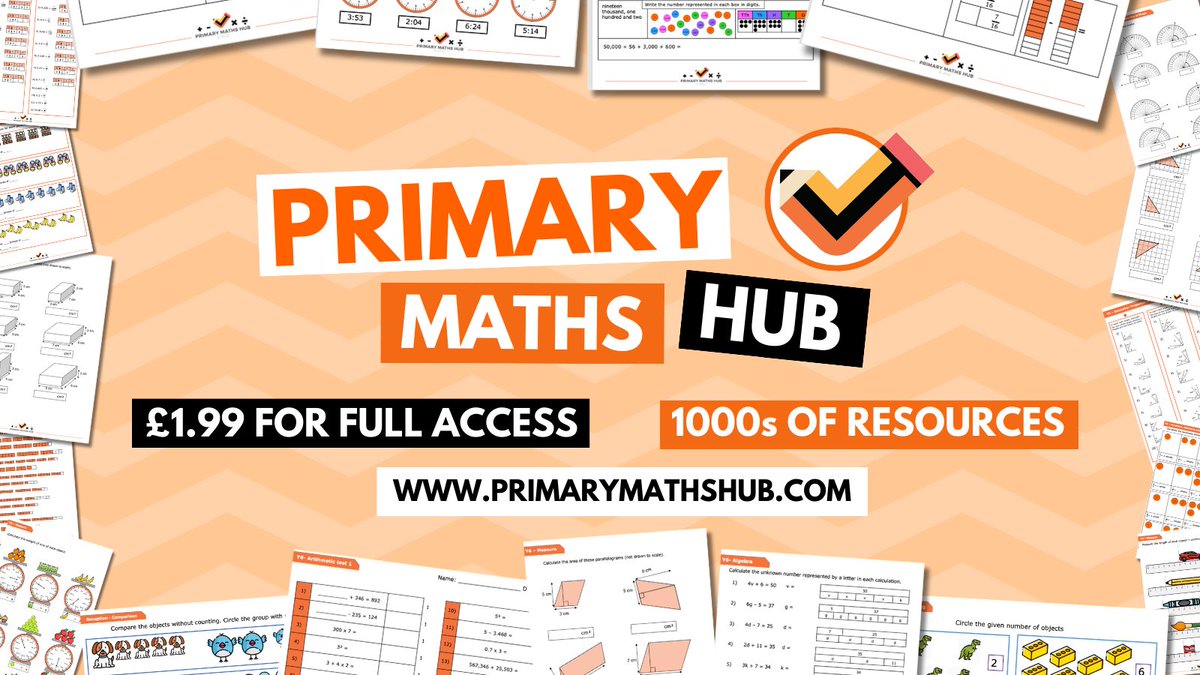
🧡🖤Join us at Primary Maths Hub for £1.99 🖤🧡
🧠 primarymathshub.com/ 🧠
#PrimaryMath #MathEd #MathChat #ElemMath #MathTeachers #Mathematics #PrimarySTEM #MathSkills #MathFun #MathGames #MathActivities #MathResources #MathIsFun #MathematicsEducation #PrimaryEducation
1
3
218
13 Mar 2024
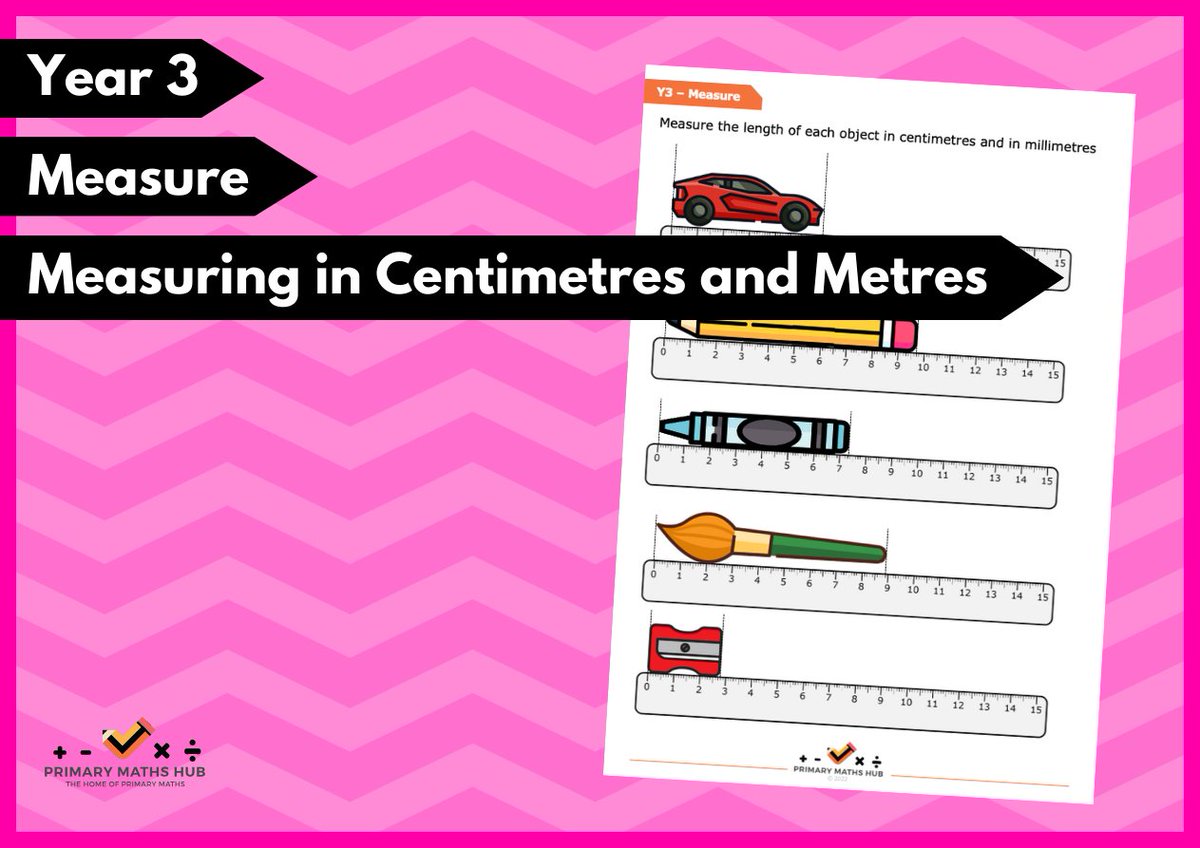
🧡🖤 Daily Resource - Year 3 - Measure 🧠🧠
📲Visit the website! primarymathshub.com
#maths #primarymaths #mathsteacher #teacher #primaryteacher #teacherresources #teaching #resources #NQT #EQT #PrimarySchools #PrimaryMath #MathEd #MathChat
2
119

30 Oct 2023
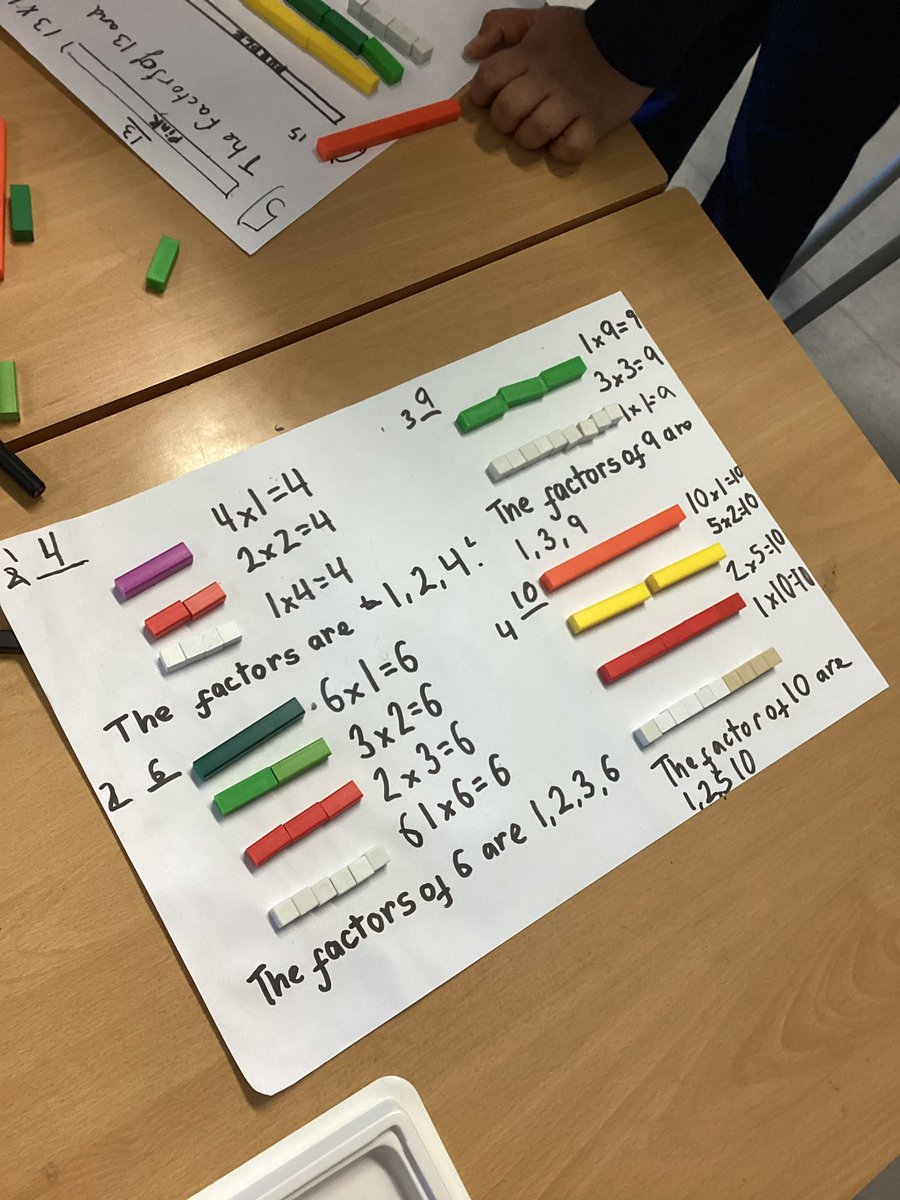
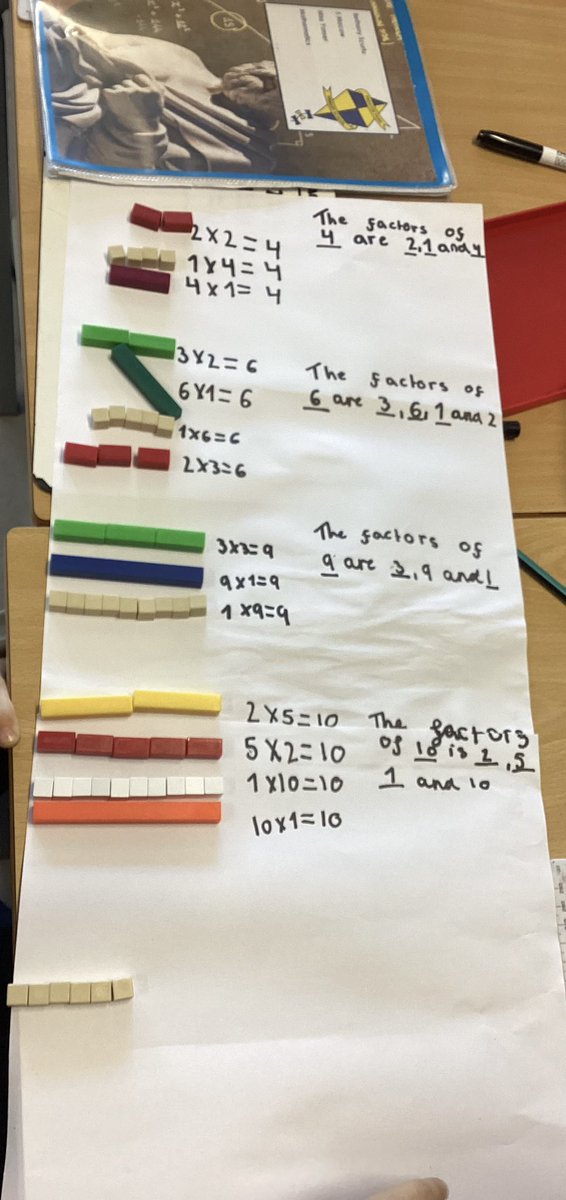
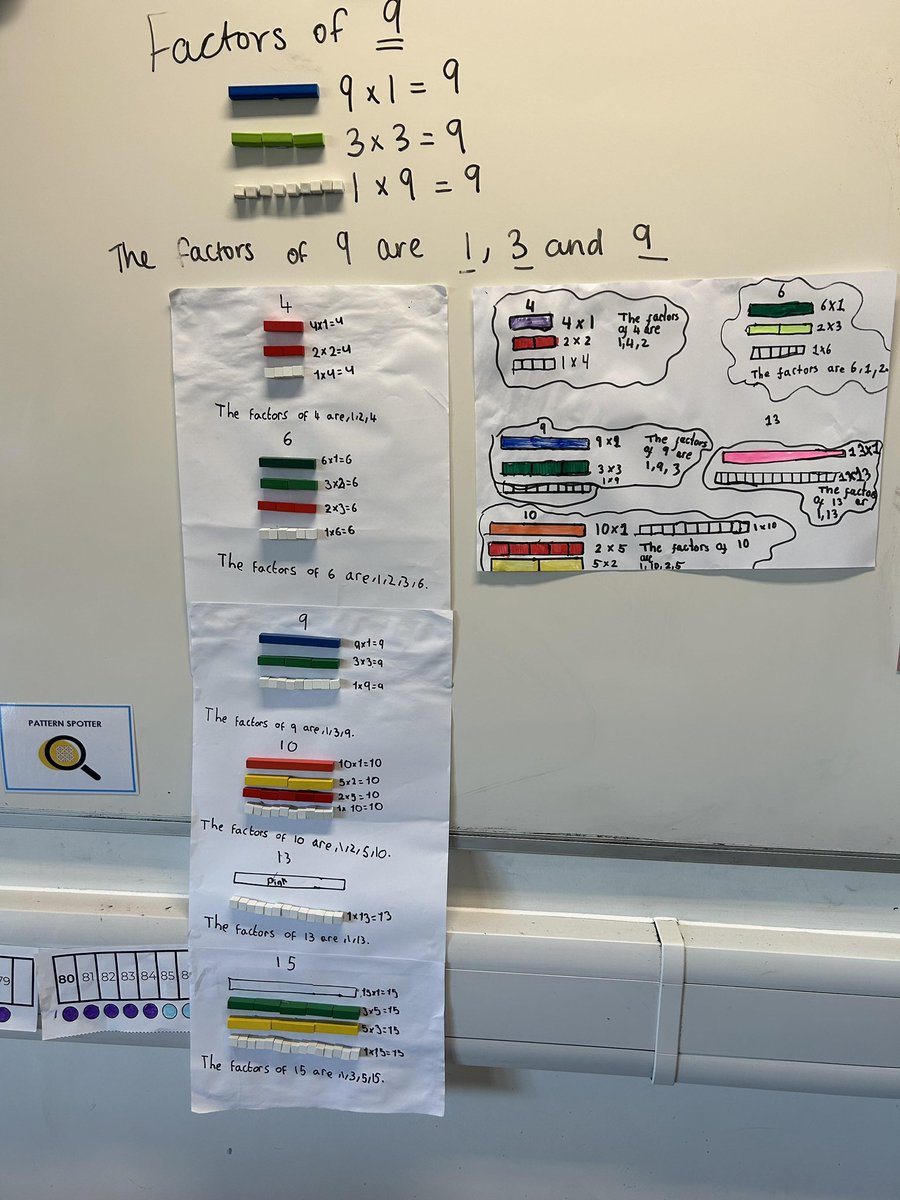
5 Macaw enjoyed learning about factors using Cuisennaire rods in maths today. #LearningTodayLeadingTomorrow #primarymath
3
550

14 Oct 2023
🌟 Are your pupils facing challenges when it comes to remembering crucial math facts?
🧮 Do they find themselves reaching for pen and paper when they could conquer problems with mental agility?
📖 If you said "yes," why not give Arithmagicians a free trial today?
#PrimaryMath
3
3
987

27 Aug 2023
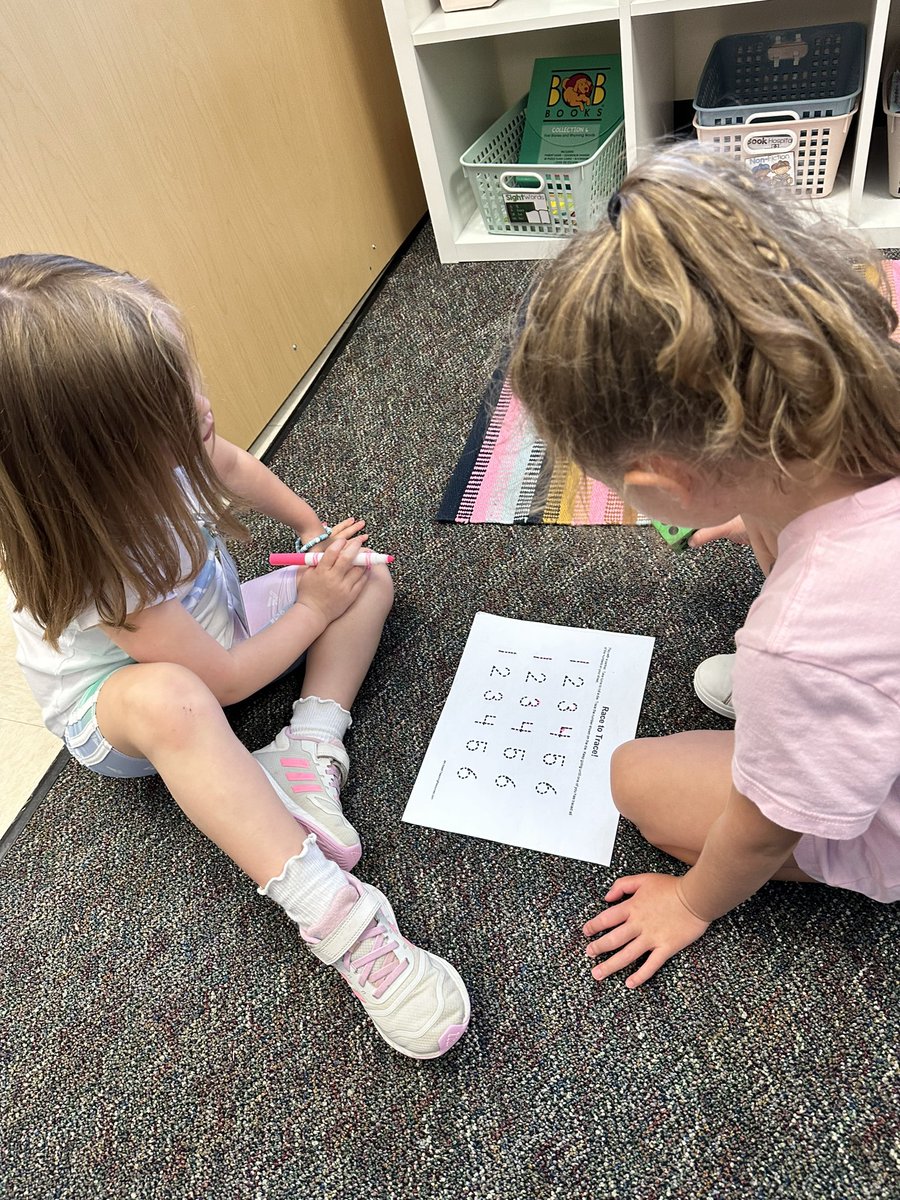
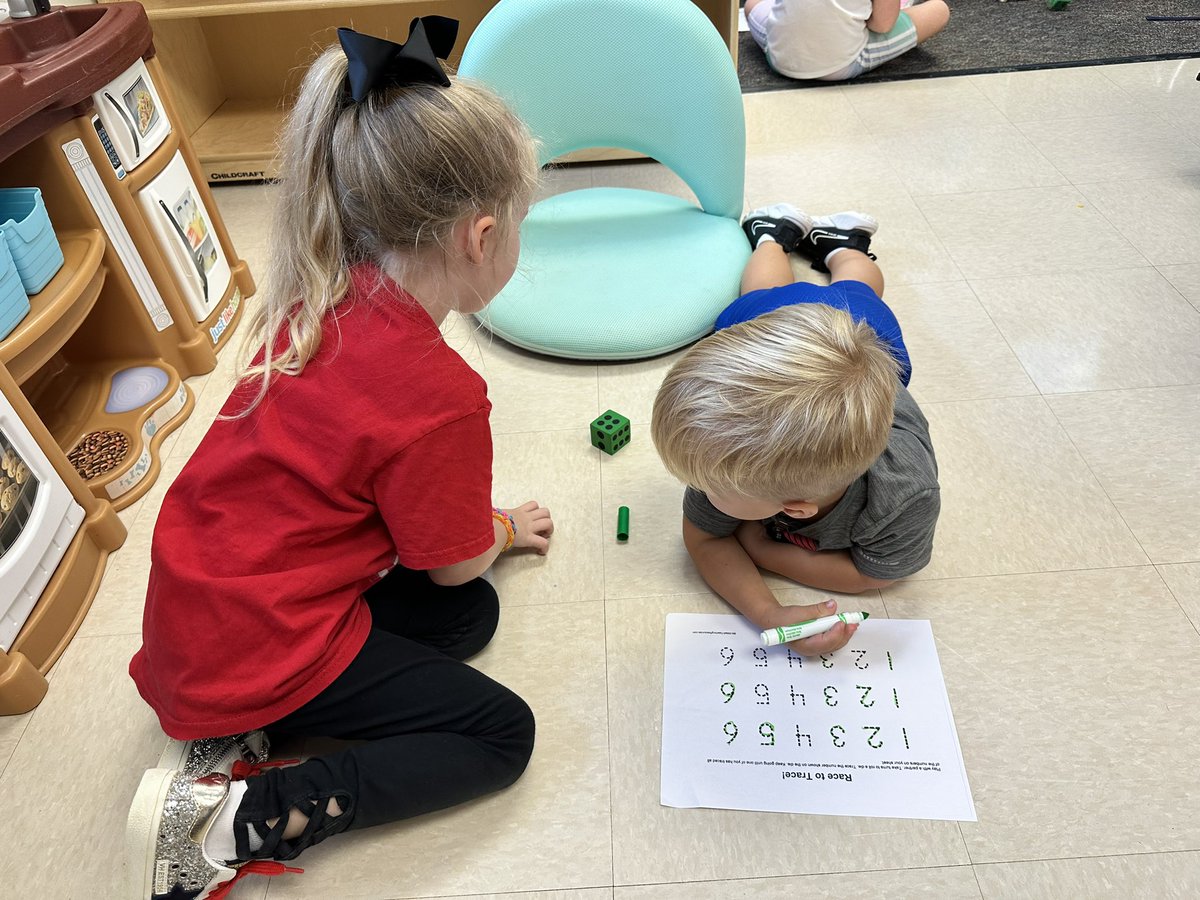
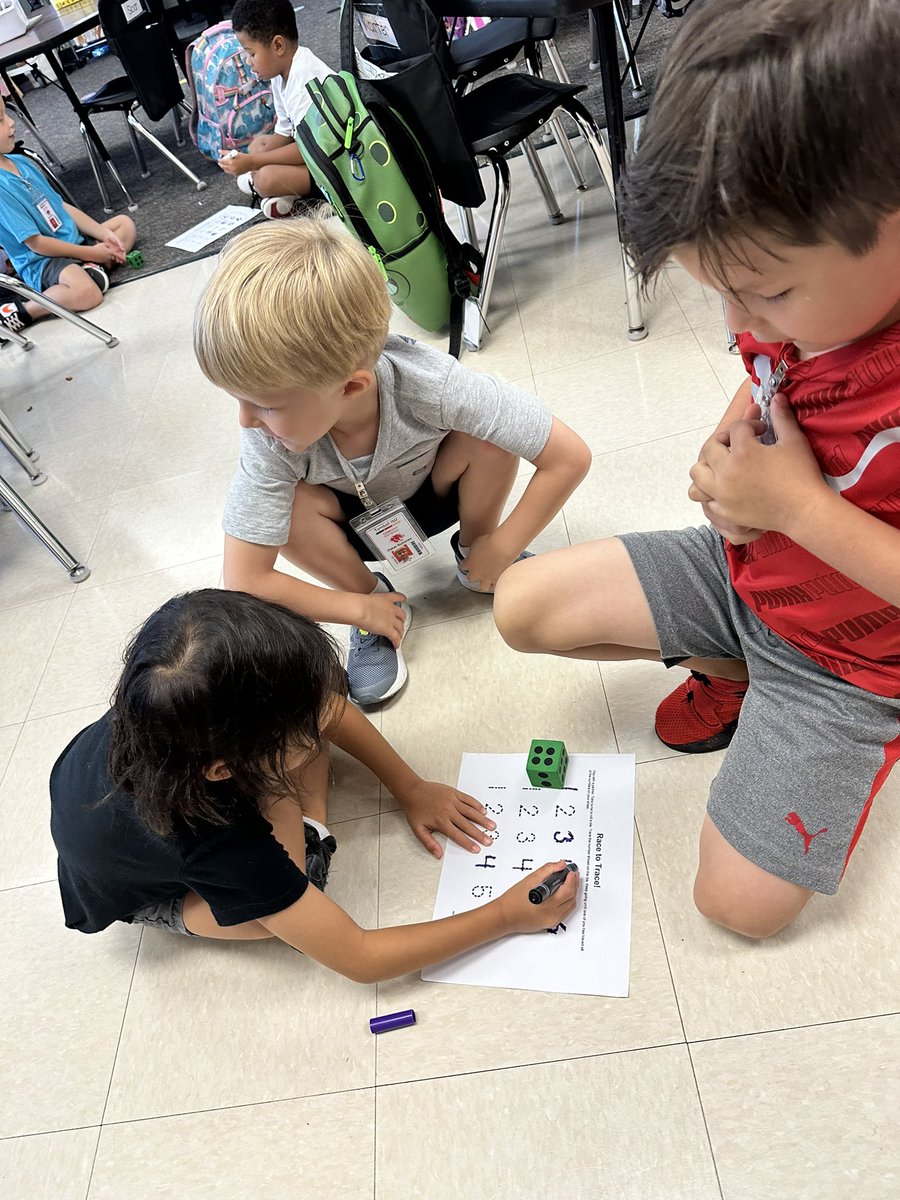
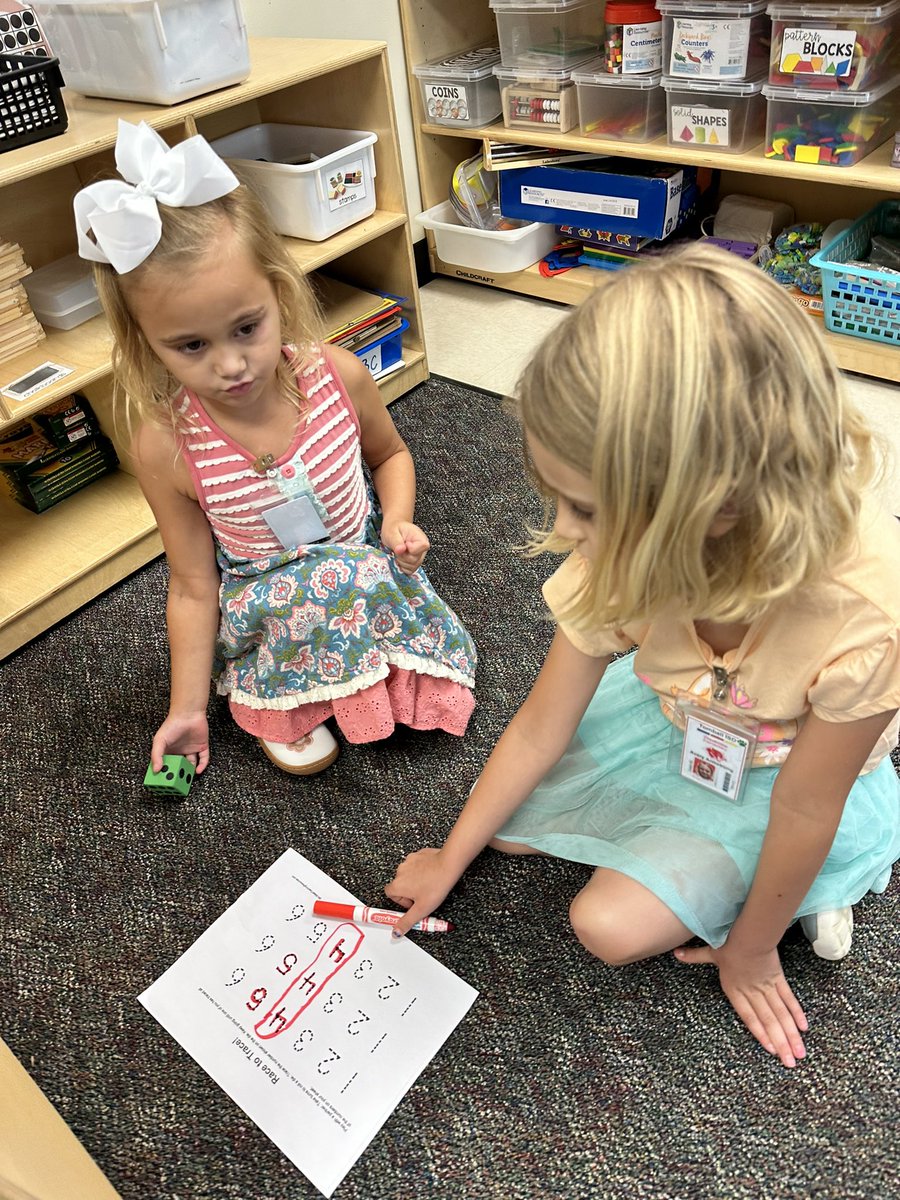
It’s incredible what the youngest of students can accomplish socially, emotionally & academically when you give them freedom/ opportunities to play, explore and collaborate with each other! #numbersense #primarymath #numberrecognition #kindergartenrocks
1
8
215

2 Aug 2023
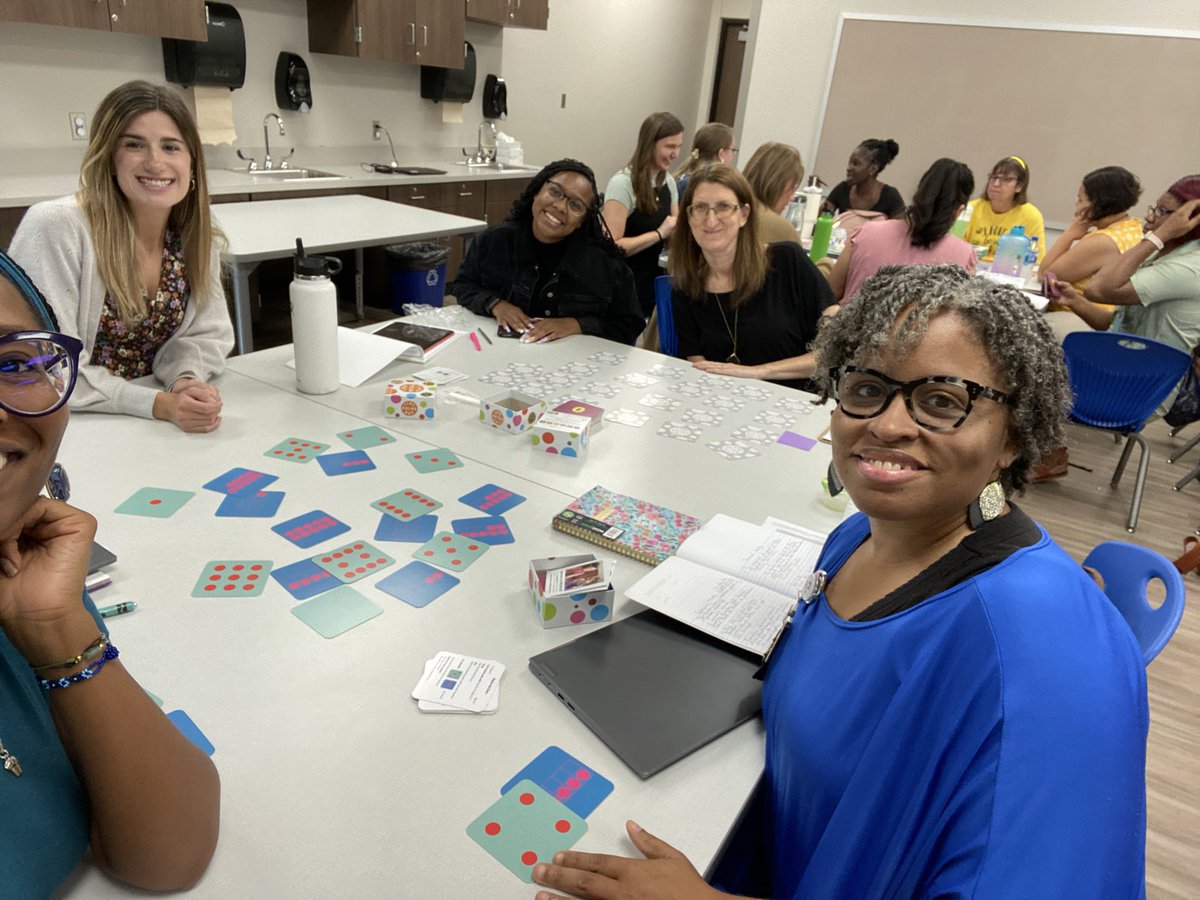
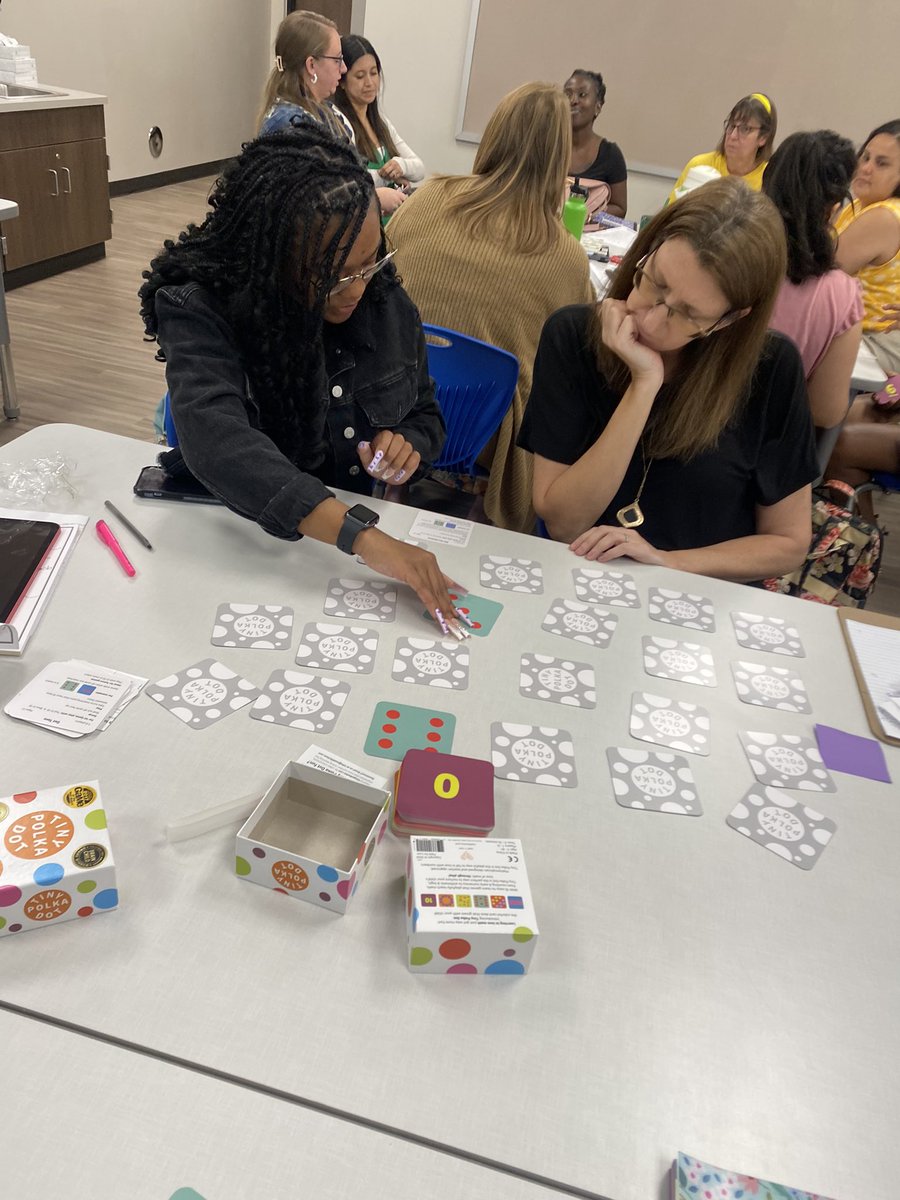
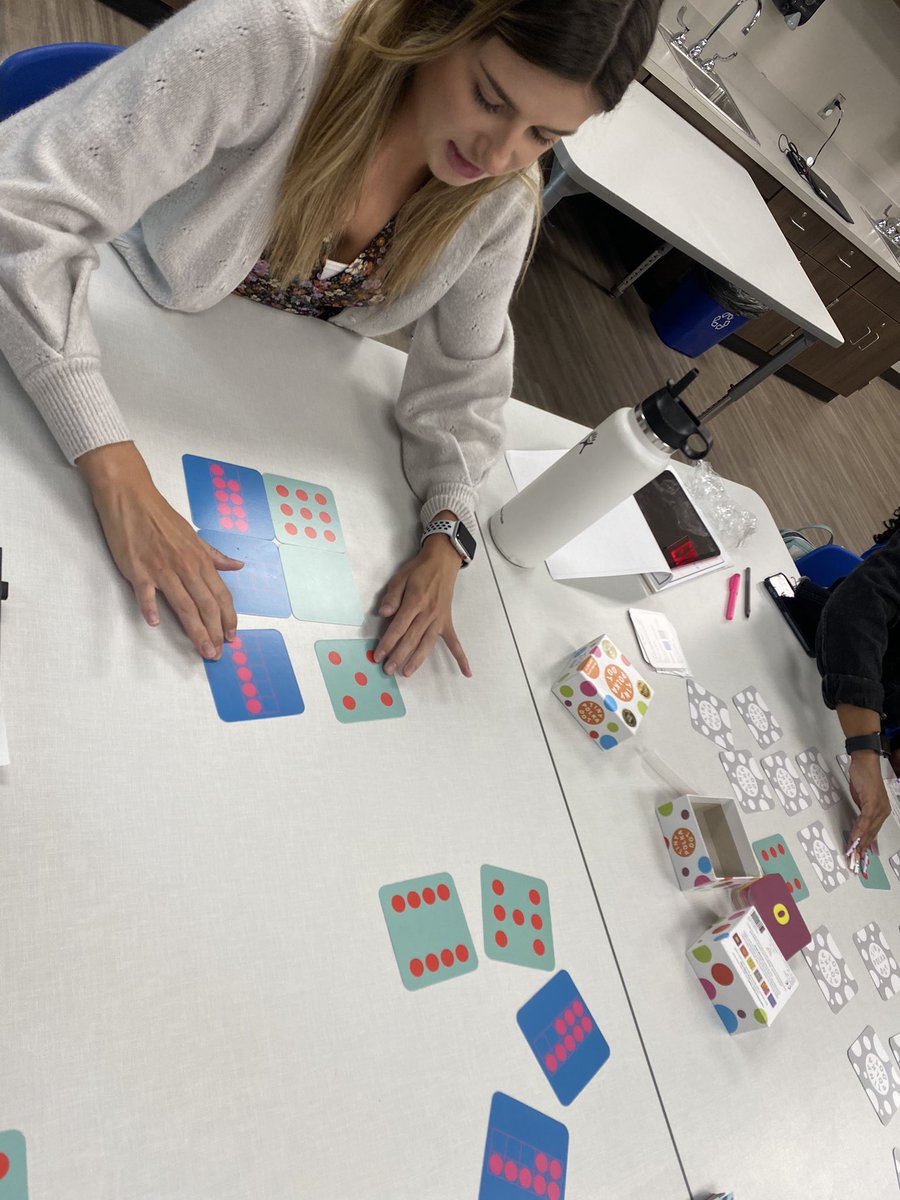
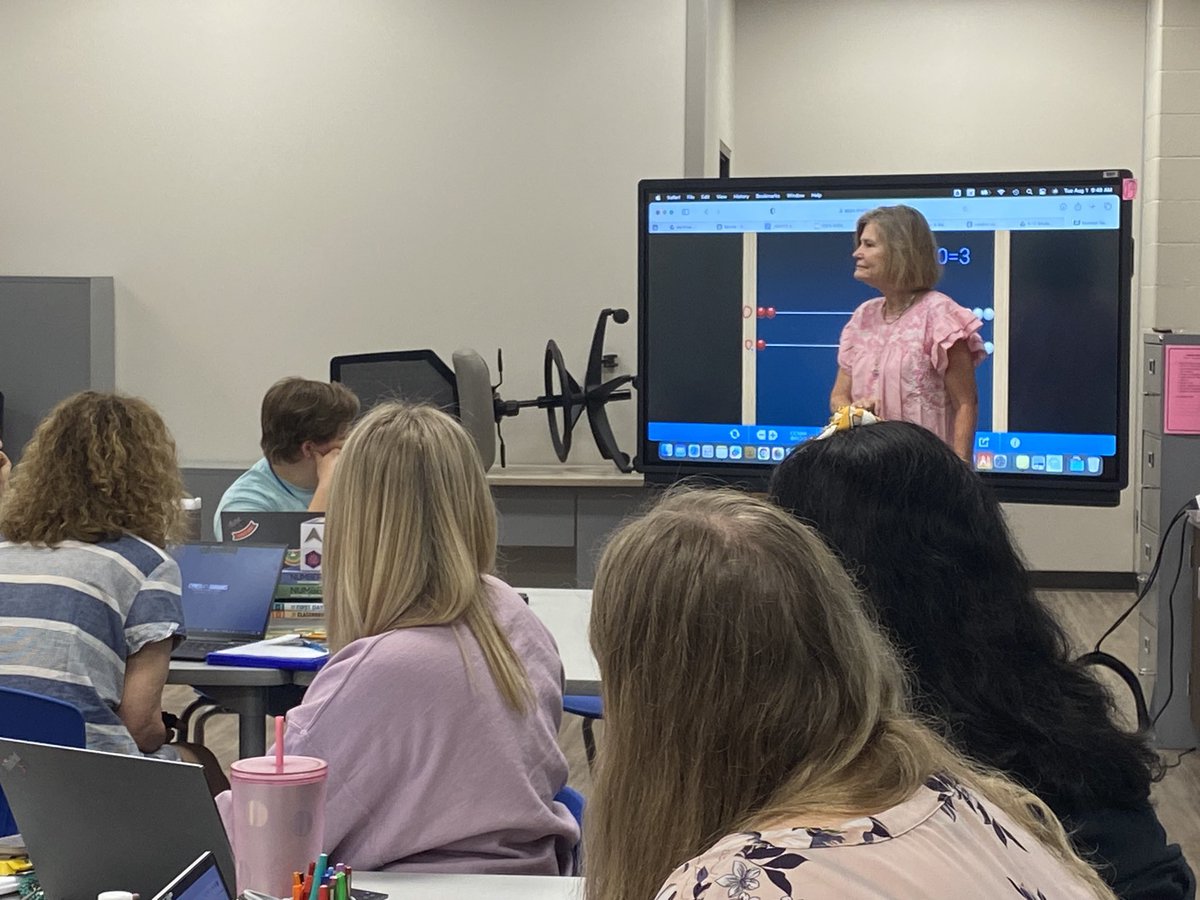
Such an amazing PD with @GarlandLinkenh1 yesterday! High quality instruction needs to be intentional, rigorous, and relevant! Thank you! @CFISD_Hancock @FelderTamera @CarrieAnneEd #PrimaryMath #Kindergarten
1
4
269