
11 Nov 2025
Greetings tweeps,
If you need Twitter banners
If you need Graphic design
If you need website
If you need CV or resume
Kindly send me a message now, I’m always available
#GraphicDesigner
#AppDevelopment #websitedevelopment #flutterdevelopers #react #reactnativeweb #FullStackDeveloper #SoftwareDevelopment #SoftwareEngineering
1
3
102

29 Oct 2025
𝗦𝗼𝗹𝗶𝘁𝗼 𝟱 just dropped — and it’s the biggest simplification yet for building multi-platform apps with React Native Next.js.
If you haven’t used it before. 𝗦𝗼𝗹𝗶𝘁𝗼 𝗶𝘀 𝘁𝗵𝗲 𝗯𝗿𝗶𝗱𝗴𝗲 𝘁𝗵𝗮𝘁 𝗹𝗲𝘁𝘀 𝘆𝗼𝘂 𝘀𝗵𝗮𝗿𝗲 𝗻𝗮𝘃𝗶𝗴𝗮𝘁𝗶𝗼𝗻, 𝗿𝗼𝘂𝘁𝗶𝗻𝗴, 𝗮𝗻𝗱 𝗨𝗜 𝗹𝗼𝗴𝗶𝗰 𝗯𝗲𝘁𝘄𝗲𝗲𝗻 𝗥𝗲𝗮𝗰𝘁 𝗡𝗮𝘁𝗶𝘃𝗲 (𝗘𝘅𝗽𝗼) 𝗮𝗻𝗱 𝗡𝗲𝘅𝘁.𝗷𝘀 — so your app and website can live in one monorepo without rewriting screens twice.
But in v5, something huge happened:
➡️ 𝗿𝗲𝗮𝗰𝘁-𝗻𝗮𝘁𝗶𝘃𝗲-𝘄𝗲𝗯 𝗵𝗮𝘀 𝗯𝗲𝗲𝗻 𝗿𝗲𝗺𝗼𝘃𝗲𝗱 from Solito’s core.
That means:
➡️ 𝗭𝗲𝗿𝗼 𝘀𝗽𝗲𝗰𝗶𝗮𝗹 𝗰𝗼𝗻𝗳𝗶𝗴𝘂𝗿𝗮𝘁𝗶𝗼𝗻 needed to get your React Native components running in Next.js.
➡️ Solito components now 𝗿𝗲𝗻𝗱𝗲𝗿 𝗽𝘂𝗿𝗲 𝗡𝗲𝘅𝘁.𝗷𝘀 𝗰𝗼𝗺𝗽𝗼𝗻𝗲𝗻𝘁𝘀 𝗼𝗻 𝘄𝗲𝗯 — no wrappers, no View/Text resets, no web-style constraints.
➡️ You can now use 𝗮𝗻𝘆 𝘄𝗲𝗯 𝗽𝗿𝗼𝗽 — className, style, or any DOM attribute — directly on Solito components.
➡️ Full support for 𝗡𝗲𝘅𝘁.𝗷𝘀 𝟭𝟲, 𝗧𝘂𝗿𝗯𝗼𝗽𝗮𝗰𝗸, and 𝗘𝘅𝗽𝗼 𝗦𝗗𝗞 𝟱𝟰.
Here’s what changed under the hood:
➡️ Solito dropped all .web.tsx files and went 𝘄𝗲𝗯-𝗳𝗶𝗿𝘀𝘁 by default.
➡️ React Native variants now use .native.tsx files.
➡️ This approach removes complex bundler setup — web just works out of the box.
➡️ It mirrors the 𝗭𝗲𝗲𝗴𝗼 𝟮 pattern: pure web components on web, native magic on mobile.
That’s it. Your web app is pure Next.js, your native app still works via Solito’s native layer.
𝗕𝗿𝗲𝗮𝗸𝗶𝗻𝗴 𝗰𝗵𝗮𝗻𝗴𝗲𝘀? Yes — especially around styling (style must be an object, viewProps/textProps removed). But in return, Solito 5 is faster, simpler, and finally configuration-free for web consumers.
What tool are you using for your multi-platform stack — Solito, Tamagui, Unistyles, or something else? 👇
#ReactNative #NextJS #Solito #Expo #CrossPlatform #WebFirst #Monorepo #ReactNativeWeb #MobileDev #ReactNativeRewind

1
8
1,166
17 Oct 2025
𝗪𝗵𝗮𝘁 𝗶𝗳 𝗧𝗮𝗶𝗹𝘄𝗶𝗻𝗱 𝘄𝗼𝗿𝗸𝗲𝗱 𝗻𝗮𝘁𝗶𝘃𝗲𝗹𝘆 𝗶𝗻 𝗥𝗲𝗮𝗰𝘁 𝗡𝗮𝘁𝗶𝘃𝗲 — 𝘄𝗶𝘁𝗵 𝗰𝗹𝗮𝘀𝘀𝗡𝗮𝗺𝗲𝘀, 𝘂𝘁𝗶𝗹𝗶𝘁𝘆 𝘀𝘁𝘆𝗹𝗲𝘀, 𝗮𝗻𝗱 𝗮𝗹𝗹?
That’s the goal of 𝗡𝗮𝘁𝗶𝘃𝗲𝗪𝗶𝗻𝗱 — and with v5, it’s getting closer than ever.
If you’ve somehow avoided Tailwind until now… congratulations. You’re stronger than most of us. But for the rest of us: Tailwind is the utility-first CSS framework that devs either swear by — or never want to touch again.
𝗡𝗮𝘁𝗶𝘃𝗲𝗪𝗶𝗻𝗱 brings that same idea to React Native:
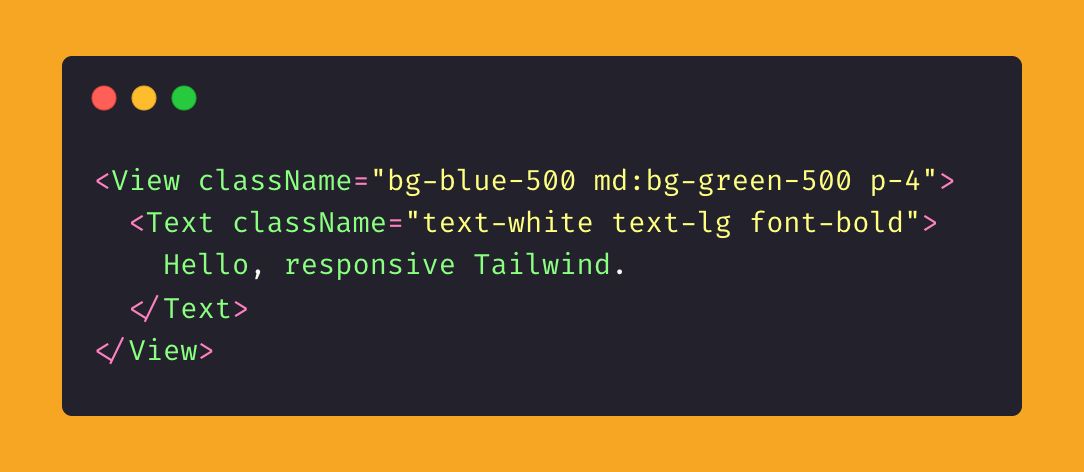
➡️ Use Tailwind-style classNames like "flex-1 p-4 bg-white" directly in JSX
➡️ Configure it via tailwind.config.js, just like in web projects
➡️ Works with style props and — increasingly — with third-party components
𝗪𝗵𝗮𝘁’𝘀 𝗻𝗲𝘄 𝗶𝗻 𝘃𝟱 (𝗮𝗻𝗱 𝘄𝗵𝗮𝘁 𝗰𝗵𝗮𝗻𝗴𝗲𝗱 𝗳𝗿𝗼𝗺 𝘃𝟰):
➡️ 𝗠𝗲𝘁𝗿𝗼 𝗰𝗼𝗻𝗳𝗶𝗴 𝗶𝘀 𝗻𝗼𝘄 𝗿𝗲𝗾𝘂𝗶𝗿𝗲𝗱 — you must wrap it with withNativeWind()
➡️ New 𝗰𝘀𝘀𝗜𝗻𝘁𝗲𝗿𝗼𝗽 API enables mapping classNames to props like labelStyle, containerStyle, etc.
➡️ 𝗠𝗲𝗱𝗶𝗮 𝗮𝗻𝗱 𝗰𝗼𝗻𝘁𝗮𝗶𝗻𝗲𝗿 𝗾𝘂𝗲𝗿𝗶𝗲𝘀 are now supported via Tailwind plugins
➡️ Some APIs and internals have changed — check the migration guide
➡️ 𝘃𝟱 𝗶𝘀 𝘀𝘁𝗶𝗹𝗹 𝗶𝗻 𝗽𝗿𝗲𝘃𝗶𝗲𝘄 — expect breaking changes and evolving APIs
And here’s where it’s headed: React Native CSS for Universal apps.
That’s the longer-term vision — where utility-first styles in React Native behave more like CSS, and apply across platforms.
Think:
➡️ 𝗖𝗹𝗮𝘀𝘀𝗡𝗮𝗺𝗲𝘀 𝘁𝗵𝗮𝘁 𝘄𝗼𝗿𝗸 𝗼𝗻 𝗺𝗼𝗯𝗶𝗹𝗲 𝗮𝗻𝗱 𝘄𝗲𝗯 (via react-native-web)
➡️ Styling third-party libraries without rewriting or wrapping
➡️ Unified design tokens, breakpoints, and utilities from a single config
➡️ A shared styling system across your entire React stack — native and web
It’s not all there yet — setup and performance still matter — but NativeWind v5 is laying real groundwork for a powerful, ergonomic styling system for Universal React apps.
Have you tried utility-first styling in React Native yet? Is it speeding you up — or slowing you down?
#ReactNative #NativeWind #TailwindCSS #UniversalApps #ReactNativeWeb #MobileDev #ReactNativeCSS #OpenSource #DX #ReactNativeRewind
3
53
6,348

13 Oct 2025
🚀 Hey #ReactNative / #WebDev community!
Our team has a React Native mobile app (iOS & Android) already running. We’re now planning to build a web version.
A few questions I have:
1️⃣ Should we go with React Native Web to reuse the existing code, or build a separate Next.js web app?
2️⃣ If we don’t use Expo, how tricky is it to make React Native run on the web?
3️⃣ Any best practices or pitfalls to watch out for when sharing code across mobile & web?
Would love to hear experiences from people who’ve done this in real projects! 🙏
#ReactNativeWeb #NextJS #Frontend #WebApp #CrossPlatform
4
72

17 Sep 2025
React Native for mobile — sure
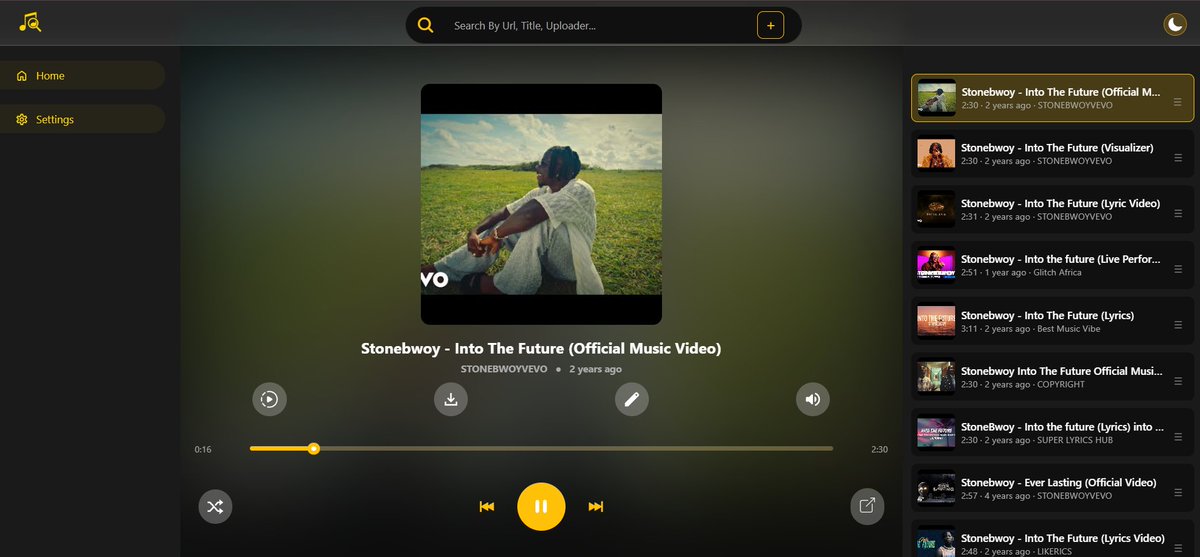
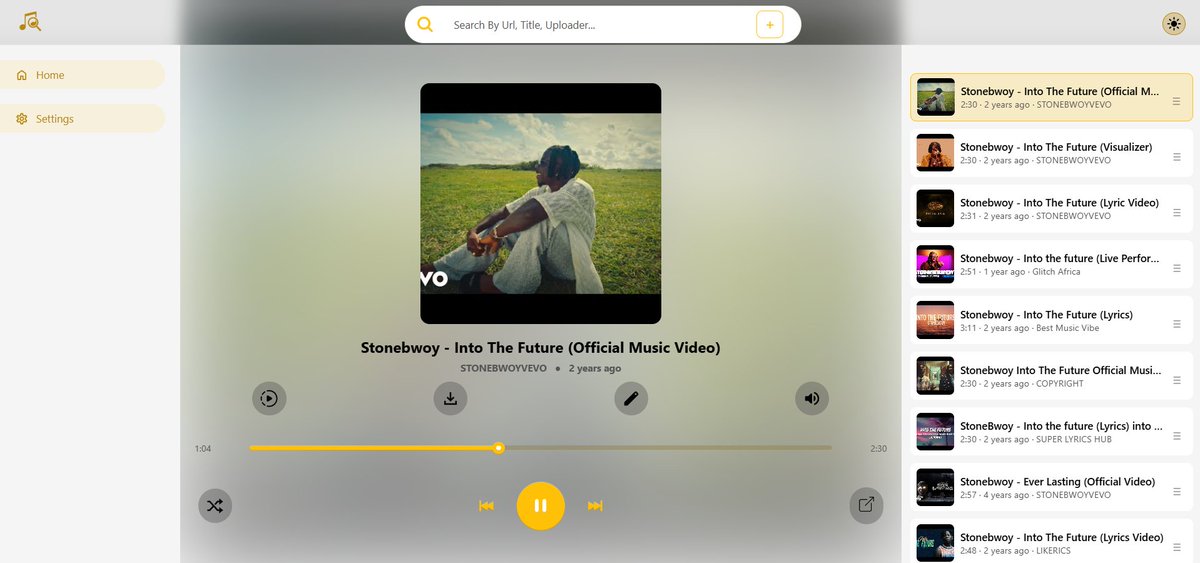
React Native for websites — worth it? 🤔
I built my latest project using React Native Web to see how far a single codebase could go for the web (with the option to reach mobile later). Learned a lot.
#ReactNative #ReactNativeWeb #WebDev


3
1
4
159
20 Aug 2025
𝗙𝗹𝗮𝘀𝗵𝗟𝗶𝘀𝘁 𝘃𝟮 𝗶𝘀 𝗵𝗲𝗿𝗲.
Shopify didn’t just patch the old code — they rebuilt the list renderer from scratch to make scrolling feel effortless, even on less-than-flagship devices.
At the heart of v2 is a 𝘀𝘆𝗻𝗰𝗵𝗿𝗼𝗻𝗼𝘂𝘀 𝗹𝗮𝘆𝗼𝘂𝘁 𝗲𝗻𝗴𝗶𝗻𝗲 that measures items on the spot and adjusts their positions before the screen updates. That means no guessing sizes, no layout “snap” after render, and no reliance on native-side workarounds.
➡️ 𝗭𝗲𝗿𝗼 𝘀𝗶𝘇𝗲 𝗲𝘀𝘁𝗶𝗺𝗮𝘁𝗲𝘀 — layouts are accurate from the first frame.
➡️ 𝗠𝗮𝘀𝗼𝗻𝗿𝘆 𝗺𝗮𝗱𝗲 𝗲𝗮𝘀𝘆 — pass one prop for Pinterest-style grids, and optimizeItemArrangement will keep columns balanced.
➡️ 𝗥𝘂𝗻𝘀 𝗲𝘃𝗲𝗿𝘆𝘄𝗵𝗲𝗿𝗲 — same JS-first layout logic works on iOS, Android, and web.
➡️ 𝗟𝗼𝘄𝗲𝗿 𝗖𝗣𝗨 𝗼𝘃𝗲𝗿𝗵𝗲𝗮𝗱 — smoother scroll on budget devices without draining battery.
FlatList still works fine for simple feeds — but FlashList v2 is built for the complex, image-heavy, mixed-size, cross-platform lists that usually bring apps to their knees.
#ReactNative #FlashList #Performance #MobileDev #JavaScript #OpenSource #ReactNativeWeb #Expo #JSDev #Frontend
1
4
71
4,573
21 Jul 2025
𝗖𝗦𝗦 𝗶𝗻 𝗥𝗲𝗮𝗰𝘁 𝗡𝗮𝘁𝗶𝘃𝗲?
𝗨𝗻𝗶𝘀𝘁𝘆𝗹𝗲𝘀 𝟯.𝟬 is here, and it rewrites the rules for theme-aware, responsive, and cross-platform styling — all without unnecessary re-renders.
𝗪𝗵𝗮𝘁 𝗶𝘀 𝗶𝘁?
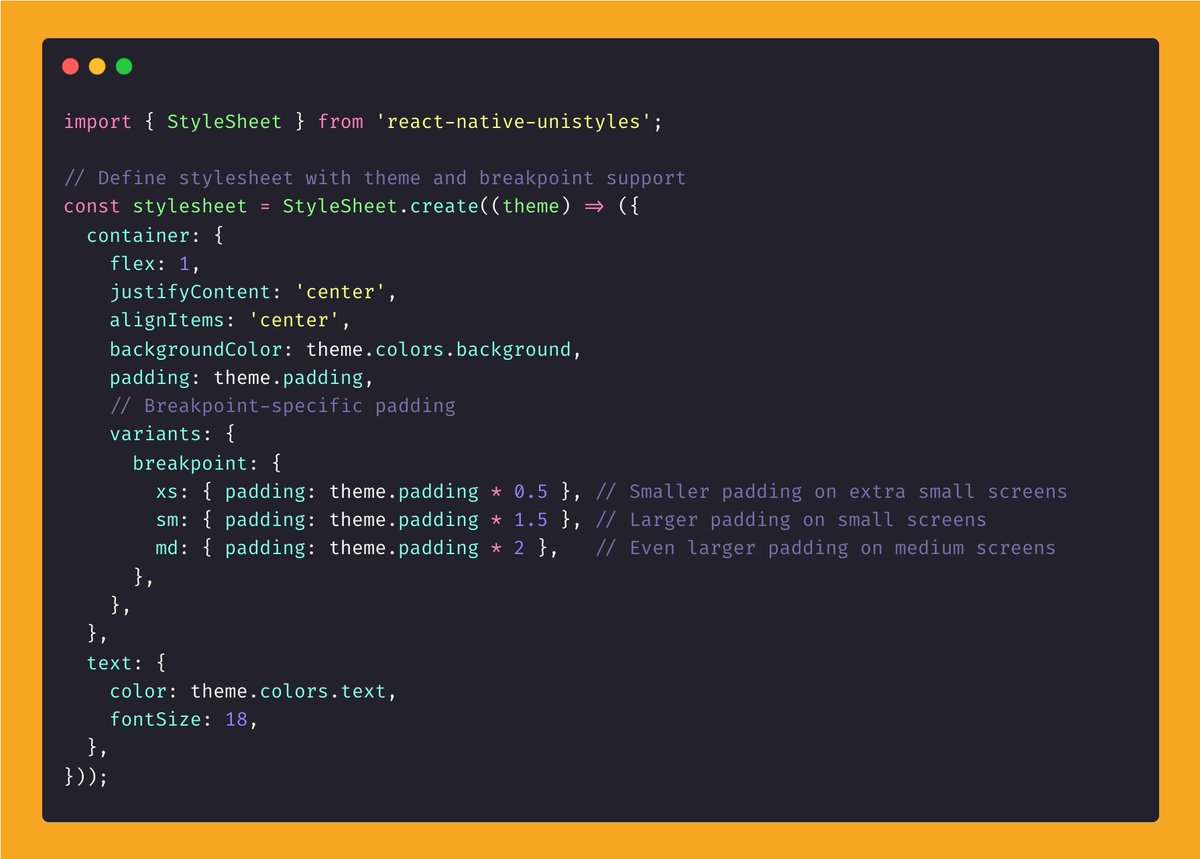
Unistyles is a high-performance styling system for React Native that lets you build components once — and have them work across native and web. No rewrites. No forks. Just one style layer that adapts.
It supports themes (like light/dark), responsive design (breakpoints), and more — but that’s just the start. Under the hood, it compiles styles into platform-optimised output (including real CSS on web) and skips unnecessary re-renders when context like theme or screen size changes.
𝗪𝗵𝗮𝘁’𝘀 𝗻𝗲𝘄 𝗶𝗻 𝟯.𝟬?
A complete performance overhaul powered by Nitro Modules and C , built to take full advantage of React Native’s New Architecture.
➡️ 𝗪𝗿𝗶𝘁𝗲 𝗼𝗻𝗰𝗲, 𝗿𝘂𝗻 𝗲𝘃𝗲𝗿𝘆𝘄𝗵𝗲𝗿𝗲: styles convert to native styles on mobile and real CSS on web.
➡️ 𝗡𝗼 𝗿𝗲-𝗿𝗲𝗻𝗱𝗲𝗿𝘀 𝗼𝗻 𝗰𝗼𝗻𝘁𝗲𝘅𝘁 𝗰𝗵𝗮𝗻𝗴𝗲𝘀: styles update without touching unrelated components.
➡️ 𝗕𝗿𝗲𝗮𝗸𝗽𝗼𝗶𝗻𝘁𝘀 𝘁𝗵𝗲𝗺𝗲𝘀: declaratively define how your UI adapts to screens and modes.
➡️ 𝗙𝗮𝗯𝗿𝗶𝗰-𝗻𝗮𝘁𝗶𝘃𝗲: built for RN 0.78 — not compatible with the old bridge.
➡️ Designed by @jpudysz and powered by the blazing-fast Nitro Modules.
𝗧𝗿𝗮𝗱𝗲𝗼𝗳𝗳𝘀?
If you’re still using the legacy architecture, Unistyles 3.0 won’t work for you — you’ll need to stay on 2.0. But if you’re building for performance, cross-platform, and maintainability, this is a huge leap forward.
It feels a lot like CSS — update a rule, and only what matters changes. Finally.
#ReactNative #Unistyles #MobileDev #ResponsiveDesign #ReactNativeWeb #Performance #JSDev #NewArchitecture #CrossPlatform #CSSInJS
1
4
61
3,856


2 Jul 2024
Progress report 📈
✅ Added nesting navigators using @expo router.
✅ Added light/dark theme.
✅ Added #Markdown preview editor.
#BuildInPublic #ReactNative #Expo #ReactNativeWeb
2
1
7
351

15 Jan 2024
BlueskyがOSSなの初めて知ったw
そしてネイティブがReactNativeなのは知ってたけど、WebもReactNativeWebだったのかw
Expoも使ってる上にv50だった。攻めてるな。
個人アプリ、これ参考にして作ってくか〜(ExpoRouterは流石に使ってなくてReact Navigationだった。)
github.com/bluesky-social/so…
1
1
15
1,275

15 Oct 2023
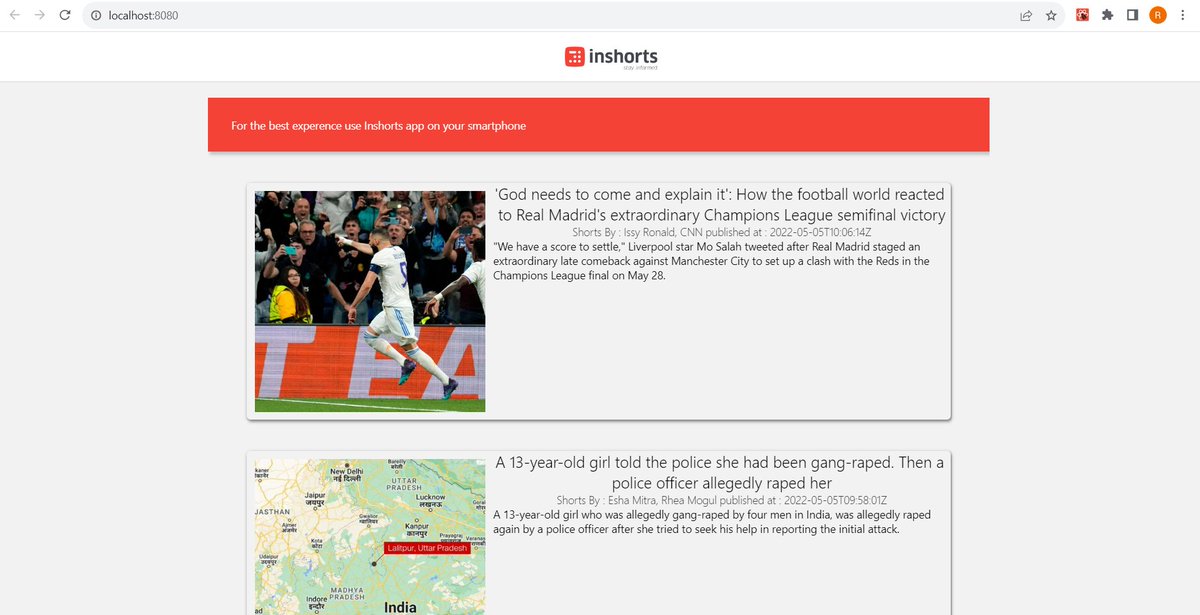
Setting out on the exciting path of building an InShorts clone using React Native for web, with the codebase for seamless operation on both mobile and web platforms. 📱💻
Twitter also uses the same teach stack
#buildinginpublic #ReactNativeWeb #webdevelopment #CodingJourney
2
6
233


11 Jul 2023
React Native and React Native Web #Storybook together #ReactNative #dormosheio #reactnative #reactnativeweb #reactjs #javascript #frontenddev #webdev dormoshe.io/trending-news/re…
4
369

XState in React Native:
"How I finally managed to keep my views lean and my logic clean",
by Dario Villanueva, March 2023, @RNLmeetup
youtu.be/AjaIE49e8aw
#xstate #reactnative #react #reactnativeweb #rnw #js #javascript

3
2
6
434

Hey there! We wrote an online multiplayer game for the web and native. Read on to learn more about the game and the tech behind it!
#ReactNative #ReactNativeWeb #TypeScript #Expo #Supabase #ReduxSaga #MilestoneMayhem bit.ly/3mzTc01
4
4
372

How important is the web support when selecting React Native libraries ? for example: bottom sheet, modals.. etc
#reactnative #react #reactnativeweb #expo
55%
Not very important
24%
Moderately important
21%
Very important
331 votes • Final results
8
1
9
8,991
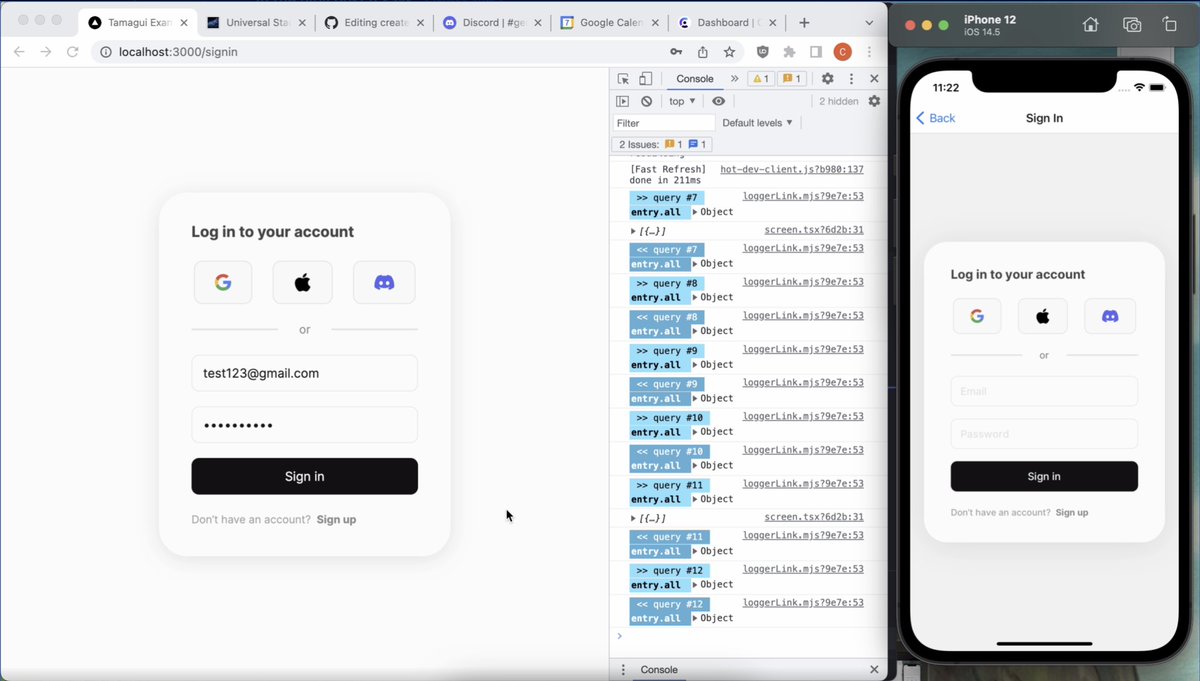
create-universal-app :
«An opinionated template for creating fullstack universal apps (#Expo, #Next, #tRPC, #Prisma, #Tamagui, #Clerk Auth)»
#reactnative #reactnativeweb #fullstack #mobile #app #js #react
8 Jan 2023

Check out a community members starter repo:
Next, Expo, Solito, Tamagui, Clerk, tRPC, Prisma
github.com/chen-rn/create-un…
2
3
377
React Native for Web @ReactWeb with Remix @remix_run :
github.com/remix-run/remix/d…
#remix #rnw #reactnative #reactnativeweb #reactjs #webdev #appdev #webapp #nativeapp
1
1
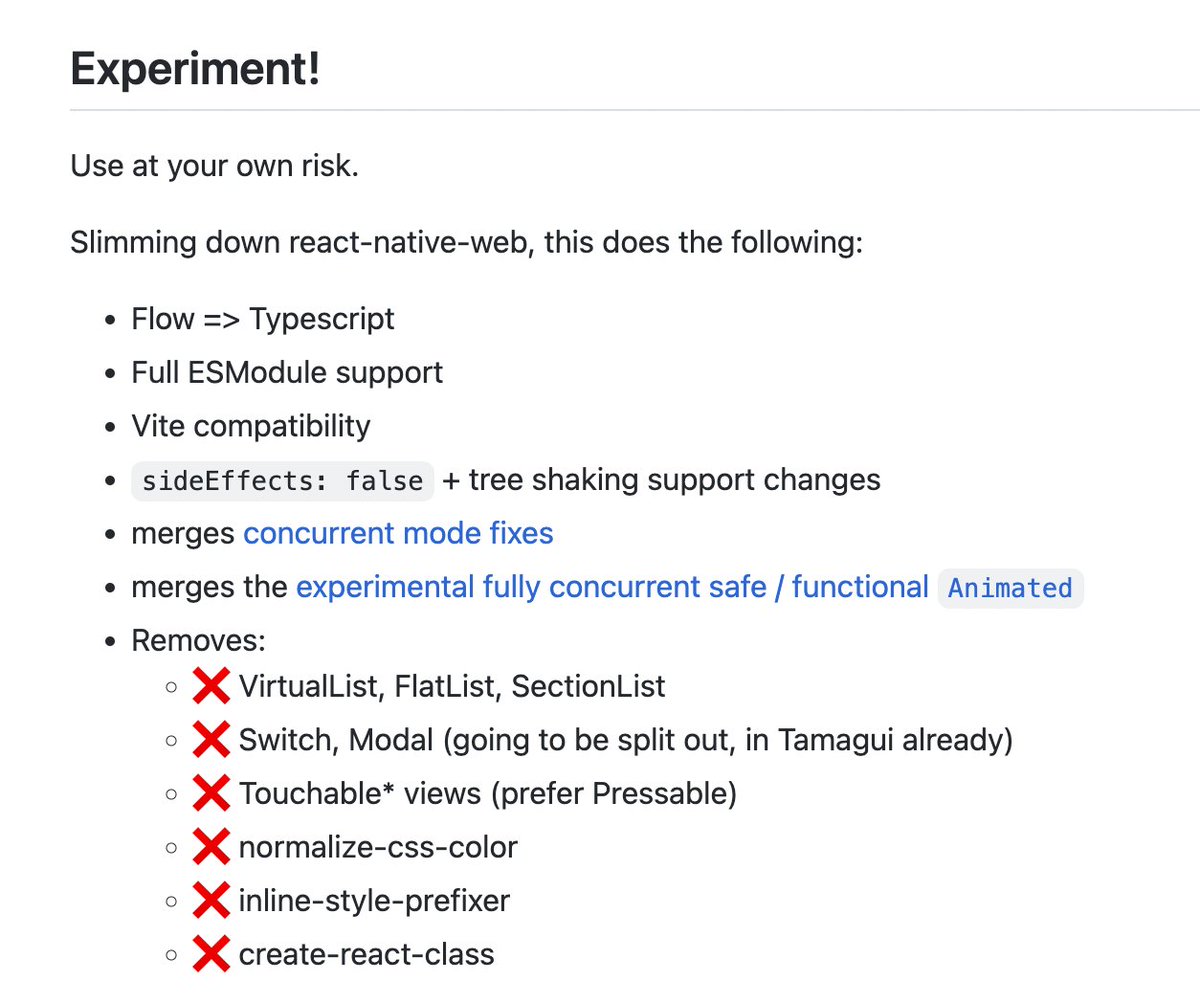
react-native-web-lite
allegedly saves up to 100 kb of JS sent over-the-wire.
#reactnativeweb #reactweb #react #reactnative #rnw #universalapps #webdev #js #webapp

3
3

31 Jul 2022
Hmm, better than expected, though UI is not really optimised for bigger window dimensions, but it works pretty good on Web, here's a demo.
#reactnative #reactnativeweb
1
5