
19 Aug 2024
Discover 6 essential React tools for developing on the Ethereum blockchain. Learn how these top tools can enhance your Ethereum-based projects and streamline your DApp development.
𝐊𝐧𝐨𝐰 𝐌𝐨𝐫𝐞 👉 101blockchains.com/top-react…
#ReactTools #Ethereum #BlockchainDevelopment #Web3
1
1
44

16 Nov 2023
🧵 Mastering React Effect Binding: A Thread 🚀
#TwitterThread #React #Reacttools #Reactjs #js #webdevelopment

1
4
101
14 Nov 2023
🧵 Demystifying React Hook: useLayoutEffect() - A Thread 🚀
#React #Hooks #Reacttools #developer #webdev #codingtips

1
1
3
63
11 Nov 2023
🌟 Conclusion
React Context is your secret weapon for global state management, offering a cleaner alternative to prop drilling. Embrace it, compose with it, and simplify your state management game! 🚀🌐
#React #Reacttools #reactjs #webdeveloper #FrontEnd
1
2
20
11 Nov 2023
🕹️ Context Best Practices:
- Mindful Usage
- Optimization
- Scaling Considerations
#React #Reacttools #reactjs #webdeveloper #FrontEnd
1
4
16
11 Nov 2023
Context is a powerhouse for themes, authentication, language preferences, and more. It simplifies complex state needs, making your codebase cleaner and more maintainable. 🌐🛠️
#React #Reacttools #reactjs #webdeveloper #FrontEnd
1
3
15
11 Nov 2023
You're not limited to a single context. Nest them, compose them, and watch your components effortlessly share and consume specific pieces of state. It's the Lego blocks of state management! 🧩🔄
#React #Reacttools #reactjs #webdeveloper #FrontEnd
1
2
20
11 Nov 2023
React Context isn't just for static values. You can provide functions that allow consumers to dynamically update the context. It's like having a global switchboard for state changes. 💡🔄
#React #Reacttools #reactjs #webdeveloper #FrontEnd
1
3
17
11 Nov 2023
Components interested in the shared values can use the useContext() hook. It's like tuning in to the global broadcast and receiving updates whenever the shared values change. 📻🔄
#React #Reacttools #reactjs #webdeveloper #FrontEnd
1
3
19
11 Nov 2023
Wrap your components with Context.Provider to supply the shared values. Any nested component can now access these values without the need for props, making it an elegant solution for global state management. 🔄💼
#React #Reacttools #reactjs #webdeveloper #FrontEnd
1
3
32
11 Nov 2023
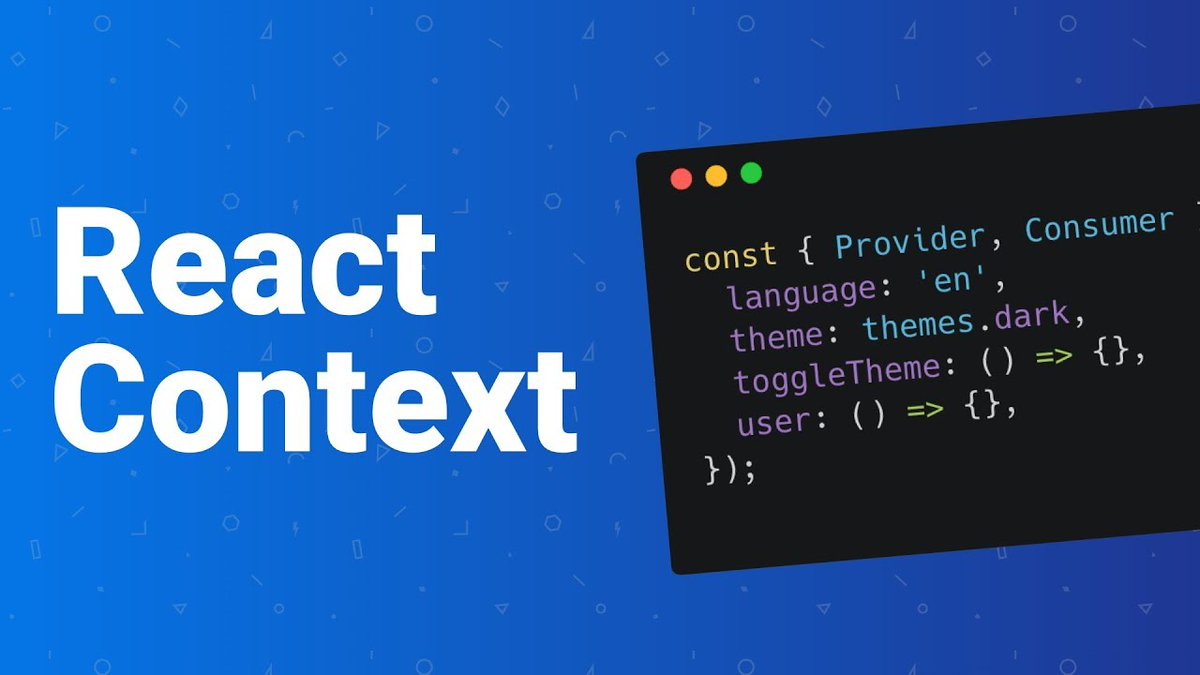
Start by creating a context using createContext(). This creates a communication channel accessible by any component within its scope. Think of it as setting up a shared space for information exchange. 🌐🔗
#React #Reacttools #reactjs #webdeveloper #FrontEnd
1
3
21
11 Nov 2023
React Context is like a global messenger for your components, allowing you to share values without prop drilling. Let's dive into the wonders of React Context and how it simplifies state management! ⚛️✨
#React #Reacttools #reactjs #webdeveloper #FrontEnd
1
3
21
11 Nov 2023
🧵 Unlocking the Power of React Context: A Twitter Thread 🧵👇
#React #Reacttools #reactjs #webdeveloper #FrontEnd
1
1
4
152

17 Dec 2022
This thread is saved to your Notion database.
Tags: [Reacttools]
1
14
15 Dec 2022
This thread is saved to your Notion database.
Tags: [Reacttools]

27 Oct 2022
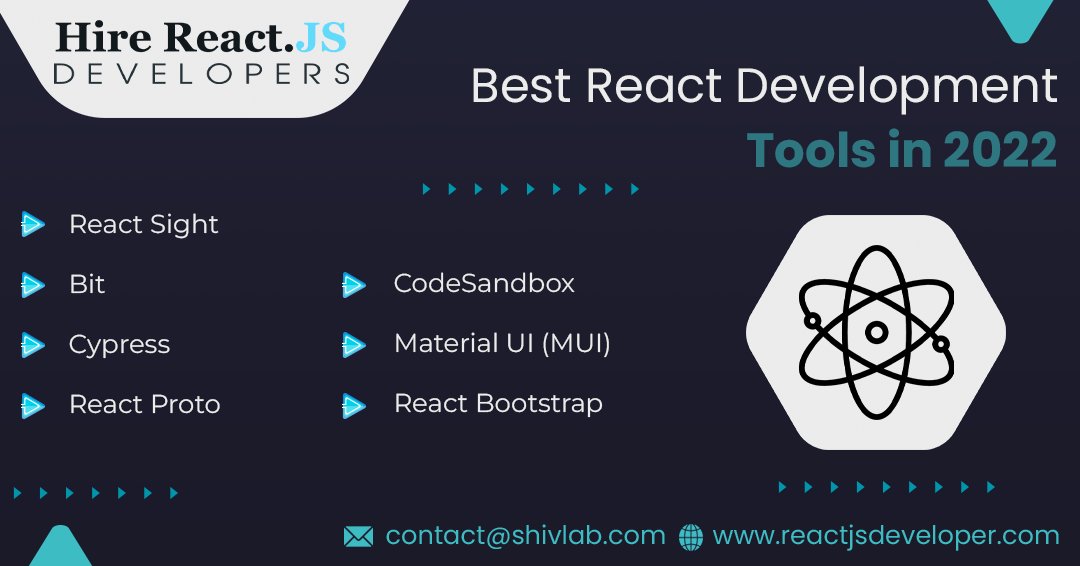
Best #React Development Tools in 2022.
#reacttools #reactjsdevelopment #hirereactjs #react #hirereactjsdeveloper #100DaysOfCode #shivtechnolabs
2
2

If you're a React Developer, then here we have listed the top React Developer's tool of 2022 to build seamless apps: radixweb.com/blog/top-react-…
#react #ReactJS #reactdev #reacttools #devtools #softwaredeveloper #softwaredevelopment #coder #coderslife #developerslife #app
3
4
13 Sep 2022
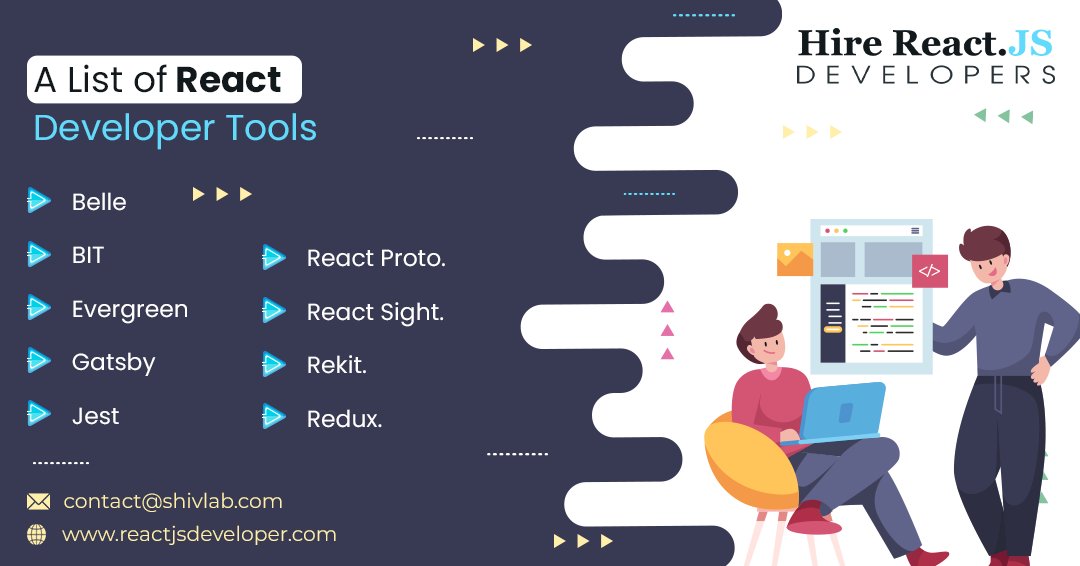
A List of #React Developer Tools For Increasing Productivity.
#reactjsdeveloper #reactjsdevelopment #hirereactjs #reactwebsolutions #hirereactjsdeveloper #reacttools #ReactJS #shivtechnolabs
1
2
16 Apr 2022
Are You Not Unable To Start React???
Needn't Worry, In This Thread 🧵 I will discuss the same.
What To Learn In React as Beginner !! 🤩
🧵 ↓
.
.
#reactjs #reacttools #react #learningreact #reactcourses #webdevelopment #webdeveloper #100daysofcode

1
8
7

15 Aug 2021
Developing complex #Reactapplications is… well, complex.
You need to keep many things in your head at same time, & it’s super easy to get distracted & lose focus.
But don’t worry, @hackernoon has revealed 20 #Reacttools - bit.ly/3yMsPFe
#React #Tools #DeveloperTools
2