


May 31
gelius reddots
у них долгая история, меня засрут (нет я их не крала)
푸른 달 아래의 일곱
#FATED_BLUE_LIGHT
#BLUE_MOON_BRINGS_SEVEN
2
9


Question: what fixes my astigmatism with reddots?
Answer: LPVO
Add the 21rd mag from @kci_usa and this ole 2015 @palmettoarmory just has a vibe that won't die.

1
1
4
95

May 7
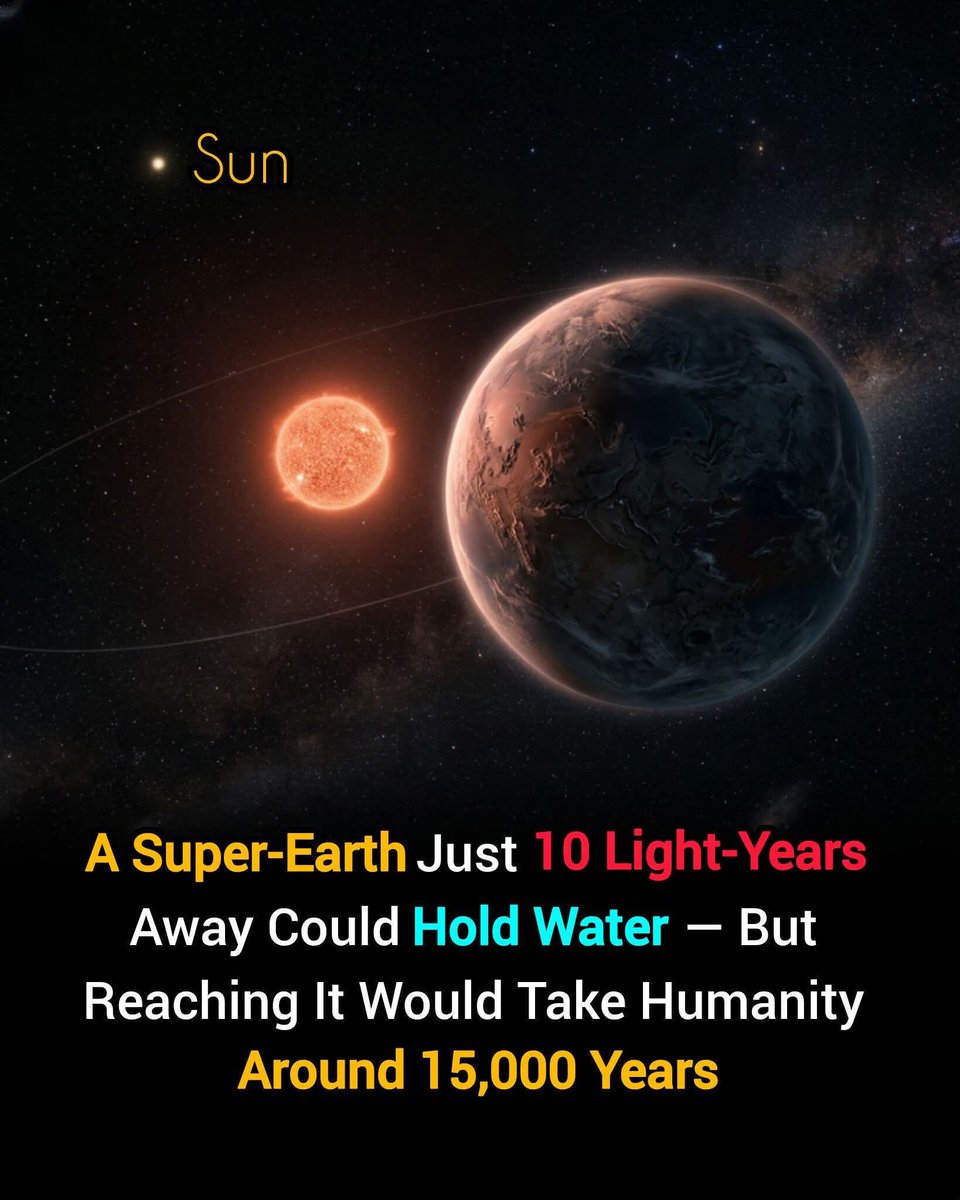
Astronomers Have Discovered a Super-Earth 10 Light-Years Away That Could Possibly Contain Water, Although a Human Voyage Would Require Approximately 15,000 Years
Astronomers have confirmed GJ 887d, a super-Earth orbiting the nearby red dwarf star GJ 887 about 10 light-years from Earth. The planet is at least six times more massive than Earth and circles its star every 50.8 days.
What makes this world exciting is its location in the “habitable zone,” where temperatures could allow liquid water—if the planet has a stable atmosphere. Scientists aren’t saying it’s Earth-like, but it is now one of the closest known worlds where water could potentially exist.
Even though it’s close by cosmic standards, it’s still far beyond our reach. With today’s fastest spacecraft, a trip would take roughly 15,000 years. For now, GJ 887d is a target for future telescopes searching for atmospheres and possible signs of habitability.
Source: Astronomy & Astrophysics — “RedDots: multiplanet system around M dwarf GJ 887”
4
8
983

Apr 28
>Says only amateurs run reddots on pistols. Every Special Operations Forces on the planet are running Glock aimpoint acro/RMR
ITS JUST AN OPINION BRO. DELTA ARE AMATEURS BRO.


1
9
369
but I can't wait to actually be on my property permanently that I have in OK, I'm tired of Texas especially after watching it be invaded by reddots and muslims
3
40

Apr 8
Those reddots have become mighty bold these last few years...MIGHTY BOLD!
Cuz the Dems protect them and their NGOs fund them, and POLITICIANS IGNORE THEM
3
2
75
2,486
Apr 7
LOOK AT WHY AMERICAN IT PROFESSIONALS ARE NOT EMPLOYED IN TEXAS!
* Do you see this fraud? why are these reddots still here?

8
22
548

Apr 4
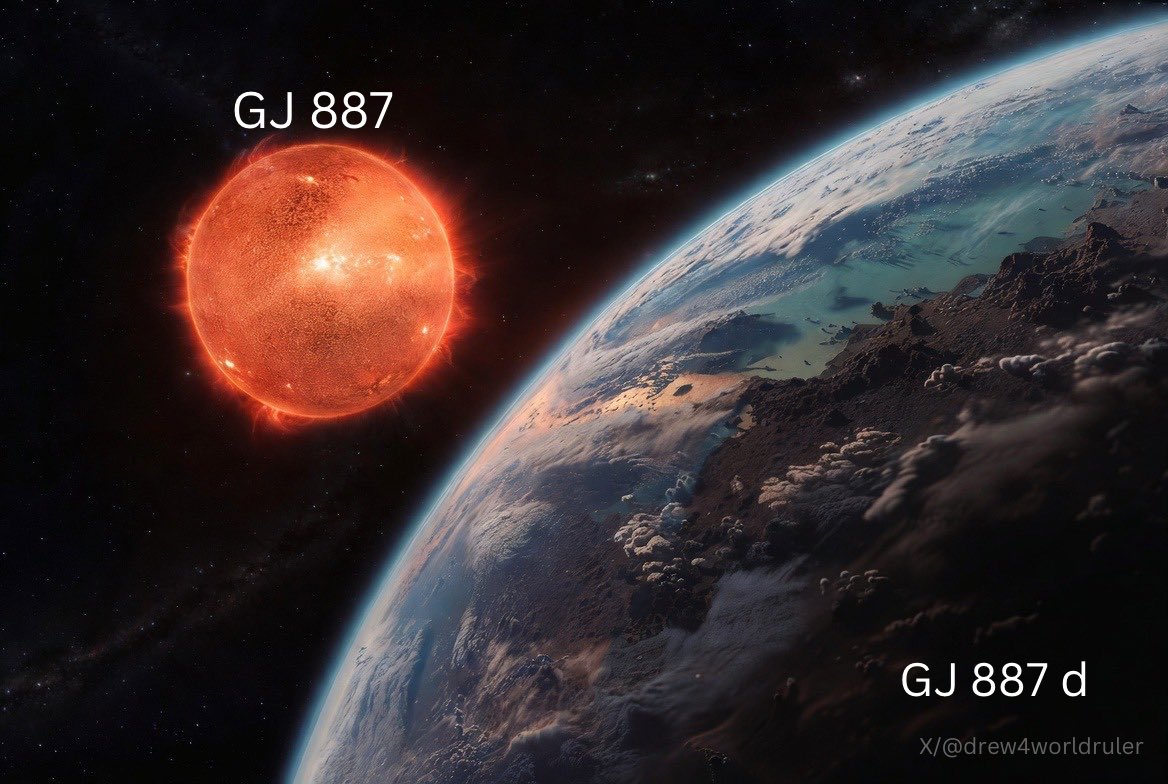
🌎 NEW HABITABLE PLANET DISCOVERED JUST 10 LIGHT YEARS AWAY
A new March 2026 study - led by researchers from the RedDots team (Hartogh et al) - has confirmed the existence of a “super-Earth” orbiting GJ 887 (aka Gliese 887) in its habitable zone.
The planet is somewhat unceremoniously (for now) named GJ 887 d. It is 6.1x the mass of Earth and orbits its star every 50.8 Earth days.
Only Proxima Centauri b is closer at approximately 4.25 light years from Earth. However, the host star for GJ 887 d has very low flare activity which is interesting. This plus the high mass combine to potentially retain a thick atmosphere making it a highly desirable target for habitability studies. There is even a chance that future missions may be able to image it directly.
The team used new data from HARPS and ESPRESSO, along with TESS photometry and Gaussian-process modeling of stellar activity to make the discovery. @NASA has officially listed it in their exoplanet catalog.
Stay curious.
2
1
13
836
Mar 27
Notice how reddots seem to have incredible amounts of wealth that they can afford a very expensive home, that many in Texas cannot?
3
36
Mar 27
Those rat-bastards reddots!
How are they affording bigger, more expensive houses than the typical Texans?
As citizens, we need to carefully watch, observe, record, and report any nonsense.
American citizens are the only ones who can reverse this tide of nasty invaders who refuse to assimilate.
2
48

Mar 27
Best take...use what works for you. People want to throw down and end bloodlines over opinions. I don't like reddots on pistols, I no plenty of real gunfighters who love them and shoot better than I do. Use what works for you.
2
11
Mar 22
Yeah, well I'm applying to gas stations and Walmart in the vicinity. I already understand. All the reddots have taken over the IT job boards that I relied upon for 20 years..
I already know.
2
5
95
1,929

• Allowing online dealer lic renewal (basically overhauling the antiquated multi agency bureaucracies)
• Removing excess file storage (we have double the paperwork to file separating atf/ cadoj)
• Allowing suppressors and legally lic NFA items
• Forced reset triggers and pistol braces.
• Removing ccw restrictions (some counties won't allow reddots or lights etc)
2
37

Feb 11
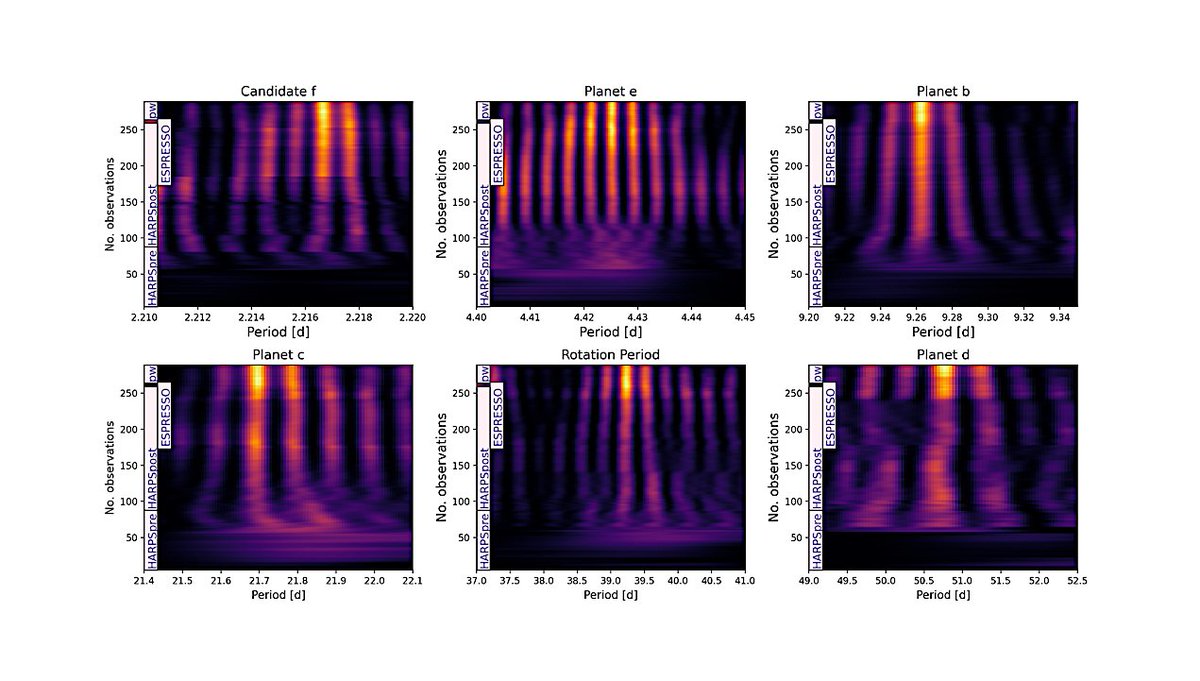
RedDots: Multiplanet System Around M Dwarf GJ 887 In The Solar Neighborhood
astrobiology.com/2026/02/red… #astrobiology #astronomy #exoplanet
9
14
427

A Newly Discovered Nearby Planetary System around GJ 887 #RedDots arxiv.org/abs/2602.08929v2
3
9
464

Jan 18
He’s young and uninformed. I used some pretty shit reddots before I learned. So did most!
1
12
5,668
