
New game called “Rust” apparently added new crossbow #rust #rustupdates #facepunch #rusty #forcewipe
1
6
795

New and fun steam game “Rust” updated again! 💥 #rust #rustupdates #rustpatch #rustglitch #rustconsole
6
443
2
561
3
11
874
5
724

13 Sep 2025
🚀 Ready to go from Rust to Riches? Join us on #Rust2Riches — a new Rust server where your survival instincts, strategy, and style all pay off. Come build, raid, and rule alongside a growing community that’s all about leveling up together. 🛠️🔥
Tagging the legends to help spread the word: @PlayRust, @RustHackers, @Rustafied, @RustConsole, @RustUpdates
#RustGame #RustCommunity #SurvivalGame #RustServers #Gaming #Multiplayer #JoinUs #PvP
9
9
130

🧾 The recent release of Rust 1.85 brings several important improvements in performance, security, and developer experience. Apriorit, as a cybersecurity-first development company, carefully track every update, as it can significantly impact the projects we develop for our clients.
Rust is a relatively young system programming language that continues to evolve actively. It focuses on code security, performance, and concurrency. Let’s look at the main changes in the recent Rust release, and how they may affect your product.
📈 Performance
🔸 Faster execution. Async closures have been stabilized, eliminating unnecessary data cloning.
🔸 More efficient code. More functions are now const, including mem::swap, <float>::{abs, min, max}, and others. This allows more logic to be processed at compile time, enabling the compiler to perform additional checks before runtime, which speeds up execution and simplifies debugging.
🔸 Optimized memory usage. Updates to RPIT lifetime capture rules allow for more adaptable borrowing of values in return position impl Trait, reducing memory overhead and making the code more flexible.
🔒 Security
🔸 Stricter safety requirements for external code. Now, extern blocks must be explicitly marked as unsafe, along with the attributes export_name, link_section, and no_mangle.
🔸 More explicit handling of unsafe operations. All unsafe calls must now be wrapped in an unsafe block, even within unsafe functions. Previously, this was enforced by a separate lint, but it is now the compiler’s default behavior.
🔸 Improved memory safety. References to static mut data are now prohibited, reducing the risk of unsafe access and enhancing reliability when working with FFI.
🖥️ Developer experience
🔸 More control over compiler recommendations. The new #[diagnostic::do_not_recommend] attribute allows suppressing unnecessary suggestions for custom traits, reducing noise in compiler output.
🔸 Enhanced code safety. A new lint, unpredictable_function_pointer_comparisons, now detects and warns about function pointer comparisons, helping developers avoid potential issues.
🔸 More precise error handling. The I/O error types QuotaExceeded and CrossesDevices have been stabilized, improving error classification. This is particularly relevant for Apriorit, though we are still awaiting the stabilization of additional error types.
🔸 Faster custom builds. Changes to RUSTFLAGS no longer trigger a full rebuild of dependencies, improving caching efficiency and speeding up the development process.
The updates make code safer, faster, and more convenient to develop. We are testing Rust 1.85 in our projects and integrating its improvements into our workflows ⚙️
Apriorit experts are ready to apply these advantages of Rust to your project and create a secure and reliable solution for your business: cutt.ly/5ruTFcOz
#techupdates #devnews #softwaredevelopment #Apriorit #rustlang #rustupdates #rustcommunity #rustnews

1
2
100

Hi guys here is our new skin M249| Ophidia🐍🐍🐍🐍🐍🐍
Teamwork with @_kolotinskiy
Link steamcommunity.com/sharedfil…
@HedgesnVideos @Helkus @gerrmanman @playrust @RustItemStore @RustUpdates
#rust #rustskins #LunarNewYear #2025
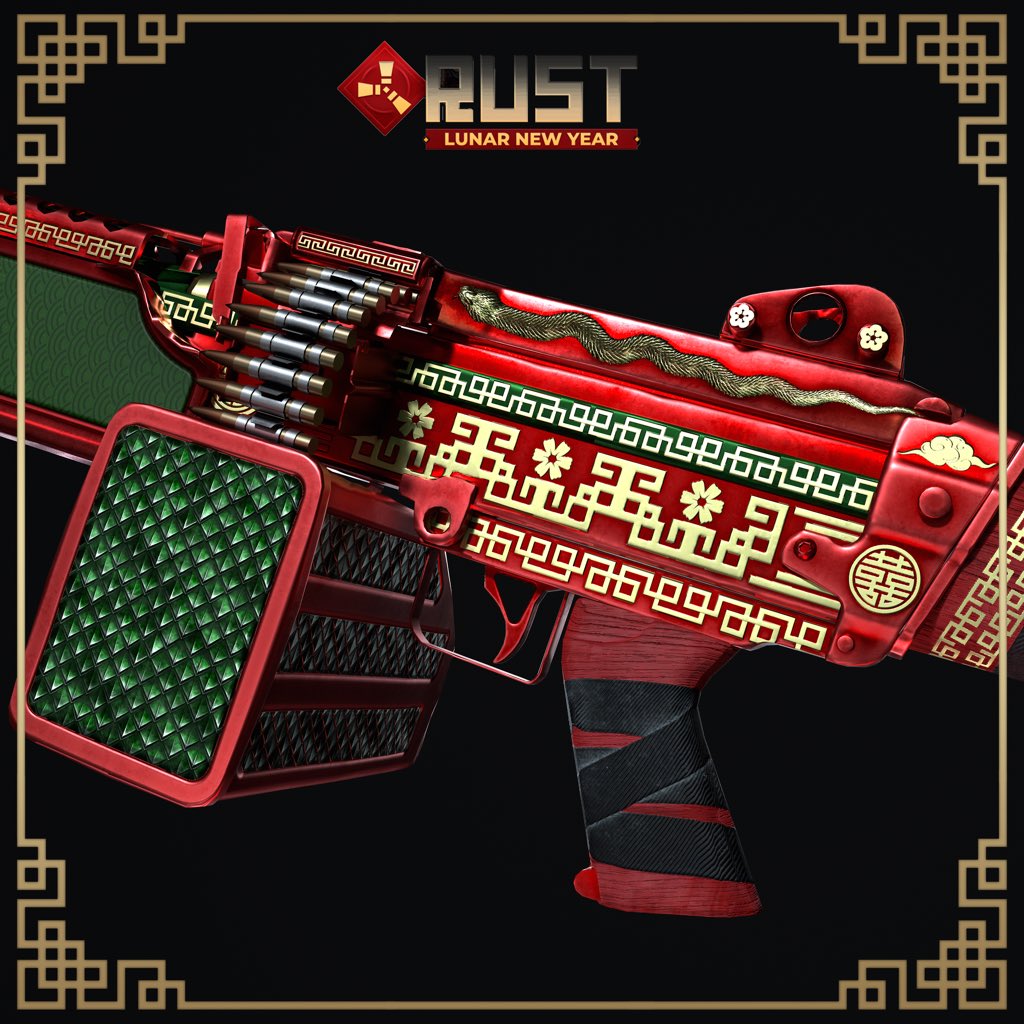
3
24
352
Hi guys here is a continuation of photo stand collection.🎞️🤳
With this skin you can attract clan to raid your base or have a good fotos)📸📸
Teamwork with @_kolotinskiy
Link steamcommunity.com/sharedfil…
@Helkus @playrust @HedgesnVideos @gerrmanman @RustItemStore @RustUpdates
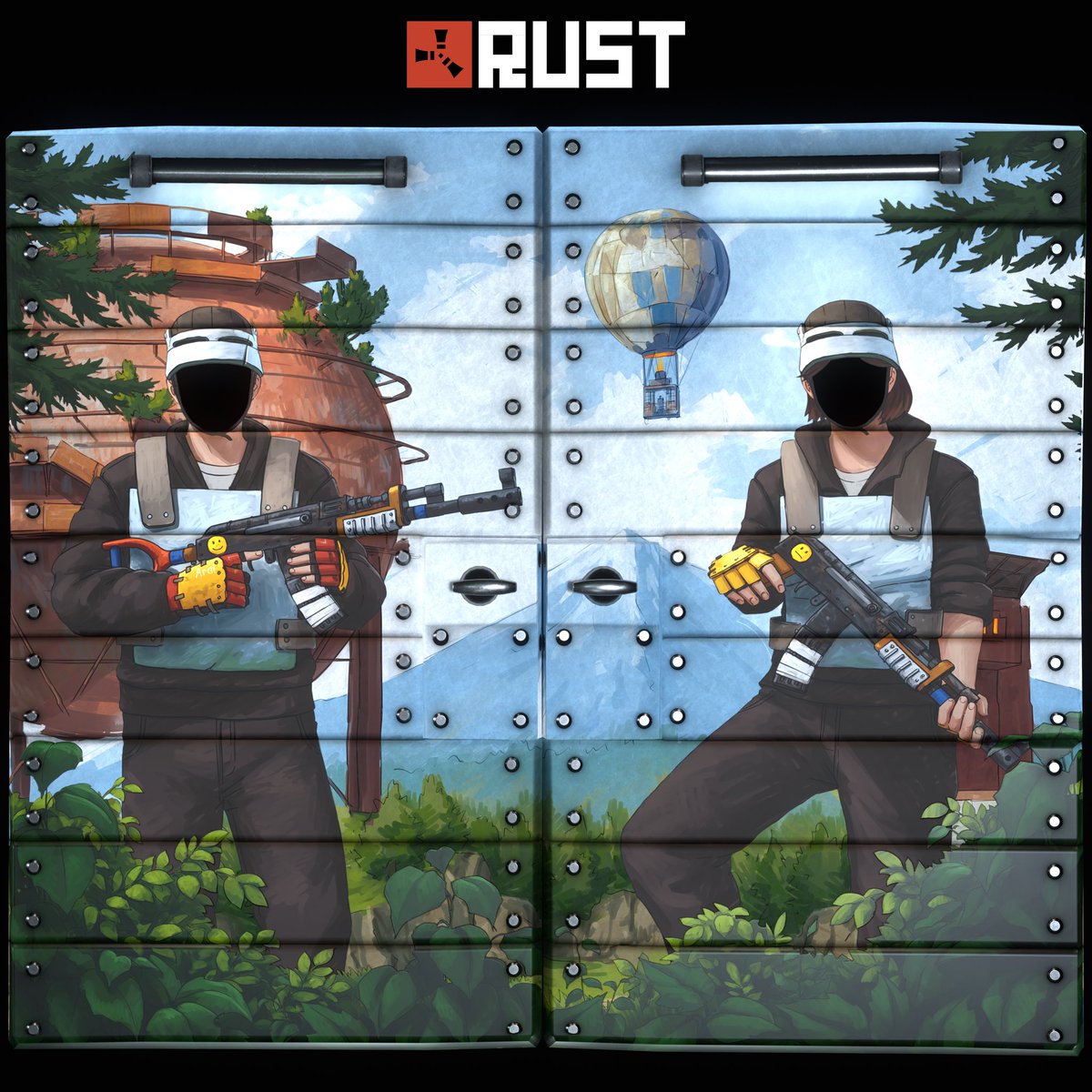
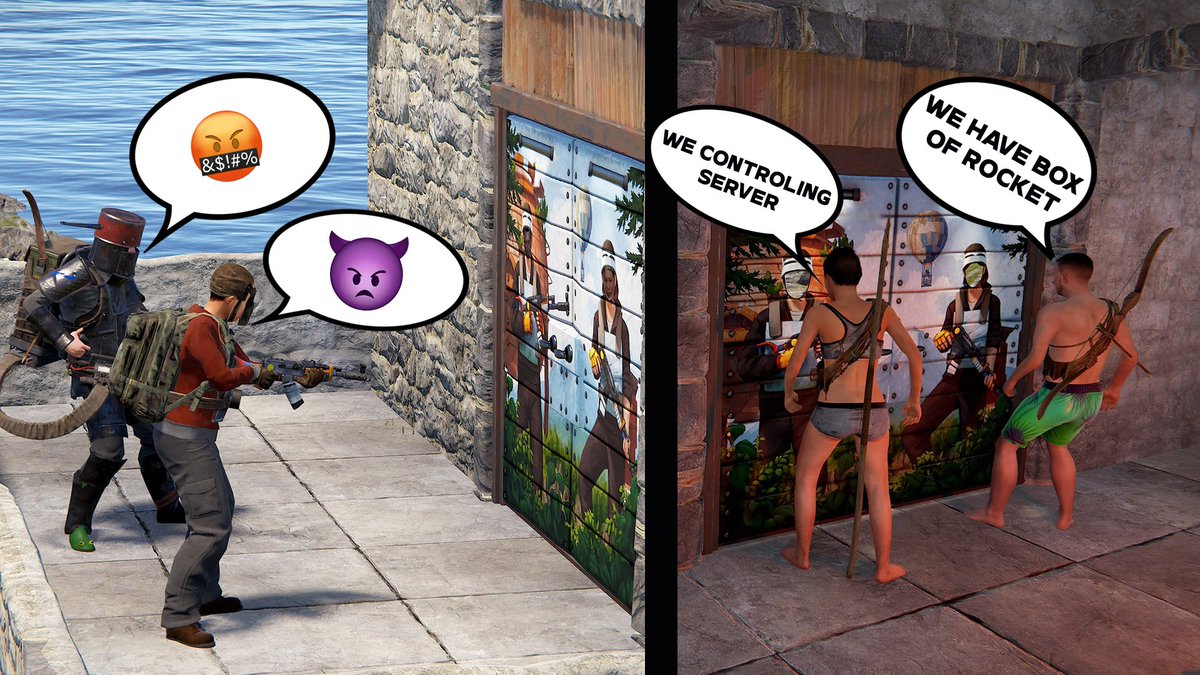
1
22
221
Hi guys , here is my new skin
Old Computer Armored Door🖥️📀
Teamwork with @KVA74961160
Link: steamcommunity.com/sharedfil…
We hope you would like our skin❤️
@playrust @RustItemStore @RustUpdates @HedgesnVideos
#Rust #skins #3d #3dart
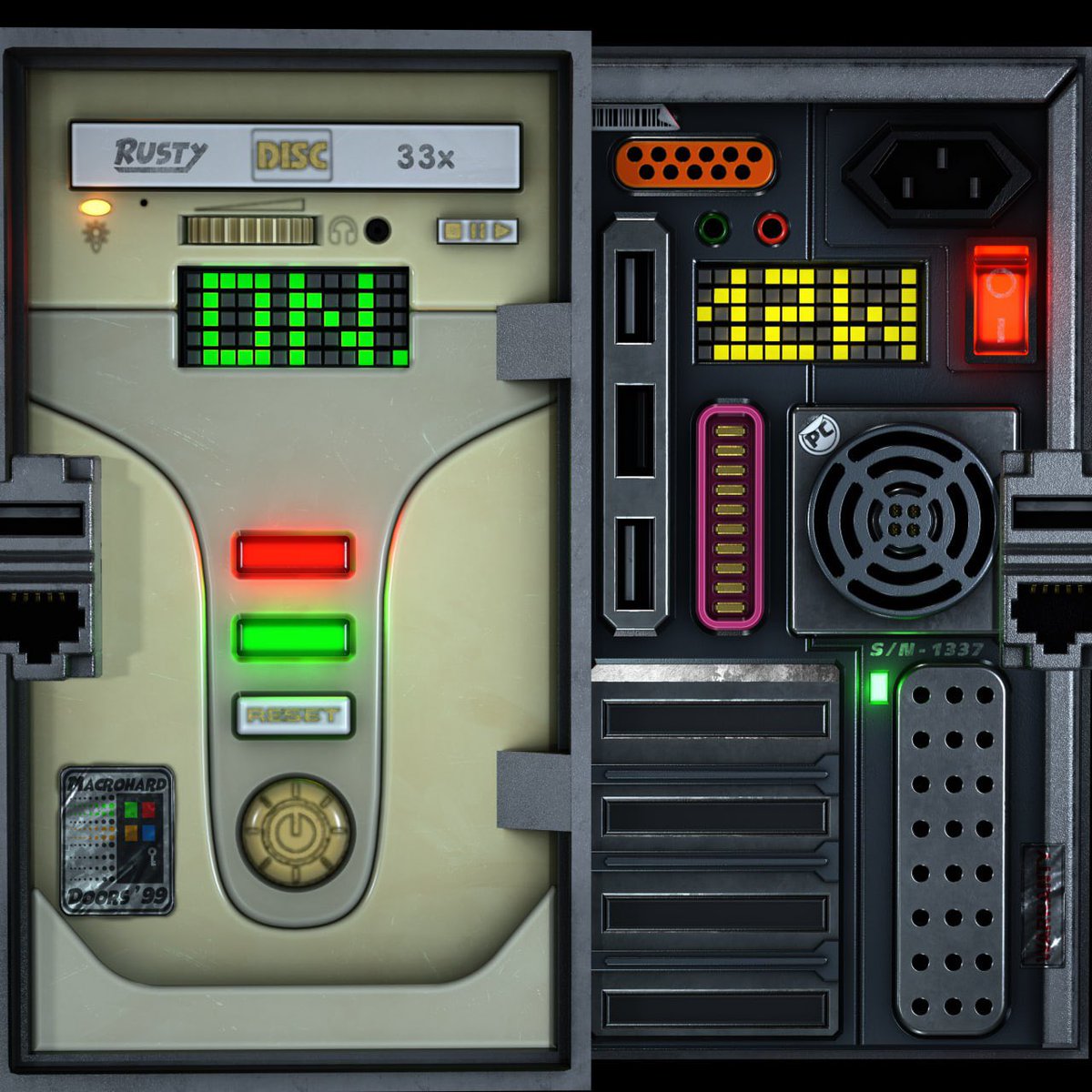
4
24
543
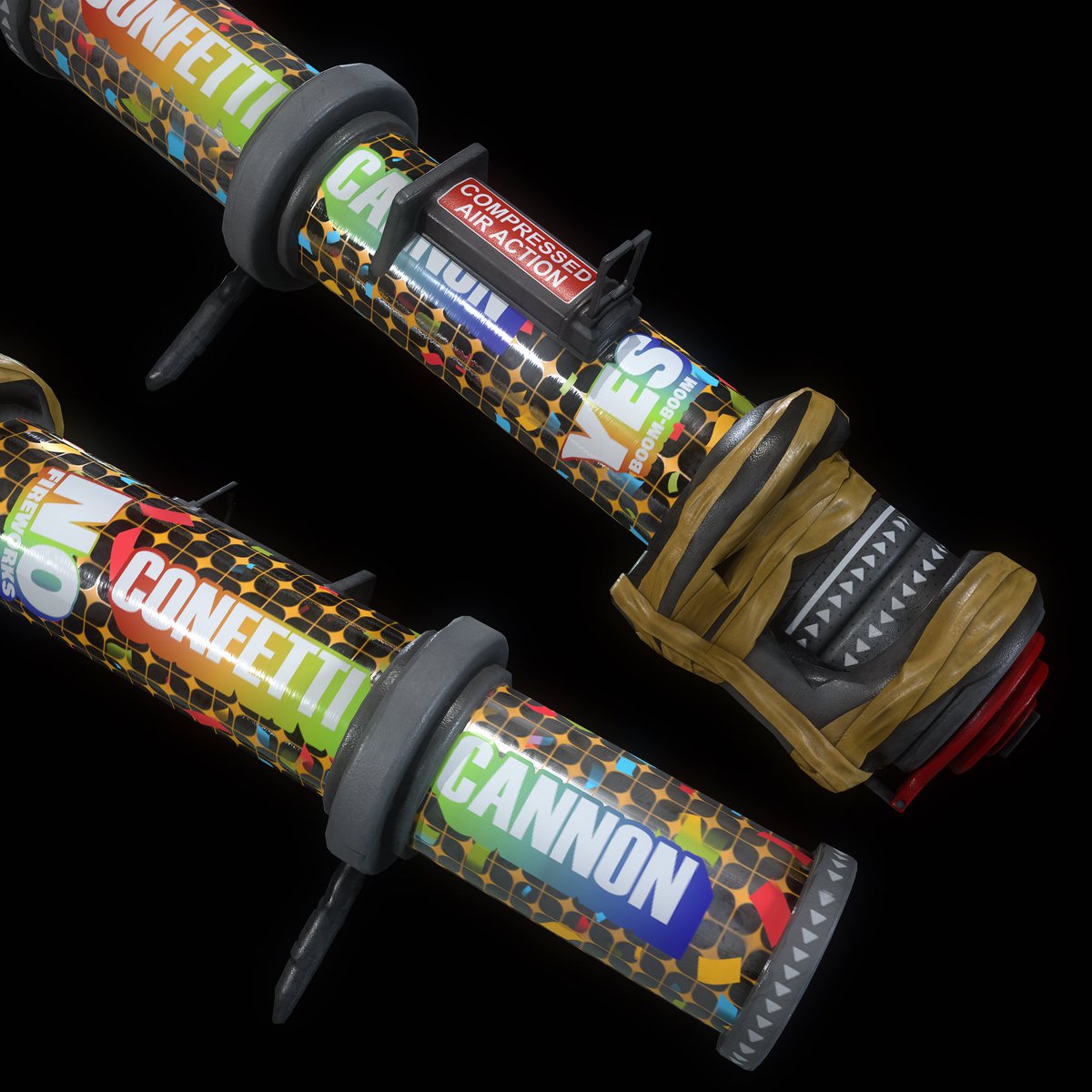
Hi guys, here is my new skin Confetti Cannon | Rocket Launcher🎉
‘’ Do you want some confetti? ,,🎉🎉🎉🎉🎉🎉🎉
Team work: @_kolotinskiy
Link: steamcommunity.com/sharedfil…
@playrust @RustItemStore @RustUpdates @HedgesnVideos @gerrmanman
3
29
444
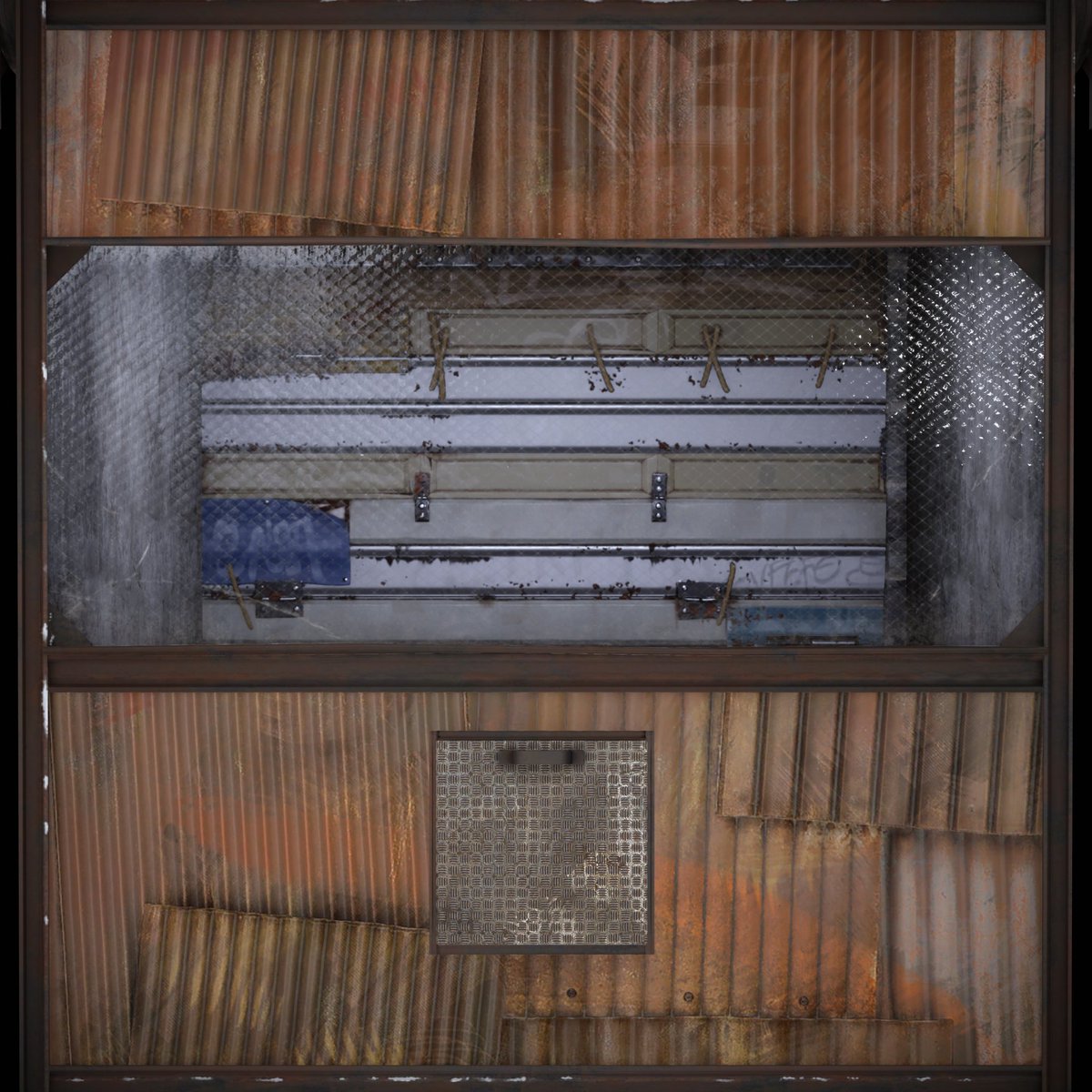
Shop Garage door
No AI Used to Crete this garage door!
#NoAI
Link: steamcommunity.com/sharedfil…
@_kolotinskiy
@gerrmanman @HedgesnVideos @Helkus @playrust @RustItemStore @RustUpdates
#rust
1
28
639
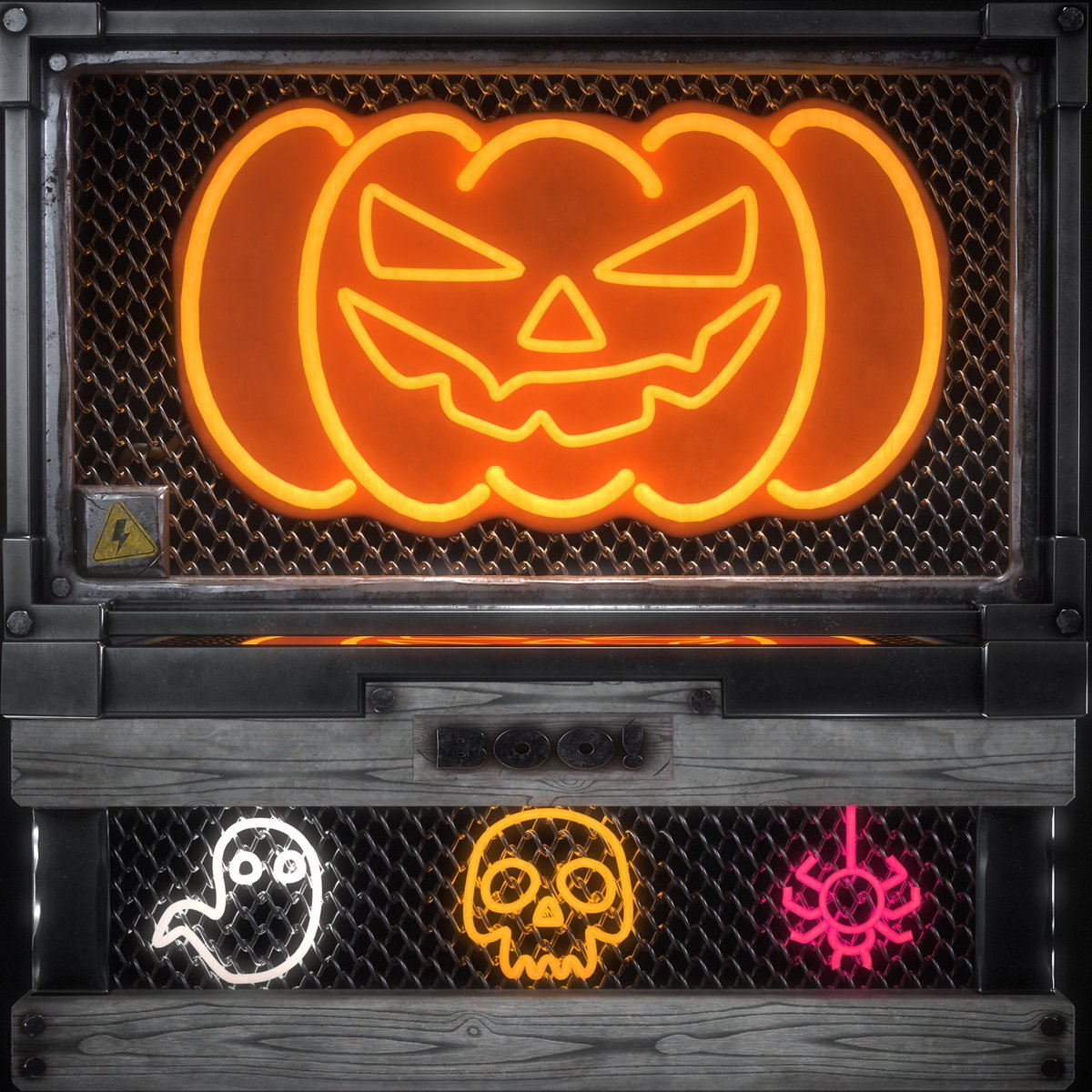
Hi guys here is our new skin for Halloween invent in @playrust
Teamwork with: @_kolotinskiy
Link: steamcommunity.com/sharedfil…
@gerrmanman @Helkus @HedgesnVideos @RustItemStore @RustUpdates
#rust #skins #3dartwork #neon #Halloween2024
19
237
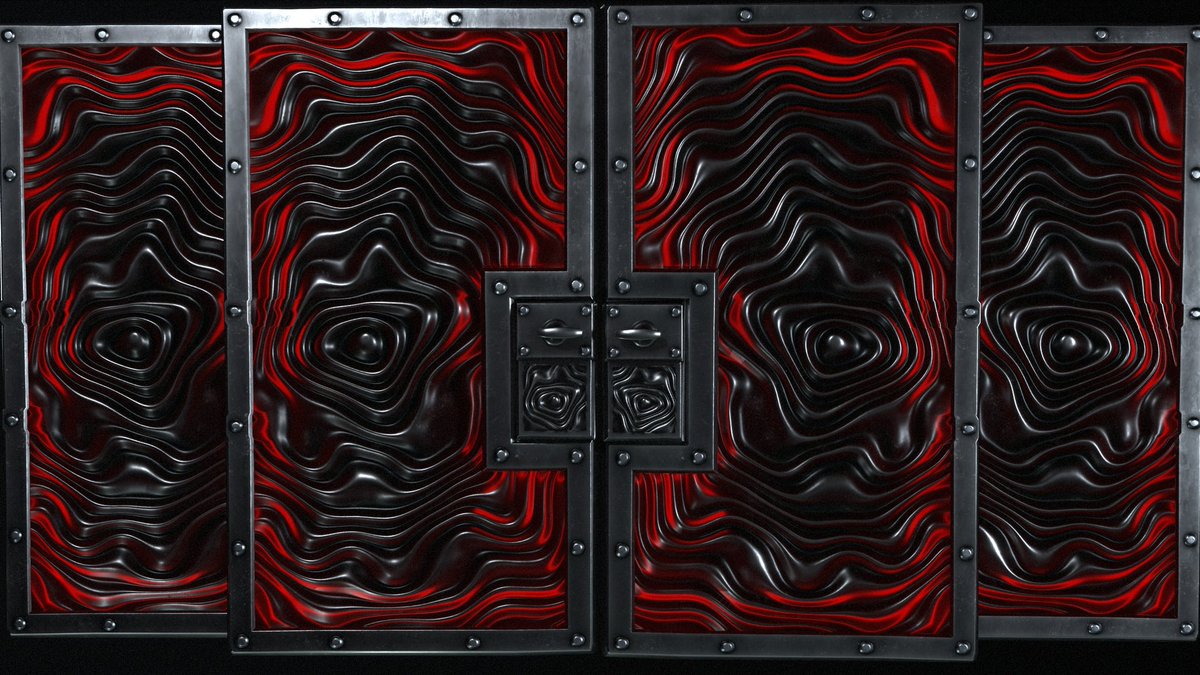
Hi everyone, here is continuation of wave metal collection | Sheet Metal Door
Team work with @_kolotinskiy
V1 Link: steamcommunity.com/sharedfil…
V2 Link: steamcommunity.com/sharedfil…
@gerrmanman @HedgesnVideos @playrust @RustItemStore @RustUpdates @Helkus
#rust #rustskins #skins
1
2
21
321

16 Sep 2024
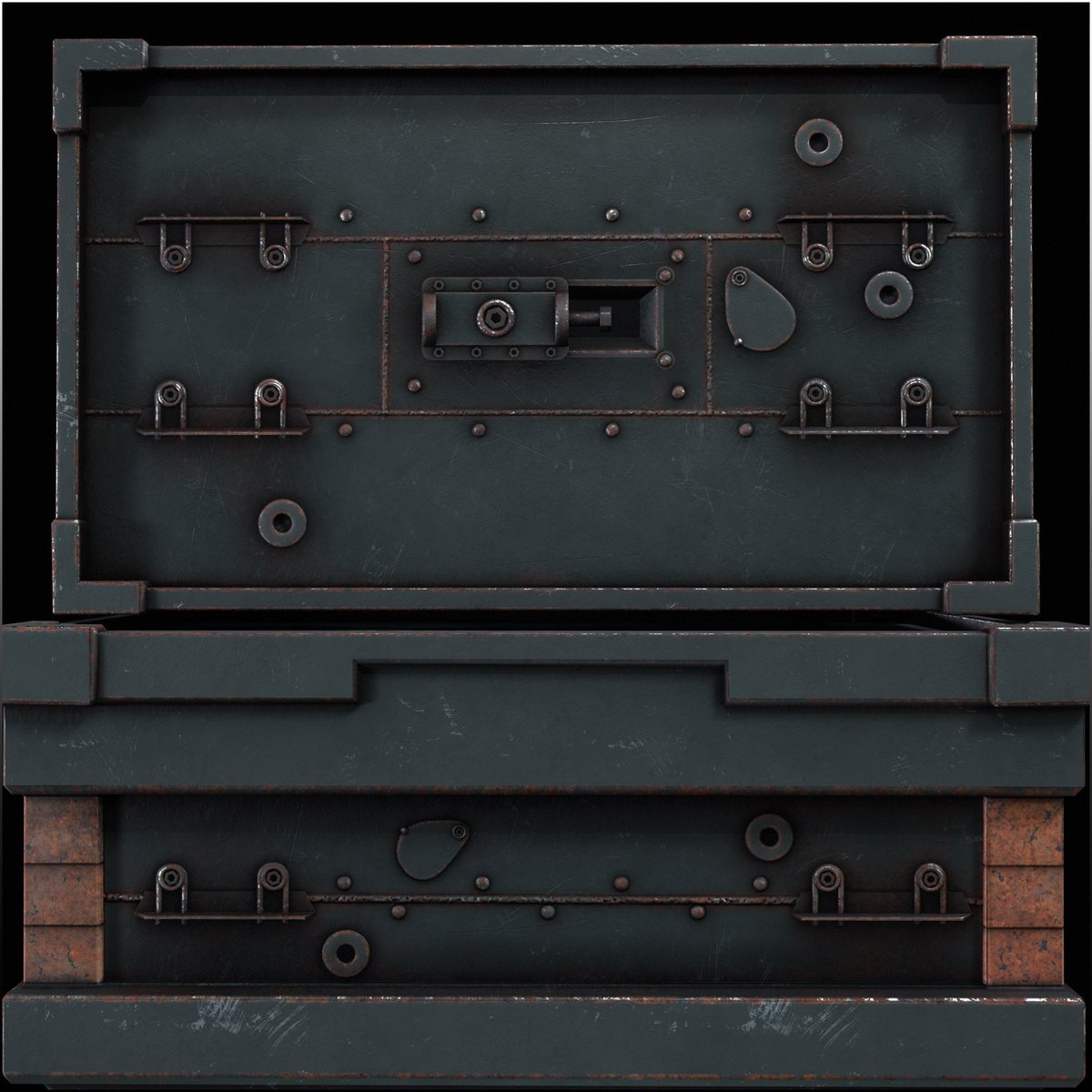
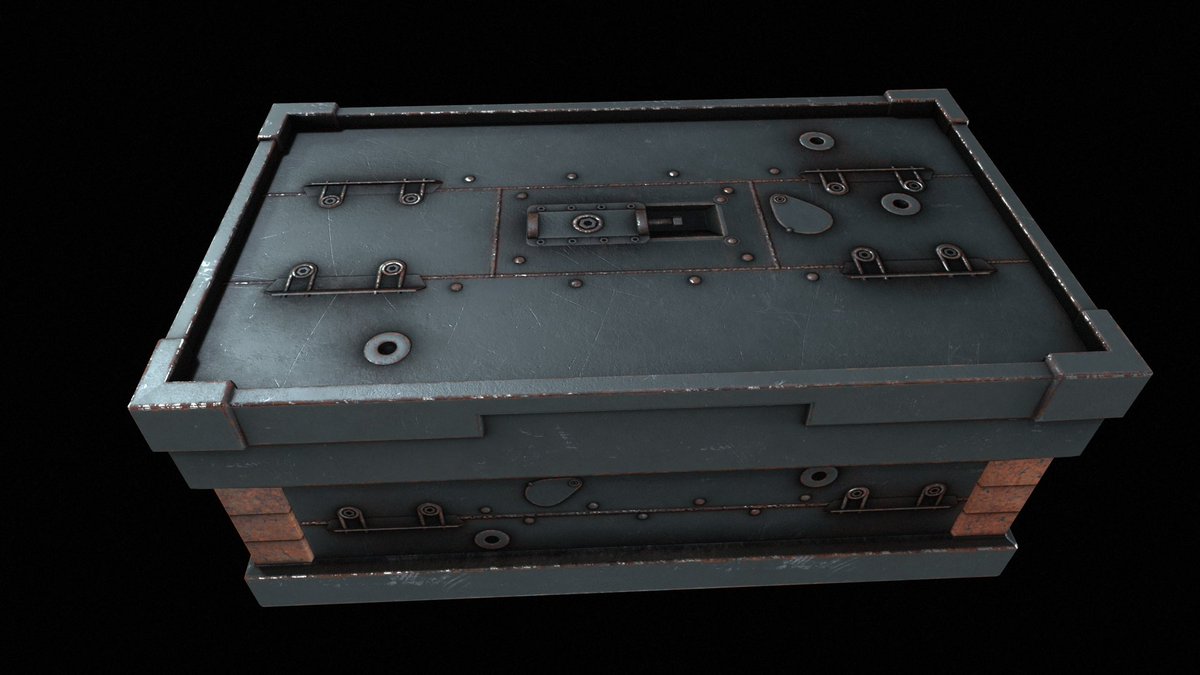
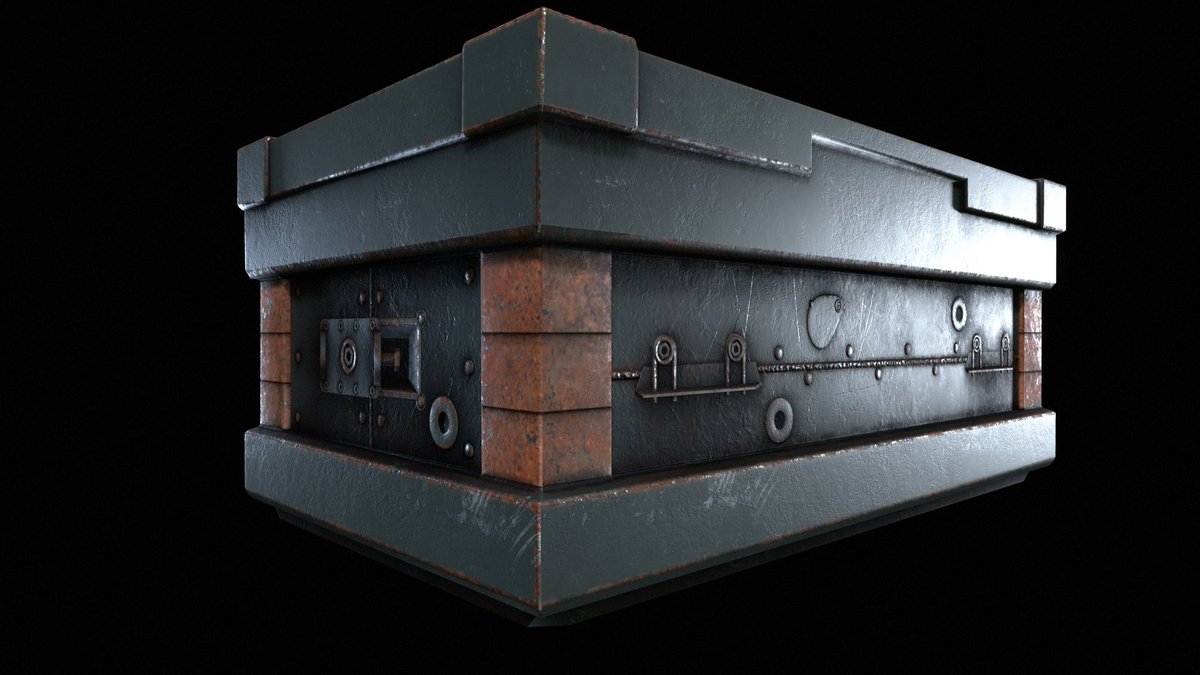
Hi guys, this is my new skin for the big wooden box
I hope you enjoy and appreciate my work
@gerrmanman @Helkus @playrust @RustItemStore @RustUpdates
#Rust #skins #rustsskins
1
2
20
401
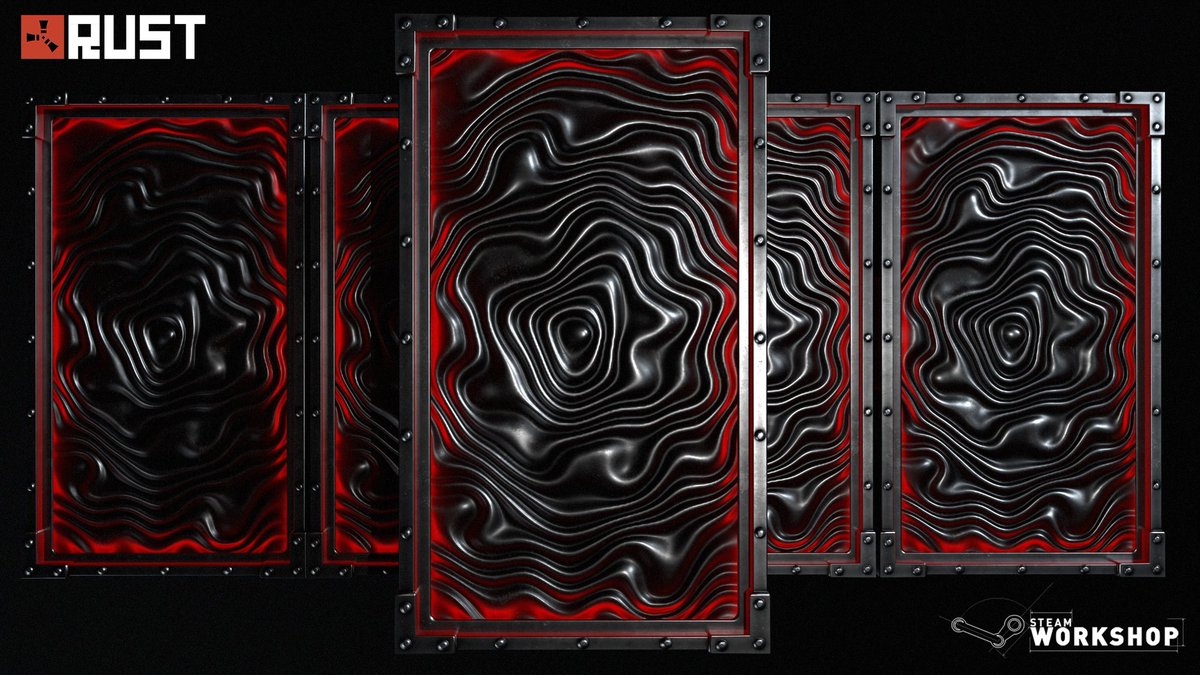
Hi guys, here is my new skin Wave Metal Box🪨🪨👨🏭
I try to create really cool metal shape)
Team work with: @_kolotinskiy
Link: steamcommunity.com/sharedfil…
@gerrmanman @HedgesnVideos @RustItemStore @playrust @RustUpdates @Helkus
#rust #rustskins #3d #metal #skins #cool #box
1
23
316
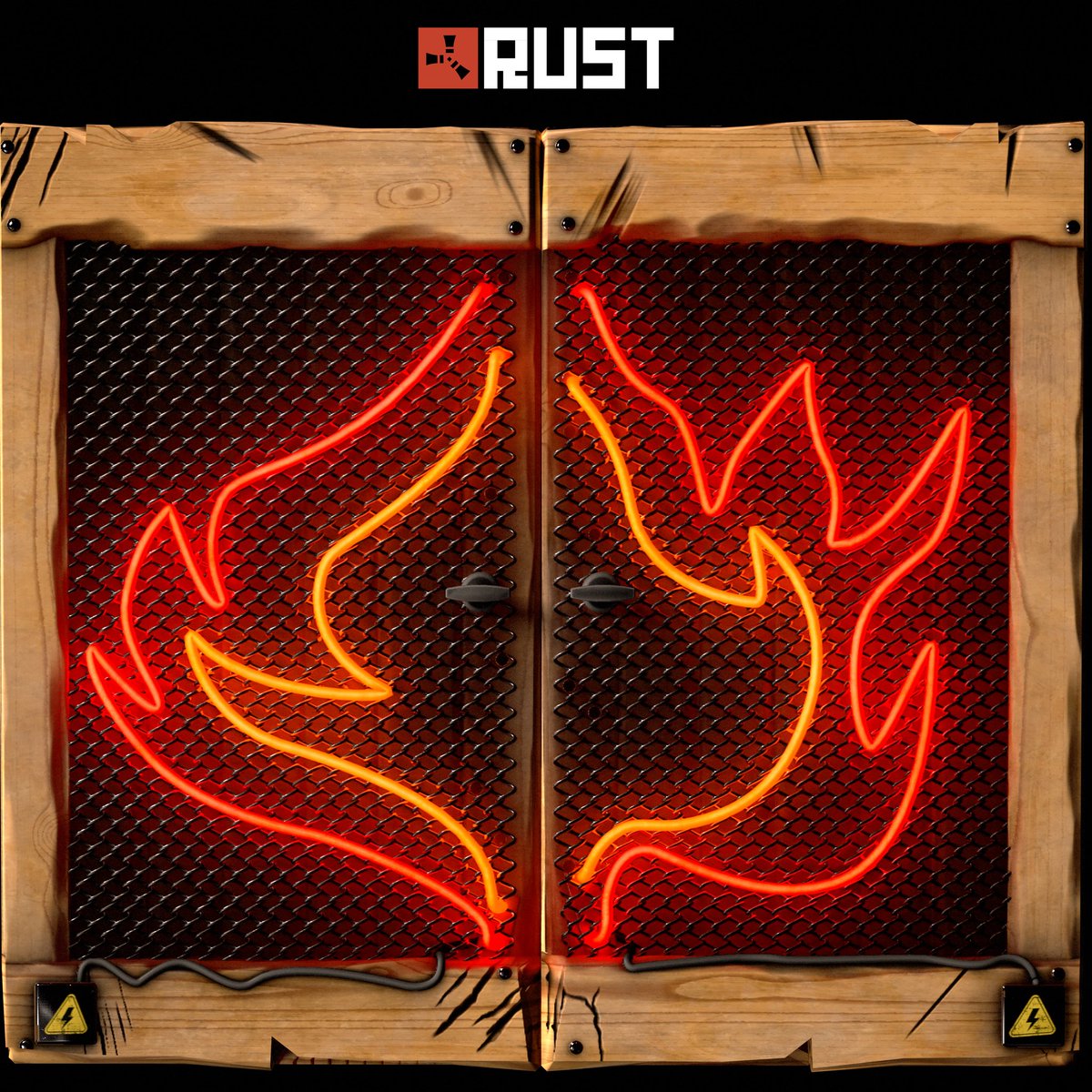
Hi guys, here is my new super HOT and FIRE Door 🔥🔥🔥🔥🔥🔥
Teamwork: @_kolotinskiy
I hope you would like it and vote on steam))
I really hope it will be accepted……
Link: steamcommunity.com/sharedfil…
@gerrmanman @HedgesnVideos @playrust @RustUpdates @RustItemStore
3
25
376
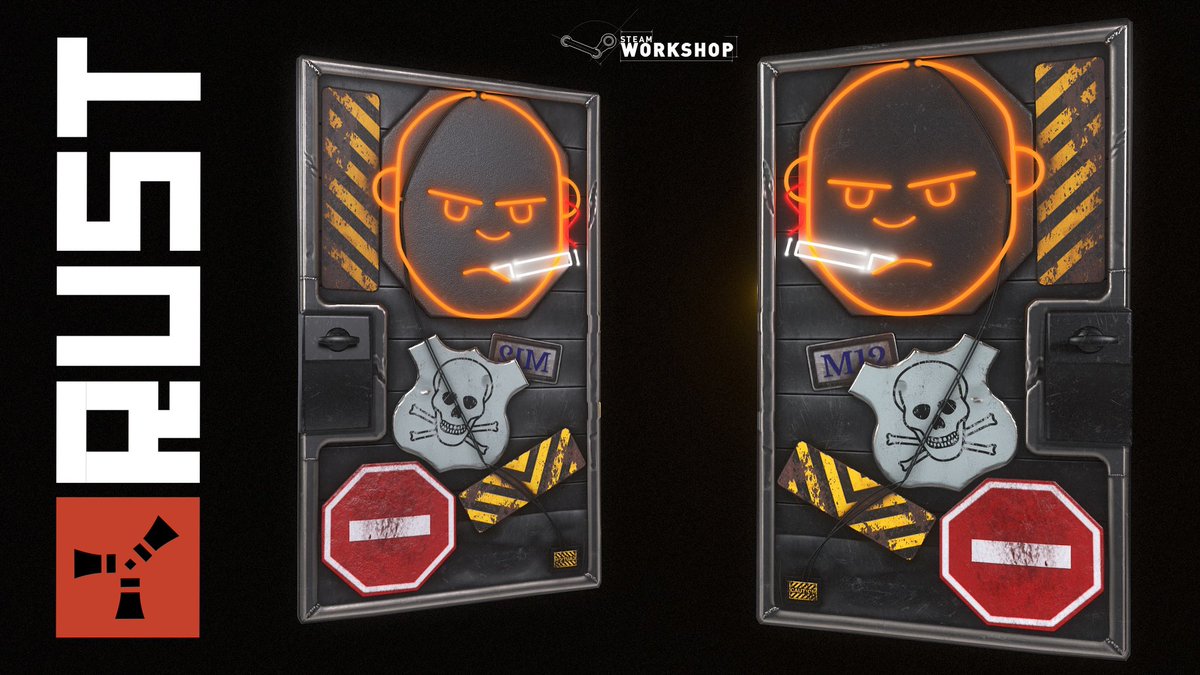
Hi guys here is my new skin Grumbler |Sheet Metal Door—-😠😠😠😠😠
(This door is perfect for grumpy people playing rust )
Team work with: @raccoon977
Link: steamcommunity.com/sharedfil…
@HedgesnVideos @playrust @RustItemStore @RustUpdates @gerrmanman
3
21
370

4 Jun 2024
Horses are getting buffed in Rust #Rust #RustMeme #RustTok #Gaming #RustGame #RenegadeRust #fyp #ForYou #RustPatchNotes #News #RustNews #RustUpdate #RustUpdates #News
1
2
232