
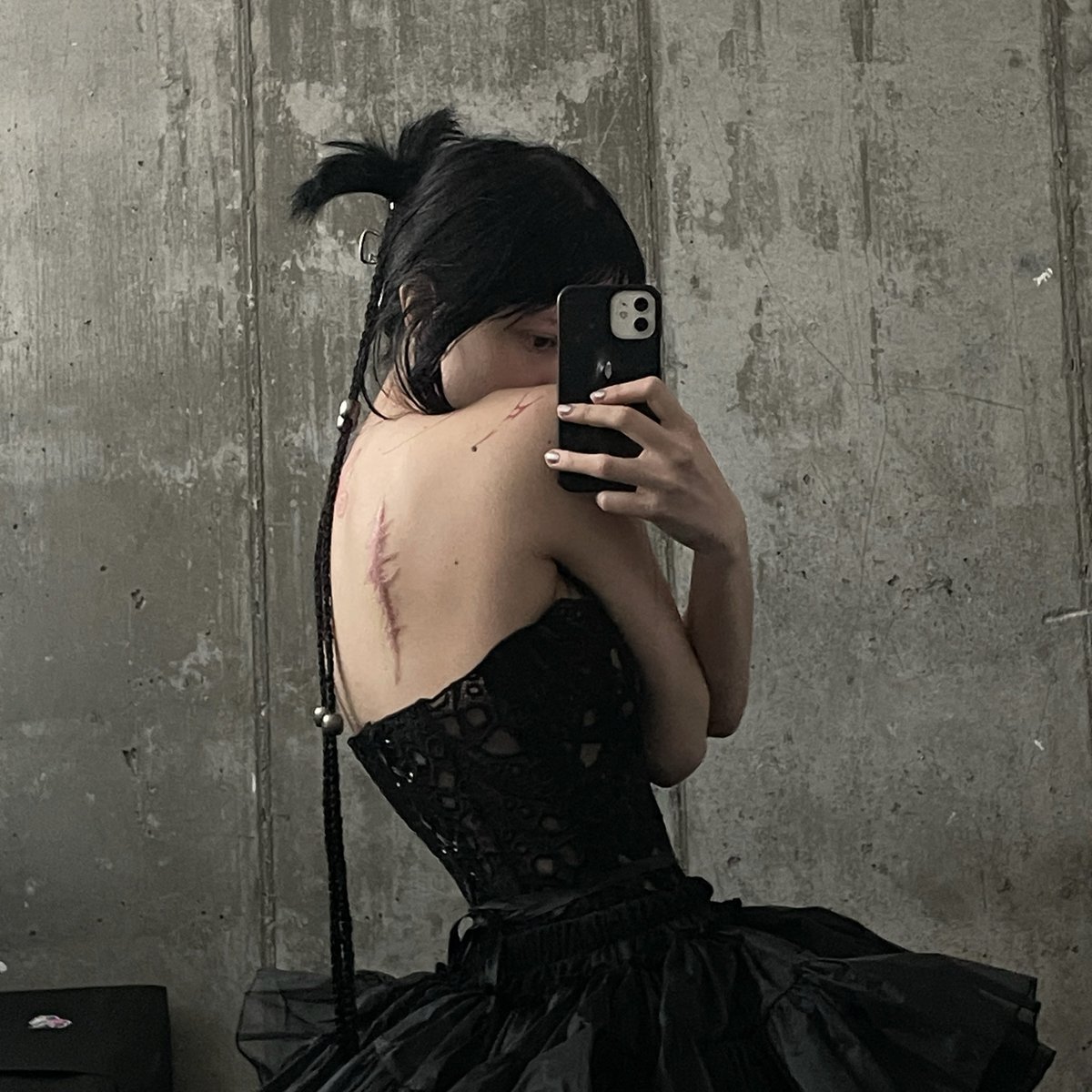
my entire life i have said i will have an angel wing back piece. i wish i could have it done using scarification but that body mod is illegal in my country :(
Jun 12


3

been thinking about these for a while now cause they look sick af and would love to get smth similar but I didn't understand how yun got them so I'm just founding out now what scarification is and I think I'd rather set myself on fire before ever going through that horror

1
11
1,320

Wikipedia Guatemala Syphilis Study Continued: the syphilis study section that approved the Guatemala research Grant. During the Guatemala syphilis study, Mahoney was the primary supervisor of the experiments, receiving Cutler's reports on the experiments. In 1946, while the syphilis study was ongoing, John Mahoney was awarded the Lasker award for discovering penicillin as a cure for syphilis.[9]
After completion of the Guatemala syphilis study, John F. Mahoney became the chairman of the World Health Organization in 1948. In 1950 he became Commissioner of the New York City Department of Health, where he worked until his death in 1957.[9]
John Charles Cutler
edit
The experiments were led by United States Public Health Service Venereal Diseases Research Laboratory physician John Charles Cutler,[24] who had earlier joined the Public Health Service in 1942 and served as a commissioned officer.[25] Cutler participated in the similar Terre Haute prison experiments, in which volunteer prisoners were infected with gonorrhea spanning from 1943 to 1944.[9] Cutler also later took part in the late stages of the Tuskegee syphilis experiment, where black Americans were lied to about getting available treatment for syphilis. Over 100 people died due to lack of treatment. In a 1993 documentary about the Tuskegee syphilis study titled "Deadly Deception", Cutler defends his actions saying, "It was important that they were supposedly untreated, and it would be undesirable to go ahead and use large amounts of penicillin to treat the disease, because you'd interfere with the study."[26]
While the Tuskegee experiment followed the natural progression of syphilis in those already infected, in Guatemala doctors deliberately infected healthy people with the diseases, some of which can be fatal if untreated. His team created a laboratory in Guatemala supplied by the United States military to discover if there were different transmission rates when the disease was presented to different infectious sites. Cutler created the protocol for infection site research. Cutler and his team discovered that the disease takes 93%-100% if infected through scarification or intracutaneous injection into the foreskin. After the transmission was studied, Cutler focused on the diseases' treatability. People were then recruited and infected and either put into a treatment group or a control group. The treatment group was given orvus-mapharsen or penicillin to see its effects, and the control group was given nothing to stop the disease.[27] The researchers paid prostitutesinfected with syphilis to have sex with prisoners, while other subjects were infected by directly inoculating them with the bacterium.[6] Through intentional exposure to gonorrhea, syphilis, and chancroid, a total of 1,308 people were involved in the experiments. Of that group, with an age range of 10–72, 678 individuals (52%) can be said to have received a form of treatment.[9] However, Cutler claimed all had been treated. Hidden from the public, Cutler used healthy individuals in order to improve what he called "pure science". Cutler participated in intentional infection experiments in Guatemala until his departure in December 1948.[9]
After the Guatemala syphilis study, Cutler was asked by the World Health Organization to head an India-based program for demonstrating venereal disease for Southeast Asia in 1949.[25]
John Cutler went on to become Assistant Surgeon General of the U.S. Public Health Service in 1958. In 1967, he would end his tenure when he was appointed professor of International Health at the University of Pittsburgh Graduate School of Public Health. In 1968, he became acting dean of the school and served until 1969. After his death in 2008, his roles in the Tuskegee experiment were publicized and he was stripped of his legacy.[9]
Genevieve Stout
edit
Genevieve Stout was a bacteriologist for the Pan-American Sanitary Bureau who promoted and established serological
31


"Dean but his anti possession tattoo is scarification instead" -> this is so fucking sexy in fact I think all anti possession symbols should be engraved and I think I should do it frolickingdoe.straw.page
2
1
8
184

There was no dominant culture here other than what we pieced together because of the way we were sold bred
Scholars/anthropologists refer to the patterns in those sculptures as scarification, crowns and other head jewelry, not waves, which started w the sales of hair pomades
1
34

New nomenclature. Same process. Generally scarification is done on dirt roads. Maybe the contractor focuses on that and got the bid. IDK
3

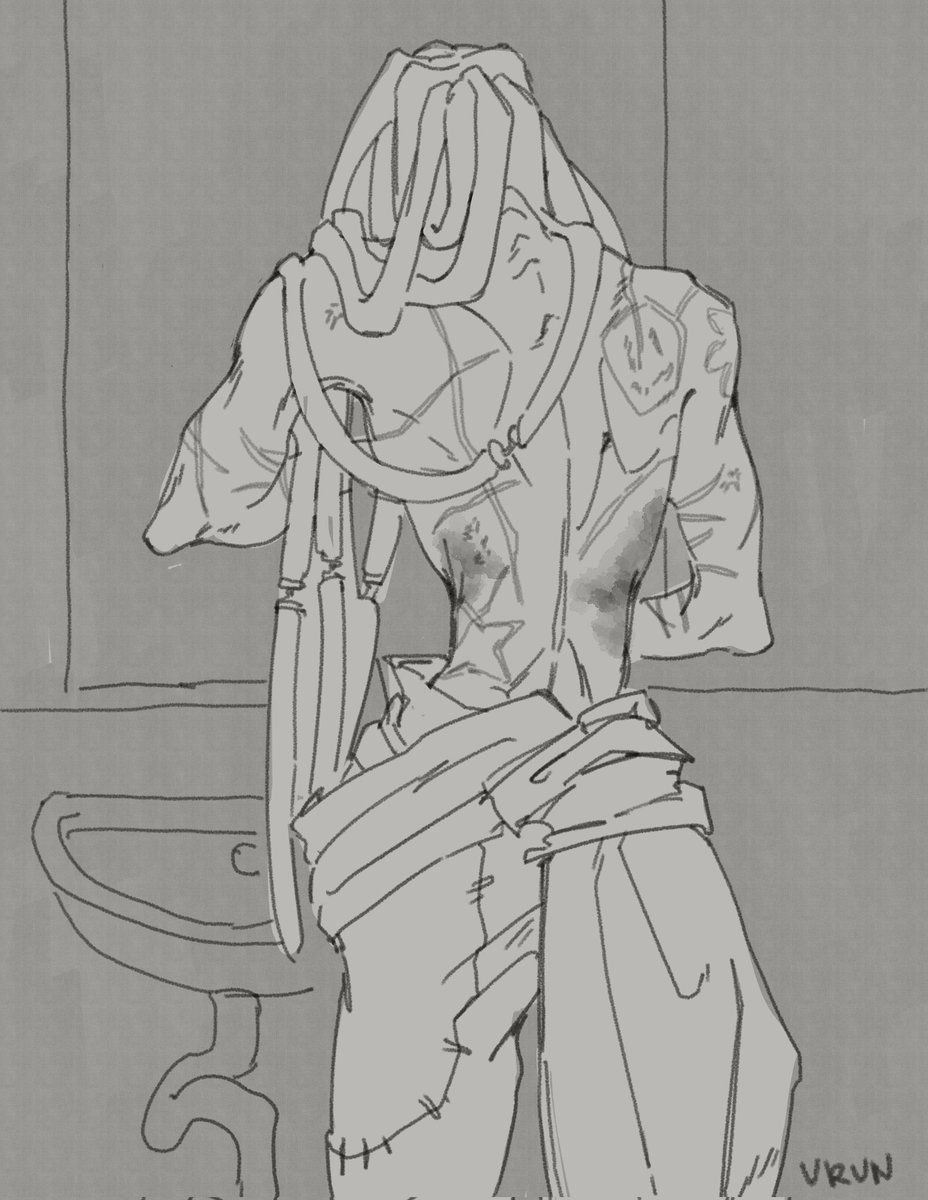

When someone pays another to cut them it’s called scarification, cool art & a body mod but when IIII cut MYSELF it’s NOT OKAY?
49
JON DOE retweeted

Jun 11
How African tribes practice burn scarification?
33
37
542


Forgot the actual word but is that decorative scarification that's so cool
1
3
300

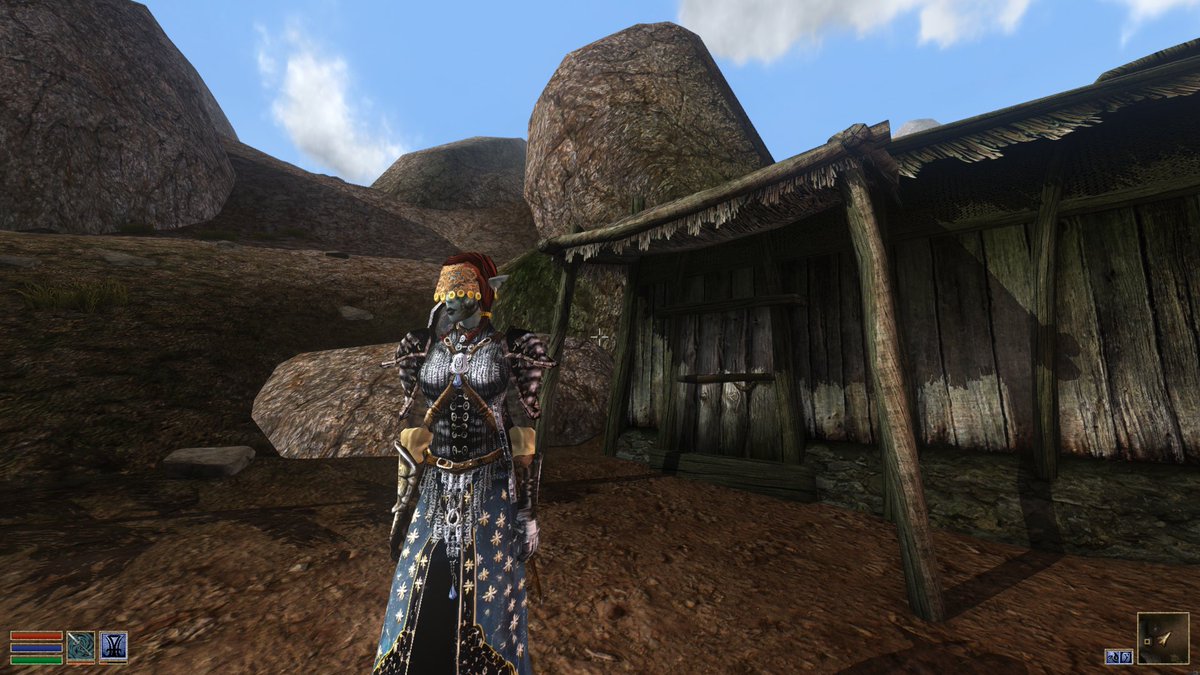
You gave me fomo and i reinstalled morrowind again, rate my dunmer scout shes called Orchid and she self inflicted heavy scarification on her face for dysphoria reasons and shes into picking flowers
1
1
101

Scarification is as cosmetic as branding and tattooing. They’re all body mods 🤷♀️
2
61
𖤐esdeekid of shedtwt🜏 retweeted

Jun 12
Would you consider scarification a form of self harm??
18
1
150
4,161

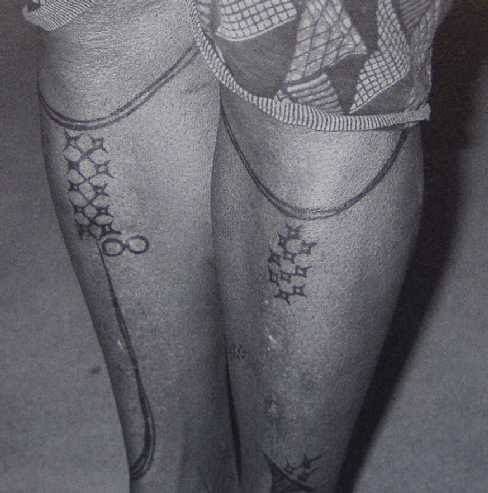
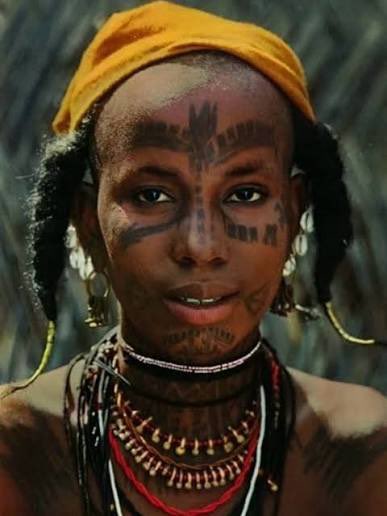
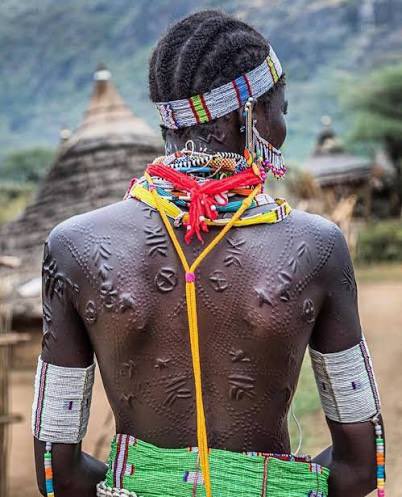
Colonization robbed us of a lot mehn. We now look at things that were originally ours and call them foreign. Tattoos and body modification have deep roots in African culture
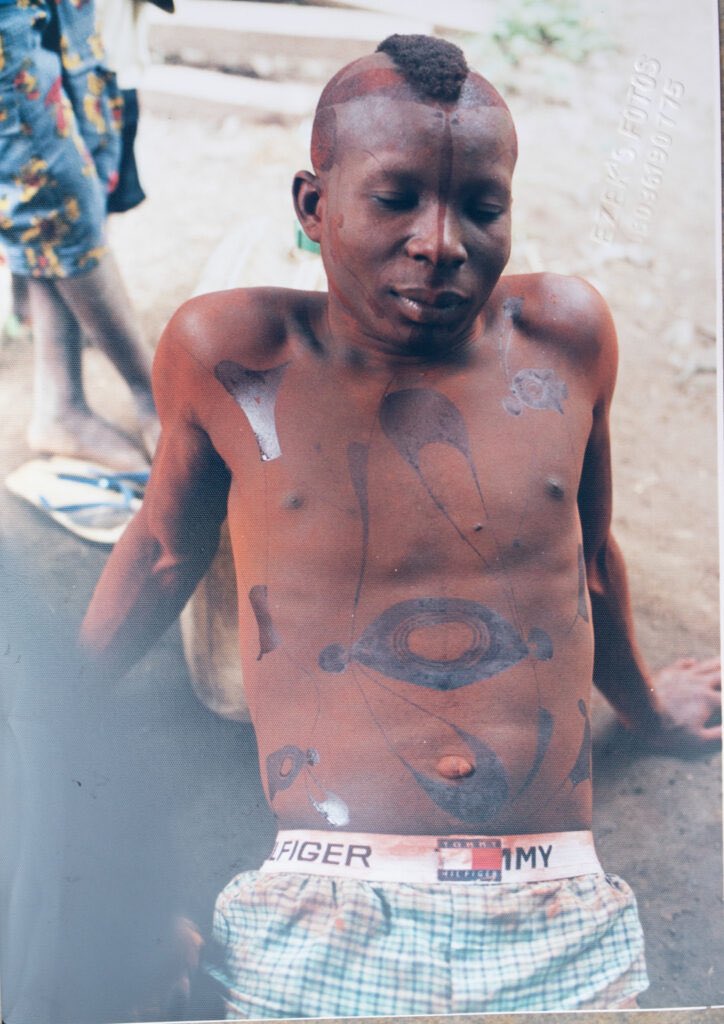
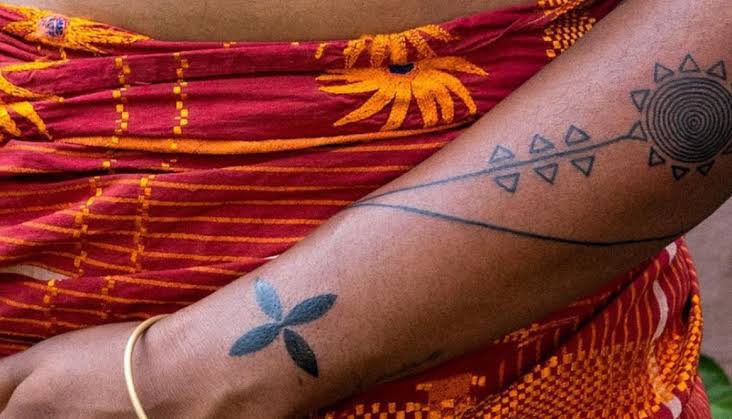
Yorubas have tribal marks and facial scarification. Igbos have uli. Fulanis mark identity and beauty on their faces. A tribe in Sudan cover their entire bodies in patterns
And all these were before colonization, when they told us it was “ungodly”. It’s sad how they’ve successfully taught us to forget who we were
Fake life ke

38
706
3,049
99,061

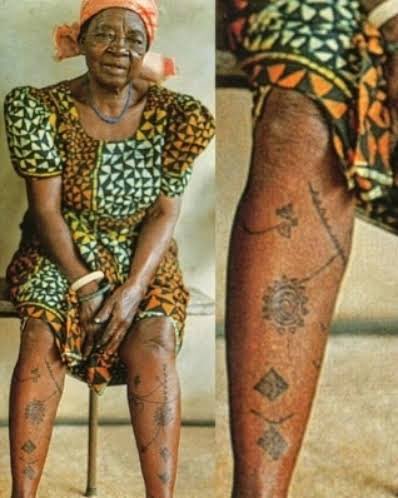
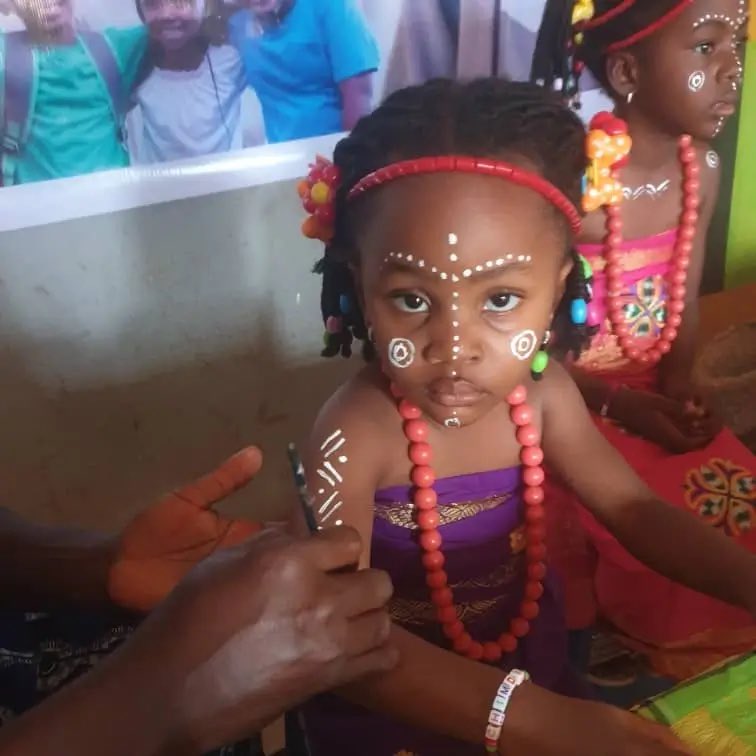
Among the Igbo, we had Uli body art long before modern tattoo culture existed. Across Africa, people marked their bodies with tattoos, scarification, and other forms of body decoration for beauty, identity, spirituality, status, and culture. These traditions existed centuries before Europe popularized modern tattooing.
A Black man with tattoos isn't doing anything foreign. Body marking is deeply rooted in many African cultures, including Igbo culture. The only difference today is the tools and styles being used.
People really need to stop acting as if African history started in the colonial era. Our ancestors were decorating their bodies long before some of these opinions were invented.
5
83
344
17,458

don't piss me off it's 5am i click on a tweet about cosmetic scarification and somebody's posting their cat scratches in the replies if you're gonna slash flash do it right HOE
30


Et j’ai jamais vraiment pris au serieux mes études plus jeune mais là j’ai envie d’etre remarqué et etre dans les premiers de la promotion. Et à coté je vais maigrir jusqu’à 52 kg, me muscler, pousser mes cheveux, prendre soin de ma peau, arrêter mes scarification
1
35