

Bernhard Severinus Voss | The White Singularity
WM SIEG DE VIA DALAIS MODI
loollllchen SS SS SS
dankeschööööööööööööööööööööööööööööööööööööööööööööööööööööööööönINDIASDALAIGHANDI MAHADMA

Jun 13

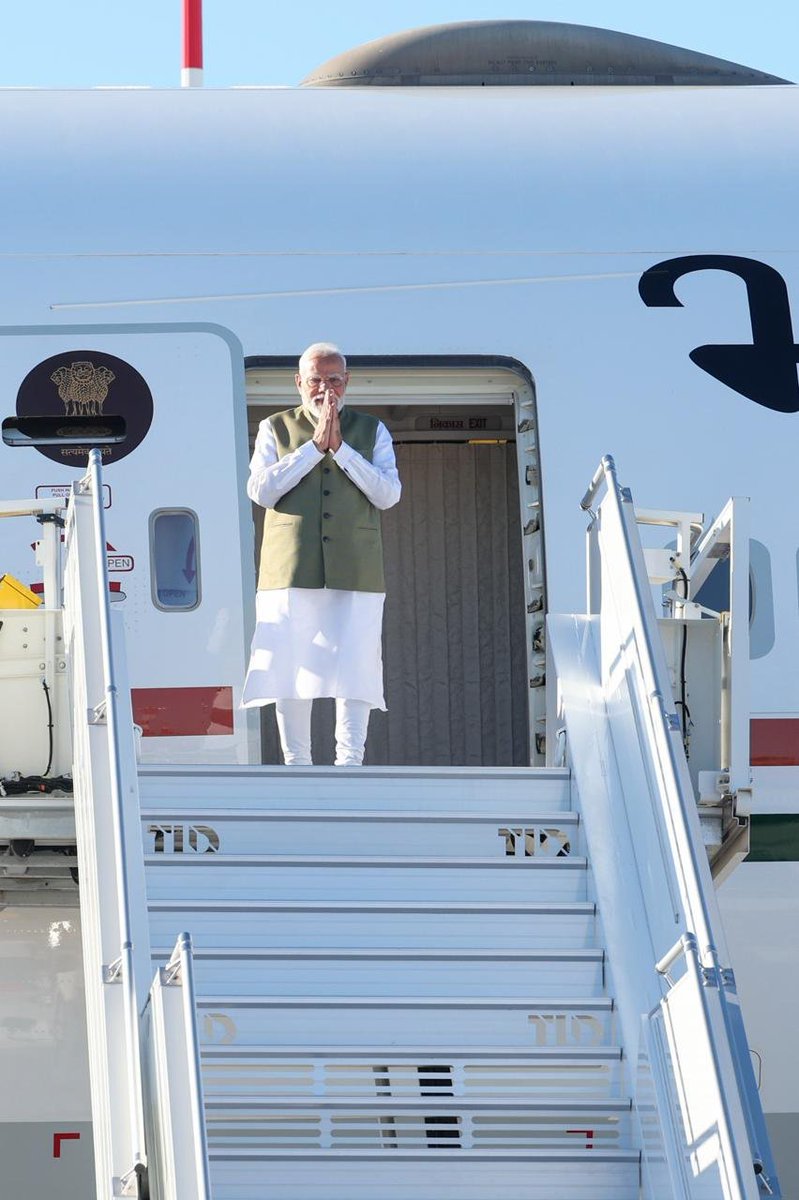
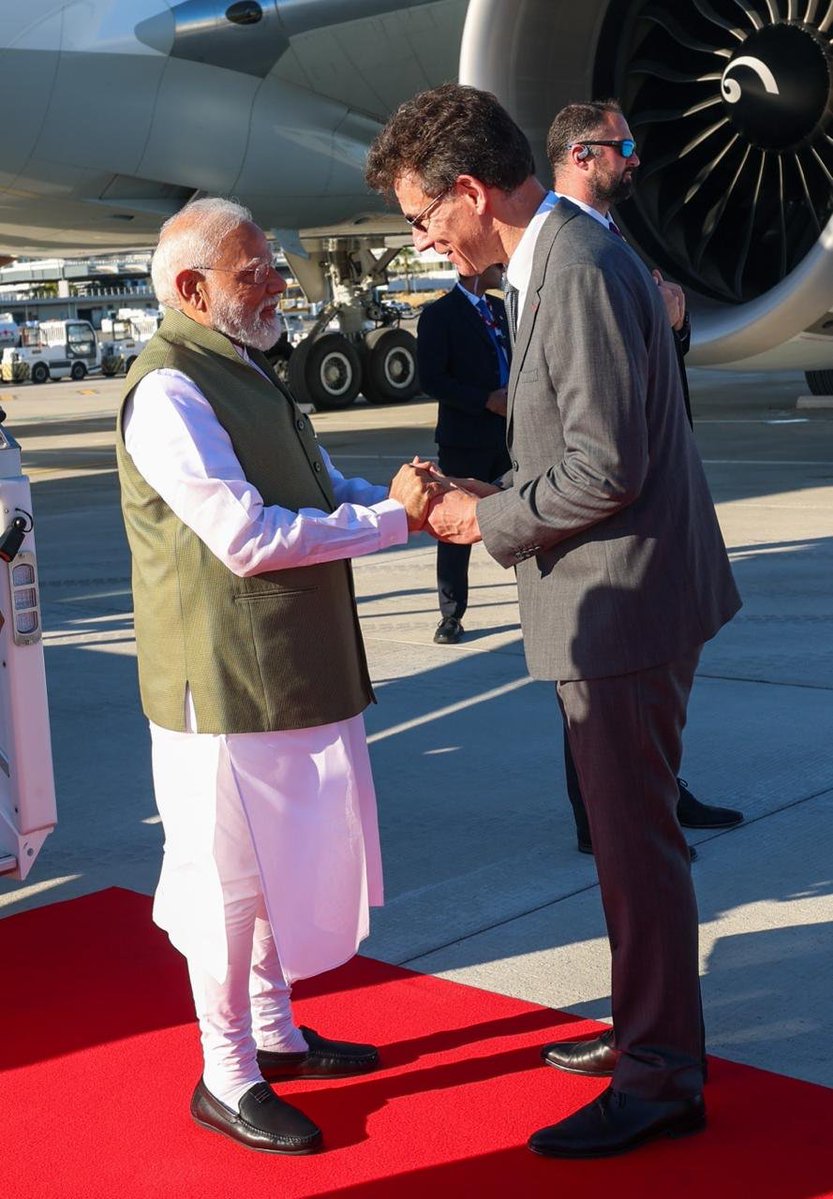
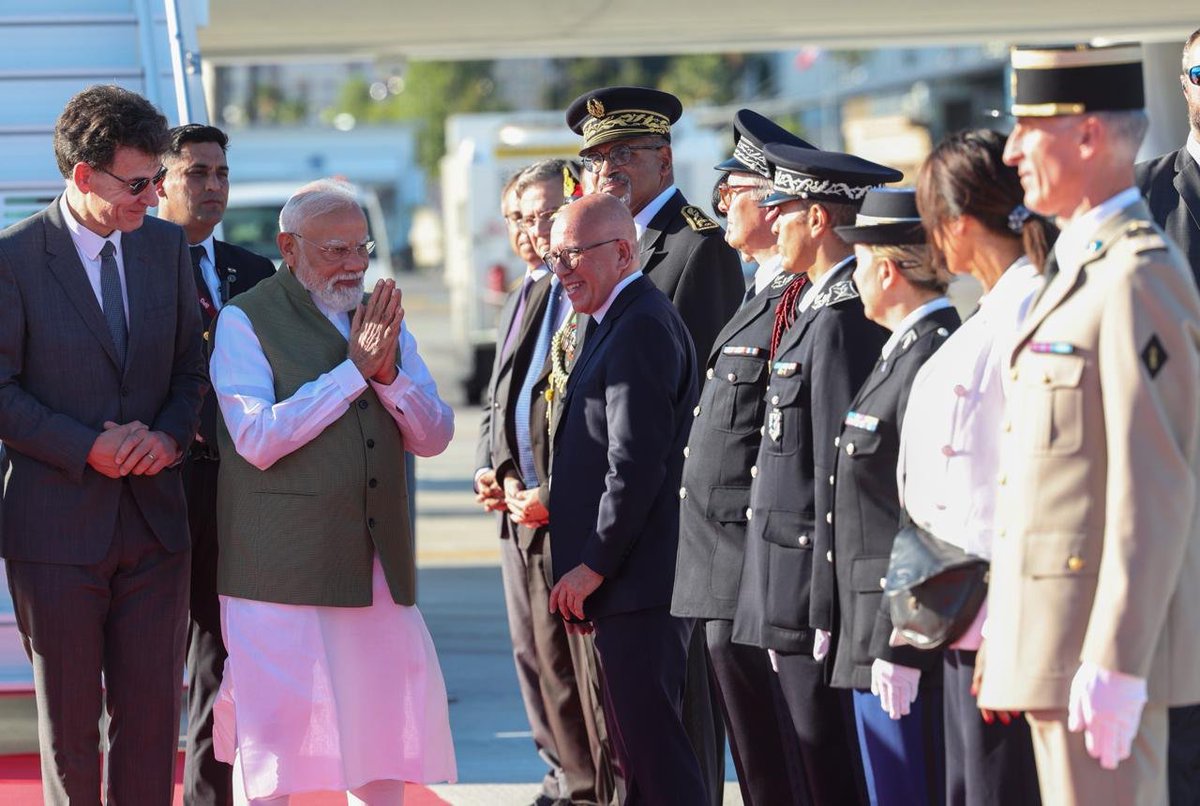
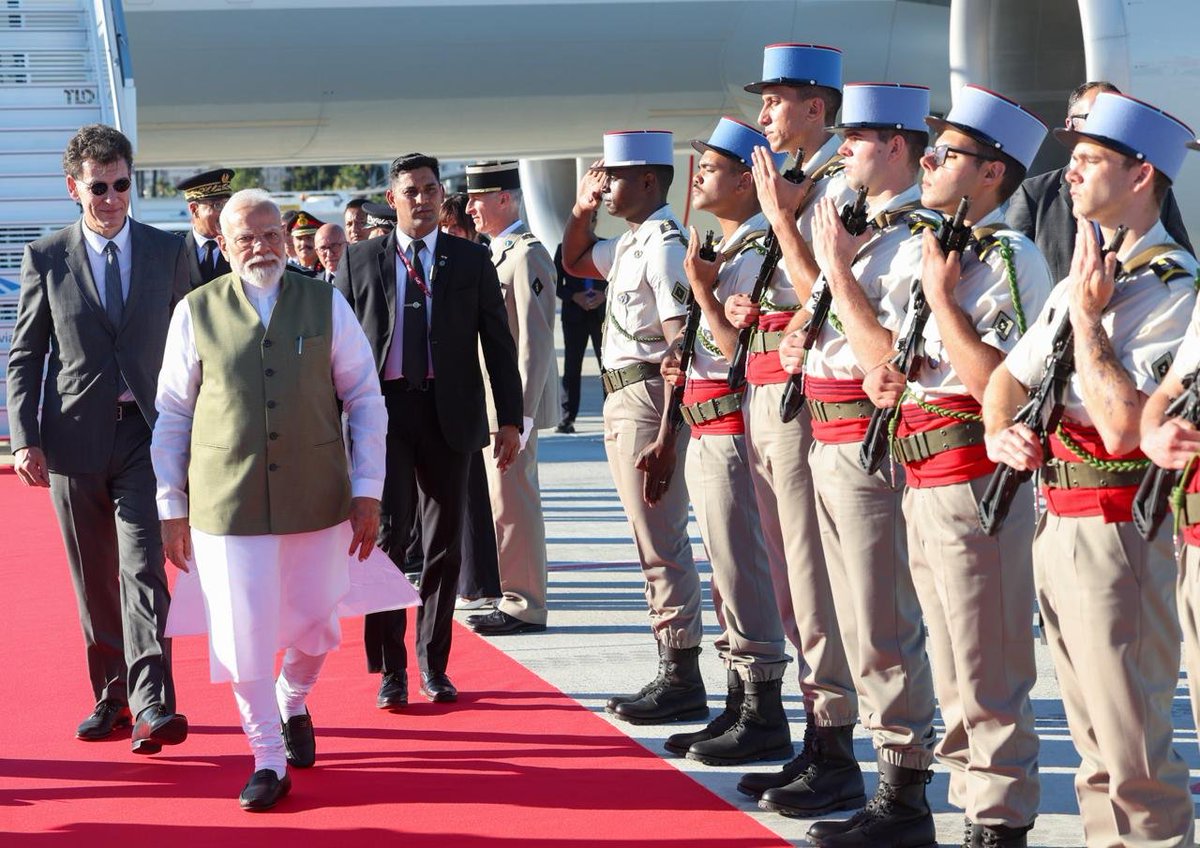
Landed in Nice. In addition to Nice, this France visit includes programmes in Evian and Paris. There will be bilateral and multilateral engagements, which will be aimed at improving India’s friendships with key developmental partners.
I look forward to meeting President Macron tomorrow and to being at ‘Bharat Innovates.’
@EmmanuelMacron
@BharatInnov2026
48

Jun 12
United Nations High Commissioner for Refugees (UNHCR) (CONCEPT!)
Nederland is al decennialang een van de trouwste, meest gulle en bijna ontroerend loyale partners van de UNHCR. Sinds 1970 hebben we, als braafste jongetje van de klas, naar schatting 1,5 tot 3 miljard USD overgemaakt — via directe kernfinanciering, Europese potjes en multilaterale fondsen. Want wat is er nou mooier dan belastinggeld uitkeren aan een organisatie die je zo dierbaar is?
Als klap op de vuurpijl investeert Nederland via het PROSPECTS-partnerschap honderden miljoenen euro’s in “duurzame opvang in de regio”. Alleen al in fase 2 (2024-2026/7) liefst €800 miljoen, keurig verdeeld over UNHCR, UNICEF, ILO en de Wereldbank. Daarnaast schenkt de Nationale Postcode Loterij al sinds 2002 jaarlijks €2,25 tot €2,5 miljoen aan vrije middelen. Hartverwarmend toch, die Nederlandse gulheid?
Helaas kampt diezelfde UNHCR wereldwijd met een hardnekkig en bijna komisch structureel probleem: fraude, mismanagement en een opvallend talent om schandalen onder de mat te vegen. Neem het Uganda-schandaal (2018-2022). Een VN-onderzoek (OIOS) onthulde honderdduizenden spookvluchtelingen en mismanagement van 44 tot 214 miljoen dollar.
Het VK en Duitsland bevroren onmiddellijk hun bijdragen. Nederland? Stilte. Complete radiostilte. Geen Kamerbrief, geen Kamervragen, geen tijdelijke stopzetting. Niks. Gewoon vriendelijk blijven doorschuiven.
In 2019 ontmaskerde NBC News systematische omkoping bij hervestiging. In december 2025 werd protection officer Severinus Sainga in Namibië aangeklaagd voor het verduisteren van ruim €40.000 aan cash-hulp. Den Haag: doodse stilte.
Dit patroon van oorverdovend stilzwijgen is bijna komisch ongeloofwaardig. Terwijl andere landen nog een béétje doen alsof ze om het geld van de burgers geven, blijft Nederland vrolijk meebetalen via kernfinanciering en ‘stille diplomatie’. Waarschijnlijk omdat we thuis zelf al een fraai zooitje hebben bij de IND, het COA en de AZC’s, én omdat de band met UNHCR zo innig is dat kritiek voelt als verraad aan de eigen familie.
In de statige gangen van het Palais des Nations in Genève speelt zich al decennia een ware Nederlandse soap af. Van de allereerste Hoge Commissaris Gerrit Jan van Heuven Goedhart (1951) tot oud-premier Ruud Lubbers (2001-2005), die opstapte na beschuldigingen van seksuele intimidatie. Tot vandaag wemelt het er van de landgenoten: Ivo Freijsen in Bangladesh, Irene van Rij in Den Haag, Prins Jaime de Bourbon de Parme (neef van de koning) die in 2018 als Senior Advisor werd gedetacheerd, en vele anderen.
En dan hebben we Jaap Hoeksma, juridisch officer bij UNHCR van 1976 tot 1990 én vice-voorzitter van VluchtelingenWerk Nederland. Hij durfde het Nederlandse beleid openlijk te bekritiseren als te restrictief en te weinig trouw aan het Vluchtelingenverdrag. Dat kostte hem rond 1990 zijn baan.
Zo mooi sluit de cirkel zich: van kritische UNHCR’ers met nauwe banden bij VluchtelingenWerk Nederland, tot een prins die er gedetacheerd wordt, tot ambtenaren die de lijntjes warm houden. Nederland levert niet alleen miljarden, maar ook mensen, idealen én koninklijke connecties.
Als je land zó verstrengeld is met de UNHCR — van pioniers tot prinsen, critici en ambtenaren — wordt kritiek opeens héél ongemakkelijk. Het voelt bijna als landverraad. Wie zonder zonde is, werpe de eerste steen. Of in dit geval: wie zelf een grandioos zooitje maakt van de asielopvang én zoveel vrienden (en familie) in het systeem heeft zitten, betaalt liever vrolijk en vooral stilzwijgend door.
Peter Siebelt-Zozzaro 12 juni 2026
9
61
93
1,400

Anicius Manlius Severinus Boethius’ Consolation of Philosophy.
28
Anything by Anicius Manlius Severinus Boethius.
Especially, The Consolation of Philosophy.
42

Paschal II
Lando
Agatho
Lucius III
Evaristus
Severinus
Hyginus
Romanus
Eugene II
Conon
Telesphorus
Urban V
Marcellus II
Pius XI
Stephen IX
Pontian
Julius II
Sylvester III
Zephyrinus
Nicholas IV
Peter
1
2
231

May 28
OTD 640 Severinus begins his reign as Roman Catholic Pope, elected in 638
No point rushing things when you have a lifetime appointment.
1
4
78

May 20
Follow up works:
St. Severinus Boethius, Consolation of Philosophy
St. Bonaventure, Breviloquium
Thomas a Kempis, Imitation of Christ
St. Teresa of Avila, Book of Her Life
1
30
932

May 18
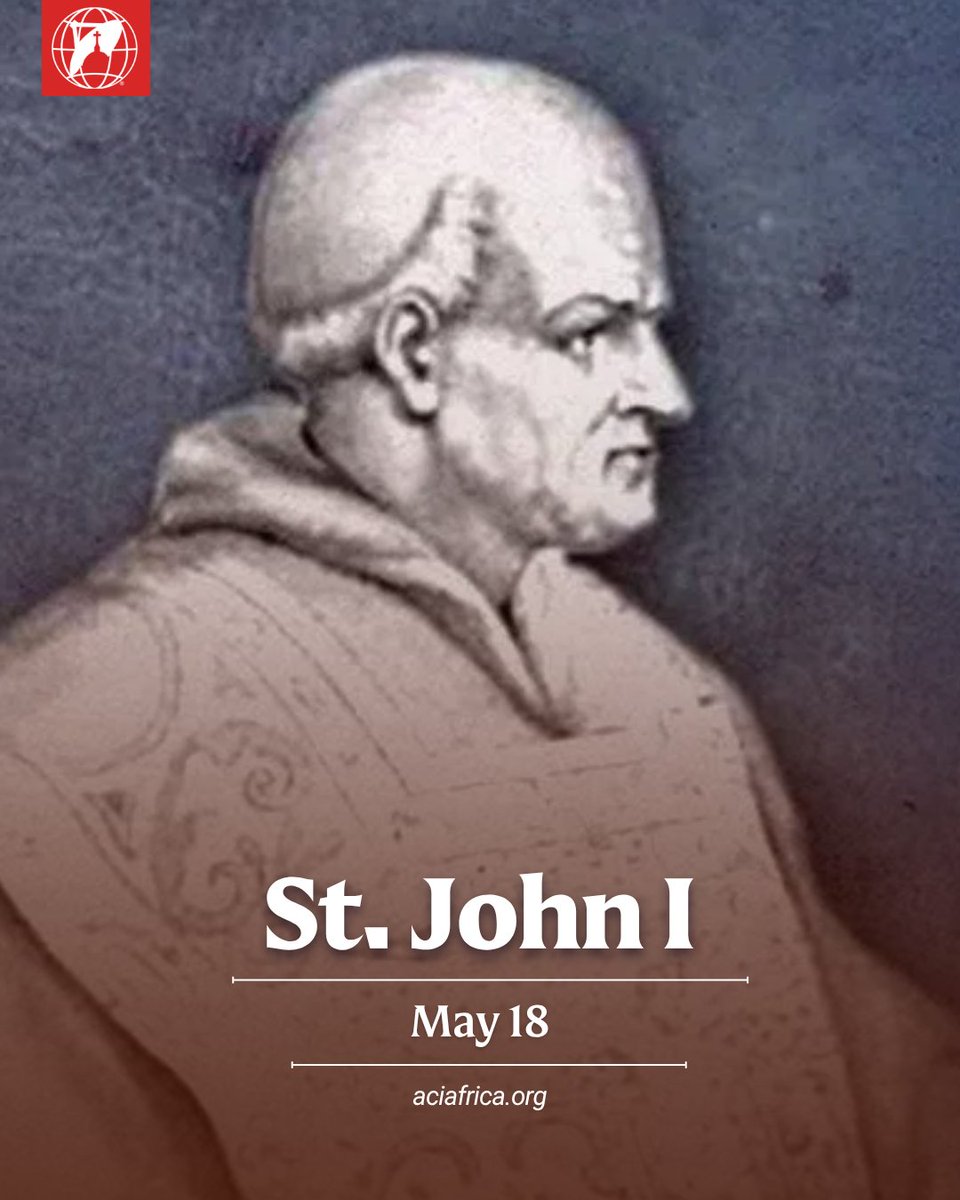
On May 18, the Catholic Church honors the first “Pope John” in its history. Saint John I was a martyr for the faith, imprisoned and starved to death by a heretical Germanic king during the sixth century.
He was a friend of the renowned Christian philosopher Boethius, who died in a similar manner.
Eastern Catholics and Eastern Orthodox Christians also honor Pope St. John I, on the same date as the Roman Catholic Church.
The future Pope John I was born in Tuscany, and served as an archdeacon in the Church for several years. He was chosen to become the Bishop of Rome in 523, succeeding Pope St. Hormisdas.
During his papal reign Italy was ruled by the Ostrogothic King Theodoric. Like many of his fellow tribesmen, the king adhered to the Arian heresy, holding that Christ was a created being rather than the Second Person of the Holy Trinity.
Arianism had originated in the Eastern half of the Roman Empire during the fourth century, and subsequently spread among the Western Goths. By the sixth century the heresy was weak in the East, but not dead.
In 523, the Byzantine Emperor Justin I ordered Arian clergy to surrender their churches into orthodox Catholic hands. In the West, meanwhile, Theodoric was angered by the emperor’s move, and responded by trying to use the Pope’s authority for his own ends.
Pope John was thus placed in an extremely awkward position. Despite the Pope’s own solid orthodoxy, the Arian king seems to have expected him to intercede with the Eastern emperor on behalf of the heretics. John’s refusal to satisfy King Theodoric would eventually lead to his martyrdom.
John did travel to Constantinople, where he was honored as St. Peter’s successor by the people, the Byzantine Emperor, and the Church’s legitimate Eastern patriarchs. (The Church of Alexandria had already separated by this point.) The Pope crowned the emperor, and celebrated the Easter liturgy at the Hagia Sophia Church in April of 526.
But while John could urge Justin to treat the Arians somewhat more mercifully, he could not make the kind of demands on their behalf that Theodoric expected.
The gothic king, who had recently killed John’s intellectually accomplished friend Boethius (honored by the Church as St. Severinus Boethius, on Oct. 23), was furious with the Pope when he learned of his refusal to support the Arians in Constantinople.
Already exhausted by his travels, the Pope was imprisoned in Ravenna and deprived of food. The death of St. John I came on or around May 18, which became his feast day in the Byzantine Catholic tradition and in the Ordinary Form of the Roman Rite.
In the Extraordinary Form of the Roman Rite, he is celebrated on May 27, the date on which his exhumed body was returned to Rome for veneration in St. Peter’s Basilica.
aciafrica.org/news/3471/toda…
1
3
107

May 16
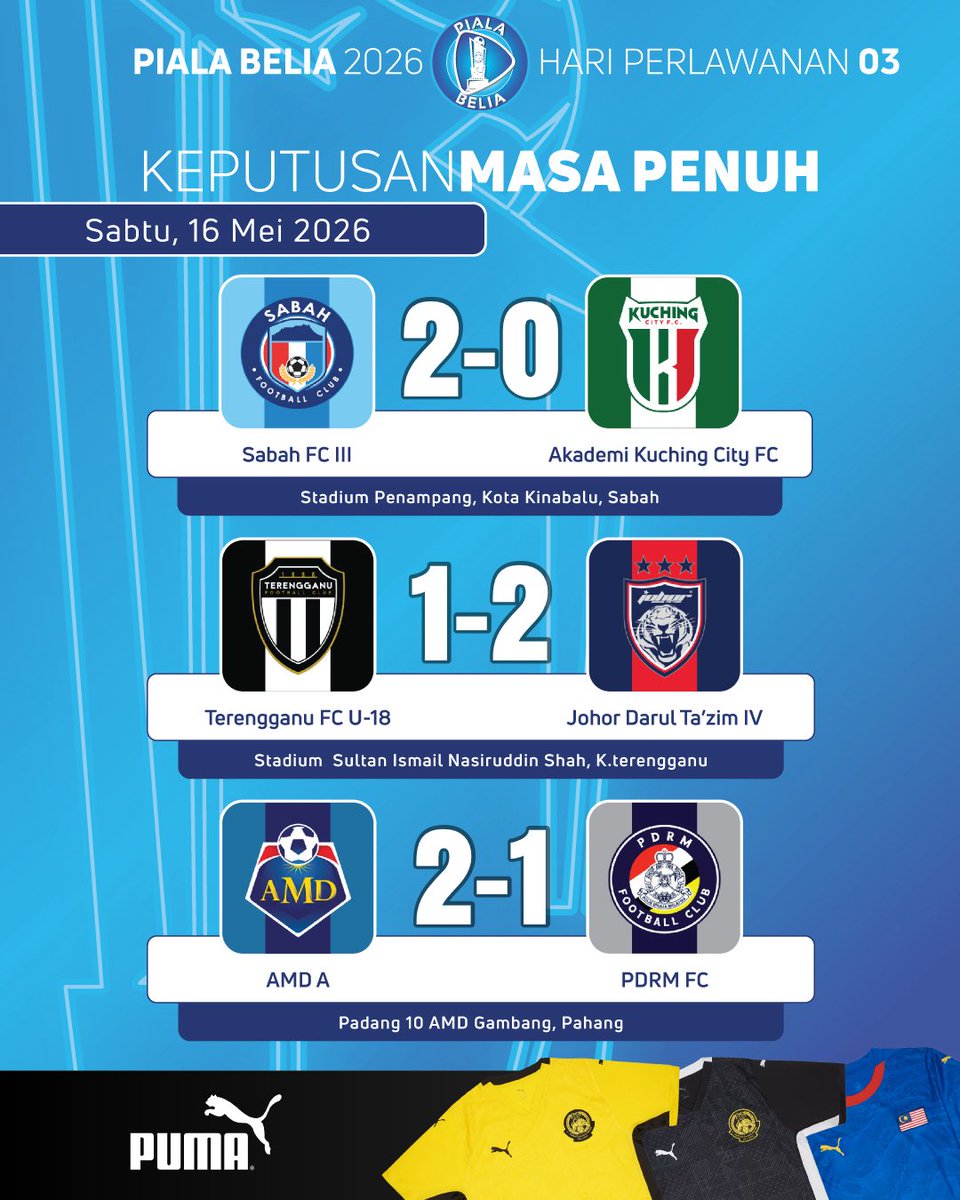
Keputusan Piala Belia 2026
Hari Perlawanan 3 | Sabtu, 16 Mei 2026
Sabah FC III 2-0 Akademi Kuching City FC
⚽️ Jeremy Datoon 12’ Azlam Severinus 88’
Terengganu FC U-18 1-2 Johor Darul Ta’zim IV
⚽️ Ameer Izzuddin 72’
⚽️ Arayyan Hakeem 22’ Izzuddin Afif 34’



1
3
11
1,415
May 15
That's not necessarily an issue
I mean so was St. Severinus Boethius
2
149

May 7
That’s a lovely opinion, but it has no serious theological foundation in Holy Tradition or Scripture - and more than 1 billion Catholics alive today, and the Popes - Peter, Linus, Anacletus, Clement, Evaristus, Alexander I, Sixtus I, Telesphorus, Hyginus, Pius I, Anicetus, Soter, Eleutherius, Victor I, Zephyrinus, Callistus I, Urban I, Pontian, Anterus, Fabian, Cornelius, Lucius I, Stephen I, Sixtus II, Dionysius, Felix I, Eutychian, Caius, Marcellinus, Marcellus I, Eusebius, Miltiades, Sylvester I, Mark, Julius I, Liberius, Damasus I, Siricius, Anastasius I, Innocent I, Zosimus, Boniface I, Celestine I, Sixtus III, Leo I, Hilarius, Simplicius, Felix III, Gelasius I, Anastasius II, Symmachus, Hormisdas, John I, Felix IV, Boniface II, John II, Agapetus I, Silverius, Vigilius, Pelagius I, John III, Benedict I, Pelagius II, Gregory I, Sabinian, Boniface III, Boniface IV, Adeodatus I, Boniface V, Honorius I, Severinus, John IV, Theodore I, Martin I, Eugene I, Vitalian, Adeodatus II, Donus, Agatho, Leo II, Benedict II, John V, Conon, Sergius I, John VI, John VII, Sisinnius, Constantine, Gregory II, Gregory III, Zachary, Stephen II, Paul I, Stephen III, Adrian I, Leo III, Stephen IV, Paschal I, Eugene II, Valentine, Gregory IV, Sergius II, Leo IV, Benedict III, Nicholas I, Adrian II, John VIII, Marinus I, Adrian III, Stephen V, Formosus, Boniface VI, Stephen VI, Romanus, Theodore II, John IX, Benedict IV, Leo V, Sergius III, Anastasius III, Lando, John X, Leo VI, Stephen VII, John XI, Leo VII, Stephen VIII, Marinus II, Agapetus II, John XII, Leo VIII, Benedict V, John XIII, Benedict VI, Benedict VII, John XIV, John XV, Gregory V, Sylvester II, John XVII, John XVIII, Sergius IV, Benedict VIII, John XIX, Benedict IX, Sylvester III, Gregory VI, Clement II, Damasus II, Leo IX, Victor II, Stephen IX, Nicholas II, Alexander II, Gregory VII, Victor III, Urban II, Paschal II, Gelasius II, Callistus II, Honorius II, Innocent II, Celestine II, Lucius II, Eugene III, Anastasius IV, Adrian IV, Alexander III, Lucius III, Urban III, Gregory VIII, Clement III, Celestine III, Innocent III, Honorius III, Gregory IX, Celestine IV, Innocent IV, Alexander IV, Urban IV, Clement IV, Gregory X, Innocent V, Adrian V, John XXI, Nicholas III, Martin IV, Honorius IV, Nicholas IV, Celestine V, Boniface VIII, Benedict XI, Clement V, John XXII, Benedict XII, Clement VI, Innocent VI, Urban V, Gregory XI, Urban VI, Boniface IX, Innocent VII, Gregory XII, Martin V, Eugene IV, Nicholas V, Callixtus III, Pius II, Paul II, Sixtus IV, Innocent VIII, Alexander VI, Pius III, Julius II, Leo X, Adrian VI, Clement VII, Paul III, Julius III, Marcellus II, Paul IV, Pius IV, Pius V, Gregory XIII, Sixtus V, Urban VII, Gregory XIV, Innocent IX, Clement VIII, Leo XI, Paul V, Gregory XV, Urban VIII, Innocent X, Alexander VII, Clement IX, Clement X, Innocent XI, Alexander VIII, Innocent XII, Clement XI, Innocent XIII, Benedict XIII, Clement XII, Benedict XIV, Clement XIII, Clement XIV, Pius VI, Pius VII, Leo XII, Pius VIII, Gregory XVI, Pius IX, Leo XIII, Pius X, Benedict XV, Pius XI, Pius XII, John XXIII, Paul VI, John Paul I, John Paul II, Benedict XVI, Francis, and Leo XIV - together with the cardinals, bishops, Doctors of the Church, Church Fathers, and Holy Apostles since 33 AD, disagree. And on the question of the Saints and Mary, the Eastern Orthodox would disagree with you as well. But if you still want to cling to that view, then enjoy your illusions.
1
6
51

St. Peter (c. 32–67)
St. Linus (67–76)
St. Anacletus (Cletus) (76–88)
St. Clement I (88–97)
St. Evaristus (97–105)
St. Alexander I (105–115)
St. Sixtus I (115–125)
St. Telesphorus (125–136)
St. Hyginus (136–140)
St. Pius I (140–155)
St. Anicetus (155–166)
St. Soter (166–175)
St. Eleutherius (175–189)
St. Victor I (189–199)
St. Zephyrinus (199–217)
St. Callistus I (217–222)
St. Urban I (222–230)
St. Pontian (230–235)
St. Anterus (235–236)
St. Fabian (236–250)
St. Cornelius (251–253)
St. Lucius I (253–254)
St. Stephen I (254–257)
St. Sixtus II (257–258)
St. Dionysius (259–268)
St. Felix I (269–274)
St. Eutychian (275–283)
St. Caius (283–296)
St. Marcellinus (296–304)
St. Marcellus I (308–309)
St. Eusebius (309–310)
St. Miltiades (311–314)
St. Sylvester I (314–335)
St. Mark (336)
St. Julius I (337–352)
Liberius (352–366)
St. Damasus I (366–384)
St. Siricius (384–399)
St. Anastasius I (399–401)
St. Innocent I (401–417)
St. Zosimus (417–418)
St. Boniface I (418–422)
St. Celestine I (422–432)
St. Sixtus III (432–440)
St. Leo I (the Great) (440–461)
St. Hilarius (461–468)
St. Simplicius (468–483)
St. Felix III (II) (483–492)
St. Gelasius I (492–496)
Anastasius II (496–498)
St. Symmachus (498–514)
St. Hormisdas (514–523)
St. John I (523–526)
St. Felix IV (III) (526–530)
Boniface II (530–532)
John II (533–535)
St. Agapetus I (535–536)
St. Silverius (536–537)
Vigilius (537–555)
Pelagius I (556–561)
John III (561–574)
Benedict I (575–579)
Pelagius II (579–590)
St. Gregory I (the Great) (590–604)
Sabinian (604–606)
Boniface III (607)
St. Boniface IV (608–615)
St. Adeodatus I (615–618)
Boniface V (619–625)
Honorius I (625–638)
Severinus (640)
John IV (640–642)
Theodore I (642–649)
St. Martin I (649–655)
St. Eugene I (654–657)
St. Vitalian (657–672)
Adeodatus II (672–676)
Donus (676–678)
St. Agatho (678–681)
St. Leo II (682–683)
Benedict II (684–685)
John V (685–686)
Conon (686–687)
St. Sergius I (687–701)
John VI (701–705)
John VII (705–707)
Sisinnius (708)
Constantine (708–715)
St. Gregory II (715–731)
St. Gregory III (731–741)
St. Zachary (741–752)
Stephen II (752–757)
St. Paul I (757–767)
Stephen III (767–772)
Adrian I (772–795)
St. Leo III (795–816)
Stephen IV (816–817)
Paschal I (817–824)
Eugene II (824–827)
Valentine (827)
Gregory IV (827–844)
Sergius II (844–847)
St. Leo IV (847–855)
Benedict III (855–858)
St. Nicholas I (858–867)
Adrian II (867–872)
John VIII (872–882)
Marinus I (882–884)
St. Adrian III (884–885)
Stephen V (885–891)
Formosus (891–896)
Boniface VI (896)
Stephen VI (896–897)
Romanus (897)
Theodore II (897)
John IX (898–900)
Benedict IV (900–903)
Leo V (903)
Sergius III (904–911)
Anastasius III (911–913)
Lando (913–914)
John X (914–928)
Leo VI (928)
Stephen VII (928–931)
John XI (931–935)
Leo VII (936–939)
Stephen VIII (939–942)
Marinus II (942–946)
Agapetus II (946–955)
John XII (955–964)
Leo VIII (963–965)
Benedict V (964)
John XIII (965–972)
Benedict VI (973–974)
Benedict VII (974–983)
John XIV (983–984)
John XV (985–996)
Gregory V (996–999)
Sylvester II (999–1003)
John XVII (1003)
John XVIII (1003–1009)
Sergius IV (1009–1012)
Benedict VIII (1012–1024)
John XIX (1024–1032)
Benedict IX (1032–1044)
Sylvester III (1045)
Benedict IX (1045)
Gregory VI (1045–1046)
Clement II (1046–1047)
Benedict IX (1047–1048)
Damasus II (1048)
St. Leo IX (1049–1054)
Victor II (1055–1057)
Stephen IX (1057–1058)
Nicholas II (1059–1061)
Alexander II (1061–1073)
St. Gregory VII (1073–1085)
Victor III (1086–1087)
Urban II (1088–1099)
Paschal II (1099–1118)
Gelasius II (1118–1119)
Callistus II (1119–1124)
Honorius II (1124–1130)
Innocent II (1130–1143)
Celestine II (1143–1144)
Lucius II (1144–1145)
Eugene III (1145–1153)
Anastasius IV (1153–1154)
Adrian IV (1154–1159)
Alexander III (1159–1181)
Lucius III (1181–1185)
Urban III (1185–1187)
Gregory VIII (1187)
Clement III (1187–1191)
Celestine III (1191–1198)
Innocent III (1198–1216)
Honorius III (1216–1227)
Gregory IX (1227–1241)
Celestine IV (1241)
Innocent IV (1243–1254)
Alexander IV (1254–1261)
Urban IV (1261–1264)
Clement IV (1265–1268)
Gregory X (1271–1276)
Innocent V (1276)
Adrian V (1276)
John XXI (1276–1277)
Nicholas III (1277–1280)
Martin IV (1281–1285)
Honorius IV (1285–1287)
Nicholas IV (1288–1292)
Celestine V (1294)
Boniface VIII (1294–1303)
Benedict XI (1303–1304)
Clement V (1305–1314)
John XXII (1316–1334)
Benedict XII (1334–1342)
Clement VI (1342–1352)
Innocent VI (1352–1362)
Urban V (1362–1370)
Gregory XI (1370–1378)
Urban VI (1378–1389)
Boniface IX (1389–1404)
Innocent VII (1404–1406)
Gregory XII (1406–1415)
Martin V (1417–1431)
Eugene IV (1431–1447)
Nicholas V (1447–1455)
Callistus III (1455–1458)
Pius II (1458–1464)
Paul II (1464–1471)
Sixtus IV (1471–1484)
Innocent VIII (1484–1492)
Alexander VI (1492–1503)
Pius III (1503)
Julius II (1503–1513)
Leo X (1513–1521)
Adrian VI (1522–1523)
Clement VII (1523–1534)
Paul III (1534–1549)
Julius III (1550–1555)
Marcellus II (1555)
Paul IV (1555–1559)
Pius IV (1559–1565)
St. Pius V (1566–1572)
Gregory XIII (1572–1585)
Sixtus V (1585–1590)
Urban VII (1590)
Gregory XIV (1590–1591)
Innocent IX (1591)
Clement VIII (1592–1605)
Leo XI (1605)
Paul V (1605–1621)
Gregory XV (1621–1623)
Urban VIII (1623–1644)
Innocent X (1644–1655)
Alexander VII (1655–1667)
Clement IX (1667–1669)
Clement X (1670–1676)
Innocent XI (1676–1689)
Alexander VIII (1689–1691)
Innocent XII (1691–1700)
Clement XI (1700–1721)
Innocent XIII (1721–1724)
Benedict XIII (1724–1730)
Clement XII (1730–1740)
Benedict XIV (1740–1758)
Clement XIII (1758–1769)
Clement XIV (1769–1774)
Pius VI (1775–1799)
Pius VII (1800–1823)
Leo XII (1823–1829)
Pius VIII (1829–1830)
Gregory XVI (1831–1846)
Pius IX (1846–1878)
Leo XIII (1878–1903)
Pius X (1903–1914)
Benedict XV (1914–1922)
Pius XI (1922–1939)
Pius XII (1939–1958)
John XXIII (1958–1963)
Paul VI (1963–1978)
John Paul I (1978)
John Paul II (1978–2005)
Benedict XVI (2005–2013)
Francis (2013–2025)
Leo XIV (2025–present)
3
1
10
618

May 4
1. St. Peter (32–67)
2. St. Linus (67–76)
3. St. Anacletus (Cletus) (76–88)
4. St. Clement I (88–97)
5. St. Evaristus (97–105)
6. St. Alexander I (105–115)
7. St. Sixtus I (115–125)
8. St. Telesphorus (125–136)
9. St. Hyginus (136–140)
10. St. Pius I (140–155)
11. St. Anicetus (155–166)
12. St. Soter (166–175)
13. St. Eleutherius (175–189)
14. St. Victor I (189–199)
15. St. Zephyrinus (199–217)
16. St. Callistus I (217–222)
17. St. Urban I (222–230)
18. St. Pontian (230–235)
19. St. Anterus (235–236)
20. St. Fabian (236–250)
21. St. Cornelius (251–253)
22. St. Lucius I (253–254)
23. St. Stephen I (254–257)
24. St. Sixtus II (257–258)
25. St. Dionysius (259–268)
26. St. Felix I (269–274)
27. St. Eutychian (275–283)
28. St. Caius (283–296)
29. St. Marcellinus (296–304)
30. St. Marcellus I (308–309)
31. St. Eusebius (309)
32. St. Miltiades (311–314)
33. St. Sylvester I (314–335)
34. St. Mark (336)
35. St. Julius I (337–352)
36. Liberius (352–366)
37. St. Damasus I (366–384)
38. St. Siricius (384–399)
39. St. Anastasius I (399–401)
40. St. Innocent I (401–417)
41. St. Zosimus (417–418)
42. St. Boniface I (418–422)
43. St. Celestine I (422–432)
44. St. Sixtus III (432–440)
45. St. Leo I (the Great) (440–461)
46. St. Hilarius (461–468)
47. St. Simplicius (468–483)
48. St. Felix III (II) (483–492)
49. St. Gelasius I (492–496)
50. Anastasius II (496–498)
51. St. Symmachus (498–514)
52. St. Hormisdas (514–523)
53. St. John I (523–526)
54. St. Felix IV (III) (526–530)
55. Boniface II (530–532)
56. John II (533–535)
57. St. Agapetus I (535–536)
58. St. Silverius (536–537)
59. Vigilius (537–555)
60. Pelagius I (556–561)
61. John III (561–574)
62. Benedict I (575–579)
63. Pelagius II (579–590)
64. St. Gregory I (the Great) (590–604)
65. Sabinian (604–606)
66. Boniface III (607)
67. St. Boniface IV (608–615)
68. St. Adeodatus I (Deusdedit) (615–618)
69. Boniface V (619–625)
70. Honorius I (625–638)
71. Severinus (640)
72. John IV (640–642)
73. Theodore I (642–649)
74. St. Martin I (649–655)
75. St. Eugene I (654–657)
76. St. Vitalian (657–672)
77. Adeodatus II (672–676)
78. Donus (676–678)
79. St. Agatho (678–681)
80. St. Leo II (682–683)
81. St. Benedict II (684–685)
82. John V (685–686)
83. Conon (686–687)
84. St. Sergius I (687–701)
85. John VI (701–705)
86. John VII (705–707)
87. Sisinnius (708)
88. Constantine (708–715)
89. St. Gregory II (715–731)
90. St. Gregory III (731–741)
91. St. Zachary (741–752)
92. Stephen II (III) (752–757)
93. St. Paul I (757–767)
94. Stephen III (IV) (768–772)
95. Adrian I (772–795)
96. St. Leo III (795–816)
97. Stephen IV (V) (816–817)
98. St. Paschal I (817–824)
99. Eugene II (824–827)
100. Valentine (827)
101. Gregory IV (827–844)
102. Sergius II (844–847)
103. St. Leo IV (847–855)
104. Benedict III (855–858)
105. St. Nicholas I (the Great) (858–867)
106. Adrian II (867–872)
107. John VIII (872–882)
108. Marinus I (882–884)
109. St. Adrian III (884–885)
110. Stephen V (VI) (885–891)
111. Formosus (891–896)
112. Boniface VI (896)
113. Stephen VI (VII) (896–897)
114. Romanus (897)
115. Theodore II (897)
116. John IX (898–900)
117. Benedict IV (900–903)
118. Leo V (903)
119. Sergius III (904–911)
120. Anastasius III (911–913)
121. Lando (913–914)
122. John X (914–928)
123. Leo VI (928)
124. Stephen VII (VIII) (928–931)
125. John XI (931–935)
126. Leo VII (936–939)
127. Stephen VIII (IX) (939–942)
128. Marinus II (942–946)
129. Agapetus II (946–955)
130. John XII (955–964)
131. Leo VIII (963–965)
132. Benedict V (964–966)
133. John XIII (965–972)
134. Benedict VI (973–974)
135. Benedict VII (974–983)
136. John XIV (983–984)
137. John XV (985–996)
138. Gregory V (996–999)
139. Sylvester II (999–1003)
140. John XVII (1003)
141. John XVIII (1003–1009)
142. Sergius IV (1009–1012)
143. Benedict VIII (1012–1024)
144. John XIX (1024–1032)
145. Benedict IX (1032–1044, 1045, 1047–1048)
146. Sylvester III (1045)
147. Gregory VI (1045–1046)
148. Clement II (1046–1047)
149. Damasus II (1048)
150. St. Leo IX (1049–1054)
May 4

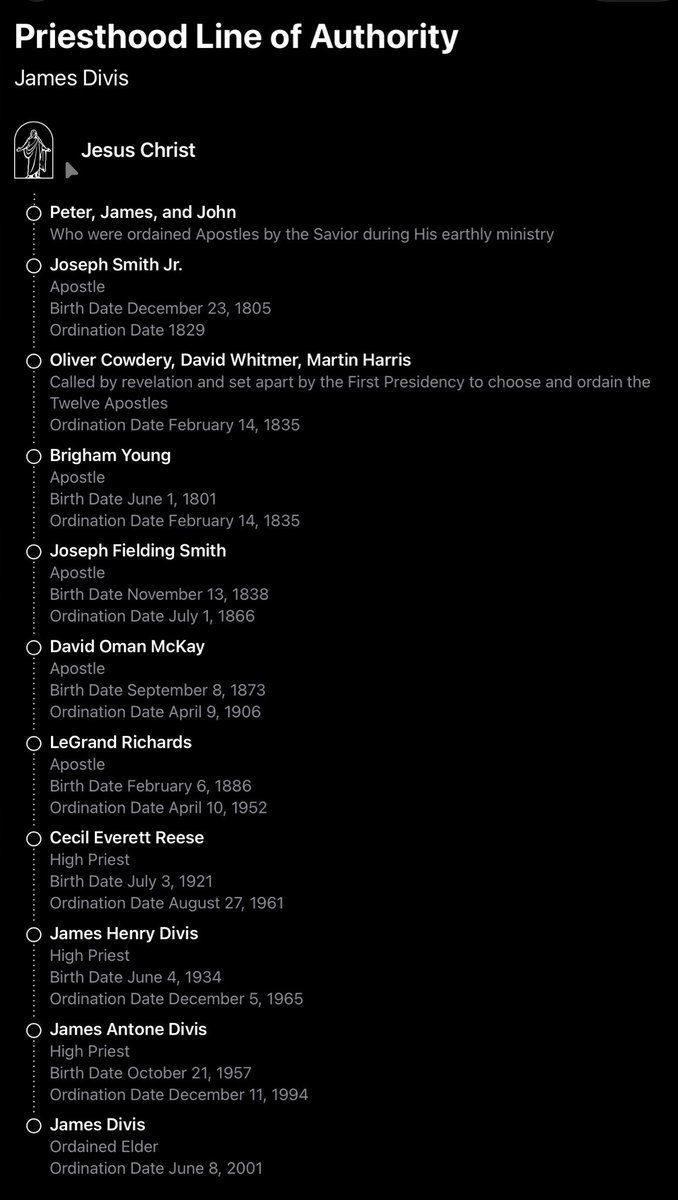
If you claim to have the priesthood of God, please show me your line of authority.
116
280
3,987
441,621

Apr 11
2
13
158

Complete List of the Popes and Their Countries of Origin (Based on Modern-Day Borders)
001. 🇮🇱 St. Peter
002. 🇮🇹 St. Linus
003. 🇮🇹 St. Anacletus
004. 🇮🇹 St. Clement I
005. 🇮🇹 St. Evaristus
006. 🇮🇹 St. Alexander I
007. 🇮🇹 St. Sixtus I
008. 🇬🇷 St. Telesphorus
009. 🇬🇷 St. Hyginus
010. 🇮🇹 St. Pius I
011. 🇮🇹 St. Anicetus
012. 🇮🇹 St. Soter
013. 🇮🇹 St. Eleutherius
014. 🇹🇳 St. Victor I
015. 🇮🇹 St. Zephyrinus
016. 🇮🇹 St. Callixtus I
017. 🇮🇹 St. Urban I
018. 🇮🇹 St. Pontian
019. 🇬🇷 St. Anterus
020. 🇮🇹 St. Fabian
021. 🇮🇹 St. Cornelius
022. 🇮🇹 St. Lucius I
023. 🇮🇹 St. Stephen I
024. 🇬🇷 St. Sixtus II
025. 🇮🇹 St. Dionysius
026. 🇮🇹 St. Felix I
027. 🇮🇹 St. Eutychian
028. 🇮🇹 St. Caius
029. 🇮🇹 St. Marcellinus
030. 🇮🇹 St. Marcellus I
031. 🇬🇷 St. Eusebius
032. 🇹🇳 St. Miltiades
033. 🇮🇹 St. Sylvester I
034. 🇮🇹 St. Marcus
035. 🇮🇹 St. Julius I
036. 🇮🇹 Liberius
037. 🇮🇹 St. Damasus I
038. 🇮🇹 St. Siricius
039. 🇮🇹 St. Anastasius I
040. 🇮🇹 St. Innocent I
041. 🇮🇹 St. Zosimus
042. 🇮🇹 St. Boniface I
043. 🇮🇹 St. Celestine I
044. 🇮🇹 St. Sixtus III
045. 🇮🇹 St. Leo I
046. 🇮🇹 St. Hilary
047. 🇮🇹 St. Simplicius
048. 🇮🇹 St. Felix III
049. 🇩🇿 St. Gelasius I
050. 🇮🇹 Anastasius II
051. 🇮🇹 St. Symmachus
052. 🇮🇹 St. Hormisdas
053. 🇮🇹 St. John I
054. 🇮🇹 St. Felix IV
055. 🇮🇹 Boniface II
056. 🇮🇹 John II
057. 🇮🇹 St. Agapetus I
058. 🇮🇹 St. Silverius
059. 🇮🇹 Vigilius
060. 🇮🇹 Pelagius I
061. 🇮🇹 John III
062. 🇮🇹 Benedict I
063. 🇮🇹 Pelagius II
064. 🇮🇹 St. Gregory I
065. 🇮🇹 Sabinian
066. 🇮🇹 Boniface III
067. 🇮🇹 St. Boniface IV
068. 🇮🇹 St. Adeodatus I
069. 🇮🇹 Boniface V
070. 🇮🇹 Honorius I
071. 🇮🇹 Severinus
072. 🇮🇹 John IV
073. 🇮🇹 Theodore I
074. 🇮🇹 St. Martin I
075. 🇮🇹 St. Eugene I
076. 🇮🇹 St. Vitalian
077. 🇮🇹 Adeodatus II
078. 🇮🇹 Donus
079. 🇮🇹 St. Agatho
080. 🇮🇹 St. Leo II
081. 🇮🇹 St. Benedict II
082. 🇮🇹 John V
083. 🇮🇹 Conon
084. 🇮🇹 St. Sergius I
085. 🇮🇹 John VI
086. 🇮🇹 John VII
087. 🇸🇾 Sisinnius
088. 🇸🇾 Constantine
089. 🇮🇹 St. Gregory II
090. 🇸🇾 St. Gregory III
091. 🇮🇹 St. Zachary
092. 🇮🇹 Stephen II
093. 🇮🇹 St. Paul I
094. 🇮🇹 Stephen III
095. 🇮🇹 Adrian I
096. 🇮🇹 St. Leo III
097. 🇮🇹 Stephen IV
098. 🇮🇹 St. Paschal I
099. 🇮🇹 Eugene II
100. 🇮🇹 Valentine
101. 🇮🇹 Gregory IV
102. 🇮🇹 Sergius II
103. 🇮🇹 St. Leo IV
104. 🇮🇹 Benedict III
105. 🇮🇹 St. Nicholas I
106. 🇮🇹 Adrian II
107. 🇮🇹 John VIII
108. 🇮🇹 Marinus I
109. 🇮🇹 St. Adrian III
110. 🇮🇹 Stephen V
111. 🇮🇹 Formosus
112. 🇮🇹 Boniface VI
113. 🇮🇹 Stephen VI
114. 🇮🇹 Romanus
115. 🇮🇹 Theodore II
116. 🇮🇹 John IX
117. 🇮🇹 Benedict IV
118. 🇮🇹 Leo V
119. 🇮🇹 Sergius III
120. 🇮🇹 Anastasius III
121. 🇮🇹 Lando
122. 🇮🇹 John X
123. 🇮🇹 Leo VI
124. 🇮🇹 Stephen VII
125. 🇮🇹 John XI
126. 🇮🇹 Leo VII
127. 🇮🇹 Stephen VIII
128. 🇮🇹 Marinus II
129. 🇮🇹 Agapetus II
130. 🇮🇹 John XII
131. 🇮🇹 Leo VIII
132. 🇮🇹 Benedict V
133. 🇮🇹 John XIII
134. 🇮🇹 Benedict VI
135. 🇮🇹 Benedict VII
136. 🇮🇹 John XIV
137. 🇮🇹 John XV
138. 🇩🇪 Gregory V
139. 🇫🇷 Sylvester II
140. 🇮🇹 John XVII
141. 🇮🇹 John XVIII
142. 🇮🇹 Sergius IV
143. 🇮🇹 Benedict VIII
144. 🇮🇹 John XIX
145. 🇮🇹 Benedict IX
146. 🇮🇹 Sylvester III
147. 🇮🇹 Benedict IX (2nd tenure)
148. 🇮🇹 Gregory VI
149. 🇩🇪 Clement II
150. 🇮🇹 Benedict IX (3rd tenure)
151. 🇩🇪 Damasus II
152. 🇫🇷 St. Leo IX
153. 🇩🇪 Victor II
154. 🇫🇷 Stephen IX
155. 🇫🇷 Nicholas II
156. 🇮🇹 Alexander II
157. 🇮🇹 St. Gregory VII
158. 🇮🇹 Bl. Victor III
159. 🇫🇷 Bl. Urban II
160. 🇮🇹 Paschal II
161. 🇮🇹 Gelasius II
162. 🇫🇷 Callixtus II
163. 🇮🇹 Honorius II
164. 🇮🇹 Innocent II
165. 🇮🇹 Celestine II
166. 🇮🇹 Lucius II
167. 🇮🇹 Bl. Eugene III
168. 🇮🇹 Anastasius IV
169. 🇬🇧 Adrian IV
170. 🇮🇹 Alexander III
171. 🇮🇹 Lucius III
172. 🇮🇹 Urban III
173. 🇮🇹 Gregory VIII
174. 🇮🇹 Clement III
175. 🇮🇹 Celestine III
176. 🇮🇹 Innocent III
177. 🇮🇹 Honorius III
178. 🇮🇹 Gregory IX
179. 🇮🇹 Celestine IV
180. 🇮🇹 Innocent IV
181. 🇮🇹 Alexander IV
182. 🇫🇷 Urban IV
183. 🇫🇷 Clement IV
184. 🇮🇹 Bl. Gregory X
185. 🇫🇷 Bl. Innocent V
186. 🇮🇹 Adrian V
187. 🇵🇹 John XXI
188. 🇮🇹 Nicholas III
189. 🇫🇷 Martin IV
190. 🇮🇹 Honorius IV
191. 🇮🇹 Nicholas IV
192. 🇮🇹 St. Celestine V
193. 🇮🇹 Boniface VIII
194. 🇮🇹 Bl. Benedict XI
195. 🇫🇷 Clement V
196. 🇫🇷 John XXII
197. 🇫🇷 Benedict XII
198. 🇫🇷 Clement VI
199. 🇫🇷 Innocent VI
200. 🇫🇷 Bl. Urban V
201. 🇫🇷 Gregory XI
202. 🇮🇹 Urban VI
203. 🇮🇹 Boniface IX
204. 🇮🇹 Innocent VII
205. 🇮🇹 Gregory XII
206. 🇮🇹 Martin V
207. 🇮🇹 Eugene IV
208. 🇮🇹 Nicholas V
209. 🇪🇸 Callixtus III
210. 🇮🇹 Pius II
211. 🇮🇹 Paul II
212. 🇮🇹 Sixtus IV
213. 🇮🇹 Innocent VIII
214. 🇪🇸 Alexander VI
215. 🇮🇹 Pius III
216. 🇮🇹 Julius II
217. 🇮🇹 Leo X
218. 🇳🇱 Adrian VI
219. 🇮🇹 Clement VII
220. 🇮🇹 Paul III
221. 🇮🇹 Julius III
222. 🇮🇹 Marcellus II
223. 🇮🇹 Paul IV
224. 🇮🇹 Pius IV
225. 🇮🇹 St. Pius V
226. 🇮🇹 Gregory XIII
227. 🇮🇹 Sixtus V
228. 🇮🇹 Urban VII
229. 🇮🇹 Gregory XIV
230. 🇮🇹 Innocent IX
231. 🇮🇹 Clement VIII
232. 🇮🇹 Leo XI
233. 🇮🇹 Paul V
234. 🇮🇹 Gregory XV
235. 🇮🇹 Urban VIII
236. 🇮🇹 Innocent X
237. 🇮🇹 Alexander VII
238. 🇮🇹 Clement IX
239. 🇮🇹 Clement X
240. 🇮🇹 Bl. Innocent XI
241. 🇮🇹 Alexander VIII
242. 🇮🇹 Innocent XII
243. 🇮🇹 Clement XI
244. 🇮🇹 Innocent XIII
245. 🇮🇹 Benedict XIII
246. 🇮🇹 Clement XII
247. 🇮🇹 Benedict XIV
248. 🇮🇹 Clement XIII
249. 🇮🇹 Clement XIV
250. 🇮🇹 Pius VI
251. 🇮🇹 Pius VII
252. 🇮🇹 Leo XII
253. 🇮🇹 Pius VIII
254. 🇮🇹 Gregory XVI
255. 🇮🇹 Bl. Pius IX
256. 🇮🇹 Leo XIII
257. 🇮🇹 St. Pius X
258. 🇮🇹 Benedict XV
259. 🇮🇹 Pius XI
260. 🇮🇹 Pius XII
261. 🇮🇹 St. John XXIII
262. 🇮🇹 St. Paul VI
263. 🇮🇹 Bl. John Paul I
264. 🇵🇱 St. John Paul II
265. 🇩🇪 Benedict XVI
266. 🇦🇷 Francis
267. 🇺🇸 Leo XIV
106
248
4,020
464,024
Apr 8
As St. Bonaventure (Itinerarium, II.10) and St. Severinus Boethius (De Arithmetica, I.1-2) tell us number is the principal vestige in things and exemplar in the mind of God. And so we find ample proof of this all the way down in the rudimentary intuitions of sense.
12
560

Apr 6
Evarist Ndyabishoboorora na Angelina Bashemereirwe, aba Ryakitanga Mutara Mitooma, eriizooba baajaguza okumara emyaka 50 omubushwere 🩷💕
Aba baagaruka baateera ebiragaano ebindi bikuriirwe Rev. Fr Severinus Ndugwa ahari Mutara Catholic Parish.
#Emikoro
📸: @mugizibruno




4
44
2,492

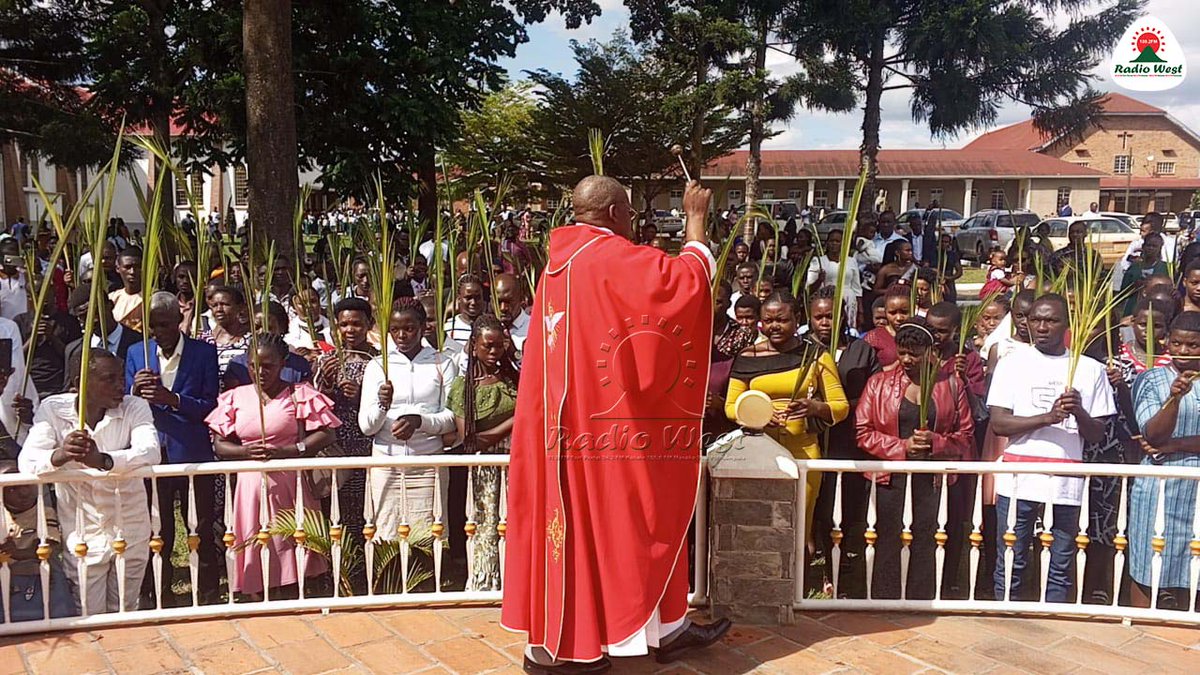
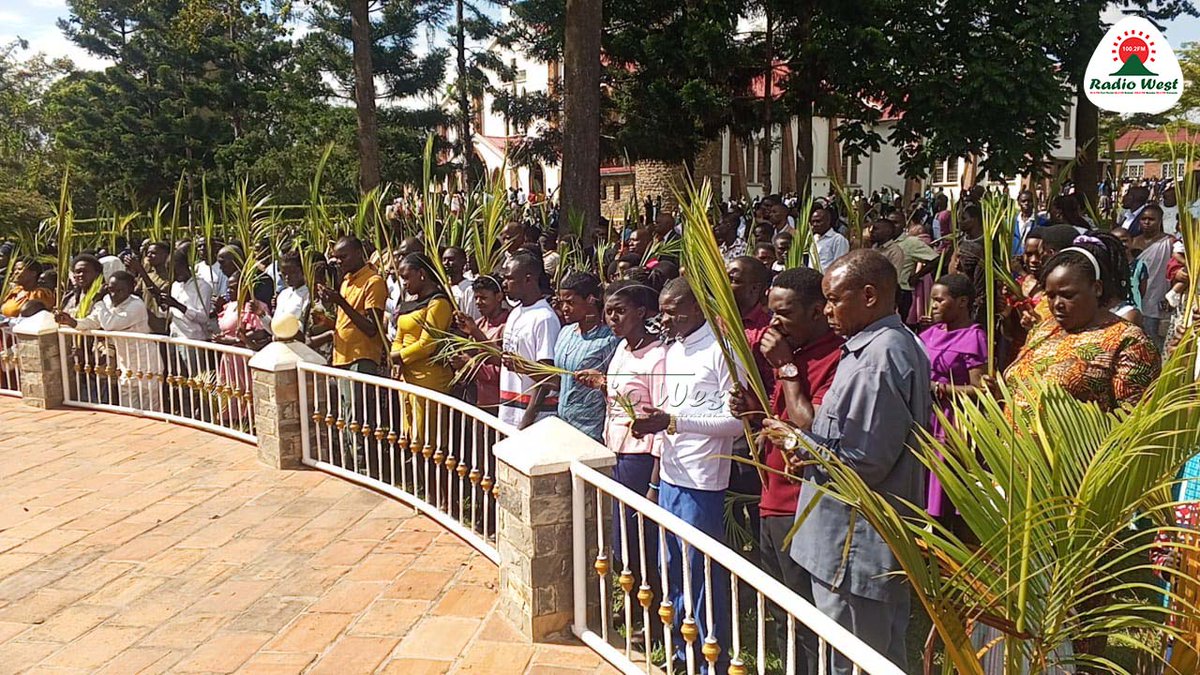
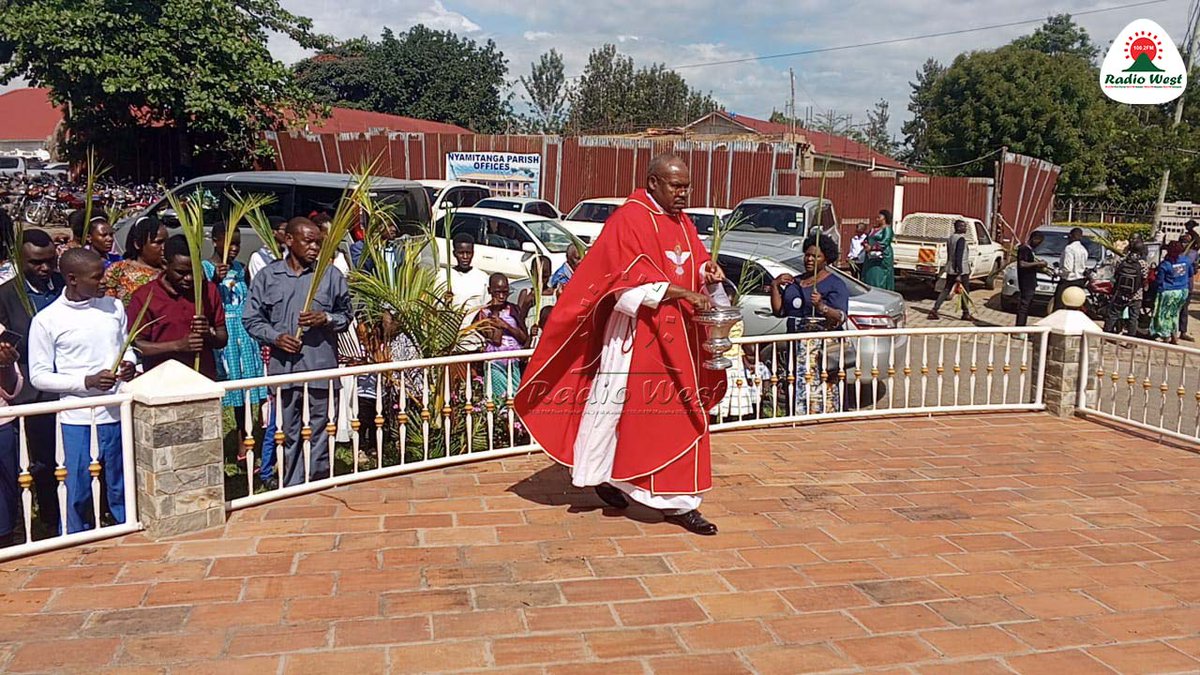
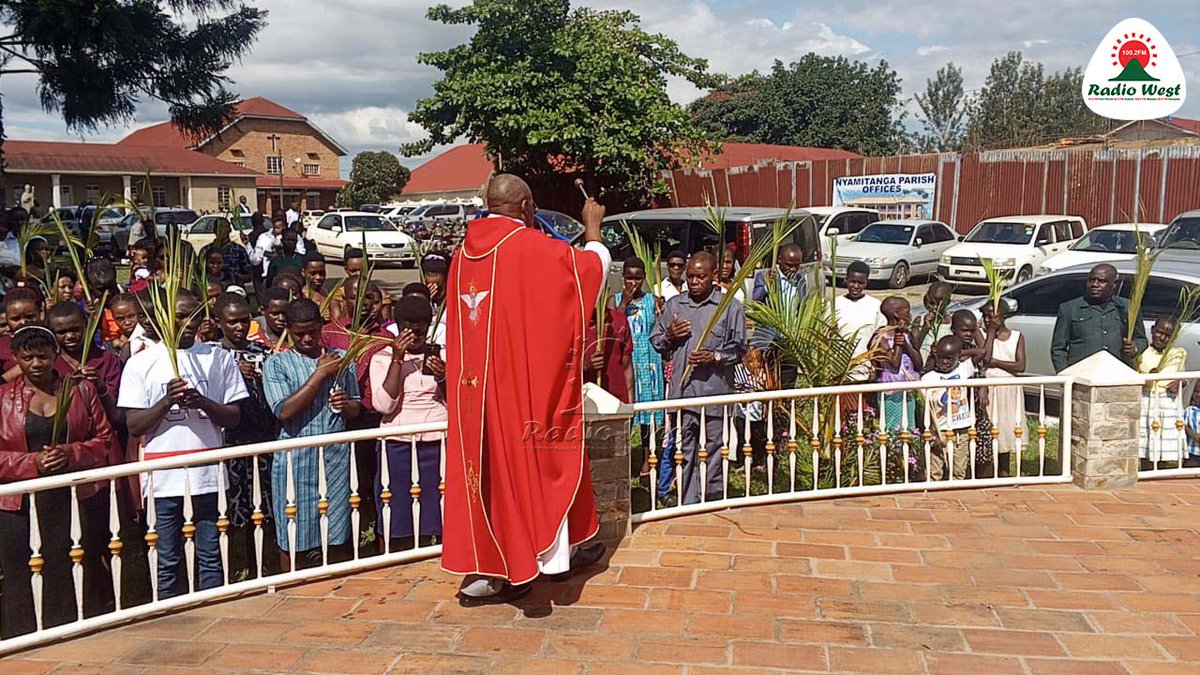
Omu bishushani;
Okukuza ekiro kya mataagi ahakereziya eya Nyamitanga, misa yaayebemberwa Vicar General, Fr. Severinus Ndugwa.
Ogu yashaba abakristo kukundana n’okusaasirana obwo turikwirira amazooka ga Kristo.
#WestUpdates
#PalmSunday
📸: Ali Wasswa
1
19
559

Mar 28
As long as we remember our nature, humans can rise above the other animals through reason and virtue. When we forget that nature we sink lower than the beasts.
"For other living things to be ignorant of themselves, is natural; but for man it is a defect."
-- Anicius Manlius Severinus Boethius quoted in The Consolations of Philosophy
1
4
64