
May 25
Going Global: 30% Overseas Revenue Targets Across the Board
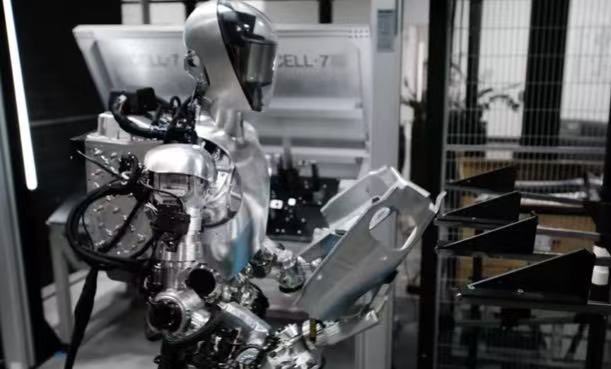
China's embodied AI companies have shifted in 2026 from "product export" to "system export":
🌏 Overseas revenue share targets (company-disclosed):
AgiBot: 2026 target of 30% overseas share, long-term 50% (per Co-President Jiang Qingsong, disclosed May 15)
AgiBot Kutuo (quadruped subsidiary): Q1 2026 overseas order share already 40%
AgiBot Qingtian Lease (RaaS platform): launched ShareBot global network in April, covering 13 countries including Germany, France, US, Malaysia, Thailand
UBTech: overseas business share 33.6% as of H1 2025
Robot Era (Xingdong Jiyuan): overseas business share 50%
CES 2026: of 598 robotics exhibitors, 149 were Chinese (25%); of 38 humanoid exhibitors, 21 were Chinese (55%)
🤝 Marquee partnerships:
UBTech × Airbus (France): Walker S2 for aircraft manufacturing facilities
UBTech × Texas Instruments (US): advanced manufacturing
AgiBot × SIR Spa (Italy): systems integration, on-site deployment, operations support
AgiBot Malaysia: opened the first overseas AI robot experience center in Shah Alam i-City
United Nations HQ (Feb 9): AgiBot's Yuanzheng A2 / Lingxi X2 / Kutuo D1 performed for 13 UN Under-Secretaries-General and representatives from 120 countries — China's highest-profile humanoid robotics moment to date
📦 Policy coverage:
As of Jan 1, 2026, humanoid robots received a dedicated export tariff code — institutionally separating them from traditional robotics for the first time.
China's real advantage in going global isn't price.
It's supply chain density engineering iteration speed. Figure AI, Apptronik, and Physical Intelligence haven't built their factories yet — China's supply chain can equip a startup with 80% of its components in 6 months.
That's the structural reason overseas customers, eventually, all come back to Chinese suppliers.
2
41

中国のロボットレンタルプラットフォーム「擎天租」が、海外ブランド「SHAREBOT」を始動し、欧米や日韓など13カ国へ展開。人型ロボットをRaaSモデルで提供し、海外での高いサービス単価を強みに収益拡大を狙う。イベントから接客、軽工業まで、中国で培った多様な活用実績を武器に世界市場を開拓。
36kr.jp/492327/
2
8
1,213

Apr 4
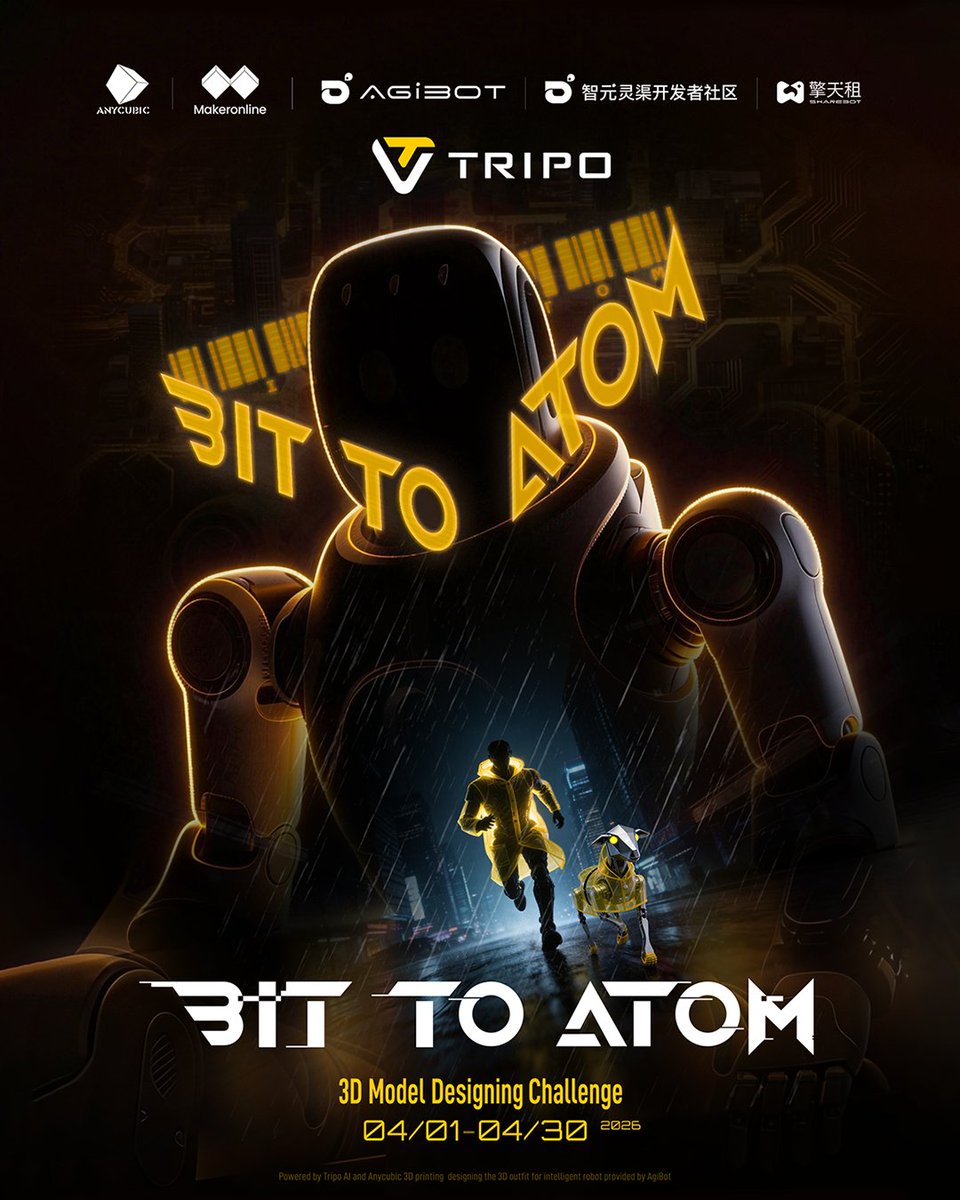
Your design could be turned into a real 3D-printed robot shell🤖
Tripo AI × AGIBOT|AGIBOT Developers × Anycubic proudly present: Bit to Atom 3D Printing Design Challenge
📍Design two robot shells
• AGIBOT X1
• AGIBOT D1 Pro
Use Tripo Studio to generate your 3D models from text or images and bring your ideas from Bit → Atom.
📝HOW TO JOIN?
Create your 3D models with Tripo Studio and submit:
• Two Tripo 3D model links
• At least 3 renders for each model (front / back / side)
• Title design description
🏆PRIZES
1st Place: AGIBOT quadruped robot Anycubic S1 MAX 6-month Tripo Studio Pro
2nd Place: Free 5-Hour ShareBot Trial Anycubic S1 MAX 3-month Tripo Studio Pro
3rd Place: Anycubic S1 MAX 2-month Tripo Studio Pro
12× Category Awards: Anycubic Kobra X 1-month Tripo Studio Pro
*Custom-designed physical figurines for all winners.
Winning designs may be 3D-printed and showcased at the World Artificial Intelligence Conference.
✨Open to creators worldwide. No signup needed — just submit your entry:
tripo3d.ai/event/2026-bit-to…
📅 Submissions: Apr 1 – Apr 30
Results Reveal: May 15
Already have an idea in mind? Let's build it.
#Anycubic #TripoAI #AGIBOT #KobraX #3dprinting
6
12
3,455

🇵🇱🇺🇦Nasi przyjaciele - Ihor po ukraińsku, a Volodymyr po polsku - wraz ze swoimi pobratymcami z 144. Brygady Zmechanizowanej Sił Zbrojnych Ukrainy dziękują Wam za otrzymaną pomoc!
🚐 Podczas pierwszej jesiennej misji humanitarnej tego roku, 5-7 września, przywieźliśmy im 2 generatory prądu Ecoflow 1900 W, a podczas kolejnej, 15-18 września - drukarkę 3D Sharebot Adventurer 5M PRO. Chłopaki zabrali sprzęt na niezwykle gorący odcinek frontu Pokrowsk/Rodynske.
❤️ Dołączamy się do podziękowań wszystkim naszym darczyńcom, bez których zakup sprzętu i zorganizowanie misji nie byłoby możliwe! Jeśli podoba Ci się to, co robimy, wesprzyj naszą zbiórkę - razem możemy więcej! 💪 Link do zrzutki zrzutka.pl/pomocukrainie
3
10
332


Nope. First printer I owned back in the day was a sharebot NG which had a glass bed and after my hiatus I bought a MK3S, predator and T-rex which all had PEI/glass
1
2
711
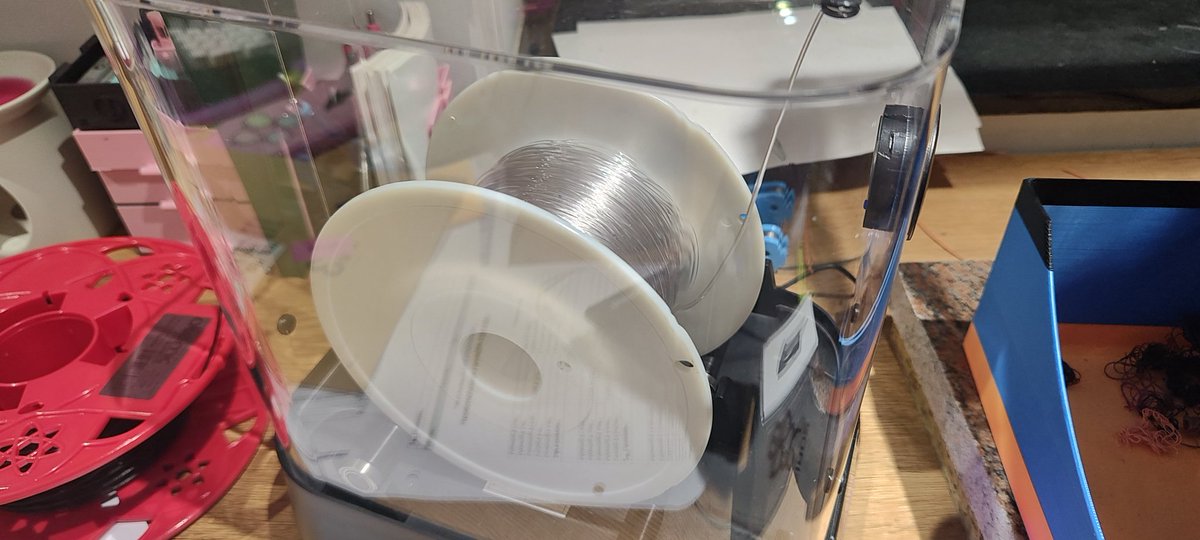
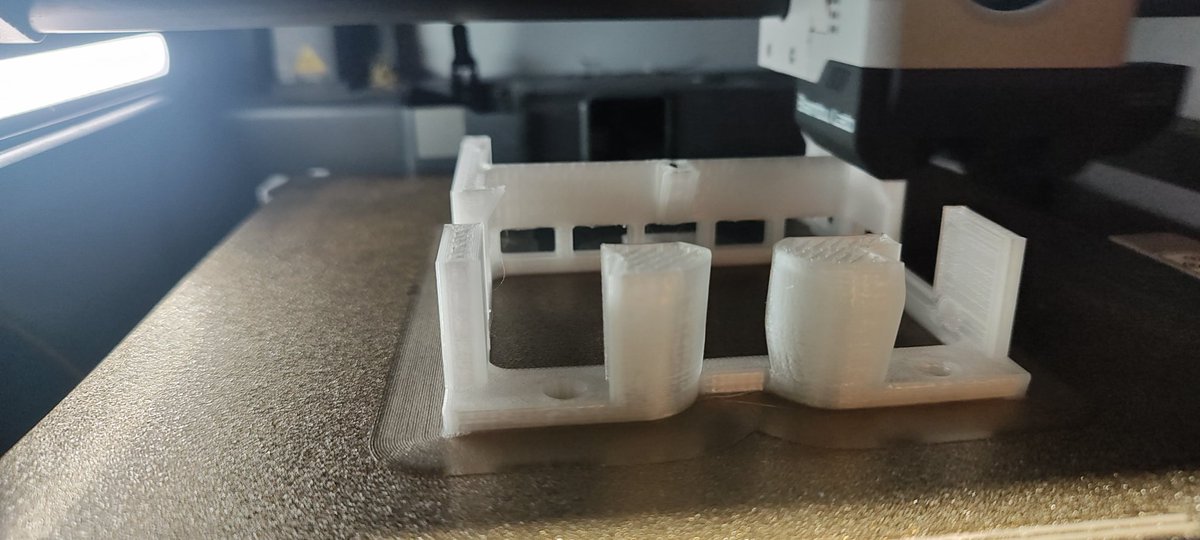
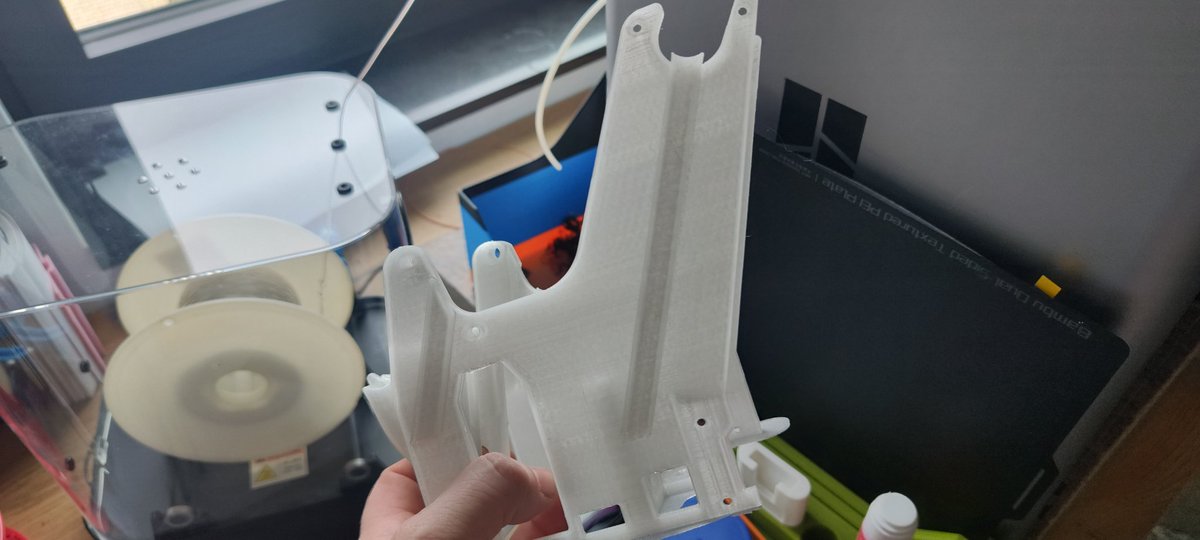
This is a 10 year old unbranded PETG I got with my first printer (sharebot NG ) it had been open to air for a decade. Threw it on the @eibos3d over night. Printed it and no issues.
3
3
7
436


4 May 2023
تهانين لبوت Sharebot علي حصوله على شاره Automod القادم اقوي 💪
2
50


10 Feb 2023
Helping out a friend get his music out the please share...more to come.
#wrestlerap
@Everyone
@sharebot
#viral
10 Feb 2023

1
2
78

5 Nov 2022
Per le 3D una sharebot e una prusa 3D che permette di comprenderne il funzionamento, oppure una delta. Attualmente hanno una cartesiana, discreta, che verrà sostituita
2
1
2

7 Oct 2022
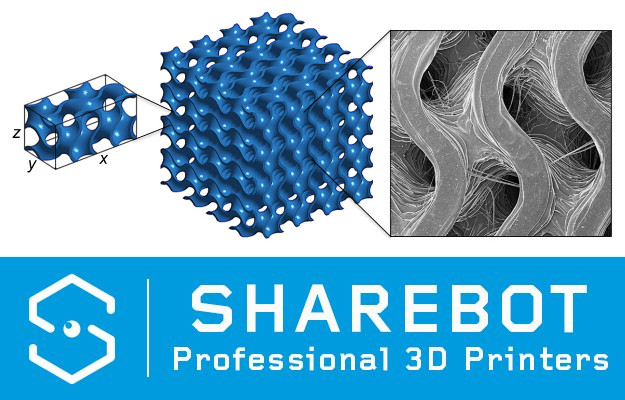
“La ricerca del 3D Printing Lab di NEMOLAB grazie alla partnership con Sharebot contribuisce a mettere un nuovo tassello per la conoscenza dei parametri di stampa e la caratterizzazione di architetture lattices TPMS”
2


10 May 2022
What does your Tupple have for you today? Add to a chain or start a new one with your sharebot.🤖 #oneofakind #app
1
2