
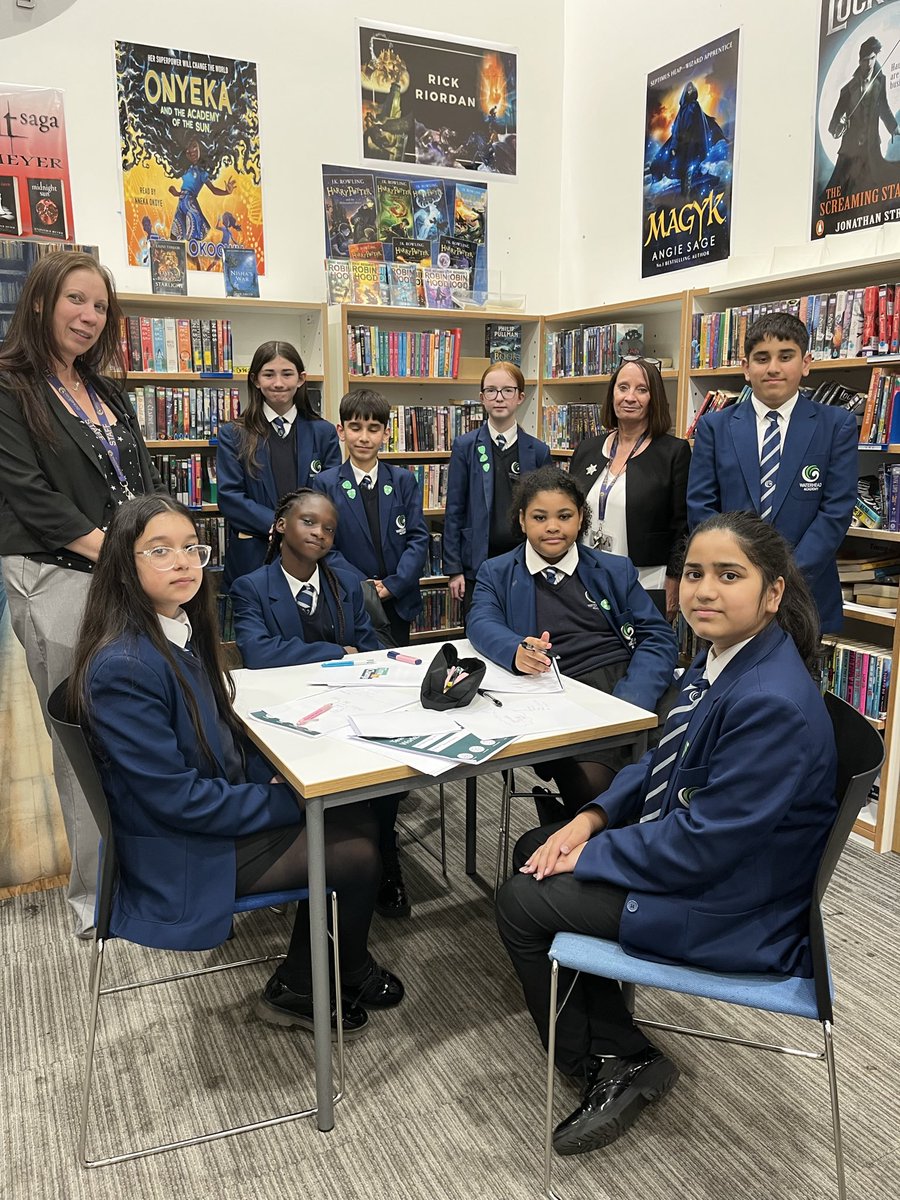
Our Year 7 ‘Time 4 Change’ Team are busy getting ready for their presentation on the 2nd July. A really informative meeting was held today with our SENCo and school based counsellor.
#ProudOfYou #SharedExperience #Co-opAcademyTrustCompetition
1
141
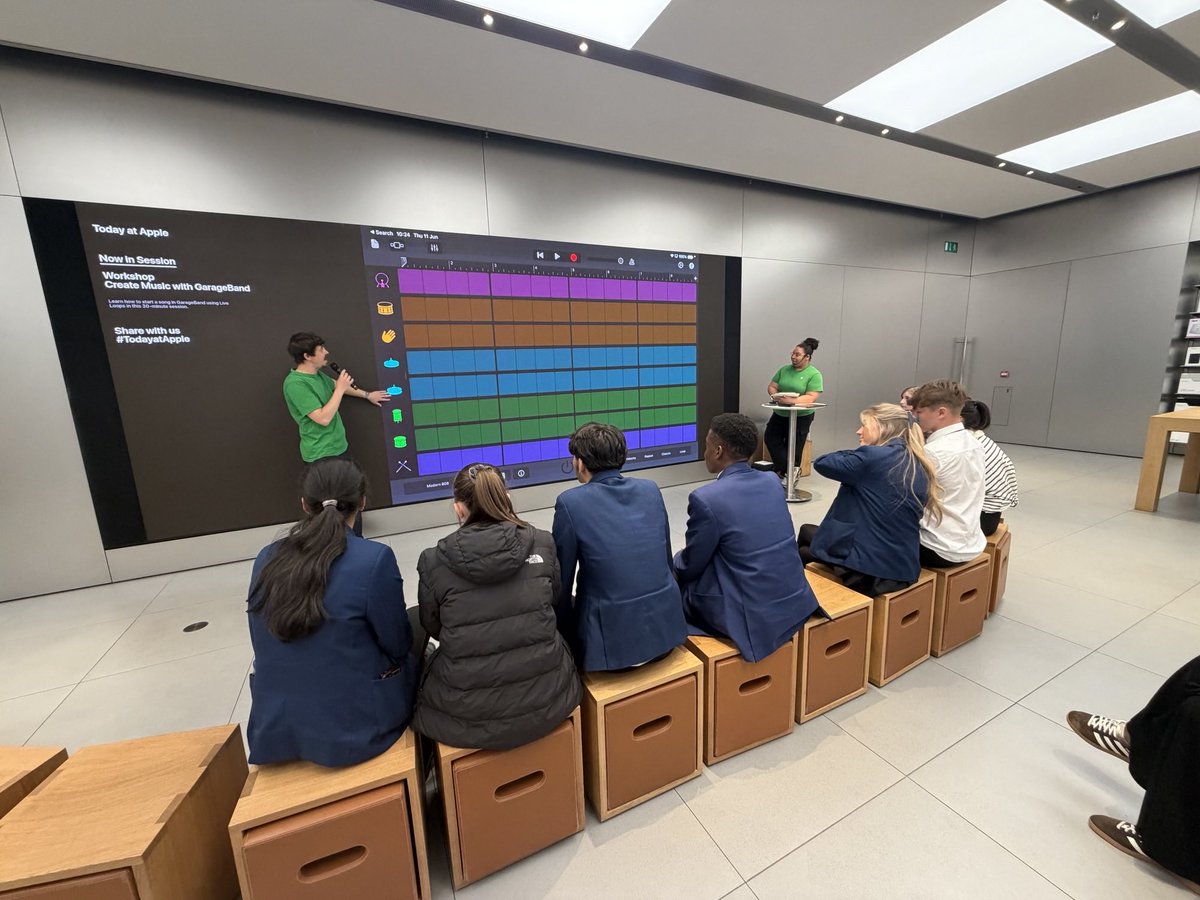
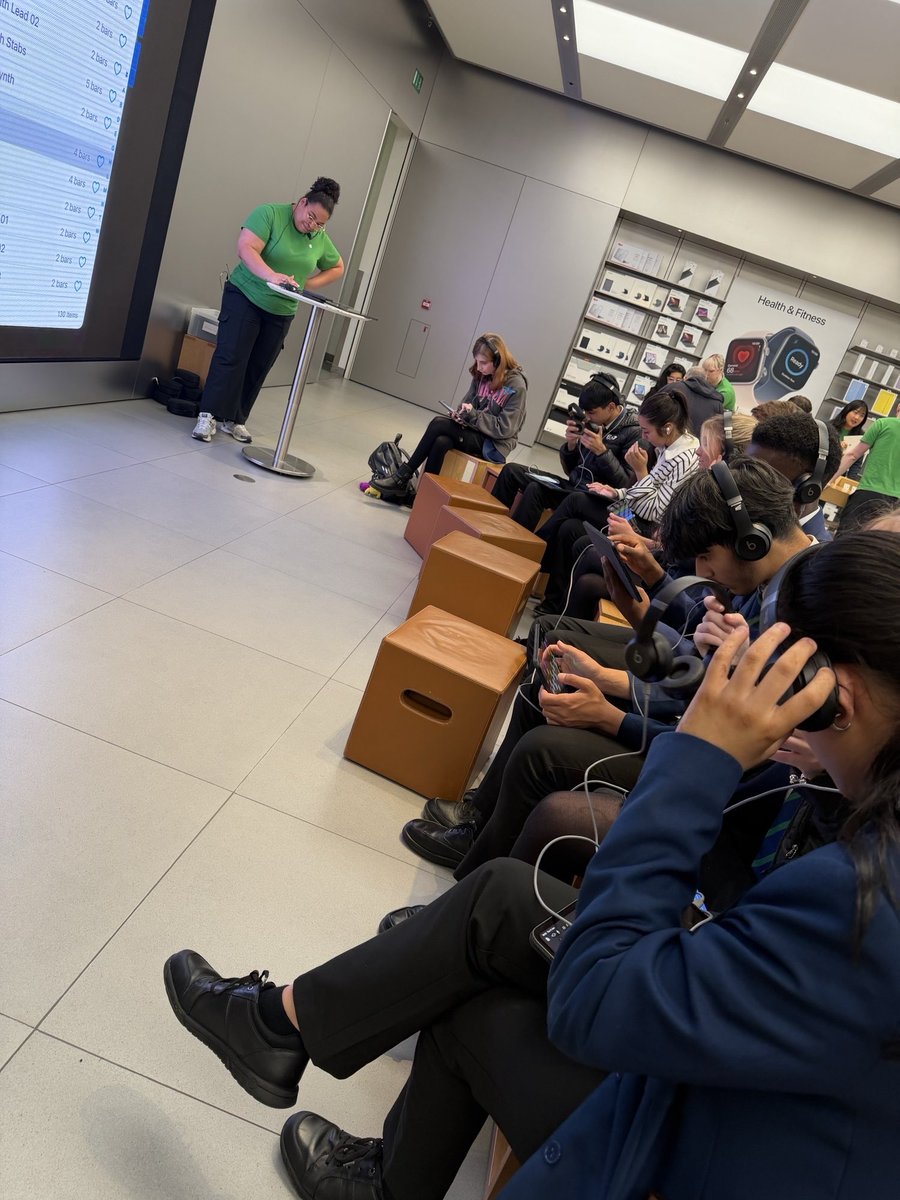
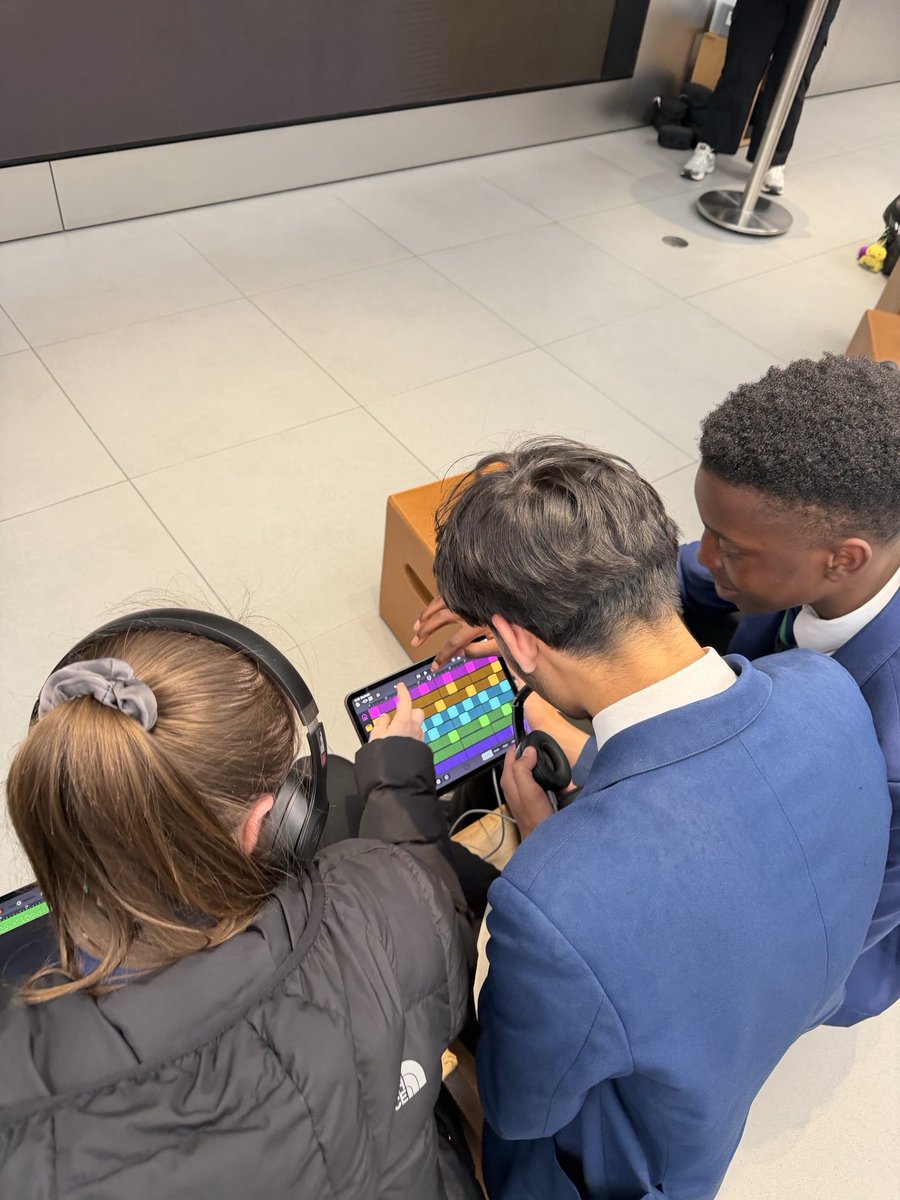
Work sector visit to the Apple Store today for Year 10 students. Lots of questions asked and knowledge gained.
@PositiveSteps thank you for your support.
#Careers #PersonalDevelopment #ProudOfYou #SharedExperience
1
132
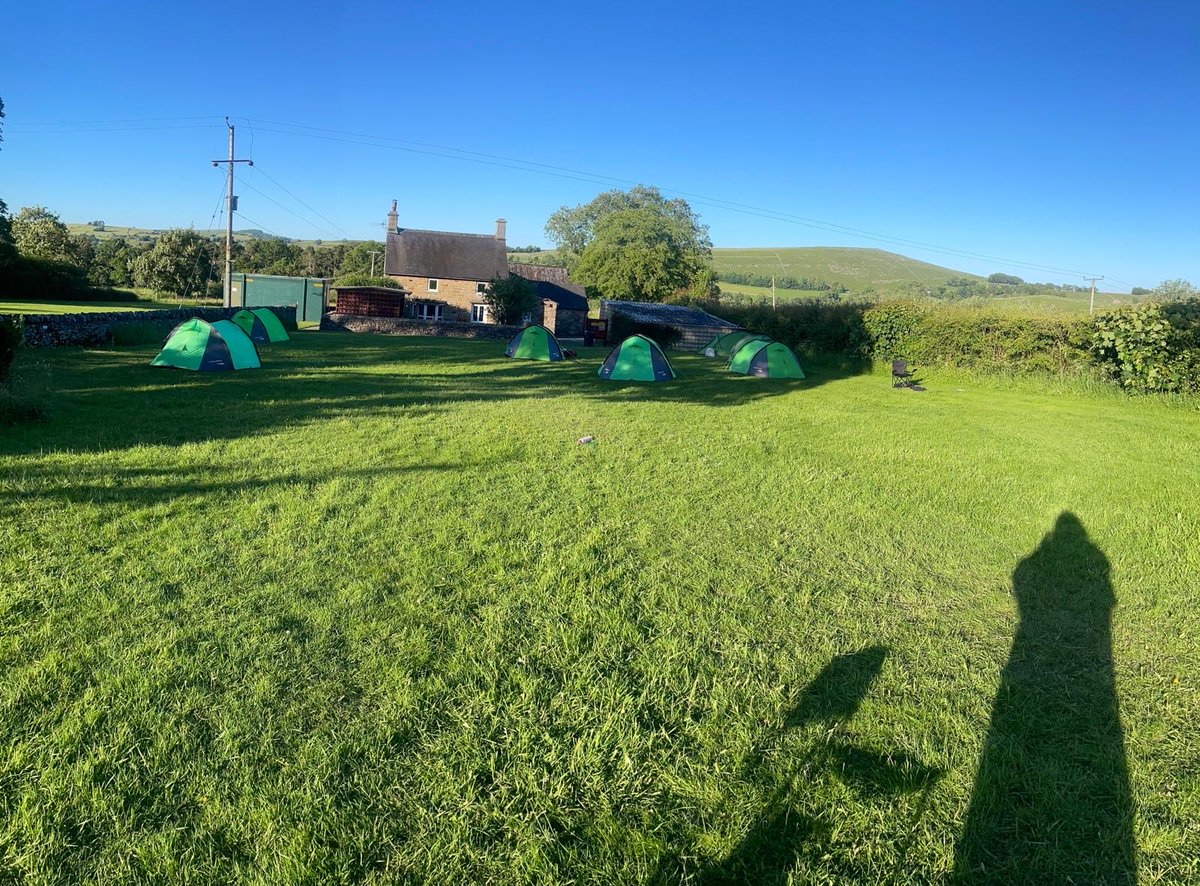
DofE students had a great time on expedition. Life long skills developed and memories that will last.
#SharedExperience #ProudOfYou
96

How Do You and Your Organization Master the Art of Storytelling?
#transformation #lifestages #cxo #customerexperience #sharedexperience #heroes #villains #birth #death #narrative #businessstrategy #work
hubs.ly/Q04jvRTN0

3

Jun 8
How Do You and Your Organization Master the Art of Storytelling?
#transformation #lifestages #cxo #customerexperience #sharedexperience #heroes #villains #birth #death #narrative #businessstrategy #work
hubs.ly/Q04jvRGx0

3

Jun 8
How Do You and Your Organization Master the Art of Storytelling?
#transformation #lifestages #cxo #customerexperience #sharedexperience #heroes #villains #birth #death #narrative #businessstrategy #work
hubs.ly/Q04jvh0V0

4
How Do You and Your Organization Master the Art of Storytelling?
#transformation #lifestages #cxo #customerexperience #sharedexperience #heroes #villains #birth #death #narrative #businessstrategy #work
hubs.ly/Q04jrhfd0

3
Jun 8
How Do You and Your Organization Master the Art of Storytelling?
#transformation #lifestages #cxo #customerexperience #sharedexperience #heroes #villains #birth #death #narrative #businessstrategy #work
hubs.ly/Q04jvYH90

5
Jun 8
How Do You and Your Organization Master the Art of Storytelling?
#transformation #lifestages #cxo #customerexperience #sharedexperience #heroes #villains #birth #death #narrative #businessstrategy #work
hubs.ly/Q04jvZlg0

5

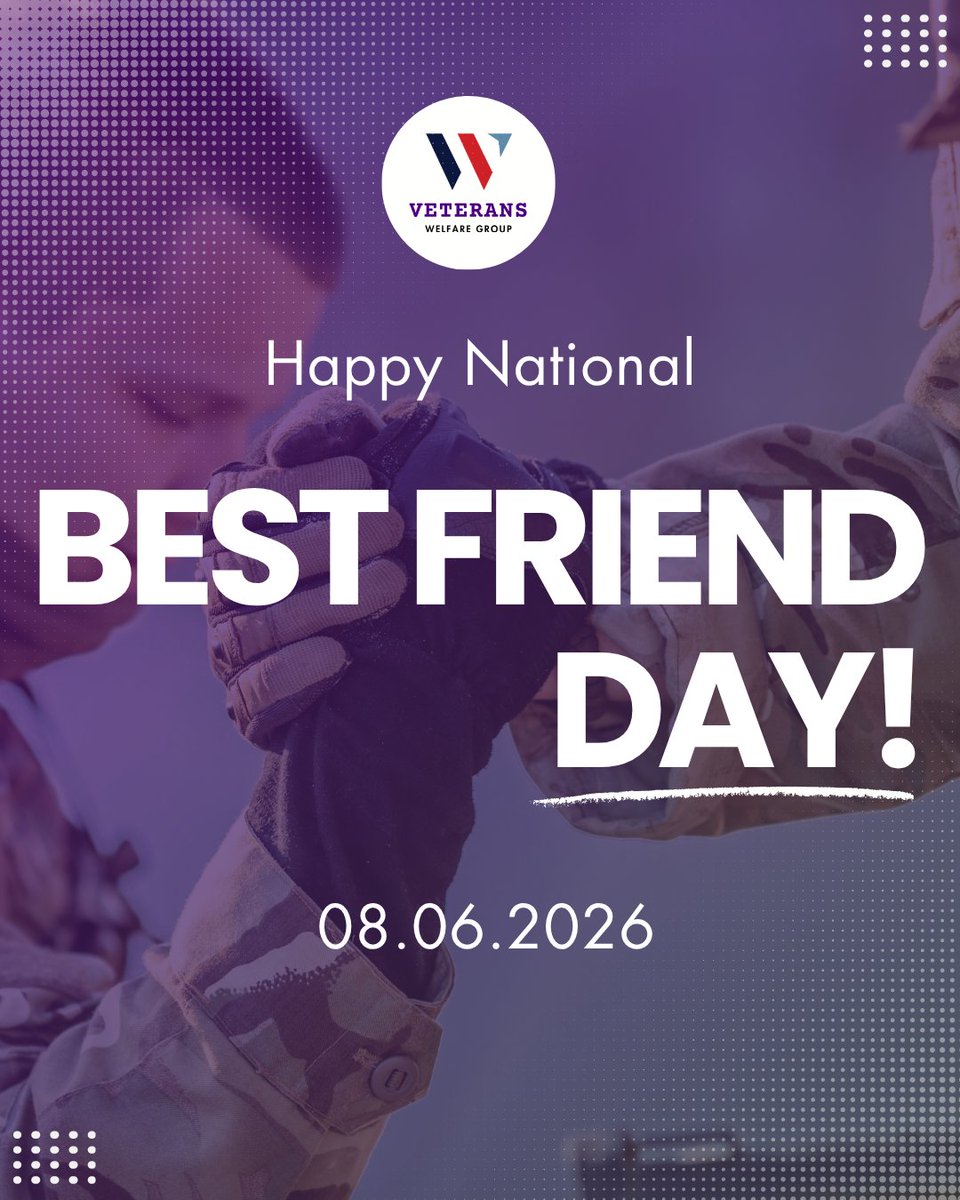
On Best Friend Day, we recognise the strength of bonds built through service.
In the Armed Forces, camaraderie goes far beyond friendship — it becomes trust, loyalty, and shared experience. And importantly, these relationships don’t end when service does; they continue long after leaving the military.
At Veterans Welfare Group, we are committed to carrying that same spirit forward. We focus on building lasting community and meaningful relationships that support service leavers and veterans as they transition into civilian life.
Because no one should navigate that journey alone.
#camaraderie #bonding #friendship #trust #loyalty #sharedexperience #CommunitySpirit #relationship #commitment #support #serviceleavers #civilian #veterans #military #britisharmy #veteranswelfaregroup
19
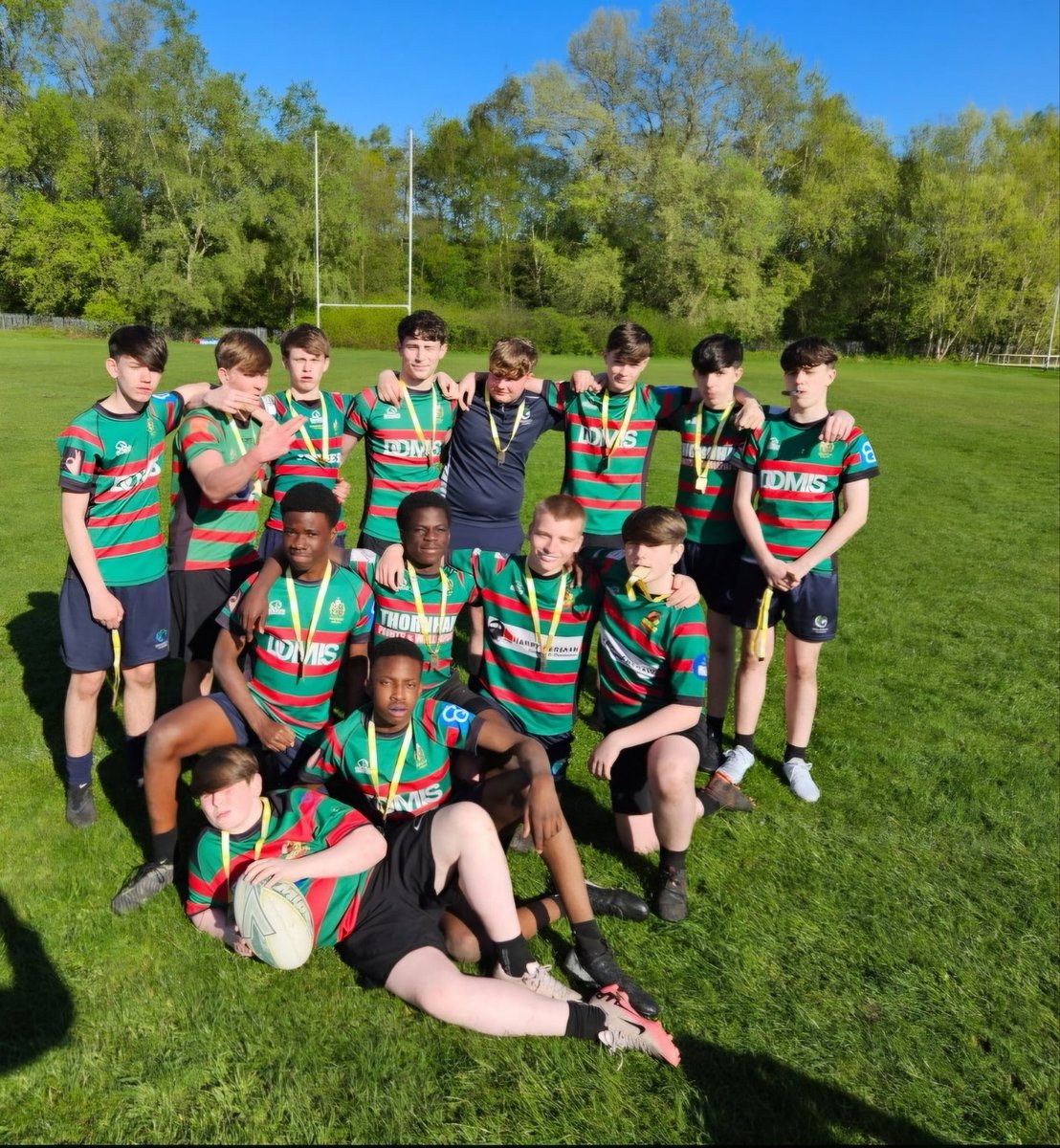
Year 10 came away with a Gold medal at the recent Rugby tournament. Well done, proud of you !
#Teamwork #SharedExperience #WeAreWA
3
299

Apr 23
scrolling twitter while watching someone else scroll twitter in front of me #sharedexperience
3
52

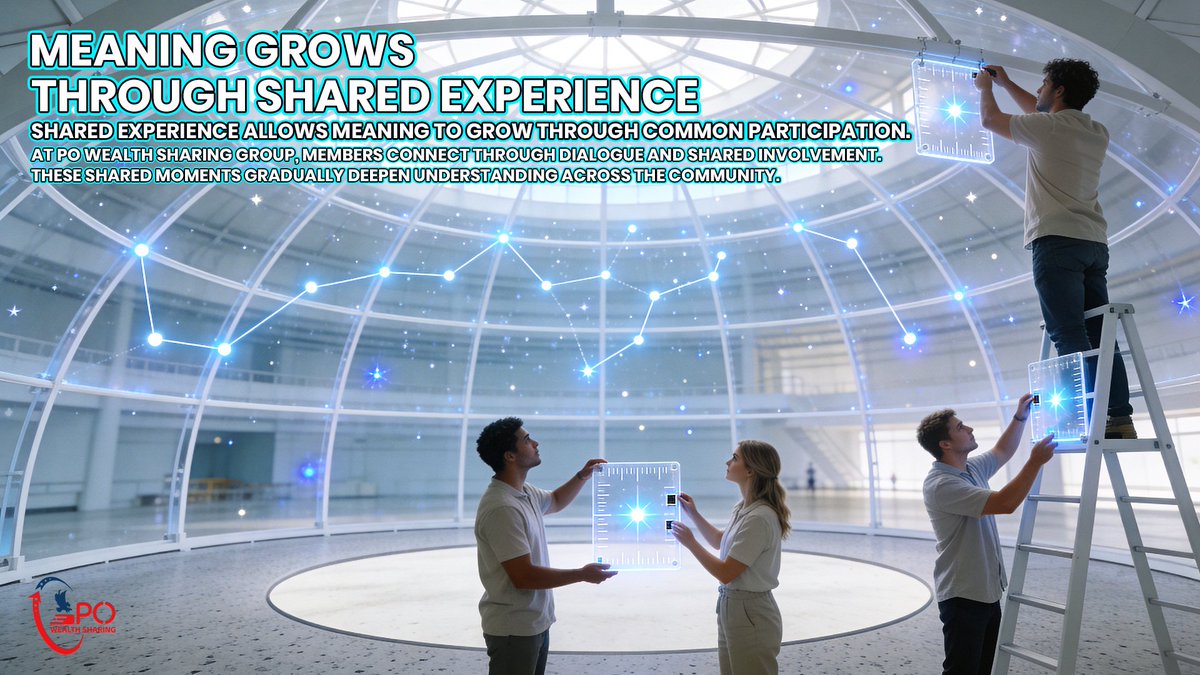
🔗 Shared experience builds meaningful understanding.
💬 “Coming together is a beginning, staying together is progress and working together is success.” Henry Ford
🌐 At PO Wealth Sharing Group, collaboration drives collective growth.
#POWealthSharingGroup #SharedExperience
25,671

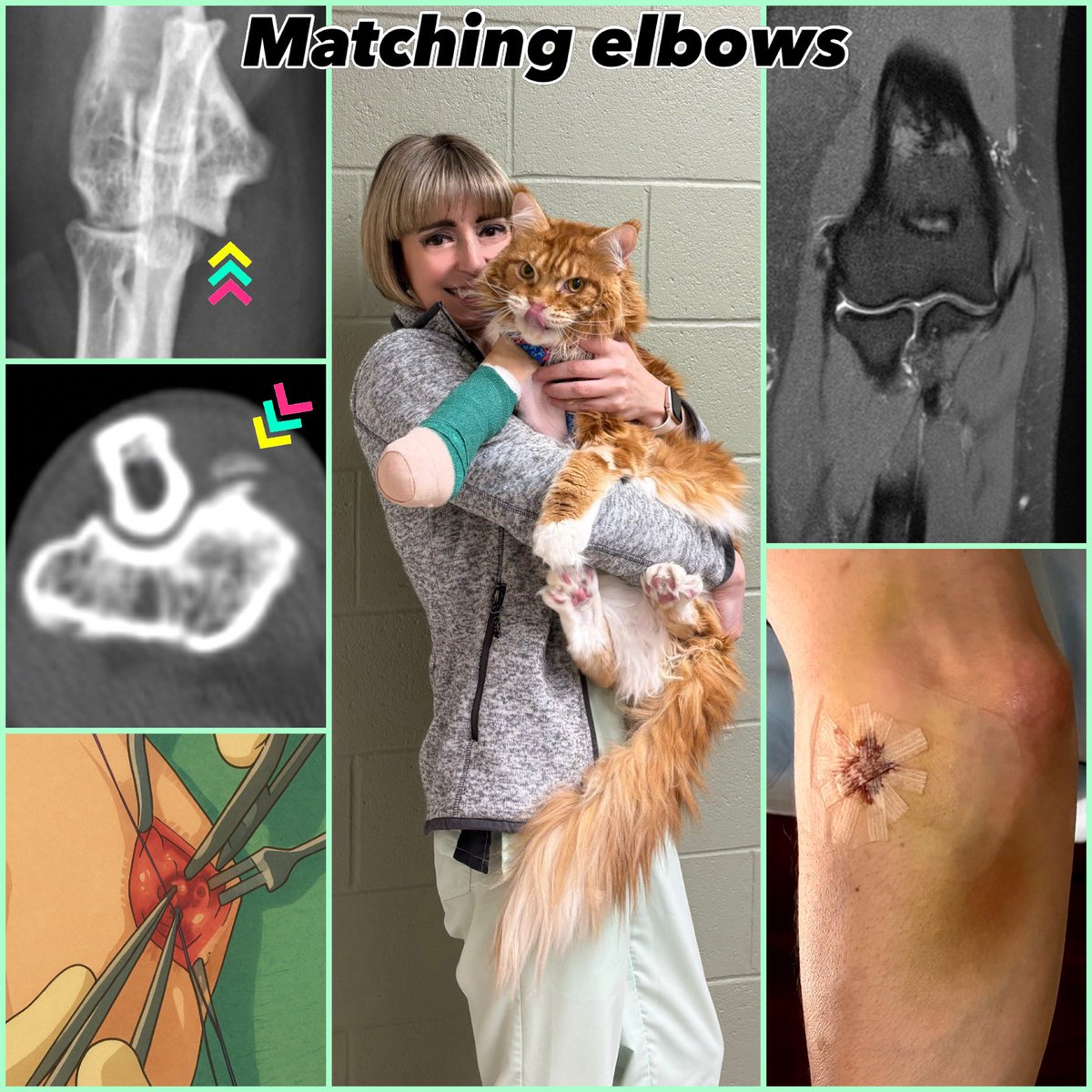
When I first developed an interest in humeral epicondylitis in cats, I had no idea that I would soon be applying that same research to my own health care! I guess, we should be careful what we choose to research!
Meet Rebel, a 3-year-old Maine Coon presenting with bilateral medial humeral epicondylitis, more clinically severe on the right, presenting for surgical intervention just one week after my own surgery for lateral humeral epicondylitis. Both of us are predisposed to development of this condition, Rebel because of his breed, and myself, because of my chosen career.
In the same way that repetitive motions, particularly pronation and supination are proposed to play a role in development of MHE in cats, orthopedic surgeons are considered at high risk for both lateral and medial epicondylitis due to the repetitive, high-force and sometimes awkward hand/wrist movements required 😞
Luckily for Rebel, we were able to shell out his mineralization without having to completely transect the belly of the flexor carpi ulnaris muscle, so, this should lead to a more rapid recovery for him, and we plan to operate his left side in a few weeks.
Given how my recovery is going - I am just going to say that I am glad mine is only unilateral!
I will say that I think, having experienced the same procedure makes a difference - in terms of empathy, communication and being able to address owner-anxieties … but I am definitely not recommending it! Be careful with ergonomics in surgery to minimize your own risks - while shared experiences can be good, I don’t want to have this particular shared experience with too many of you!
#epicondylitis #sharedexperience #orthopals #mainecoon #msuvets
1
6
358

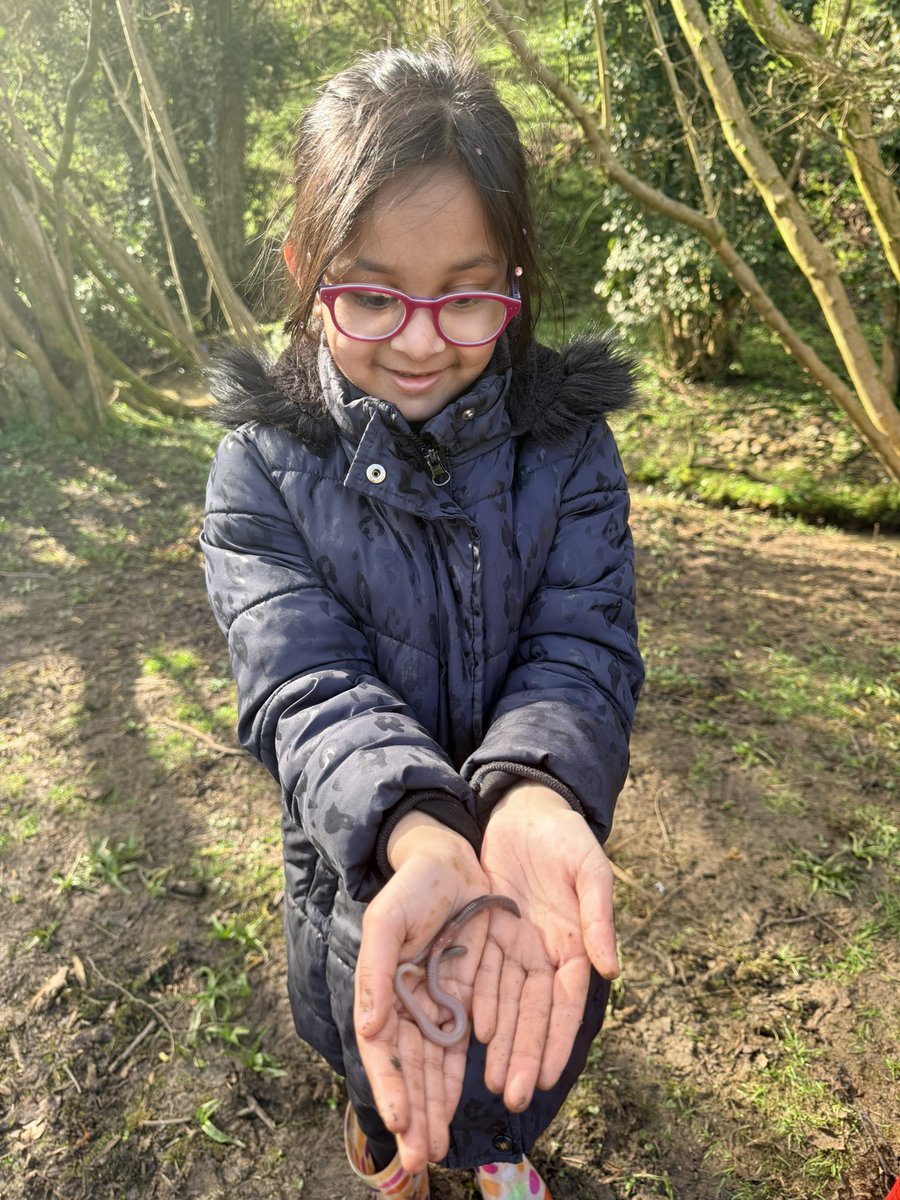
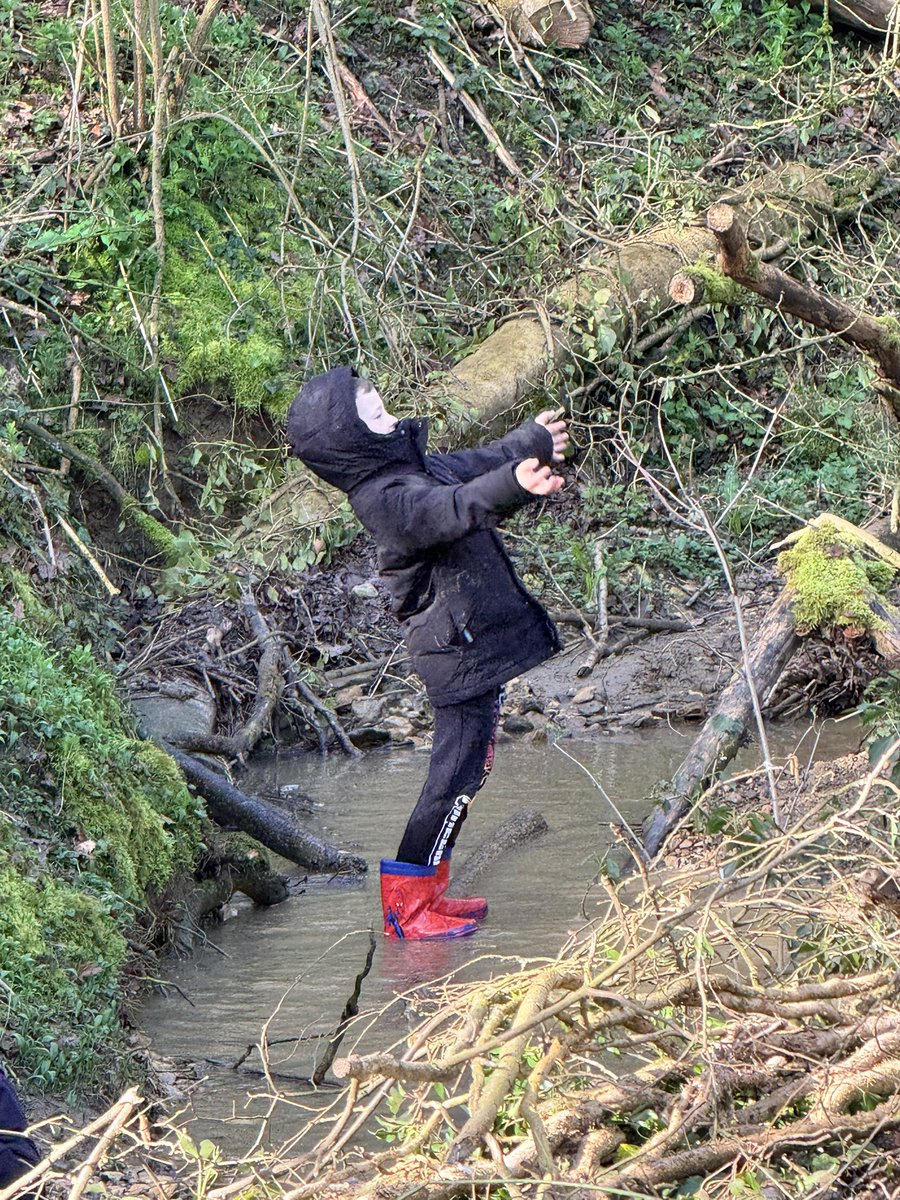
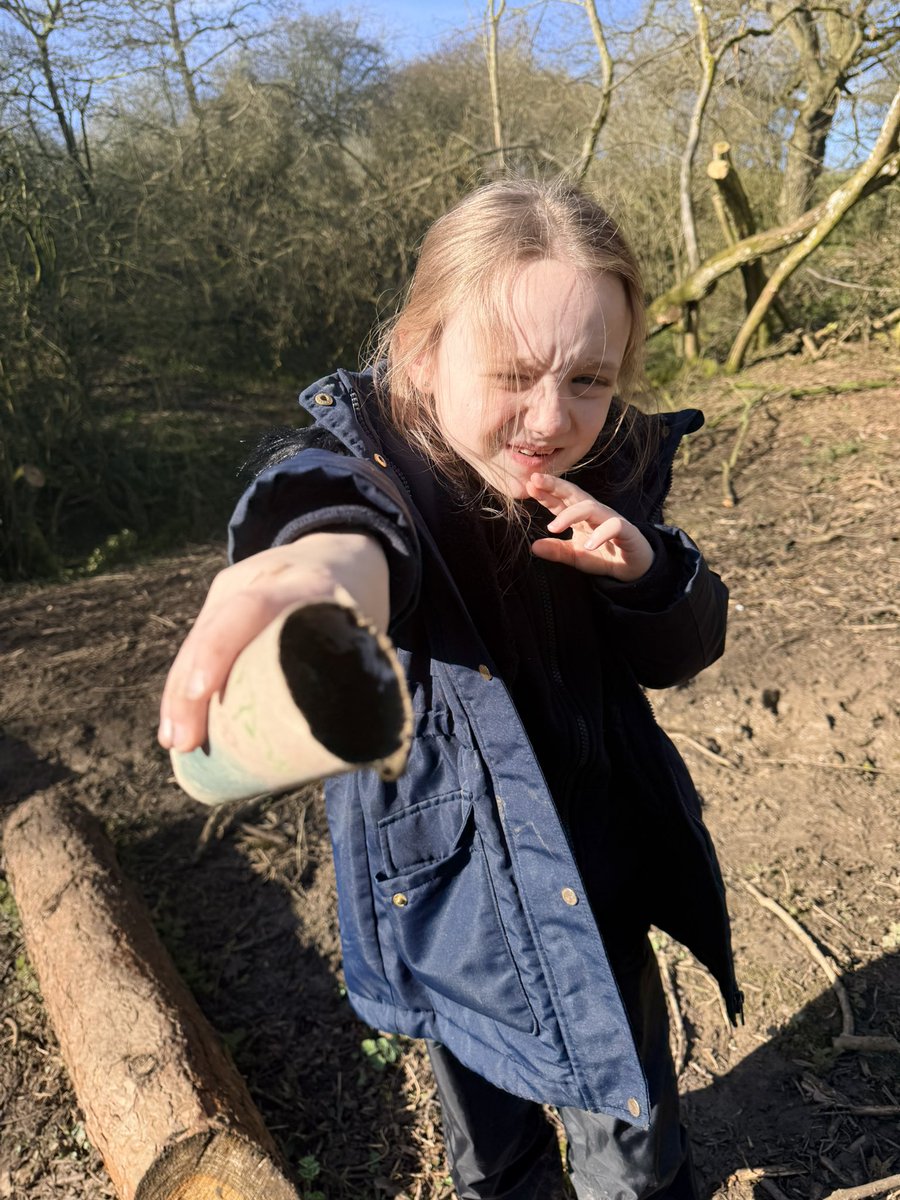
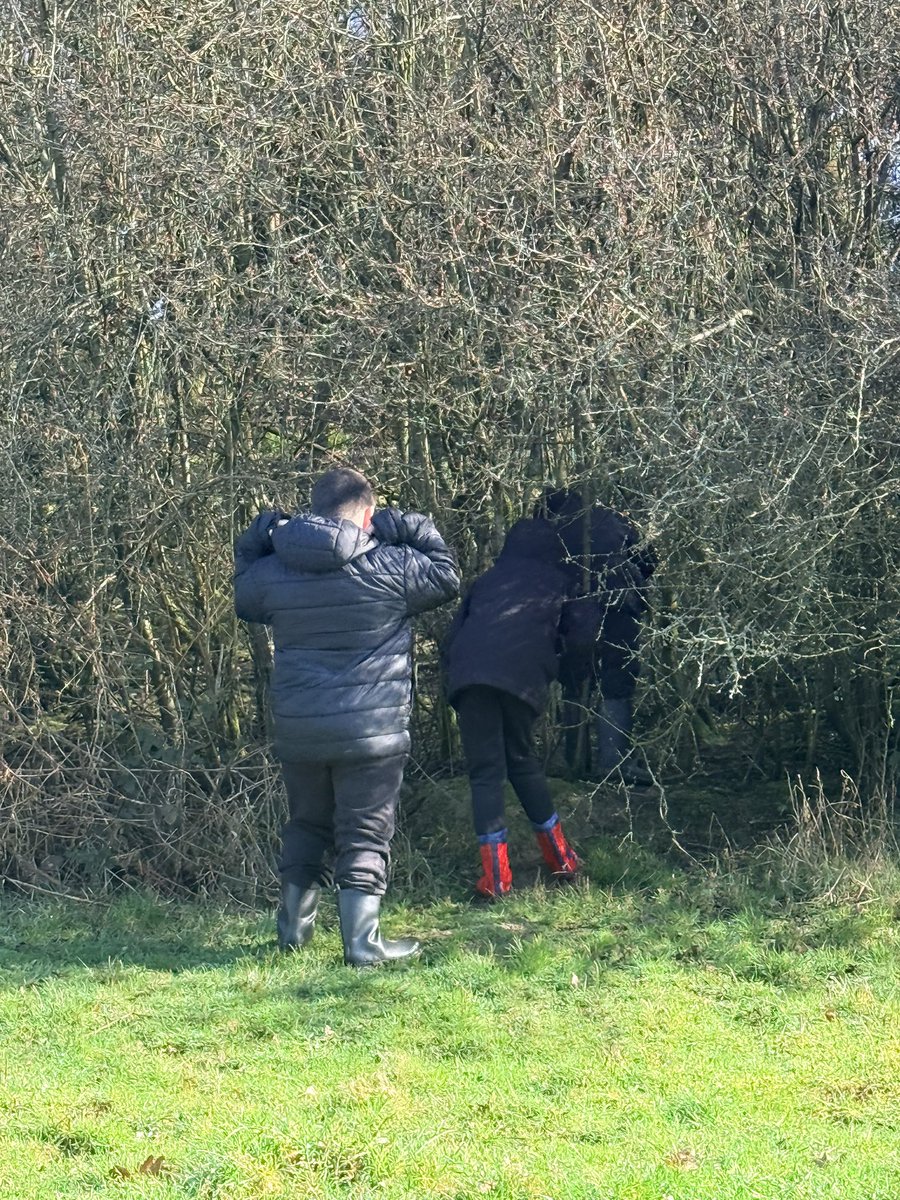
We love our forest school sessions! Forever grateful to have such a wonderful outdoor space provided to us by @Dret_Enrichment #outdoorlearning #engagement #sharedexperience #belong #heart
2
99

We're pairing bourbon with music to create a shared listening experience. In a world that needs more connection, we're coming together to simply sit, listen, and talk. #MusicAndBourbon #SharedExperience
2
3
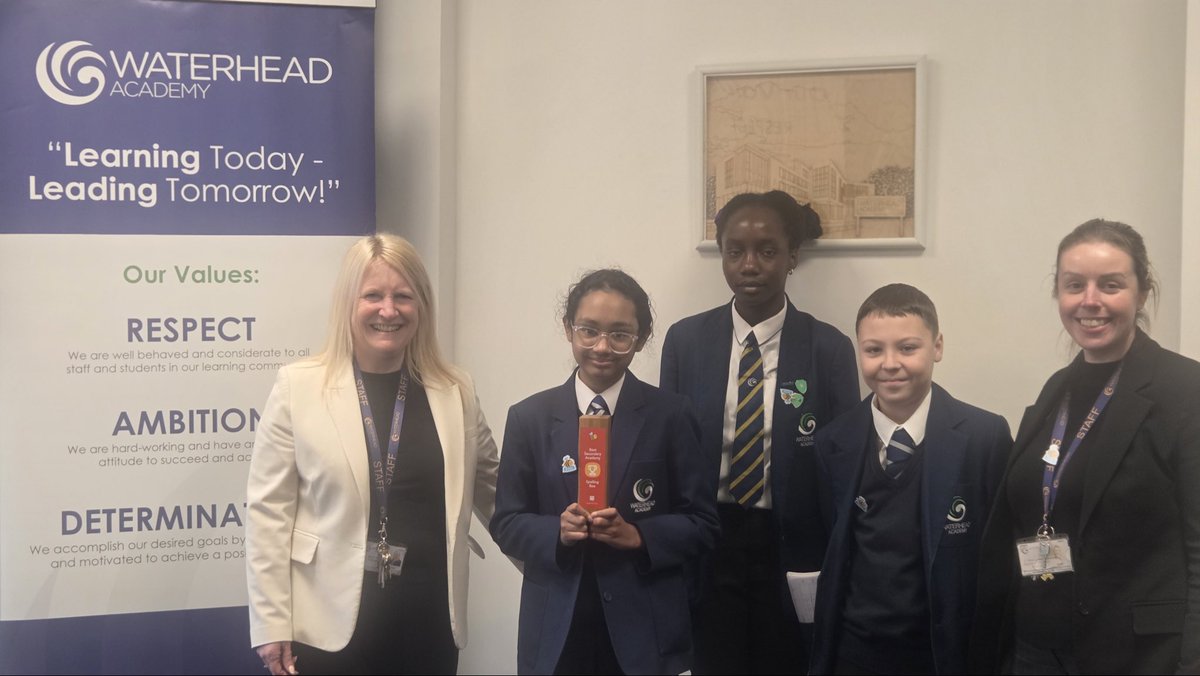
Spelling Bee Champions !
A great experience for the WA team at the Co-op Academies Trust competition. Fantastic achievement.
#ProudOfYou #SharedExperience #OneProudHeadOfEnglish
1
3
339

Feb 25
The Mystery of Final Words Before Death: Coincidence or Shared Human Experience? | ମଲା ପୂର୍ବରୁ ଶେଷ ଶବ୍ଦ କ'ଣ? ମଲା ବେଳେ ସମସ୍ତେ ସମାନ କଥା କୁହନ୍ତି? କ'ଣ ଏହା କେବଳ ସଂଯୋଗ? #FinalWords #DeathMystery #SharedExperience #CoincidenceOrPattern #HumanConsciousness #LifeAndDeath #PhilosophicalDebate #SpiritualInquiry #LastMoments #UniversalTruth
2
75

It was shared that after vaccination, depression and anxiety were experienced that felt unusual. Over time, the focus reportedly shifted toward improving overall health through lifestyle changes and supplements such as nattokinase, olive oil, magnesium, vitamin C, zinc, turmeric, and herbal support. It was also mentioned that medications were explored under proper guidance. These steps were said to have helped personally and within the family, although experiences may vary. It was encouraged that people consult qualified healthcare professionals before starting any treatment or supplement.🌿💊✨#HealthJourney #WellnessSupport #SharedExperience #HealthyLifestyle #ConsultYourDoctor
2
94
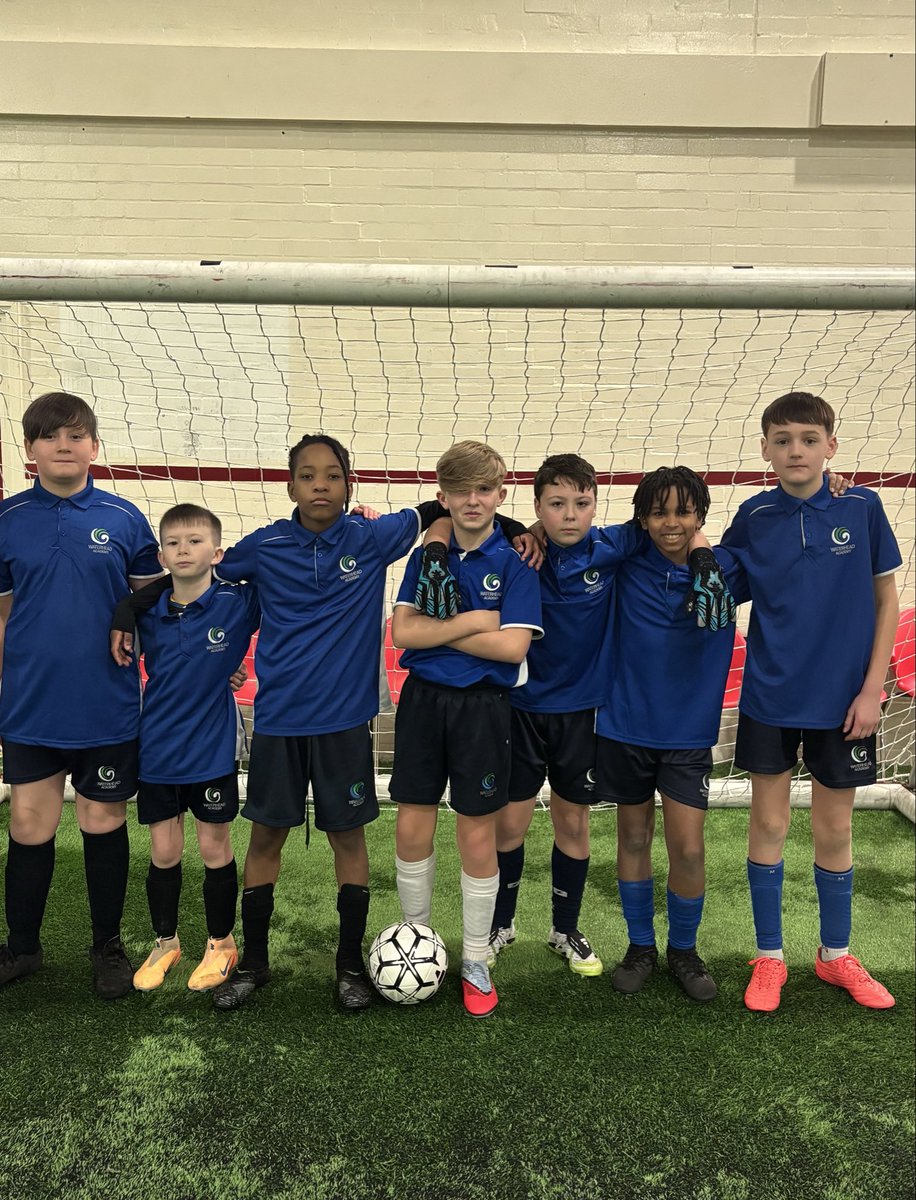
3rd place for the Year 7 Football team ! Fantastic teamwork and resilience throughout.
#ProudOfYou #TeamYr7 #SharedExperience #WeAreWA
3
350