
Sharing resources… GAME
#sharingresources #game #gogetit
Get your signed copy 👇🏾
square.link/u/0GWuXJSg
2
39
1
4
144

17 Sep 2025
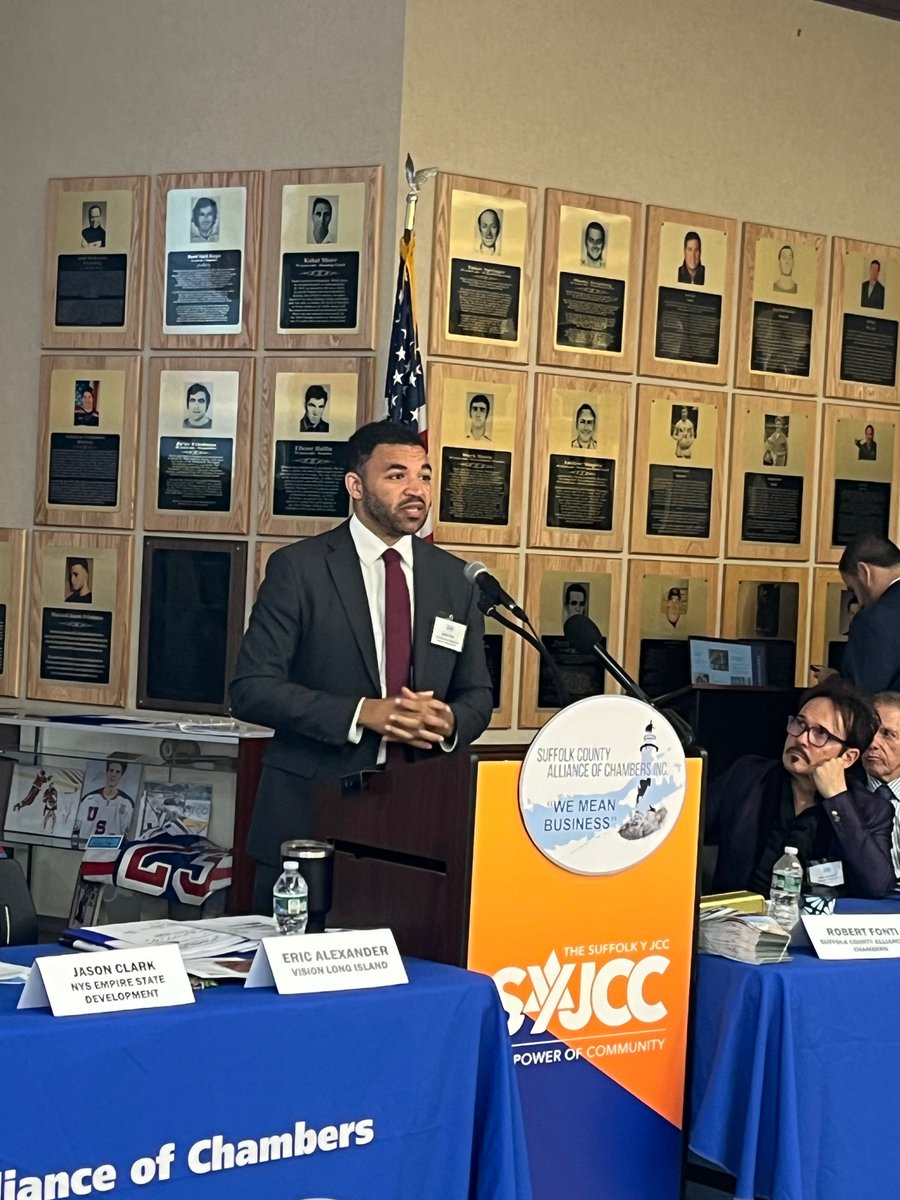
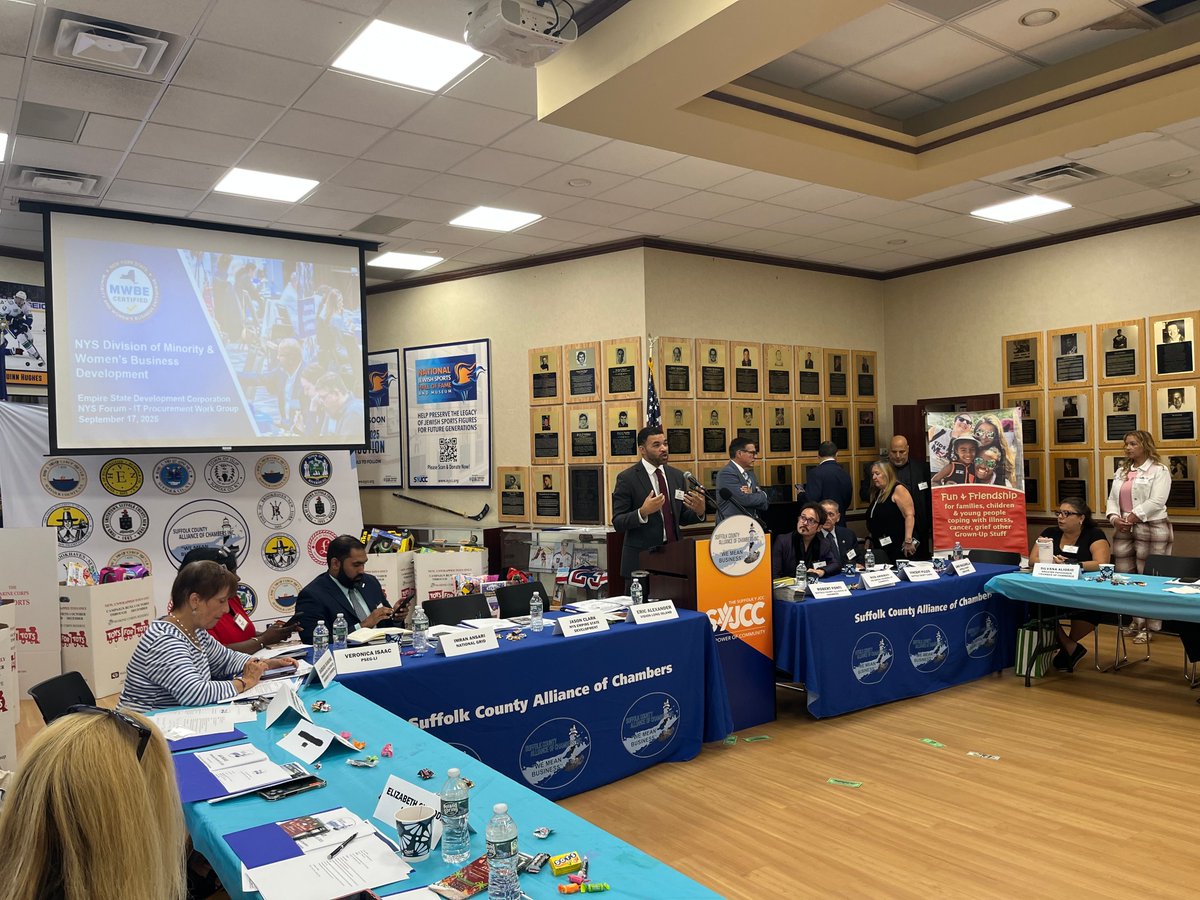
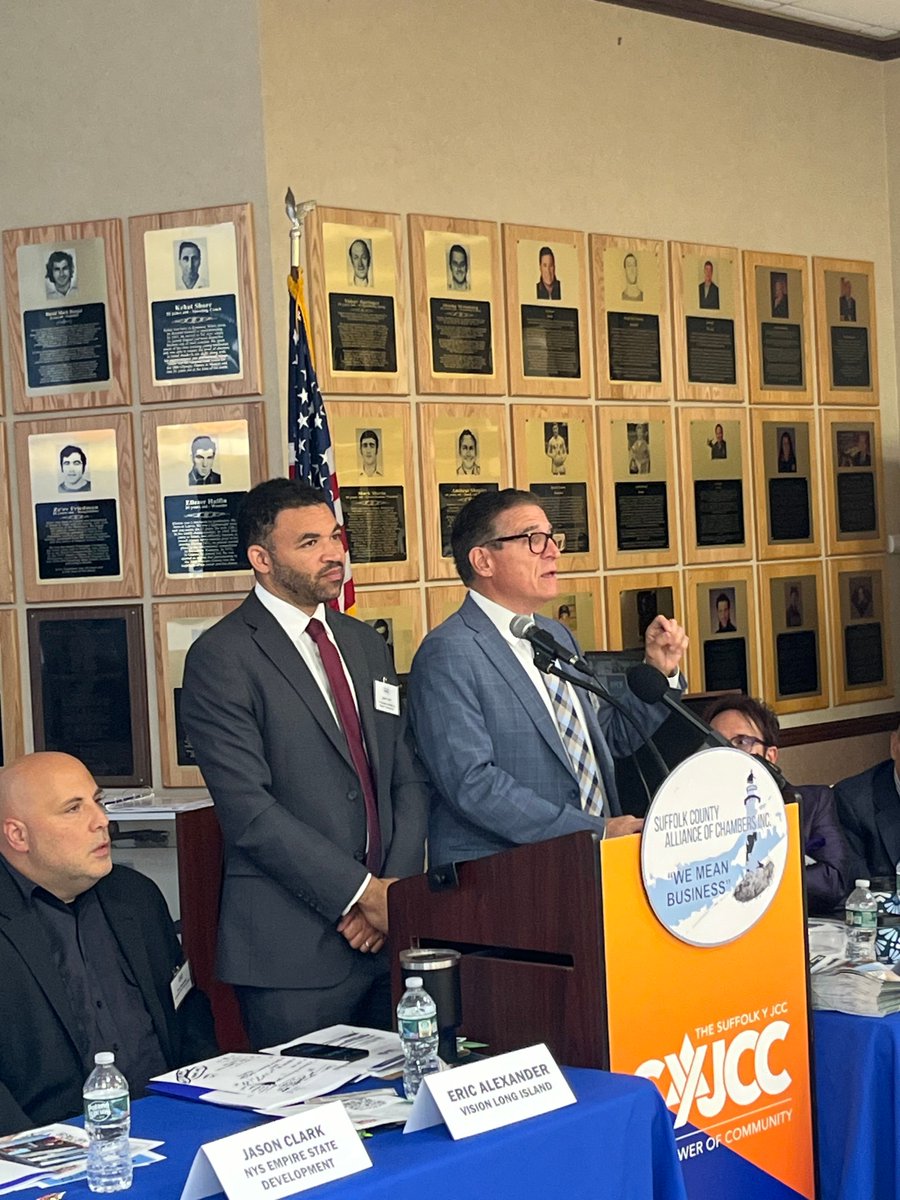
On 9/17/25 Jason Clark, EVP of @EmpireStateDev’s MWBE Division, was the keynote speaker at the quarterly meeting of Suffolk Alliance of Chambers of Commerce.
#InTheCommunity
#SharingResources
#MWBE
1
2
97

7 May 2025
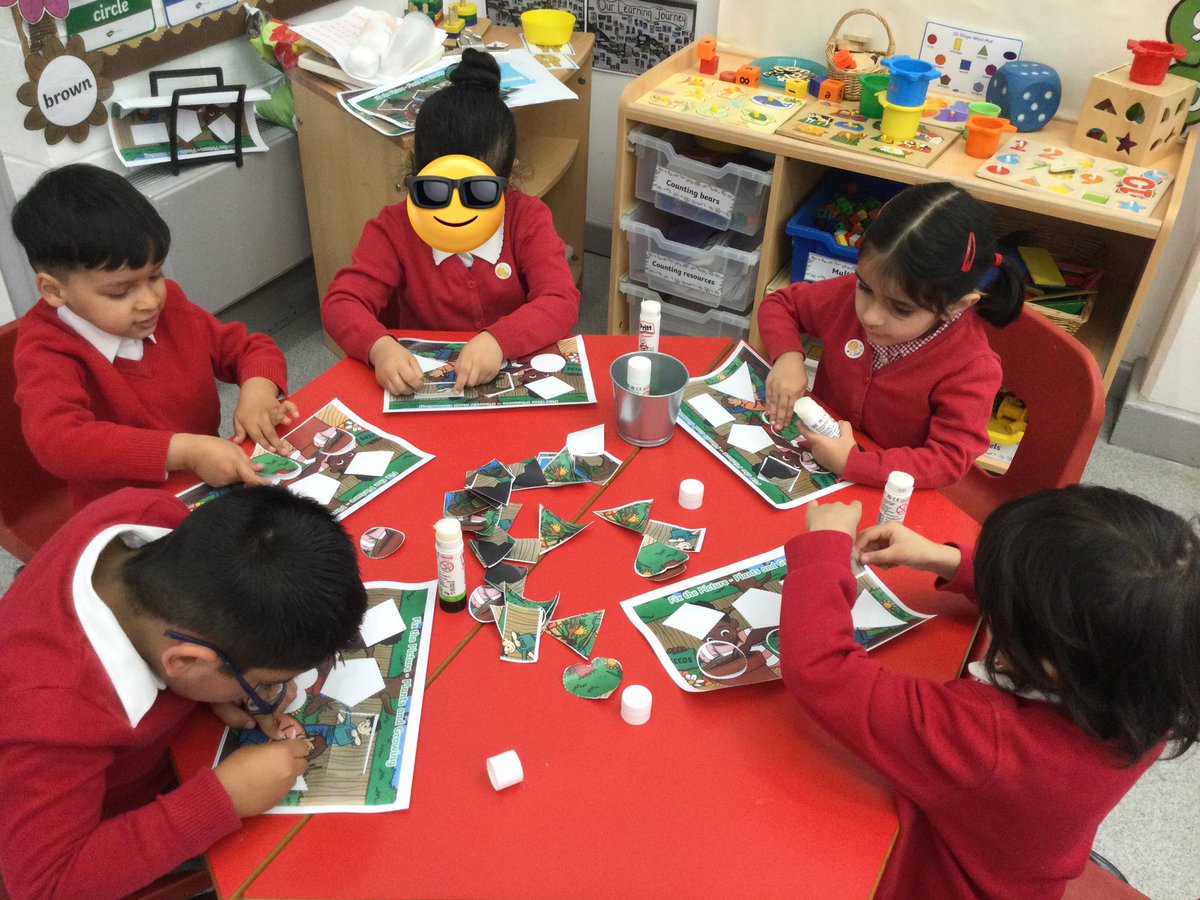
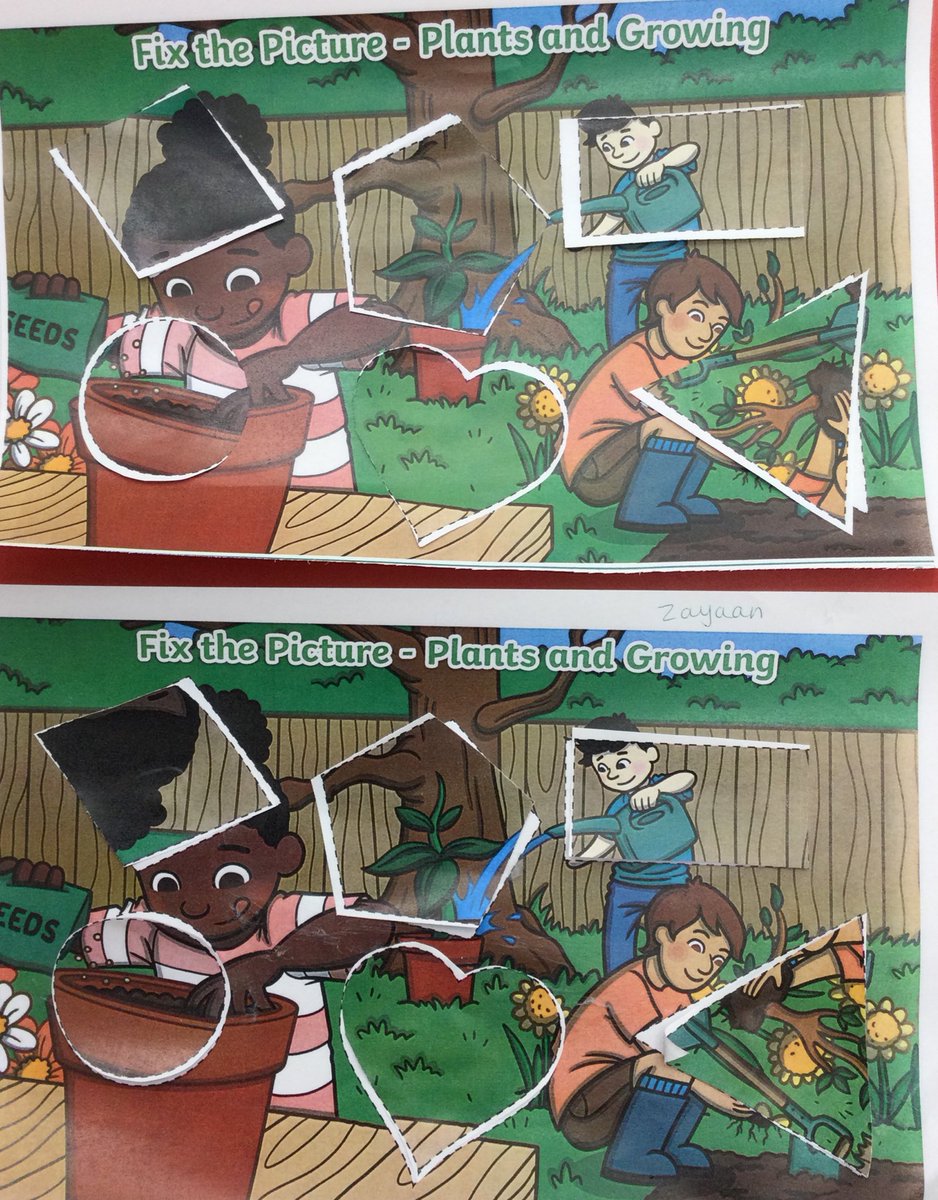
Nursery children were super clever at recognising the 2-D shapes and matching the same shapes together. #Maths #PD #shapes #takingturns #sharingresources #lifelonglearners
8
253

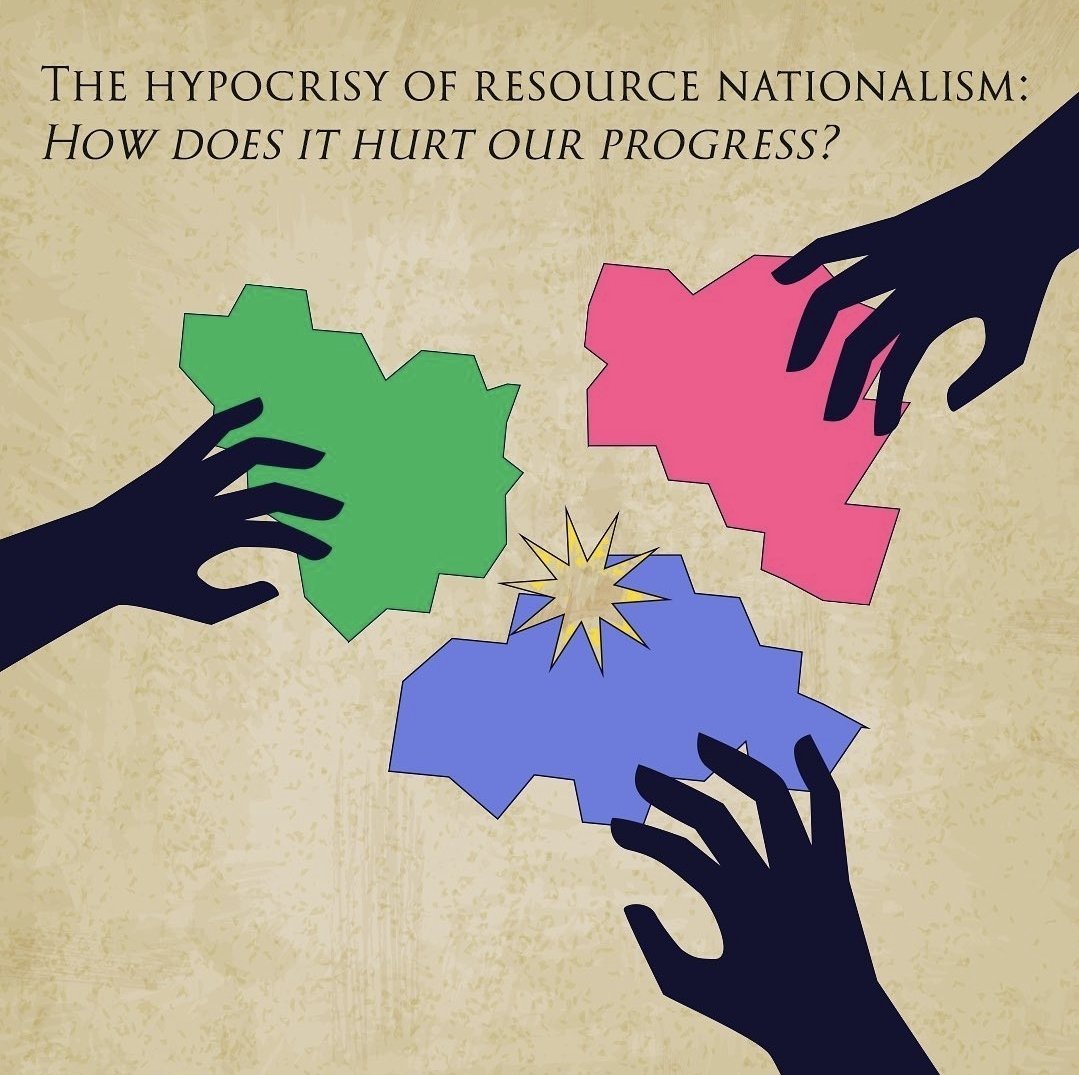
Too many African politicians are quick to say, “It’s our oil. It’s our country.” They take an “us versus them” attitude, as if “they” are coming in to steal our resources. We need to move away from the “my country, my oil” mindset. It’s wrong, and it’s hurting our industry and average people. We must be honest with ourselves and recognize that resource nationalism—a country’s efforts to maintain tight-fisted control of its resources—is just as bad as racism or sexism.
Xenophobic feelings about expatriates or foreigners coming into our countries to work infect the entire system. And that, in turn, affects the African people we want to protect and empower. Africans have been around the world, and we have marched and protested to be treated with decency and respect as human beings.
When we operate from a mindset of resource nationalism, we bring the very attitude we have fought against to our own business dealings. We are less likely to create an enabling environment for investment, less likely to be transparent, less likely to develop effective local content policies, and less likely to benefit from knowledge-sharing, capacity building, and valuable public-private partnerships. We have never seen a country grow stronger and more prosperous as a result of resource nationalism—and if we wade into that territory, we stand to lose.
#communitygrowth #africanenergy #sharingresources
3
7
542

🚀 Big News! We dey happy to announce say we don form groundbreaking partnership with @flow3_tech!
Flow3 na DePIN-powered decentralized wireless network wey dey powered by DePIN , en dey converts idle bandwidth and AI CPU power into rewards wey person fit dey earn. Users fit earn passive income by sharingresources wey them no dey use through one kin simple app or extension.
Together, we dey unlock gasless, cross-chain experience wey go allow smooth transactions across 30 EVM networks — direct from @Telegram gan gan!
✨ Wetin dey for you?
- Gasless transactions wey dey use only $ASX to cover fees.
- Cross-chain trading between 30 EVMs, TON, jettons.
- Flow3 integration with AAA Wallet, wey go make your interactions go smoothly without wahala
Make we uplift the Flow3 community together!
#Assetux #Flow3 #Crypto #Web3
9
80

Our Founder/Board President Min. Davis (@HisLoveKeptMe ) and three of our Board Members (for their first time), and a fellow clergy/Missional food pantry colleague/friend attended the 5th Annual Indy Hunger Network Food Pantry Summit.
Grateful to Annisa, Indiana Regional Director (SoSA), for the invitation to be one of the Session 2 Panelists for “Meeting Growing Needs in the Pantry: Prioritizing Best Practices as the Lines Get Longer”. 👏🏾
Our Board Members loved the experience, resources and expertise shared throughout the day.
#IHN #FoodPantrySummit2025 #SharingResources #ResourcingInformation #BestPractices #IncreasingNeeds #SacrificesOfServices #FoodPantries (3.12.25)
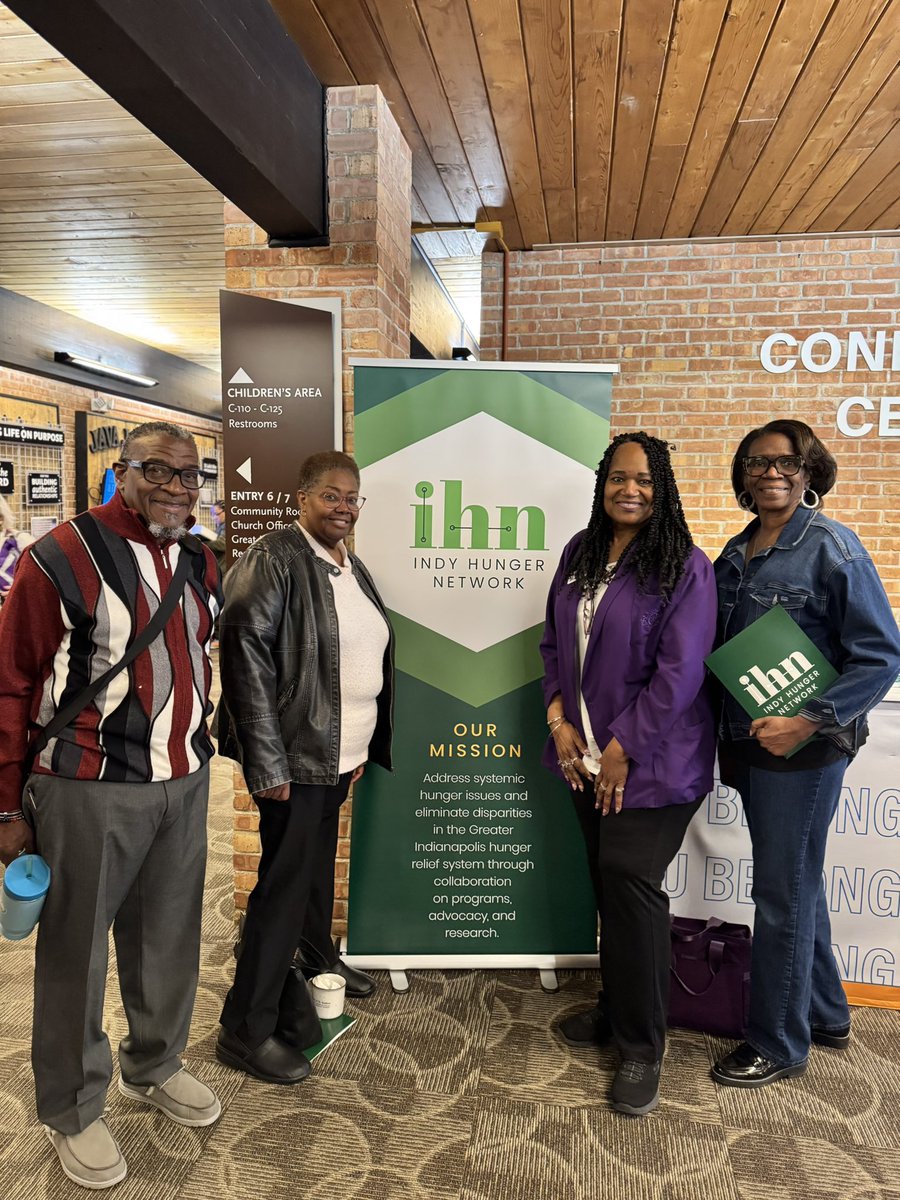
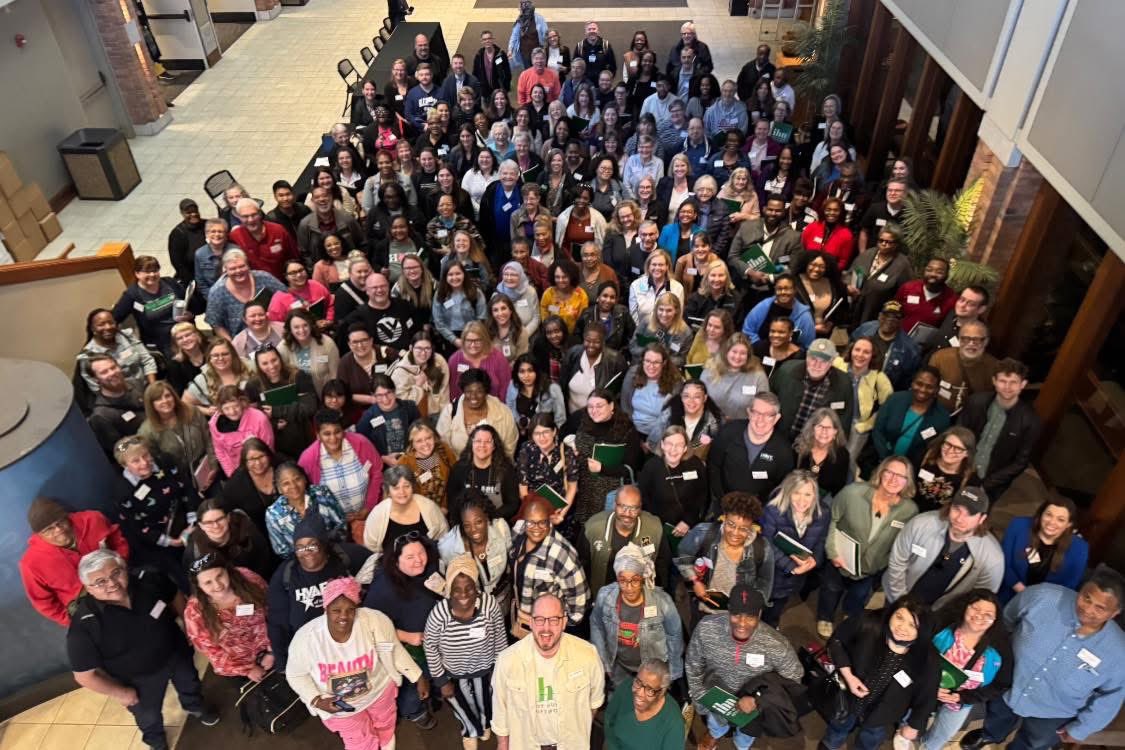
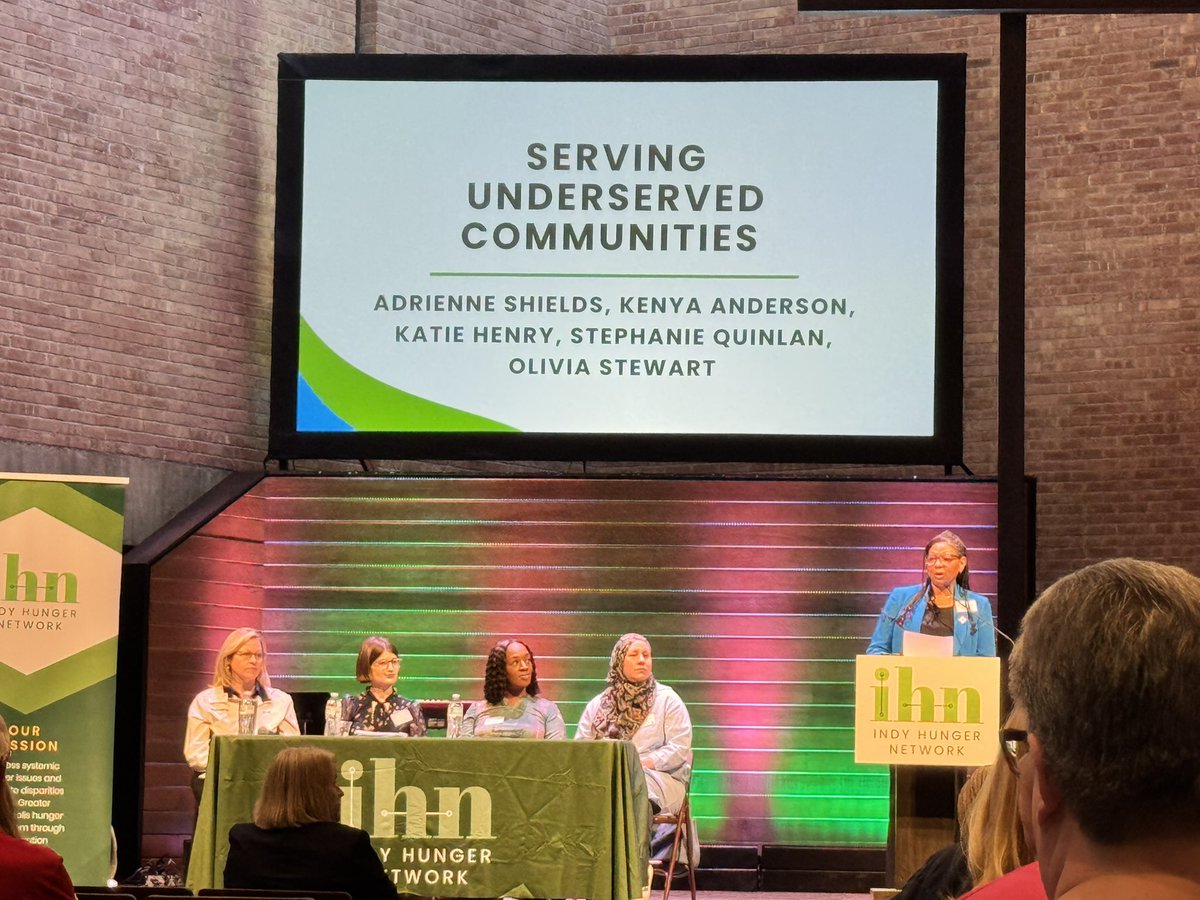
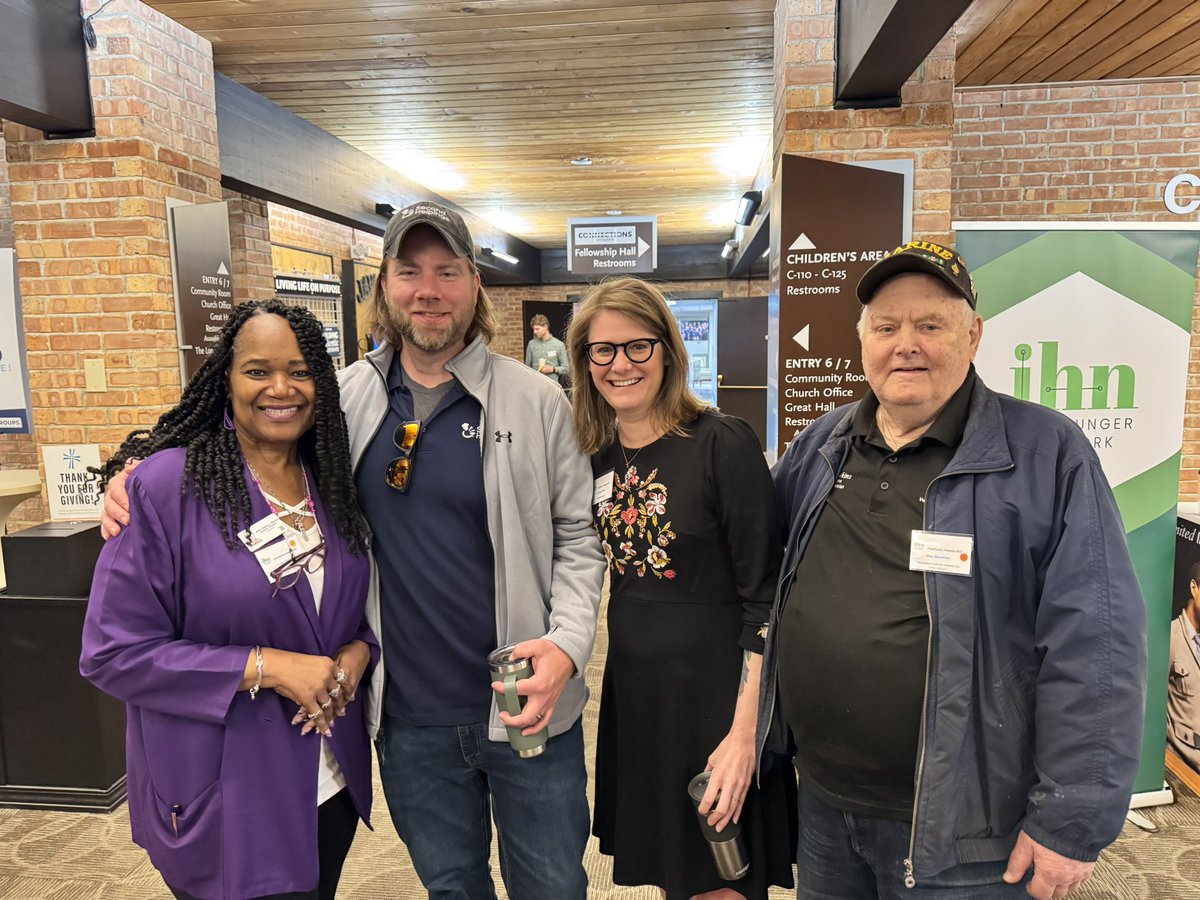
1
1
2
51
16 Dec 2024
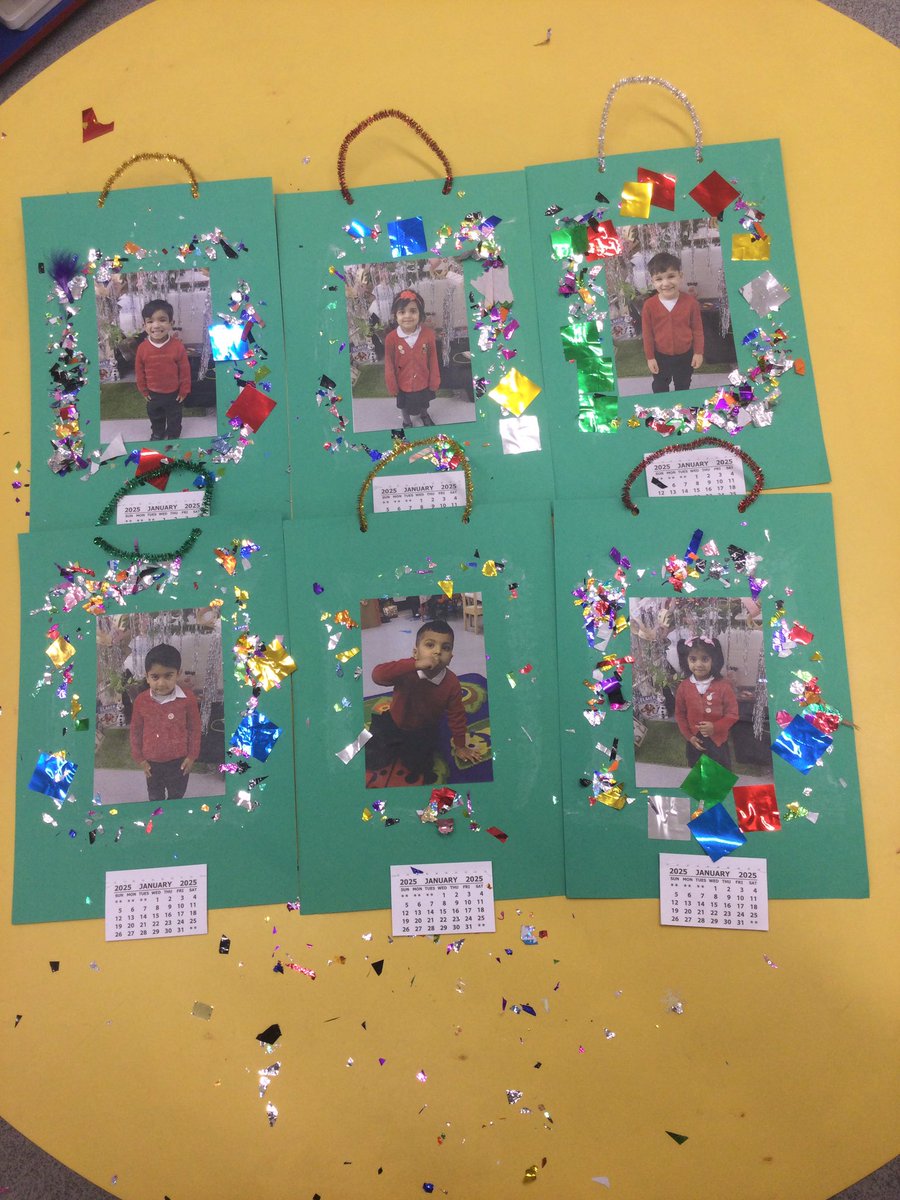
Look at how amazing our Nursery children have been decorating their new year calendar’s. All done and ready to take home this week. Wow!! Well done! #PD #EAD #sharingresources #takingturns #makingmemories
10
276
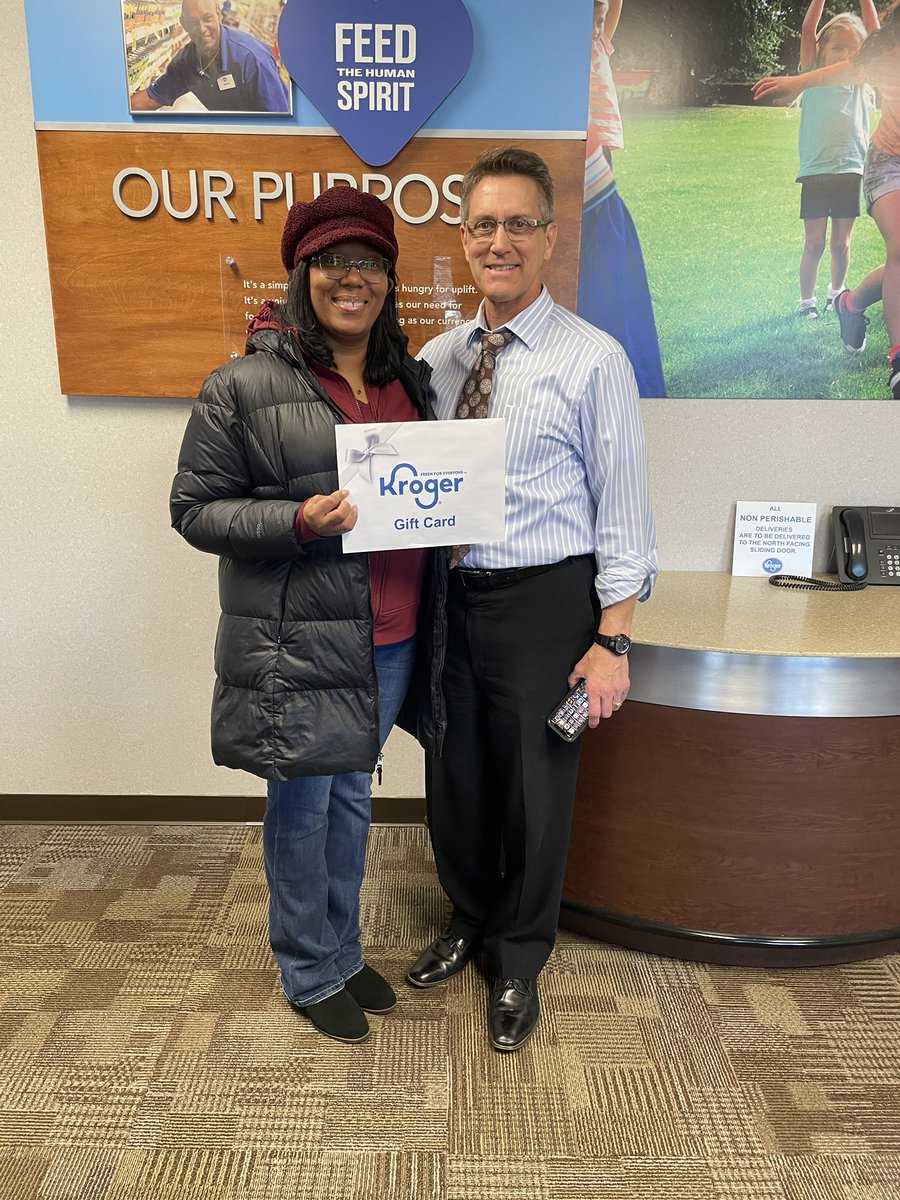
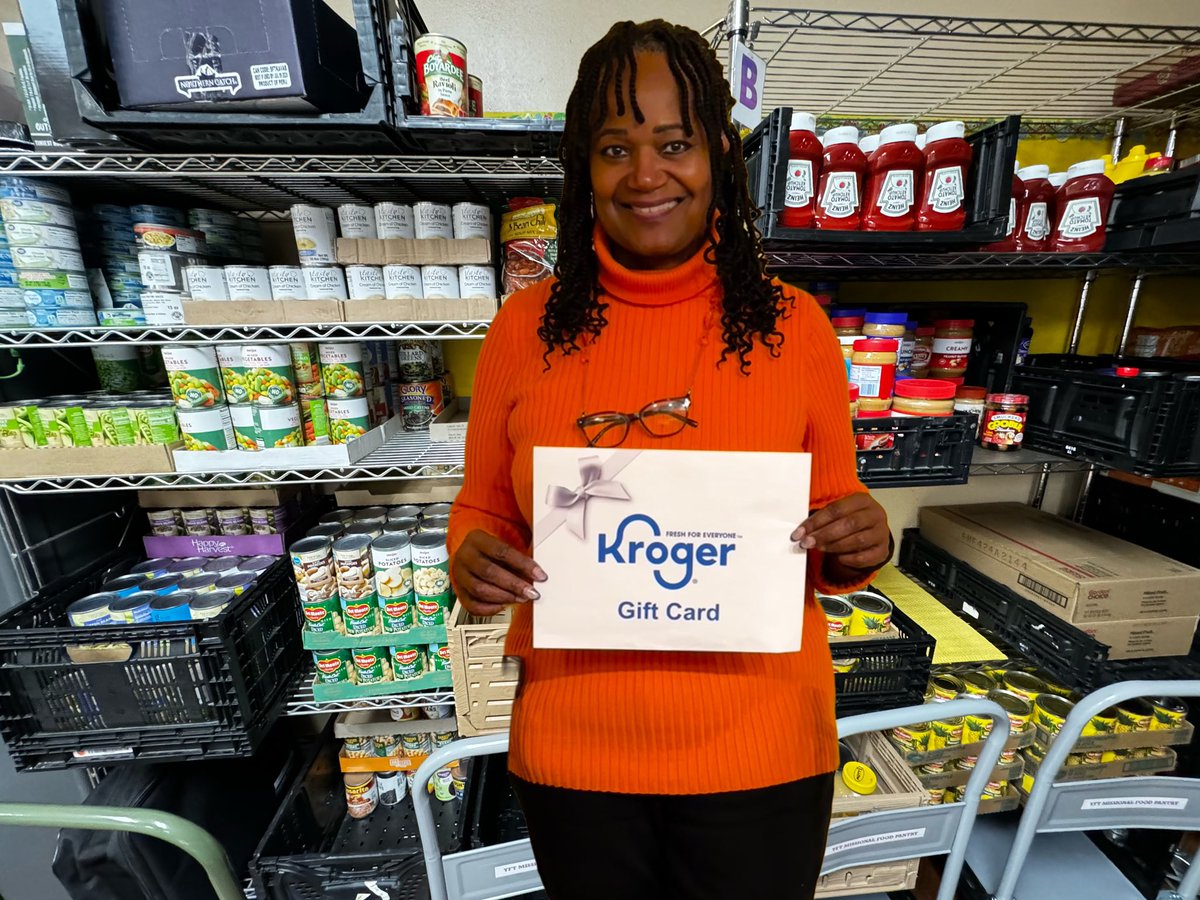
Our Partners are vital to those we serve. Thank you #Kroger and @Eric_Halvorson for helping us serve others with groceries for this holiday season! 👏🏾 Thank you to Board Member Tamika Barnwell for your commitment to the Pantry and service to the Community!
#YouFeedThem
#HolidayAssistance #HungerRelief #SharingResources
#CultivatingJoy
1
2
55
16 Oct 2024
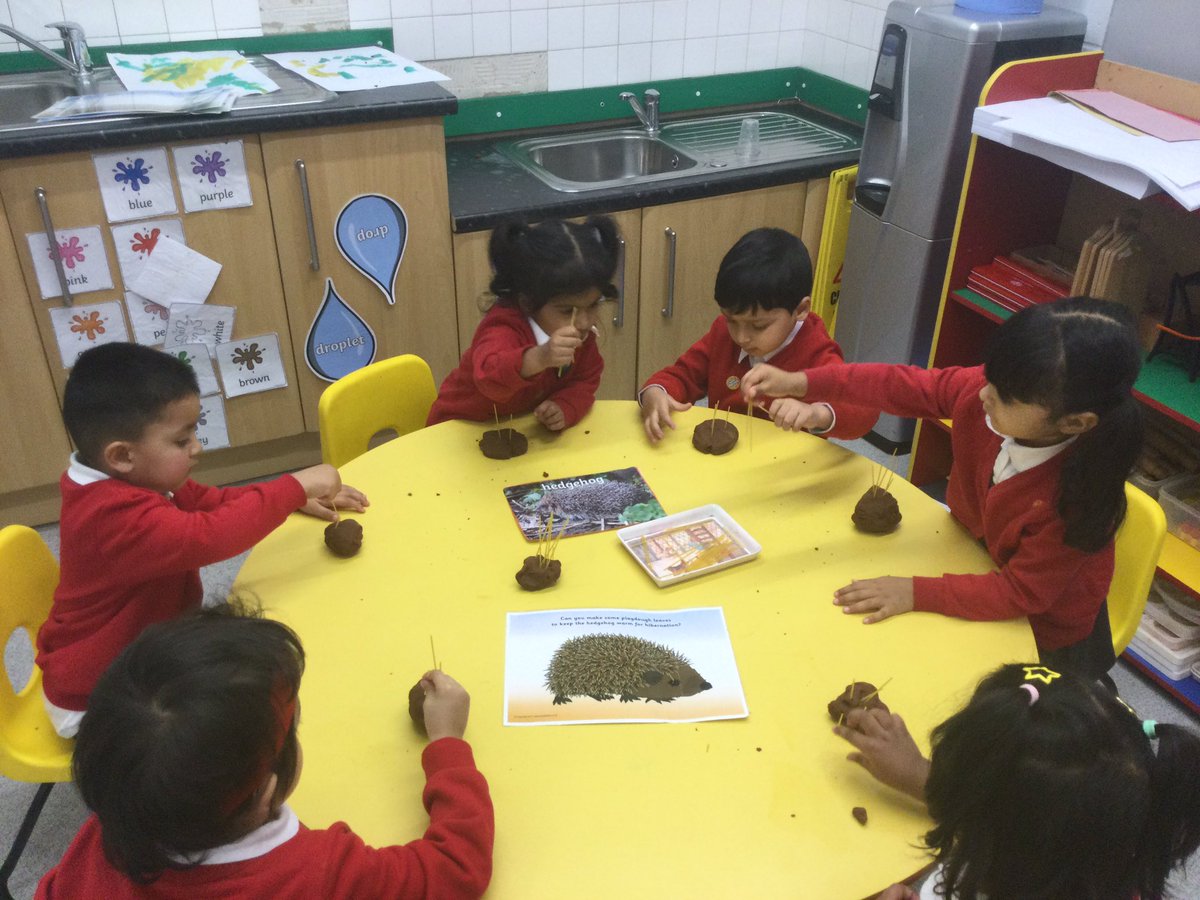
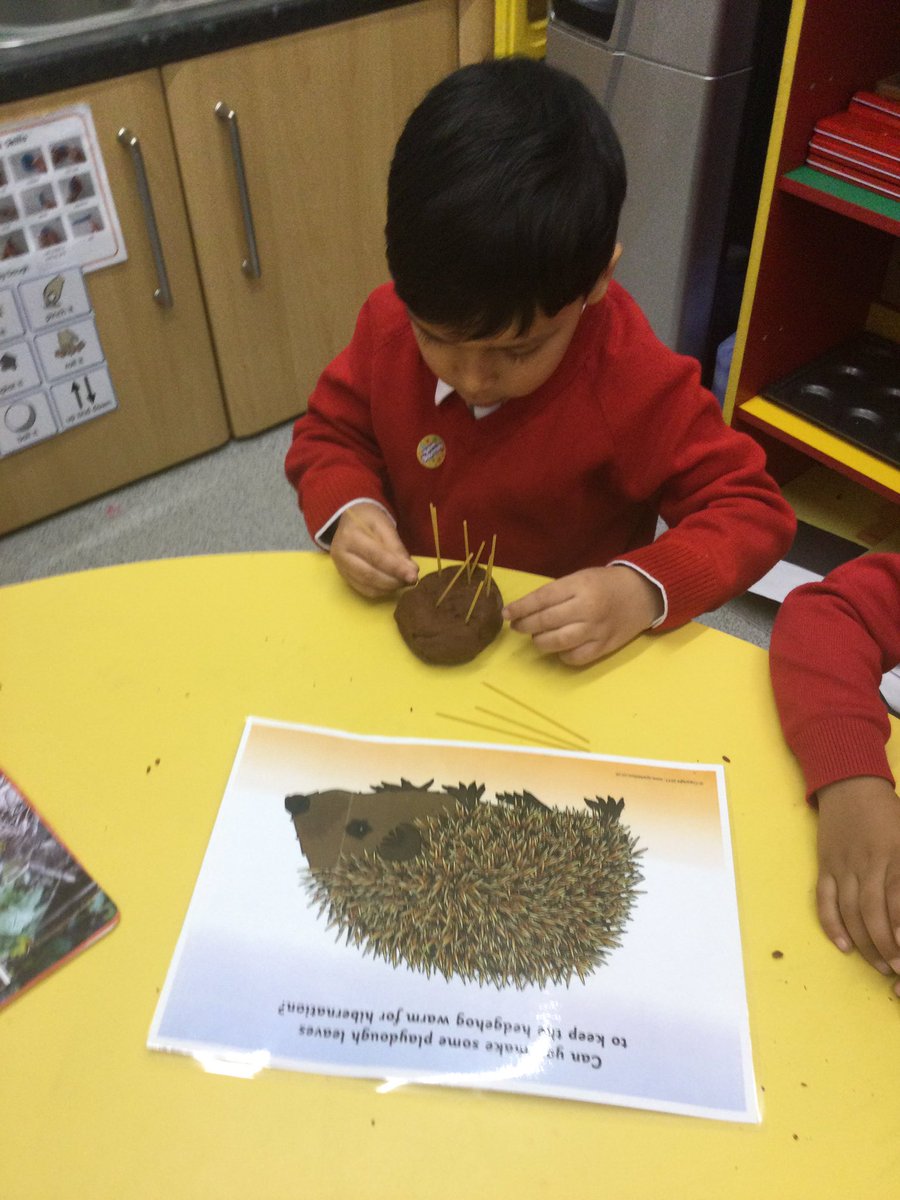
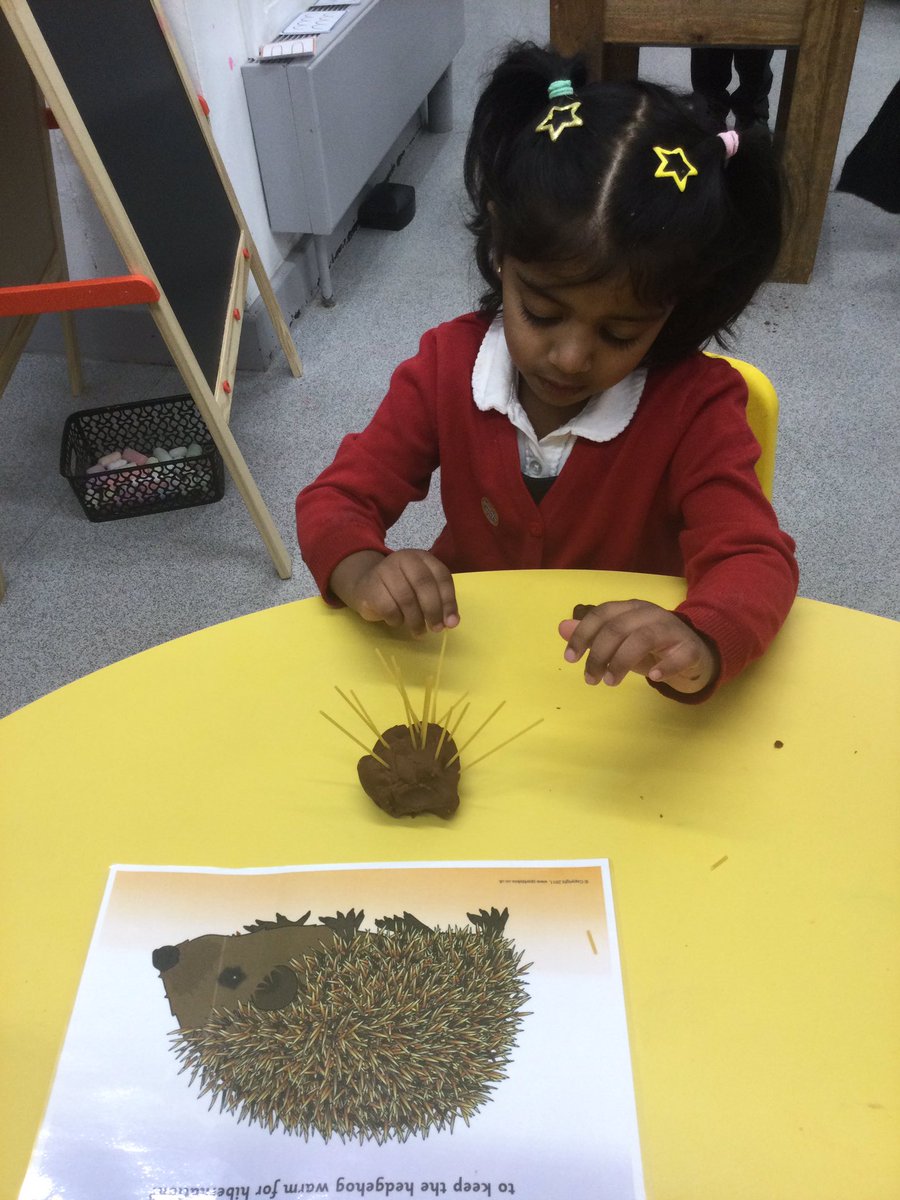
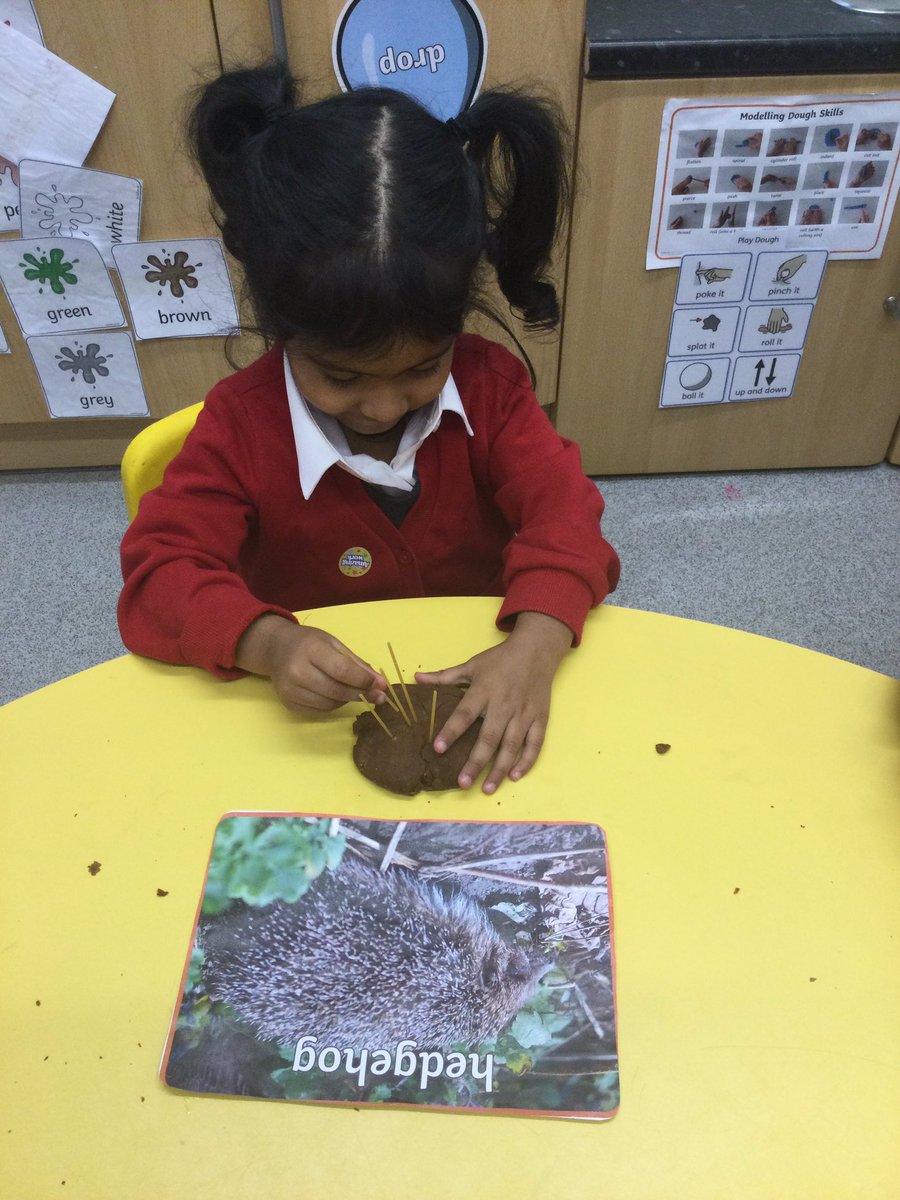
In Nursery this morning we all enjoyed making our own Autumn hedgehogs out of brown play dough. #EAD #PD #sharingresources #Autumnhedgehogs
1
6
238

8 Aug 2024
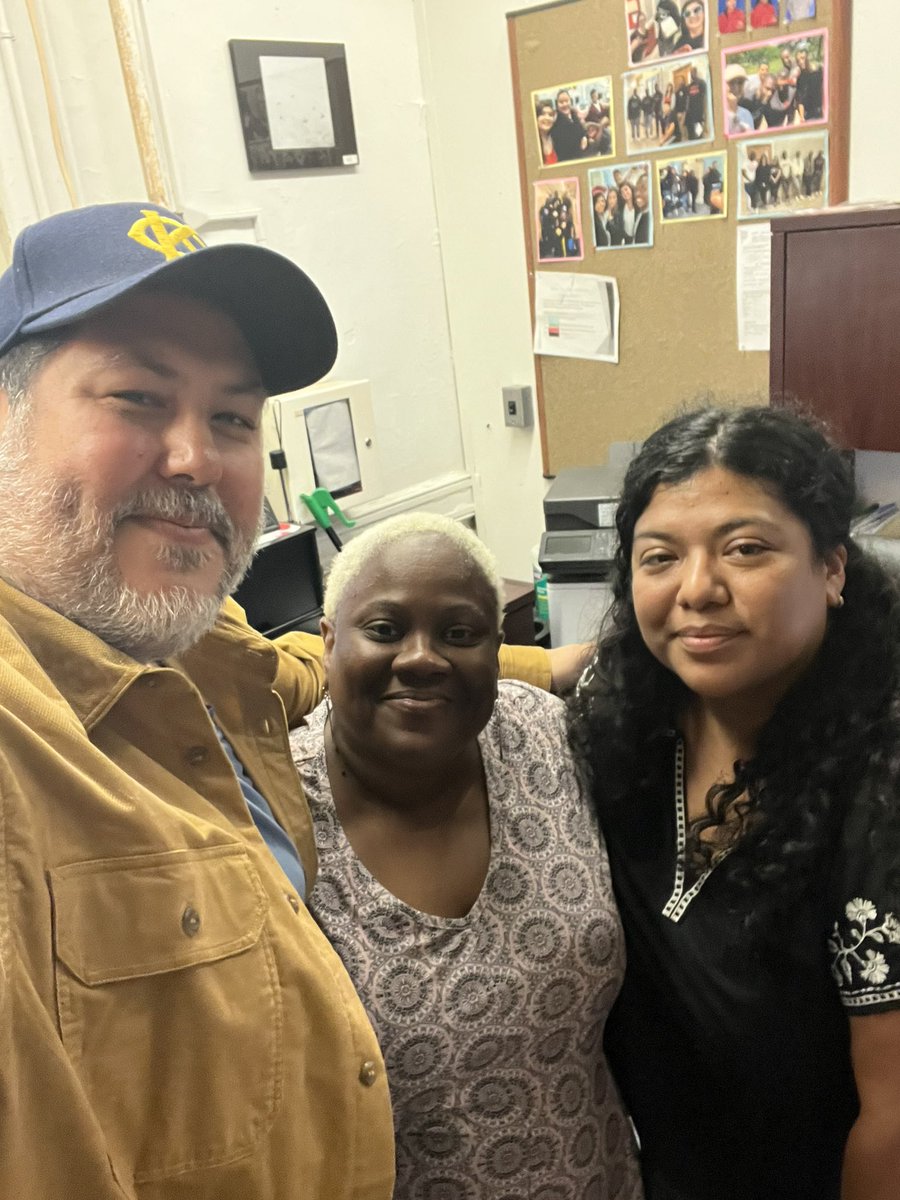
When Brooklyn North Parent Coordinators get together in the summer to plan for the new school year #sharingresources @YuetChu_NYCDOE @AndradaF_TDEC @BKNHSSuptRoss @BrooklynNorthHS
1
1
6
157
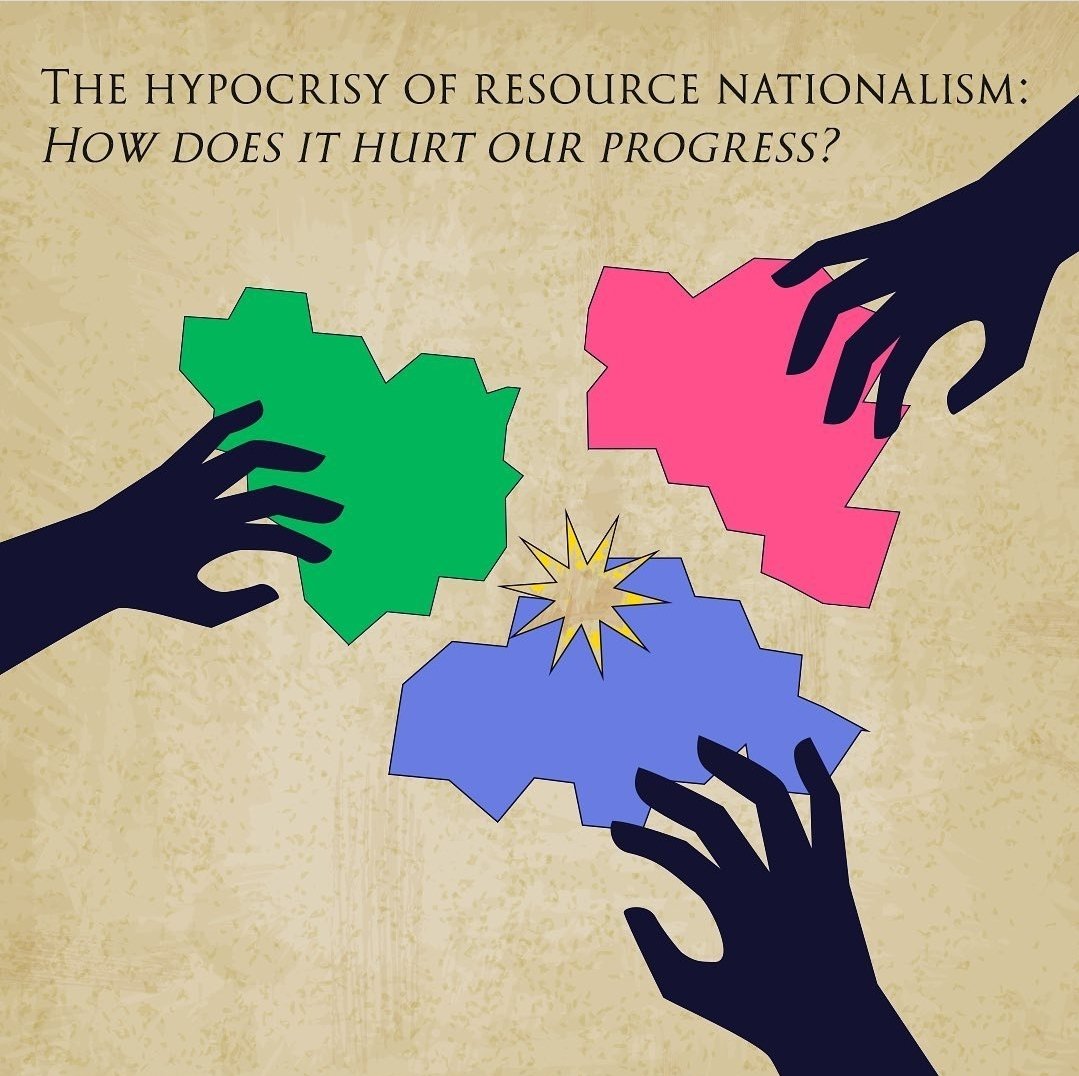
Too many African politicians and sometimes local businesses, lawyers and civil society groups are quick to say, “It’s our oil. It’s our country.” They take an “us versus them” attitude, as if “they” are coming in to steal our resources. We need to move away from the “my country, my oil” mindset. It’s wrong, and it’s hurting our industry and average people. We must be honest with ourselves and recognize that resource nationalism—a country’s efforts to maintain tight-fisted control of its resources—is just as bad as racism or sexism.
I know they argue that it is OUR oil. It is true. But until we have the ability (technical and financial wherewithal) to extract our oil and gas like bp , Kosmos Energy , Woodside Energy Chevron ExxonMobil TotalEnergies , and others do, why are we adding roadblocks instead of incentivizing production? Sometimes, I think our governments simply ignore the fact that investors are spending a lot of money to make these projects work and that their successes will be, eventually, our own.
Xenophobic feelings about expatriates or foreigners coming into our countries to work infect the entire system. And that, in turn, affects the African people we want to protect and empower. Africans have been around the world, and we have marched and protested to be treated with decency and respect as human beings.
When we operate from a mindset of resource nationalism, we bring the very attitude we have fought against to our own business dealings. We are less likely to create an enabling environment for investment, less likely to be transparent, less likely to develop effective local content policies, and less likely to benefit from knowledge-sharing, capacity building, and valuable public-private partnerships. We have never seen a country grow stronger and more prosperous as a result of resource nationalism—and if we wade into that territory, we stand to lose.
#communitygrowth #africanenergy #sharingresources
1
118
467
5,028

8 May 2024
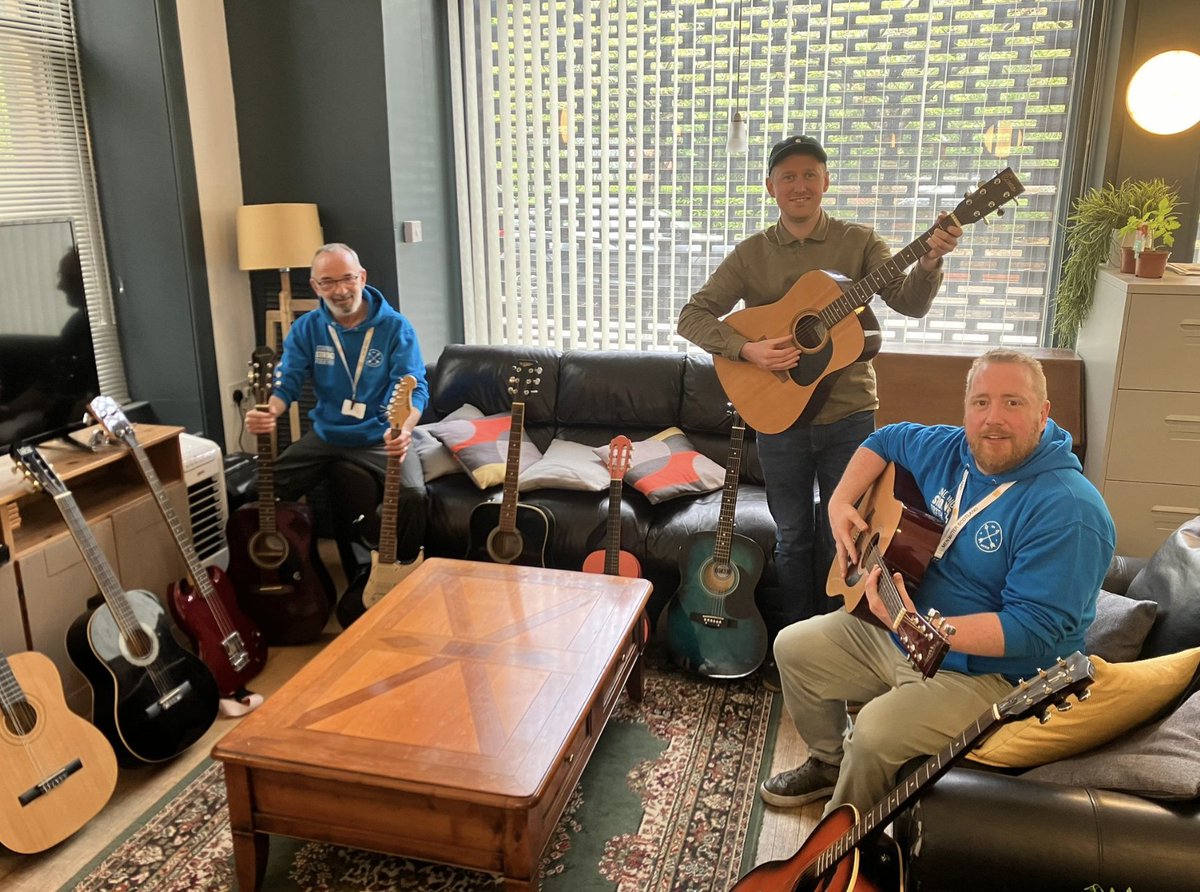
Now we're talking! Massive thank you to the brilliant team @MenScotland for the donation of these guitars! Our talented youth worker Liam took a wee bit of time today to tune them all up. Sounding great too! Thanks guys 🎸🎶🎼 #Community #partnership #donate #support #sharingresources
10
563

7 Apr 2024
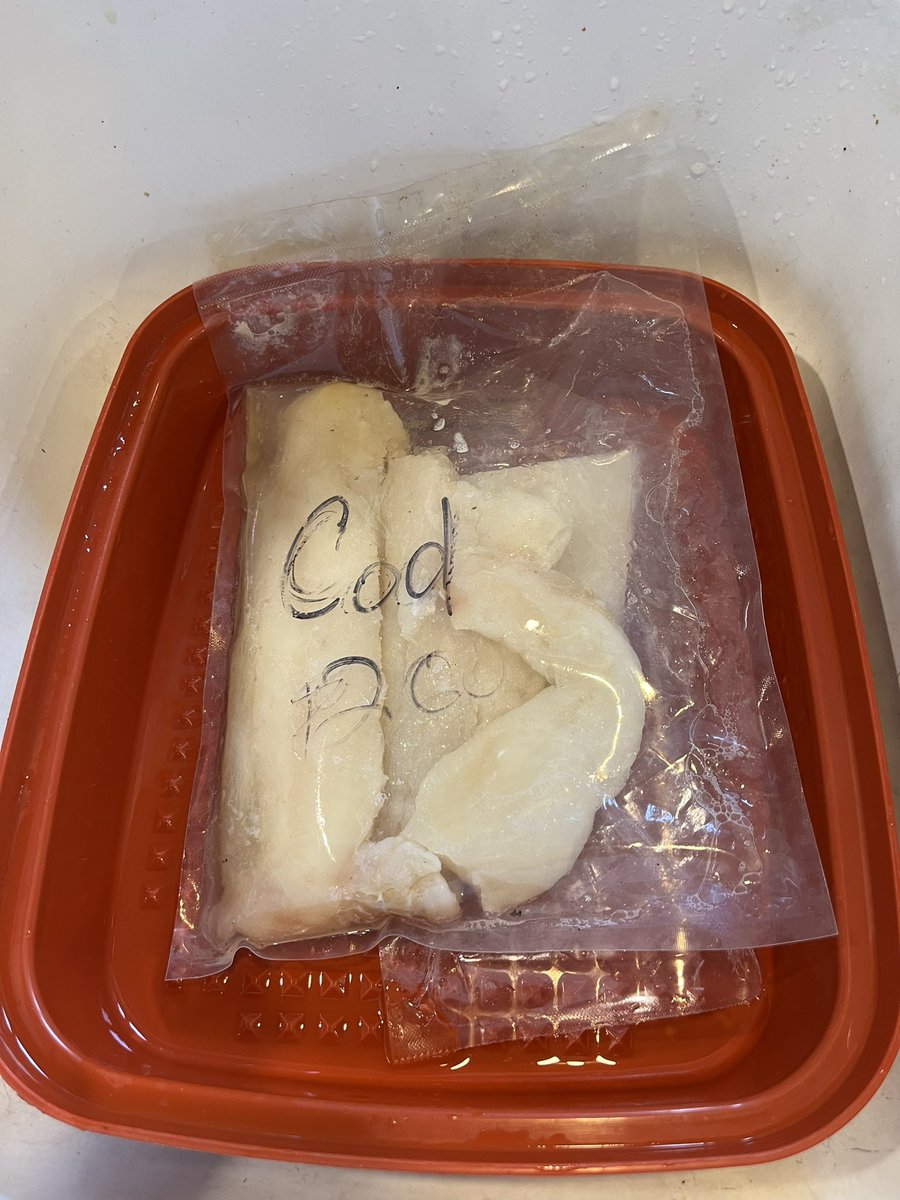
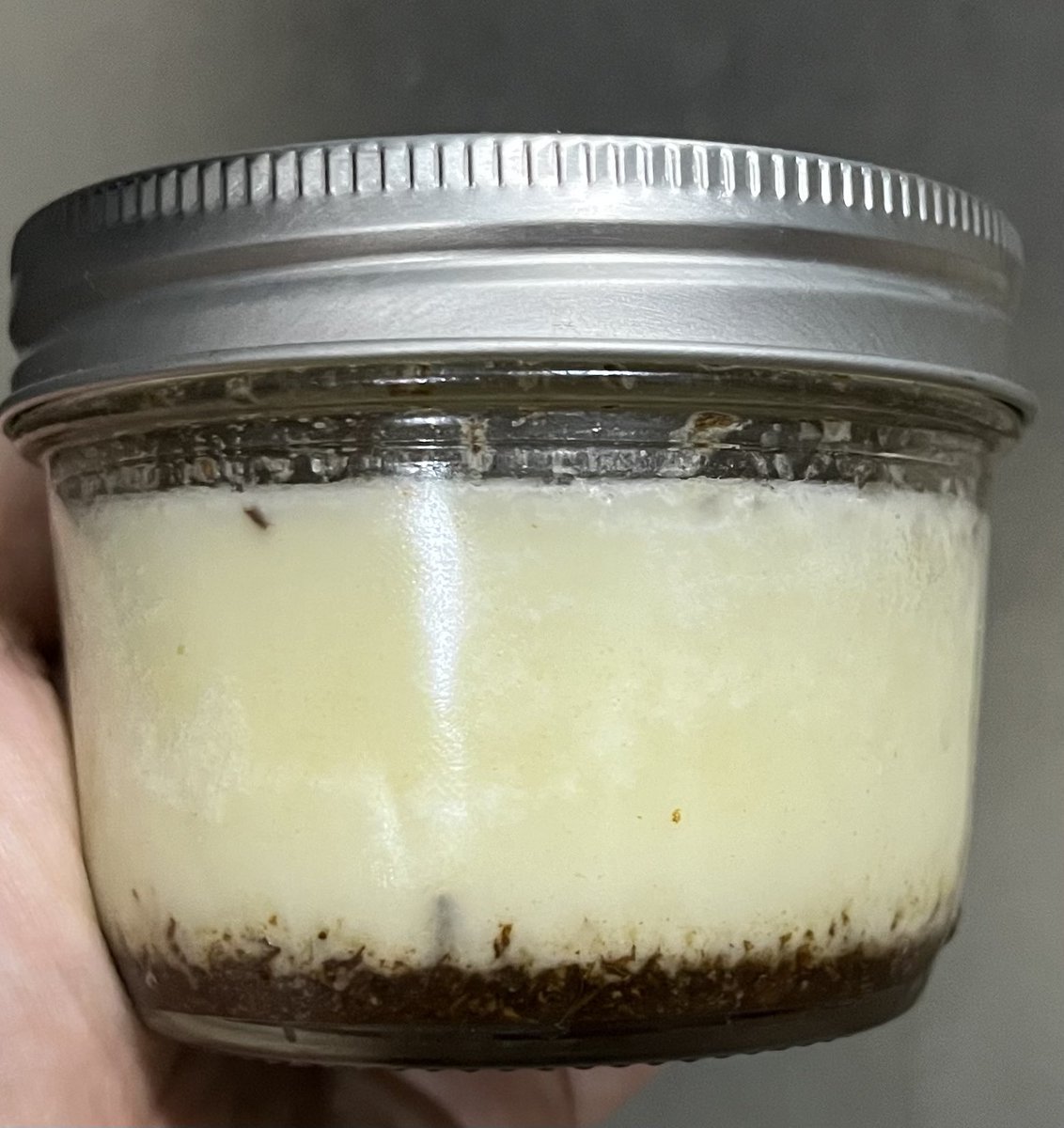
Cod for dinner 2nite 🎣 Gift from Fam
#Blessed #FamilyTrade #SharingResources
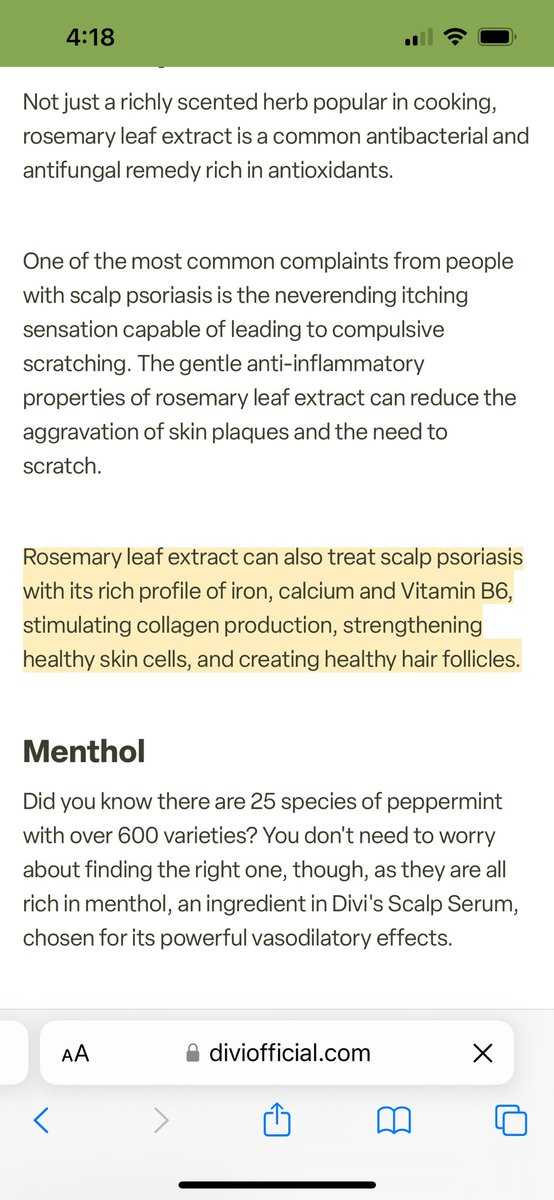
In turn I gifted my homemade scalp psoriasis balm 💚
made with
cold pressed coconut oil
fresh Rosemary herb crushed or chopped 🪴
Or Rosemary oil drops
Allow to cure
Massage into scalp
Rinse when done
diviofficial.com/blogs/scalp…
1
8
562

5 Jan 2024
‘New Year’s Resolution’ for our broken world 💔: Making a positive & active commitment to the practice of #Justice #Peace #HumanRights #SharingResources #EqualOpportunities #Love #Compassion #Kindness #ClimateAction #Conservation #Sustainability
Shabbat #Shalom #Salaam 🕊️🌍🌏🌎
1
3
31

11 Oct 2023
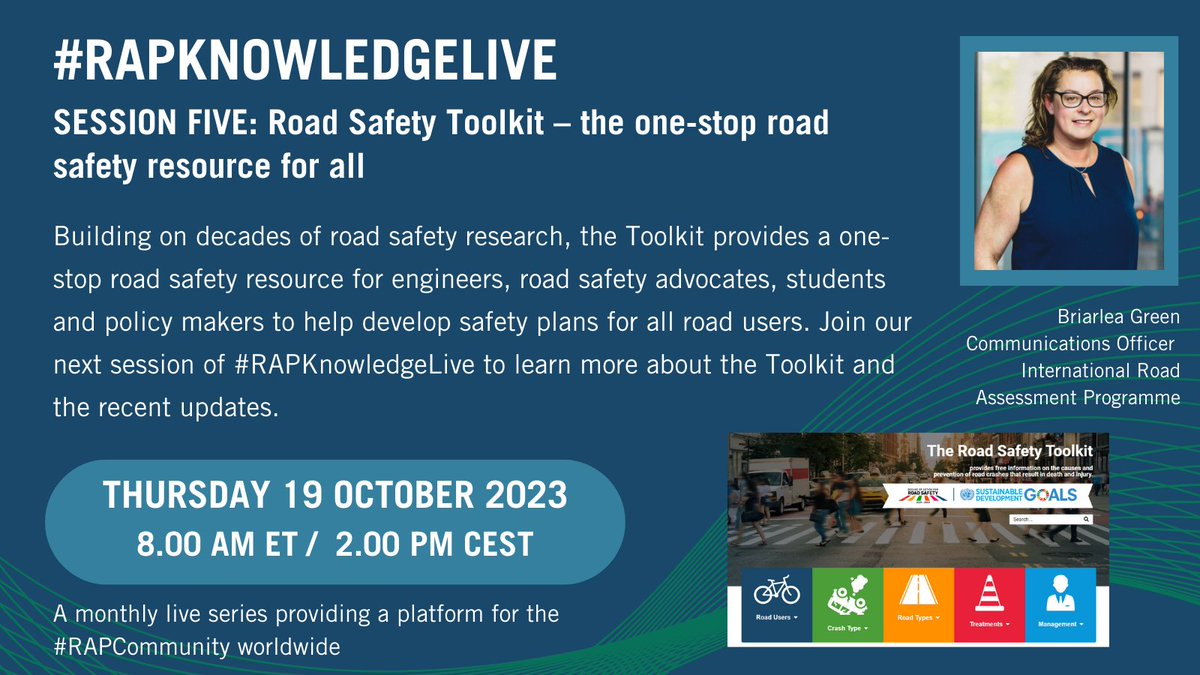
⏳One week to go! Don't miss our next #RAPKnowledgeLive event on the Road Safety Toolkit! #sharingknowledge #sharingresources
Registration is free!
3 Oct 2023

📢Our next #RAPKnowledgeLive session will be held on October 19 - covering the recently updated Road Safety Toolkit! Registration for this online session is free irap.org/2023/09/rapknowledg…
1
2
252

30 Sep 2023
Emceeing an incredible event centered on bioethics.
#ImpactfulPanels
#InformationAccess
#SharingResources
#BridgingGaps
Still a few hours left to go & the best part… EVERYONE is welcome here at Prospera Institute’s Inaugural #HealthEquityForAllSymposium (40 Walk Hill St)
2
322

13 Jun 2023
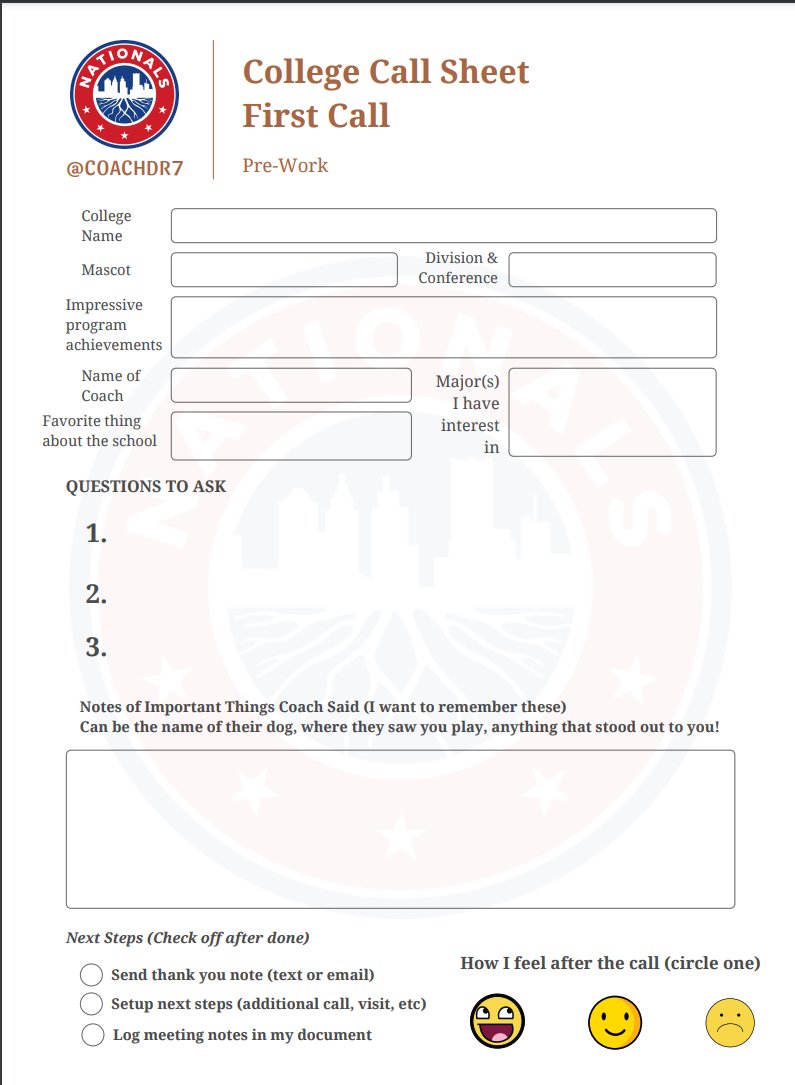
Likes & RT's appreciated as it helps more people see this FREE Resource.
Find it handy, I'd love to see you using the worksheet and tag @CoachDR7
#SharingResources #TheNationalsWay
13 Jun 2023

🗣️📢 Rising Juniors
After over 1,000 downloads of my June 15th FREE Prep Guide yesterday, I am doing a follow-up FREE First Call Worksheet for you to download and use as needed.
Direct link to download the PDF to print as many copies as you would like:
dropbox.com/s/l34oxxoyljgz6f…
#TheNationalsWay
@ImCollegeSoccer @ImYouthSoccer
2
12
2,329

20 Apr 2023
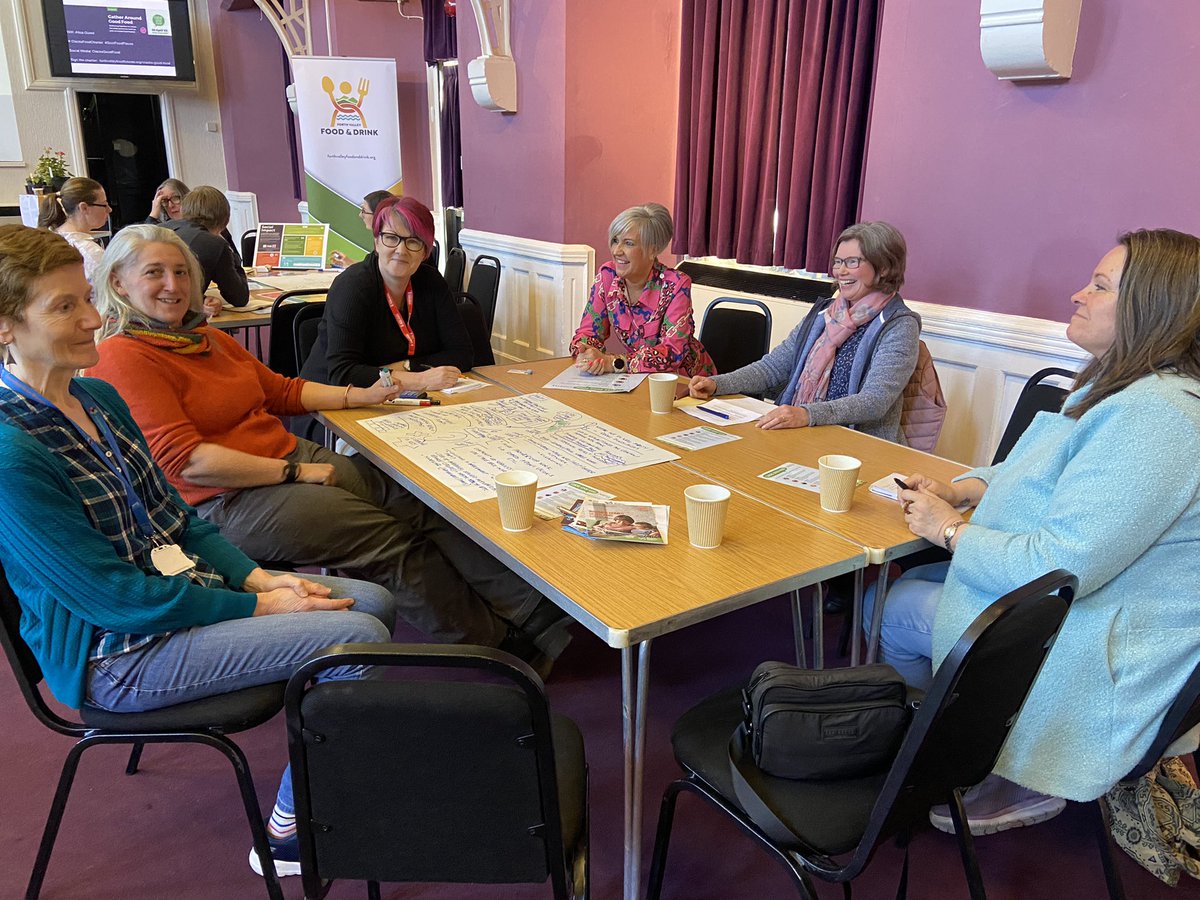
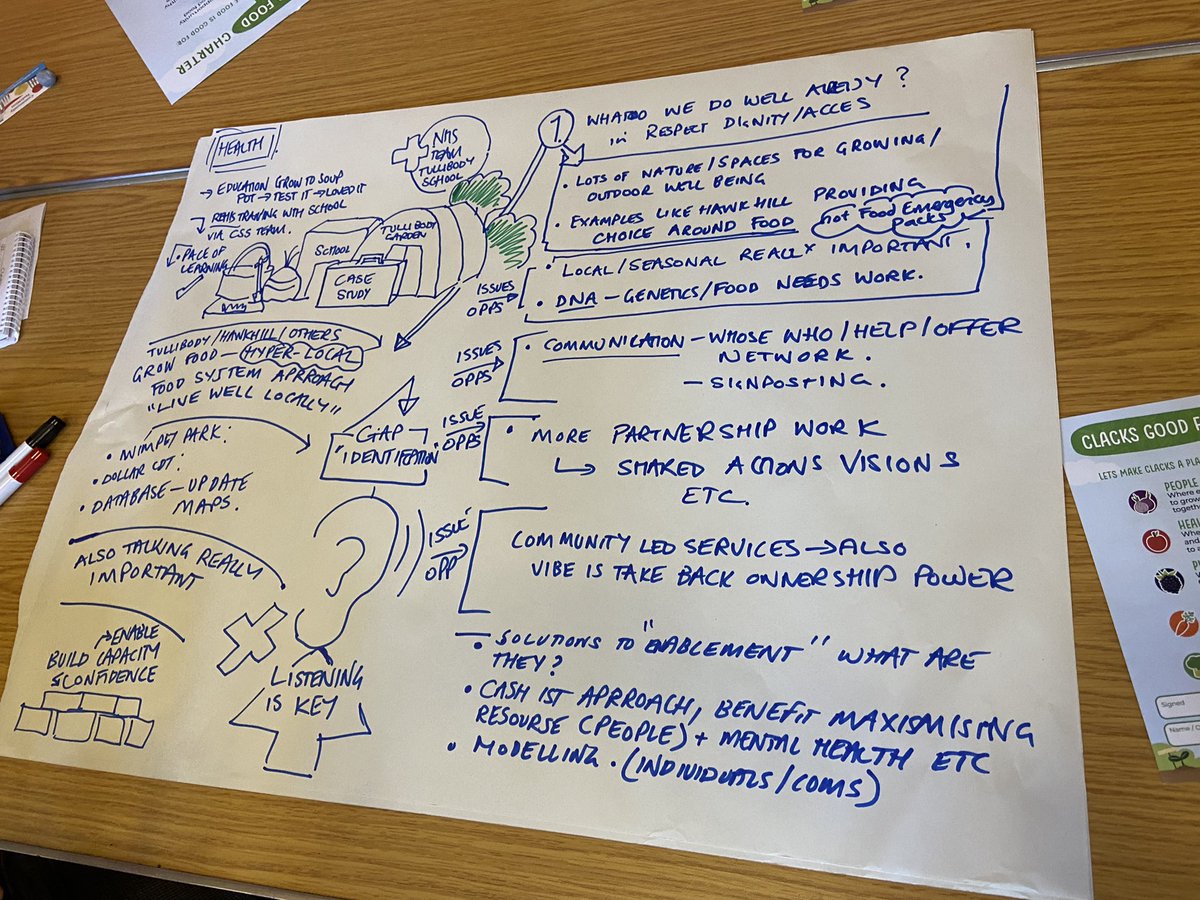
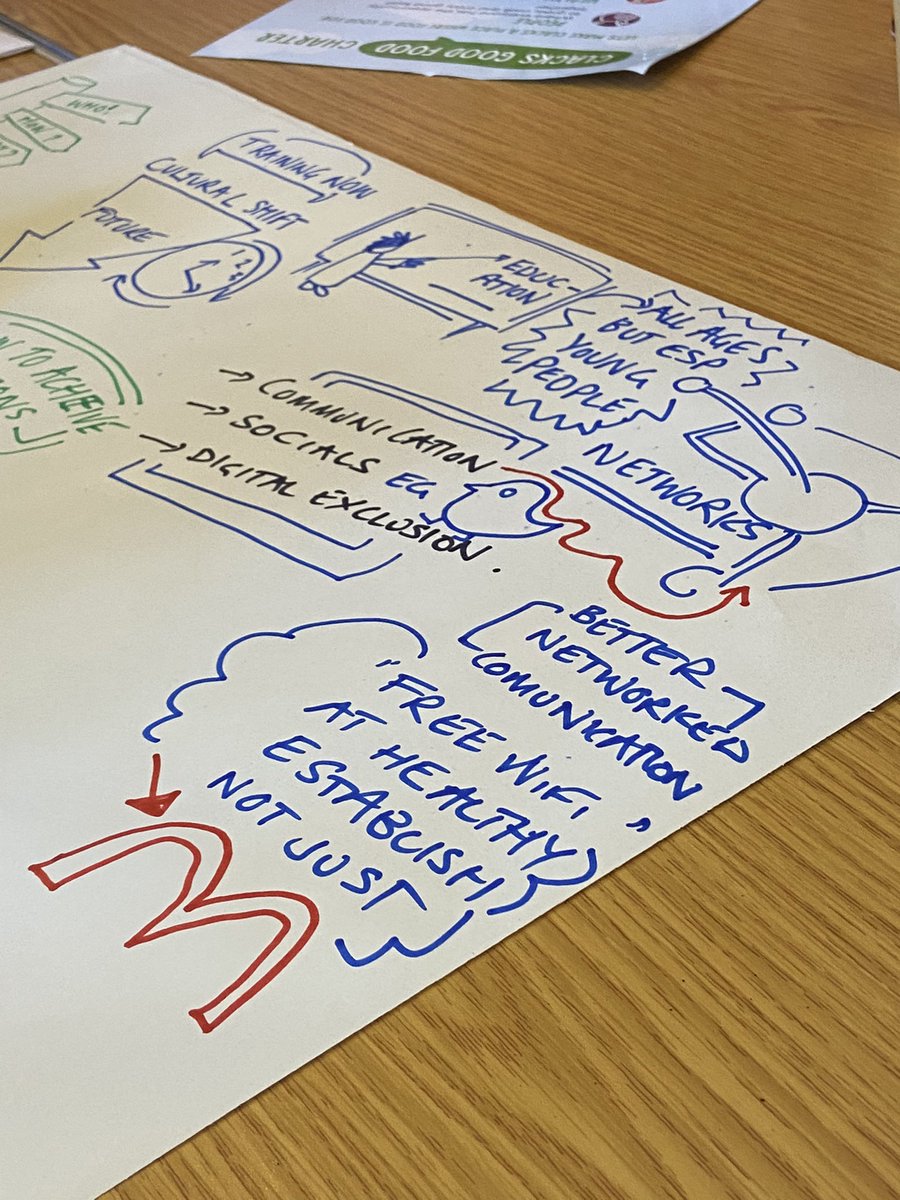
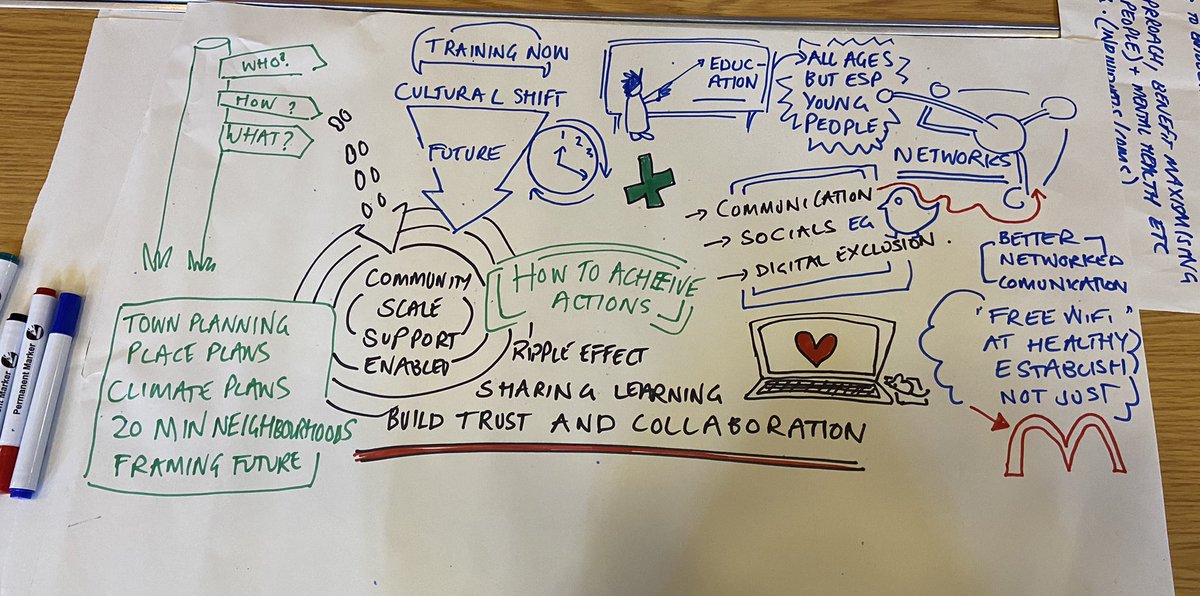
Great discussions in our Health workshop @clacksgoodfood event
😍 the infographic by Em @ForthEnviroLink captured our conversation #clacksfoodcharter #scotfoodplaces #partnershipworking #sharingresources #assetbuilding @NHSForthValley @FidelmaGuest @RhondaArchibald
4
5
239

“#PatientEngagement is particularly important within the sphere of rare diseases” and working with organisations like @EURORDIS can help you identify #PatientRepresentatives with required experience & skillset.
🔗eurordis.org/patient-engagem…
#RareDiseaseDay #SharingResources
1
2
5
106