
There are none plastic/resin based sealers, which would meet your desire. Usually plasticizers like double boiled linseed oil, or shellac.
3
9
ArtFalaxy retweeted

Photosynthetic Pulse — a new encaustic shellac burn piece exploring how light becomes energy.
Wax, flame, organic networks, luminous tension.
One瞬moment of photosynthetic rhythm on a 50×50 cm panel.
#encaustic #shellacburn #abstractart #organicflow #DoraStorkArt
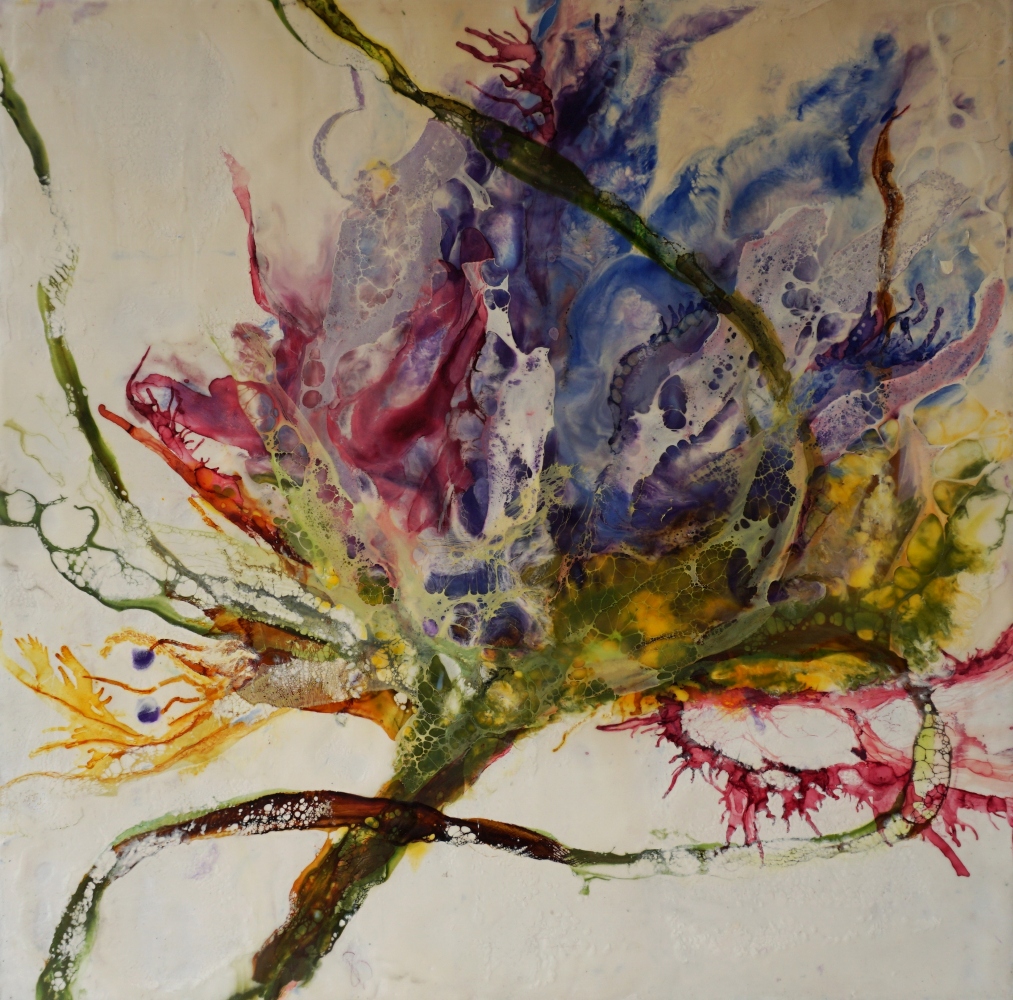
ALT An abstract encaustic and shellac burn painting with organic branching forms in violet, green, yellow, and red on a pale background. Molten wax layers create translucent textures resembling roots, light veins, and natural energy networks.

ALT A calm, light-blue dining space with rattan chairs and a minimalist wooden table. The vibrant abstract encaustic painting hangs centered on the wall, its organic purple, green, and yellow forms standing out against the soft pastel room.
8
63
44
396

A veces vengo a CUU por cosas medio sonsas como cortarme el cabello, ponerme shellac, llevar un abrigo a la tintorería o arreglar unos zapatos con don jaime. No es que en CDMX no encuentre estos servicios, pero hay un arraigo emocional que prefiero hacerlos aquí.
28


6h
SHELLACのフレアデニム44。股下83cmって長っ! 俺の脚だと裾上げ必須だわ…欲しくなってきた
SHELLAC フレア デニム エディ SWAG archive
jp.mercari.com/item/m5448189…
5

Spinner Fall’s new EP is out. It’s called Charm and it’s available at Bandcamp spinnerfall.bandcamp.com/alb… Rock music influenced by #fugazi @thejesuslizard #shellac
1
15


@PandaExpress It’s been awhile since my eating at PE. The orange chicken has been ruined with an excess of sugar. It’s as if the chicken pieces were coated in a sugary shellac.
Santa Barbara, La Cumbre Plaza.
8


B.E.Verins retweeted

I do not have any problems with protein from insects.
Don't tell critics anything about shellac aka E-904. 😆
I assume they just don't wanna know about secretions from lac insects when consuming their chocolate, jellybaby, candy, gum, shiny fruits & fresh grounded bean coffee. ☕️
1
2
78

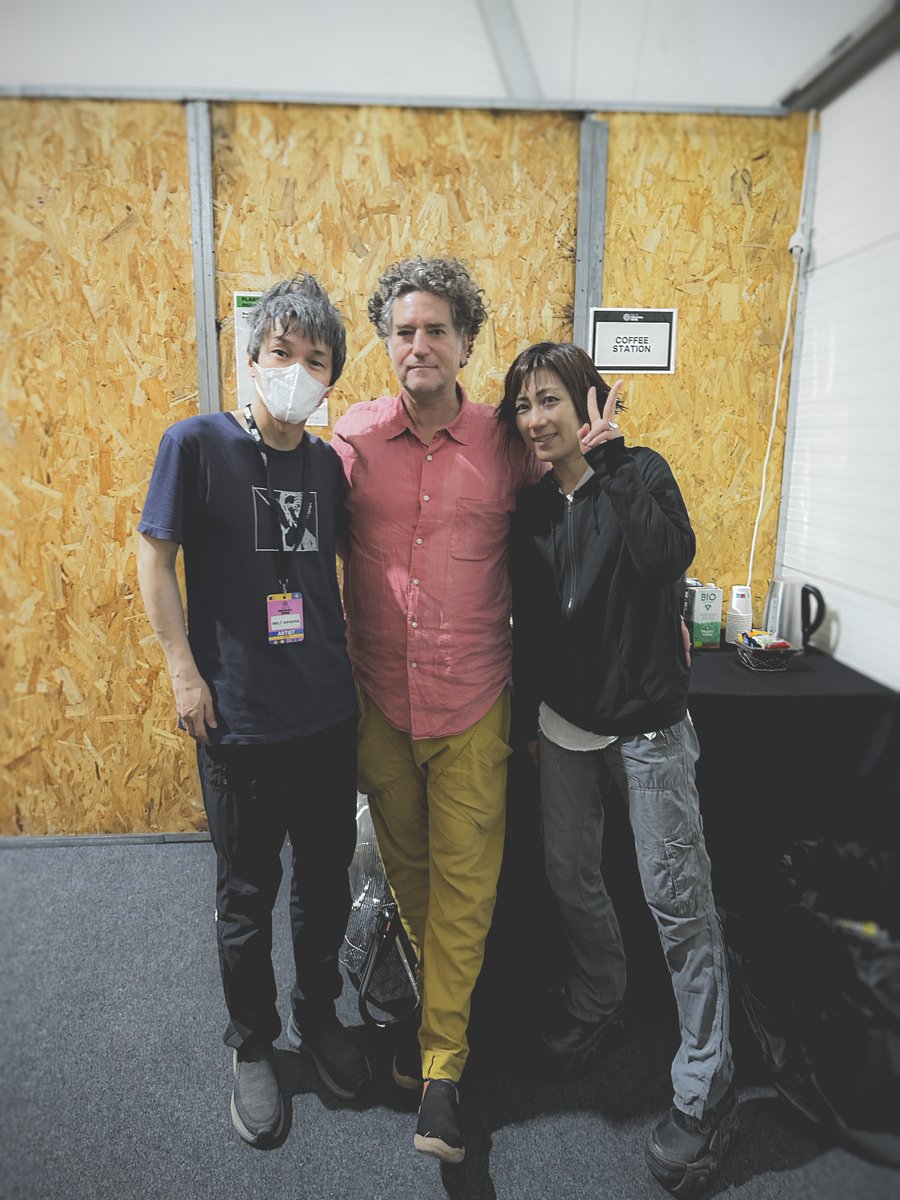
Melt-Banana with Bob Weston! 😆✌️
at Primavera Sound Porto /🇵🇹
---
#meltbanana #ThankYouSteveAlbini #primavera_sound #primaverasound #shellac #bobweston #メルトバナナ
2
2
60
1,746

うかふぇのかき氷おいしい
毎年食べちゃうよ
今回のネイルはラメ入り
いろはやっぱり乳白色なのだ
マツエクと手足同時施術は楽
SHELLACとかジェルじゃないネイルやってくれるし、ukaは貴重


2
100

Dude. Just throw on some BIN shellac to seal that shit and repaint.
Why would you introduce those filthy particles into the air? Seal it off and call it a day.
1
180

Jun 13
Cleaning 20 years of nicotine and tar off walls isn’t just standard cleaning—it’s actual fire/smoke restoration. Standard DIY remedies like vinegar or dish soap will just rehydrate the tar, smearing a yellow, sticky mess all over your walls.
To actually lift the resin safely and effectively, you need a heavy-duty alkaline cleaner to break down the oily tobacco bonds. Here is the exact blueprint professionals use:
What You Need:
TSP (Trisodium Phosphate) or a TSP substitute: This is the gold standard powder you mix into hot water. It chemically breaks down the tar so it literally melts off the wall.
Heavy-duty rubber gloves & eye protection: TSP is highly alkaline and will irritate your skin and eyes.
Lots of cheap microfiber towels or sponges: You will ruin them, so don't use your good ones.
Two buckets: One for your cleaning solution, one with clean water for rinsing.
Drop cloths: To protect your flooring from sticky, yellow drips.
The Step-by-Step Process:
Protect the Room: Lay down heavy plastic or drop cloths along the baseboards. Tape over your electrical outlets and light switches.
Mix the Solution: Mix your TSP powder into a bucket of very hot water according to the package instructions (usually 1/2 cup per gallon).
Wash Bottom-to-Top: Counterintuitive tip: Always wash walls from the bottom up. If the heavy nicotine drips down onto a dry, dirty wall below it, it will leave permanent, dark streak marks that are nearly impossible to get out.
Apply and Scrub: Wipe the solution onto the wall using a damp sponge or microfiber cloth. Let it sit for 1–2 minutes to break down the tar, then scrub. Watch the amber liquid run down.
Rinse Immediately: Wipe the area down with a separate sponge dipped in your clean water bucket. If you don't rinse the TSP residue off, your future paint job won't stick.
Dry: Wipe the wall dry with a clean towel.
The Final (And Most Important) Step
Cleaning alone usually won't completely eliminate the deep-seated odor or stop yellow stains from bleeding through in the future because nicotine deeply penetrates drywall.
Once the walls are completely dry, you must seal them with a stain-blocking, odor-blocking primer. Standard latex primers won't work—you need a shellac-based primer (like Zinsser B-I-N) or a heavy-duty oil-based primer (like KILZ Original). Once that coat cures, you can paint over it with whatever color you like, and the smoke smell will be gone for good.
7
673


Only vaguely, I know the traditional brittle sort used for authentication is typically beeswax with tree resin and shellac added in various proportions, along with pigments.
I'm not sure but I believe commonly available "sealing wax", sold in granules and used to seal bottles and such, is typically just pigmented wax, possibly sometimes with mineral oil added to make it even softer (which can be fine, makes it easy to remove cleanly from bottles).
And I'm not sure exhaustively but I think some modern flexible "sealing wax" (for sealing letters and certificates insecurely and more just for aesthetics) is made with pigmented wax blended with EVA plastic hot melt glue.
1
45


Jun 13
If the guards let a dude that's been not playing baseball for...checks notes...45 days...get into a rhythm then there is definitely something seriously wrong. They should shellac this f'er today.
1
1
1
14