Apr 29
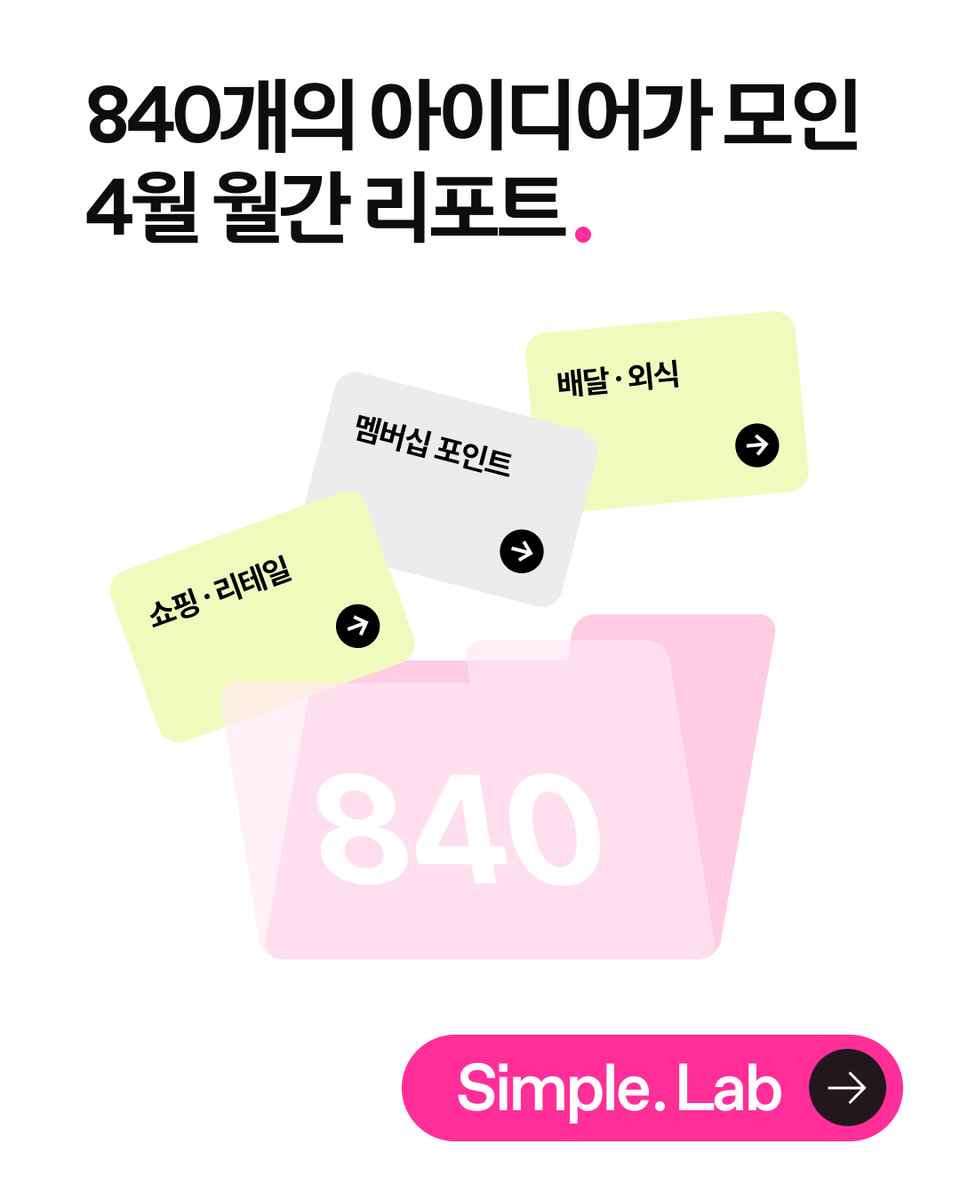
Simple. Lab 4월 리포트 💡
“내 최애 브랜드가 U 혜택이 된다면?”
3월, 840개의 아이디어 도착
어떤 이야기들이 모였을까요 👀
여러분이 제안해 주신 아이디어로
일상에 심플한 즐거움이 더해지고 있습니다.
일상을 심플하게, Simply. U
#LG유플러스 #심플리유플러스 #simplyuplus #심플랩 #simplelab



3
686

Services like Tap Score (SimpleLab) offer “Drugs and PPCP Water Test” kits that target common pharmaceuticals, steroids, hormones, and endocrine disruptors. They provide sampling instructions, bottles, and prepaid shipping. Results include detailed reports with detected levels compared to benchmarks.
• Other labs (e.g., Eurofins, National Testing Laboratories) can perform custom or expanded analyses for PPCPs, hormones, and emerging contaminants. Specify you want testing for pharmaceuticals (e.g., carbamazepine, sulfamethoxazole), hormones (e.g., estrone, estradiol, ethinylestradiol), and related compounds.
• Costs typically range from a few hundred dollars upward, depending on the number of analytes (broader panels are more expensive).
1
2
18
1,788


Jan 10
PFAS NOT DETECTED
I routinely measure my water for toxins. One toxin that I pay special attention to is PFAS.
PFAS are "forever chemicals" that refuse to break down, bioaccumulating in the body and bloodstream. They are potent endocrine disruptors, mimicking hormones to wreak havoc on your metabolism, immune system, and reproductive health. Long term exposure is linked to liver damage, thyroid disease, and increased risk of cancer.
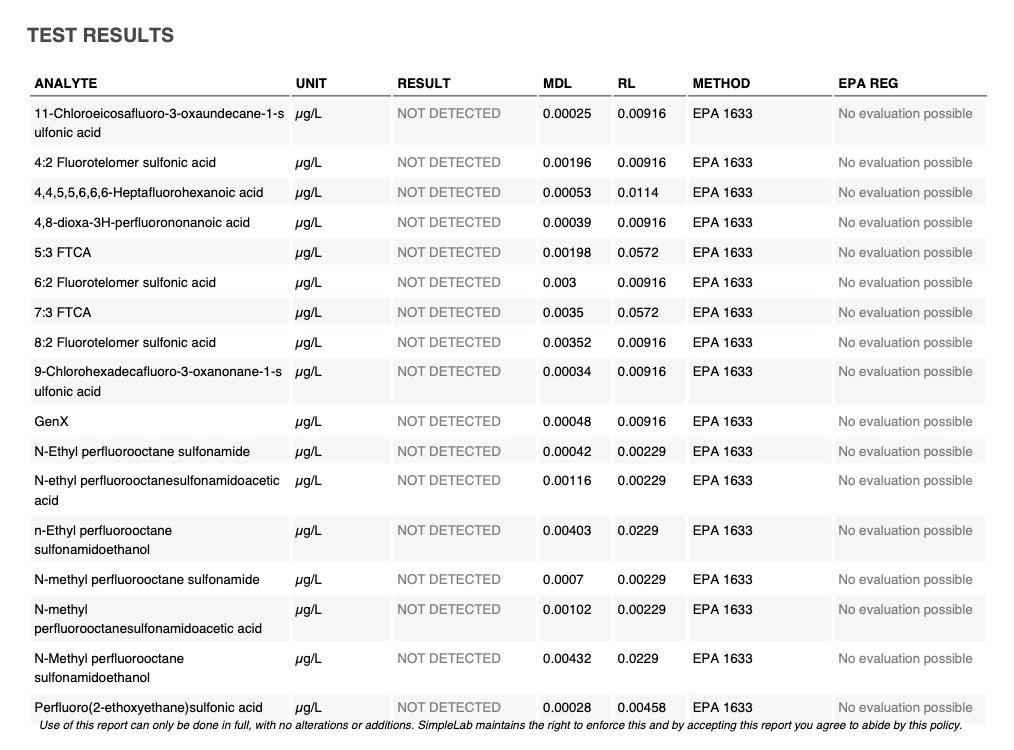
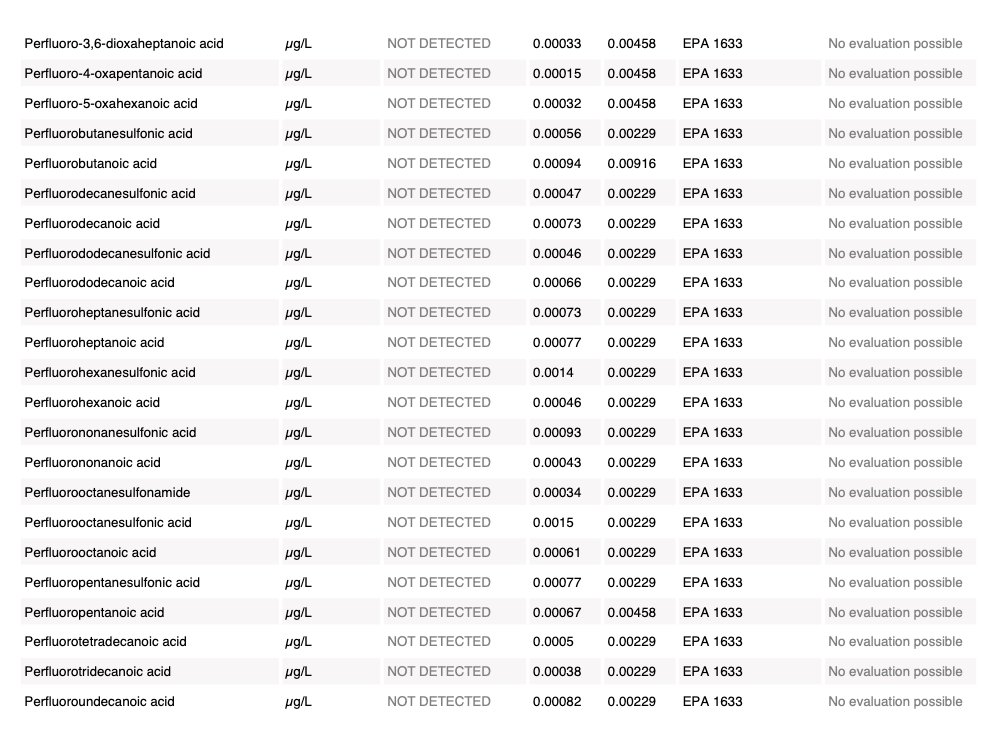
I just retested, this time, with a more sensitive PFAS test. Since the last test, the lab switched to EPA Method 1633, which is a newer, more sensitive PFAS method that looks for more compounds at lower detection limits than the previous panels.
Result: “NOT DETECTED” on dozens of individual PFAS measured.
That doesn’t exactly mean PFAS don’t exist. It means they can be there, but below what this test can reliably see and quantify, which is in the low single-digit parts-per-trillion range.
The water purification system I use is reverse osmosis. It's worth routinely testing your water to make sure toxin levels are in check. The PFAS test we used is from simplelab.
62
33
755
101,399

23 Aug 2025
Heads up: If you’re concerned about PFAS and your water supplier doesn’t yet test for them, you can have your water tested by an EPA-certified lab.
Two mail-in kits that did well in our tests were TapScore from SimpleLab and Cyclopure consumerreports.org/water-co…
3
1,242

24 Jun 2025
Very cool that you used SimpleLab. I own a lab focused on dairy & water testing. We are hoping to join as one of their network labs shortly. 👍
1
2
55

24 Apr 2025
Third-Party Testing Results for Redmond Real Salt
LeadSafeMama (Tamara Rubin, July 2024):
Testing by LeadSafeMama, an independent advocate for consumer goods safety, reported 290 ppb (parts per billion) of lead and 91 ppb of arsenic in Redmond Real Salt.
These levels were described as "unsafe" by Rubin, exceeding her personal thresholds for safety, though she notes her standards are stricter than regulatory limits. Critics argue her methodology (e.g., single-lab testing via SimpleLab) may not be comprehensive, as it lacks multi-lab validation to rule out outliers.
Earlier reports from Rubin (2021) cited 167 ppb lead, based on aggregated consumer data, but this was later updated with the 2024 lab results.
Mamavation (2023):
Mamavation tested 23 salt products, including Redmond Real Salt, at an EPA-certified lab. They detected lead, arsenic, cadmium, and aluminum in Redmond’s salt, but levels were below California’s Proposition 65 warning thresholds (0.5 µg/day for lead).
Specific concentrations weren’t detailed for Redmond, but the study emphasized that all salts tested contained some heavy metals, with Redmond ranking less favorably than brands like Colima or Baja Gold.
Redmond’s Own Testing:
Redmond reports occasional detection of lead up to 200 ppb (rounded up, highest recorded) in their Elemental Analysis, based on 30 years of testing. They emphasize this is naturally occurring and safe in context.
For a 6g daily salt intake, 200 ppb lead equates to 1.2 µg/day, well below the FDA’s provisional tolerable intake for adults (~30 µg/day). Arsenic levels are also claimed to be negligible, requiring unrealistic consumption (e.g., 1,500 servings) to reach harmful levels.
Redmond argues that naturally occurring metals in unrefined salts are bound in inert forms, less bioavailable than synthetic forms, and their products undergo rigorous safety testing.
Comparison to Celtic Sea Salt
Celtic Sea Salt:
LeadSafeMama reported 626-650 ppb lead in Celtic Sea Salt, significantly higher than Redmond’s 290 ppb.
Mamavation’s testing also found heavy metals in Celtic, with lead levels higher than Redmond’s but still below Prop 65 thresholds.
Celtic’s higher lead content (potentially due to its ocean source and clay-lined harvesting) makes Redmond a relatively “cleaner” option in terms of heavy metal content, though both are flagged in independent tests.
1
4
161

31 Dec 2024
Dentaltown Anyone giving fluoride vitamins for children on well water? dentaltown.com/messageboard/… To determine the exact fluoride level in a child’s well water, the first step is testing. You can do this yourself using a Fluoride Ion-Selective Electrode (ISE), a tool specifically designed to measure fluoride ions in water. However, these electrodes require calibration with fluoride standards, which can be complex.
A simpler and more accurate option is to use a state-certified water testing laboratory in your area. These labs will provide specific instructions and a collection kit, making the process straightforward. They’ll test the water for fluoride levels in parts per million (ppm) and provide you with a detailed report. For reference, the optimal fluoride concentration for preventing tooth decay is typically 0.7 ppm.
To put this into perspective, the average fluoride level in the ocean is about 1.3 milligrams per liter (mg/L), which is equivalent to 1.3 ppm. Ocean fluoride levels can range from 1.2 to 1.4 mg/L, and since 1 mg/L equals 1 ppm, the units are interchangeable.
If you’d prefer a more hands-on approach, you could try over-the-counter fluoride test kits, though they are generally less accurate than laboratory testing. Online retailers like Amazon offer a variety of these kits. For example:
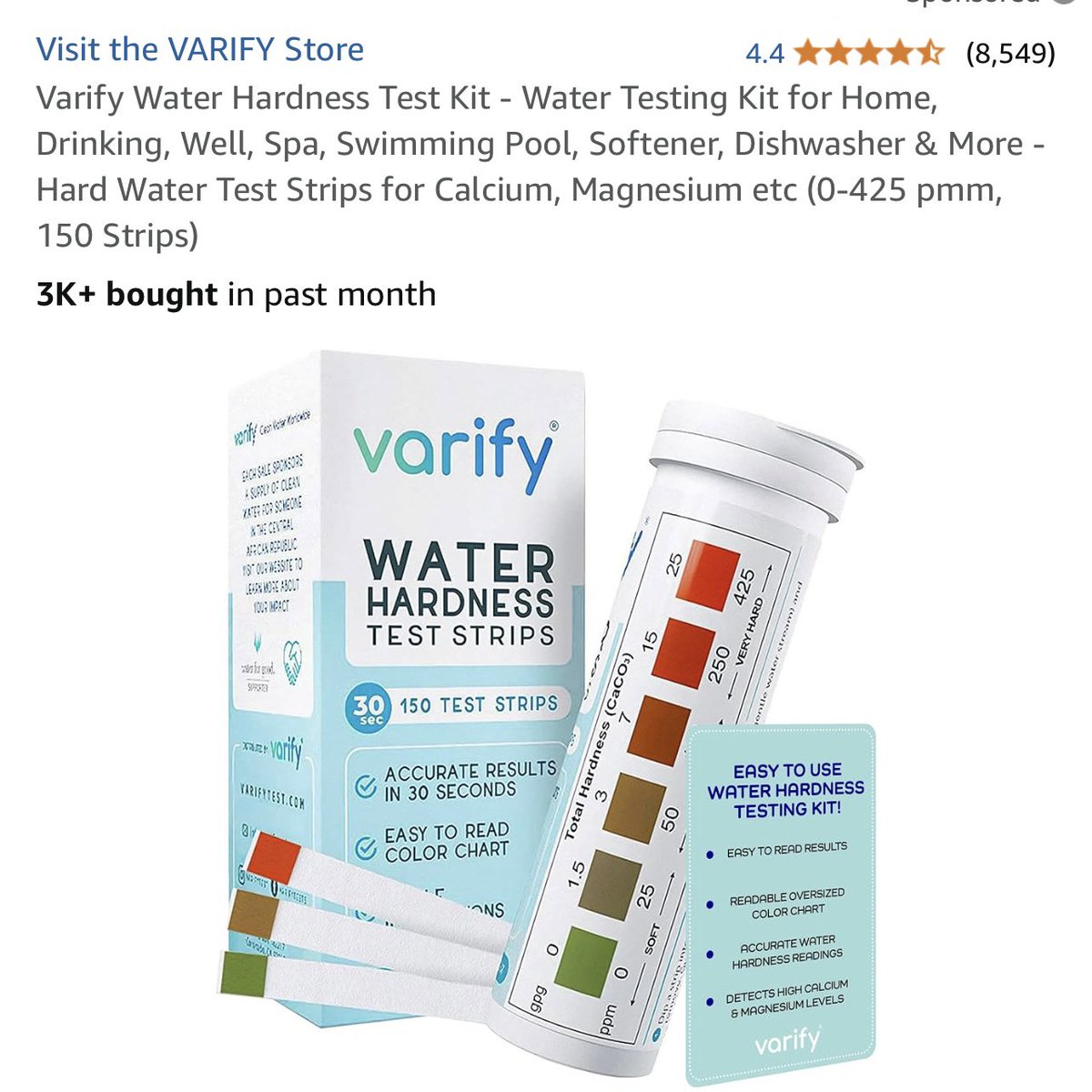
Varify 17 in 1 Complete Drinking Water Test Kit – This kit includes tests for fluoride as well as other water parameters like hardness and pH.
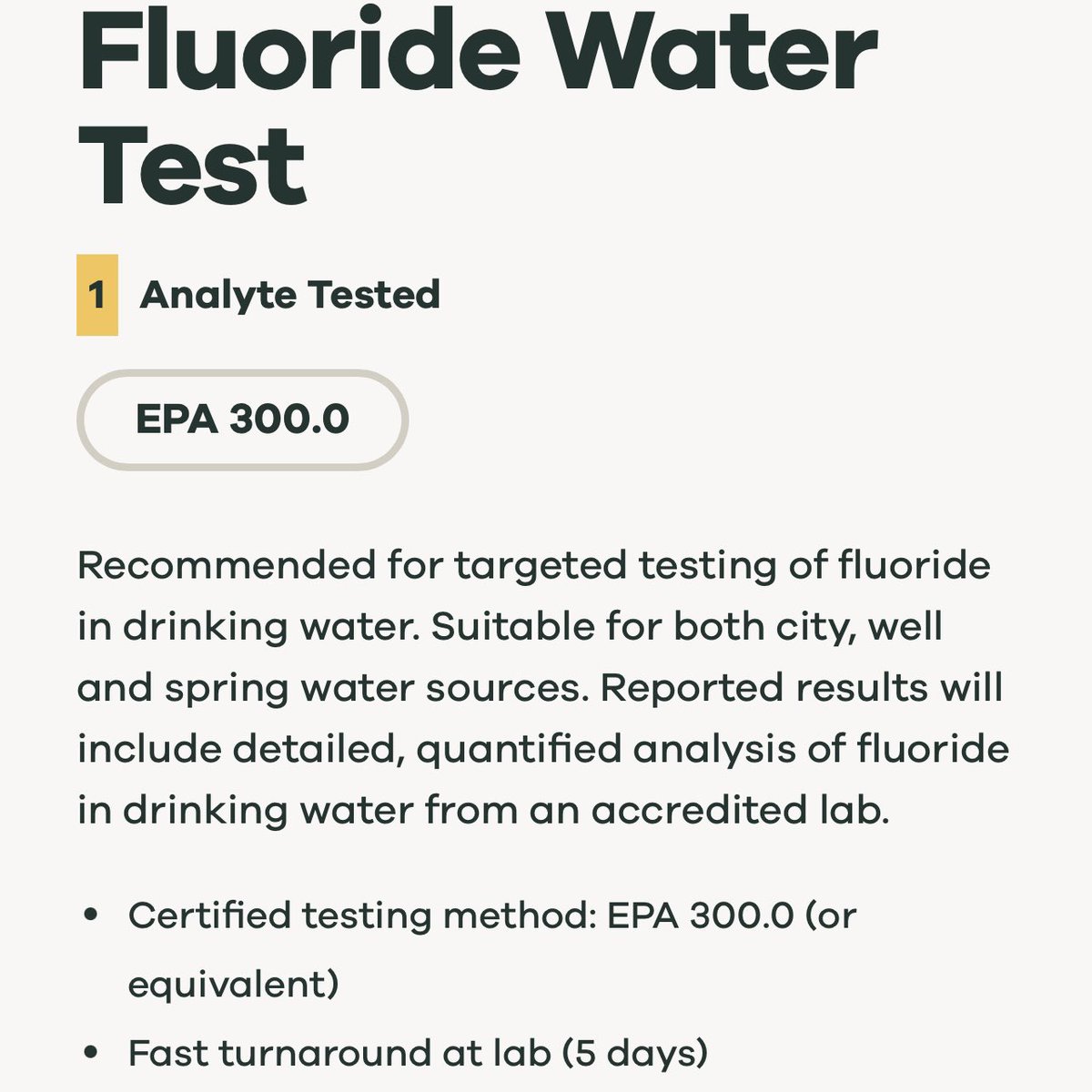
Alternatively, specialized water testing companies offer mail-in kits. These are more accurate than at-home tests because they involve certified laboratory analysis. A good example is the Tap Score Fluoride Water Test Kit, which provides detailed, quantified results from an accredited lab.
Fluoride Water Test Kit [Certified Laboratory] – SimpleLab Tap Score – This kit allows you to collect a sample at home and send it to the lab for precise results.
Whether you choose professional lab testing or at-home kits, knowing the fluoride levels in your water is key to making informed decisions for your child’s dental health.
2
2
223

30 Jul 2024
As far as I've seen, SimpleLab is one of a kind in terms of price point and user-friendly interpretation of lab-certified drinking water quality results.
30 Jul 2024

💧H2O INTRO🤝John Pujol of @GoSimpleLab
John believes that in this era of intense #water monitoring, it's vital that sending samples to a lab is an easy and modern process.
He says being in a group of organizations like @thespringpoint's Delta helps him make a bigger impact.
1
2
299

14 Dec 2023
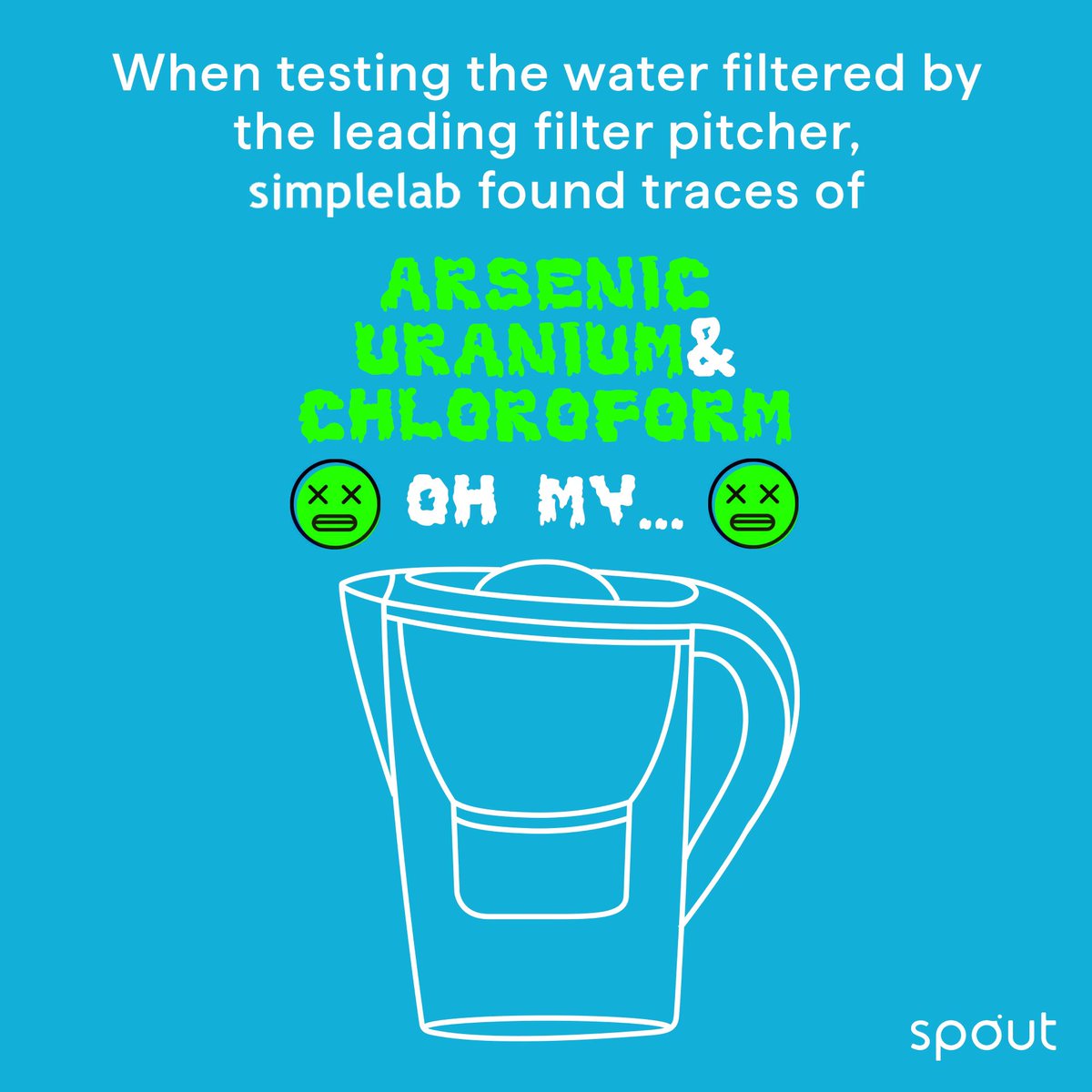
😳🚨These test results are alarming!! 😳🚨
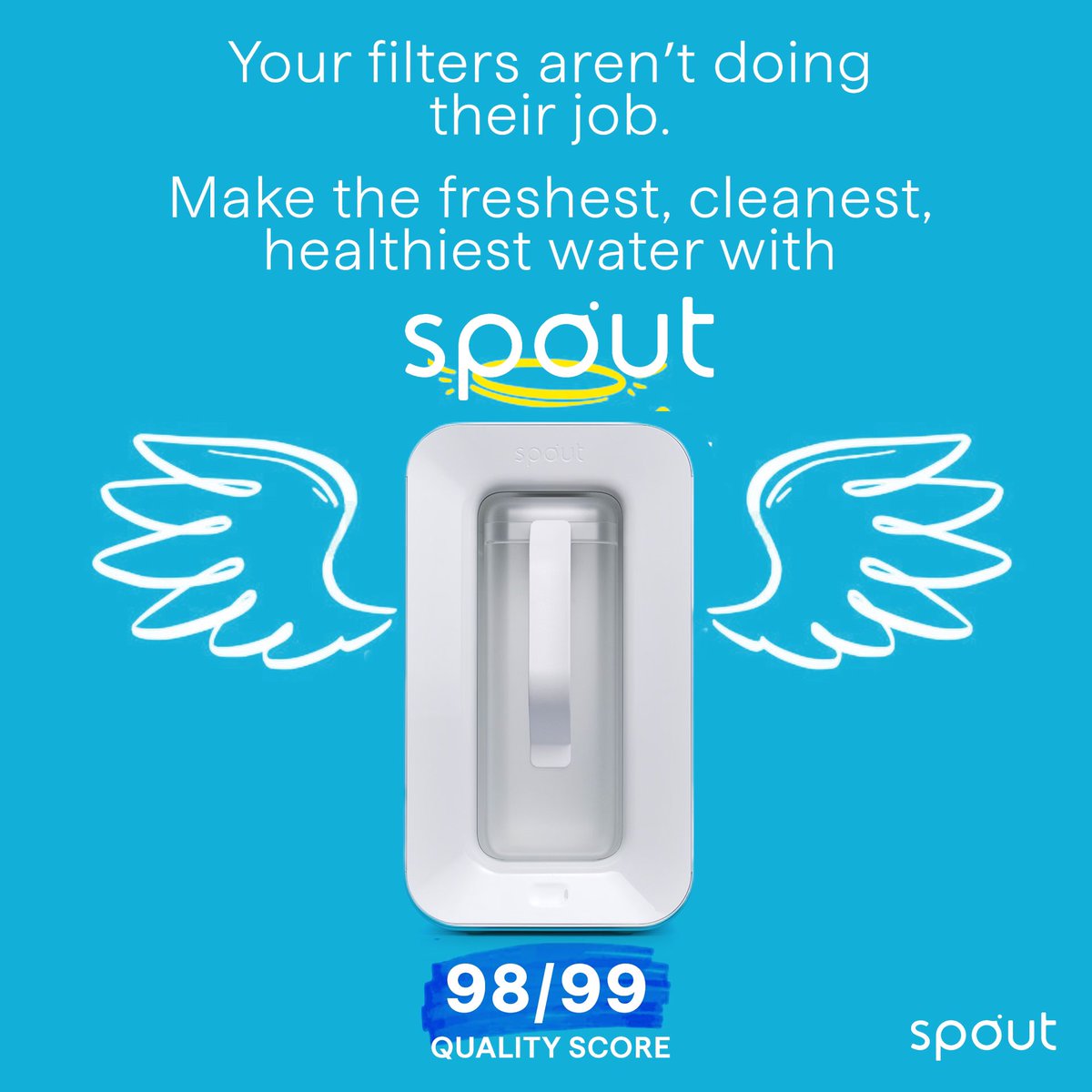
Stop wondering if your filters are really working, and know you are drinking the freshest, cleanest, healthiest water with Spout.💧💧
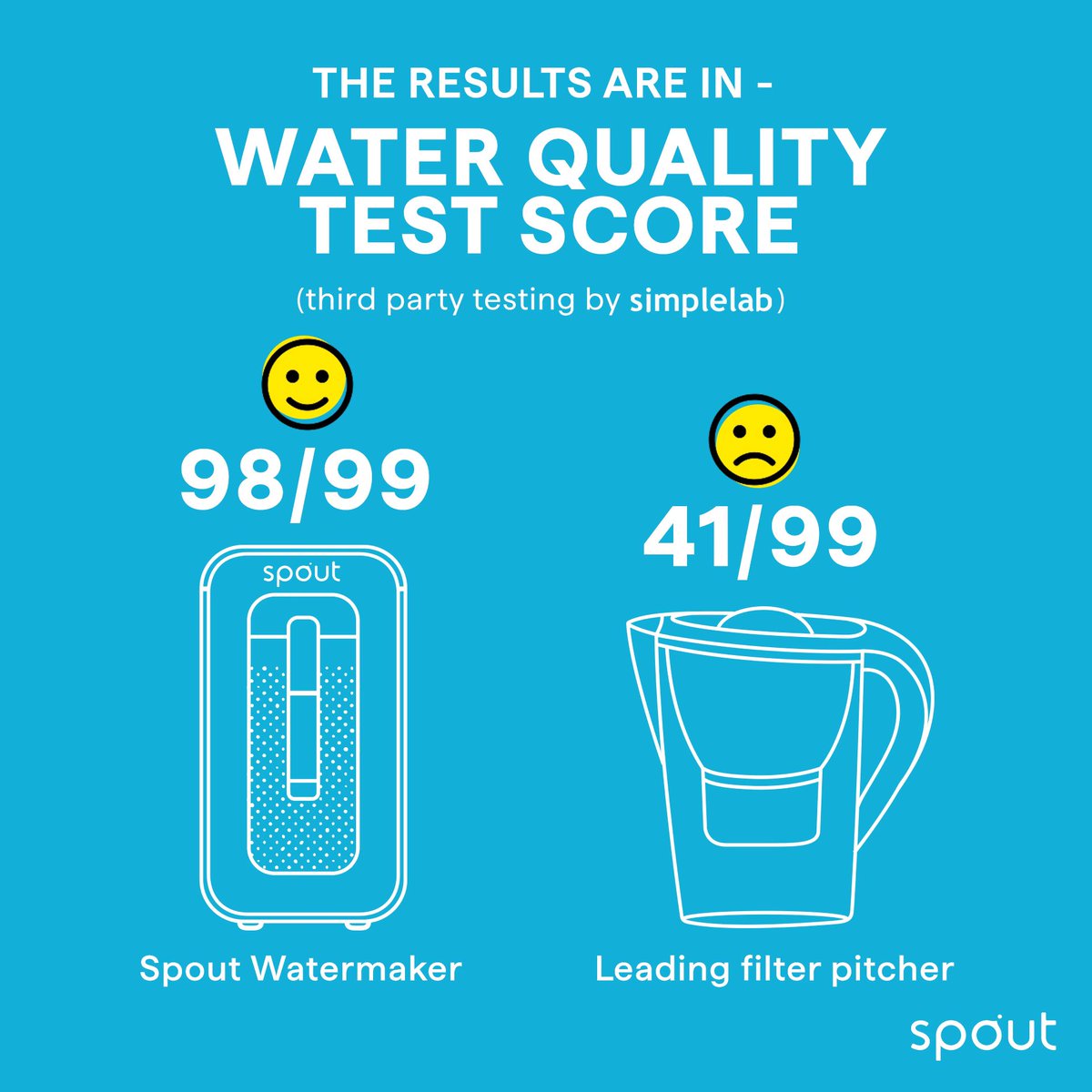
🧑🏻🔬Third party water testing experts, SimpleLab, tested water from the same location in Venice Beach, California. Water made from air by Spout, and tap water filtered through the leading water filter pitcher.
Even we were shocked at what they found in the filter pitcher water 😵🦠🧫
🏆Spout scored a 98 out of 99 on the SimpleLab Healthy Water Score!👏
Spout is the the healthy water you can trust.
Preorder your Spout and Be the Water Revolution 💧🌎💧
2
113

12 Nov 2023
PFAS exposure has been linked to increased risk of cancer, as well as effects on the liver, immune system, cardiovascular system and human development, according to the EPA.
EPA detected "forever chemicals" in water systems serving 46 million. Is yours on our map?
Toxic “forever chemicals” have been found in more than one in four public drinking water systems this year in concentrations at or above the Environmental Protection Agency’s minimum reporting levels.
That’s according to new EPA data released Thursday, showing hundreds of water systems have detected PFAS. Together, these systems provide drinking water to about 46 million people.
Map: Where the EPA found pollutants
This map shows water systems included in the EPA's records, as of Nov. 9. It’s based on boundaries developed by SimpleLab, a water-testing company. Click on a system to see the number of pollutants detected at or above the EPA's minimum reporting levels and how much the most concentrated pollutant exceeded those levels. If you don't see a map, click here.
data.usatoday.com/epa-pfas/
Of about 3,200 systems included so far, 854 measured at least one PFAS compound above the EPA’s reporting levels, according to a USA TODAY analysis of the data.
USA TODAY’s analysis shows the chemicals have turned up in nearly every state, affecting water systems large and small.
usatoday.com/story/news/inve…
1
1
6
151

31 Jan 2023
Just finished the simpleLab from class 4 of #100Devs. It is amazing how you can get lost in the little details trying to make your design perfect! lol, keep reminding myself, vomitycode.... lol
Exited to check out the next class, I am so ready!!! let's go get!
1
4
85

24 Jan 2023
When I was a kid, we had fun with tongue twisters like "rubber baby buggy bumpers". #Funny
Today's kids face tongue twisters of #PFAS #PFOA , Over 5,000 of them! #NotFunny
#SimpleLab How to pronounce just 30 :
youtu.be/c4a6ENO6Q6Y
#Learning #Science
Cc: @MelanieBenesh @ewg
1
1
4
159

10 Jun 2022
📣 In case you missed it, our team over at Trinnex started a partnership with @SimpleLab to provide a one-stop-shop for lead and copper rule revisions #LCRR compliance: from creating a public-facing and dynamic inventory dashboard through #leadCAST to...
1
2
3

10 May 2022
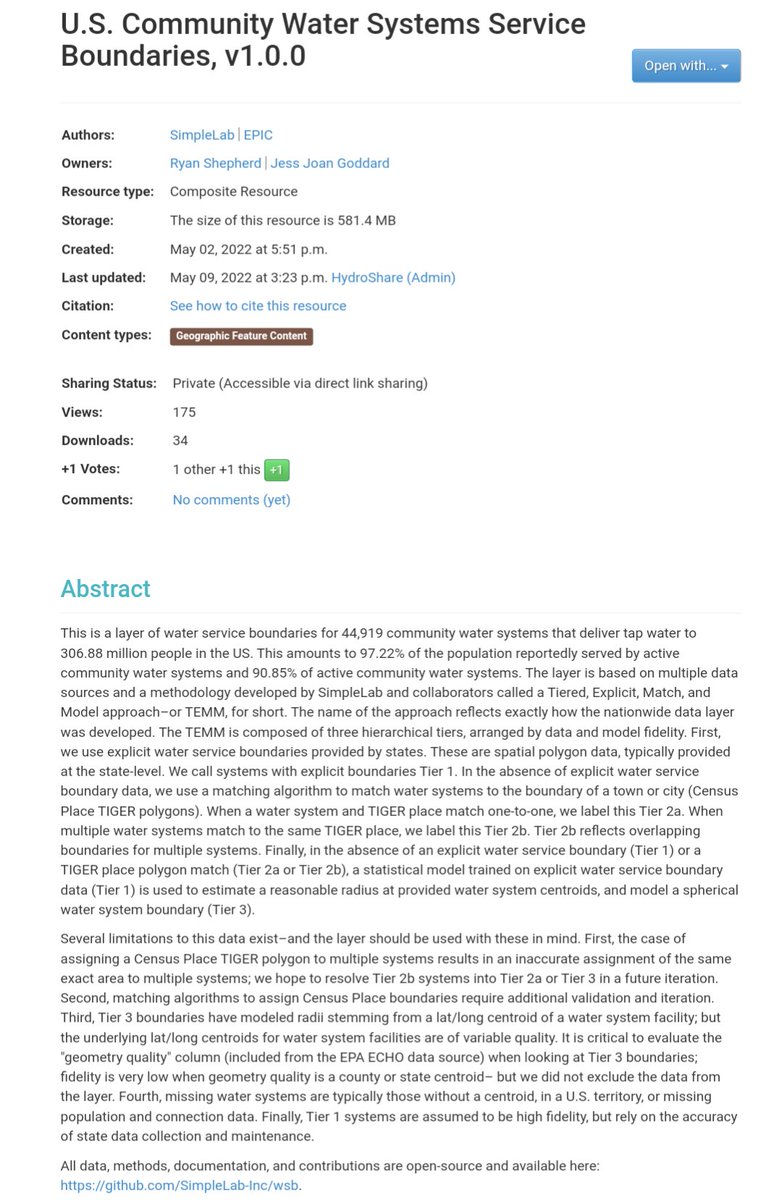
Download the data at @CUAHSI's HydroShare catalog:
SimpleLab, EPIC (2022). U.S. Community Water Systems Service Boundaries, v1.0.0, HydroShare, hydroshare.org/resource/6f33…
2
3

6 May 2022
We've teamed up with @GoSimpleLab to create a more seamless and automated solution for gathering required #data and generating regulatory #reports that meet compliance. Learn more: blueconduit.com/post/bluecon… #waterquality #leadserviceline #watertesting #machinelearning #simplelab
1
7

19 Nov 2020
No slides. Just talk.
Join us for a live discussion about democratizing water quality data.
us02web.zoom.us/webinar/regi…
Feat. our CIO @JimmyNoTyres and great minds from 💧 Mazarine Ventures💧 Environmental Policy Innovation Center💧Aquagenuity💧120 Water💧 SimpleLab
1
2
4

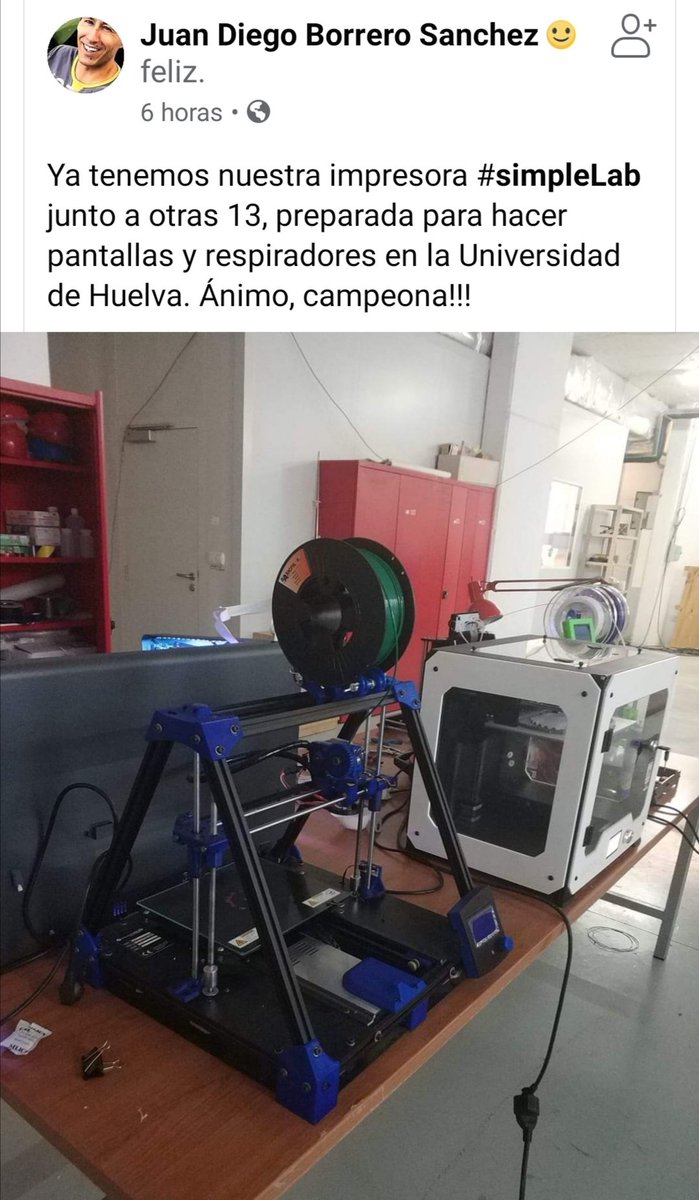
@jdiegoborrero investigador de @UniHuelva trabaja en la producción de pantallas y respiradores contra el #COVID2019 #simpleLab #Huelva
2
9

14 Oct 2019
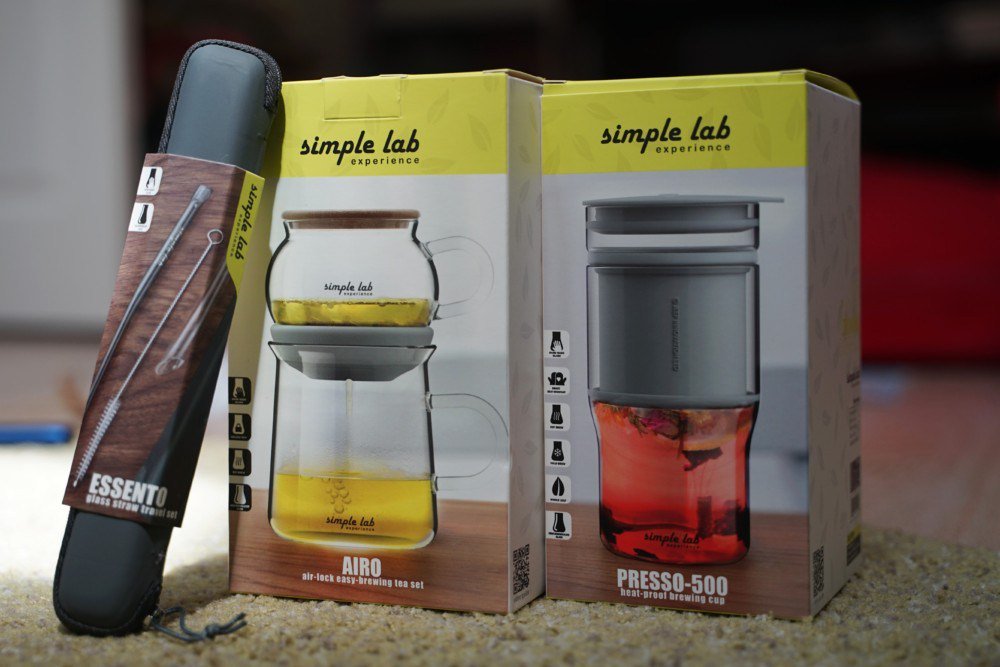
【新着記事☆みさ子執筆】香港からやってきたオシャレ茶器『simple lab』でマジックティータイムを体験しちゃったよ☆
#simplelab #simplelab-exp #クラウドファンディング #Makuake
#crowdfunding misatopi.com/misako_mama_lif…
2
3