
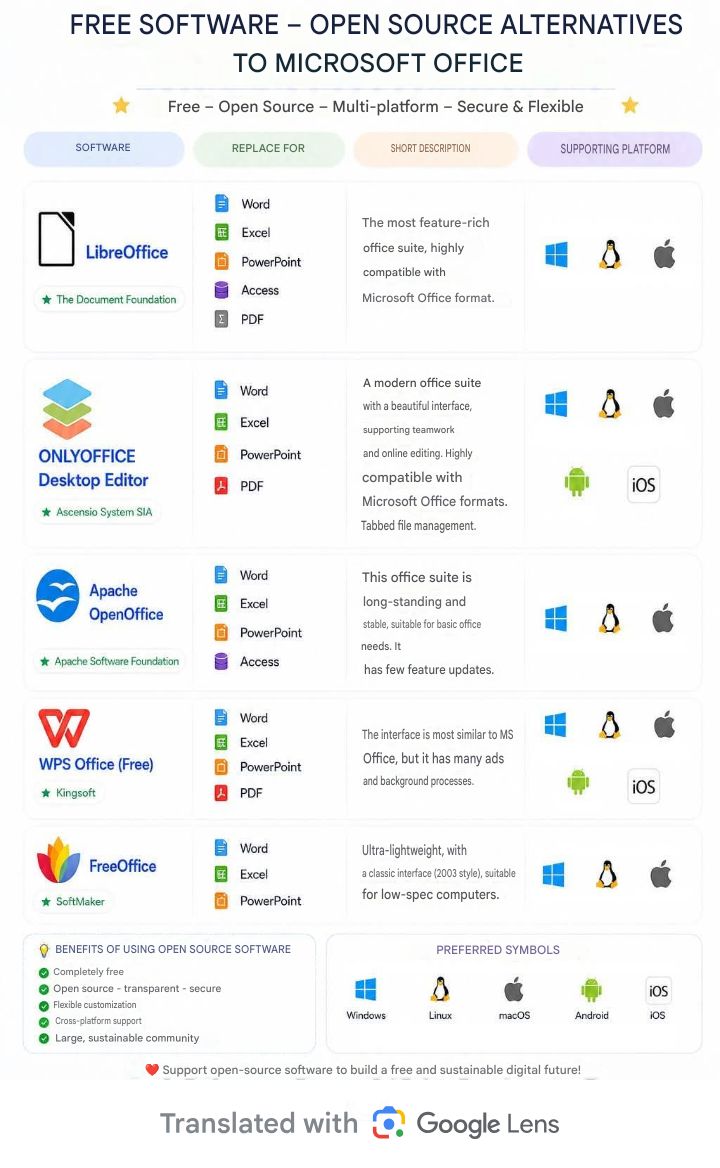

Say thanks Croatia for this,Croatia make this system first. and dont use american shit excel you have 100 time better software eu openoffice, ONLYOFFICE,LibreOffice,SoftMaker
14

SoftMaker FreePDF 2025 для Windows: Как получить бесплатную лицензию
comss.ru/page.php?id=16118
85

Jun 12
Disponible para pruebas la beta pública de la suite ofimática Softmaker Office 2026 laboratoriolinux.es/index.ph… El mercado de las suites ofimáticas en Europa está movido, y la empresa alemana Softmaker también quiere ser protagonista. Ya está disponible la beta pública de Softmaker
9
José Albert retweeted

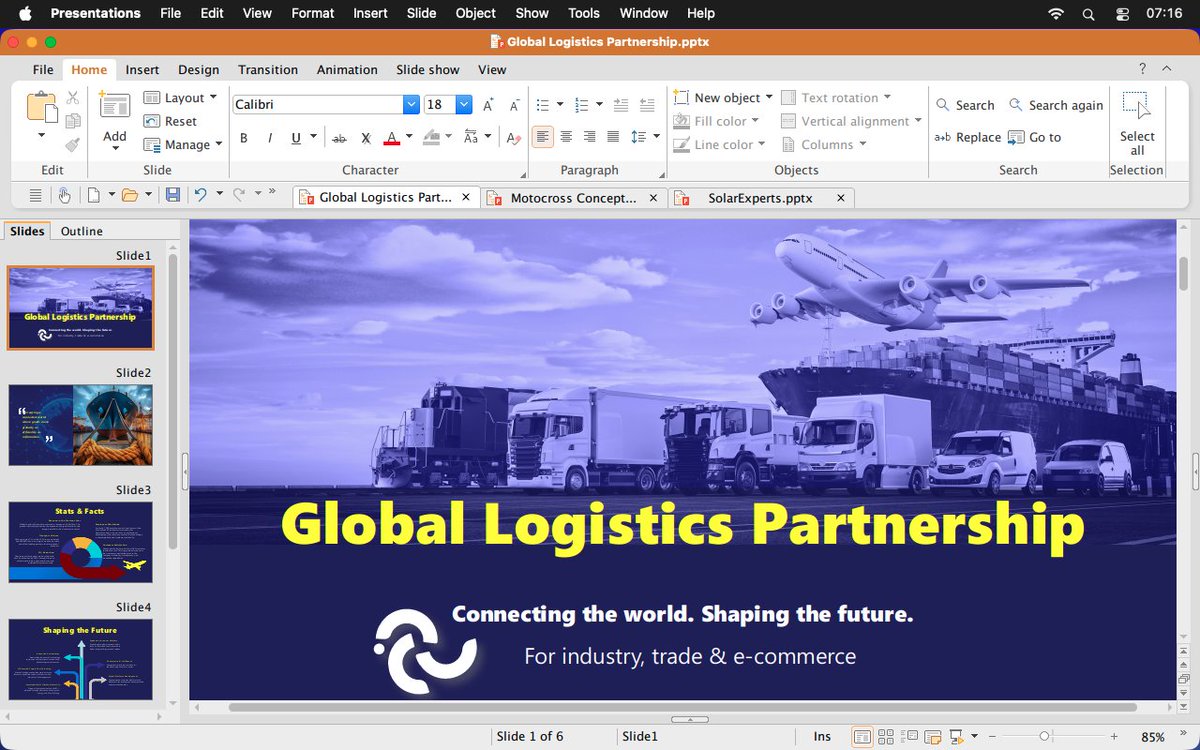
Disponible para descarga la beta de Softmaker Office 2026 para #Linux, Windows y Mac. Enlace abajo
1
1
1
53

I am. I still have an old version of Adobe CS3. Most of it still works.
But there are alternatives. To MS Office, there's LibreOffice and SoftMaker.
Kden and Da Vinci Resolve are alternatives to Premiere Pro.
If you don't like cloud storage, you can buy external hard-drives.
2
272

Jun 10
MS-Office-Alternative: Öffentliche Beta von SoftMaker Office 2026 gestartet
Seit heute kann man die neue Version des deutschen Office-Pakets von SoftMaker kostenlos herunterladen und bis Ende Juli ausprobieren.
2
31

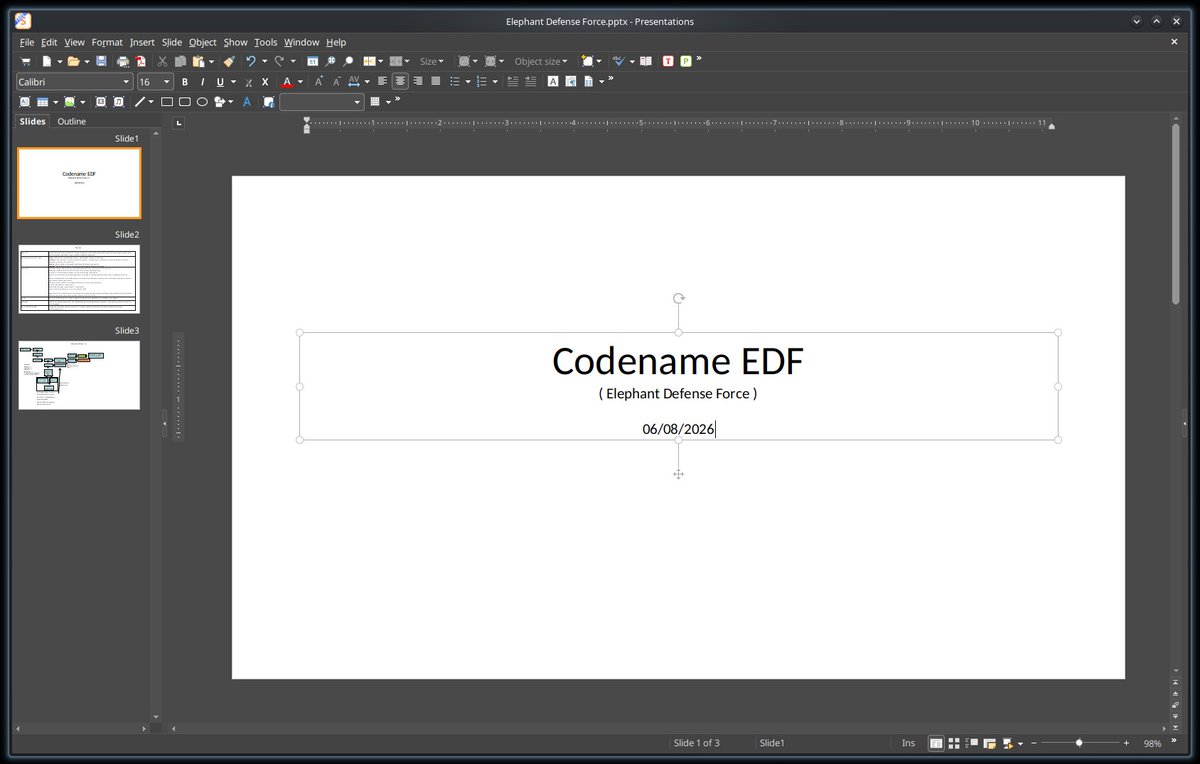
The more i use Softmaker Freeoffice, the more i like it.
The king of Office clones!!
Love being able to change to a Powerpoint 2003 style interface.. visual muscle memory is starting to come back :)
If this continues to go well, i will ditch my beloved Office 2010 finally 🫠
4
94

Jun 9
SoftMaker Office 2026 ab sofort im öffentlichen Betatest: Neue Version des deutschen Officepakets für Windows, Mac und Linux softmaker.de/pressebereich
1
14

Jun 9
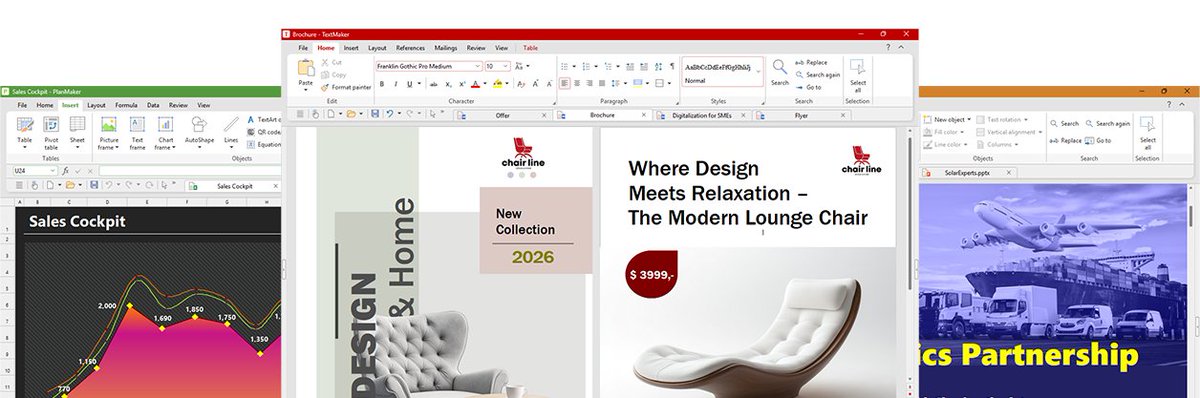
SOFTMAKER OFFICE 2026: Now in public beta
We are proud to announce the latest generation of SoftMaker Office for Windows, Mac and Linux.
Get the free beta from softmaker.com
... and spread the news!
3
33

Jun 9
Einfach Softmaker Office, läuft nativ ohne Frickelei auf Linux und fühlt sich an wie MS Office.
1
19

Jun 9
SoftMaker Office NX 2026 im öffentlichen Betatest linuxnews.de/softmaker-offic… #softmaker #OfficeNX #office #linux #linuxnews
1
64

Jun 3
Go to Softmaker Free Office! It is free! Offered for Windows, Mac, Linux, and Android OS. Fully compatible with MS Office. License Key requires a valid email to get an activate code but it is yours forever: freeoffice.com/en/
#microsoft
3
3
513

May 30
It’s because it’s sovereign-ish. If you mean the German public-sector definition of “digitally souverän,” it fails the test, and that failure is instructive. The state migrations that flew the sovereignty flag, Schleswig-Holstein being the loud one, went to LibreOffice and Linux for “complete digital sovereignty” , not SoftMaker. Reason: SoftMaker is closed source. You can’t audit it, you can’t fork it, and you’re still locked to one vendor’s roadmap. The ZenDiS/openDesk crowd treats open source as non-negotiable for sovereignty precisely because “trust me, I’m German” isn’t a security model. It’s a marketing posture at the moment unfortunately.
1
1
7
282

Why is SoftMaker Office so overlooked?
softmaker.com/en/products/so…
A sovereign GERMAN solution!
1
5
303

You have multiple options on Linux, LibreOffice, Onlyoffice, Freeoffice, Calligra, Softmaker, WPS Office etc.. So pick one, try it, and see if they meet your needs, if that's the only thing holding you back. Also I use Libreoffice daily at work, and collab w/MS office coworkers.
1
2
475

May 22
Libre office is a bad product ui wise. Free office apps like only office, Softmaker, WPS office ( but has ads) and google workspace apps are good enough for most people
1
2
87

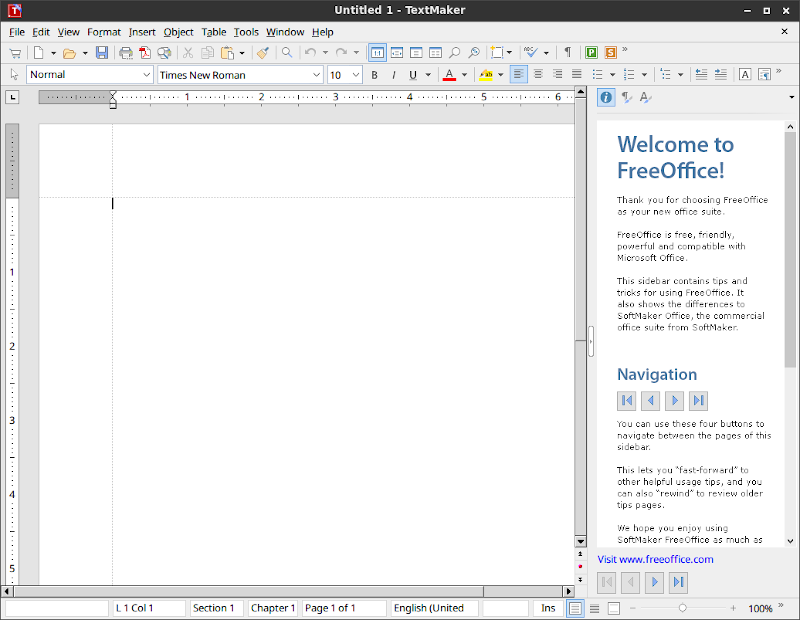

SoftMaker Office NX Universal on Amazon – Affordable AI Office Suite for All Devices alternative2office.org/offic… via @binarynow
1
3
35